Bap & Dak brings Korean home cooking to Rue Lesbroussart, one of Ixelles's most food-literate streets. The name references two Korean staples — rice and chicken — and the format follows suit: direct, ingredient-led, and rooted in the kind of everyday Korean cooking that rarely makes it intact into European restaurant contexts. For a neighbourhood already running a tight international roster, it fills a clear gap.
Pearl is the En Primeur Club membership app — saves, bookings, and concierge access live there. Same editors, same standards.
- Address
- Rue Lesbroussart 55, 1050 Ixelles, Belgium
- Phone
- +3223615659
- Website
- bapanddak.be
- Directions
- Get directions
 Saves & bookings on Pearl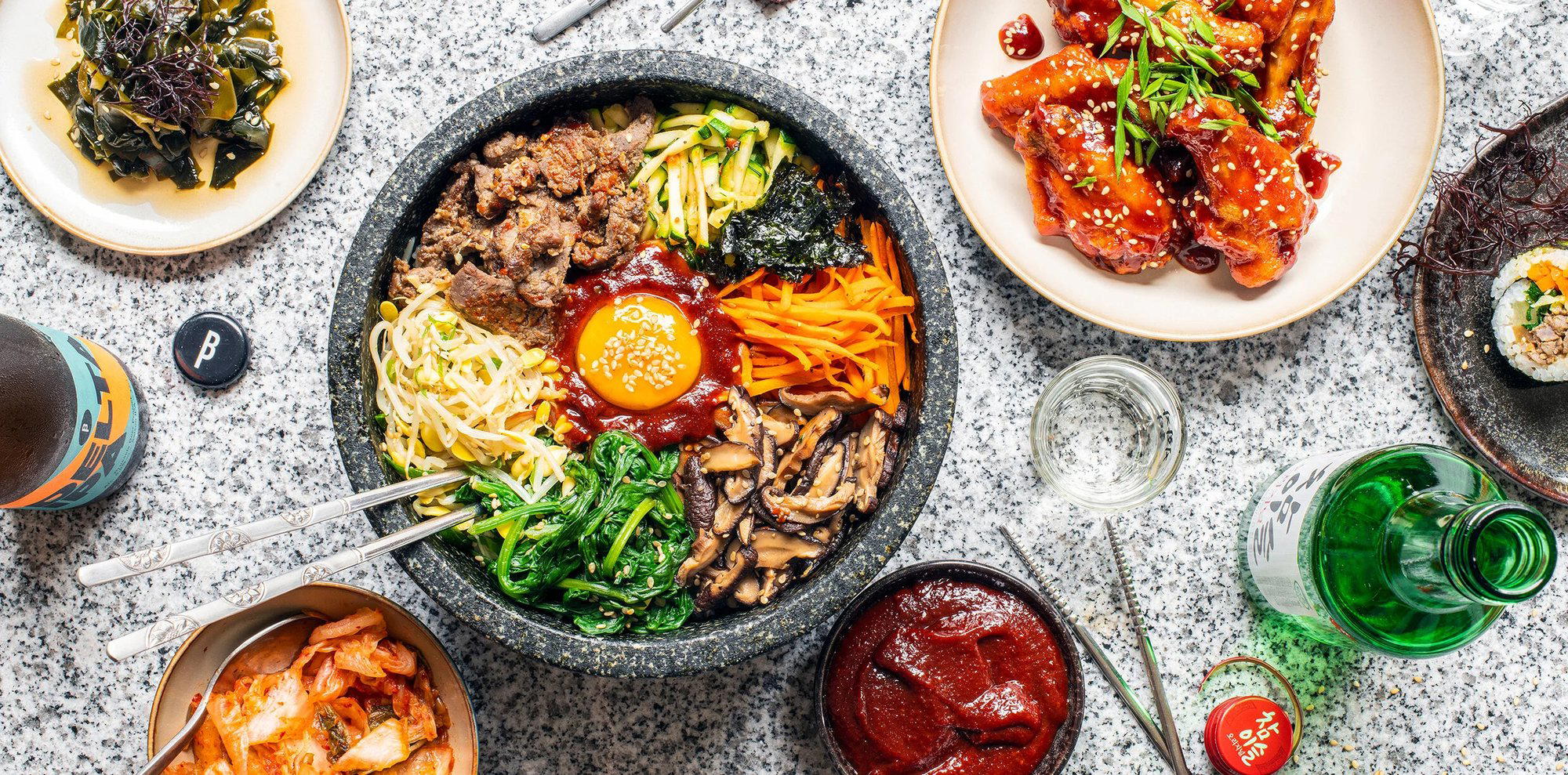
Korean Cooking on a Street That Takes Food Seriously
Rue Lesbroussart sits inside the Flagey quarter of Ixelles, a neighbourhood whose restaurant density and range have made it one of Brussels's most closely watched eating corridors. The street itself carries a compressed version of that international diversity: you can move within a few blocks from Japanese precision at Kamo to plant-forward creative cooking at Humus x Hortense to Italian simplicity at Amore, Pasta e Gioia. Into that mix, Bap & Dak occupies number 55, bringing a Korean reference point that the street was missing.
The name is the clearest possible statement of intent. Bap means rice in Korean; dak means chicken. Together they cover two of the most central elements in Korean everyday cooking, the kind eaten at home or in neighbourhood pojangmacha rather than in the formal restaurant settings that Western audiences tend to associate with Korean cuisine. That framing matters. It tells you what register the kitchen is operating in before you sit down.
What Korean Home Cooking Actually Means in This Context
Korean cuisine in Europe has followed a particular adoption curve. Barbecue arrived first, driven by the participatory theatre of table grilling. Then came fried chicken, whose Belgian chapter is especially relevant given the country's own deep relationship with the format. What has moved more slowly across is the broader vernacular of Korean everyday eating: the layered fermented side dishes, the rice-centred meal structure, the soups and stews built on long-cooked stocks, and the approach to seasoning that leans on doenjang, gochujang, and sesame rather than fat and acid.
Bap & Dak's positioning around rice and chicken places it closer to that vernacular register than to the performance end of Korean dining. In Seoul, a bowl of dakgalbi or a plate of properly fried dak-gangjeong alongside steamed rice represents functional, deeply satisfying eating rather than occasion dining. Translating that logic to a Brussels neighbourhood restaurant requires confidence in the cooking rather than reliance on spectacle, which is a harder case to make to a European audience but a more honest one.
For context on how European cities have absorbed Asian culinary traditions at different quality tiers, the contrast with high-commitment Japanese tasting formats like those at Le Bernardin in New York City or experiential American formats like Lazy Bear in San Francisco is instructive: those venues built European and American audiences for precision Asian-influenced cooking through formality and price. The Korean home-cooking model works in the opposite direction, building an audience through accessibility and repetition.
Ixelles as a Testing Ground for This Kind of Cooking
The Flagey area has demonstrated, over the past decade, an appetite for restaurants that do one thing with focus rather than broad menus designed to cover every preference. Amen operates on farm-to-table discipline; Au Savoy maintains a classicist Belgian line. The neighbourhood rewards specificity, which makes it a reasonable environment for a Korean address built around a narrow, clearly defined proposition.
Brussels as a whole sits within a Belgian dining culture that has produced some of the continent's most technically accomplished restaurants. Across the country, addresses like Hof van Cleve in Kruishoutem, Boury in Roeselare, Zilte in Antwerp, and Vrijmoed in Gent have collectively raised expectations for ingredient sourcing and technical execution. That ambient standard influences even casual-register venues: Brussels diners eat across price points but tend to apply consistent critical attention regardless of format. A Korean neighbourhood spot on a competitive Ixelles street operates inside that standard, not outside it.
The broader Belgian dining picture also includes addresses at the more destination end of the spectrum: Willem Hiele in Oudenburg, d'Eugénie à Emilie in Baudour, La Durée in Izegem, Cuchara in Lommel, and Ralf Berendsen in Neerharen. And in Brussels proper, Bozar Restaurant represents the capital's more formal institutional dining register. Bap & Dak operates in a very different tier — but the surrounding standard shapes what the neighbourhood expects of even its most informal addresses.
Planning Your Visit
Bap & Dak sits at Rue Lesbroussart 55 in the 1050 Ixelles postcode, within easy walking distance of Place Flagey and the surrounding public transport connections. The Flagey area is dense enough with dining options that it rewards an afternoon or evening built around the neighbourhood rather than a single destination, and the street itself is navigable on foot. For a fuller picture of where Bap & Dak sits within the local eating options, the full Ixelles restaurants guide maps the broader scene across price points and cuisine types.
Given the format and neighbourhood, the likely crowd on a Friday or Saturday evening will reflect the Flagey area's habitually high footfall, which means arriving with a reservation or arriving early is the more reliable approach.
How Bap & Dak Ixelles compares with similar nearby venues.
| Venue | Cuisine | Price |
|---|---|---|
| Humus x Hortense | Creative | €€€€ |
| Racines | Italian | €€ |
Continue exploring
More in Ixelles
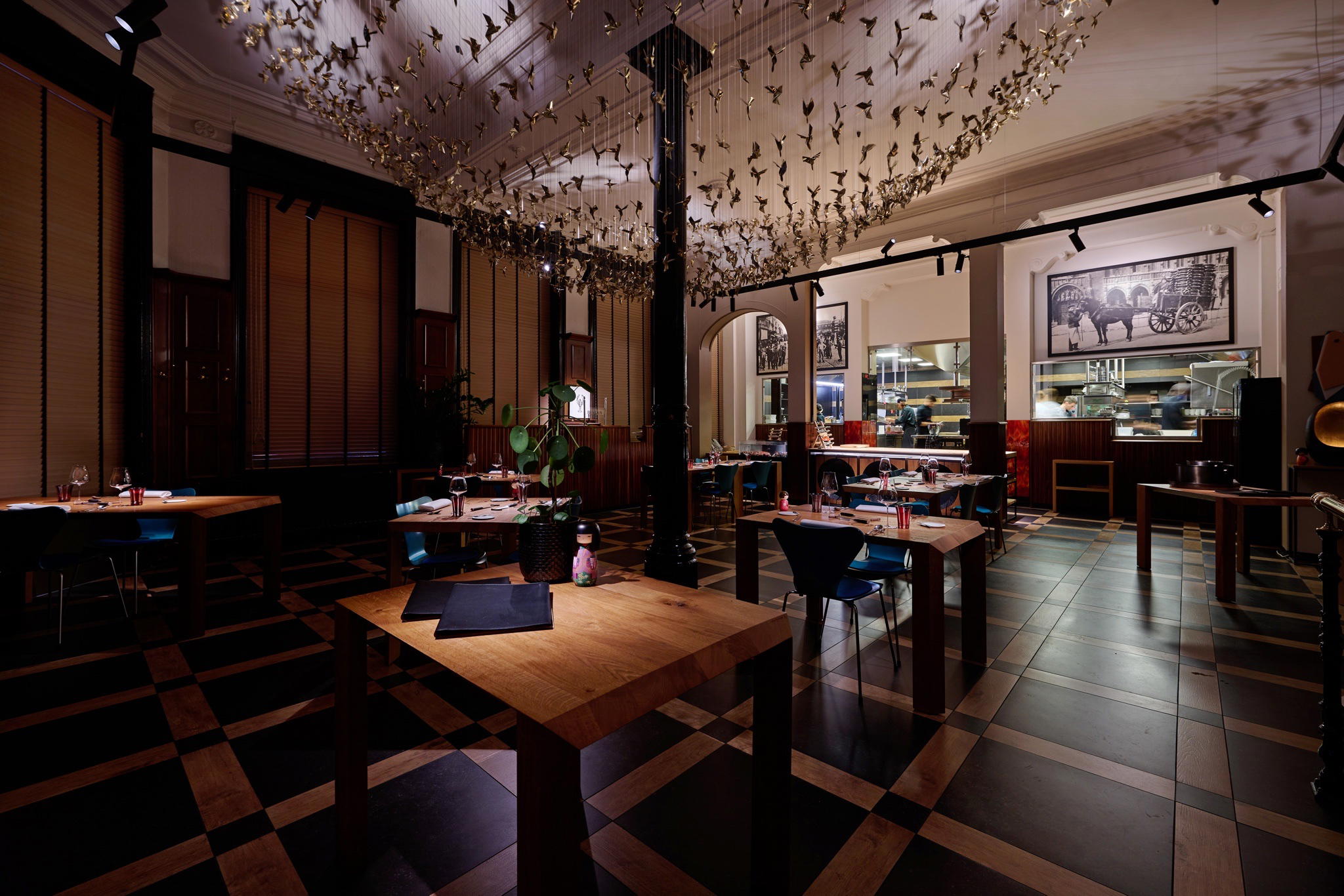
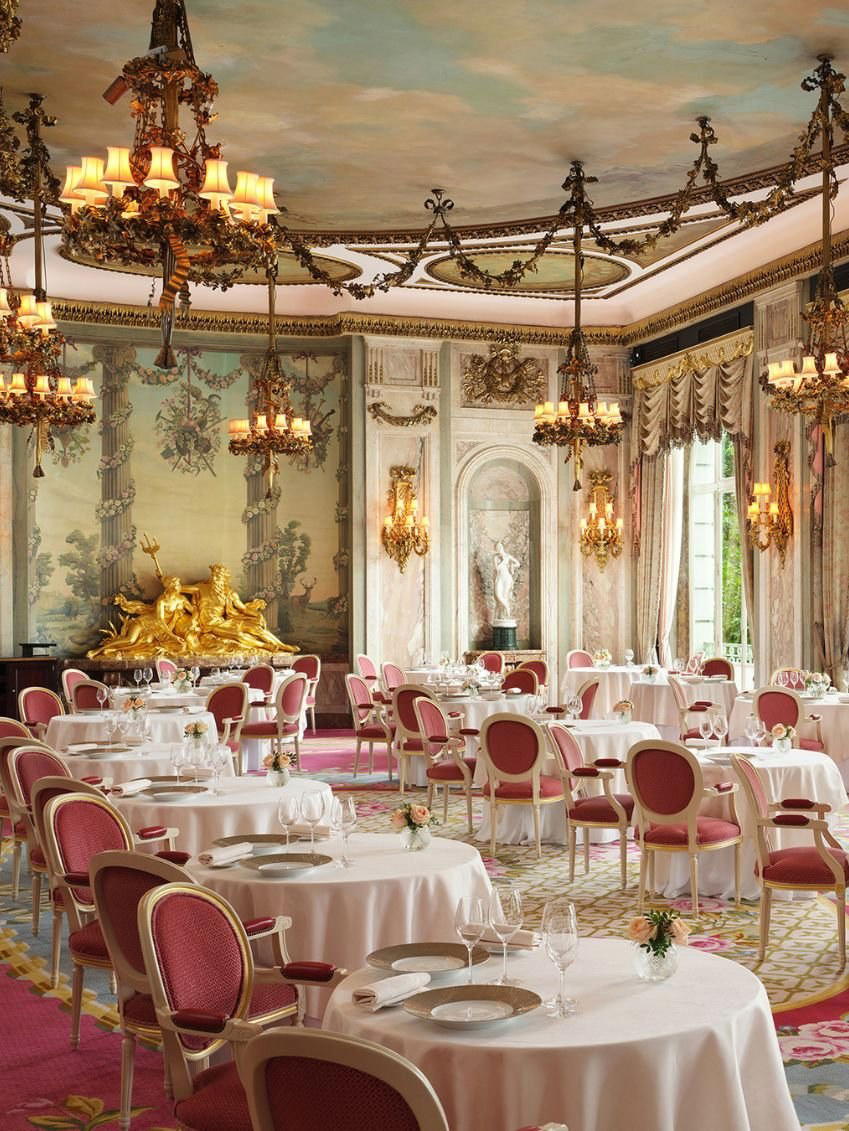
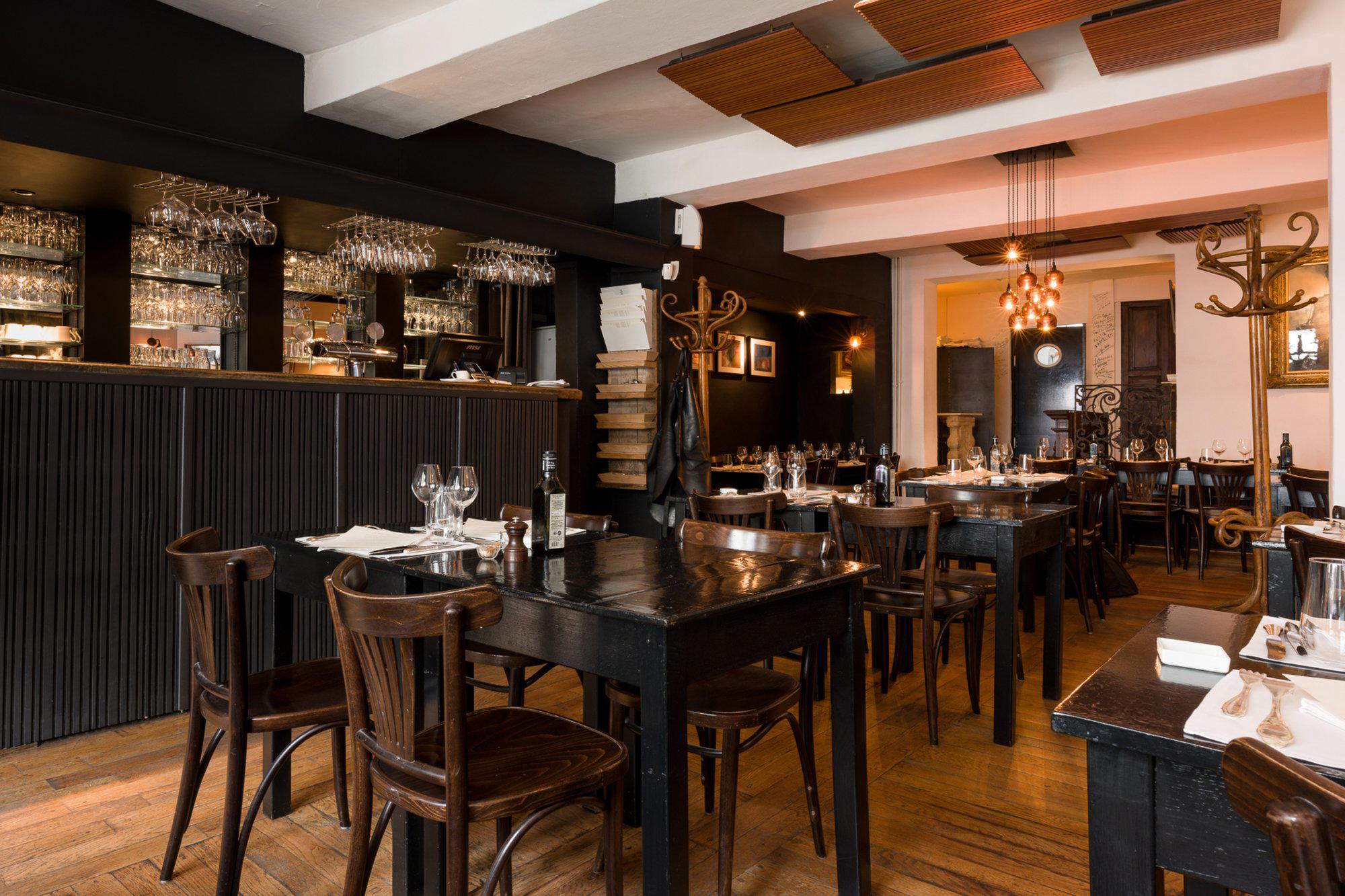
Restaurants in Ixelles
Browse all →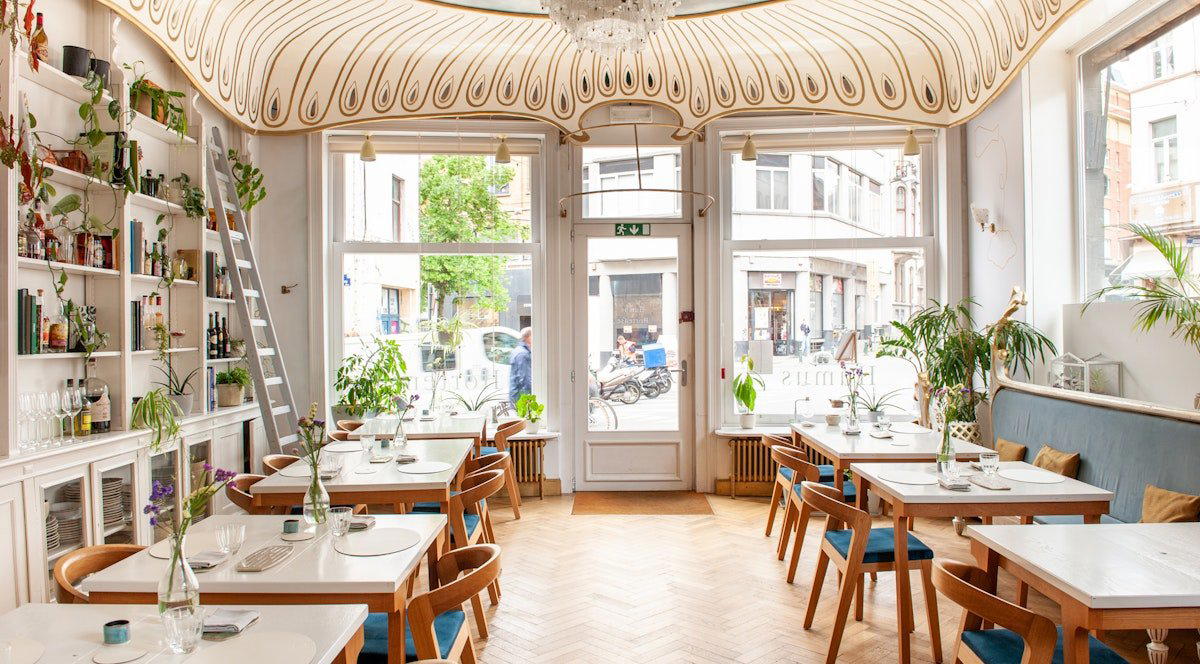
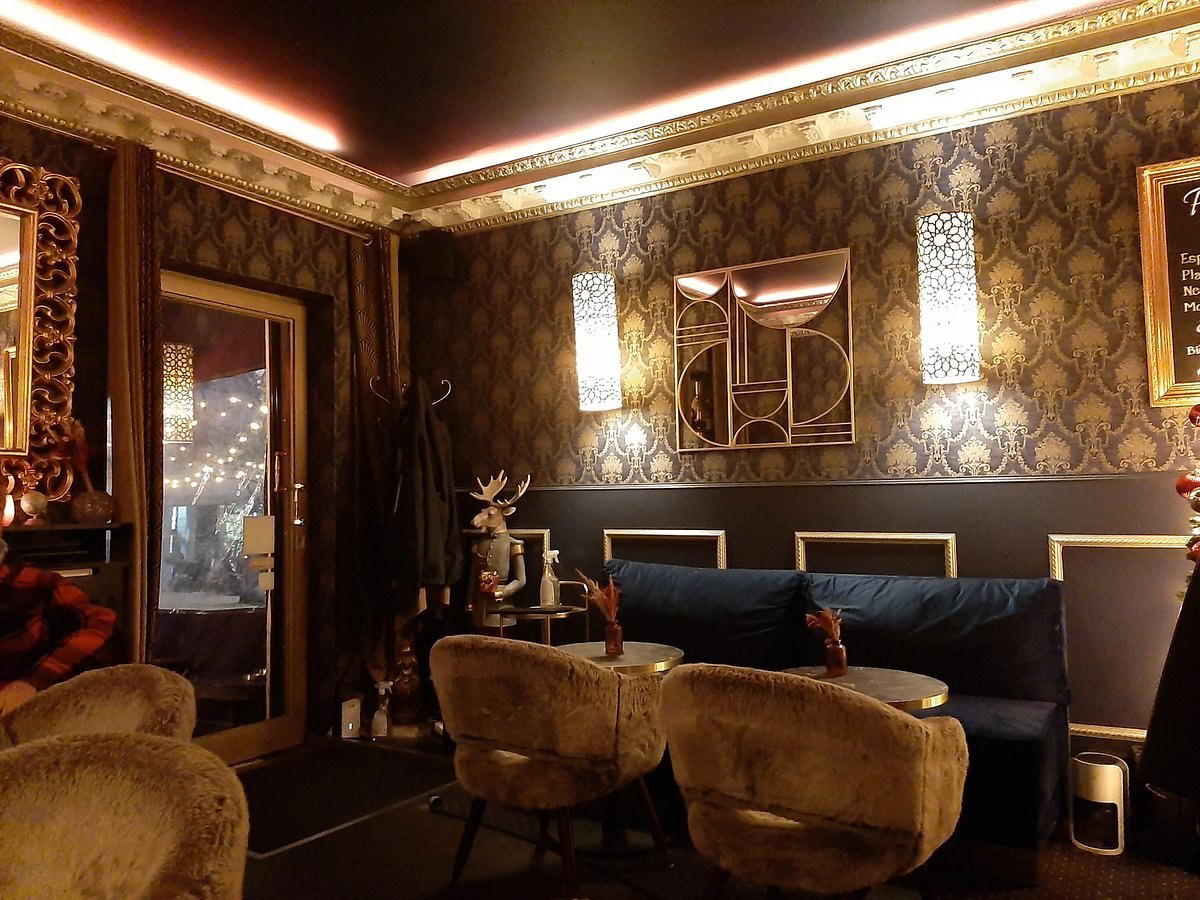
Bars in Ixelles
Browse all →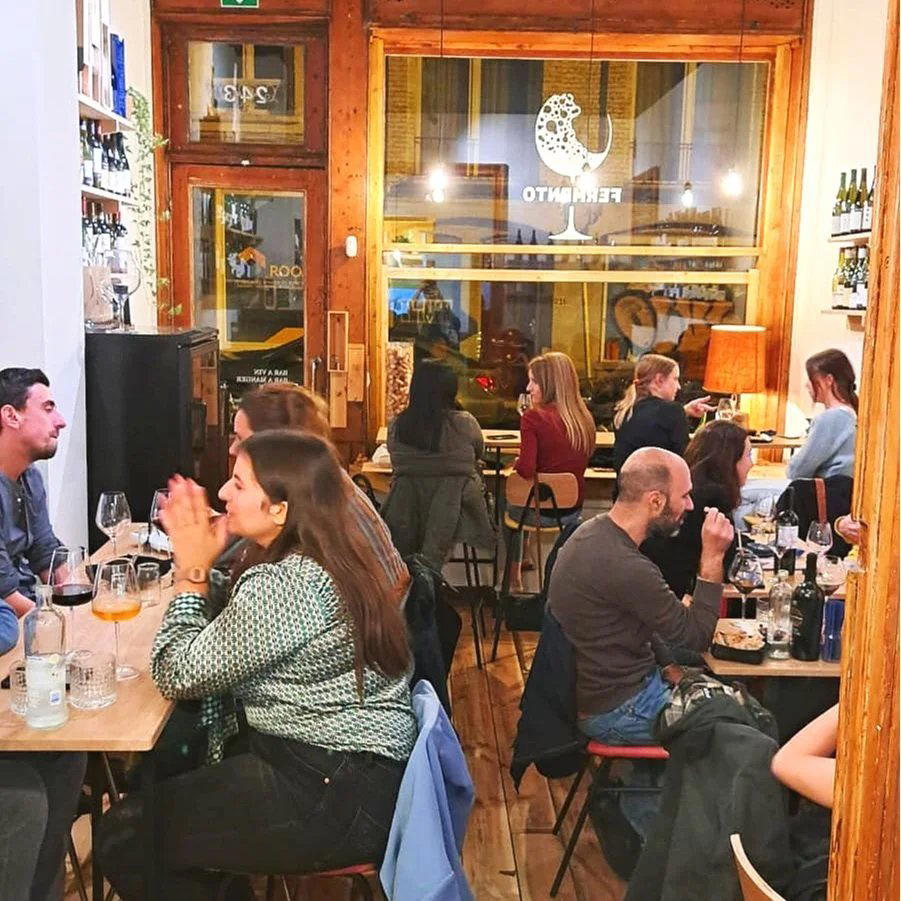
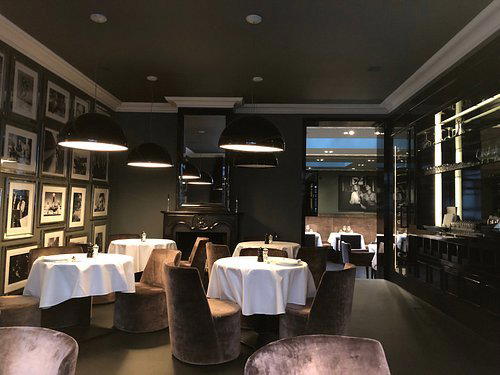
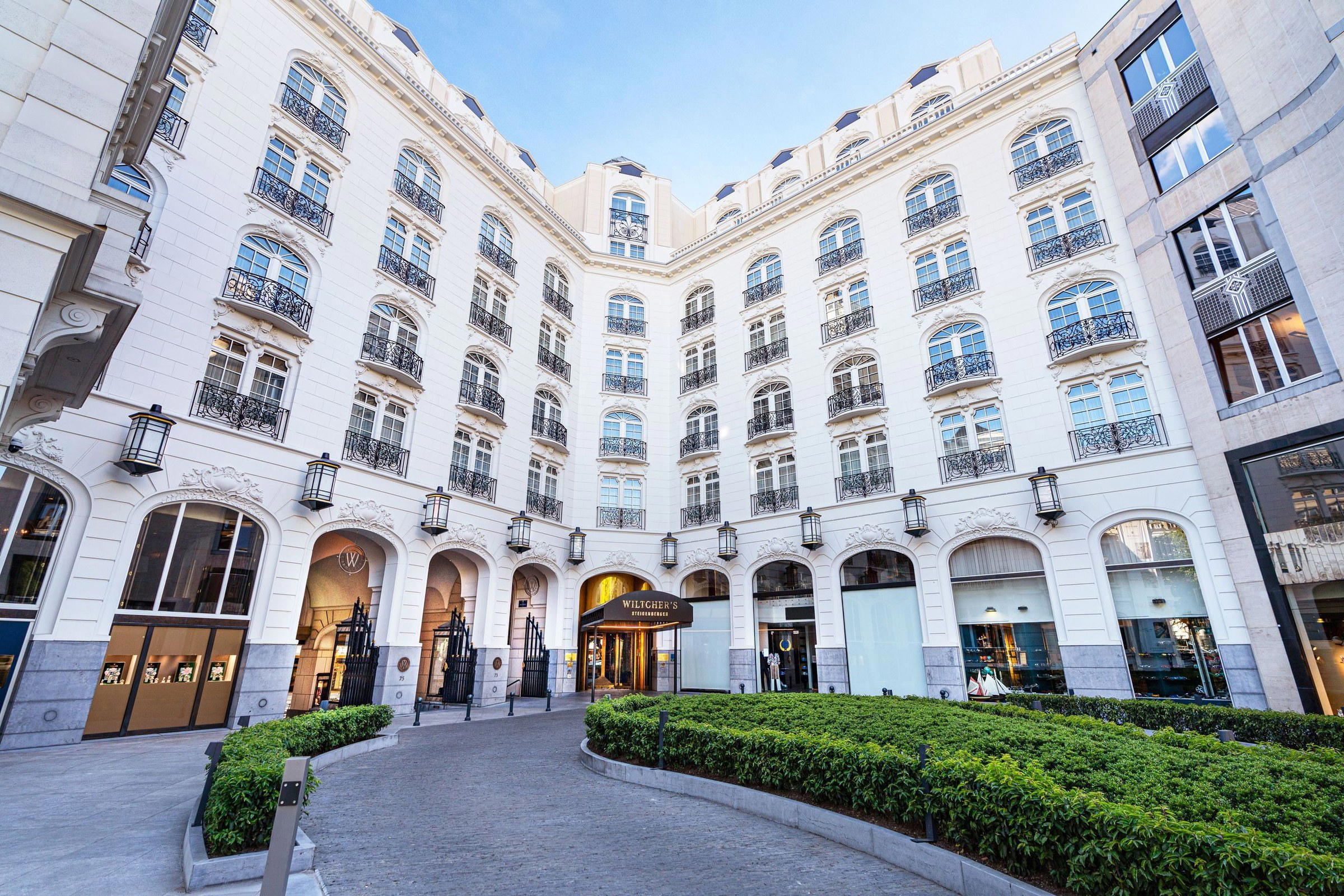
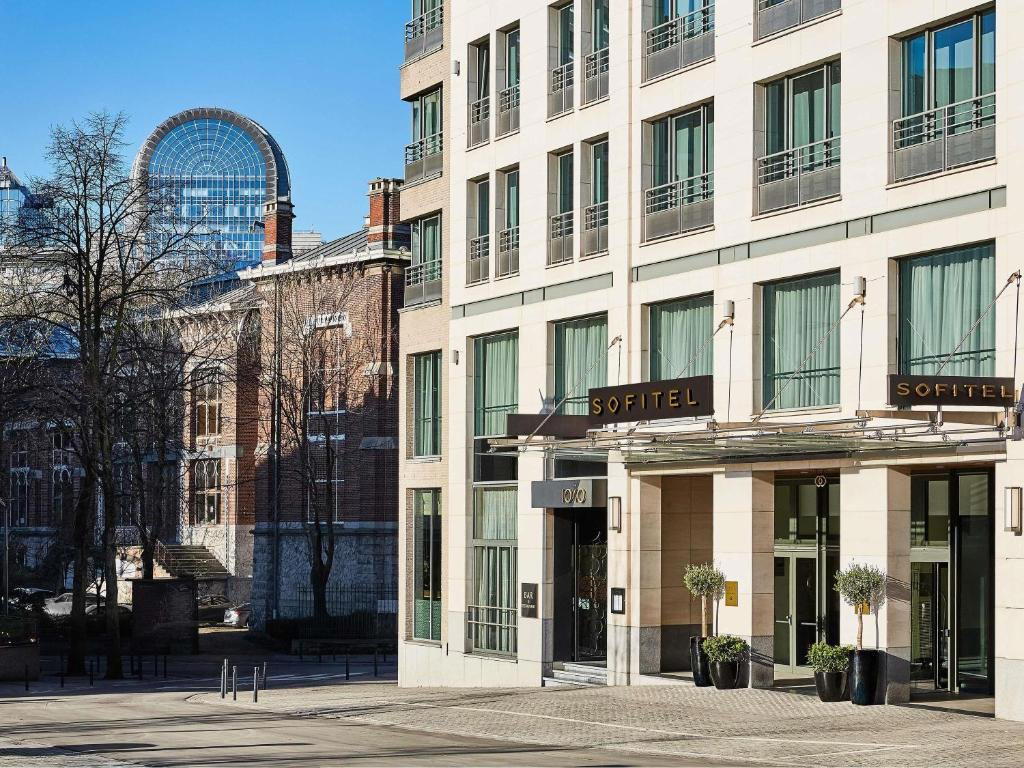
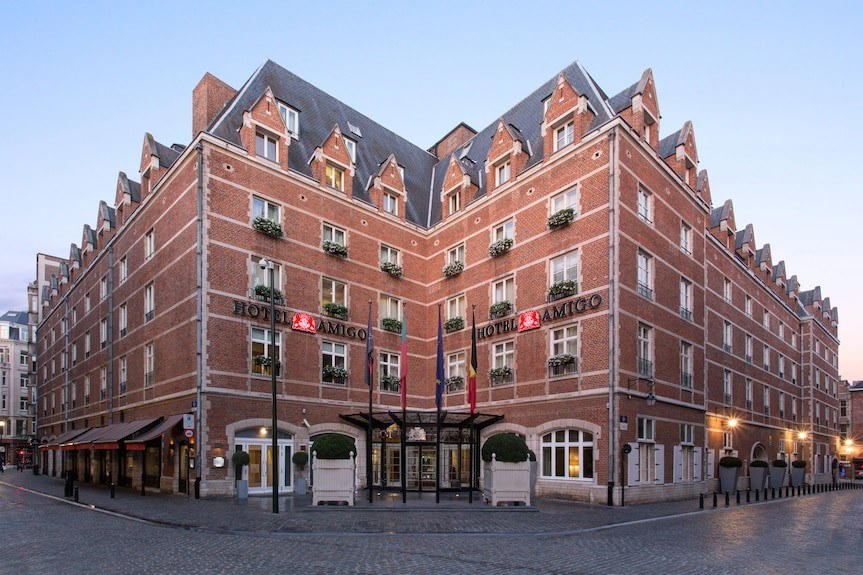
Hotels in Ixelles
Browse all →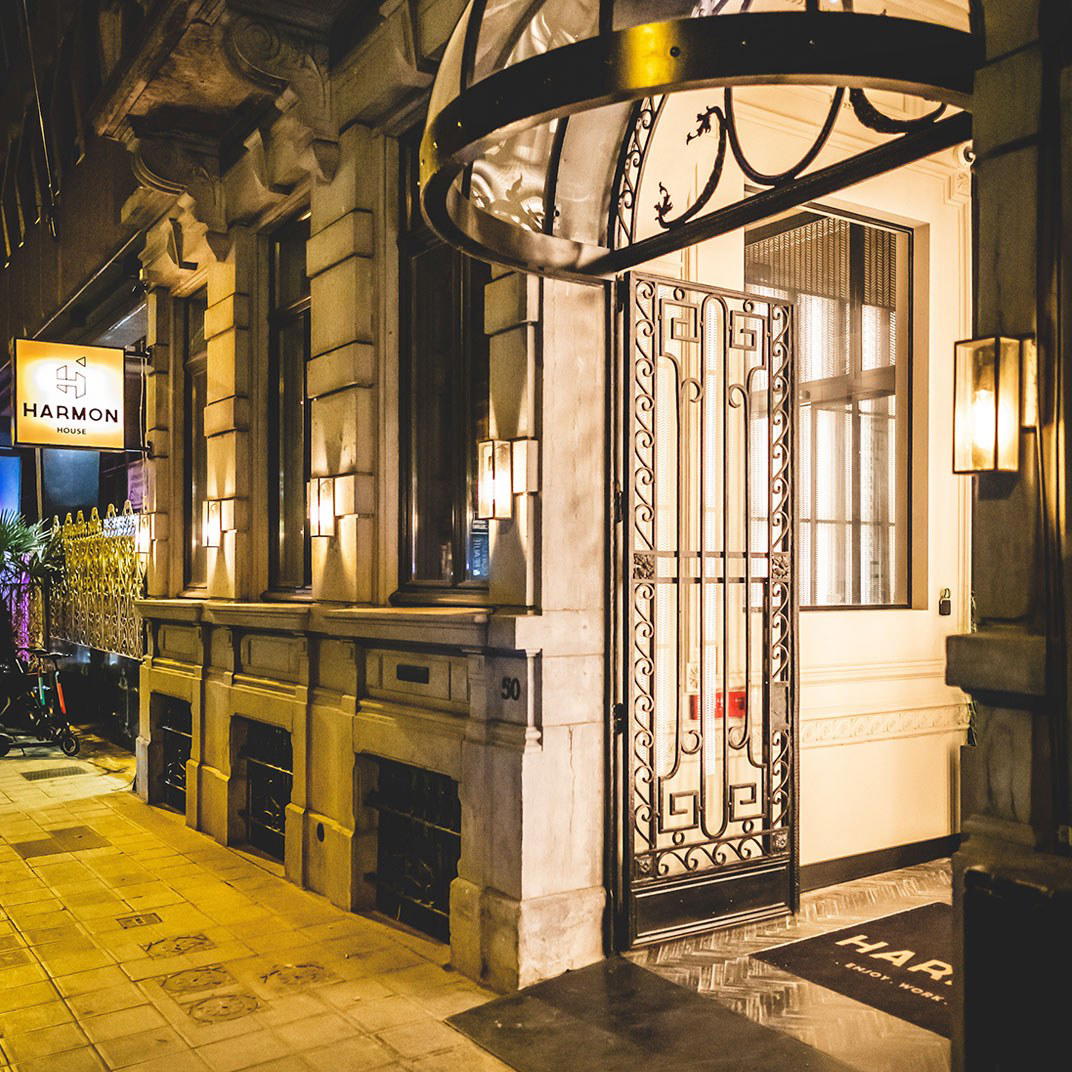
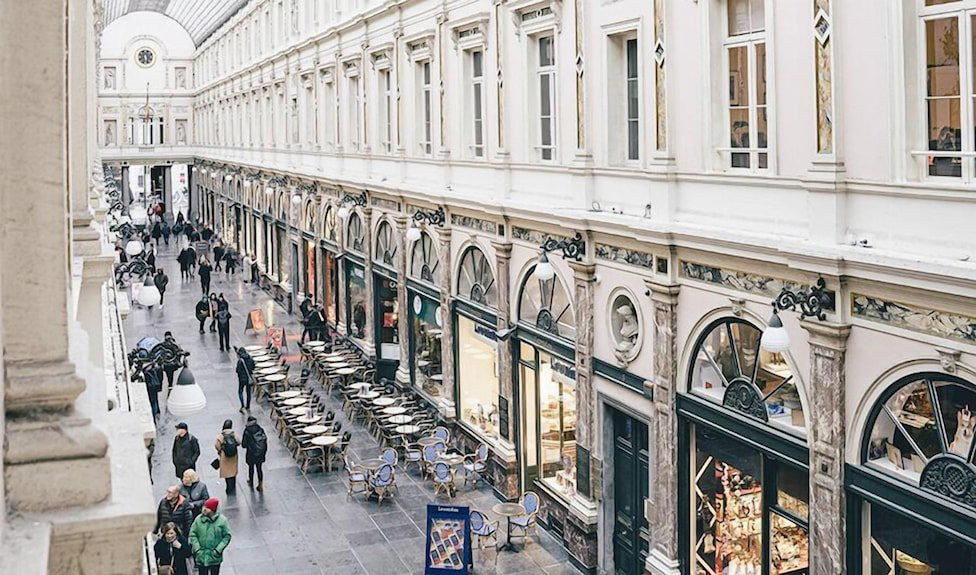
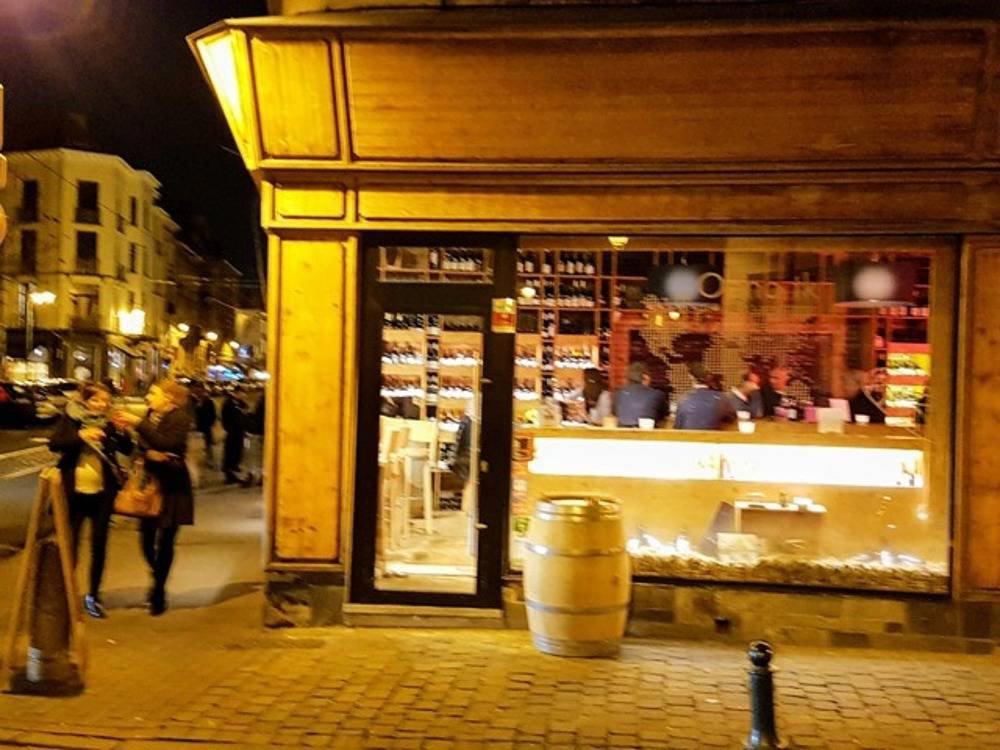
Wineries in Ixelles
Browse all →
At a Glance
- Cozy
- Modern
- Trendy
- Casual Hangout
- Group Dining
- After Work
- Open Kitchen
- Standalone
- Beer Program
- Local Sourcing
Current opening hours
- Monday
- 11:30 AM–10 PM
- Tuesday
- 11:30 AM–10 PM
- Wednesday
- 11:30 AM–10 PM
- Thursday
- 11:30 AM–10 PM
- Friday
- 11:30 AM–10 PM
- Saturday
- 11:30 AM–10 PM
- Sunday
- 11:30 AM–10 PM
Hours can change for holidays and private events. Last verified .
Welcoming, luminous, and uncluttered with a contemporary corner restaurant aesthetic in the art nouveau area of Ixelles.
Know Before You Go
- Getting there
- Rue Lesbroussart 55, 1050 Ixelles, Belgium