


1 Michelin Star · Relais Chateaux Award · The Sunday Times Ireland’s 100 Best Restaurants
Our verdict
A Regency-era manor in County Laois, Ballyfin Demesne carries its Michelin recognition into a dining room shaped by eight acres of kitchen gardens and a kitchen that draws maximum discipline from what the estate produces season by season. Dinner is open to non-residents, with the set menu priced at €105 and the tasting menu at €145.

Pearl is the En Primeur Club membership app — saves, bookings, and concierge access live there. Same editors, same standards.
- Address
- Ballyfin Demesne, Co. Laois, R32 X5X8, Ireland
- Phone
- +353 57 875 5866
- Website
- ballyfin.com
- Directions
- Get directions
The menu
What to order
- Gougere with Mornay sauce and black summer truffle
- Butter-poached lobster with courgette flower
- Hand-dived scallops with linguini and summer truffles
- Fermanagh Texel lamb
- West coast lobster colcannon
The Weight of the Estate
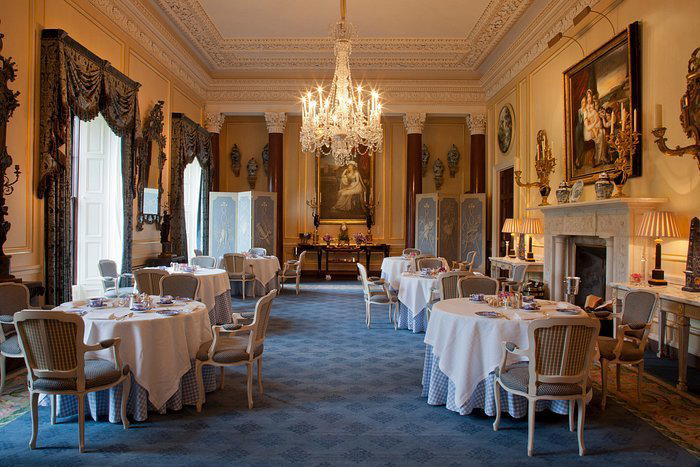
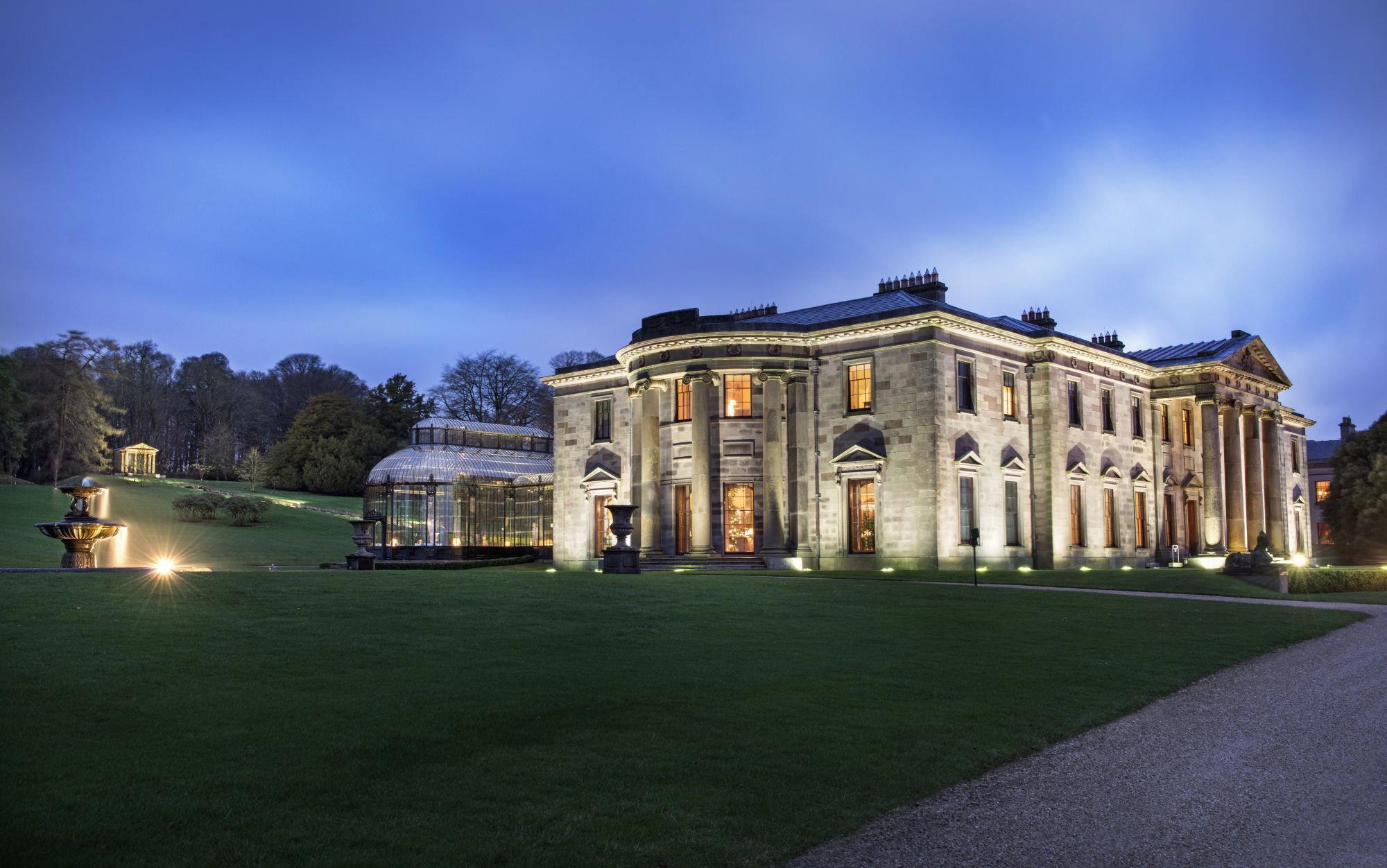
There is a particular pressure that comes with dining inside a building this serious. Ballyfin Demesne is a Regency-era manor in County Laois, masterfully restored to a standard that places it among Ireland's most architecturally significant country houses. Before a plate arrives, the proportions of the room, the plasterwork ceilings, and the quality of light through tall sash windows have already set an expectation. What happens in the kitchen is obliged to hold its own against all of that.
That it does is not incidental. The broader pattern across Ireland's leading country house hotels has been uneven: the dining room frequently trails the accommodation, sustained on legacy reputation rather than genuine kitchen momentum. Ballyfin represents the opposite trajectory. Since Richard Picard-Edwards took over the kitchen, the cooking has moved in step with the estate's ambition rather than sheltering beneath it.
Eight Acres as a Culinary System
The editorial angle here begins underground, or rather just above it: Ballyfin's kitchen gardens extend across eight acres of the demesne, producing a year-round supply that gives the kitchen a degree of ingredient control rare among Irish restaurants at any price point. This is not the decorative kitchen garden that appears on a hotel website to signal pastoral intent and then contributes a handful of herbs to a garnish. The gardens at Ballyfin function as a genuine supply system, shaping the menu from season to season in ways that make the cooking legible as a response to place.
Ireland's most compelling dining has increasingly moved in this direction. At Aniar in Galway, the premise has long been that Irish land and sea define the plate. At Chestnut in Ballydehob and dede in Baltimore, West Cork's larder provides both the material and the editorial logic of the menu. What distinguishes the Ballyfin model is that the source is entirely self-contained: a walled estate producing for a single kitchen, insulating the menu from supply chain compromise and giving the kitchen team direct relationships with what they cook.
The results carry that coherence onto the plate. Broths, purées, and sauces have been singled out as the kitchen's sharpest technical expression. A roasted onion consommé is cited specifically for its depth and clarity of flavour, the kind of preparation that reveals whether a kitchen has genuine command of fundamentals or is masking gaps with garnish. The cooking has been described as earthy yet supremely elegant — a combination that is easier to state than to achieve, requiring that produce-driven directness and refined technique pull in the same direction rather than against each other.
Dishes documented from the current programme include chicken wing with hand-rolled macaroni, braised turbot with Pedro Ximenez, braised lamb shoulder with turnip and broad beans, and a lemon tart noted as textbook in execution. The kitchen has been observed leaning occasionally toward gold leaf and caviar flourishes, which sit in some tension with the estate-garden logic that otherwise drives the menu. When the cooking holds to that garden-led register, the results make a coherent argument that the surrounding landscape is not just backdrop but actual ingredient.
Dining Room and Service
The decision to open dinner service to non-residents is significant in context. Grand Irish country houses have historically operated as closed ecosystems where the dining room existed primarily to complete the residential offer rather than to function as a destination in its own right. Ballyfin has moved away from that model, and the move has consequences for the dining room's energy: it opens the table to guests whose primary reason for being there is the food and wine programme, which tends to raise the collective register of the room.
Service is described as charming and attentive, and the sommelier programme is anchored by head sommelier Carmel Boyle, whose appointment signals that the wine offer is taken seriously as a component of the experience rather than as a secondary consideration. In country house dining at this tier, wine direction can be the variable that most dramatically affects the quality of an evening. That Ballyfin has invested in dedicated, named sommelier leadership is a structural signal worth noting.
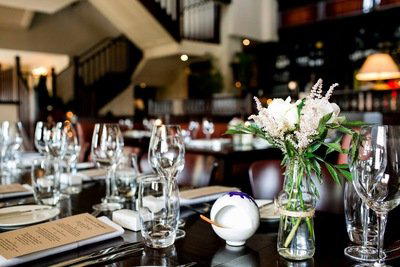
The dining room's atmosphere has been characterised as having a humour-filled ambience — a specific quality in an environment that could easily tip toward the intimidatingly formal. Country house dining at the €€€€ price point risks performing its own grandeur at the expense of warmth. That Ballyfin appears to have avoided this places it in a different register from some of its Irish peers. For comparison, Lady Helen in Thomastown and Terre in Castlemartyr operate within similar country house hotel frameworks, each navigating the same tension between formality of setting and accessibility of experience.
Where Ballyfin Sits in the Irish Fine Dining Field
Ireland's top-tier restaurant field has consolidated around a relatively small number of addresses. Chapter One by Mickael Viljanen in Dublin operates at two Michelin stars and anchors the urban end. Liath in Blackrock, Bastion in Kinsale, and Campagne in Kilkenny sit within the one-star cohort outside Dublin. Internationally, the garden-to-kitchen discipline that defines Ballyfin's approach has counterparts in the Nordic-influenced programmes at venues like Frantzén in Stockholm, though the Irish country house setting produces a fundamentally different context and register.
Ballyfin's dinner menu at €105 and tasting menu at €145 position it accessibly within the country house hotel category at this level. For reference, the overnight accommodation tier is priced at a significantly higher premium than the food offer, meaning a non-resident dinner booking represents a materially different entry point. The pricing has been deliberately held at approachable levels since Picard-Edwards's appointment, which is an editorial choice about who the dining room is for. Other Irish country house kitchens in comparable settings have not always made the same call.
Planning a Visit
Ballyfin Demesne sits in County Laois, approximately 110 kilometres from Dublin Airport, 131 kilometres from Shannon, and 183 kilometres from Cork. The nearest train station is Portlaoise, eight kilometres away, making a car the practical mode of arrival for most guests. From Dublin, the route follows the M50 southbound to the M7, exiting at Junction 18 for Mountrath and following the R445 and R423 through the town for six kilometres to the estate gate. GPS coordinates are 53.0588, -7.4305.
Non-resident dinner bookings should be made well in advance given the limited number of covers the dining room accommodates within a private estate setting. The dinner menu runs at €105 and the tasting menu at €145. For guests considering a longer engagement with the estate, our full Ballyfin hotels guide covers the residential offer in detail. The broader estate, including the 18th-century gardens and outdoor activities programme, is documented across our Ballyfin experiences guide, bars guide, and wineries guide. For the wider County Laois dining context, our full Ballyfin restaurants guide maps the regional picture. County Clare's Homestead Cottage in Doolin and County Waterford's House in Ardmore offer additional points of comparison for those touring Ireland's regional fine dining offer.
Frequently asked questions
Does Ballyfin work for a family meal?
At €105 for the dinner menu and €145 for the tasting menu, this is squarely special-occasion territory rather than a casual family outing. The Regency manor setting and formal service style reinforce that positioning. Families marking a significant event will find it appropriate; those looking for a relaxed, low-pressure evening should temper expectations around formality.
Is Ballyfin better for a quiet night or a lively one?
Ballyfin Demesne is a restored Regency manor in rural County Laois, roughly 110 kilometres from Dublin, so the atmosphere runs measured and considered rather than high-energy. The dining room has been described as carrying a 'humour-filled ambience,' which distinguishes it from pure solemnity, but the context is intimate country-house dining, not a buzzing city room.
What's Ballyfin known for in terms of accolades?
Ballyfin has received recognition including: It takes some doing for a restaurant to stand out when it’s in a hotel as beautiful as this. Ballyfin Demesne is a spectacular, lovingly restored Regency-era manor house that screams luxury at every turn. The opulence continues into the din….
What should I order at Ballyfin?
The kitchen's most consistent technical display comes through its broths, purées, and sauces — the roasted onion consommé has been singled out specifically for depth of flavour, alongside rich glossy reductions that signal serious sauce work. The €145 tasting menu is the most complete way to track what head chef Richard Picard-Edwards is doing with produce from the estate's eight-acre kitchen gardens across a full service.
A Quick Peer Check
| Venue | Cuisine | Price | Awards |
|---|---|---|---|
| BallyfinThis venue — the venue you are viewing | Modern French Fine Dining | $150–200 | 1 Michelin Star · Relais Chateaux Award |
| Patrick Guilbaud | Irish - French, Modern French | Not listed | Michelin 2 Star |
| Aniar | Modern Irish, Modern Cuisine | Not listed | Michelin 1 Star |
| Bastion | Progressive American, Modern Cuisine | Not listed | Michelin 1 Star |
| LIGИUM | Creative | Not listed | Michelin 1 Star |
| Host | Nordic, Modern Cuisine | Not listed | Not listed |
Recognition history
Dated appearances from independent guides and award organizations, with the underlying list record or original source where available.
Michelin 1 Star
Michelin
Relais Chateaux Award
Relais Chateaux
The Sunday Times Ireland’s 100 Best Restaurants
The Sunday Times
Full recognition history (4 entries)
Michelin 1 Star
Michelin
Continue exploring
More in Ballyfin
Restaurants in Ballyfin
Browse all →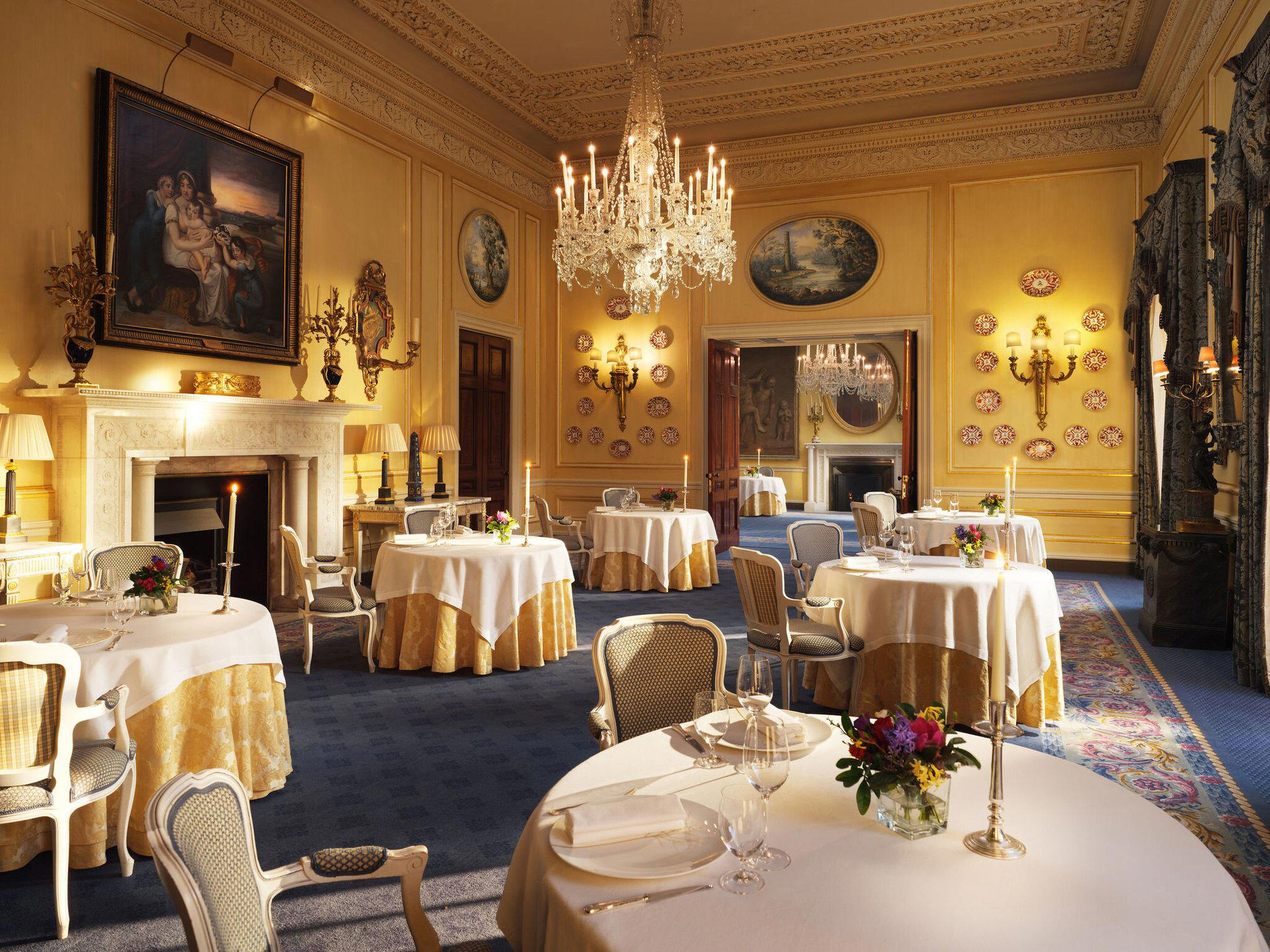
Hotels in Ballyfin
Browse all →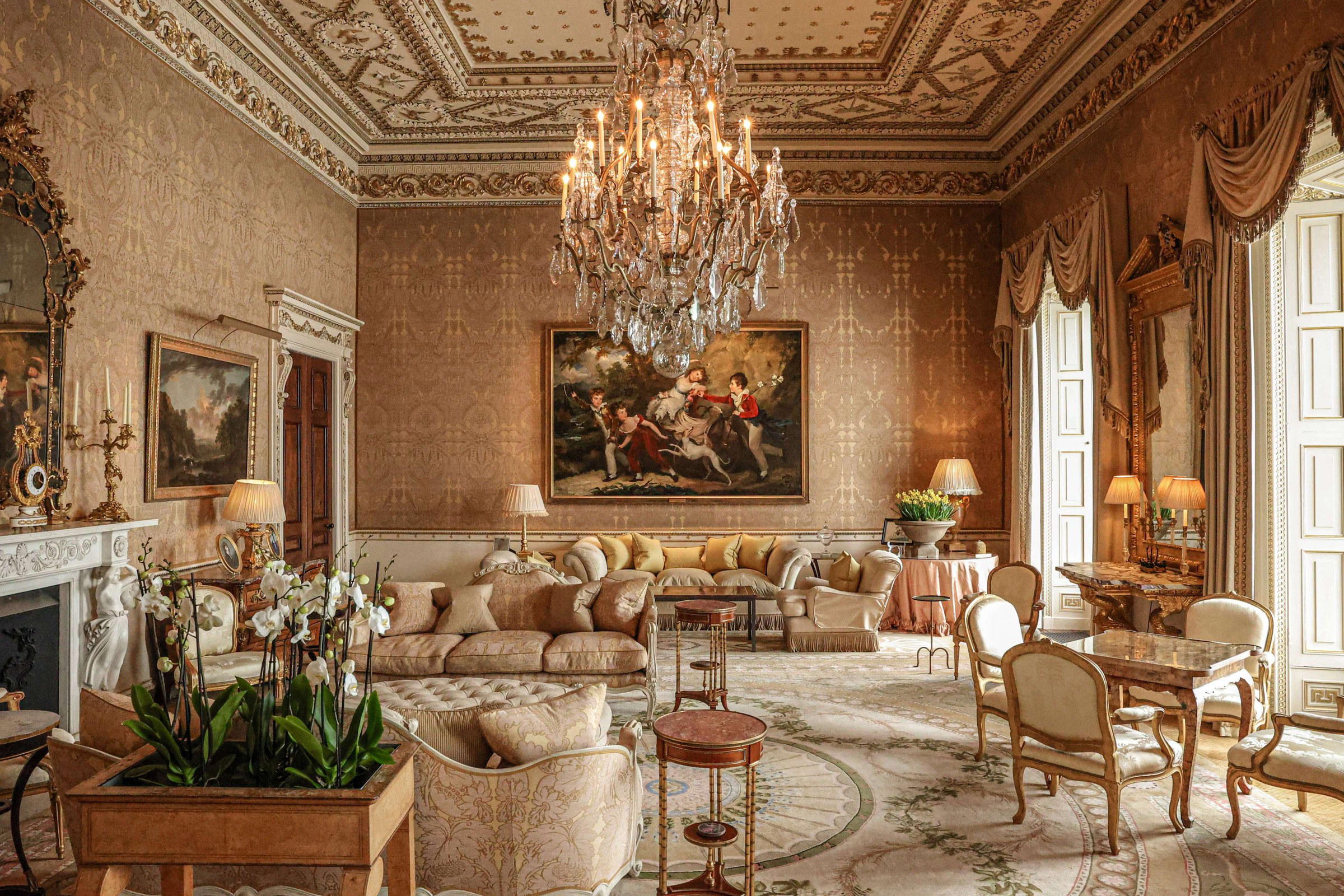
Wineries in Ballyfin
Browse all →
Details
- Elegant
- Romantic
- Ornate
- Sophisticated
- Classic
- Special Occasion
- Celebration
- Date Night
- Business Dinner
- Historic Building
- Garden
- Private Dining
- Hotel Restaurant
- Panoramic View
- Extensive Wine List
- Sommelier Led
- Farm To Table
- Local Sourcing
- Organic
- Garden
- Waterfront
- Tasting Menu
- A La Carte
- Set Menu
- Wine
- Curated Wine Pairings
- Vegetarian Friendly
- Allergy Accommodating
Grand and luxurious with candlelit dining, intricate plasterwork, gilded mirrors, and large paintings; the dining room features widely spaced tables and picture windows overlooking immaculate gardens, creating an atmosphere of refined elegance and understated opulence.