Kilkea Castle

One of Ireland's oldest inhabited castles, Kilkea in County Kildare has stood in some form since the twelfth century and now operates as a 140-room hotel set across a demesne of formal grounds and parkland. The scale places it in a different tier from Ireland's smaller castle retreats, trading intimacy for architectural breadth and a sense of living history that few properties of any size can match.
Pearl is the En Primeur Club membership app — saves, bookings, and concierge access live there. Same editors, same standards.
- Address
- Kilkea Castle, Kilkea Demesne, Castledermot, Co. Kildare, R14 XE97
- Phone
- +353 59 914 5600
- Website
- kilkeacastle.ie
- Directions
- Get directions
 Saves & bookings on Pearl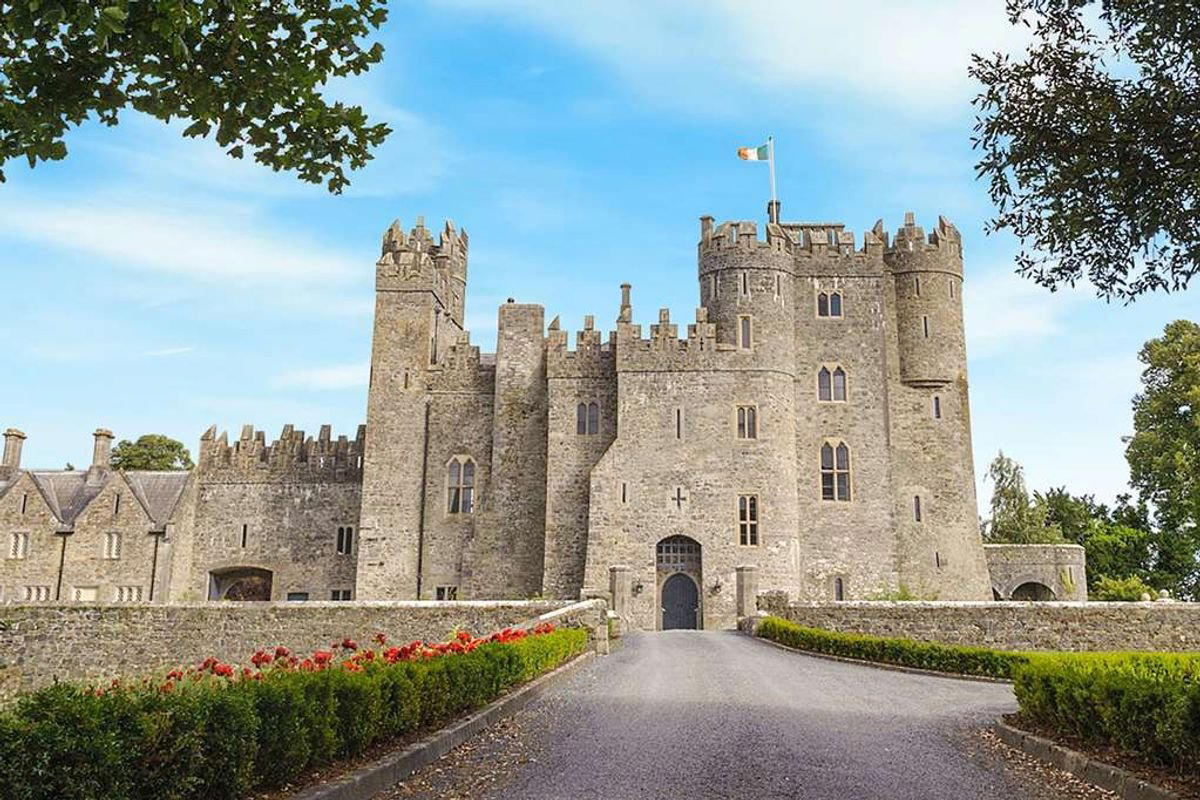
Stone, Scale, and Eight Centuries of Architecture in County Kildare
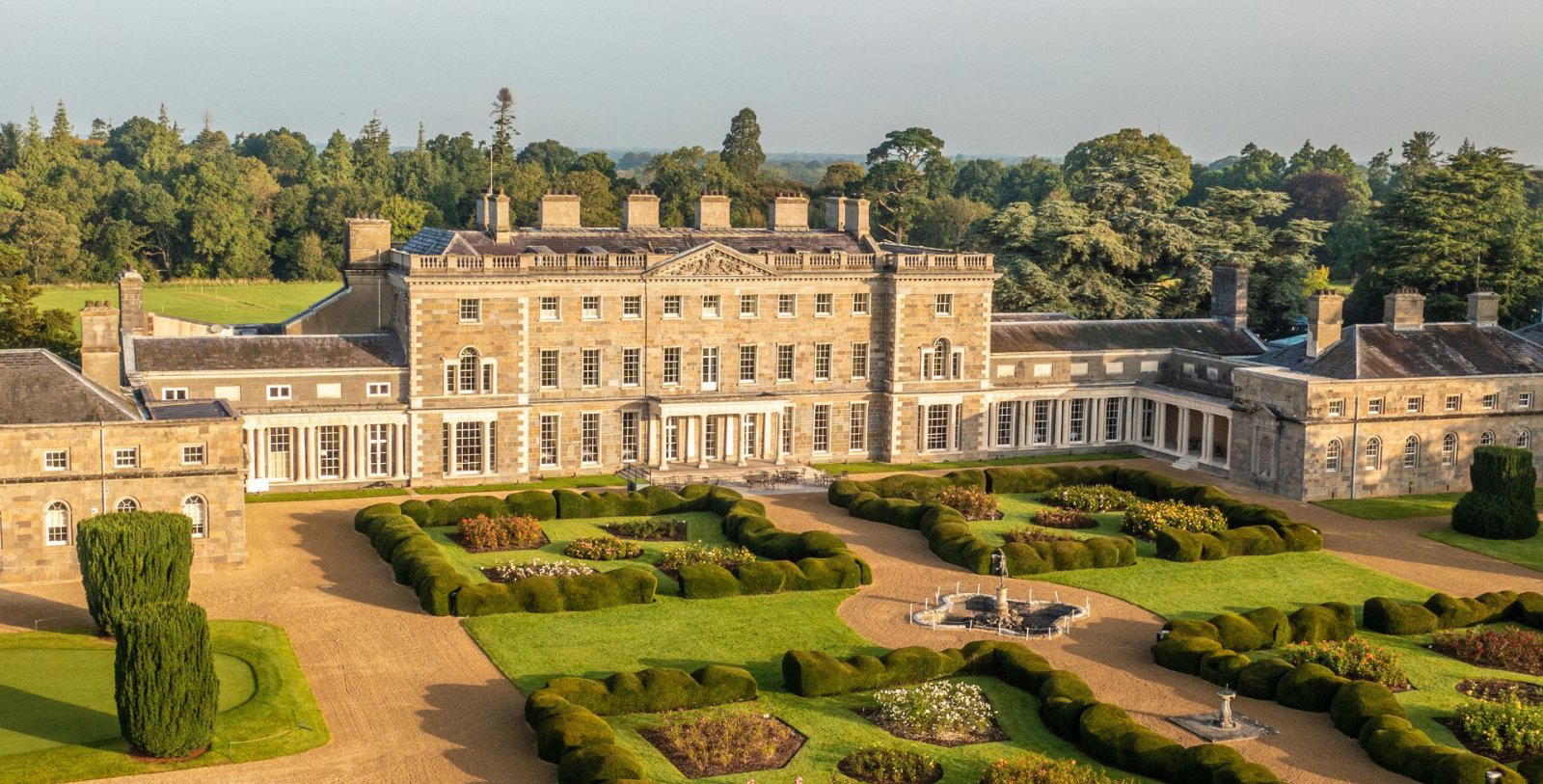
Approaching Kilkea Castle along the Castledermot road, the structure reads less like a hotel and more like a small fortified settlement. The keep and curtain-wall profile emerge from the Kildare plain with the kind of matter-of-fact solidity that only genuine age produces. This is not a Victorian confection built to look medieval, nor a Georgian country house retrofitted with a portcullis for atmosphere. The original castle dates to the twelfth century, making it one of the oldest continuously inhabited castle structures in Ireland, and the stonework carries that unbroken timeline in visible layers of addition, repair, and modification.
In the broader context of Irish castle hotels, scale is the first differentiator. Properties like Ashford Castle in Cong and Dromoland Castle in Newmarket on Fergus have set a high benchmark for the format, and both operate at a level of finish that commands significant nightly rates. Kilkea sits in that same broad category of historic Irish castle accommodation, but its 140 rooms place it at a larger footprint than either of those peers. For context, Ballyfin Demesne operates at the opposite end of the capacity spectrum with a deliberately intimate key count. Kilkea's 140-room inventory means a different kind of experience: one more suited to guests who want castle architecture as a setting rather than a near-private house party.
The Architecture as Primary Argument
The building's interest lies in what happens when eight centuries of continuous occupation leave physical evidence across a single structure. The oldest elements of Kilkea predate the Norman consolidation of Leinster, and subsequent centuries brought defensive extensions, residential additions, and periodic restoration. The result is an architectural record rather than a single coherent design statement, which is precisely what gives the place its texture. A Victorian restoration phase, common to many Irish estate properties during the 1800s, introduced elements of Gothic Revival detailing that are now visually inseparable from the medieval fabric beneath them.
That layering distinguishes Kilkea from country house hotels where the architectural character is more legible and less complicated. Places like Cashel Palace or Carton House in Maynooth present a cleaner Georgian or Palladian argument. Kilkea refuses that clarity, and for guests with any interest in how buildings accumulate meaning over time, that refusal is the point.
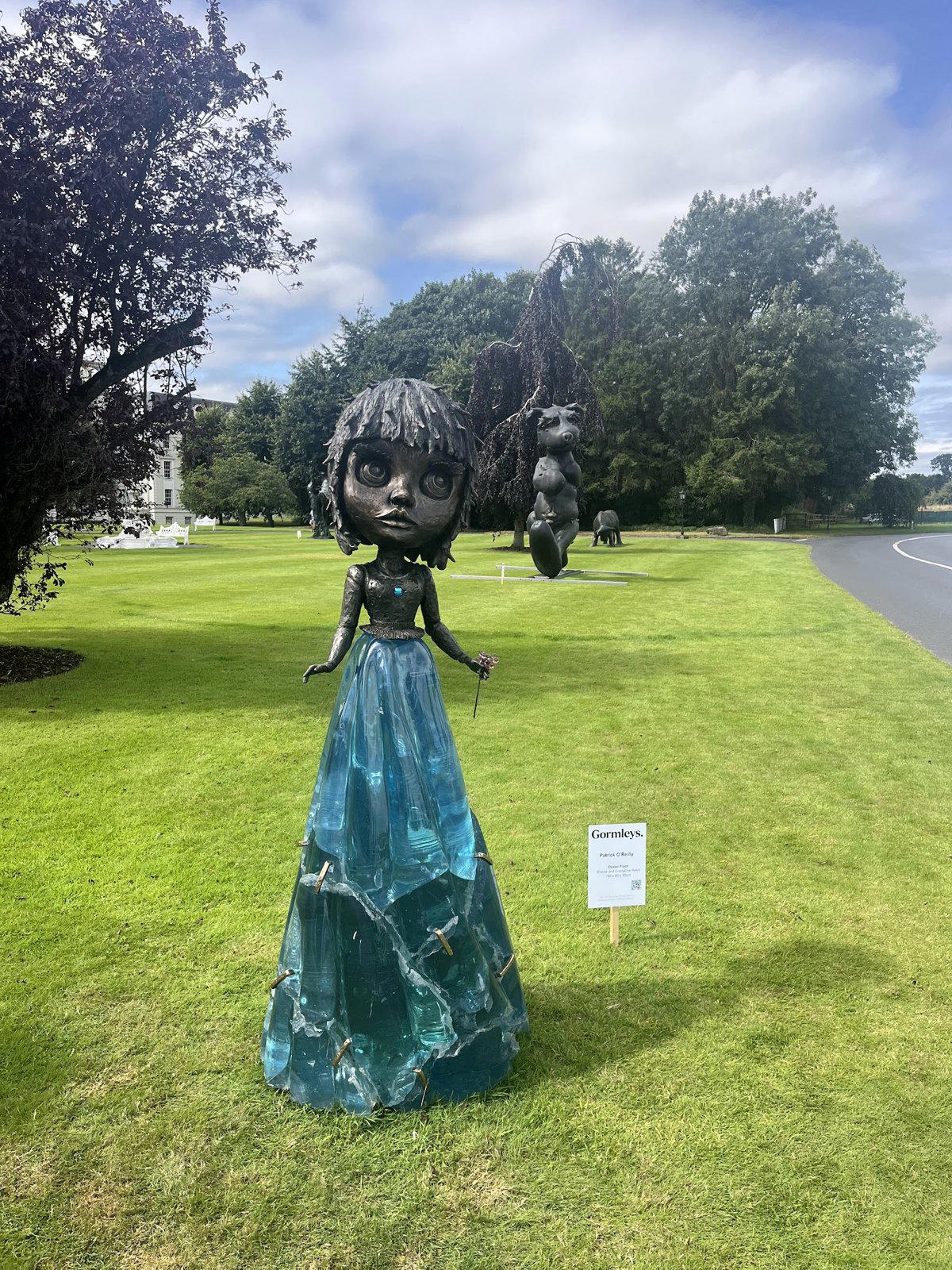
The demesne grounds extend the architectural experience beyond the castle walls. Formal parkland, a walled garden, and open estate land frame the approach and provide the spatial breathing room that makes reading the exterior structure possible. Ireland's castle hotel tradition has always depended as much on the land surrounding a property as on the building itself, and Kilkea's setting in the flat, wide terrain of County Kildare gives the castle an uncluttered silhouette that hillier or more wooded settings would obscure.
Positioning in the Irish Castle Hotel Category
The Irish castle hotel market has stratified clearly over the past decade. At one end sit the ultra-premium, low-key-count properties where nightly rates reflect near-total privacy and obsessive finish: Ballyfin in Laois being the most discussed example. At the other end sit larger properties where the castle backdrop is the main event and scale allows for more accessible pricing and a wider guest mix. Kilkea, with 140 rooms, operates in that larger tier, alongside properties like Kilronan Castle Estate and Spa and Lough Eske Castle in Donegal.
This positioning carries practical implications. A 140-room castle can absorb weddings, corporate events, and leisure guests simultaneously in a way that a 20-room property cannot, which shapes the atmosphere on any given night. Guests choosing Kilkea for a weekend break are likely sharing the property with a wedding party or a golf group, and that dynamic is worth factoring into expectations. The flip side is that availability is generally more accessible than at the smaller prestige properties, and the experience of walking castle corridors and grounds does not depend on the intimate scale that drives pricing at the top tier.
For a fuller picture of comparable Irish retreats, Adare Manor, Castle Leslie Estate in Glaslough, and Glenlo Abbey Hotel and Estate in Galway each illustrate how differently this category can be executed depending on location, key count, and operational focus. Our full Castledermot restaurants guide covers the surrounding area for dining context beyond the estate itself.
Getting There and Planning a Stay
Castledermot sits in south County Kildare, roughly an hour from Dublin by road. The Kildare location means Kilkea draws from a different catchment than the Kerry and Connacht castle hotels that require longer drives or connections through regional airports. For guests arriving from Dublin, the access is direct by car via the M9 motorway, making Kilkea a realistic option for a two-night midweek stay rather than requiring the full long-weekend commitment that more remote properties demand. Weekend bookings, particularly around summer and the autumn wedding season, fill well in advance given the property's event capacity, so planning at least two to three months ahead for peak-season dates is advisable.
Those interested in comparing the County Kildare experience with Ireland's broader luxury hotel range might also consider Parknasilla Resort and Spa in Kerry, Aghadoe Heights Hotel and Spa in Killarney, or the quieter demesne style of Ballynahinch Castle in Recess and Gregans Castle Hotel in Ballyvaughan. For those coming from outside Ireland, Number 31 in Dublin or Hotel Isaacs Cork make logical urban staging points before heading into Kildare.
Recognition history
Dated appearances from independent guides and award organizations, with the underlying list record or original source where available.
Preferred Hotels L.V.X. Collection and Preferred Residences
Preferred Hotels
Continue exploring
More in Castledermot
Hotels in Castledermot
Browse all →
Bars in Castledermot
Browse all →
At a Glance
- Romantic
- Elegant
- Historic
- Scenic
- Sophisticated
- Honeymoon
- Romantic Getaway
- Family Vacation
- Destination Wedding
- Celebration
- Group Retreat
- Golf Course
- Historic Building
- Garden
- Terrace
- Waterfront
- Panoramic View
- Destination Spa
- Wi Fi
- Spa
- Fitness Center
- Golf Course
- Restaurant
- Bar
- Room Service
- Concierge
- Business Center
- Valet Parking
- Garden
- Waterfront
- Wi Fi
- Spa
- Fitness Center
- Golf Course
- Restaurant
- Bar
- Room Service
- Concierge
- Business Center
- Valet Parking
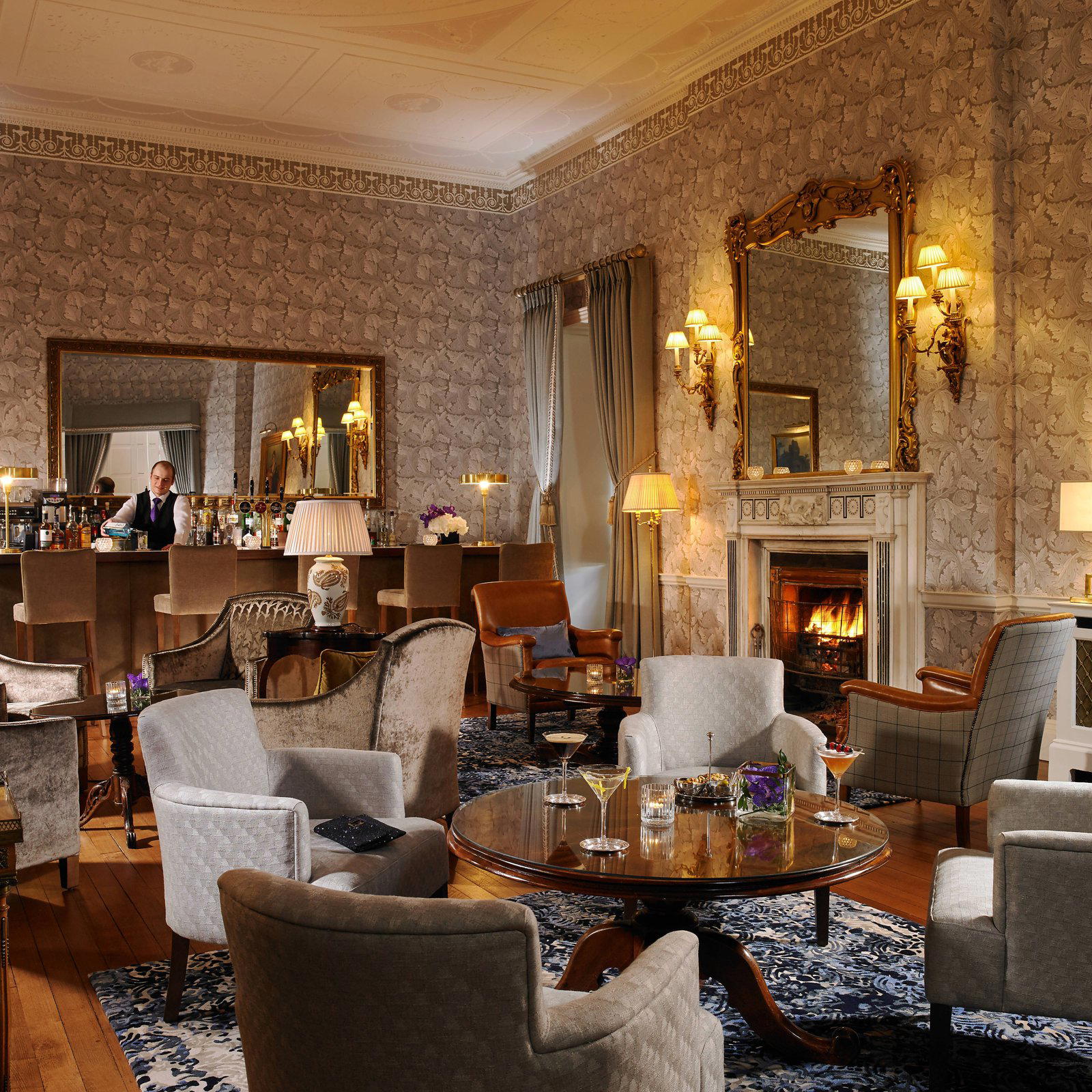
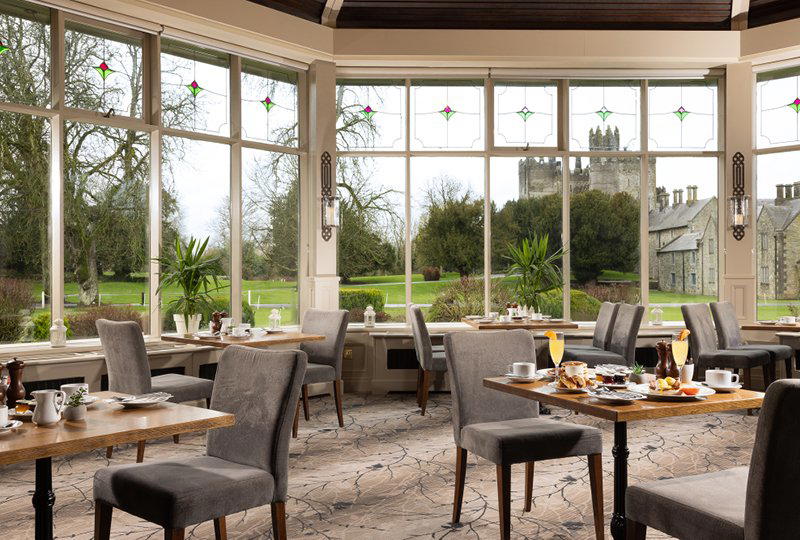
Historic grandeur with contemporary luxury; candlelit castle dining rooms overlooking rose gardens and the River Greese, complemented by modern spa facilities and manicured grounds.
Know Before You Go
- Getting there
- Kilkea Castle, Kilkea Demesne, Castledermot, Co. Kildare, R14 XE97