
Bakabon belongs to Osaka’s compact, high-specificity ramen culture, where a small counter can carry as much intent as a tasting-menu room. Its reputation is backed by repeated Tabelog 100 Ramen selections, with an unusual split identity: ramen by day, Sichuan and Chinese cooking at dinner.
Pearl is the En Primeur Club membership app — saves, bookings, and concierge access live there. Same editors, same standards.
- Address
- 1 Chome-4-10 Ukida, Kita Ward, Osaka, 530-0021, Japan
- Phone
- +81 6-6372-3368
- Website
- tabelog.com
 Saves & bookings on Pearl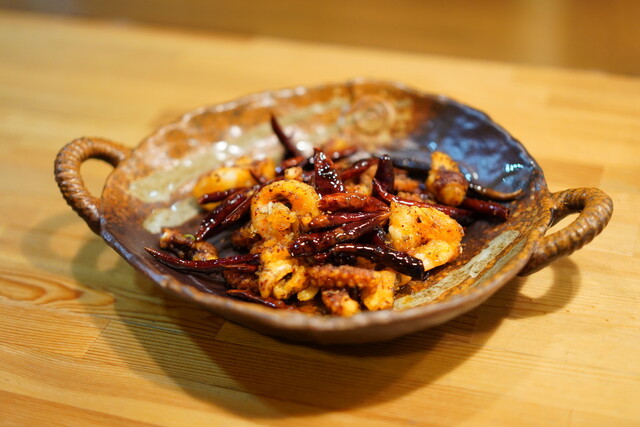
Ukida’s quieter streets sit just outside Osaka’s heavier retail rhythm, and the dining rooms here tend to work at close range: counters, short menus, fast turnover, regulars who know the timing. Bakabon fits that scale. The room is built around counter seating and a small footprint rather than spectacle, which matters in a city where ramen is often judged as much by pacing and concentration as by décor. The physical container tells the reader how to use the place: come for focus, not sprawl.
Osaka ramen has never been a single-school city in the way outsiders sometimes flatten Tokyo into shoyu orthodoxy or Fukuoka into tonkotsu shorthand. Its stronger addresses often borrow from Chinese technique, local lunch culture, and the city’s appetite for practical value. Bakabon’s listed categories, ramen, Sichuan, and Chinese, put it in that hybrid lane rather than the purist noodle-shop lane. That makes the space more interesting: an eight-seat counter can read as a ramen shop at lunch, then shift toward a different cooking register after dark.
A counter-scale ramen room with a Sichuan after-dark identity
The useful distinction here is format. Many ramen counters are engineered for a single bowl and a short stay; this one carries a second identity through its dinner service, where Sichuan and Chinese cooking enter the frame. That split changes expectations. Lunch belongs to ramen’s efficient grammar, while dinner asks to be read closer to a small Chinese restaurant with counter discipline. The address is not competing with broad-menu izakaya rooms or hotel dining; it sits in the narrower Osaka category where a compact shop can develop a following through repetition, specialization, and consistency.
The eight-seat count sharpens that point. In Osaka, low-capacity ramen rooms create a different kind of demand from white-tablecloth restaurants: not ceremony, but scarcity of space. Recognition from Tabelog 100 Ramen OSAKA in 2025, with earlier Tabelog 100 selections in 2024, 2023, 2022, and 2018, places Bakabon inside a documented group of ramen addresses that Japanese diners already watch closely. The Tabelog score of 3.70 adds another signal, useful not as a universal rating but as a local-market indicator in a platform where high ramen scores are hard-won.
That recognition also explains why the room matters. A small counter changes the relationship between cooking and service: fewer seats, less distance, fewer places for inconsistency to hide. Counter dining in Japan often turns space into a kind of editorial filter. It removes the padding, leaving timing, heat, and sequence to do the work. Here, the design story is not about luxury materials or dramatic architecture; it is about compression. The restaurant’s reputation rests in a space that leaves little room for diffusion.
How it sits in Nakazakicho and Tenjimbashisuji Rokuchome dining
The area around Nakazakicho and Tenjimbashisuji Rokuchome is useful for travellers because it sits between neighbourhood Osaka and central-city access. It is not the same proposition as a destination dining district built around concierge bookings. Smaller places, mixed formats, and local regularity define the rhythm. Ramen Kasumi Nakazakichou ten, listed in the same surrounding area at a lower everyday price band, reflects the quick-bowl side of the neighbourhood. LA PIZZA D'ORO and Hagu Ne show the area’s broader casual spread, while Sushi Enishi points to a higher-spend dining register nearby. Bakabon’s role is different: it connects ramen credibility with a Chinese-cooking axis in a small room.
That makes it a better fit for travellers who are trying to understand Osaka’s dining density rather than chasing a single trophy reservation. The city’s eating culture rewards short distances between formats: a bakery, a coffee stop, a ramen counter, a dumpling queue, a bar later on. EP Club’s Osaka coverage can be used that way, moving from neighbourhood anchors such as .cafe, 52CHO-ME BAKERY, and 551 Horai (551蓬莱) to more specific dining entries such as 99 Pizza Napoletana Gourmet and a canto (Italian). For wider planning, use Our full Osaka restaurants guide, then cross-check the city through Our full Osaka hotels guide, Our full Osaka bars guide, Our full Osaka wineries guide, and Our full Osaka experiences guide.
Who should put it on the Osaka map
Bakabon makes the strongest case for diners who like compact rooms with a clear culinary split: ramen in one register, Sichuan and Chinese cooking in another. The practical profile also skews toward people comfortable with cash-led, small-shop Japan, since cards, electronic money, and QR code payments are not accepted. Private rooms are not part of the setup, but private use is listed for larger groups, which is unusual for a venue whose core identity begins at counter scale.
The better comparison is not to grand dining rooms but to Japan’s many specialist counters where a tight physical space carries the full argument. In that sense it belongs in the same travel conversation as small-format Japanese addresses across the country, from -Grilled beef Sukiyaki- KAMAKURA TANUKIAN 鎌倉 たぬき庵 in Kamakura and. 鮪と炭火焼き うお炭 秋葉原店 in Tokyo to.know in Kumamoto, (Shoku) Vietnam in Kawasaki, [Curry Senmon Ten] Maruyama Kyoju. in Sapporo, and [ki:] in Kyoto. For readers tracking Japanese food culture beyond Japan, Jōdo Saké Bar in Los Angeles and Onigiri Time in Pasadena show how tightly defined formats travel when the room, menu, and audience stay disciplined.
The editorial call is clear: this is not a soft-focus Osaka recommendation. It is a small, recognized, format-driven address for diners who care about how a room shapes a meal. The Tabelog 100 Ramen history gives the ramen side its trust signal; the Sichuan and Chinese listing gives the place its second angle; the counter-scale setting gives the experience its boundaries.
Comparison Snapshot
Comparable venues in the metro at similar price points.
| Venue | Cuisine | Price | Notes |
|---|---|---|---|
| BakabonThis venue — the venue you are viewing | Ramen & Sichuan Chinese | $$ | Not listed |
| Lime Light | Modern Chinese and wine bar | $$ | Osaka |
| Suigyoza no Mise Harbin | Traditional Chinese dumpling house | $$ | Ibaraki |
| Kitashinchi Gyoza Ya Honten | Gyoza & Chinese Izakaya | $ | Kita |
| Seiran | Chinese Fine Dining | $$$ | Chūō |
| Tenshin Kobo Kowloon | Dim sum & Yum cha | $$ | Higashisumiyoshi |
Recognition history
Dated appearances from independent guides and award organizations, with the underlying list record or original source where available.
Tabelog 100 #96 · No. 96
Tabelog · Tabelog 100 - Ramen - OSAKA - 2025
Continue exploring
More in Osaka
Restaurants in Osaka
Browse all →




Bars in Osaka
Browse all →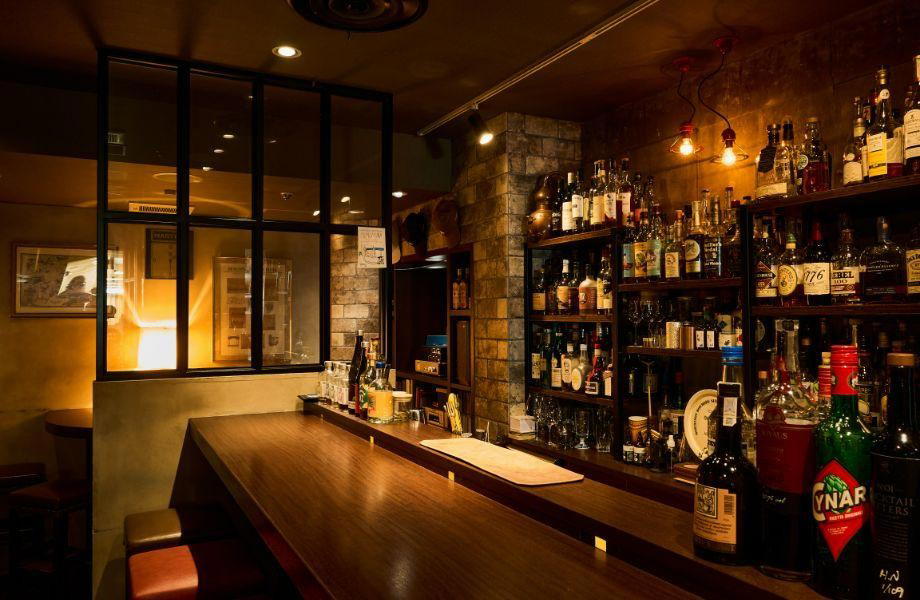
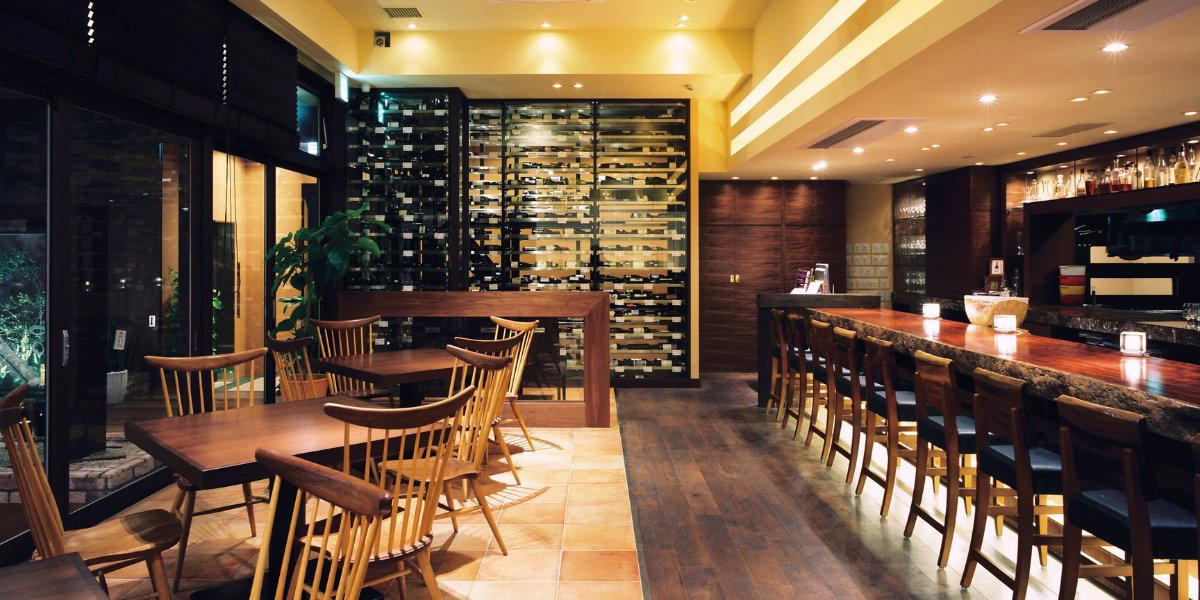



Hotels in Osaka
Browse all →

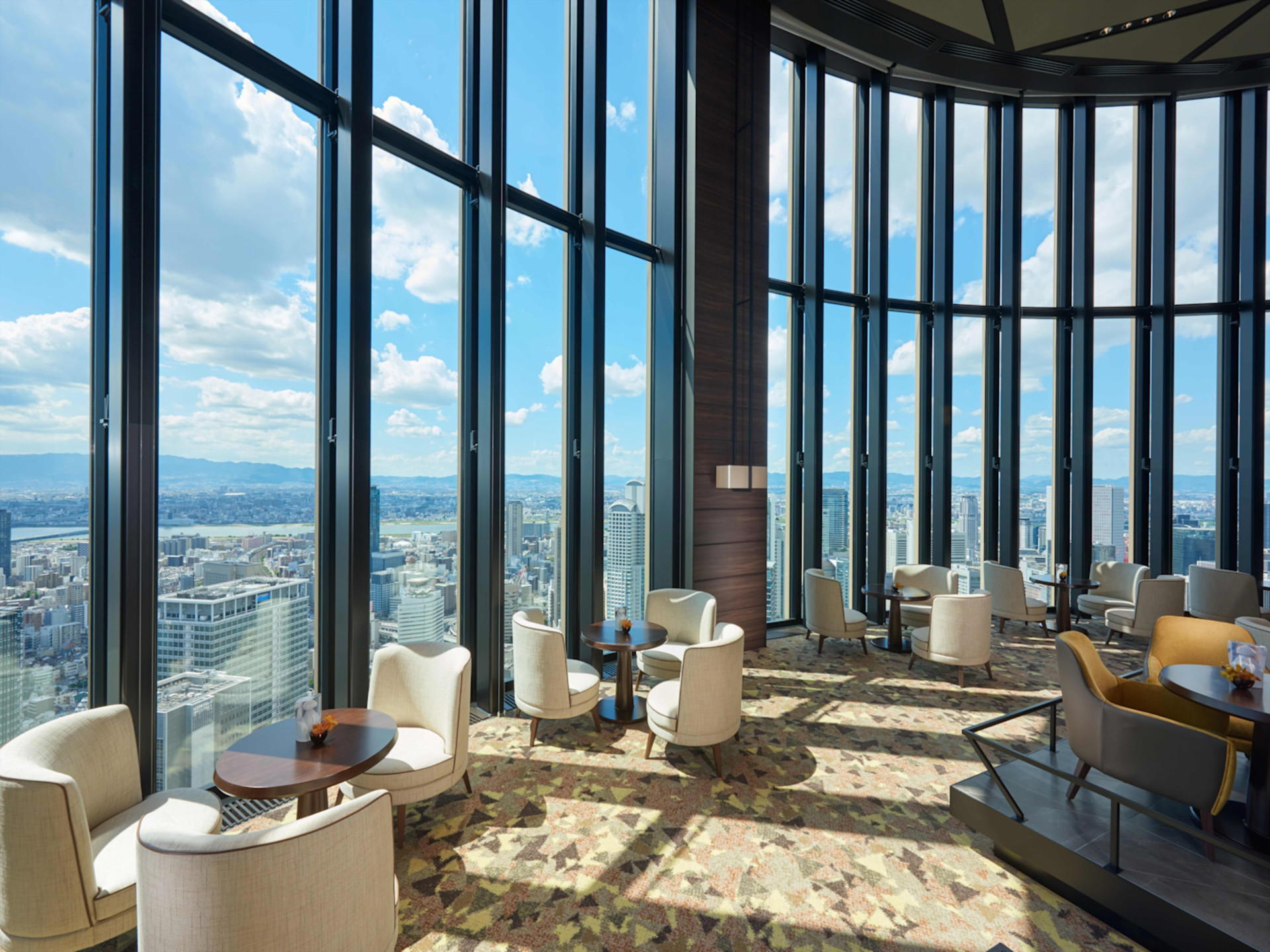


Wineries in Osaka
Browse all →
At a Glance
- Lively
- Cozy
- Solo
- Family
- Casual Hangout
- Group Dining
- After Work
- Standalone
Current opening hours
- Monday
- 11:30 AM–2:30 PM, 6–10 PM
- Tuesday
- 11:30 AM–2:30 PM
- Wednesday
- 11:30 AM–2:30 PM, 6–10 PM
- Thursday
- 11:30 AM–2:30 PM, 6–10 PM
- Friday
- 11:30 AM–2:30 PM, 6–10 PM
- Saturday
- 11:30 AM–2:30 PM, 6–10 PM
- Sunday
- 11:30 AM–2:30 PM, 6–10 PM
Hours can change for holidays and private events. Last verified .