
Kitashinchi Gyoza Ya Honten puts Osaka’s late-night gyoza culture into a compact counter format in Sonezakishinchi. Selected for Tabelog 100 Dumplings 2024, it sits in the city’s affordable specialist tier rather than the formal tasting-menu circuit, with Hojyu Pork gyoza, izakaya edges, sake and wine forming the draw.
Pearl is the En Primeur Club membership app — saves, bookings, and concierge access live there. Same editors, same standards.
- Address
- Japan, 〒530-0002 Osaka, Kita Ward, Sonezakishinchi, 1 Chome−5−7 Mori Bldg, 1階
- Phone
- +81 6-6131-8121
- Website
- facebook.com
 Saves & bookings on Pearl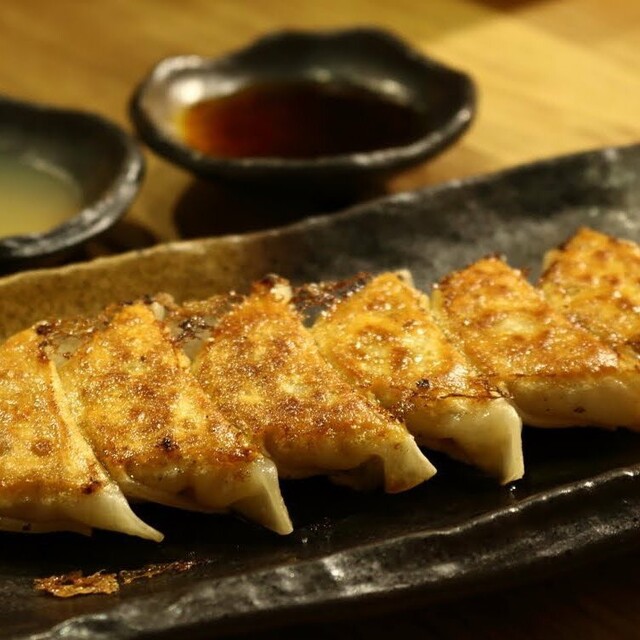
Kitashinchi changes character after office hours: signs brighten, elevators open onto small counters, and the district’s expense-account polish gives way to compact rooms built for one decisive order and a drink. In that setting, gyoza carries a different weight from sushi or kappo. It is not a ceremony of silence, but a short-form Osaka pleasure: hot pan, fast turnover, sauce decisions, another glass if the evening has room for it.
Kitashinchi Gyoza Ya Honten belongs to that narrower specialist lane. The point is not breadth. The point is whether a dumpling shop can hold attention in a district better known to visitors for high-end sushi, steak, clubs and late dinners. Its selection for Tabelog 100 Dumplings 2024 gives the room a clear external marker, while its Tabelog score of 3.57 places it in the serious local conversation without pushing it into the formal luxury bracket.
Osaka gyoza in a district built for the second stop
Gyoza in Japan often sits between categories. It can be a ramen side, a beer snack, a family-table staple or the whole reason for a stop. Osaka’s version of that culture tends to reward informality and repetition: small plates, quick decisions, and cooking that has to justify itself before the next order arrives. In Kitashinchi, that informality becomes more pointed because the neighborhood is used to customers moving between venues rather than settling into one long meal.
That is why a nine-seat gyoza counter reads differently here than it would in a shopping arcade or station basement. It is small enough to feel like a specialist, but the categories around it, dumpling, izakaya and donburi, keep it from becoming precious. Hojyu Pork is the central ingredient signal, with the pork described as SPF-certified for 23 consecutive years. The condiments named around the gyoza, Takanabe soy sauce, honjozo rice vinegar, Tokushima sudachi juice and rock salt, point to a familiar Japanese logic: the dumpling is only half the argument, the seasoning table decides the final register.
That format also explains why this is not competing with Osaka’s high-ticket counters. Sushi Murakami Jiro sits in a different economic and ritual category, while Sake to Onna to Tori to Men operates at a far higher dinner spend. Oban, at JPY 4,000 to JPY 4,999, occupies a middle tier. Kitashinchi Gyoza Ya Honten is more useful as a reading of Osaka’s compact specialty culture: a place where recognition comes from doing a narrow thing well enough to be noticed among Japan’s dumpling addresses.
A compact counter, pork-led dumplings and izakaya edges
The room’s scale matters. Nine seats change the rhythm of a meal: orders are visible, turnover is part of the atmosphere, and solo dining makes sense rather than feeling like a compromise. Counter seating and a stand-up-bar element also place it close to Osaka’s after-work drinking grammar, where food is not background but does not need to behave like a tasting menu.
The menu identity is anchored by gyoza, with donburi and izakaya categories extending the visit beyond a single plate. Sake and wine are both part of the drinks framing, a useful signal in a neighborhood where the next stop may be a bar rather than a train. The presence of take-out matters culturally as much as practically: gyoza is one of the rare Japanese foods that can move between counter, home and late-night snack without losing its social meaning.
For visitors mapping Osaka through food, this is also a reminder that the city’s dining reputation is not built only on okonomiyaki, kushikatsu and takoyaki. Dumplings sit inside the same appetite for heat, salt, texture and speed, but they belong to a broader East Asian conversation that Japanese cooks have made distinctly local. The seasoning cues here, especially sudachi and rice vinegar, pull the dish away from heaviness and toward sharper, drink-friendly pacing.
Readers building a wider Osaka itinerary can place this stop beside different local formats: 551 Horai (551蓬莱) for mass-market pork-bun culture, 52CHO-ME BAKERY for the city’s bakery register, .cafe for a softer daytime rhythm, 99 Pizza Napoletana Gourmet for Osaka’s imported craft-pizza lane, and a canto (Italian) for a more composed Italian meal. For broader planning, use Our full Osaka restaurants guide, then match the evening with Our full Osaka bars guide, Our full Osaka hotels guide, Our full Osaka experiences guide and Our full Osaka wineries guide.
Where it fits in a Japan food itinerary
The useful way to read Kitashinchi Gyoza Ya Honten is as a precision stop, not a grand occasion. Its award signal, counter scale and pork-led focus make it a strong fit for diners who want one concise Osaka address between heavier meals. It is also a corrective to the habit of treating dumplings as a side order. Here, the category carries the editorial weight.
Across Japan and beyond, that kind of narrow-format cooking often tells a clearer story than a long menu. A Kansai trip might pair it with [ki:] in Kyoto, while a Tokyo detour could include. 鮪と炭火焼き うお炭 秋葉原店 in Tokyo. Other regional contrasts include.know in Kumamoto, (Shoku) Vietnam in Kawasaki, [Curry Senmon Ten] Maruyama Kyoju. in Sapporo and -Grilled beef Sukiyaki- KAMAKURA TANUKIAN 鎌倉 たぬき庵 in Kamakura. In California, Jōdo Saké Bar in Los Angeles and Onigiri Time in Pasadena show how focused Japanese formats travel into different dining cities.
The editorial verdict is simple: this is for diners who understand that Osaka’s serious food culture is not always expensive, quiet or course-based. A recognized dumpling counter in Kitashinchi can say as much about the city as a polished omakase room, provided the reader arrives expecting concentration rather than spectacle.
Cuisine-First Comparison
Comparable venues by category and price.
| Venue | Cuisine | Price | Notes |
|---|---|---|---|
| Kitashinchi Gyoza Ya Honten | Gyoza & Chinese Izakaya | $ | Kita |
| Gyoza no Danchan Mikuni Tei Yahatasuji ten | Gyoza & Chinese small plates | $ | Chūō |
| 551 Horai (551蓬莱) | Traditional Chinese Dim Sum & Pork Buns | $ | Namba |
| Fukuryu En | Sichuan & Tantanmen Chinese | $$ | Kita |
| Kuro Hitsuji Youniku Kushiten BLACK SHEEP | Charcoal-grilled lamb Chinese with natural wine | $$ | Kita |
| Kaen | Casual Chinese lunch counter | $ | Nishi |
Recognition history
Dated appearances from independent guides and award organizations, with the underlying list record or original source where available.
Tabelog 100 #39 · No. 39
Tabelog · Tabelog 100 - Dumplings - 2024
Continue exploring
More in Osaka
Restaurants in Osaka
Browse all →




Bars in Osaka
Browse all →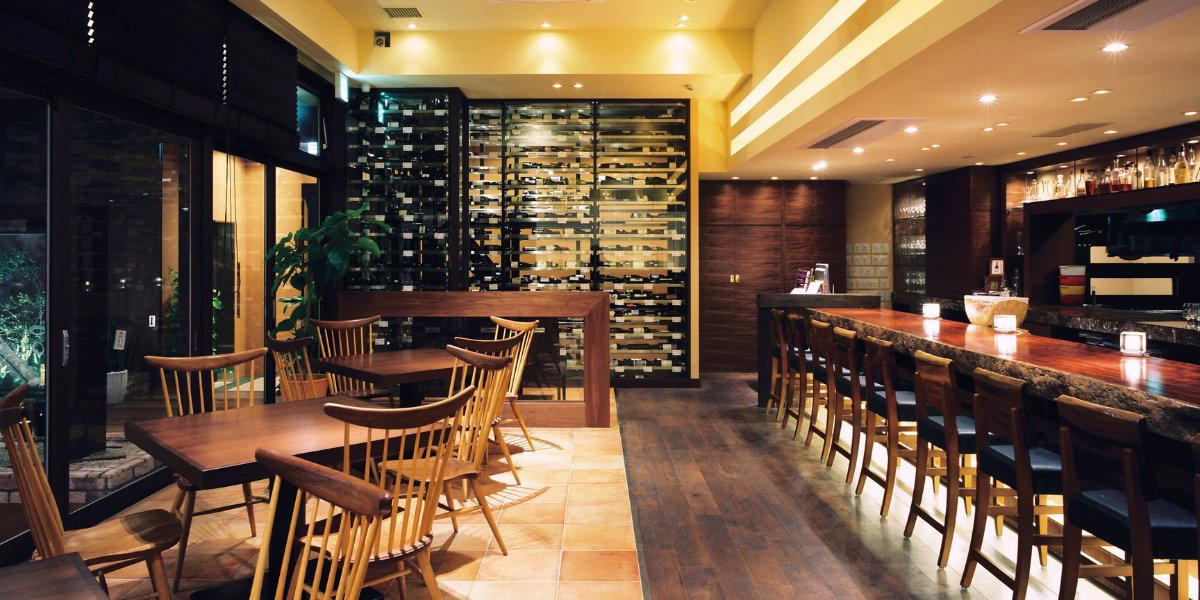
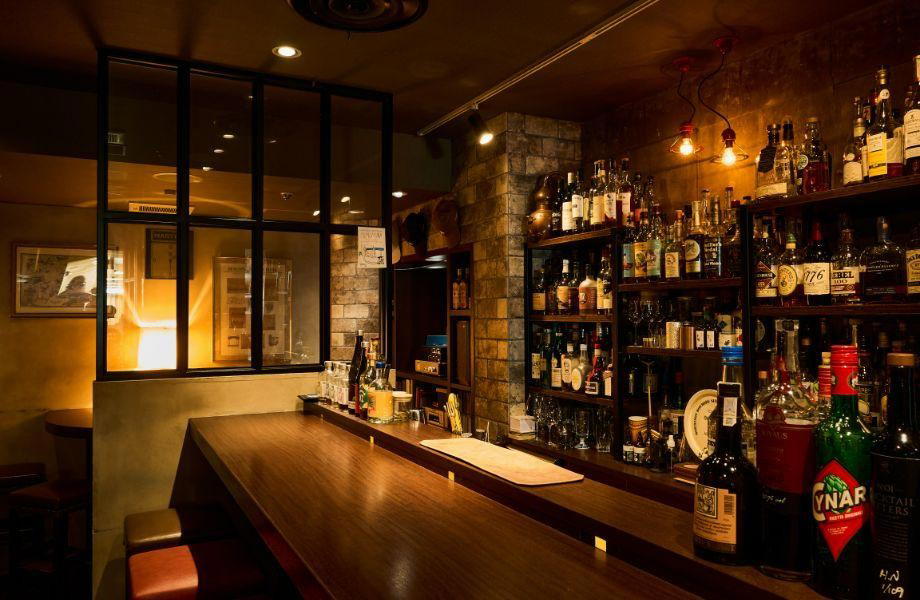
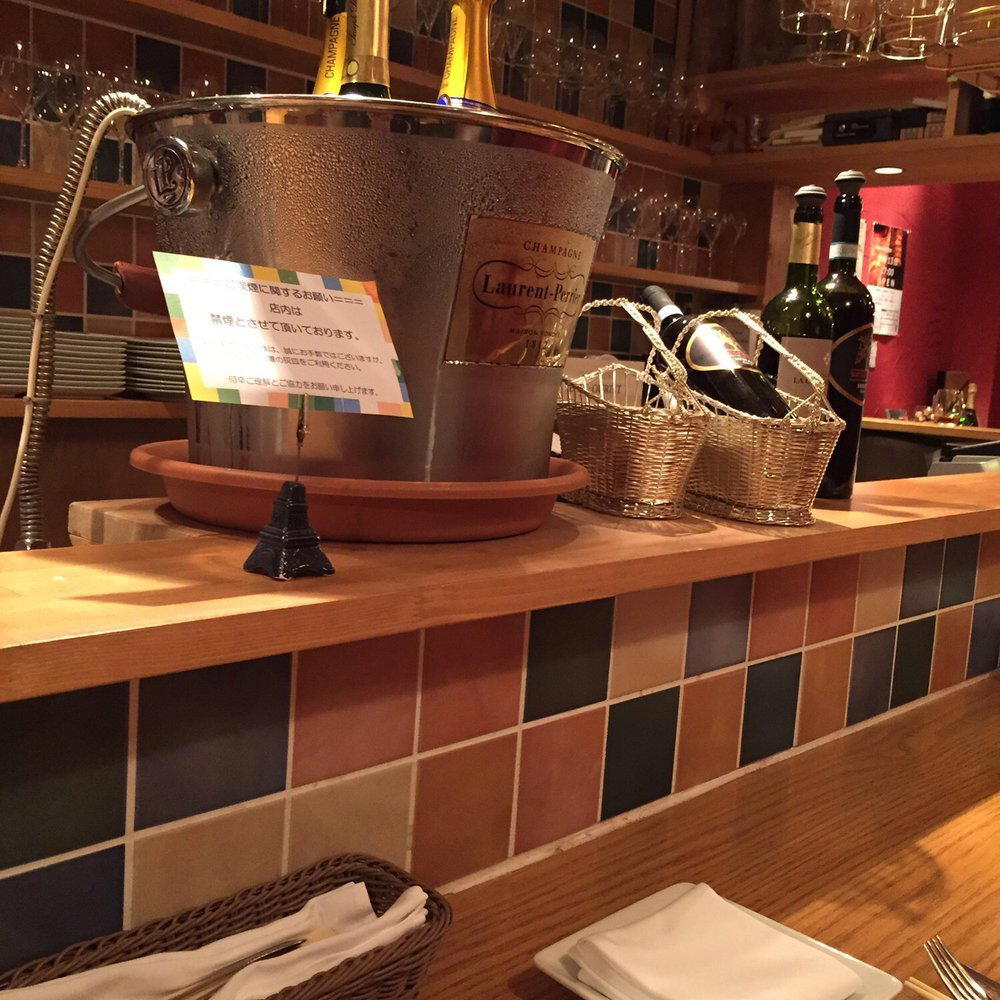

Hotels in Osaka
Browse all →



Wineries in Osaka
Browse all →
At a Glance
- Cozy
- Lively
- After Work
- Casual Hangout
- Late Night
- Group Dining
- Solo
- Standalone
- Beer Program
Current opening hours
- Monday
- 5 PM–3 AM
- Tuesday
- 5 PM–3 AM
- Wednesday
- 5 PM–3 AM
- Thursday
- 5 PM–3 AM
- Friday
- 5 PM–3 AM
- Saturday
- 5 PM–3 AM
- Sunday
- Closed
Hours can change for holidays and private events. Last verified .
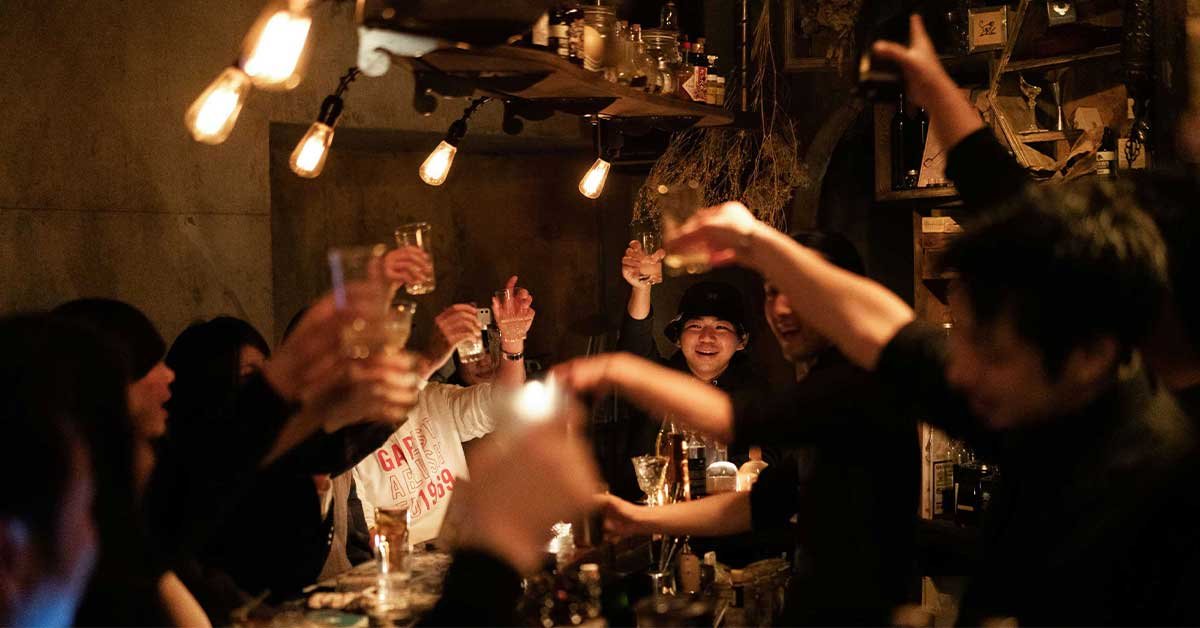
Casual, izakaya-style gyoza bar atmosphere with a compact, cozy interior and the lively buzz typical of Kitashinchi drinking spots, geared toward adults enjoying drinks and dumplings rather than families.