
Lime Light puts suburban Osaka’s everyday Chinese cooking into sharper focus: a small Okamachi counter-and-table room with ramen and tsukemen in the same conversation as Chinese standards. Its 2026 Tabelog 100 Chinese WEST selection gives the address weight beyond Toyonaka, while the price band keeps it closer to a local routine than a destination tasting-menu model.
Pearl is the En Primeur Club membership app — saves, bookings, and concierge access live there. Same editors, same standards.
- Address
- 1 Chome-2-4 Nakasakurazuka, Toyonaka, Osaka 561-0881, Japan
- Phone
- +81 6-6852-1316
- Website
- instagram.com
 Saves & bookings on Pearl
Approaching Okamachi’s shopping-street orbit, the appeal is compression rather than grand arrival: station-town foot traffic, compact storefronts, and a room where counter seats define the meal’s rhythm. Osaka’s Chinese dining culture spans hotel banquets, gyoza chains, late-night ramen hybrids, and neighborhood kitchens that blur chuka, noodle shop, and family supper. Lime Light belongs to that last, more useful category.
Scale is the distinction. With 16 seats, 10 at the counter and 6 at tables, the room works like a local canteen with award-list scrutiny attached. That matters in Osaka, where serious eating is not confined to Umeda, Namba, or Kitashinchi. Toyonaka rewards smaller operators, regulars, and short train hops; it also makes planning less theatrical than the chef-counter omakase circuit. Booking here is about timing and fit, not ceremony.
A small-room Chinese address in Osaka's noodle belt
Chinese food in Japan has never been one category. Chuka ryori can mean gyoza and fried rice, mapo tofu and sweet-sour pork, or noodle-led formats close to ramen culture. In Kansai, that elasticity is the appeal: meals can be quick, inexpensive, and specific without losing seriousness. Lime Light’s listed categories, Chinese, ramen, and tsukemen, put it in that hybrid lane rather than the banquet or luxury Sichuan bracket.
The 2026 Tabelog 100 Chinese WEST selection is the trust signal that changes how to read the address. Tabelog’s Hyakumeiten lists are category and region selections, not luxury rankings, and surface places Japanese diners already treat with attention. A 3.59 Tabelog score in this price band frames expectation: not tasting menus, but tightly run everyday restaurants where repeatability matters more than spectacle.
Keep the peer frame local and price-aware. In the Toyonaka orbit, Soratobu Udon Yamabuki Ya and Toyonaka Mente Tsu sit in similar JPY 1,000 to JPY 1,999 territory, while Kodou moves into a higher dinner range and Nick&Renée Toyonaka honten occupies a casual mid-price bracket. Lime Light brings award-list visibility into the lower everyday spend tier, a harder balance than it sounds. Osaka has plenty of inexpensive meals; fewer earn category recognition while staying structurally small.
The meal format rewards planning without making dinner formal
Treat this as a small-capacity restaurant, not a casual fallback. Reservations are available, and with only 16 seats, planning is sensible even if the price band suggests spontaneity. The room suits solo diners, friends, and families, matching the counter-plus-table layout. Take-out is available, a clue to its neighborhood function, but not to be mistaken for high-volume operation.
Payment details shape the experience more than at a hotel restaurant. Credit cards and electronic money are not accepted; PayPay is accepted. There is no service charge. The space is non-smoking, private rooms are unavailable, and private use is available, pointing to a small restaurant where the room’s tempo can change quickly by night.
The drink list is pragmatic: sake, shochu, and wine. That range suits the category. Japanese Chinese restaurants often accommodate beer, shochu, sake, and lighter wine pairings because the food crosses noodles, rice, fried dishes, and shared plates. Without a published signature dish list, read the restaurant through its categories. Ramen and tsukemen signal a kitchen comfortable with noodle structure, not merely a Chinese menu with noodles attached.
For an Osaka itinerary, this is not the same choice as a central-city counter built around scarcity. It is a short-form neighborhood meal with recognized credibility, useful for travelers who know Kansai’s food culture is strongest when it refuses to separate everyday from serious. For a broader city read, Our full Osaka restaurants guide places it alongside other formats, while Our full Osaka bars guide, Our full Osaka hotels guide, Our full Osaka wineries guide, and Our full Osaka experiences guide help turn the stop into a fuller city plan.
How to place it inside a wider Osaka itinerary
Osaka rewards diners who move between formats: bakery mornings, department-store takeaways, counter noodles, specialty pizza, and compact neighborhood rooms. The restaurant fits because it does not demand a full evening’s formality. It makes sense when Toyonaka or northern Osaka is already in play, or when the goal is to see award-recognized dining outside the city’s central restaurant corridors.
That context avoids a common mistake. Not every Tabelog-recognized restaurant should be treated like a special-occasion reservation. Some are precision versions of daily eating. This one is in that camp: small room, accessible spend, Chinese-noodle overlap, and local station-town setting. The point is not luxury cues; it is why a modest format can show enough consistency to enter a regional category list.
Readers comparing casual Osaka options can triangulate with.cafe, 52CHO-ME BAKERY, 551 Horai (551蓬莱), 99 Pizza Napoletana Gourmet, and a canto (Italian). For a wider Japan-and-beyond comparison of casual-specialist formats, the same planning logic appears at -Grilled beef Sukiyaki- KAMAKURA TANUKIAN 鎌倉 たぬき庵 in Kamakura. 鮪と炭火焼き うお炭 秋葉原店 in Tokyo.know in Kumamoto, (Shoku) Vietnam in Kawasaki, [Curry Senmon Ten] Maruyama Kyoju. in Sapporo, [ki:] in Kyoto, Jōdo Saké Bar in Los Angeles, and Onigiri Time in Pasadena.
The editorial case is clear: the restaurant compresses several Osaka strengths into a small package. It is inexpensive by destination-dining standards, credible through a 2026 regional Chinese selection, and grounded in a neighborhood format where logistics are part of the appeal. Plan ahead, expect a compact local room, and judge it against serious everyday cooking rather than luxury dining theater.
The Essentials
Side-by-side context: comparable cuisine and price.
| Venue | Cuisine | Price | Notes |
|---|---|---|---|
| Lime LightThis venue — the venue you are viewing | Modern Chinese and wine bar | $$ | Not listed |
| Mikuni Tei | Not listed | $$ | Chūō, Traditional Chinese counter restaurant |
| Gyoza no Danchan Mikuni Tei Yahatasuji ten | Chūō, Gyoza & Chinese small plates | $ | Not listed |
| Shokudo Kuro Usagi | Kita, Modern Chinese Izakaya | $$ | Not listed |
| Canton Ryori Minsei Hiruton puraza uesuto ten | Not listed | $$$ | Kita, Traditional Cantonese & Dim Sum in Hilton Plaza West |
| Chinese Sai Es Sawada | Kita, Modern Chinese Fine Dining | $$$ | Not listed |
Recognition history
Dated appearances from independent guides and award organizations, with the underlying list record or original source where available.
Tabelog 100 #9 · No. 9
Tabelog · Tabelog 100 - Chinese cuisine - WEST - 2026
Continue exploring
More in Osaka
Restaurants in Osaka
Browse all →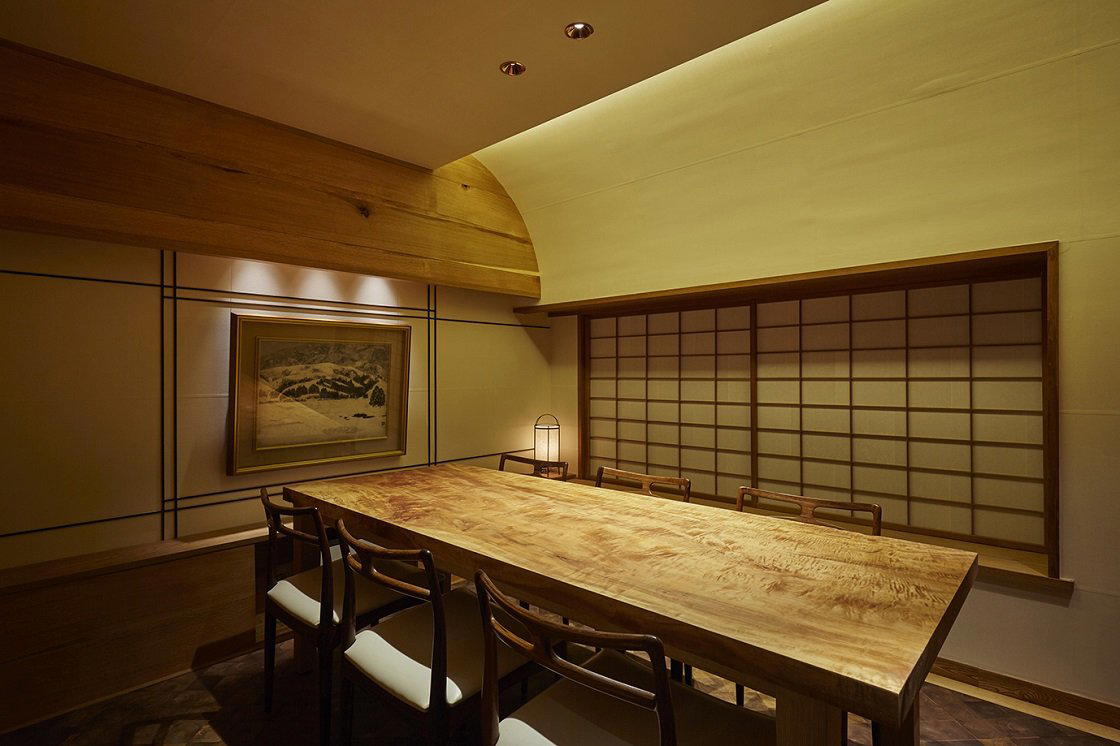




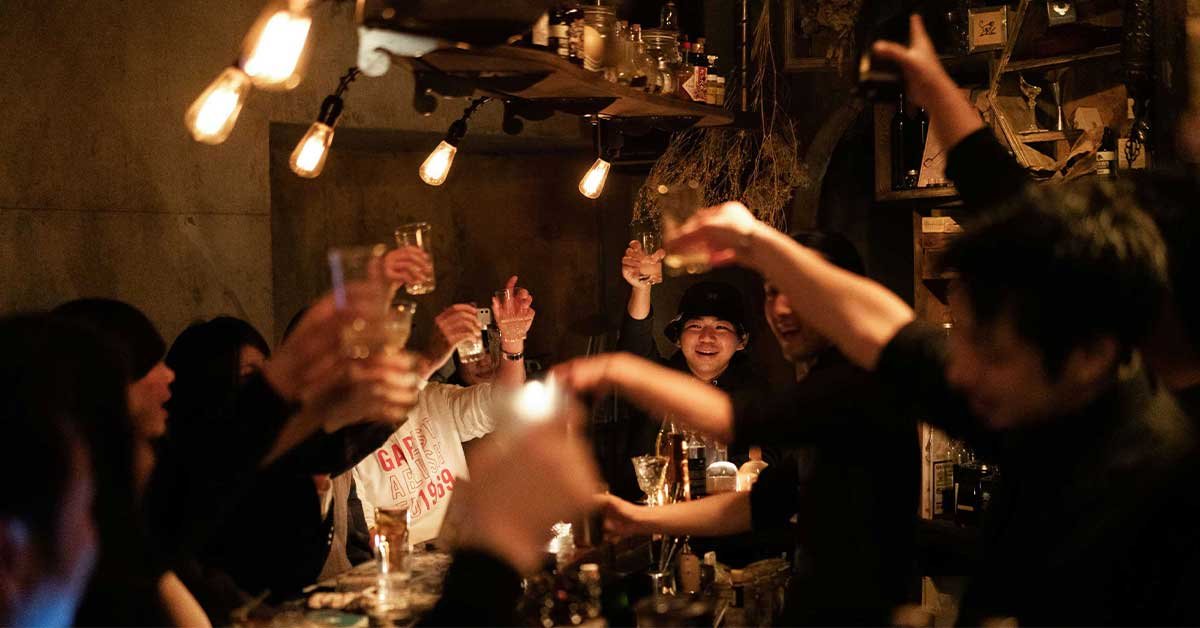
Bars in Osaka
Browse all →


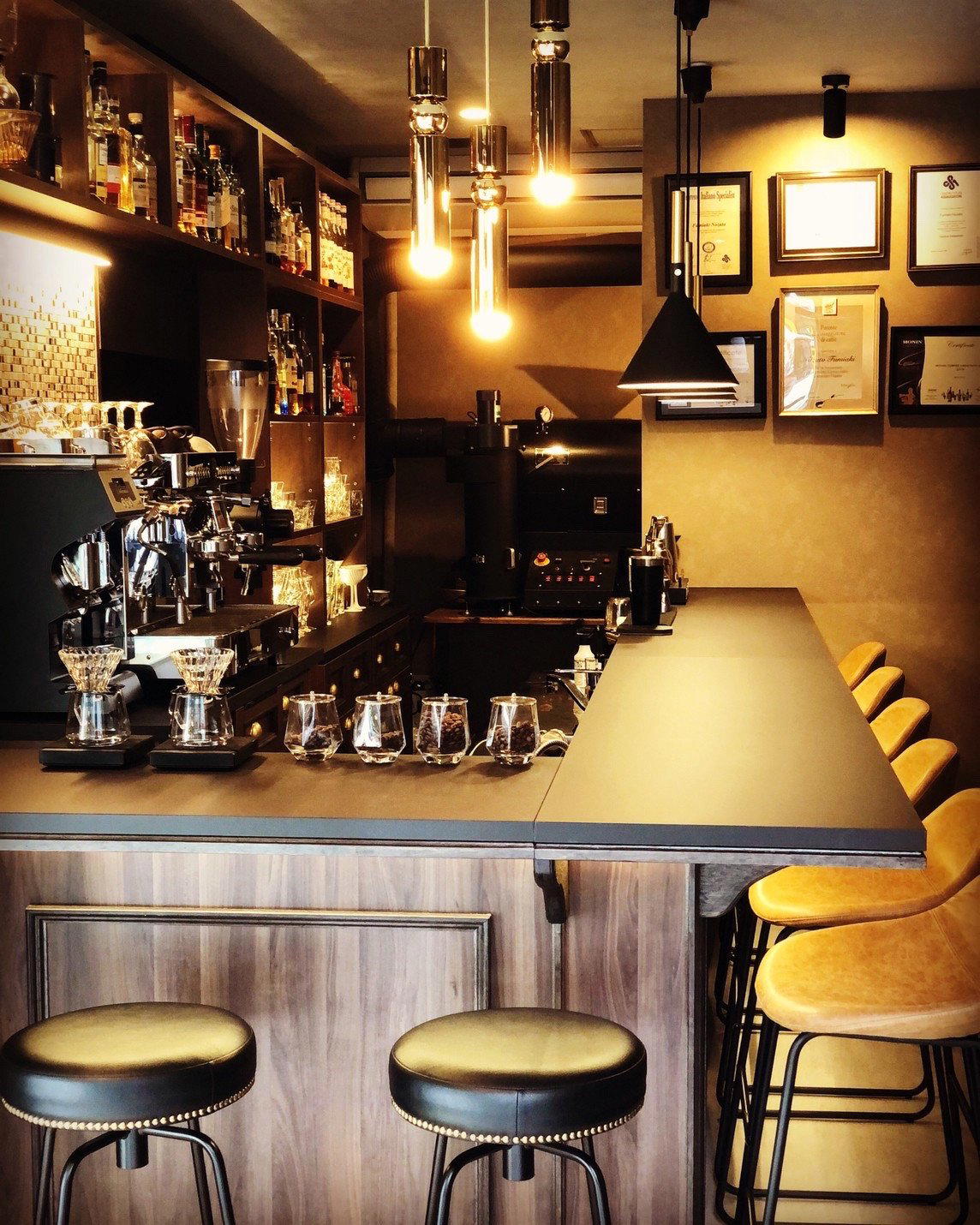
Hotels in Osaka
Browse all →


Wineries in Osaka
Browse all →
At a Glance
- Cozy
- Trendy
- Intimate
- Casual Hangout
- After Work
- Late Night
- Date Night
- Solo
- Standalone
- Extensive Wine List