Bagnard at 7 Rue Saint-Augustin sits in Paris's 2nd arrondissement, a short walk from the Palais Royal and the city's most concentrated stretch of serious modern dining. The address places it within a neighbourhood that has shifted from finance and fashion toward food over the past decade, drawing a clientele that reads reservation confirmations as carefully as wine lists.
 Discover on Pearl
Pearl is the En Primeur Club membership app — saves, bookings, and concierge access live there. Same editors, same standards.
- Address
- 7 Rue Saint-Augustin, 75002 Paris, France
- Phone
- +33986176317
- Website
- yonisaada.com
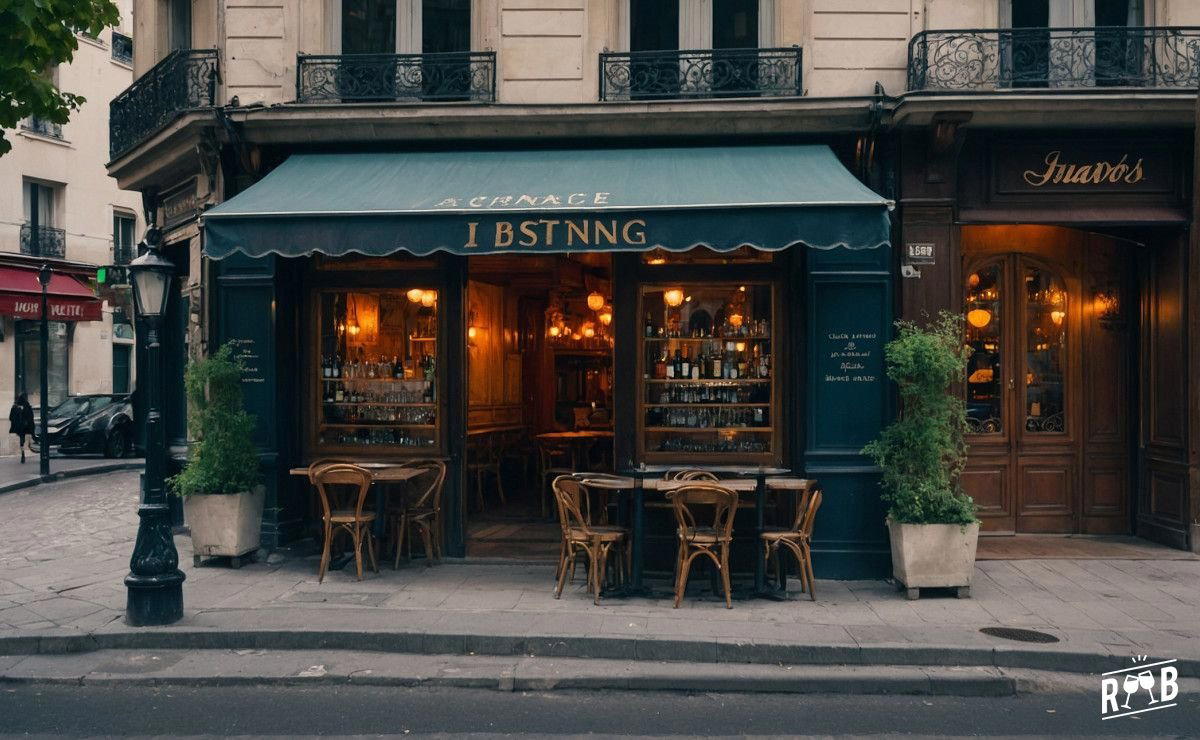
Where the 2nd Arrondissement Eats Seriously
Paris's 2nd arrondissement has been quietly repositioning itself for years. The streets around Rue Saint-Augustin and the Palais Royal sit at the intersection of old Bourse Paris and newer creative industries, and the restaurants that have taken root here tend to reflect that mix: precise without being stiff, contemporary without performing novelty. Bagnard, a Mediterranean Street Food Bistro at 7 Rue Saint-Augustin in Paris, belongs to that register. The address is calm by Paris standards, no theatre queue, no pavement crowd, but the neighbourhood's dining density means that the room earns its reputation through what happens inside rather than through location as spectacle.
The trophy addresses for formal French dining, the high ceilings of Le Cinq at the Four Seasons George V, the Place des Vosges hush of L'Ambroisie, or the grand avenue ambition of Alléno Paris au Pavillon Ledoyen, occupy different arrondissements and different budget tiers. What the 2nd offers instead is a more compressed, less ceremonial version of Parisian seriousness, where the dining ritual is condensed but not diminished.
The Ritual of the Meal Here
In a city where dining customs are treated as something close to civic infrastructure, the pacing and etiquette of a meal carry real weight. Paris at this level of the market, call it the serious-but-not-grand tier, sitting below the €€€€ rooms of Kei and the Michelin-weighted destination tables, tends to favor a particular rhythm: deliberate ordering, wine chosen with purpose, courses that arrive without rush but without the theatrical pauses of formal tasting menus.
Bagnard operates within that tradition. The name itself, a French term historically associated with penal labor in the galleys, carries a sardonic edge that signals the kitchen is not taking itself too seriously in presentation, even if the cooking is careful. That tension between studied informality and genuine technique is one of the defining postures of contemporary Paris bistronomy, a movement that has produced some of the city's most interesting rooms over the past fifteen years. The approach asks diners to engage on culinary terms rather than social ones: the food does the talking, the room stays unobtrusive, and the meal is measured by what ends up on the plate.
For those comparing Bagnard to France's destination restaurants further afield, the high-altitude precision of Flocons de Sel in Megève, the garden-driven philosophy behind Mirazur in Menton, or the decades of accumulated authority at Troisgros in Ouches, the proposition is fundamentally different. Those are pilgrimage tables. Bagnard is a Paris local's table, which in practice means it competes on frequency of visit and genuine pleasure rather than occasion and aspiration.
What the Address Tells You About the Room
Rue Saint-Augustin runs parallel to the grands boulevards, one street south, in a stretch where Haussmann-era stone facades have given way at street level to a mix of artisan businesses and newer food addresses. The physical approach to Bagnard is understated in the way that typifies this part of the 2nd: no valet, no marquee, no architectural statement. The room is modest in scale, a register typical of the neo-bistro format that Paris has refined since the early 2000s and that now exports its logic to dining cultures as far removed as Lazy Bear in San Francisco and the market-sourced tasting menus of the American coasts.
That format, small room, short menu, high rotation of seasonal ingredients, imposes its own discipline on the dining ritual. Menus change with the market, which in the 2nd means suppliers from Rungis, the vast wholesale market south of Paris that feeds most of the city's serious kitchens. Seasonal eating in Paris is not a marketing position; it is a structural reality imposed by ingredient supply chains that the city's leading kitchens treat as a given. What this means at table level is that a return visit in autumn will not replicate what was on the plate in spring, a feature, not a limitation, for the kind of diner Bagnard appears to attract.
Among France's most enduring provincial institutions, Paul Bocuse's Auberge du Pont de Collonges, Bras in Laguiole, Auberge de l'Ill in Illhaeusern, the dining ritual is inseparable from the physical setting, the region, and often the family name above the door. Urban neo-bistros like Bagnard work from a different source of authority: the intelligence of the menu itself and the kitchen's ability to deliver on the implicit promise of the format. There is no landscape to invoke, no heritage dining room to signal seriousness. The plate has to carry the argument.
Placing Bagnard in Paris's Current Food Map
Paris currently operates with a tiered dining structure that is worth understanding before booking. At the formal apex sit multi-Michelin rooms like Arpège, where the presupposition is that a meal will require a full evening, a wine budget of some consequence, and a degree of occasion. Below that, a large middle tier of bistrots, brasseries, and neo-bistrots competes on a combination of quality, value, and neighbourhood identity. Bagnard sits in that middle tier, as do addresses in the 10th, 11th, and Marais that have drawn similar attention over the same period.
For comparisons across the Atlantic, the precision-driven tasting format of Le Bernardin in New York represents a different branch of French culinary influence, one that has adapted the formal tradition to an American fine-dining market. What Paris's neo-bistro scene, including Bagnard, has chosen to do instead is compress that formality without abandoning the underlying standards. The meal still matters; the ritual is just shorter, less expensive, and more likely to end with the kind of conversation that continued over a second carafe.
Other provincial French addresses worth understanding as points of comparison for the tradition Bagnard works within: Les Prés d'Eugénie in Eugénie-les-Bains, La Table du Castellet, Georges Blanc in Vonnas, and Auberge du Vieux Puits in Fontjoncouse all represent the kind of rooted, regional seriousness that Paris's urban neo-bistro scene has internalized and adapted for a city audience.
Planning Your Visit
Address: 7 Rue Saint-Augustin, 75002 Paris. Getting there: Quatre-Septembre (line 3) is the nearest metro stop, approximately two minutes on foot. Opéra and Bourse are also within walking distance. Reservations: Contact the restaurant directly; reservations are recommended. Budget: Expect mid-range Paris bistro pricing; the venue is priced around $20 per person. Timing: Lunch service, where available, typically represents the format's most accessible price point.
Similar Picks
Comparable venues nearby, for context on price, style, and recognition.
| Venue | Cuisine | Price | Notes |
|---|---|---|---|
| BagnardThis venue — the venue you are viewing | Mediterranean Street Food Bistro | $$ | |
| Micho | Mediterranean Gourmet Sandwiches on Challah | $$ | 1st arrondissement |
| Les Bascules | Modern Mediterranean Lebanese | $$ | 2e arrondissement |
| Les Paresseux | Mediterranean Tapas & Wine Bar | $$ | Batignolles |
| Can Alegria | Mediterranean with Spanish Influences | $$$ | Pigalle |
| Bombarde | Modern Mediterranean | $$ | Montmartre |
Continue exploring
More in Paris
Restaurants in Paris
Browse all →
Bars in Paris
Browse all →
Hotels in Paris
Browse all →
At a Glance
- Cozy
- Trendy
- Intimate
- Casual Hangout
- Open Kitchen
Charming bistro-style space decorated with bouquets of immortelles and mimosa flowers, exuding cozy warmth and generous Mediterranean hospitality.