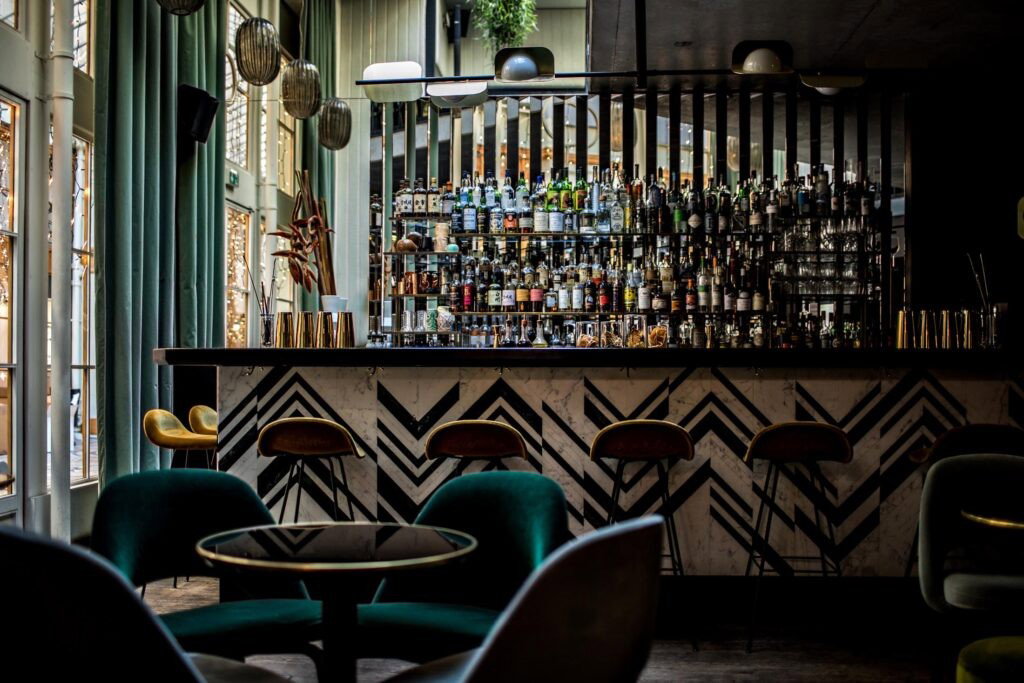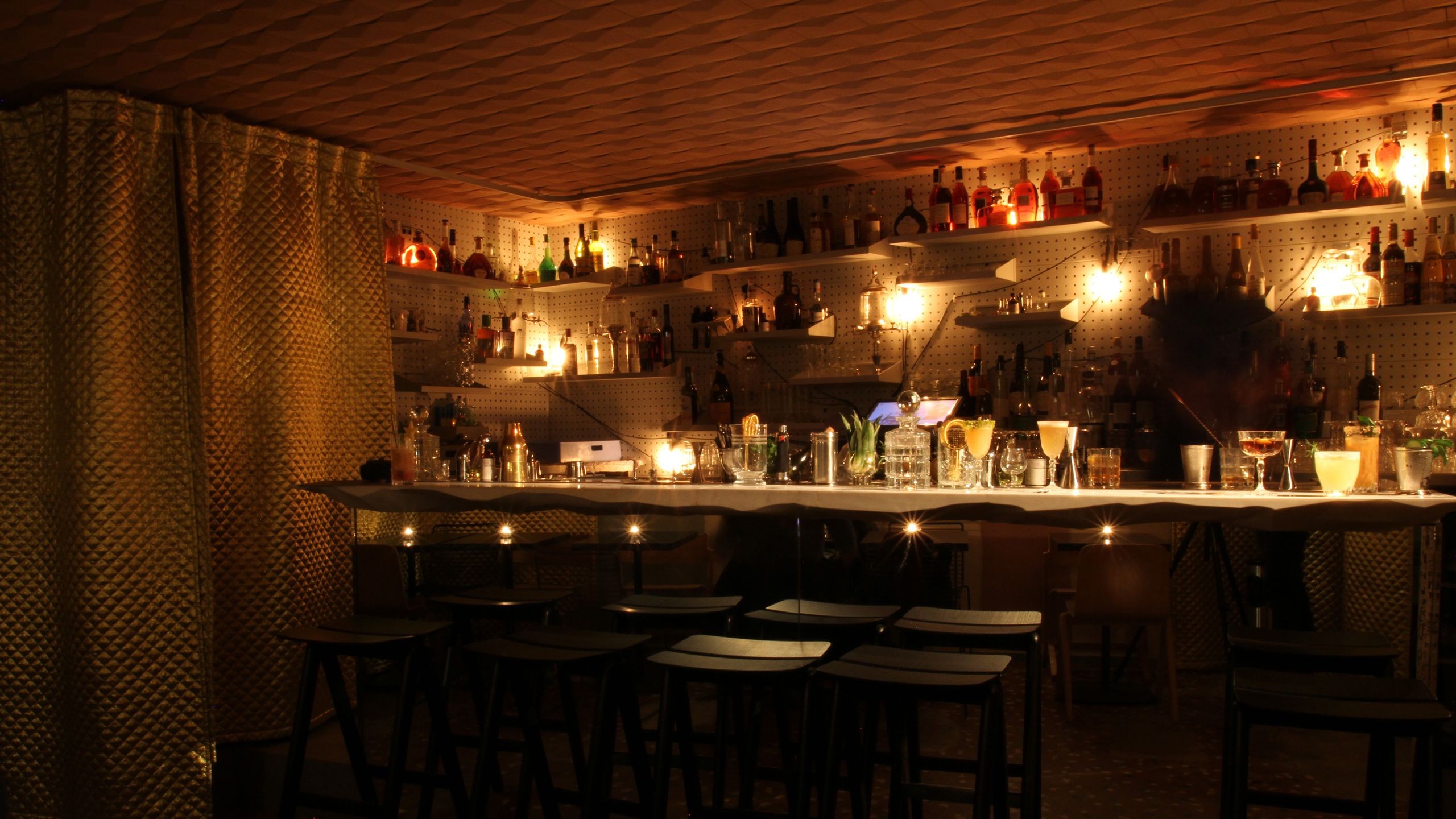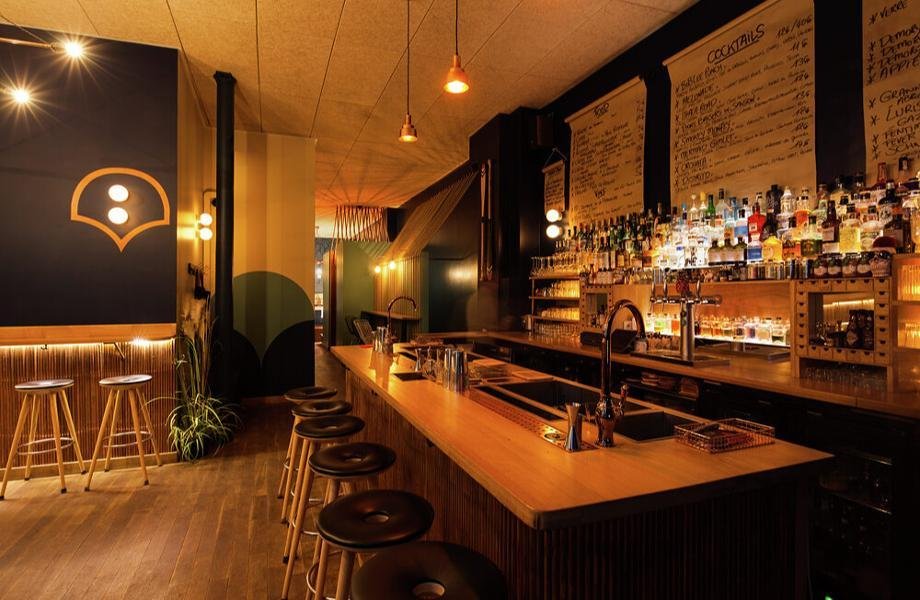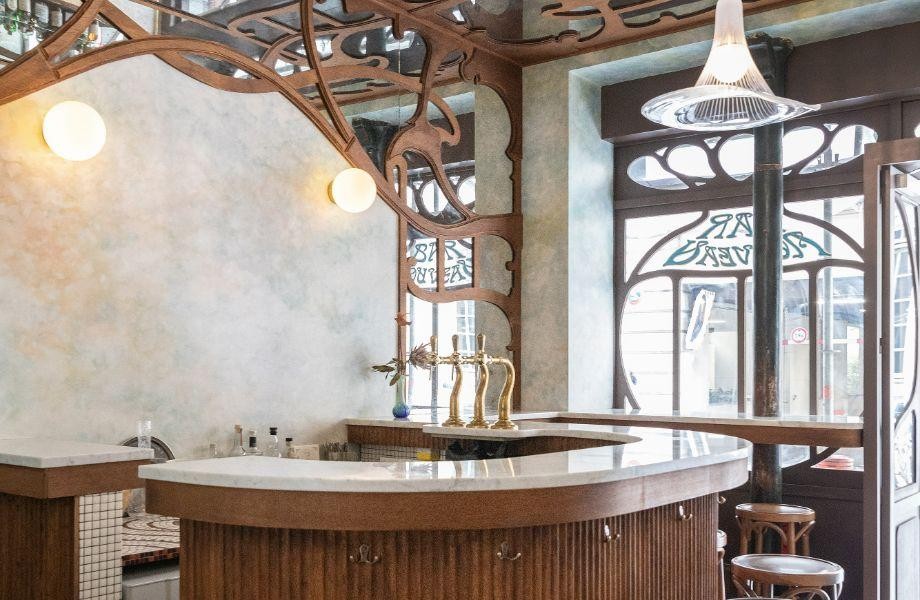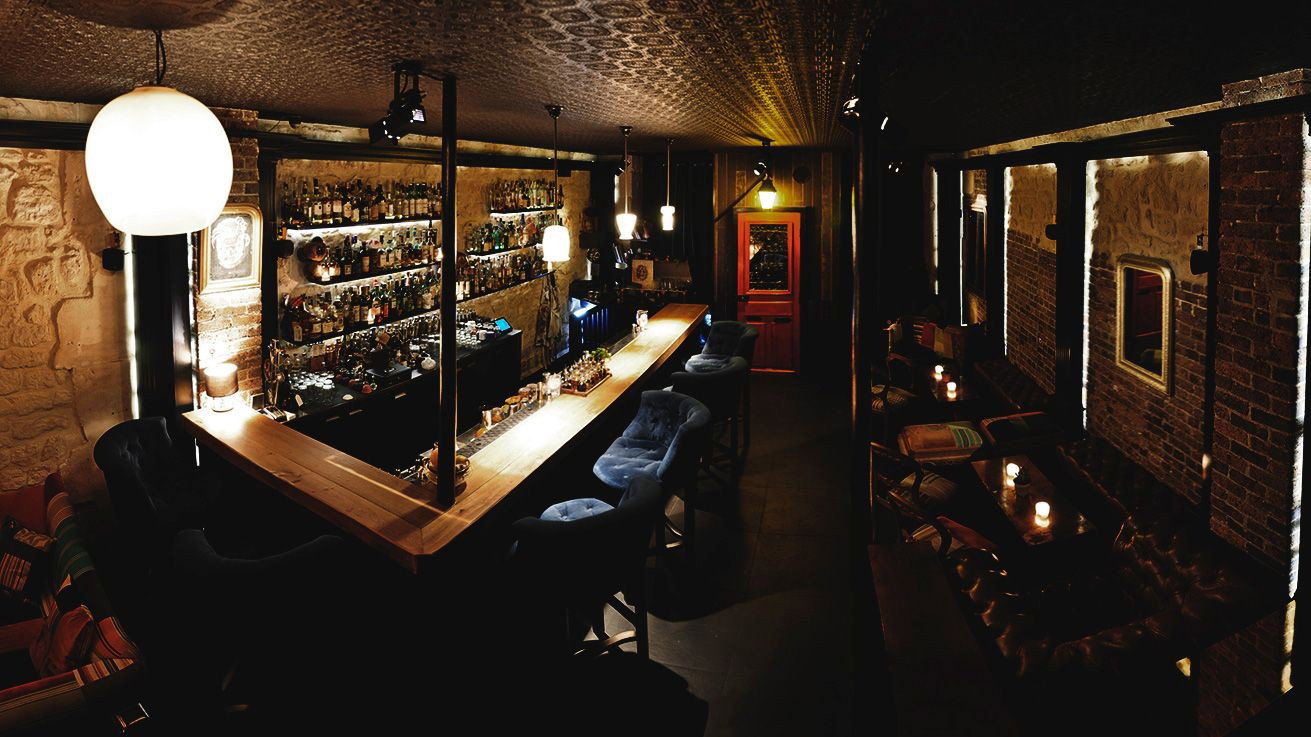
Ranked #93 in the 2025 Top 500 Bars list, Bar De Vie has established itself as one of the more quietly serious drinking addresses in Paris's 2nd arrondissement. The bar occupies 22-24 Rue Saint-Sauveur, a street that sits at the edge of the Sentier district's creative consolidation, and draws a crowd that expects technical precision over theatrical flourish.
 Discover on Pearl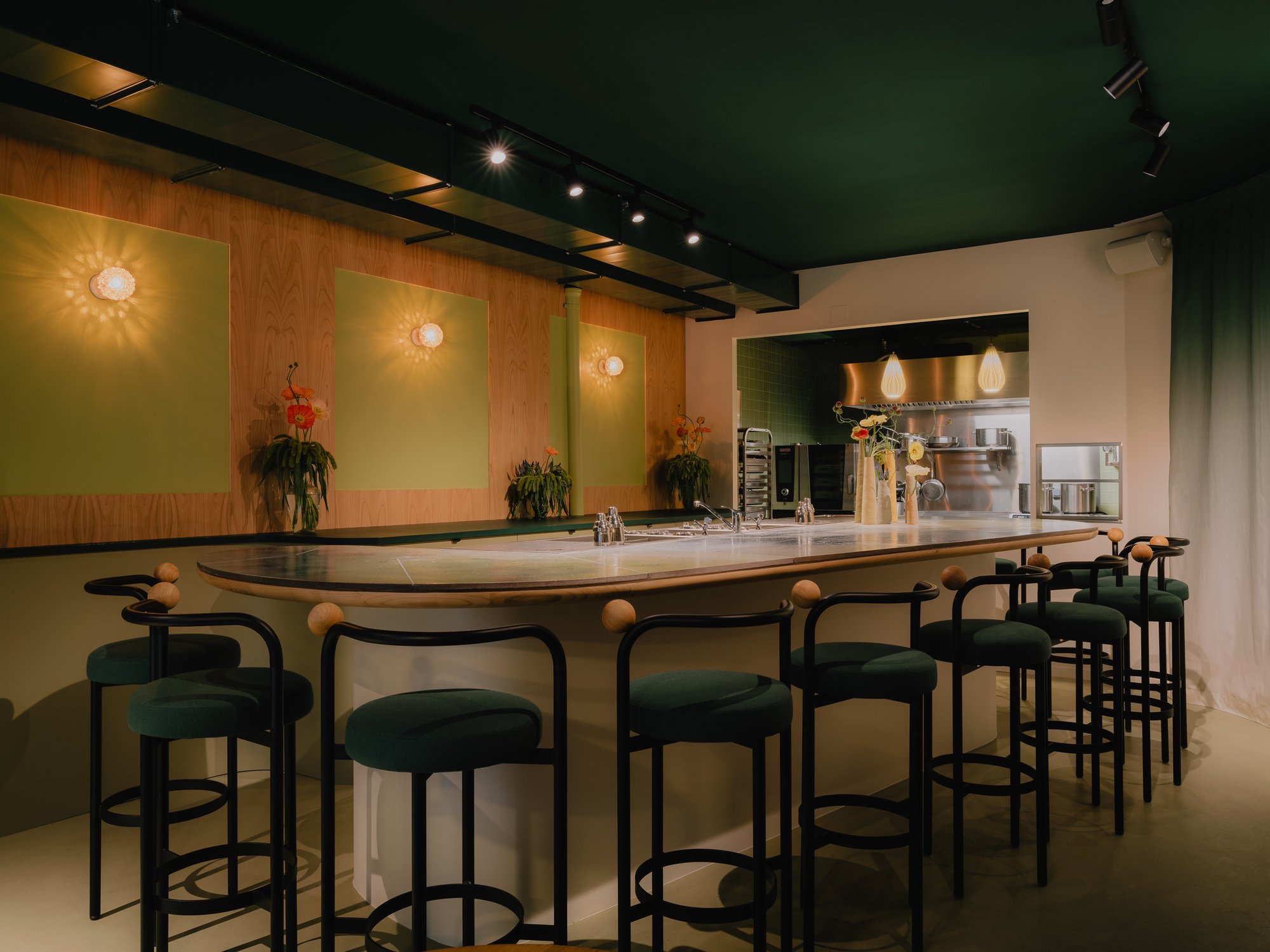
A Serious Bar in a Neighbourhood That Earns That Adjective
Rue Saint-Sauveur runs through the southern edge of the Sentier district, a stretch of the 2nd arrondissement that spent decades as a garment trade corridor before a decade of bar and restaurant openings began reshaping its evening character. The street is not a destination in the way that the Canal Saint-Martin or the Marais communicate themselves to visitors with clear signposting and tourist infrastructure. It requires a decision. That friction is, in practice, a filter: the room at Bar De Vie tends to fill with people who came specifically, not people who wandered in from a nearby attraction.
That geography matters because it shapes the kind of bar this is. Paris has developed two distinct registers for serious cocktail drinking: the high-visibility address that trades partly on its own cultural weight (think the grand hotel bar, the storied Left Bank institution), and the lower-profile, technically focused room that builds reputation through word of mouth and industry recognition. Bar De Vie occupies the second register, and its 2025 ranking at number 93 in the Top 500 Bars list confirms that positioning within a peer set that prioritises craft evidence over room grandeur.
What a Top 500 Bars Ranking Means in Practice
The Top 500 Bars ranking is one of the more reliable external signals for a cocktail programme's standing among industry peers. Reaching the top 100 in 2025 places Bar De Vie alongside a small cohort of Paris bars that have managed to sustain recognition at that level, which in a city with an increasingly competitive drinking culture is a more demanding achievement than it might appear from outside.
Paris's cocktail scene has undergone a genuine shift over the past decade. The city that once defaulted to wine and champagne as its default sophisticated drinks has produced a generation of bar programmes built on fermentation depth, local distillation, and technique borrowed from Tokyo, London, and New York but filtered through French product sourcing and flavour preference. Danico, in the 1st arrondissement, represents one strand of that evolution: precise, menu-driven, internationally recognised. Candelaria on Rue de Saintonge anchors a different current, one rooted in mezcal and taco culture that made Paris genuinely care about agave spirits before most European cities caught up. Bar De Vie's placement in the Sentier corridor suggests a third position: neighbourhood-rooted but internationally competitive.
That competitive tier is worth being specific about. The bars that cluster around the Top 500 ranking at positions 80 through 120 tend to share certain characteristics: a programme with a clear point of view, a team with verifiable credentials, and a booking or access pattern that limits dilution of the experience. At this level, the distinction between ranked bars is often slim on technical execution and wider on concept coherence and consistency over time.
The Sentier Setting and What It Signals
The 2nd arrondissement has not traditionally been Paris's primary cocktail address. The Right Bank's drinking culture concentrated historically around the grands boulevards and later around République and the surrounding streets. Sentier's emergence as a credible bar zone is relatively recent, driven partly by the tech and creative industry offices that moved into the area's former warehouse and showroom buildings, and partly by the wave of opening activity that followed Paris's broader hospitality recovery in the early 2020s.
Bars in this part of the 2nd arrondissement operate in a slightly different register from their counterparts in more tourist-dense zones. The clientele skews local and industry-aware. The expectation is that the room earns its own reputation rather than borrowing it from a famous street or a hotel address. This creates a different kind of pressure on the programme: there is no ambient prestige to carry an average night. That context, combined with the Top 500 placement, suggests Bar De Vie has built something that functions on its own terms.
Across France, the bars that have developed durable reputations outside Paris tend to share a similar insistence on local coherence over imported formats. Papa Doble in Montpellier, La Maison M. in Lyon, and Bar Casa Bordeaux in Bordeaux each built recognition by addressing a specific local gap rather than replicating a metropolitan template. Bar De Vie's position within the Paris scene follows a comparable logic, operating from a neighbourhood that required the bar to define its own gravity rather than inherit one.
How Bar De Vie Fits the Paris Drinking Map
For visitors building an evening around serious cocktail drinking in Paris, the city's top-ranked bars do not cluster conveniently. Buddha Bar operates at the spectacle end of the spectrum, with its double-height room and global brand presence serving a different function than a technically focused programme. Bar Nouveau represents another strand of the capital's bar culture. Bar De Vie sits in the cohort that rewards prior planning: you arrive knowing why you are there, and the experience is better for that preparation.
Internationally, the comparison set for a bar at this ranking tier extends across Europe. Bar Leather Apron in Honolulu demonstrates that Top 500 recognition can accumulate in cities far outside the traditional cocktail capitals, and that the ranking rewards depth of programme over geographic prestige. Bar De Vie's presence in Paris at number 93 suggests it is competing on programme merit within a field that includes bars from London, New York, Tokyo, and other cities with longer cocktail pedigrees.
For travellers covering French bar culture more broadly, the regional picture is worth mapping. Au Brasseur in Strasbourg, Coté Vin in Toulouse, and Le Café de la Fontaine in La Turbie each offer a window into how French drinking culture operates outside the capital. Bar De Vie, by contrast, functions as a gauge for how Paris's own scene measures against international competition at the serious end of the cocktail register. See our full Paris restaurants and bars guide for a wider picture of the city's current hospitality options.
Know Before You Go
| Address | 22-24 Rue Saint-Sauveur, 75002 Paris |
|---|---|
| District | Sentier / 2nd arrondissement |
| Recognition | Top 500 Bars #93 (2025) |
| Booking | Contact details not publicly listed — check current reservation availability directly |
| Hours | Not confirmed — verify before visiting |
| Price range | Not confirmed in available data |
| Nearest Metro | Sentier (line 3) or Bonne Nouvelle (lines 8/9) |
Fast Comparison
These are the closest comparables we have in our database for quick context.
| Venue | Cuisine | Price | Awards | Notes |
|---|---|---|---|---|
| Bar De Vie | This venue | |||
| Bar Nouveau | World's 50 Best | |||
| Buddha Bar | World's 50 Best | |||
| Candelaria | World's 50 Best | |||
| Danico | World's 50 Best | |||
| Harry's Bar | World's 50 Best |
Continue exploring