Back Porch Restaurant
Our verdict
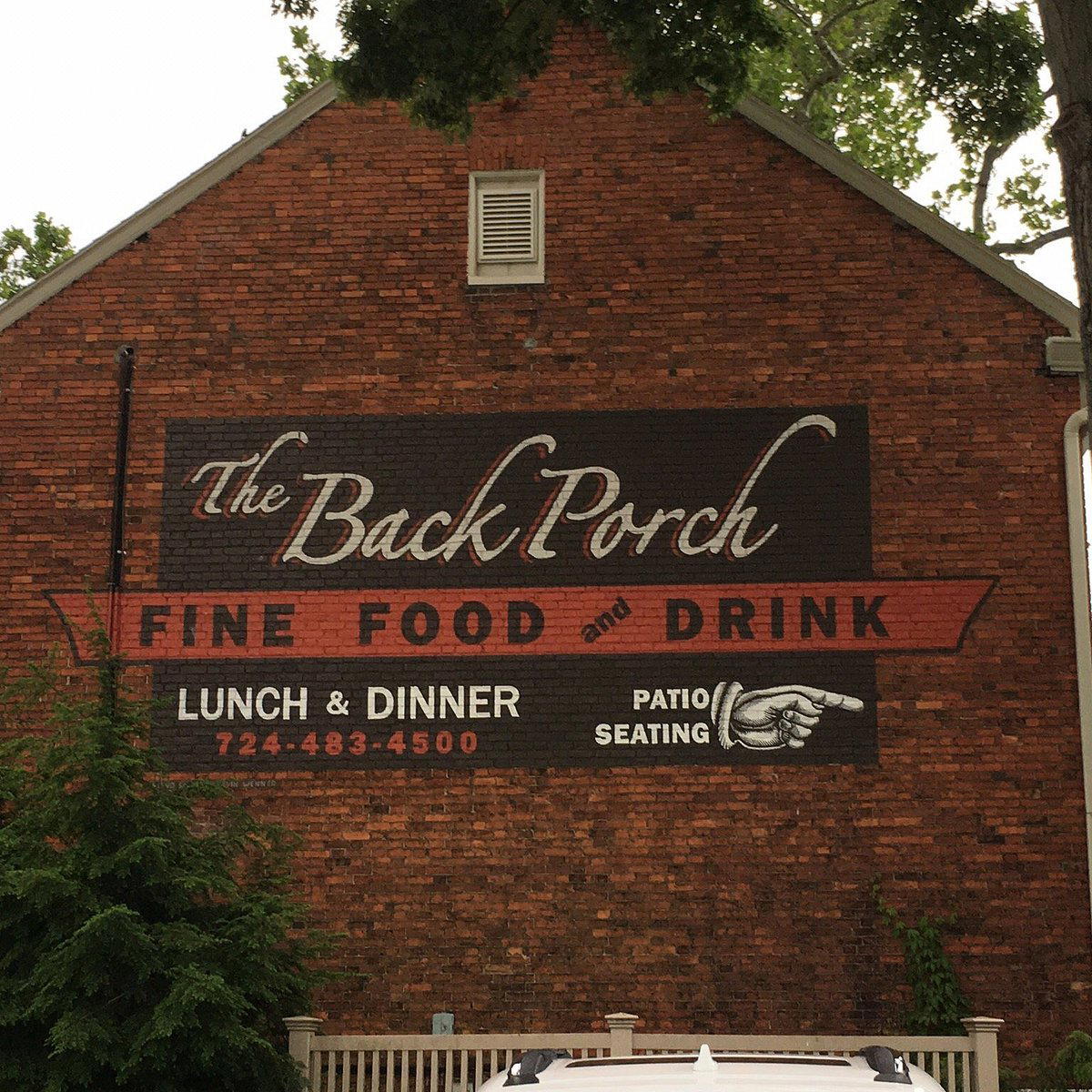
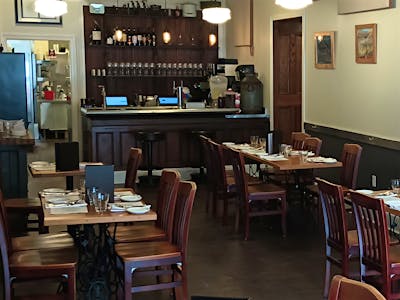
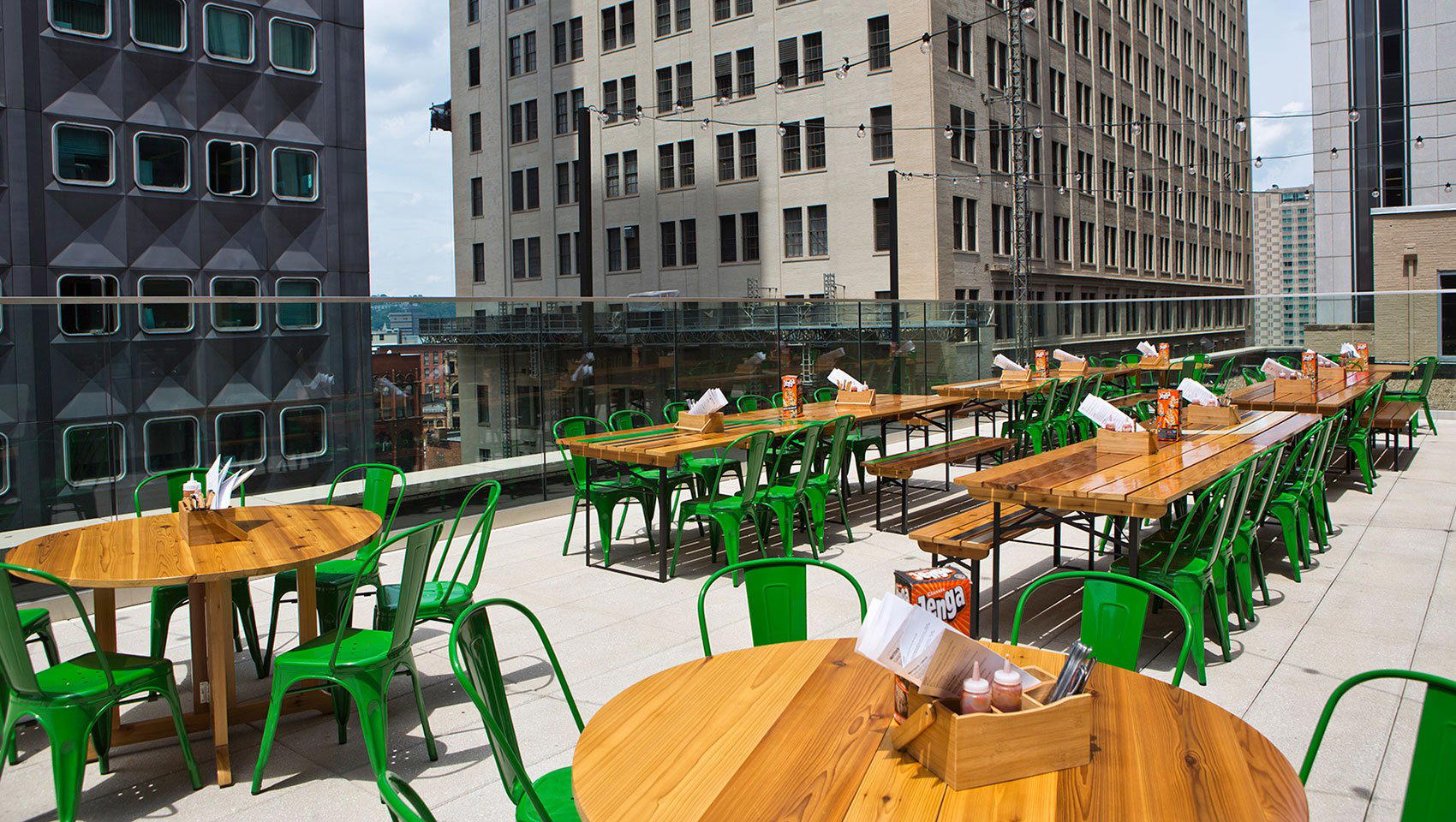
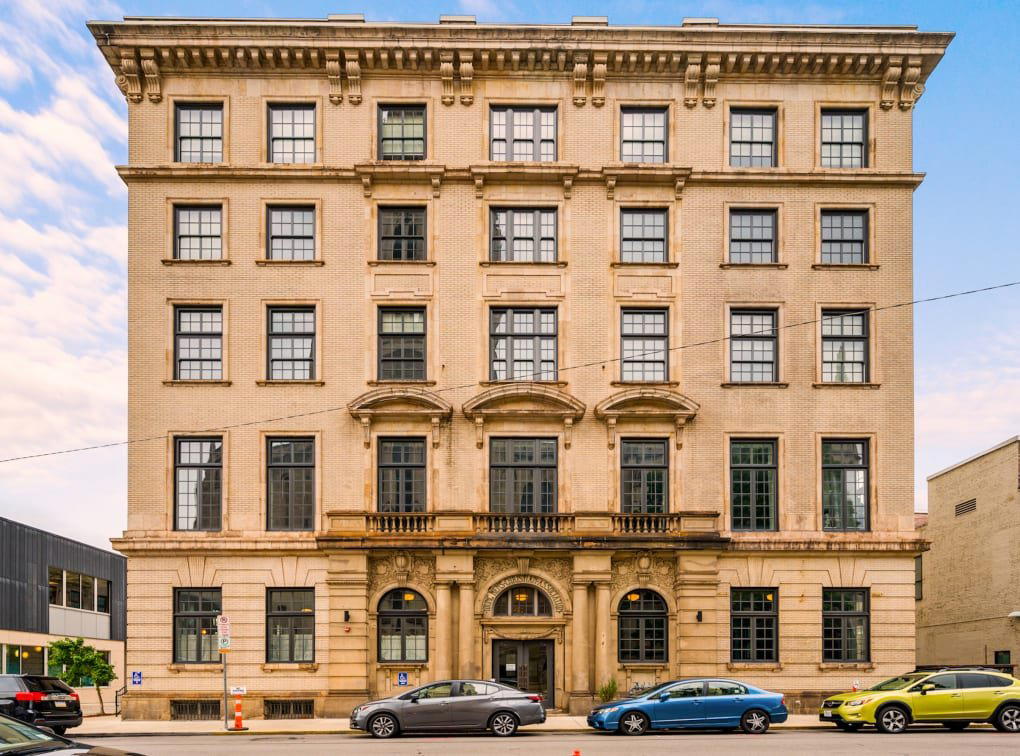
Back Porch Restaurant serves American steakhouse and seafood fare in a historic building with waterfront and street scene views, plus terrace seating and craft cocktails.

Pearl is the En Primeur Club membership app — saves, bookings, and concierge access live there. Same editors, same standards.
- Address
- 114 Speer St, Belle Vernon, PA 15012
- Phone
- (724) 483-4500
- Hours
- Mon–Tue ClosedWed–Sun 4–8 PM
- Website
- backporchrestaurant.com
- Directions
- Get directions
- Booking
- Book on the venue's website
The menu
What to order
- Baby Back Ribs
- Maine-Style Baked Scallops
- Lobster Bisque
Where Belle Vernon Eats Close to the Source
Along the Monongahela River corridor in southwestern Pennsylvania, the towns that once ran on steel now run on something quieter: a deeply local food culture that never fully chased metropolitan trends. Belle Vernon sits in that stretch, a small city where the dining rooms that matter tend to be the ones that have stayed put, kept their prices grounded, and built their reputations through repeat visitors rather than press cycles. Back Porch Restaurant, at 114 Speer St, occupies that kind of position in the local fabric. The name alone suggests what you are walking into before you reach the door: something unhurried, something that faces outward toward its surroundings rather than inward toward its own mythology.
The Case for Ingredient Proximity in Small-City Dining
The broader argument for sourcing close to the kitchen has reshaped how serious American restaurants present themselves over the past two decades. At the high end of that shift, properties like Single Thread Farm in Healdsburg have built entire identities around farm-to-table discipline, while Blue Hill at Stone Barns in Tarrytown has turned proximity to its own agricultural land into the organizing principle of every plate. These are rarefied examples operating at four-figure price points per guest. But the underlying logic, that a kitchen connected to its local food system produces more coherent, more honest food, holds just as well outside major metropolitan markets.
Western Pennsylvania offers a particularly strong geographic case for that argument. The region sits within reach of some of the most productive agricultural land in the mid-Atlantic corridor: Lancaster County farms to the east, the river valleys of Washington County to the south, and a network of small producers across the Laurel Highlands who supply restaurants largely below the radar of national food media. A dining room in Belle Vernon that leans into that supply chain is not performing farm-to-table theater. It is simply working with what the terrain makes available, which in southwestern Pennsylvania tends to mean good pork, seasonal produce with shorter transport times than anything a Pittsburgh distributor receives from California, and a tradition of preservation and pickling that predates the trend cycles that made those techniques fashionable elsewhere.
The Back Porch Setting
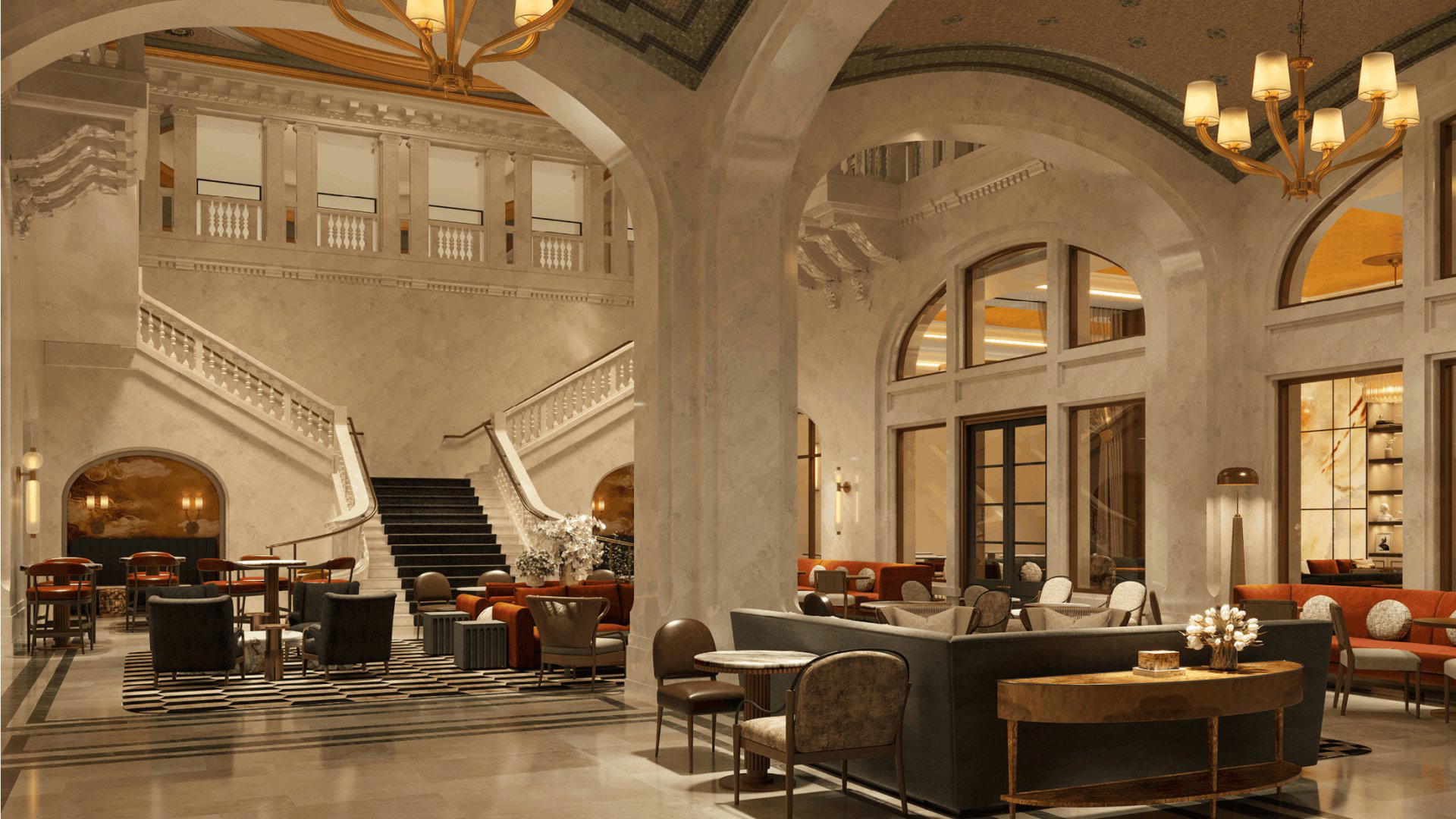
The physical character of dining rooms in towns like Belle Vernon tends toward the functional rather than the designed. These are not spaces where an interior architect has specified the lighting temperature or selected reclaimed timber for its visual texture. They are rooms that have accumulated their atmosphere through use: through the people who come back regularly, through the particular logic of a kitchen that has decided what it is going to cook and stuck to it. That kind of earned atmosphere has a different quality than a designed one. It does not photograph as well, but it sustains itself over years in a way that conceptual spaces rarely do.
Back Porch Restaurant carries a name that signals informality and accessibility, which in a town of Belle Vernon's size and character is itself a positioning statement. This is not a room that asks you to dress up or arrive with an agenda. It is the kind of place where the dining experience is structured around eating well rather than around being seen eating well, a distinction that matters more than it might initially appear.
How This Fits the Regional Scene
The restaurant scenes that tend to get national attention in Pennsylvania cluster in Philadelphia and Pittsburgh. Philadelphia has developed a strong farm-focused dining culture, particularly in neighborhoods like Fishtown and East Passyunk, while Pittsburgh's Strip District and Lawrenceville have drawn chefs with serious credentials. The towns in between, particularly along the Monongahela and Youghiogheny river valleys, operate without that infrastructure of critical attention and industry networking, which means the restaurants that survive in those markets do so on local loyalty rather than destination dining traffic.
That is a different kind of durability. Restaurants that depend on local repeat business tend to keep their menus honest and their pricing accessible, because the same 200 households are making dining decisions every week. Compare that dynamic to the pressure structure at places like The French Laundry in Napa or Le Bernardin in New York City, where destination diners arrive with built-in expectations calibrated to their price tier, and the relationship between kitchen and community operates entirely differently. Neither model is superior, but they produce restaurants with very different characters. Belle Vernon's dining scene, with Back Porch as a representative example, belongs to the community-sustaining model.
For readers who have been tracking farm-sourcing programs at venues like Smyth in Chicago, Oyster Oyster in Washington, D.C., or Bacchanalia in Atlanta, the regional sourcing argument in a town like Belle Vernon arrives without the editorial apparatus of a forager credit on the menu or a press release about producer relationships. The supply chain is local because the geography makes local the practical choice, not because a marketing team identified it as a differentiator.
Planning Your Visit
Belle Vernon is accessible by car from Pittsburgh, roughly 25 miles to the southeast along Route 51 or via I-70. The town itself is compact, and 114 Speer St is centrally positioned. As with most independent restaurants in smaller Pennsylvania towns, calling ahead before visiting is advisable, particularly for weekend evenings when local traffic is at its peak. Given the community-focused nature of venues in this price and market tier, the experience tends to reward flexibility over rigid planning.
For context on the broader regional dining scene and how Back Porch fits into it, our full Belle Vernon restaurants guide maps out where this room sits relative to other options in the area. Readers with a particular interest in how American restaurants at different price tiers approach sourcing and community connection may also find useful comparison in coverage of Lazy Bear in San Francisco, Providence in Los Angeles, Addison in San Diego, Emeril's in New Orleans, Frasca Food and Wine in Boulder, The Wolf's Tailor in Denver, ITAMAE in Miami, The Inn at Little Washington, Atomix in New York City, and Atelier Moessmer Norbert Niederkofler in Brunico, each of which represents a distinct approach to the relationship between kitchen, sourcing, and place.
Frequently asked questions
Would Back Porch Restaurant be comfortable with kids?
Back Porch Restaurant sits in Belle Vernon, a compact southwestern Pennsylvania river town where dining rooms tend toward the relaxed and community-facing rather than the formal. Nothing in the venue's profile signals a strict adults-only environment. That said, specific children's menu options or high-chair availability aren't documented, so it's worth calling ahead before bringing young children.
What is the atmosphere like at Back Porch Restaurant?
Back Porch Restaurant occupies 114 Speer St in Belle Vernon, a town along the Monongahela River corridor where restaurants typically reflect the functional, unfussy character of the community rather than aspirational design statements. The name itself signals something deliberately low-key: a back-porch register of hospitality rather than a formal dining room posture. Expect a setting that prioritizes comfort over spectacle.
Is Back Porch Restaurant a good dining option when driving between Pittsburgh and the Monongahela Valley?
Belle Vernon sits roughly 25 miles southeast of Pittsburgh along the Route 51 and I-70 corridor, making Back Porch Restaurant at 114 Speer St a practical stop on that route rather than a detour. The town is compact and the address is accessible without navigating a complex downtown grid. For travelers moving through southwestern Pennsylvania rather than destination-dining from the city, it fits the geography well.
What's the must-try dish at Back Porch Restaurant?
Specific menu details for Back Porch Restaurant in Belle Vernon aren't publicly documented, so singling out a particular dish would be speculation. The restaurant's positioning within the Monongahela River corridor dining scene suggests a focus on the kind of straightforward, regionally grounded cooking that characterizes this part of southwestern Pennsylvania. Checking directly with the restaurant will give you the clearest picture of current offerings.
Where is Back Porch Restaurant located?
Back Porch Restaurant is located at î114 Speer St, Belle Vernon, PA 15012, Belle Vernon.
Do I need a reservation for Back Porch Restaurant?
Reservation policies for Back Porch Restaurant at 114 Speer St, Belle Vernon, aren't publicly listed at this time. In a town the size of Belle Vernon, walk-in dining is common practice, but peak hours on weekends can change that calculus. Contacting the restaurant directly before your visit is the safest approach.
Side-by-Side Snapshot
Comparable venues nearby, for context on price, style, and recognition.
| Venue | Cuisine | Price | Notes |
|---|---|---|---|
| Back Porch RestaurantThis venue — the venue you are viewing | American Steakhouse & Seafood | Not listed | Not listed |
| Owl's Nest | Texas-Style BBQ | $30–50 | Upper Saint Clair |
| Bistro 19 | Contemporary American Gastropub | Not listed | Mount Lebanon |
| Palm Palm | Modern Coastal American Small Plates | $30–50 | East Liberty |
| Square Cafe | Modern American Brunch Cafe | $10–20 | East Liberty |
Continue exploring
More in Belle Vernon
Restaurants in Belle Vernon
Browse all →
Bars in Belle Vernon
Browse all →
Details
- Rustic
- Cozy
- Historic
- Intimate
- Family
- Celebration
- Special Occasion
- Private Event
- Historic Building
- Waterfront
- Terrace
- Craft Cocktails
- Waterfront
- Street Scene
- A La Carte
- Vegetarian Friendly
- Vegan Options
Current opening hours
- Monday
- Closed
- Tuesday
- Closed
- Wednesday
- 4–8 PM
- Thursday
- 4–8 PM
- Friday
- 4–8 PM
- Saturday
- 4–8 PM
- Sunday
- 4–8 PM
Hours can change for holidays and private events. Last verified .
Quaint and comfortable atmosphere in a preserved historic home with engaging character and relaxing riverview porch seating.