Google: 4.7 · 700 reviews
Arlecchino Ristorante
Arlecchino Ristorante occupies a quiet address on Camp Lane in McMurray, Pennsylvania, bringing Italian-rooted cooking to a southwestern PA suburb better known for chain dining than considered sourcing. The restaurant's name, borrowed from the commedia dell'arte trickster, hints at a kitchen that takes tradition seriously while leaving room for surprise. For the area, it represents a different register of dining entirely.
Pearl is the En Primeur Club membership app — saves, bookings, and concierge access live there. Same editors, same standards.

Southwestern Pennsylvania's Quiet Case for Ingredient-Led Italian
The dining corridor that runs through Peters Township and the broader McMurray area is not the first place most serious eaters look when planning a meal. The suburb southwest of Pittsburgh is ringed by the familiar architecture of American chain dining, which makes the presence of a restaurant like Arlecchino Ristorante at 133 Camp Lane more notable than its postcode might suggest. The name itself is a signal: Arlecchino is the cunning, motley-suited servant of Italian commedia dell'arte, a figure who survives by wit and adaptability. That framing, applied to a ristorante, implies something more self-aware than a red-checkered-tablecloth neighborhood Italian-American fallback.
Italian regional cooking in the United States exists on a wide spectrum. At one end sit the temple-like institutions — the kind of white-tablecloth rooms in New York and San Francisco where housemade pasta is the baseline, sourcing is documented, and the wine list tracks DOC designations with the seriousness of a sommelier exam. At the other end is the vast middle of Americanized Italian, where the cooking is comfort-forward and provenance rarely enters the conversation. Arlecchino, at its Camp Lane address, operates in the territory between those poles, serving a community where a restaurant that cares about where ingredients come from represents a genuine departure from the norm.
The Sourcing Argument in a Suburban Context
Ingredient sourcing is where regional Italian cuisine earns or loses its credibility. The tradition is hyper-local by design: Emilian cooking draws on Parmigiano-Reggiano and prosciutto di Parma with protected designation for a reason, Neapolitan pizza is built around San Marzano tomatoes and specific flour grades, and the cooking of Liguria is barely legible without the right olive oil and the right basil. When an Italian kitchen operates far from those supply chains, the choices it makes about substitution versus importation tell you almost everything about what kind of restaurant it intends to be.
Southwestern Pennsylvania is not without agricultural infrastructure. The region sits within reasonable reach of farms in the Laurel Highlands and the broader Allegheny plateau, and the Pittsburgh food scene has, over the past decade, built meaningful connections between chefs and regional producers. Restaurants like Blue Hill at Stone Barns in Tarrytown and Single Thread Farm in Healdsburg have made the farm-to-table argument at the highest tier of American dining; the more practical question for a neighborhood Italian restaurant in McMurray is how much of that discipline trickles down to a menu priced for regular visits. The answer, for serious diners, determines whether a place merits a 25-minute drive from Pittsburgh proper or remains a local convenience.
The Italian-American dining tradition in western Pennsylvania has deep roots, reflecting the region's immigration history. Communities in and around Pittsburgh developed their own interpretations of Calabrian, Sicilian, and Neapolitan cooking across the twentieth century, producing a local dialect of Italian food that is distinct from what you find in New York or Chicago. Arlecchino operates inside that history, whether it leans into it or consciously departs from it.
Where Arlecchino Sits in the McMurray Dining Picture
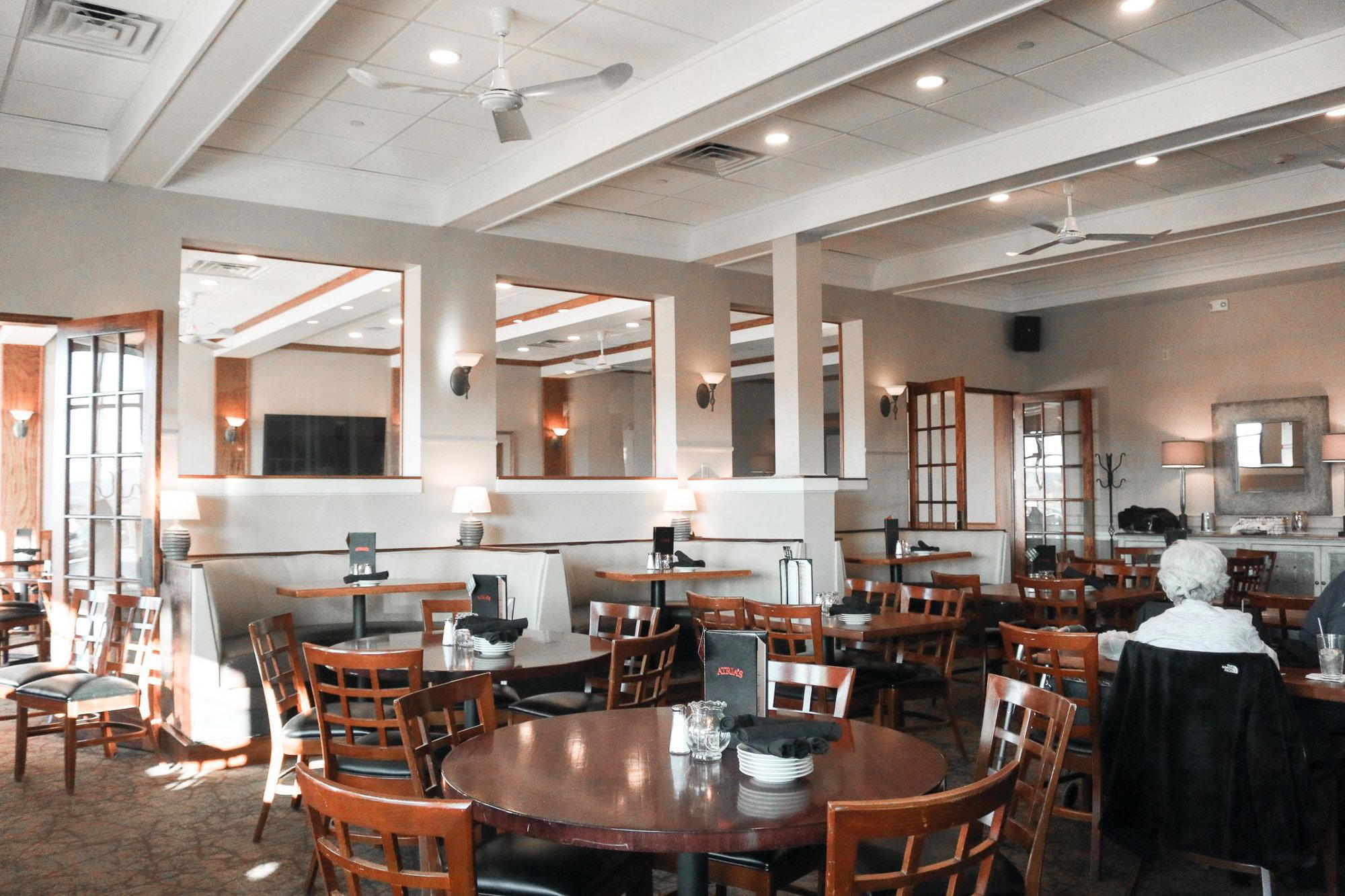
Peters Township has a compact but functional dining scene anchored by a handful of independent operators. Atria's in Peters Township and Juniper Grill in Peters Twp represent the area's more casual, pub-adjacent end of the spectrum. An Italian ristorante with a commedia dell'arte identity positions itself differently: more composed, more specifically European in reference, and more dependent on execution at the plate to justify the distinction it signals in its name.
The comparison points for what a serious Italian restaurant can be in an American suburban setting are instructive. Frasca Food and Wine in Boulder demonstrated that a Friulian-focused kitchen, operating far from any Italian coastline, could build a nationally recognized program around rigorous sourcing, studied wine selection, and technical discipline. That model — deeply regional, ingredient-forward, suburban in address but not in ambition , is the clearest analogue for what a restaurant like Arlecchino could aspire to in the McMurray context. Whether it reaches that register is a question the current data doesn't fully answer, but the aspiration implicit in the name and address is worth taking seriously.
For broader reference points on what American restaurants do when they commit to sourcing as a core argument, the list runs from Smyth in Chicago and The Wolf's Tailor in Denver at the modernist end, to The Inn at Little Washington and Addison in San Diego at the classical end. None of those operate in the Italian regional idiom specifically, but each demonstrates that geographic distance from a cuisine's origin does not preclude seriousness about where the food comes from. Emeril's in New Orleans and Providence in Los Angeles make similar cases within their own regional frameworks. The connective tissue is intention: the decision to source carefully, document it, and let it shape the menu.
Planning a Visit
Arlecchino Ristorante is located at 133 Camp Lane, McMurray, PA 15317, in Peters Township's residential-commercial zone southwest of Pittsburgh. Specific hours, booking methods, and current pricing are not confirmed in our records at the time of publication; contact details and any reservation requirements are leading verified directly with the restaurant before making a special trip. For visitors coming from Pittsburgh, the drive runs roughly 20 miles via I-79 South, making this a practical destination for a weeknight dinner rather than a day-trip commitment. Those building an itinerary around the McMurray area can consult our full McMurray restaurants guide for additional options across categories and price points.
Diners accustomed to the tier of Italian cooking available at high-end urban addresses , the kind of precision on display at Le Bernardin in New York City or the sourcing discipline visible at Lazy Bear in San Francisco , will arrive with calibrated expectations. Arlecchino does not operate in that bracket by address or by market. What it offers, in a suburb where the alternative is largely chain dining, is the possibility of a more considered meal: one where the name on the door implies a kitchen with something to prove and a culinary tradition worth taking seriously. For the McMurray area, that is not a small thing. Those curious about how ingredient-led Italian cooking translates to a southwestern Pennsylvania setting will find the 133 Camp Lane address worth noting. Further afield, restaurants like ITAMAE in Miami, Atomix in New York City, and Atelier Moessmer Norbert Niederkofler in Brunico each show what happens when a kitchen commits fully to a sourcing argument within a specific regional tradition; they serve as useful coordinates for understanding the range of ambition that Italian and ingredient-forward cooking can hold.
In Context: Similar Options
These are the closest comparables we have in our database for quick context.
| Venue | Cuisine | Price | Awards | Notes |
|---|---|---|---|---|
| Arlecchino Ristorante | This venue | |||
| Le Bernardin | French, Seafood | $$$$ | Michelin 3 Star | French, Seafood, $$$$ |
| Lazy Bear | Progressive American, Contemporary | $$$$ | Michelin 2 Star | Progressive American, Contemporary, $$$$ |
| Atomix | Modern Korean, Korean | $$$$ | Michelin 2 Star | Modern Korean, Korean, $$$$ |
| Per Se | French, Contemporary | $$$$ | Michelin 3 Star | French, Contemporary, $$$$ |
| Masa | Sushi, Japanese | $$$$ | Michelin 3 Star | Sushi, Japanese, $$$$ |
At a Glance
- Elegant
- Romantic
- Classic
- Cozy
- Date Night
- Special Occasion
- Celebration
- Business Dinner
- Open Kitchen
- Historic Building
- Private Dining
- Extensive Wine List
- Corkage Allowed
- Craft Cocktails
- Local Sourcing
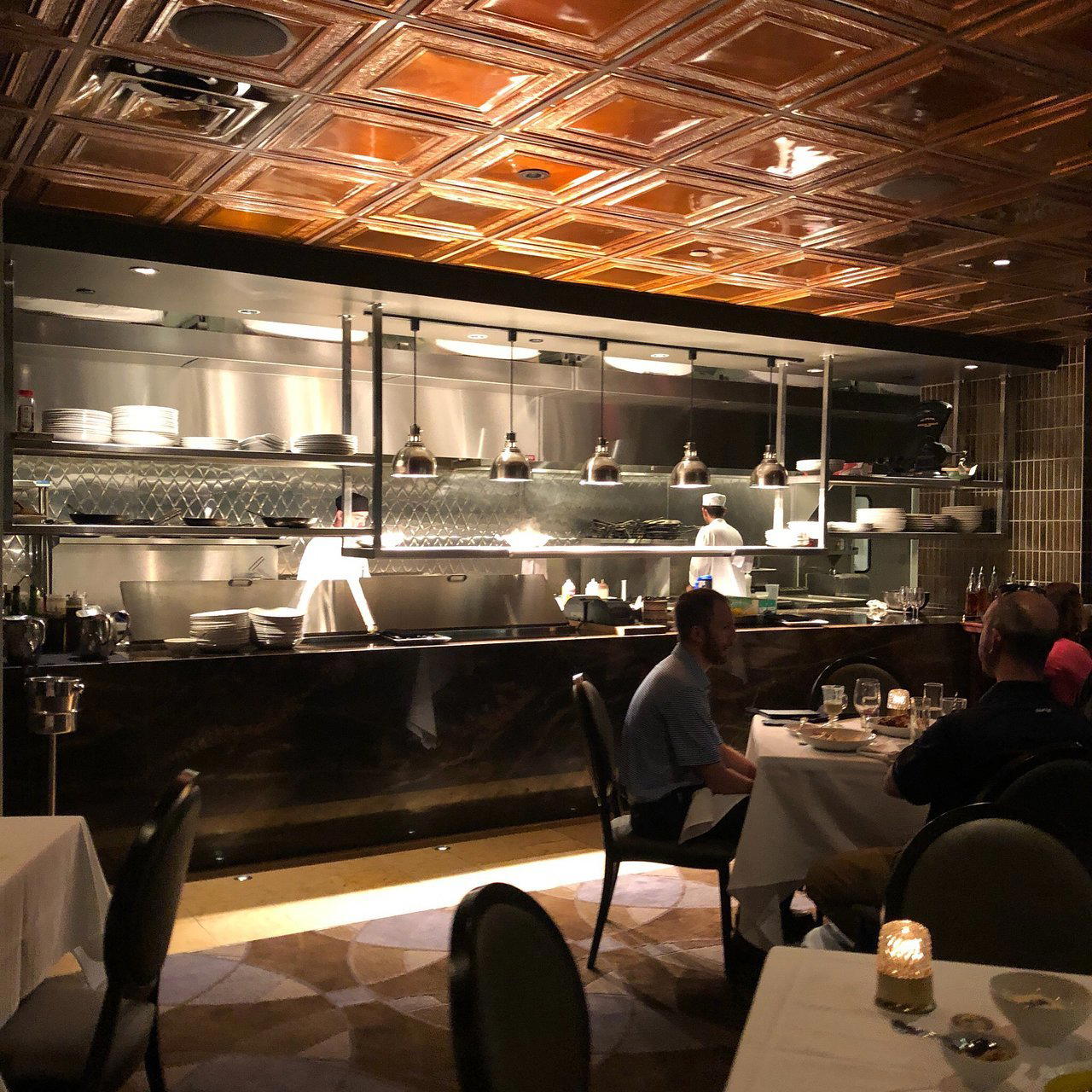
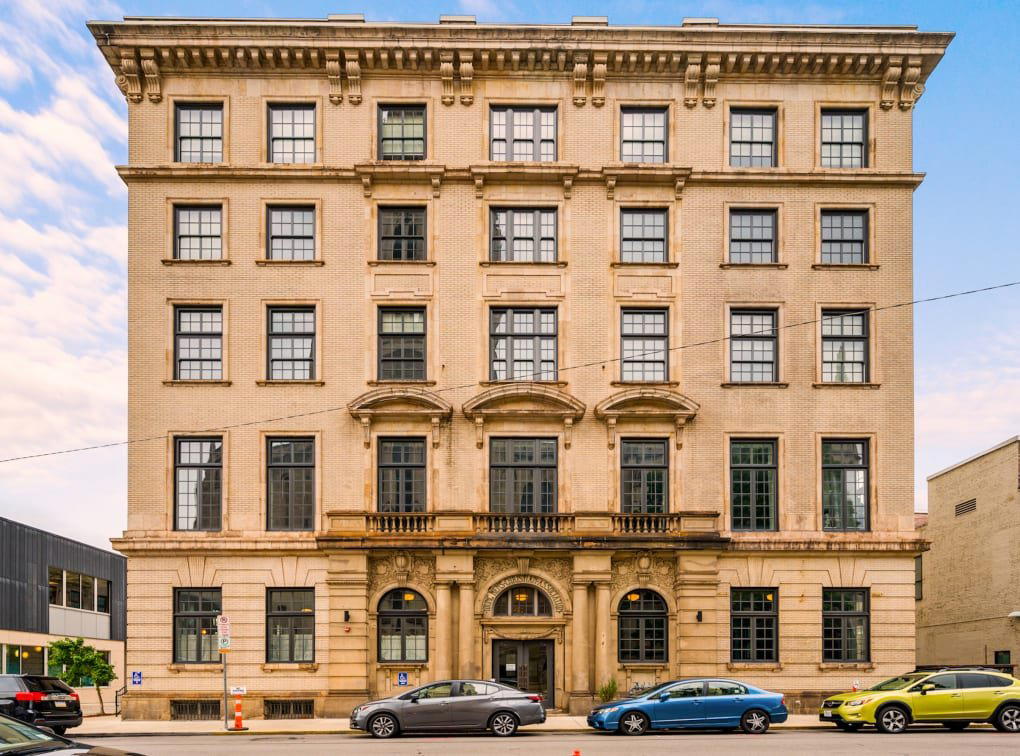
Warm and inviting with old-world charm, featuring an open kitchen where diners can observe chefs at work. The converted schoolhouse setting provides a cozy yet sophisticated atmosphere with soft lighting and intimate table arrangements.