Bistro 19
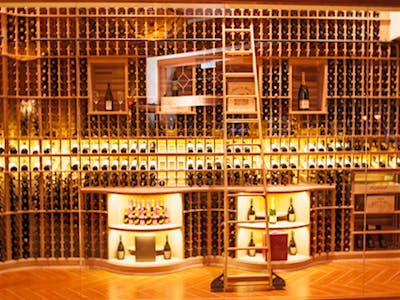
Bistro 19 serves contemporary American gastropub fare in Mount Lebanon, with an extensive wine list and conversational pacing for lunch, dinner, or brunch.
Pearl is the En Primeur Club membership app — saves, bookings, and concierge access live there. Same editors, same standards.
- Address
- 711 Washington Rd, Pittsburgh, PA 15228
- Phone
- +14123061919
- Website
- bistro19.com
- Directions
- Get directions
 Saves & bookings on Pearl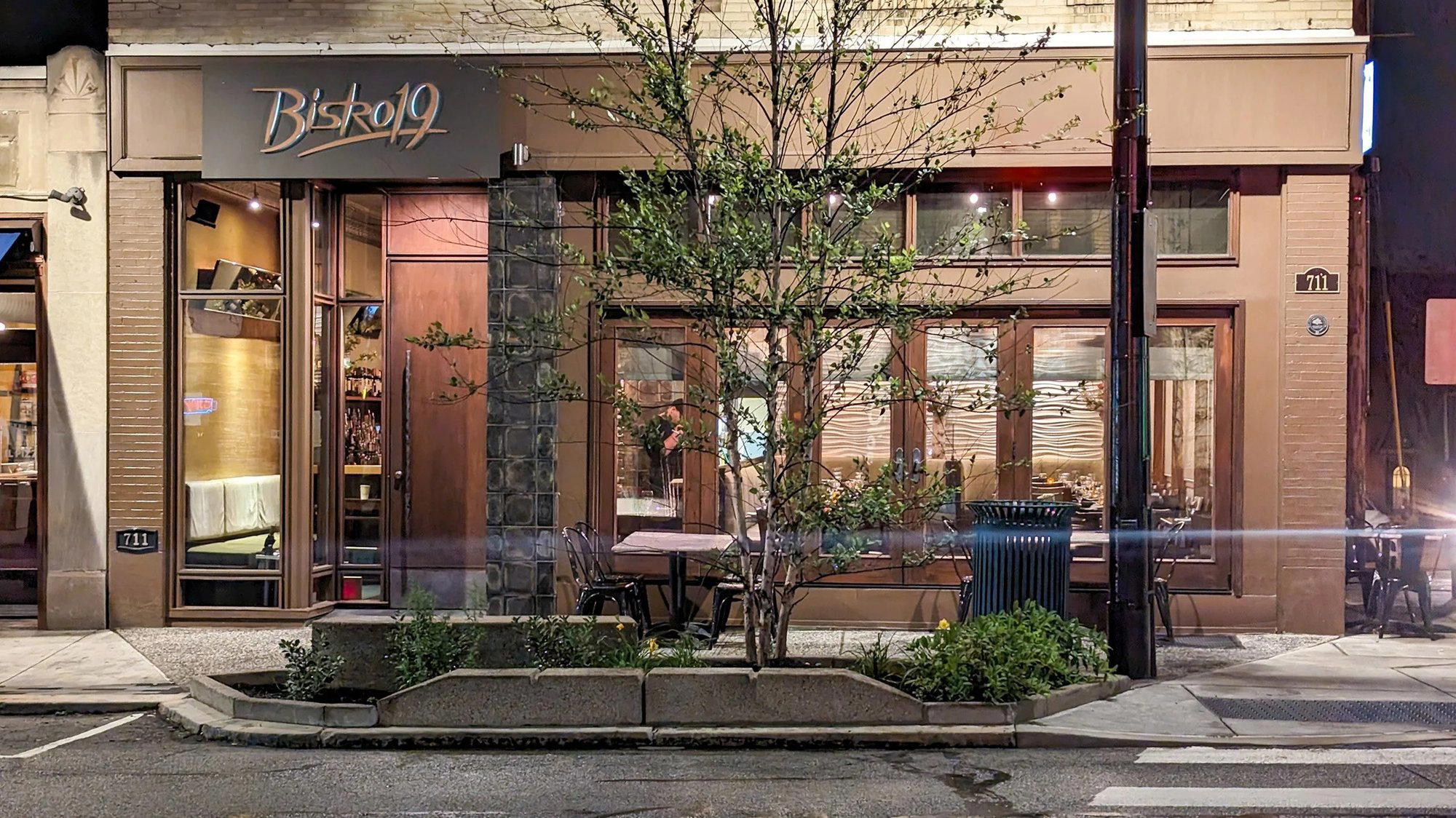
Washington Road, South of the City
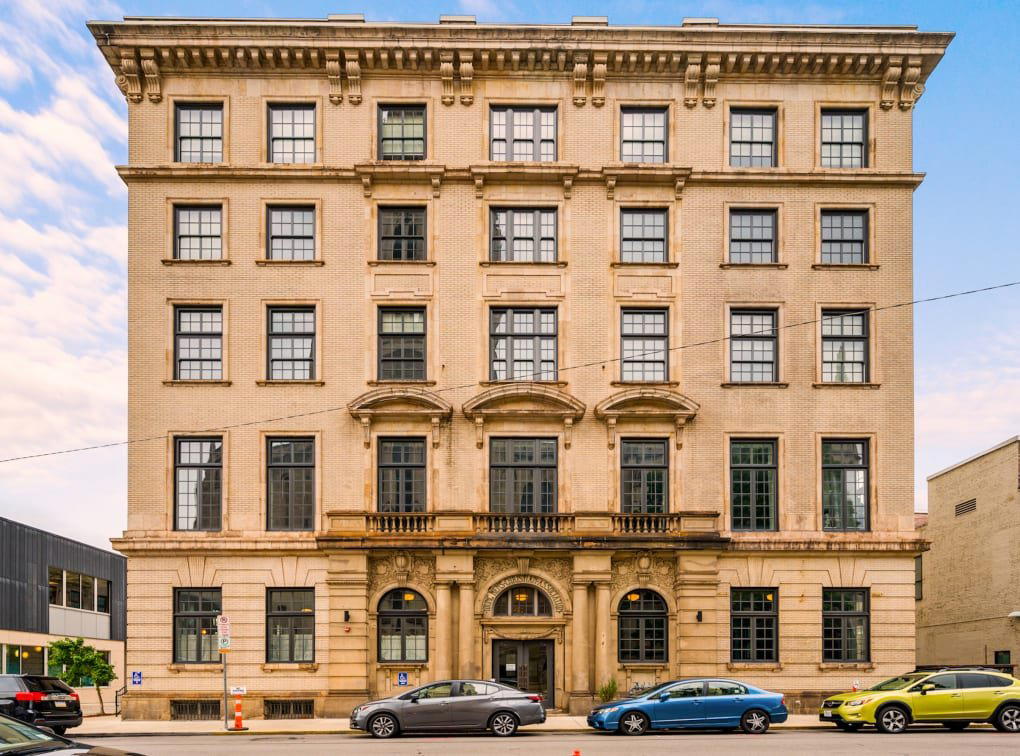
Bistro 19 is a Contemporary American Gastropub in Mount Lebanon, Pittsburgh, at 711 Washington Rd. Bistro 19, at 711 Washington Road, occupies that register. The address places it inside Pittsburgh's southern suburbs, removed from the downtown dining conversation but embedded in a community that expects its local spots to perform consistently rather than theatrically. In a region where sourcing questions are increasingly shaping how diners choose where to eat, that consistency matters more than it once did.
The Sourcing Frame: Why Provenance Matters in Western Pennsylvania
Western Pennsylvania sits within reach of some of the more productive agricultural zones in the American Northeast, and that geography has quietly shaped the better neighborhood restaurants in the Pittsburgh orbit. The upper Ohio Valley corridor and the farms of Armstrong, Butler, and Westmoreland counties provide a realistic local-sourcing radius for operators willing to build supplier relationships rather than rely on broadline distribution. At the neighborhood bistro tier, where margins are tighter than at destination-level houses like Single Thread Farm in Healdsburg or Blue Hill at Stone Barns in Tarrytown, the sourcing decision carries different weight: it shapes cost structure, menu flexibility, and the seasonal rhythm of what actually reaches the table.
Restaurants that commit to ingredient provenance at the neighborhood level tend to run shorter menus with higher rotation, which places a different demand on kitchen discipline than the fixed tasting formats used at places like The French Laundry in Napa or Atomix in New York City. The bistro format, when it works, resolves that tension by anchoring a core menu in reliably available product while building weekly or seasonal variation around what local suppliers can actually deliver. That approach is less legible to the food media but more durable in practice, and Mount Lebanon's dining culture tends to reward durability.
What the Neighborhood Expects
Mount Lebanon is one of the denser, more established of Pittsburgh's South Hills communities, with a walkable business district and a residential population that skews toward households with consistent dining budgets rather than occasion-only restaurant spending. That demographic profile produces a different kind of restaurant pressure than you find in, say, a downtown market where the audience cycles heavily with tourism and corporate expense accounts. The neighborhood bistro here competes on repeat-visit value rather than first-impression spectacle, which pushes operators toward ingredient quality and kitchen consistency as the primary differentiators.
The bistro format itself, in its American iteration, has matured considerably over the past decade. Across cities like Denver, where The Wolf's Tailor has pushed the neighborhood restaurant concept toward serious formal ambition, and in Boulder, where Frasca Food and Wine has demonstrated what sustained hospitality discipline looks like at moderate scale, the category has shown that accessibility and rigor are not mutually exclusive. Western Pennsylvania's version of that story is still being written, and the South Hills are a reasonable place to watch it develop.
Placing Bistro 19 in the Pittsburgh Dining Context
Pittsburgh's dining scene has been in a sustained period of maturation since roughly 2010, with serious investment in the Strip District, Lawrenceville, and East Liberty producing a cohort of restaurants that compete credibly with mid-tier operators in larger markets. The South Hills have historically sat at one remove from that energy, but the demographics of communities like Mount Lebanon make them attractive for operators who want stable volume rather than the higher volatility of a trendy urban corridor. A restaurant at 711 Washington Road is not competing with the Strip District's newer openings; it is competing with the other options along Washington Road and in the surrounding neighborhoods of Dormont, Bethel Park, and Upper St. Clair.
That competitive set rewards reliability over ambition. A menu that rotates with the Pennsylvania growing season, sourced from suppliers within a two-hour radius, gives a neighborhood operator a defensible position against both the chain-casual tier below and the destination-dining tier above. It is a different strategic position than the one occupied by Smyth in Chicago or Providence in Los Angeles, but it is a coherent one, and the neighborhood format done well produces restaurants that outlast their trendier urban counterparts by a considerable margin.
The American Bistro as a Sourcing Vehicle
Across the country, the neighborhood bistro has emerged as one of the more functional formats for translating local agricultural relationships into a dining room experience. Places like Bacchanalia in Atlanta and Oyster Oyster in Washington, D.C. have demonstrated how ingredient-forward thinking can anchor a restaurant's identity without requiring the multi-course formality of a tasting menu. The format allows for a wider range of dishes and price points, which matters in a suburban context where the table might include a range of preferences and budgets. It also allows for the kind of menu evolution that keeps a restaurant relevant across seasons without requiring a complete overhaul of the kitchen's skill set or supplier network.
For readers planning a visit to the South Hills, the broader Pittsburgh dining conversation is covered in our full Mount Lebanon restaurants guide, which maps the neighborhood's options across formats and price tiers. The restaurant's Washington Road address is accessible from central Pittsburgh via the Liberty Tunnel and Route 19, with parking available along the commercial corridor. The suburban setting means the logistics are considerably more direct than reaching a destination restaurant with valet requirements and reservation windows months in advance, as is the case at venues like Le Bernardin in New York City or The Inn at Little Washington.
Comparable Venues
Comparable venues nearby, for context on price, style, and recognition.
| Venue | Cuisine | Price | Notes |
|---|---|---|---|
| Bistro 19This venue — the venue you are viewing | Contemporary American Gastropub | $$$ | Not listed |
| Vivo Kitchen | Contemporary American with Italian Influences | $$$ | Sewickley Village |
| Palm Palm | Modern Coastal American Small Plates | $$$ | East Liberty |
| Four Twelve Project | Farm-to-Table American Gastropub | $$ | Moon Township |
| High Street on Market | Modern American with House-Made Breads and Pastas | $$ | Washington Square West |
Continue exploring
More in Mount Lebanon
Restaurants in Mount Lebanon
Browse all →
Bars in Mount Lebanon
Browse all →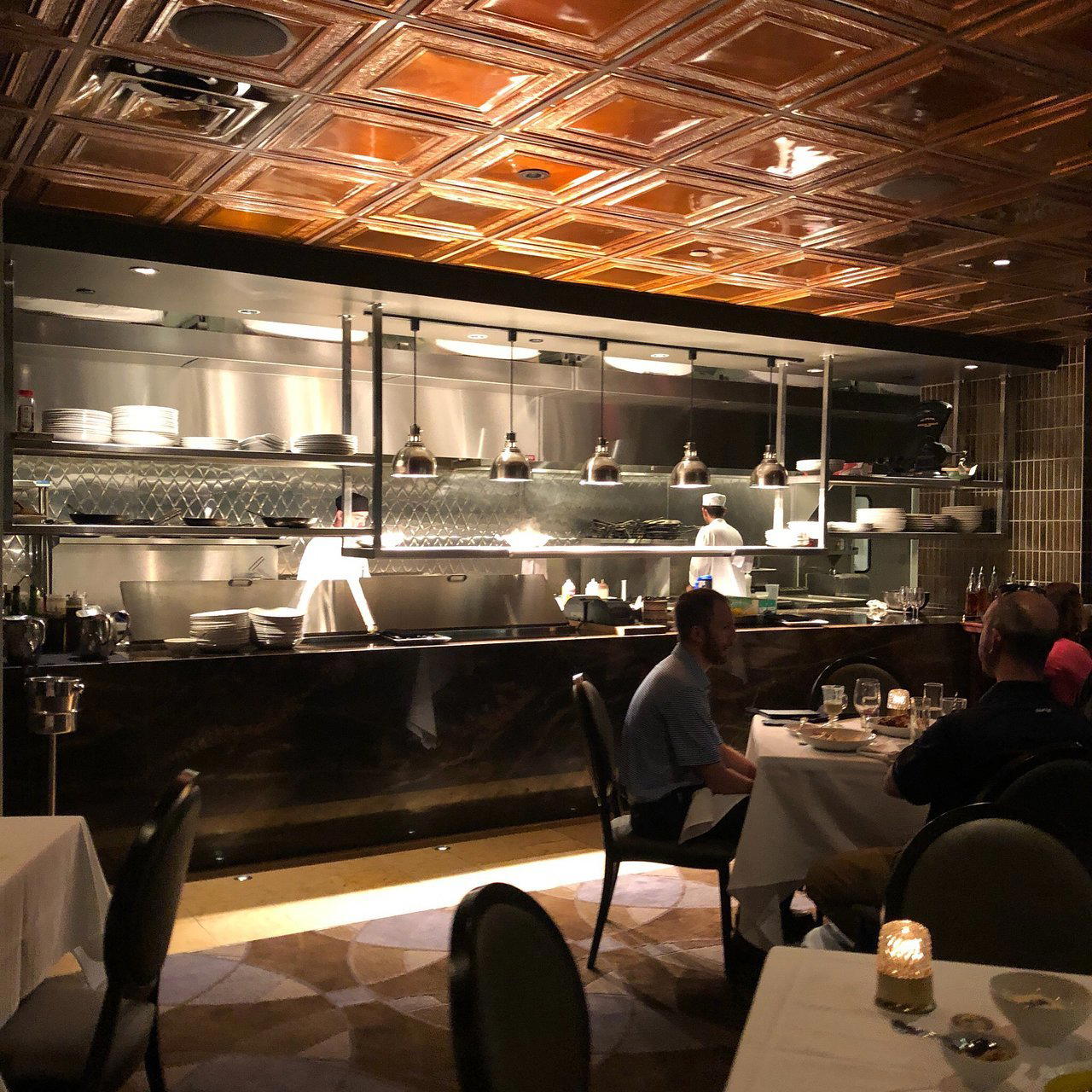
At a Glance
- Cozy
- Elegant
- Sophisticated
- Date Night
- Business Dinner
- Brunch
- Open Kitchen
- Extensive Wine List
- Local Sourcing
Current opening hours
- Monday
- 4–9 PM
- Tuesday
- 4–9 PM
- Wednesday
- 12–9 PM
- Thursday
- 12–9 PM
- Friday
- 12–10 PM
- Saturday
- 12–10 PM
- Sunday
- 11 AM–2 PM, 4–8:30 PM
Hours can change for holidays and private events. Last verified .
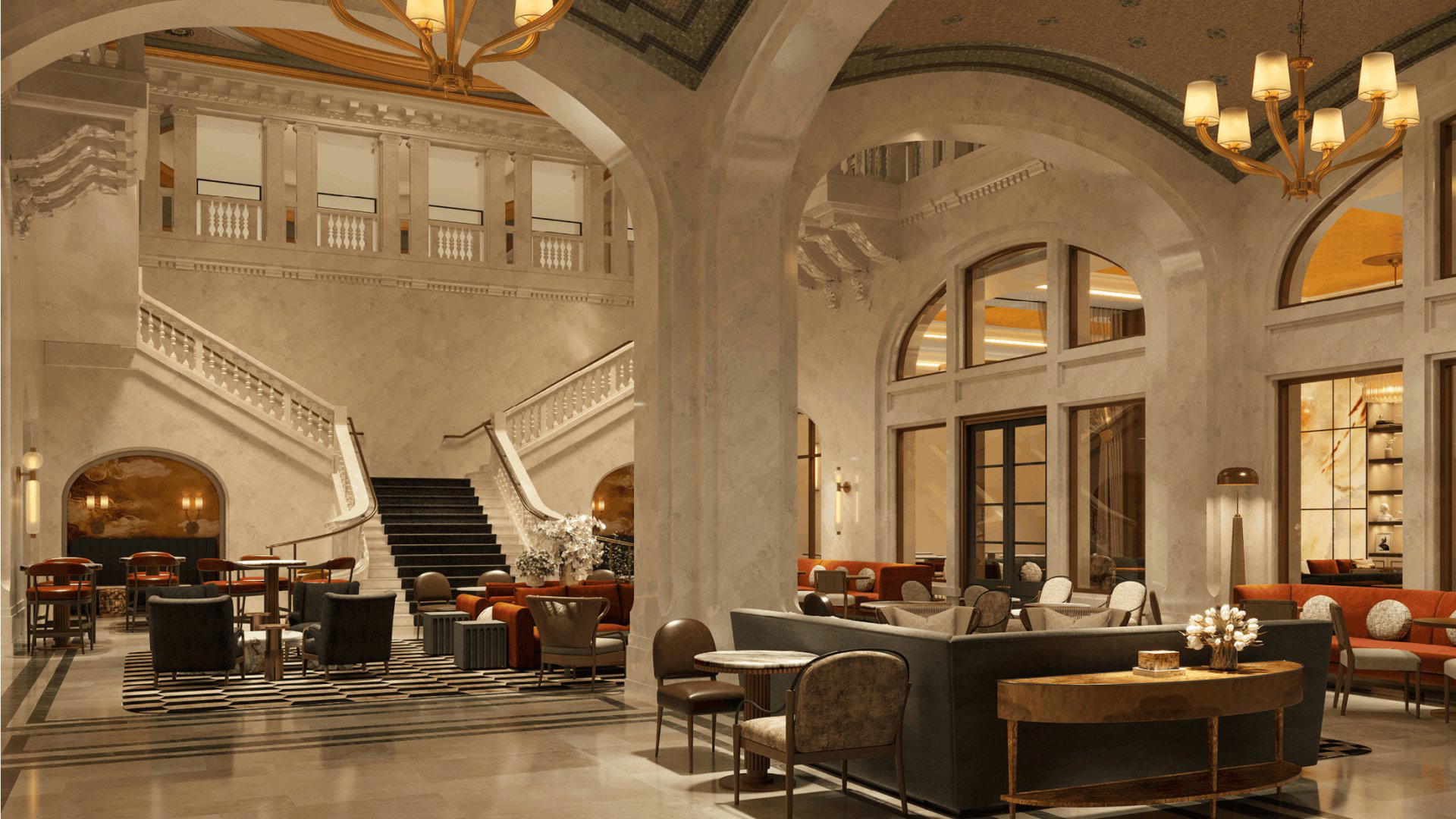
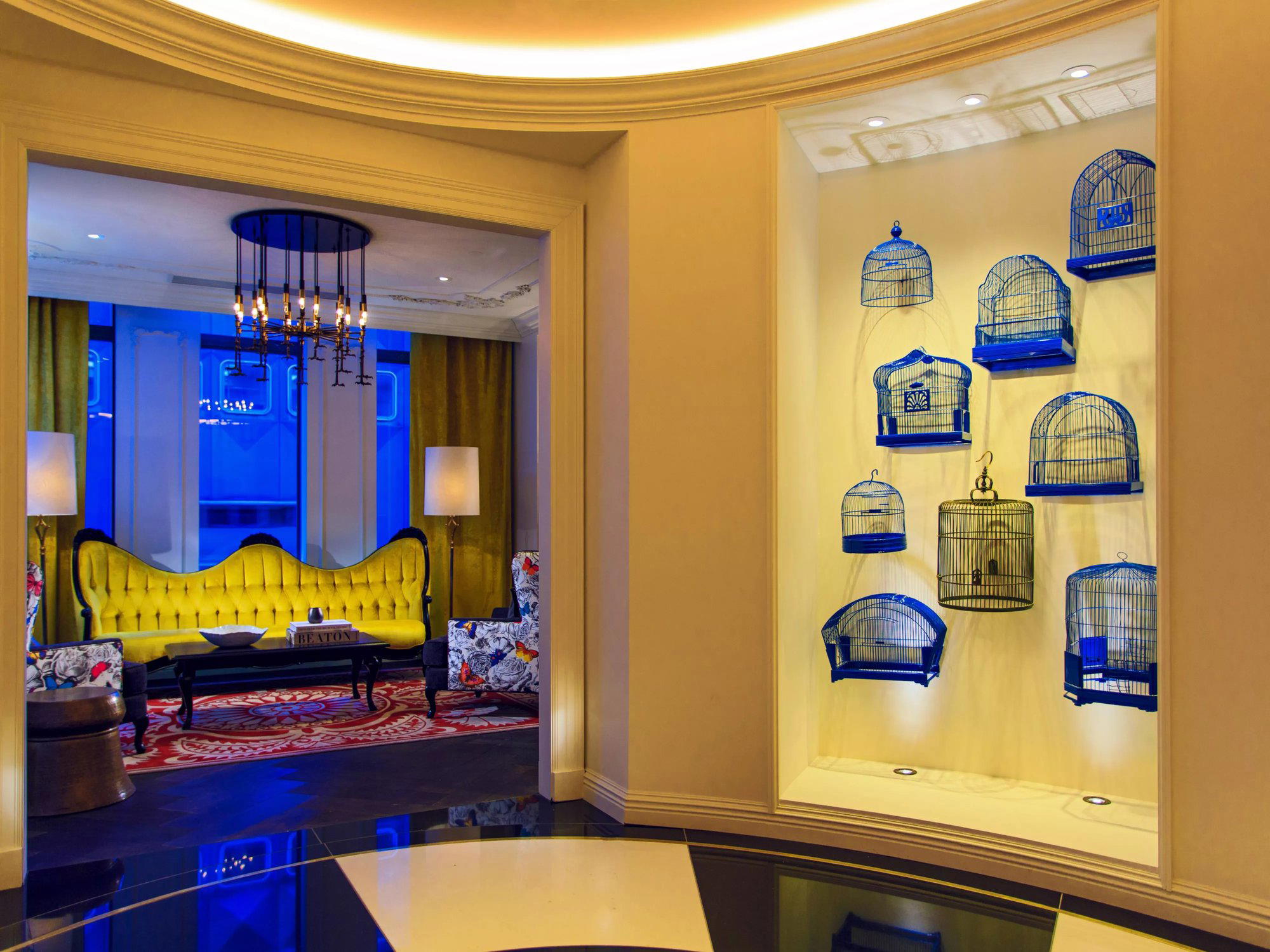
Casual yet elegant space with comfortable sophistication, cozy bar area, and upscale touches like cloth napkins; sound level low-medium.