Bistecca

Bistecca at 210 Racetrack Rd in Canonsburg, Pennsylvania plants itself in the steakhouse tradition of southwestern PA, where proximity to regional cattle country and a dining culture shaped by industrial heritage make the beef-centered table a serious local institution. The name signals intent directly: this is a room built around the cut, the fire, and the direct conviction that good sourcing does most of the work.
Pearl is the En Primeur Club membership app — saves, bookings, and concierge access live there. Same editors, same standards.
- Address
- 210 Racetrack Rd, Washington, PA 15301
- Phone
- +17245031510
- Website
- bisteccapittsburgh.com
- Directions
- Get directions
 Saves & bookings on Pearl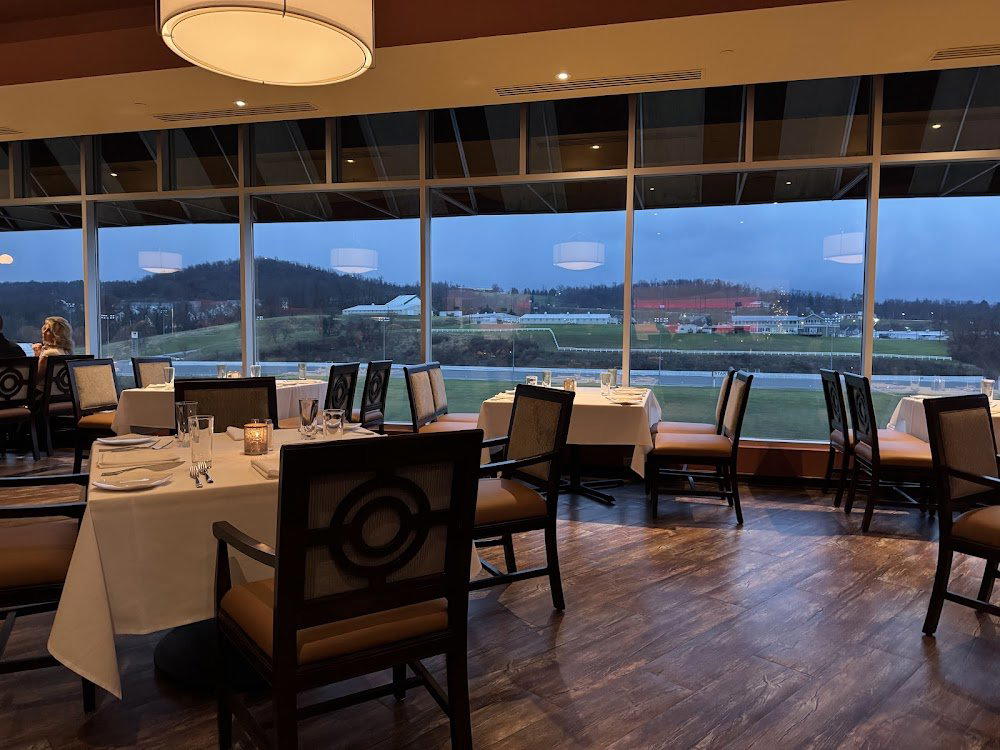
Canonsburg and the Case for the Regional Steakhouse
Southwestern Pennsylvania has long sustained a dining culture where the steakhouse occupies a different position than it does in a major metro. In Pittsburgh, Chicago, or New York, the genre tends toward monument-scale rooms with celebrity-chef branding and price points that read as occasion spending. In the smaller cities and townships that ring those centers, places like Canonsburg, Washington County's county seat and a community shaped by decades of manufacturing and racing heritage, the steakhouse functions as something more embedded. It is the room where deals close, families mark anniversaries, and the expectation of a well-executed cut carries more weight than theatrical presentation. Bistecca, at 210 Racetrack Rd in Washington, sits inside that tradition. The name, Italian for beefsteak, is a statement of position rather than a flourish.
What the Room Communicates Before the Menu Arrives
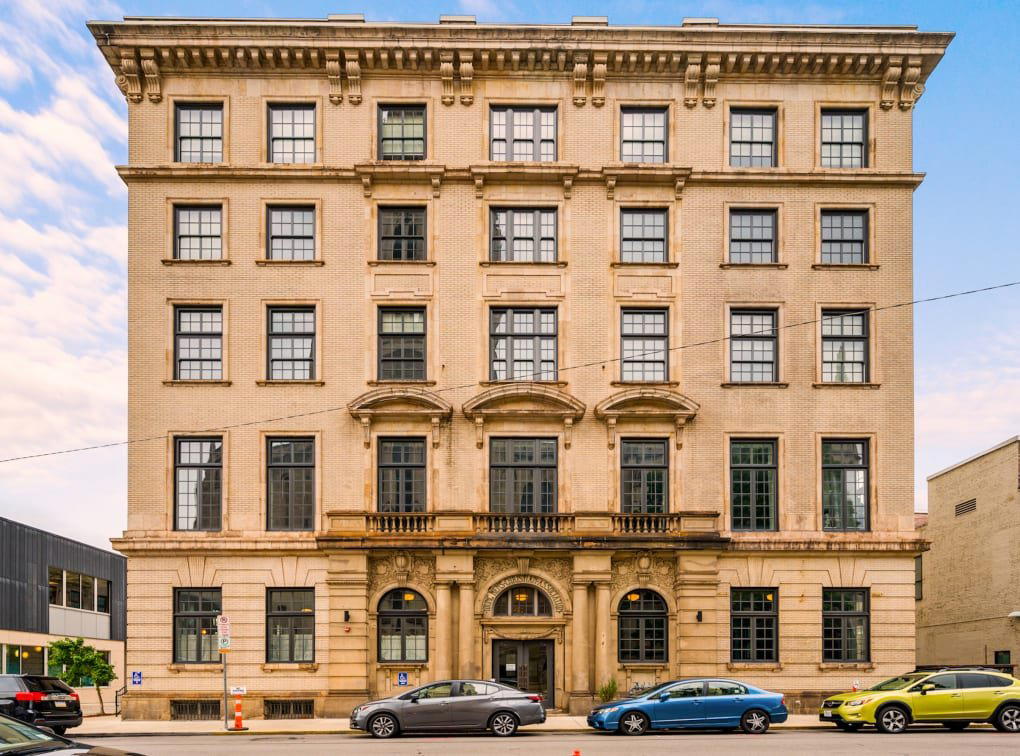
The address on Racetrack Road already tells you something about Canonsburg's civic geography. The area around the former Washington County racetrack corridor has historically concentrated the kind of commercial dining that serves both local regulars and visitors arriving from the surrounding townships. A steakhouse in this corridor is not competing with the destination-dining circuit that connects Le Bernardin in New York City or Atomix in New York City to a particular class of traveler. It is operating in a register where consistency and sourcing credibility matter more than innovation, and where the room itself is expected to communicate solidity rather than surprise.
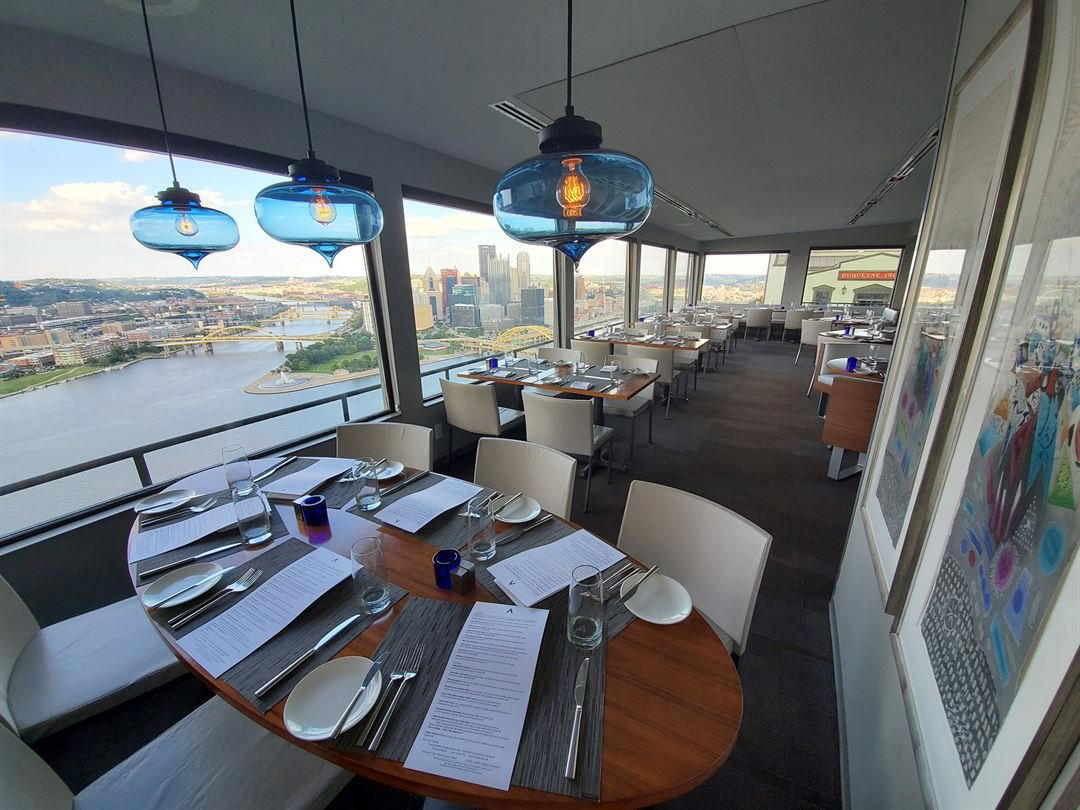
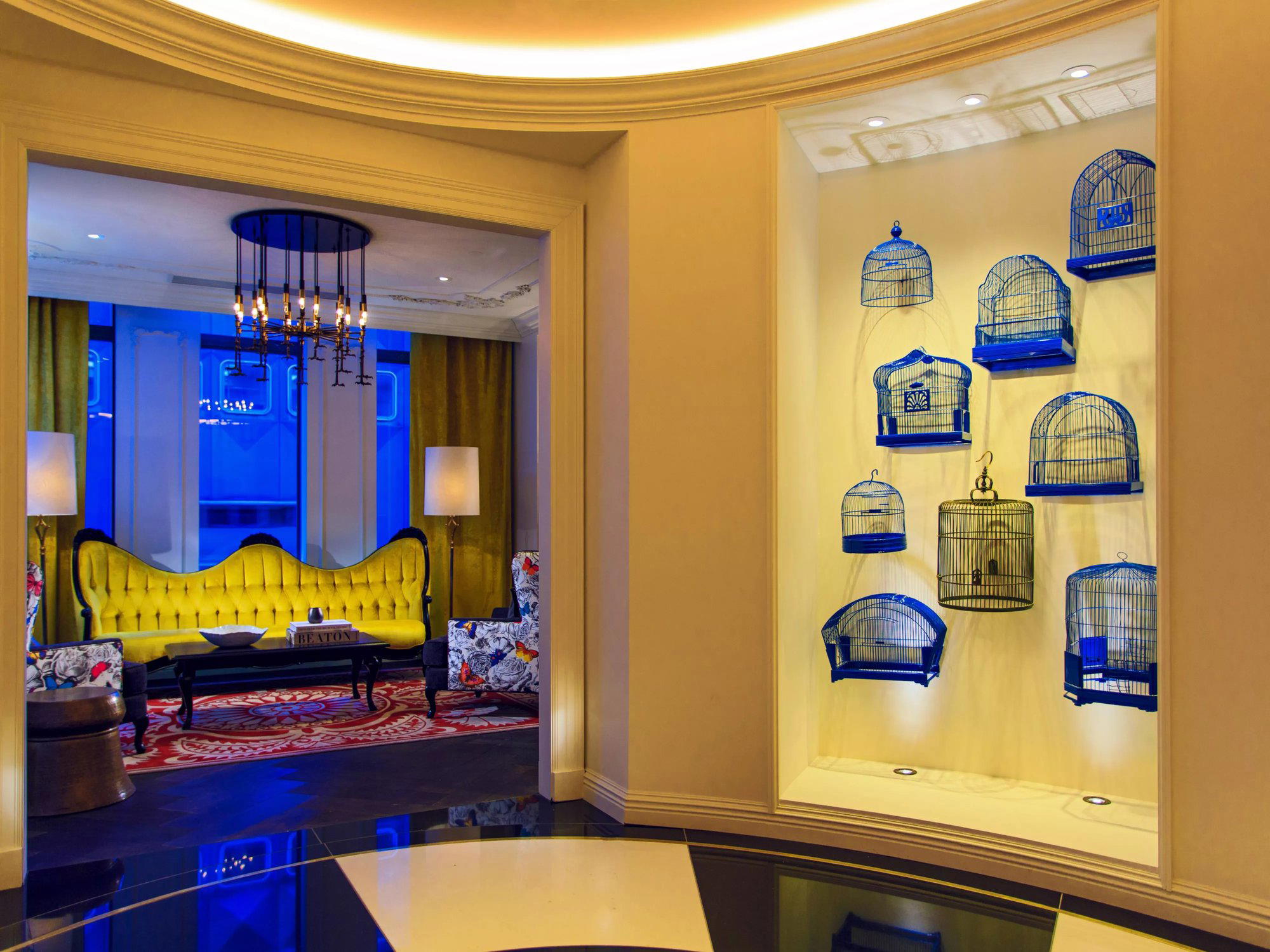
Steakhouses in this part of Pennsylvania have historically aligned with a particular aesthetic vocabulary: warm lighting, booths that absorb conversation, a bar that functions as a genuine gathering point rather than a cocktail-program showcase. That physical grammar signals to the diner that the kitchen's focus is on the product arriving at the table, not on the theater surrounding it. For restaurants in this category, that focus on the plate is both the competitive strategy and the implicit contract with the guest.
Ingredient Sourcing and the Pennsylvania Advantage
The steakhouse format, stripped of pretension, is fundamentally an argument about sourcing. What separates a forgettable strip steak from one worth returning for is almost entirely upstream of the kitchen: breed selection, finishing method, aging protocol, and the supply chain connecting the farm to the cutting board. Pennsylvania and the surrounding tri-state region carry genuine advantages here. The state's cattle operations, combined with proximity to established Midwestern feedlot networks and regional distributors who serve the Pittsburgh corridor, give restaurants in southwestern PA access to USDA Prime and high-end Choice grades without the freight premiums that reach coastal markets.
This regional supply dynamic is worth understanding in contrast to what drives sourcing conversations at places like Blue Hill at Stone Barns in Tarrytown or Single Thread Farm in Healdsburg, where the farm-to-table architecture is itself the editorial subject of the menu. At a traditional steakhouse, the sourcing argument is quieter but no less present: the grade stamp on the beef, the aging time, and the cut selection speak for themselves at the table. A kitchen that treats its protein sourcing seriously will have a ribeye that holds its crust, releases clean fat, and arrives at the correct internal temperature without the kind of overcooking that masks mediocre product. That is the standard against which a room like Bistecca earns or loses its regular clientele.
Restaurants in this category across the American steakhouse tradition, whether in the mid-Atlantic corridor or further afield in places like Bacchanalia in Atlanta or Frasca Food & Wine in Boulder, where sourcing transparency has become part of the menu language, have increasingly responded to guest expectations around traceability. Even in markets where the steakhouse idiom is more traditional, diners are asking more direct questions about where the beef originates and how it was handled.
The Steakhouse in Its Regional comparable set
Positioning Bistecca within its actual competitive set means looking at the steakhouse landscape across Washington County and the southern Pittsburgh suburbs rather than comparing it to destination properties. The peer restaurants here are other independent steakhouses and Italian-American steak rooms serving the township corridor, not the tasting-menu circuit represented by Smyth in Chicago, Lazy Bear in San Francisco, or Addison in San Diego. Within that regional frame, the name recognition of a steakhouse is built almost entirely on word-of-mouth repetition: the family that books the same corner booth each December, the contractor who brings clients for lunch, the couple who drove in from Peters Township for a birthday dinner.
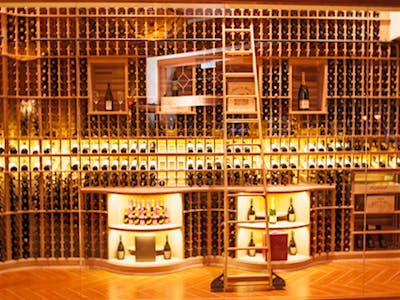
That localized reputation economy means that consistency is more strategically important here than novelty. A menu that rotates aggressively, or a kitchen that chases trends, disrupts exactly the familiarity loop that regional steakhouses depend on. The Italian steakhouse register specifically, which Bistecca's name invokes, carries its own set of genre expectations: antipasto, pasta as a first-course option alongside the steak, and a wine list that leans Italian or at minimum Italian-adjacent. That format has proven durable across the American Northeast and mid-Atlantic corridor precisely because it gives the kitchen both the beef anchor and a set of supporting dishes that allow the table to build a full dinner rather than just a protein course.
Planning Your Visit
Bistecca is located at 210 Racetrack Rd in Canonsburg, Pennsylvania 15301, accessible from both Interstate 79 and the Route 519 corridor that connects Washington to the southern Pittsburgh suburbs. For visitors arriving from Pittsburgh itself, the drive south on I-79 places Canonsburg roughly 20 miles from downtown. Current hours are Mon: 4-9 PM; Tue: 4-9 PM; Wed: 4-9 PM; Thu: 4-9 PM; Fri: 4-10:30 PM; Sat: 4-10:30 PM; Sun: 4-9 PM. Reservations are recommended, and the average spend is about $70 per person.
Those planning a wider regional dining itinerary across Pennsylvania and the mid-Atlantic can draw useful contrasts from venues like The Inn at Little Washington in Washington, Virginia, or Oyster Oyster in Washington, D.C., both of which approach the sourcing question from a different editorial position but speak to the same regional agricultural depth that western Pennsylvania shares with the broader mid-Atlantic food corridor. For readers whose travel extends further, Providence in Los Angeles, Emeril's in New Orleans, ITAMAE in Miami, The French Laundry in Napa, The Wolf's Tailor in Denver, and Atelier Moessmer Norbert Niederkofler in Brunico each demonstrate how the sourcing conversation plays out at the premium end of the spectrum, across formats ranging from Italian Alpine to contemporary American.
Side-by-Side Snapshot
Comparable venues nearby, for context on price, style, and recognition.
| Venue | Cuisine | Price | Notes |
|---|---|---|---|
| BisteccaThis venue — the venue you are viewing | Classic Steakhouse with Italian Specialties | $$$ | Not listed |
| 9 Prime | Polished Steakhouse | $$$$ | West Chester |
| Speers Steakhouse | Prime Dry-Aged Steakhouse | $$$$ | Adams Shoppes |
| Owl's Nest | Texas-Style BBQ | $$$ | Upper Saint Clair |
| Pizzaiolo Primo South Fayette | Authentic Neapolitan Pizza | $$$ | South Fayette |
| Superior Motors | Modern American | $$$ | Braddock |
Recognition history
Dated appearances from independent guides and award organizations, with the underlying list record or original source where available.
Wine Spectator Award of Excellence
Wine Spectator
Continue exploring
More in Canonsburg
Restaurants in Canonsburg
Browse all →
Bars in Canonsburg
Browse all →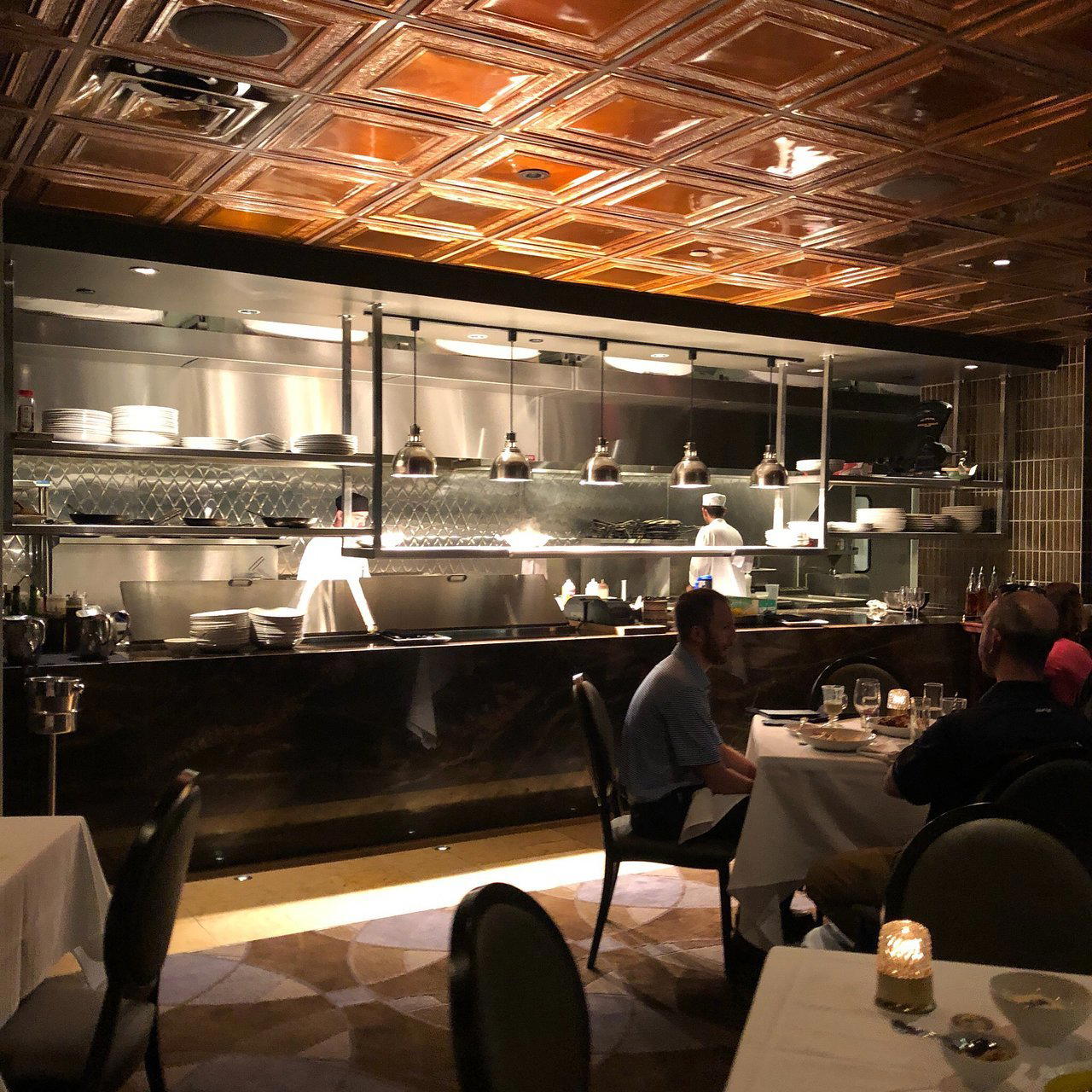
At a Glance
- Elegant
- Sophisticated
- Cozy
- Date Night
- Business Dinner
- Special Occasion
- Open Kitchen
- Private Dining
- Terrace
- Extensive Wine List
- Street Scene
Current opening hours
- Monday
- 4–9 PM
- Tuesday
- 4–9 PM
- Wednesday
- 4–9 PM
- Thursday
- 4–9 PM
- Friday
- 4–10:30 PM
- Saturday
- 4–10:30 PM
- Sunday
- 4–9 PM
Hours can change for holidays and private events. Last verified .
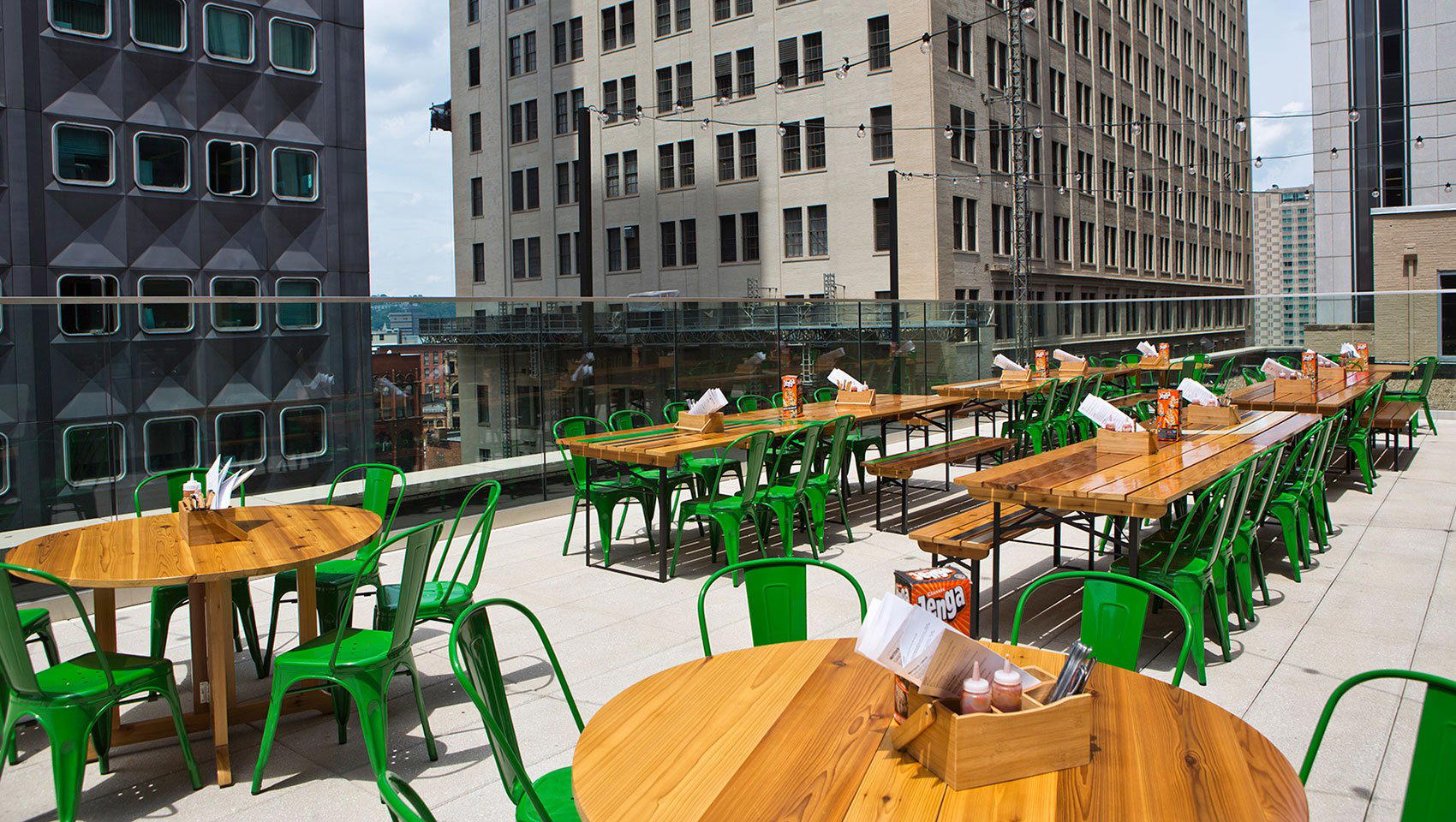
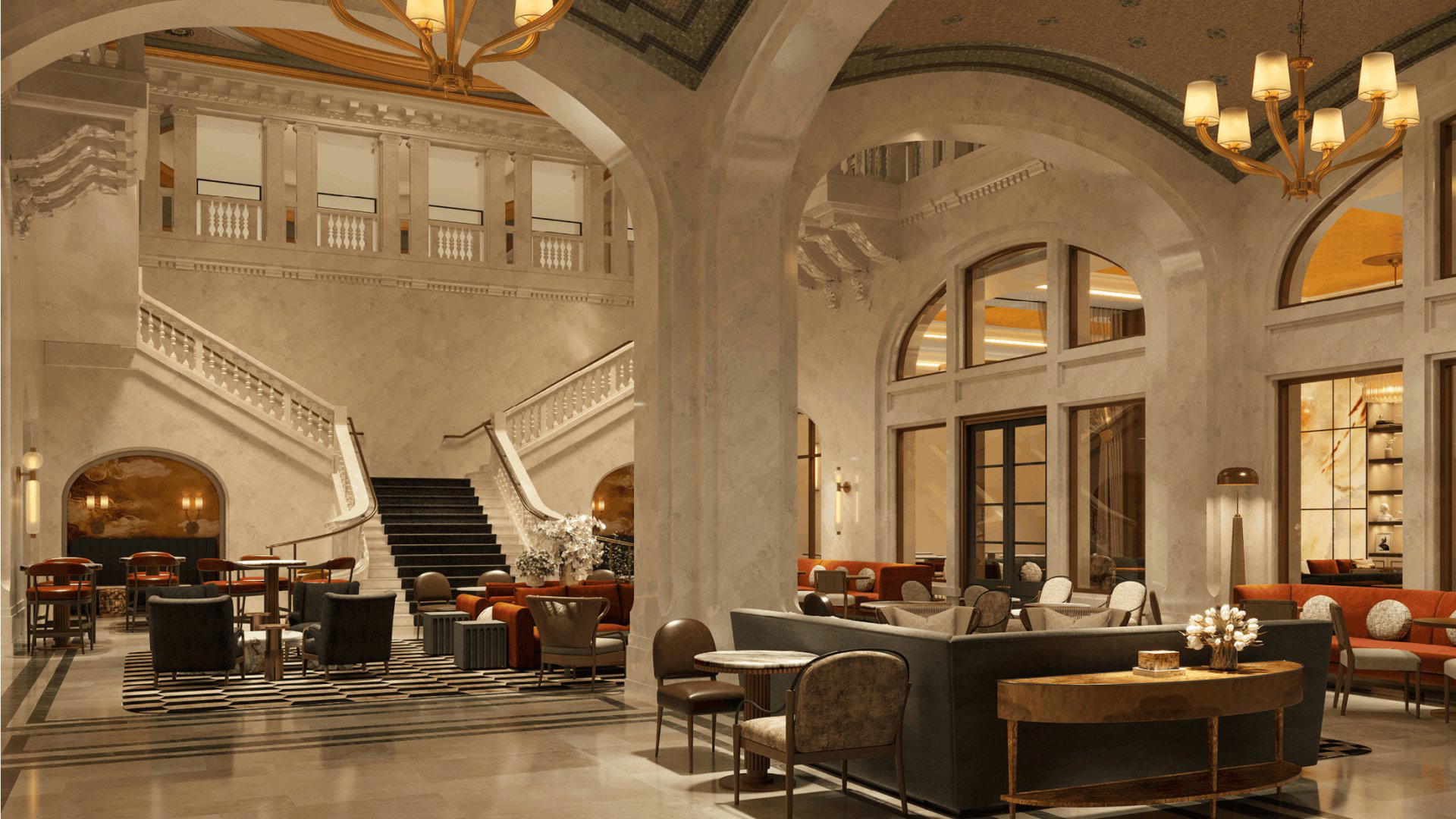
Welcoming with cozy booths, stylish white table settings, and a comfortable atmosphere overlooking the racetrack.