
Weinstube Spies pairs a traditional Austrian wine tavern format with an extensive wine list, Wiener Schnitzel, and a historic building, plus Falstaff Restaurant - 82 Falstaff Points in 2026.
Pearl is the En Primeur Club membership app — saves, bookings, and concierge access live there. Same editors, same standards.
- Address
- Kirchengasse 3, 4810 Gmunden, Austria
- Phone
- +43761267770
- Directions
- Get directions
 Saves & bookings on Pearl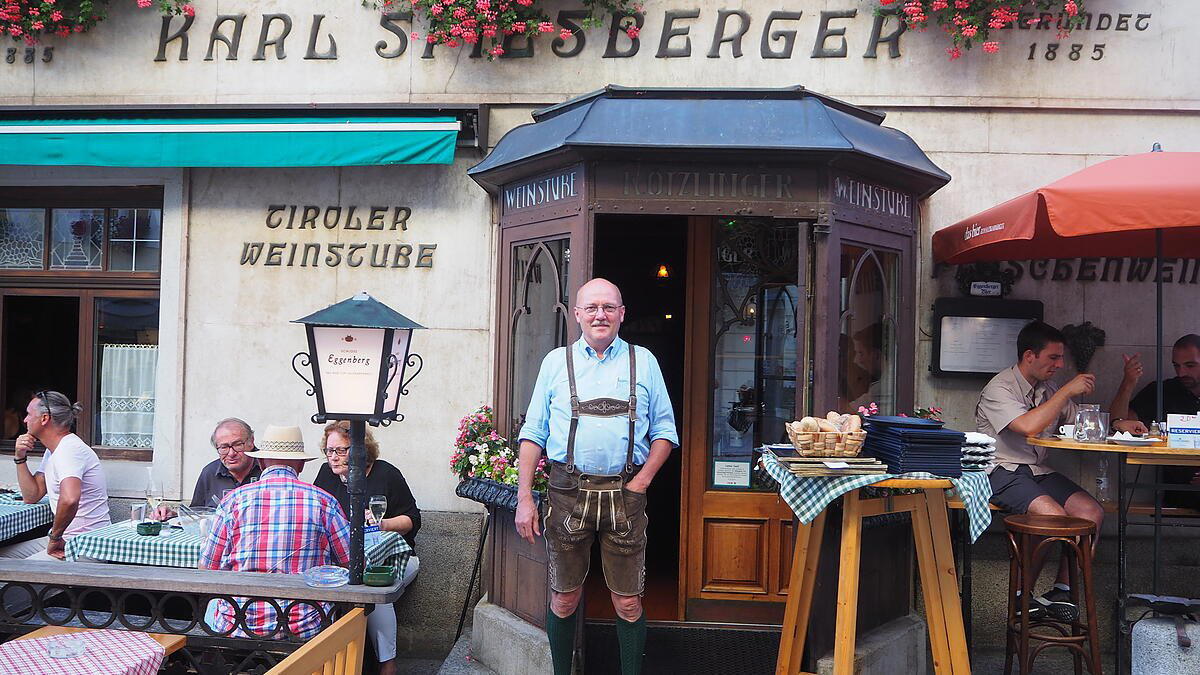
A Weinstube in the Old Austrian Sense
Kirchengasse, the lane that curves away from Gmunden's main square toward the older residential quarter, has the kind of unhurried quality that lakeside market towns in Upper Austria tend to preserve better than their larger neighbours. Weinstube Spies sits at number 3 on that street, occupying the kind of address that signals continuity rather than novelty: a narrow frontage, a name that belongs to the building rather than to a brand, and an interior character shaped by the conventions of the Weinstube format itself rather than by any recent redesign impulse.
The Weinstube as a category sits between the formal restaurant and the neighbourhood Gasthaus. In the Austrian tradition, it centres wine service and positions food as an informed companion rather than the dominant event. That distinction matters when comparing Gmunden's dining options. Places like AURUM (Sharing) and Grünberg am See occupy a more formally structured register; DOLLMANNS einfach gut and Burger-Werk sit toward the casual end. The Weinstube format occupies a middle ground that Austrian towns do well but that visitors, accustomed to sharper category distinctions, sometimes underestimate.
The Cultural Weight of the Weinstube Format
To understand what Weinstube Spies represents in Gmunden's dining geography, it helps to understand what the Weinstube tradition has historically meant in the German-speaking alpine world. The format emerged in wine-producing regions as a way for producers and merchants to offer their wines in a social setting, pairing them with preserved meats, bread, cheese, and seasonal preparations that required little kitchen infrastructure. Over time, particularly in towns without direct vineyard access, the Weinstube evolved into a curatorial proposition: the proprietor's wine knowledge and selection replaced the producer's own barrels, and the food extended accordingly.
In Upper Austria, where viticulture is limited compared to Lower Austria's Wachau or the Styrian wine belt, the Weinstube has always been an importer's format rather than a producer's one. This gives establishments like Weinstube Spies a different brief from their counterparts in, say, Krems or Graz: the selection must demonstrate range and editorial judgment, since local provenance cannot be the anchor. Austria's broader wine identity has shifted considerably over the past two decades, with Grüner Veltliner and Riesling from the Kamptal and Kremstal gaining serious international recognition alongside the established Wachau names, and with Styrian Sauvignon Blanc and Blaufränkisch from Burgenland occupying more shelf space in informed wine lists across the country.
That shift in the national wine conversation has, in turn, raised the editorial bar for any wine-led establishment that takes its brief seriously. Visitors who have eaten at places like Steirereck im Stadtpark in Vienna or Landhaus Bacher in Mautern an der Donau, where Austrian wine lists are treated as serious cultural documents, will arrive at any Upper Austrian wine venue with calibrated expectations.
Gmunden as Context
Gmunden itself sits at the northern tip of the Traunsee, roughly an hour by road southeast of Linz and a similar distance north of Salzburg. The town has long attracted a particular kind of visitor: culturally literate, unhurried, interested in the lakeside architecture and the ceramic tradition the town has maintained for centuries. That visitor profile shapes what the dining scene here rewards. The Fisch & Pasta offer speaks to one appetite; a Weinstube speaks to another.
The broader Austrian alpine dining scene has produced some of the country's most formally ambitious cooking in recent years, from Döllerer in Golling an der Salzach to Obauer in Werfen and Ikarus in Salzburg, with alpine ingredients reframed for international critical audiences. Gmunden does not sit in that tier, and the restaurant does not position itself there. The town's dining character is more deliberately provincial in the good sense: attentive to local rhythm, resistant to the kind of ambient ambition that chases recognition rather than regulars. For comparison, venues at the ambitious end of the Austrian alpine register, like Griggeler Stuba in Lech, Gourmetrestaurant Tannenhof in Sankt Anton am Arlberg, or Kräuterreich by Vitus Winkler in Sankt Veit im Pongau, operate in a different register entirely, one defined by tasting menus, recognized kitchen lineages, and destination dining logic.
The restaurant is not playing that game. It belongs to the quieter, more durable tradition of the neighbourhood wine venue, where the measure of success is whether the regulars keep coming back rather than whether the Michelin Guide dispatches an inspector.
What to Expect at the Table
The Weinstube format, when executed with care, offers a particular kind of eating and drinking experience that formal restaurants rarely replicate. The pacing is slower by design. Wine selection tends to precede food selection rather than accompany it. The food vocabulary typically draws from the cold kitchen, charcuterie, and regional preservation traditions: Brettljause-style boards, cured meats, regional cheeses, and preparations that hold their character across the duration of a glass rather than demanding to be eaten immediately.
What can be said is that the address and format place it within a category that rewards a certain kind of visitor: one who is not in a hurry, who approaches wine as the main event rather than as a supporting element, and who finds the informality of the Weinstube format preferable to the structured choreography of a tasting-menu room. Visitors coming from high-formality dining experiences, even internationally recognized ones like Le Bernardin in New York City or Atomix in New York City, will find the register here an intentional step down in ceremony, and that step is the point. For more ambitious cooking within Austria's smaller-town dining circuit, Ois in Neufelden and Restaurant 141 by Joachim Jaud in Mieming represent the kind of destination-driven model that requires advance planning.
Planning Your Visit
The restaurant is located at Kirchengasse 3 in 4810 Gmunden, within walking distance of the town centre and the lakefront. The restaurant is recommended for reservations, runs Tuesday through Saturday from 5:30 PM to 2 AM, and sits in an accessible price tier at about $25 per person.
Budget Reality Check
Comparable venues nearby, for context on price, style, and recognition.
| Venue | Cuisine | Price | Notes |
|---|---|---|---|
| Weinstube SpiesThis venue — the venue you are viewing | Not listed | $$ | Not listed |
| Orther Stub'n | Seeschloss Ort, Traditional Austrian | $$ | Not listed |
| Seegasthof Hois'n Wirt | Not listed | $$ | Traunsteinstrasse, Traditional Austrian Lakeside Cuisine |
| Burger-Werk | Gmunden center, American Burgers | $$ | Not listed |
| Grünberg am See | Gmunden, Austrian-German Lakeside | $$$ | Not listed |
| DOLLMANNS einfach gut | Schiffslände, Austrian Lakeside Seafood | $$ | Not listed |
Recognition history
Dated appearances from independent guides and award organizations, with the underlying list record or original source where available.
Falstaff Restaurant - 82 Falstaff Points
Falstaff
Continue exploring
More in Gmunden
Restaurants in Gmunden
Browse all →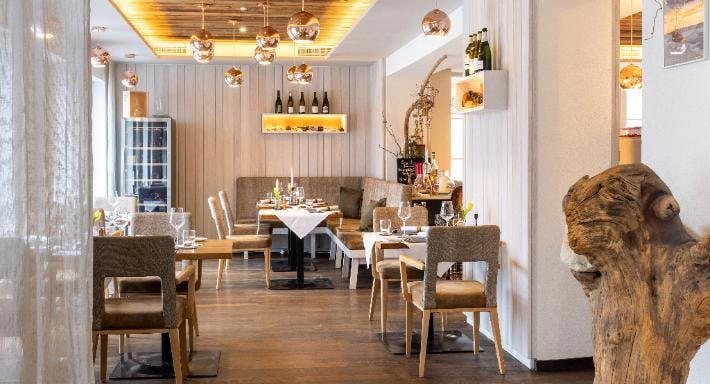
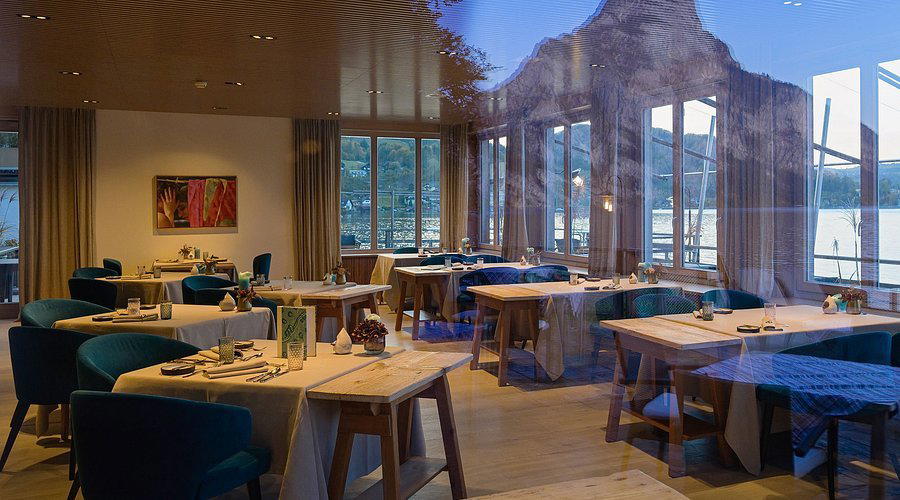
Bars in Gmunden
Browse all →

Hotels in Gmunden
Browse all →
Wineries in Gmunden
Browse all →
At a Glance
- Rustic
- Cozy
- Classic
- Intimate
- Date Night
- Casual Hangout
- Special Occasion
- Historic Building
- Extensive Wine List
- Local Sourcing
Current opening hours
- Monday
- Closed
- Tuesday
- 5:30 PM–2 AM
- Wednesday
- 5:30 PM–2 AM
- Thursday
- 5:30 PM–2 AM
- Friday
- 5:30 PM–2 AM
- Saturday
- 5:30 PM–2 AM
- Sunday
- Closed
Hours can change for holidays and private events. Last verified .
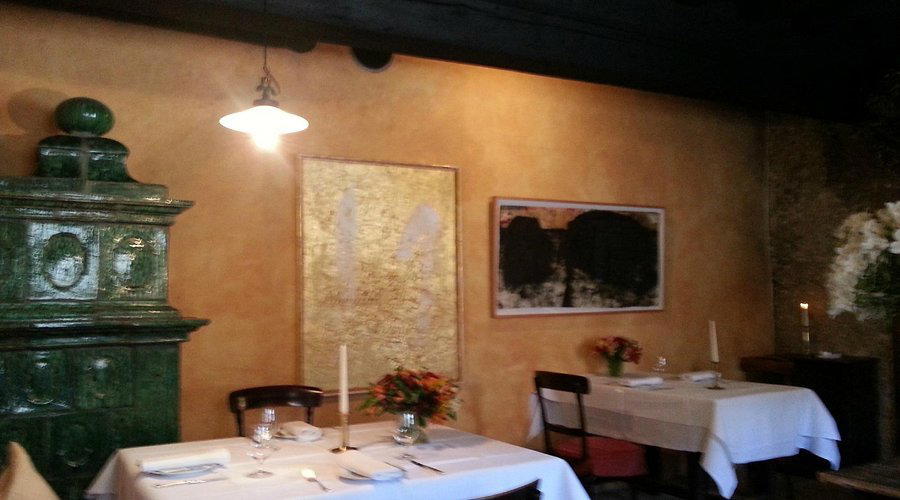
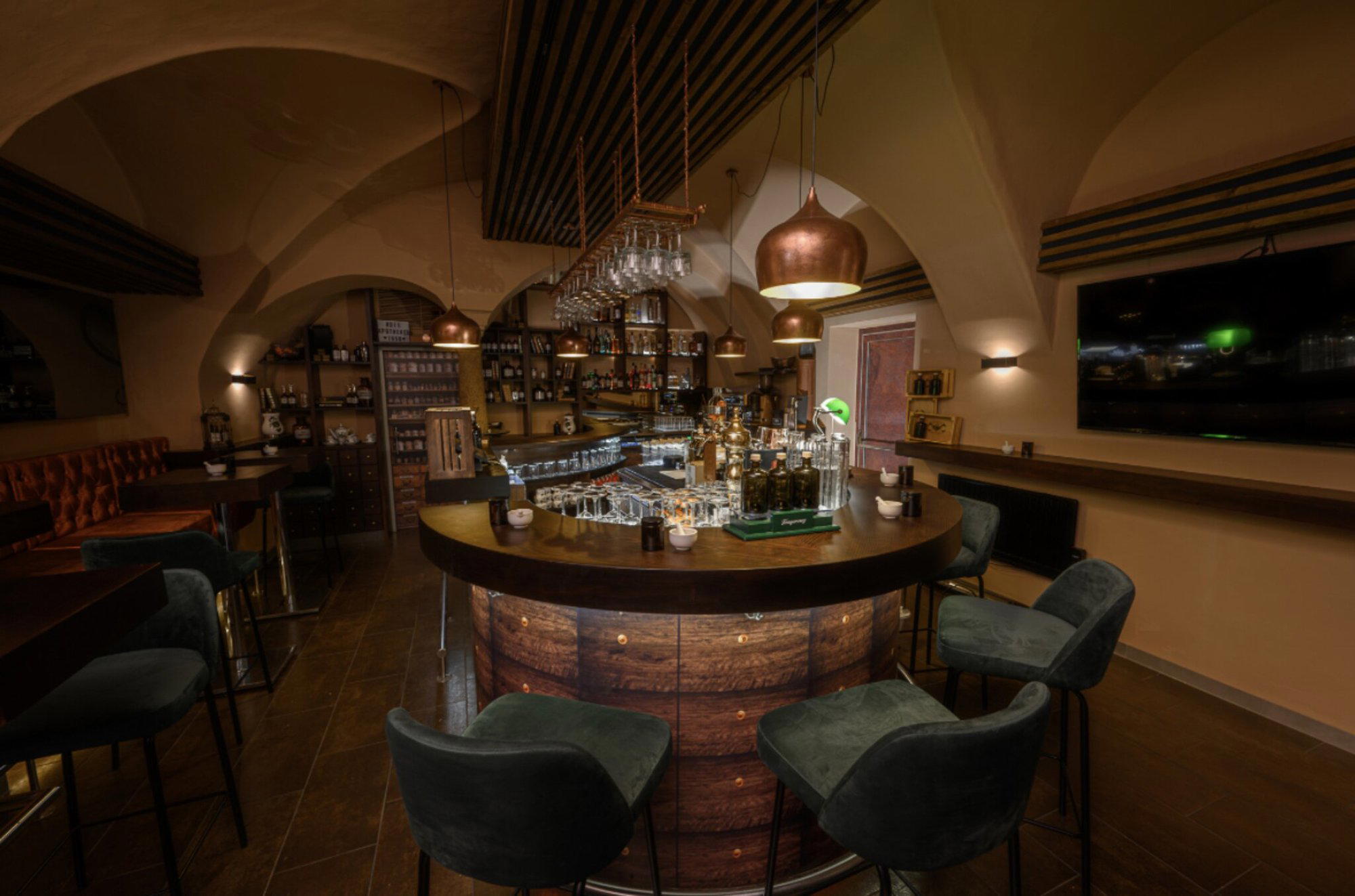
Cozy and rustic with dim lighting, traditional decor in a historic building creating a warm, sociable atmosphere praised for its charm on winter evenings.