Bacchanalia
Bacchanalia sits in Chicago's Heart of Italy corridor on South Oakley Avenue, occupying a tier of serious wine-forward dining that positions it alongside the city's most deliberate fine-dining rooms. The wine program is the organizing logic here, with cellar depth and curation that reward guests who treat the list as central to the meal rather than supplementary to it. Book with lead time and arrive with appetite for both the glass and the table.
Pearl is the En Primeur Club membership app — saves, bookings, and concierge access live there. Same editors, same standards.
- Address
- 2413 S Oakley Ave, Chicago, IL 60608
- Phone
- +17732546555
- Website
- bacchanaliainchicago.com
- Directions
- Get directions
 Saves & bookings on Pearl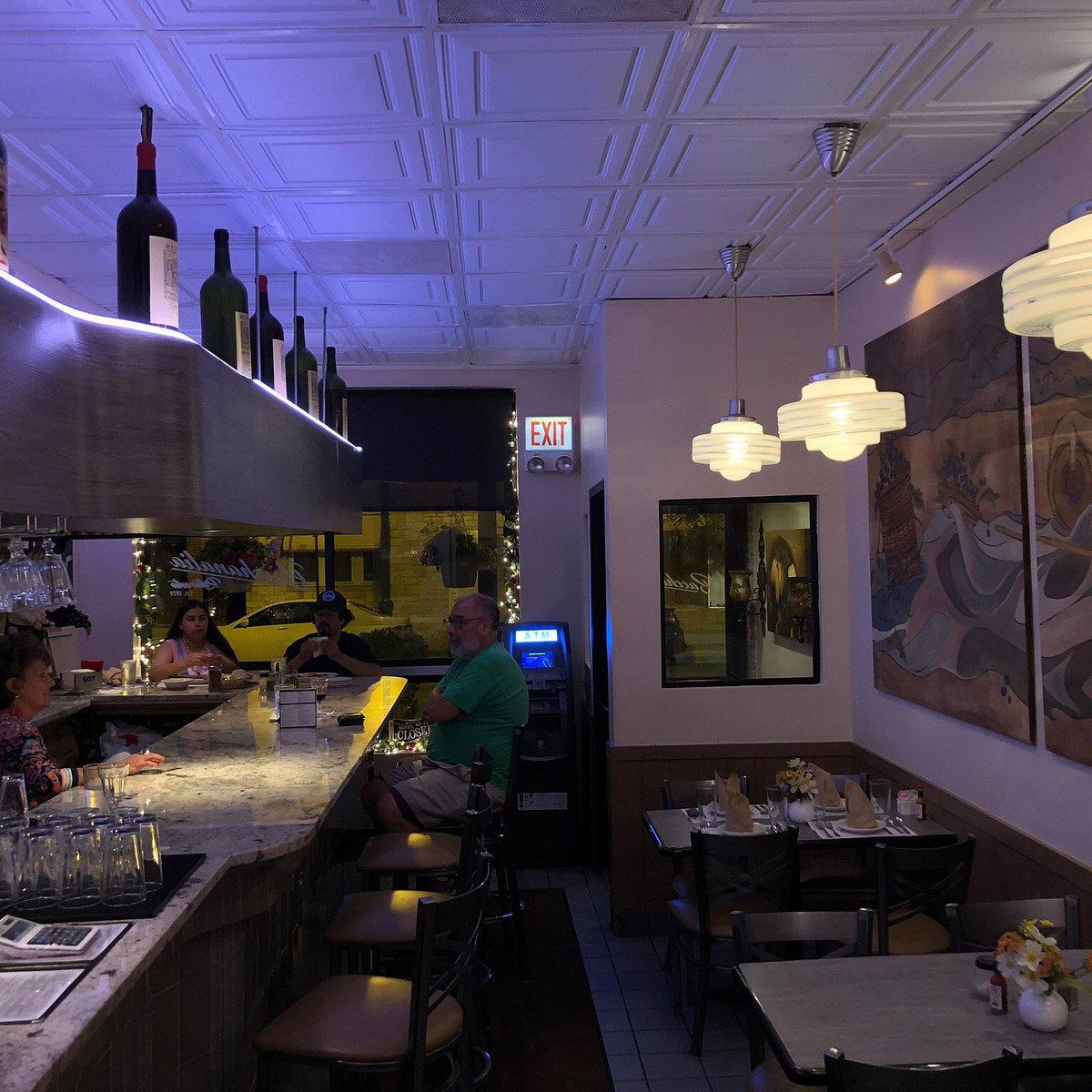
South Oakley and the Case for Wine-First Dining
Chicago's serious dining scene has long clustered in the obvious corridors: the West Loop's restaurant row, River North's high-volume flagships, the northern neighborhoods where tasting-menu rooms like Smyth and Oriole have built national reputations. South Oakley Avenue in the Heart of Italy district operates at a different register. The neighborhood is quieter, the foot traffic thinner, and the dining rooms that survive there do so on the loyalty of guests who seek them out deliberately rather than stumble in from a hotel lobby. Bacchanalia, at 2413 S Oakley Ave, belongs to that category of destination-by-conviction dining.
The name itself signals intent. Bacchanalian references in a dining context are rarely accidental: they announce a room where wine is not background infrastructure but central argument. In cities where the bottle list is an afterthought, that kind of positioning reads as pretension. In Chicago, where the fine-dining tier has grown sophisticated enough to produce Michelin-decorated rooms at Alinea, Kasama, and Next Restaurant, a wine-led identity functions as a genuine editorial choice about what the room is for.
The Wine Program as Organizing Logic
Across the American fine-dining tier, wine programs tend to sort into two dominant models. The first is the encyclopedic cellar: deep verticals, broad geography, and a list so comprehensive it doubles as a research document. The second is the curated program: narrower in scope, built around a point of view, and designed to reward guests who engage with the sommelier rather than scan for familiar labels. The distinction matters because it shapes the entire experience of a meal. Encyclopedic lists place the navigational burden on the guest; curated programs invite a collaborative relationship between table and floor.
Wine-forward rooms elsewhere in the United States have staked out clear positions in this spectrum. Frasca Food & Wine in Boulder built its identity explicitly around Friulian wine and Italian regional specificity, making the cellar and the cuisine inseparable. Le Bernardin in New York City maintains among the more disciplined seafood-focused pairings programs in the country, where the sommelier team operates with the same precision as the kitchen. The French Laundry in Napa commands a cellar that functions as a parallel attraction to the tasting menu itself. In each case, the wine program earns its centrality by doing something the guest cannot easily replicate at a retail shop: it provides access, context, and sequence that transforms individual bottles into a coherent argument about how wine and food relate.
Bacchanalia's South Oakley address places it outside particularly trafficked fine-dining corridors, which historically has one of two effects on a wine program: it either forces the room to over-invest in the cellar as a draw, or it attracts a self-selecting guest who already knows what they want. The latter is generally the better foundation for serious wine culture, because it removes the pressure to perform breadth for guests unfamiliar with depth.
Chicago's Wine-Dining Positioning
Chicago's broader fine-dining ecosystem has become one of the more genuinely competitive in the United States. The city supports a full range of tasting-menu formats, from the theatrical progression at Alinea to the produce-driven intimacy at Smyth, and a guest arriving with a serious wine interest has meaningful options at every price point. What the South Side and near-southwest neighborhoods offer that the West Loop does not is a different kind of room energy: lower ambient competition from tourism and business-dining traffic, which tends to create more settled, less performative dining environments.
That pattern holds across American cities. Rooms that operate slightly outside the main commercial dining districts, from Lazy Bear in San Francisco to Blue Hill at Stone Barns in Tarrytown, often develop more coherent identities precisely because they are not calibrated to the broadest possible audience. The guest self-selects, the format can be more specific, and the wine program can take genuine risks on unfamiliar appellations without losing the room. Addison in San Diego and Providence in Los Angeles operate on a similar logic in their respective cities: serious programs, away from the loudest corridors, rewarding guests who arrive with a degree of preparation.
How to Approach the Experience
For guests visiting Bacchanalia, the approach worth taking is the one that treats the wine list as the primary text and the food as its most important companion rather than the reverse. In rooms where the cellar is the organizing logic, one productive conversation is with whoever is managing the floor on a given evening: stating a flavor direction, a regional curiosity, or a specific occasion gives a knowledgeable sommelier the information needed to build a sequence that the guest could not assemble from the printed list alone.
Chicago's premium dining rooms generally reward advance engagement. Tasting-menu formats at comparable rooms in the city, including the extended progressions at Smyth and the evolving conceptual formats at Next Restaurant, typically require bookings of four to eight weeks in advance during peak seasons. Wine-forward rooms draw a different guest profile than pure tasting-menu destinations and may operate on different booking rhythms, but arriving without a reservation in a room that takes the cellar seriously is rarely a sound strategy.
At a Glance
Comparable venues nearby, for context on price, style, and recognition.
| Venue | Cuisine | Price | Notes |
|---|---|---|---|
| BacchanaliaThis venue — the venue you are viewing | Little Italy, Authentic Tuscan Italian | $$ | Not listed |
| Bruna's Ristorante | West Side, Classic Italian Trattoria | $$ | Not listed |
| Oggi Trattoria | West Town, Classic Italian Trattoria | $$ | Not listed |
| Antico | Bucktown, Northern Italian | $$ | Not listed |
| Pizzeria Due | River North, Chicago Deep Dish Pizza | $$ | Not listed |
| Volare | Not listed | $$ | Streeterville, Traditional Italian with Sardinian Accents |
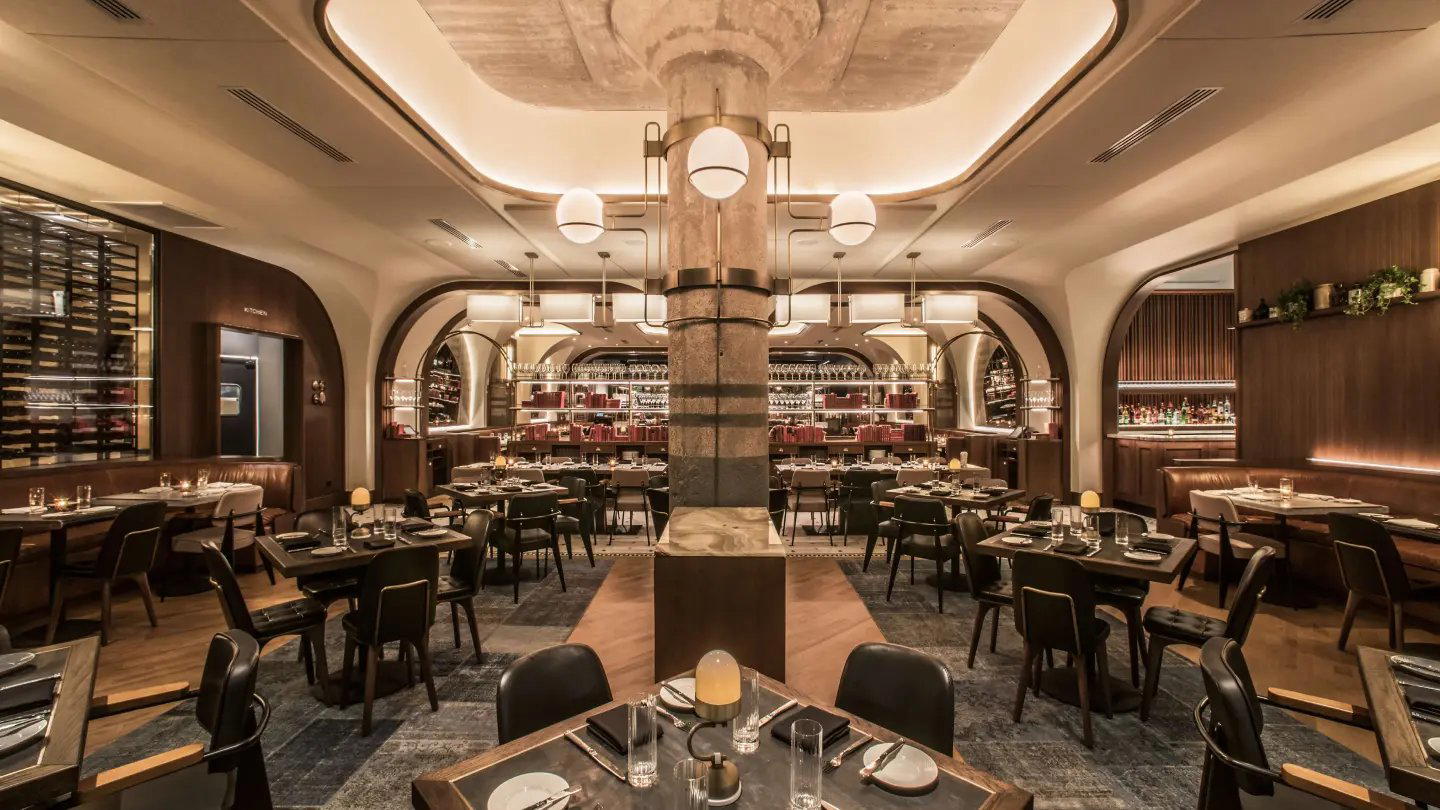
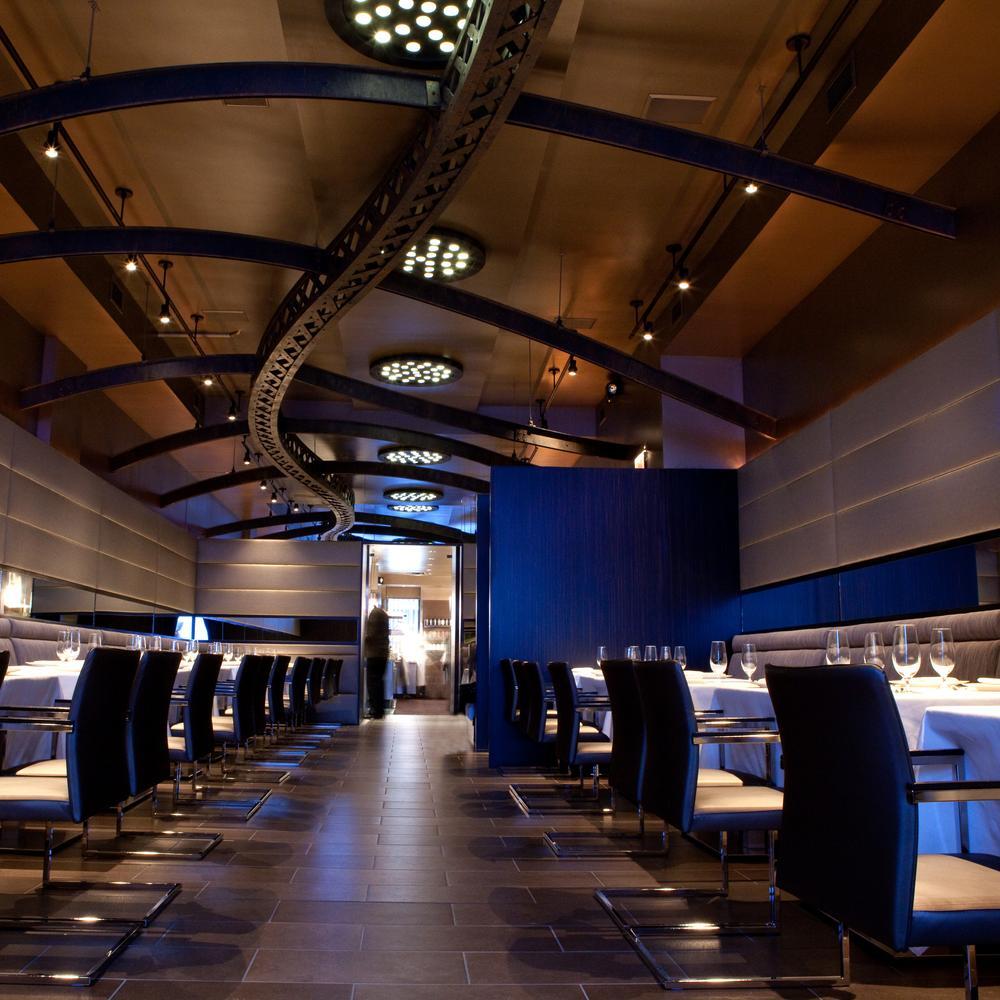
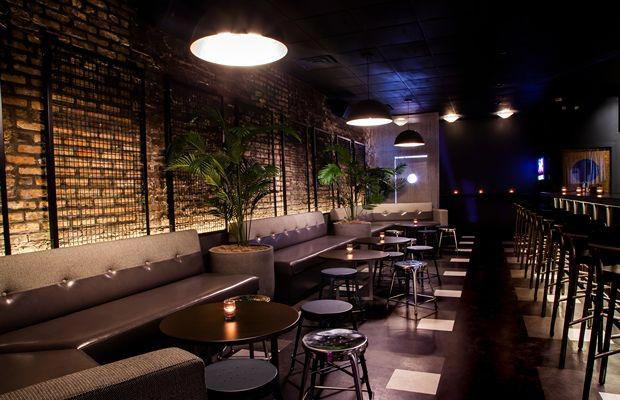
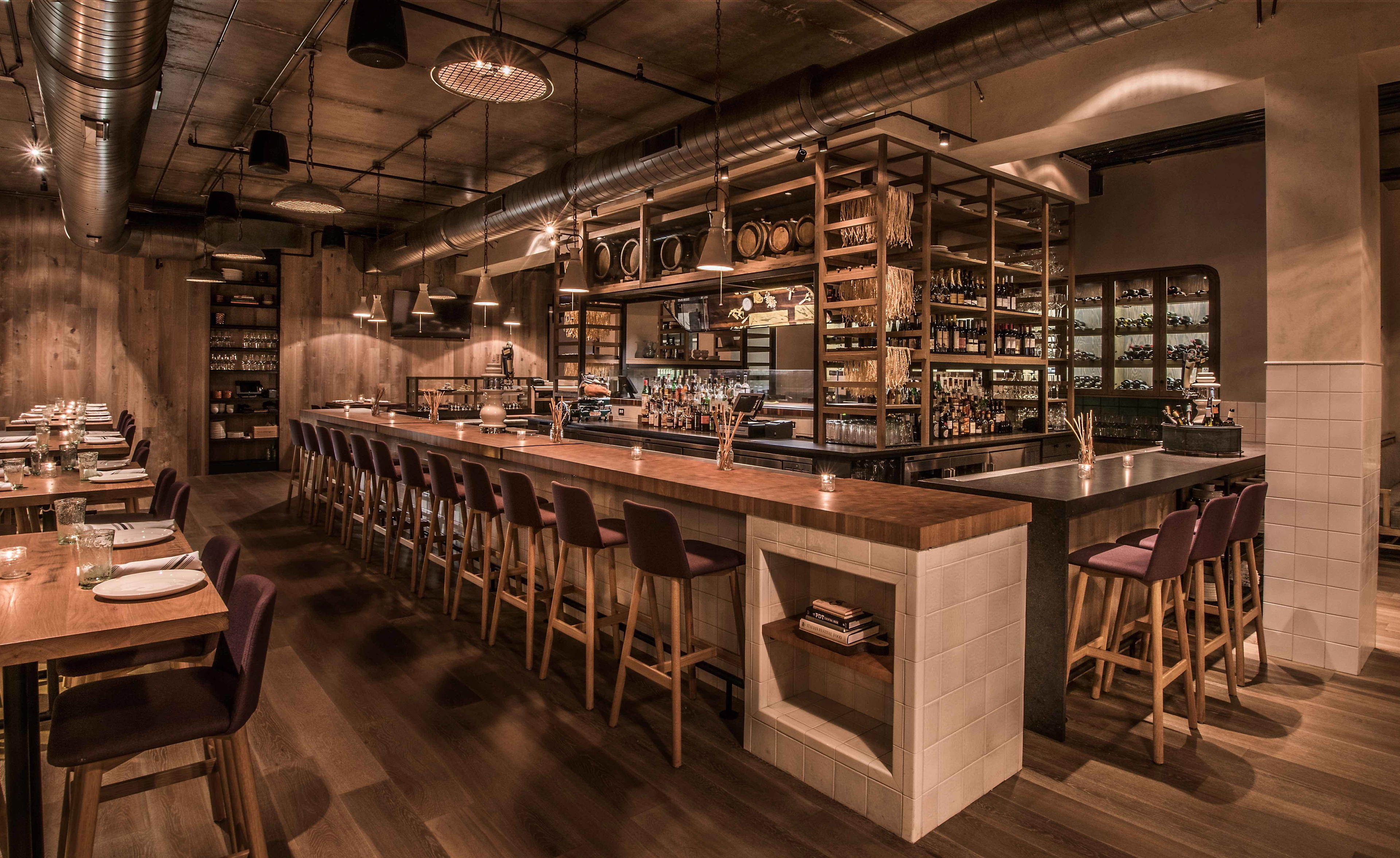
At a Glance
- Classic
- Cozy
- Intimate
- Family
- Group Dining
- Special Occasion
- Standalone
Current opening hours
- Monday
- 4–9 PM
- Tuesday
- Closed
- Wednesday
- 4–9 PM
- Thursday
- 4–9 PM
- Friday
- 3:30–10 PM
- Saturday
- 3:30–10 PM
- Sunday
- 2:30–8:30 PM
Hours can change for holidays and private events. Last verified .
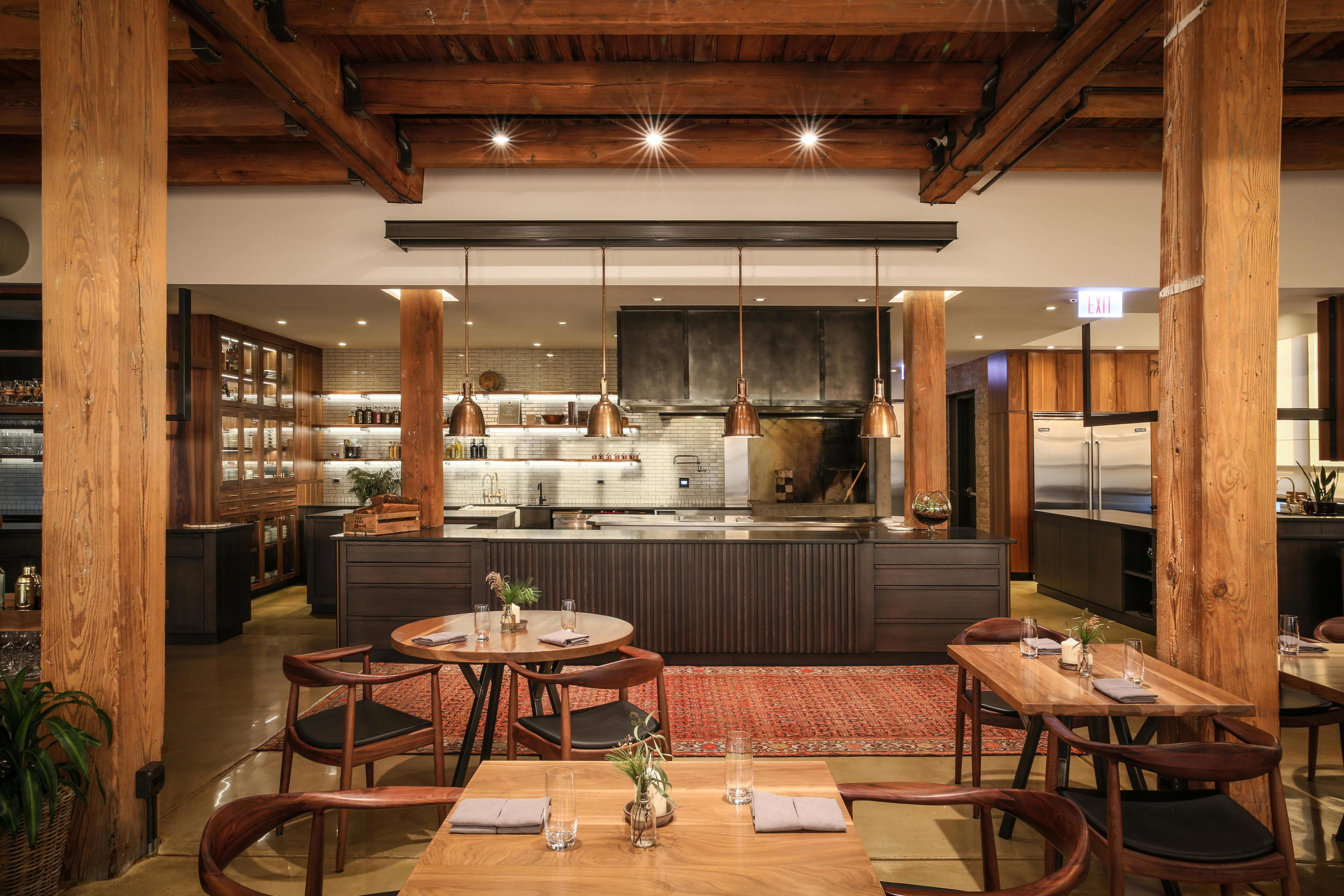
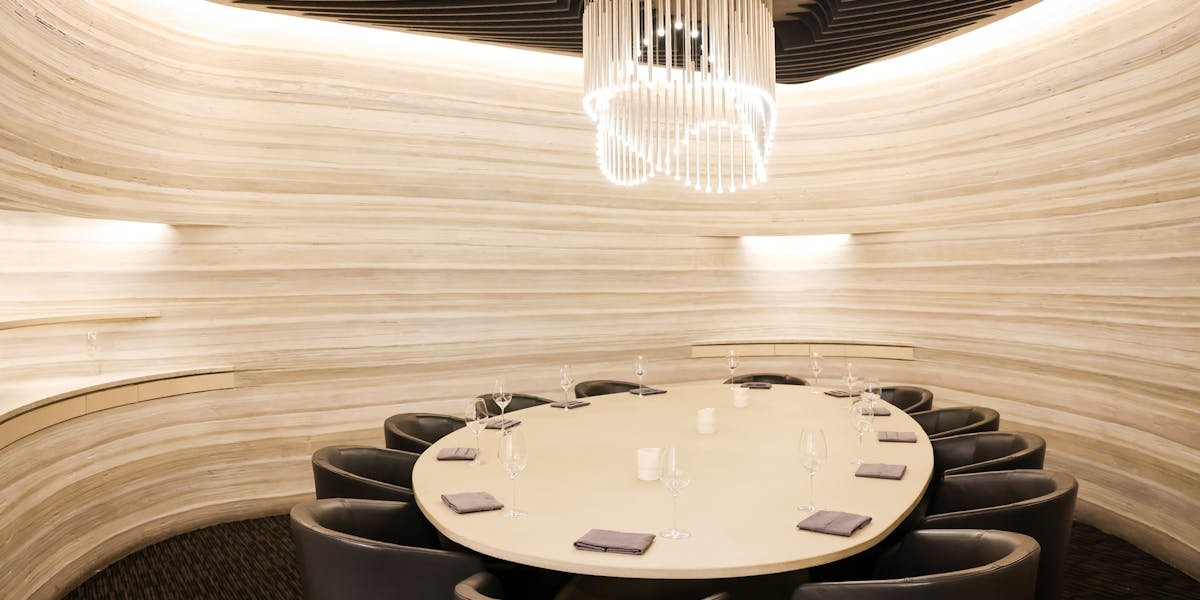
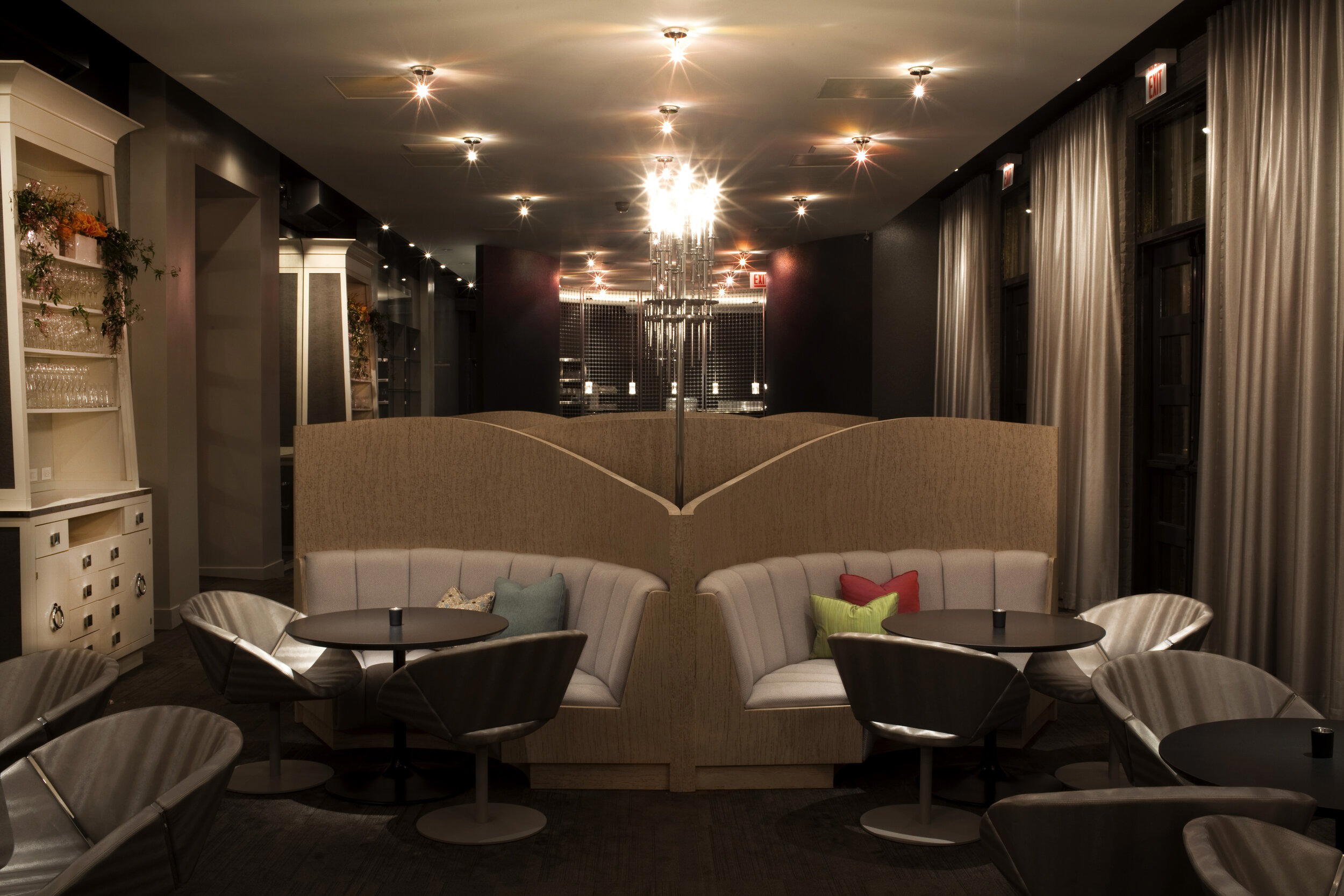
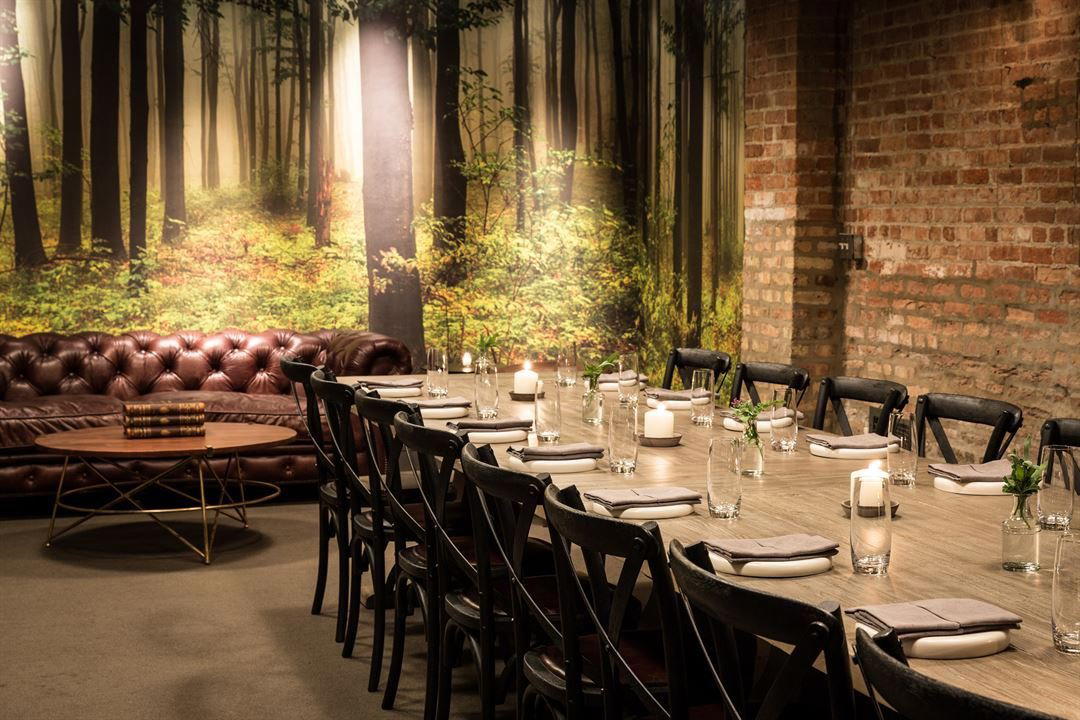
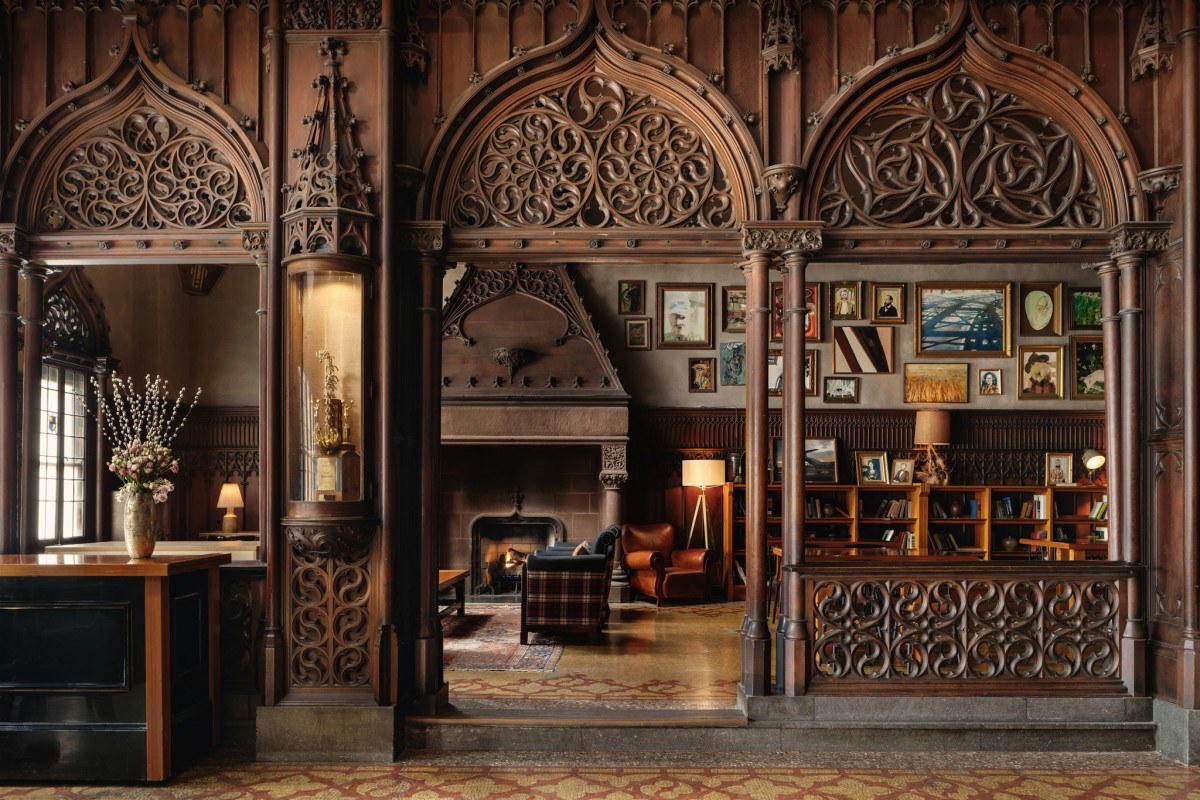
Warm and inviting family dining atmosphere with a welcoming, traditional feel.