Babette
Our verdict
Babette occupies a corner of San Pablo Avenue where Berkeley's neighborhood-restaurant culture runs deepest. EP Club recommends confirming current hours and reservations directly before visiting.
- Address
- 2033 San Pablo Ave, Berkeley, CA 94702
- Phone
- (510) 845-1652
- Website
- babettecafe.com
- Directions
- Get directions
The menu
What to order
- Sicilian Lemon Almond Pistachio Cake
- Masala pizza
- Carrot flan
San Pablo Avenue and the Restaurants That Resist Easy Classification
San Pablo Avenue has long operated as Berkeley's working corridor, a stretch that connects the city's residential fabric to its more commercial edges without the self-conscious polish of Fourth Street or the student-market density of Telegraph. The restaurants that settle here tend to do so because the rent supports a slower build, and because the clientele that finds them tends to come back. Babette, at 2033 San Pablo Ave, sits inside that pattern. The address carries its own editorial weight before a single dish arrives.
Berkeley's dining culture has historically rewarded collaboration over spectacle. The restaurants that endure in this city rarely do so on the strength of a single personality. What holds rooms together, particularly on corridors like San Pablo, is the accumulated texture of a team working in close register: a kitchen that communicates with a floor, a floor that reads the room without being prompted, and a wine or beverage approach that reflects something about the food rather than running parallel to it. That dynamic is harder to manufacture than a headline chef or a signature dish, and it is also harder to replicate.
Where Babette Sits in Berkeley's Dining Conversation
Berkeley's independent restaurant scene has fractured into several distinct tiers over the past decade. At the other, there is a newer cohort of technically precise, often format-driven rooms that price and operate closer to San Francisco peers than to traditional neighborhood restaurants. Babette's position on San Pablo places it in conversation with both camps without being fully absorbed by either.
The comparison set on this stretch of the city includes places like Angeline's Louisiana Kitchen, which has built its identity around a specific regional tradition, and Ajanta, which has spent years refining a regionally specific Indian menu that most Berkeley diners understand to be a serious undertaking. Further along the Berkeley dining map, 900 Grayson and Agrodolce have each carved out a clear identity within the neighborhood-restaurant format. What unites these places is a commitment to consistency over novelty — a disposition that tends to suit the San Pablo corridor well.
Babette's name, if nothing else, gestures toward a particular European sensibility. The reference to Babette's Feast, Karen Blixen's story of a French chef cooking a transcendent meal for a remote Norwegian community, carries implicit meaning for anyone who knows it: the idea that serious cooking can exist outside metropolitan approval systems, that a meal can be an act of generosity rather than a performance. Whether the restaurant leans into that reference deliberately or wears it lightly, the name positions it within a lineage of dining rooms that take the table seriously.
The Team Behind the Room
In the current Berkeley dining moment, the rooms that hold their ground tend to be built on internal coherence rather than external recognition. The team dynamic that defines a restaurant's character — how the kitchen and floor communicate, how wine or beverage choices are framed to guests, how the pace of service is calibrated, is often invisible to a first-time visitor but becomes legible over repeated meals. Berkeley diners, more than most, are attuned to this. The city has produced enough serious restaurants over enough decades that its regulars have developed a vocabulary for what a well-run room feels like, even if they wouldn't frame it in those terms.
For a restaurant on San Pablo to sustain, the front-of-house and kitchen relationship has to function with the kind of low-friction efficiency that only comes from genuine collaboration. This is not a street that forgives a disorganized floor or a kitchen that runs behind on pacing. The neighborhood has options, and its diners know the difference between a room that is coasting and one that is actively working. The restaurants that draw repeat visitors here do so because the experience of being in the room feels considered from arrival to close.
This collaborative model finds its most ambitious expression in rooms like Lazy Bear in San Francisco, where the chef-sommelier-front-of-house dynamic is formalized into the meal's structure, or Smyth in Chicago, where the integration of kitchen and floor is part of the restaurant's stated identity. At a national level, the approach reaches its most documented form at places like The French Laundry in Napa, Blue Hill at Stone Barns in Tarrytown, and Single Thread Farm in Healdsburg, rooms where the term "team" describes an operational philosophy rather than a staffing structure. Babette operates at a different scale and in a different register, but the underlying principle, that a restaurant is the product of a collaboration, not a single voice, is as relevant on San Pablo Avenue as it is in the Napa Valley.
Beyond California, the model has informed rooms as different as Le Bernardin in New York City, Providence in Los Angeles, Addison in San Diego, Atomix in New York City, and internationally at Atelier Moessmer Norbert Niederkofler in Brunico. The common thread across these rooms is that the meal's coherence is the product of multiple disciplines working in alignment, not a single department carrying the rest.
Planning a Visit
Babette is located at 2033 San Pablo Ave, Berkeley, CA 94702. San Pablo is accessible by car and connects to the broader Berkeley grid without difficulty; street parking is generally available on this stretch, though weekends draw heavier foot traffic from neighboring businesses. What the address and context suggest is a neighborhood-scale operation with the characteristics of a room built for returning guests rather than one-off tourism.
For a broader view of where Babette sits within Berkeley's dining options, EP Club's full Berkeley restaurants guide maps the city's current scene across neighborhood, format, and price tier. Nearby comparisons worth considering include AKEMI for a more format-defined experience, and the masa-focused approach at the neighborhood's newer arrivals, which have shifted Berkeley's conversation about what a neighborhood restaurant can anchor itself around. For those coming from outside the Bay Area, reference points at the level of Emeril's in New Orleans or The Inn at Little Washington reflect a different tier and format, but the underlying question, what makes a room worth returning to, is the same one Babette is being asked to answer on San Pablo Avenue.
Frequently asked questions
How do I find Babette?
Babette is located at 2033 San Pablo Ave, Berkeley, CA 94702, Berkeley.
How does Babette compare to other independent restaurants along San Pablo Avenue in Berkeley?
San Pablo Avenue supports a cluster of owner-operated restaurants that draw from Berkeley's established tradition of serious, non-sceney dining rather than the visibility-driven openings that cluster closer to downtown. Babette's address at 2033 San Pablo Ave places it within that corridor, where staying power tends to come from internal coherence rather than awards cycles or press attention.
What should I eat at Babette?
EP Club does not currently hold confirmed menu data for Babette, so naming specific dishes would be speculative. What the restaurant's position on San Pablo Avenue does signal is alignment with Berkeley's culture of ingredient-focused, non-trend-driven cooking rather than concept-first menus. Visiting without a fixed agenda and asking staff directly about the day's direction is a reasonable approach at this kind of address.
Is Babette reservation-only?
San Pablo Avenue restaurants of this character tend to split between walk-in-friendly formats and counter-style services that fill quickly. Contacting Babette directly at 2033 San Pablo Ave, Berkeley, CA 94702 before visiting is the most reliable way to confirm availability.
Booking and Cost Snapshot
Comparable venues nearby, for context on price, style, and recognition.
| Venue | Cuisine | Price | Awards | Notes |
|---|---|---|---|---|
| BabetteThis venue — the venue you are viewing | Seasonal Farm-to-Table Fusion | Not listed | Not listed | Not listed |
| Everett & Jones Barbeque | Classic Bay Area Barbecue | $20–30 | Not listed | West Berkeley, Classic Bay Area Barbecue |
| Bette's Oceanview Diner | California-American Diner | $20–30 | Diners, Drive-Ins and Dives Featured Restaurant | West Berkeley, California-American Diner |
| Ippudo | Hakata-Style Tonkotsu Ramen | $20–30 | Not listed | Gourmet Ghetto, Hakata-Style Tonkotsu Ramen |
| Tuk Tuk Thai Cafe | Downtown, Thai Noodles & Curries | Not listed | Not listed | Not listed |
| 900 Grayson | American Comfort Cafe | $20–30 | Diners, Drive-Ins and Dives Featured Restaurant | Southwest Berkeley, American Comfort Cafe |
Continue exploring
More in Berkeley
Restaurants in Berkeley
Browse all →
Bars in Berkeley
Browse all →
Hotels in Berkeley
Browse all →
Details
- Cozy
- Elegant
- Intimate
- Romantic
- Date Night
- Brunch
- Special Occasion
- Garden
- Open Kitchen
- Farm To Table
- Local Sourcing
- Garden
- A La Carte
- Small Plates
- Vegetarian Friendly
- Vegan Options
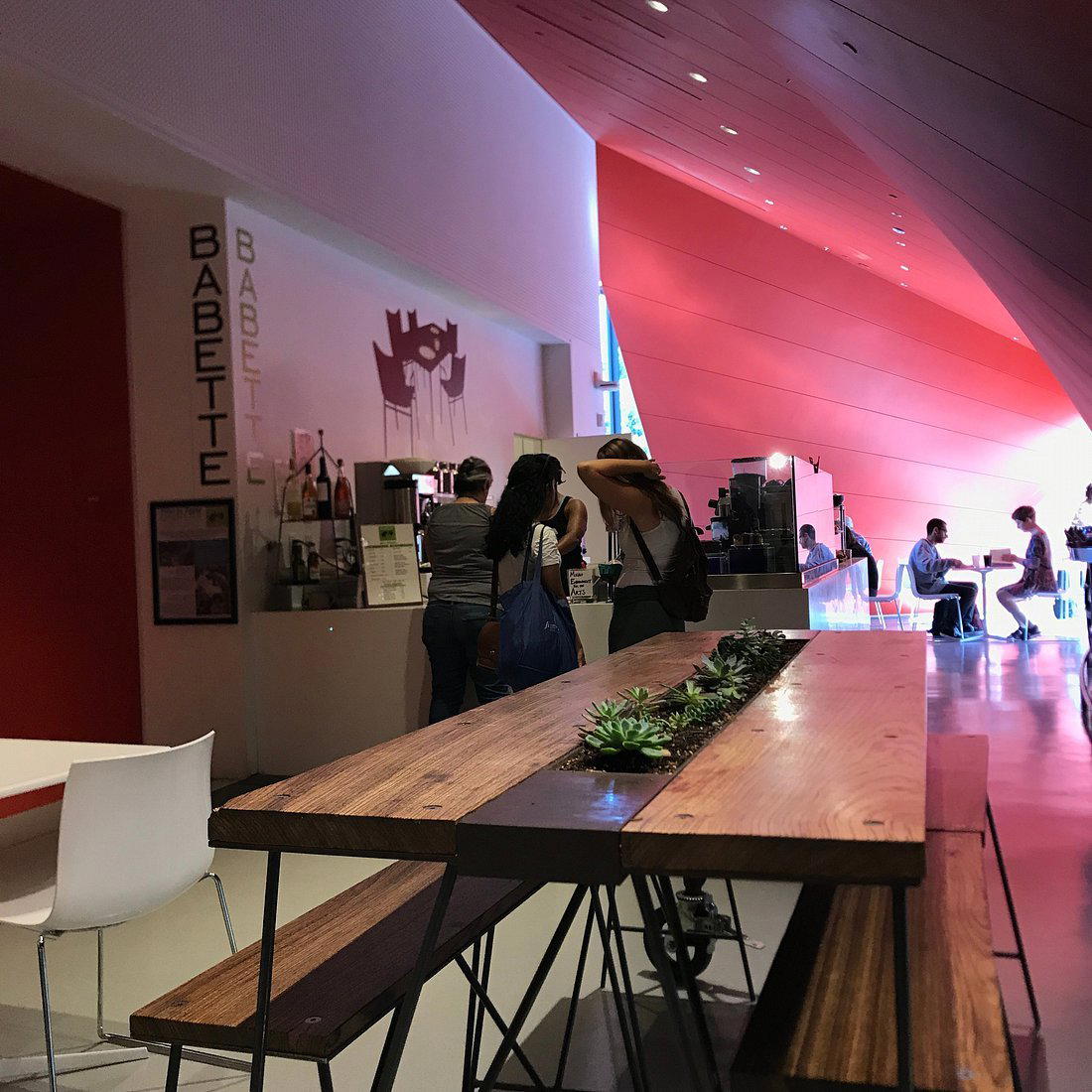
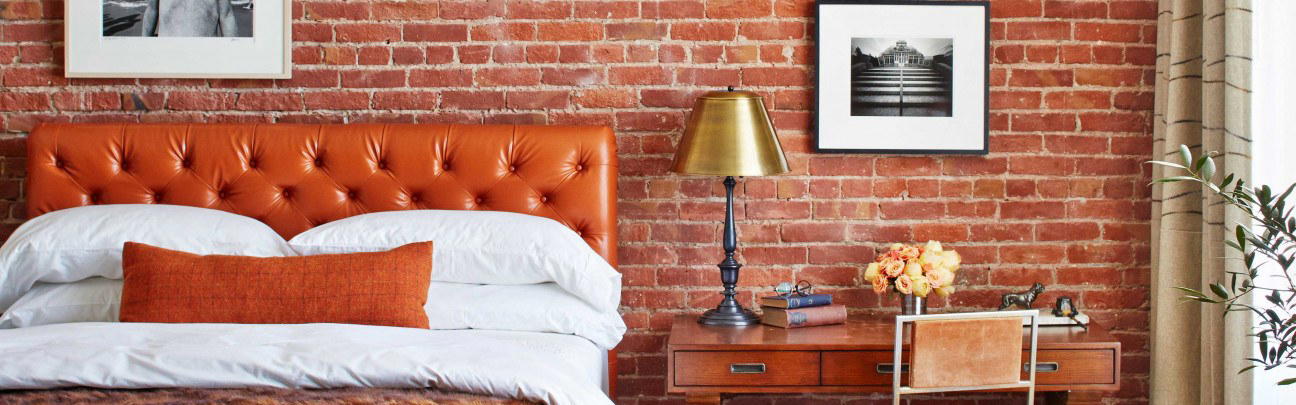
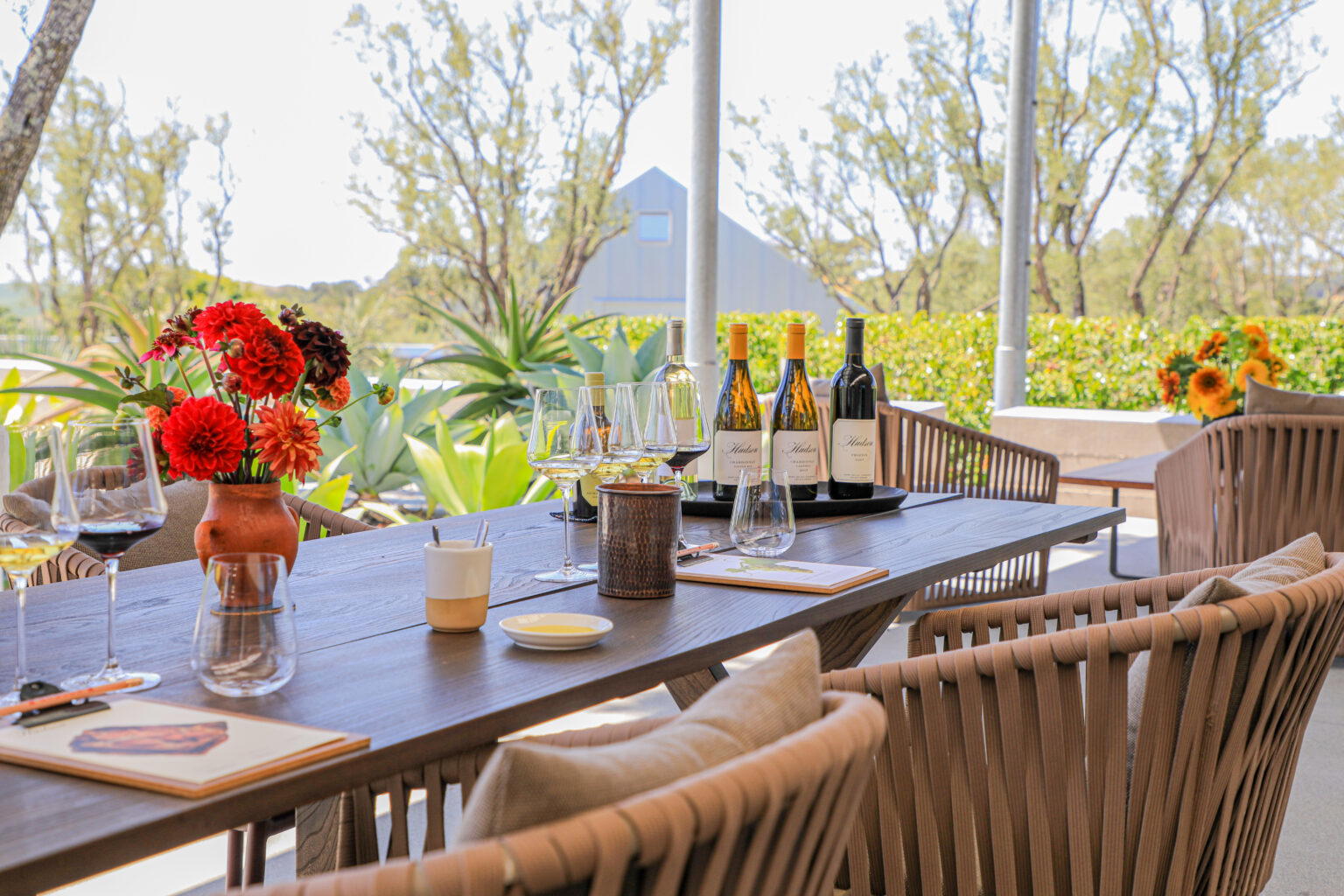
Cozy and elegant interior with natural brick walls in deep blues and greens, chandelier-lit booths, and a spacious outdoor patio shaded by a magnificent redwood tree amid abundant plants.