Our verdict
Located in Hiratsuka's Ryujogaoka district, 天上々 sits within a city better known for its Tanabata festival than its restaurant scene, which is precisely what makes it worth attention. Kanagawa's coastal proximity shapes what reaches the kitchen, and the address at 8-3 Ryujogaoka places it within a residential pocket removed from the tourist circuit. For those willing to look beyond Yokohama and Kamakura, Hiratsuka's quieter dining options reward the detour.

Pearl is the En Primeur Club membership app, where members save venues, book tables and use the concierge.
Hiratsuka's Quiet Case for Serious Dining
Kanagawa Prefecture's dining conversation defaults to Yokohama's Chinatown or the tourist-facing restaurants of Kamakura. Hiratsuka, by contrast, rarely enters that discussion, which means the restaurants that have established themselves in the city's residential neighbourhoods do so on the strength of repeat local custom rather than passing visitors. That context matters for understanding what 天上々, addressed at 8-3 Ryujogaoka, represents within the city's dining fabric. This part of Hiratsuka sits inland from Sagami Bay, in a quieter residential district that generates foot traffic from the community rather than from transit hubs. Restaurants that sustain themselves in this kind of location tend to anchor their identity in something genuinely specific, a sourcing relationship, a format, a price-to-quality argument that local regulars return for.
Sourcing in Coastal Kanagawa: What Geography Provides
The physical position of Hiratsuka along Sagami Bay creates sourcing conditions that differ meaningfully from landlocked prefectures. Sagami Bay is among the more biodiverse stretches of Japan's Pacific coastline, with depth gradients that support species rarely found in shallower inshore waters. For restaurants in the city with direct or market-mediated access to that fishery, the ingredient question is less about scarcity and more about selection, which fish, at which point in the season, prepared by which method. Japan's restaurant culture at the mid-to-upper tier has increasingly organised itself around this logic: the kitchen as a frame for what the season and the surrounding region produce, rather than a stage for technique alone.
This ingredient-first orientation is visible across Japan's most recognised dining addresses. Harutaka in Tokyo has built its Michelin-starred sushi reputation on the precision with which it selects and ages its fish. Gion Sasaki in Kyoto frames kaiseki through strict seasonal produce logic. In both cases, the sourcing argument precedes the cooking argument. Hiratsuka's position gives a kitchen here access to coastal material that Tokyo counters often pay premium wholesale prices to obtain.
The Ryujogaoka Setting
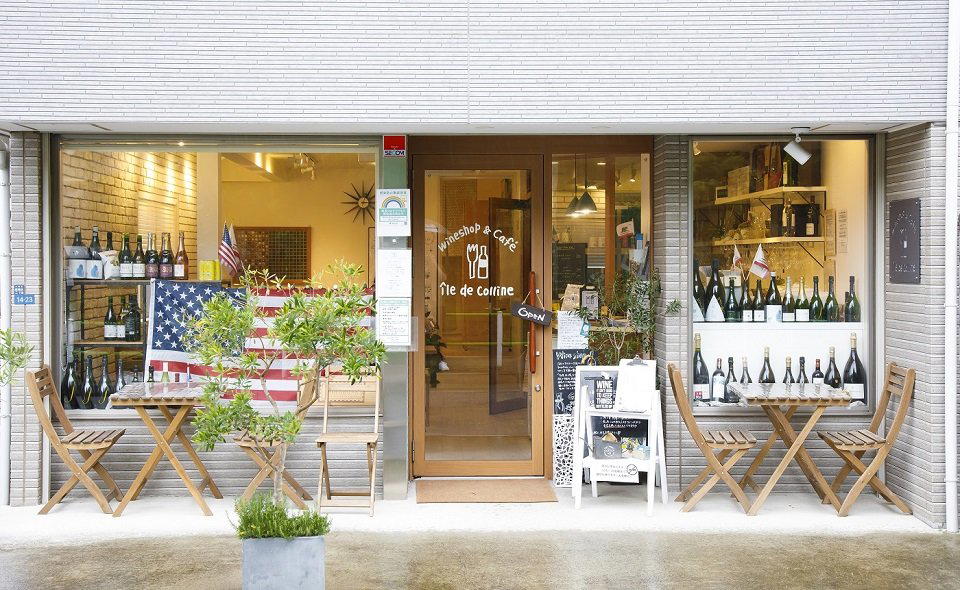
Approaching a restaurant in Ryujogaoka, the residential scale of the neighbourhood is immediately apparent. This is not a dining district in the conventional sense, there is no concentration of signage or evening foot traffic that signals a restaurant row. Venues here exist within the texture of the neighbourhood itself, often occupying buildings that read as domestic from the street. That physical setting tends to shape the dining experience in consistent ways: the rooms are smaller, the noise levels lower, and the sense of occasion is generated by the food and service rather than by designed atmosphere. It is a format that suits a particular kind of diner, one who is not looking for spectacle and is comfortable with the absence of production value as a kind of signal in itself.
For reference points on what this kind of setting can accommodate at the highest level, akordu in Nara operates within a similarly low-key residential frame while delivering cooking that has drawn international attention. Goh in Fukuoka built its reputation in a city that sits outside Japan's primary dining circuit. Both cases suggest that address and setting are independent variables from quality.
Hiratsuka in Japan's Broader Prefectural Dining Map
Kanagawa Prefecture's fine dining identity has historically concentrated in Yokohama, where population density and international visitor numbers sustain a larger number of higher-end addresses. Hiratsuka's position as a smaller city within the same prefecture means it operates in a different mode: fewer venues competing for the same tier, more dependence on a loyal local base, and less pressure to perform for first-time visitors. This dynamic is not unique to Hiratsuka, similar patterns hold in cities like Takashima, where 江若廚房 operates, or in Nanao, where 一本杉川島製 has established a reputation within a city that sees little culinary tourism. The pattern across these smaller Japanese cities is consistent: the restaurants that earn sustained attention do so by being deeply embedded in their local supply chains and communities, not by appealing outward to a national audience.
That embeddedness tends to produce a different kind of dining experience than what visitors find at destinations specifically positioned for acclaim. A neighbourhood restaurant in Hiratsuka's Ryujogaoka is calibrated differently, the audience is local, the expectations are formed by repeated visits over time, and the kitchen's job is to deliver consistency and seasonal responsiveness rather than a singular high-stakes performance.
Seasonal Cooking in Kanagawa: What the Calendar Determines
Japan's culinary calendar is organised with a rigour that has no direct equivalent in Western cooking traditions. The concept of shun, the peak moment of a seasonal ingredient, functions not as a marketing frame but as a genuine constraint on what a conscientious kitchen will serve. In coastal Kanagawa, this plays out through the fish calendar as much as the vegetable and grain calendar. Shirasu (whitebait) from Sagami Bay has a defined season and a strong regional association; the same applies to various shellfish and deepwater fish that move through the bay at predictable points in the year. A kitchen in Hiratsuka with good market relationships is positioned to reflect that calendar in real time, in a way that restaurants in inland cities or those operating on fixed tasting menus cannot always match.
The seasonal logic that governs Japanese restaurant kitchens at this level is visible in the broader destinations that have built international reputations on it. 江若廚房 in Takashima draws on Lake Biwa's seasonal produce. bodai in the Nachikatsuura area works within the specific coastal ecology of Wakayama. These are kitchens whose menus are partly written by geography. 天上々, situated in the same country and operating within the same cultural framework, works within a version of that same logic.
Planning a Visit: What to Know Before You Go
Hiratsuka is accessible from Tokyo via the JR Tokaido Line, with journey times from Shinjuku or Tokyo Station in the range of one hour. Ryujogaoka is a residential area away from the station, so visitors arriving by train should expect to use a taxi or local bus. For those combining Hiratsuka with broader Kanagawa dining, Kamakura and Odawara are within reasonable day-trip or evening distance. This is not unusual for smaller neighbourhood restaurants in Japan, where reservation systems and web presence vary considerably from the models common in Tokyo or Osaka. Visitors to Japan planning a wider itinerary might also reference our full Hiratsuka restaurants guide for additional context on the city's dining options.
Frequently asked questions
Is 天上々 child-friendly?
Given its location in the quiet residential neighbourhood of Ryujogaoka in Hiratsuka, the setting is unlikely to be a boisterous family dining environment. Families with older children accustomed to considered, calm dining rooms will be better positioned than those with very young children, though confirmation directly with the venue is advised before booking.
What's 天ä¸å's location?
天ä¸å is located at 8-3 Ryujogaoka, Hiratsuka, Kanagawa 254-0814, Japan, Hiratsuka.
How hard is it to get a table at 天ä¸å?
Reservations are recommended for 天ä¸å in Hiratsuka. Confirm current policy via the venue's official channels.
What is the atmosphere like at 天上々?
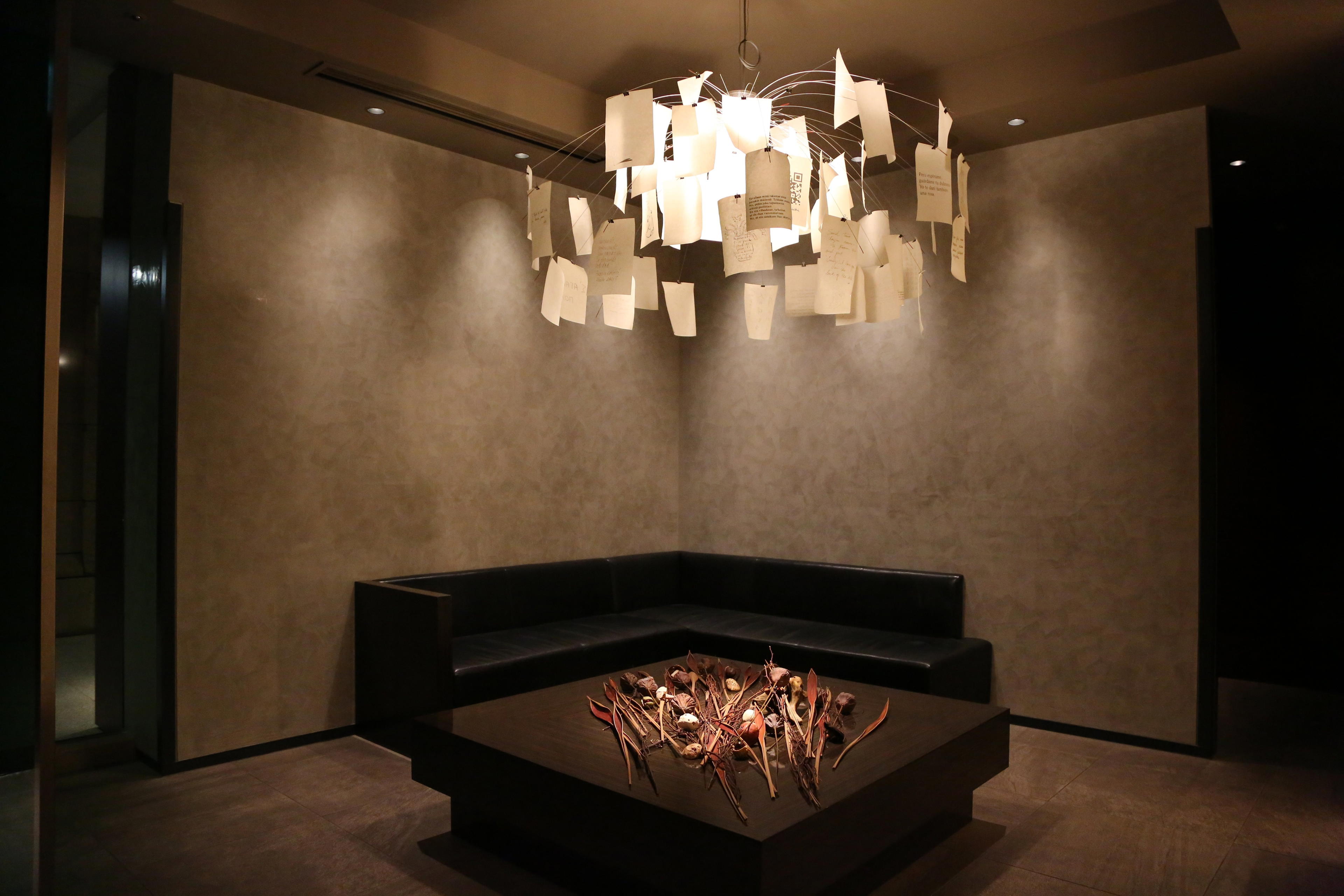
天上々 sits in Ryujogaoka, a residential district of Hiratsuka well removed from the commercial density of Yokohama or Kamakura. The neighbourhood's domestic scale shapes the atmosphere: this is a room where proximity to the kitchen and a quieter street context replace the visual theatre of city-centre dining. Expect a composed, unhurried register rather than anything high-energy.
Side-by-Side Snapshot
| Venue | Cuisine | Price | Awards | Notes |
|---|---|---|---|---|
| 天ä¸åThis venue (the venue you are viewing) | Not listed | Not listed | Not listed | Not listed |
| HAJIME | Avant-Garde Japanese Fine Dining | $300–500 | 3 Michelin Stars · World's 50 Best #83 | French, Innovative |
| Harutaka | Edo-Style Omakase Sushi | $200–300 | 3 Michelin Stars · World's 50 Best #76 | Sushi |
| L'Effervescence | Modern French with Japanese Influences | $200–300 | 3 Michelin Stars · World's 50 Best #69 | French |
| RyuGin | Modern Kaiseki | $500+ | 3 Michelin Stars · World's 50 Best #41 | Kaiseki, Japanese |
| Crony | Modern French with Japanese Influences | $150–200 | 2 Michelin Stars · World's 50 Best #34 | Innovative, French |
Continue exploring