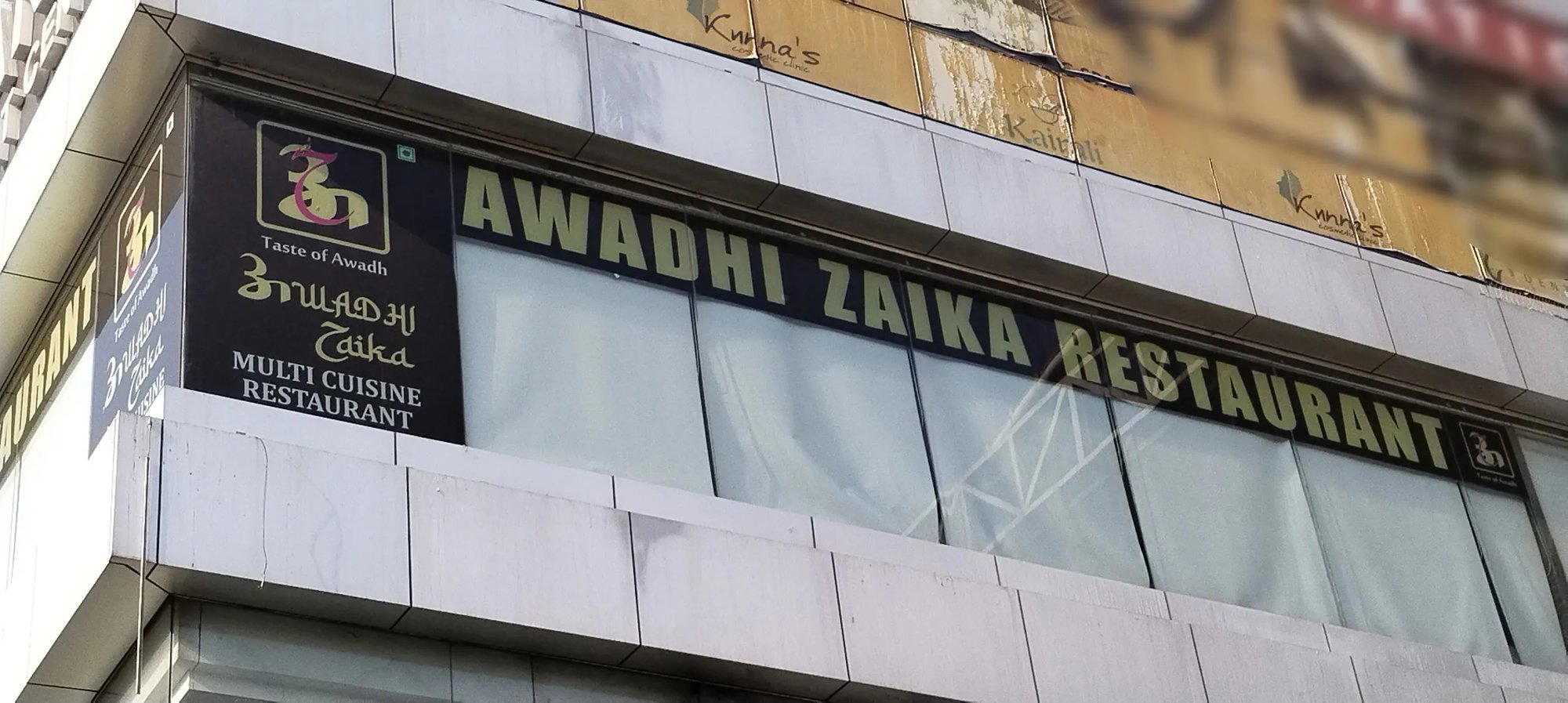
Awadhi zaika Restaurant sits on Race Course Road in Vadodara, serving the slow-cooked, spice-layered traditions of Awadhi cuisine in a city better known for its Gujarati vegetarian identity. The kitchen draws from one of India's most technically demanding regional cooking styles, where dum-braised meats and aromatic rice preparations define the menu's character. For visitors seeking North Indian Muslim culinary heritage in western Gujarat, this address fills a specific gap.
- Address
- 220, Trivia complex, opp. Natu bhai circle, Race Course, Vadiwadi, Vadodara, Gujarat 390007, India
- Phone
- +916358841755
- Website
- swiggy.com
- Directions
- Get directions
Awadhi Cooking in a Gujarati City
Vadodara's dining identity is shaped overwhelmingly by its Gujarati roots: thali houses, farsan shops, and vegetarian kitchens dominate the Race Course Road corridor and the older neighbourhoods radiating out from Sayajibaug. Against that backdrop, a restaurant committed to Awadhi cuisine occupies a distinct position. Awadhi cooking originates in the royal kitchens of Lucknow, where the Nawabs of the Oudh court developed a style built on restraint in spicing, long cook times, and the dum technique, a method of sealing pots with dough and cooking ingredients over low, sustained heat until flavour compounds fully integrate. That tradition sits in a different register from the more direct, punchier spice profiles of Gujarati or Rajasthani food. Awadhi zaika Restaurant, addressed at 220 Trivia Complex, opposite Natu Bhai Circle on Race Course Road, brings that Lucknow lineage to a city where it remains a minority cuisine.
Adaa at Falaknuma Palace in Hyderabad places Mughal-era cooking within a heritage palace setting, while Inja in New Delhi takes Indian culinary tradition in a more experimental direction. Awadhi zaika sits closer to the preservationist end of that spectrum.
The Ingredient Logic of Awadhi Cuisine
The defining characteristic of Awadhi cooking is not its spices in isolation, but the sourcing logic that underlies them. The cuisine evolved in a landlocked, river-fed region of northern India where mutton from pastoral herds, long-grain rice from Taraori and Basmati-growing belts, and whole aromatic spices sourced through established trade routes from Kashmir and beyond formed the foundation. The dum biryani format, which distinguishes Lucknowi preparation from Hyderabadi biryani through its use of raw-meat layering before sealing rather than par-cooked layering, depends on meat quality in a way that faster cooking methods do not. Low-heat, long-duration cooking renders cheaper cuts tough rather than tender; the technique rewards well-rested, properly sourced protein.
Bread preparations like sheermal, a saffron-laced flatbread baked in a tandoor, and warqi paratha, the laminated pastry-style bread, require specific flour grades and ghee sourcing to achieve their characteristic texture. Korma preparations in the Awadhi style use richer, longer-stewed nut pastes than their Mughlai counterparts, reflecting both the availability of cashews and almonds through the Nawabi trade networks and a kitchen culture that measured quality through cook time rather than ingredient cost alone. Understanding these sourcing dependencies helps explain why Awadhi food transported to Gujarat faces real procurement challenges: the ingredient ecology of the Gangetic plain does not replicate easily in western India.
For readers interested in how other Indian restaurants address the sourcing challenge of regional specificity, Farmlore in Bangalore approaches it through hyperlocal sourcing for its contemporary Indian menu, while Kappa Chakka Kandhari in Chennai applies a similar philosophy to Kerala's ingredient traditions. The sourcing question sits at the centre of what separates credible regional cooking from approximation.
Race Course Road and Vadodara's Dining Character
The Race Course area in Vadodara functions as one of the city's more commercially active dining corridors, drawing both local residents and visitors staying in the mid-range hotels that cluster around the neighbourhood. Vadodara itself, Gujarat's third-largest city by population and home to Maharaja Sayajirao University's large academic community, has a dining scene in gradual transition. The student population and a growing professional class have created demand for cuisines beyond the vegetarian norm, though Gujarati food culture still frames expectations around value, portion size, and accessibility. A restaurant like Awadhi zaika sits in the gap between legacy Gujarati institutions and the newer pan-Indian restaurant formats that have expanded across Tier 2 cities in the past decade.
Gujarat's cultural preference for vegetarian food means that the meat-centric nature of Awadhi cuisine addresses a demographic that is present but minority within the city's dining population. That constraint shapes where such restaurants tend to locate, how they price, and what format works: standalone operations on accessible roads, at accessible price points, rather than hotel dining rooms with premium positioning. The Race Course Road address reflects that pragmatic geography.
How Awadhi Zaika Fits Within India's Regional Restaurant Scene
Within the broader conversation about Awadhi cooking in India, particularly referenced addresses are concentrated in Lucknow itself, with Delhi running a strong second. Dum Pukht at the ITC Maurya in Delhi represents the formal, hotel-dining version of the tradition, while Tunday Kababi in Lucknow anchors the street-facing end. Smaller cities that maintain Awadhi restaurants typically serve communities with Uttar Pradesh or Bihar migration histories, where demand for the cuisine has a demographic rather than purely culinary basis. Vadodara's Awadhi zaika fits that pattern. Its Race Course Road location, within a commercial complex, positions it for regular, accessible dining rather than occasion dining.
Neel in Patiala, which operates within a similarly strong regional culinary context in Punjab, or Ran Baas The Palace in Qila Mubarak, where historical patronage informs the food's identity. Further afield, Dining Tent in Jaisalmer and Naar in Kasauli show how regional Indian restaurants use setting and specificity to build their case. For coastal traditions, The Malabar House in Fort Cochin, Leela Kerala Terrace in Trivandrum, and Bomras in Anjuna each demonstrate a different model of regional culinary identity.
Royal Vega in Chennai, Palaash in Yavatmal, View in Madurai, Americano in Mumbai, and for international comparison, Le Bernardin in New York City and Lazy Bear in San Francisco.
Planning Your Visit
Awadhi zaika Restaurant is located at 220 Trivia Complex, opposite Natu Bhai Circle, Race Course Road, Vadodara, Gujarat 390007. The Race Course area is accessible from the city centre and from the main hotel corridor. Current hours and booking arrangements are not listed in the record.
A Quick Peer Check
Comparable venues nearby, for context on price, style, and recognition.
| Venue | Cuisine | Price | Notes |
|---|---|---|---|
| Awadhi zaika RestaurantThis venue — the venue you are viewing | Authentic Awadhi & Mughlai | $$ | Not listed |
| Dilli StreEAT | Indian Street Food | $$ | Indira Gandhi International Airport |
| Renbasera | North Indian & Chinese Multicuisine | $$ | Odhav Gam |
| Omya | Modern Indian Fine Dining | $$$ | Lodhi Road |
| Mynt | Pure Vegetarian Indian | $$$ | Vrindavan |
| William John's Pizza Superlative Anand | Pizza | $$ | Vallabh Vidyanagar |
Continue exploring
More in Vadodara
At a Glance
- Cozy
- Classic
- Celebration
- Group Dining
- Family
- Special Occasion
- Standalone
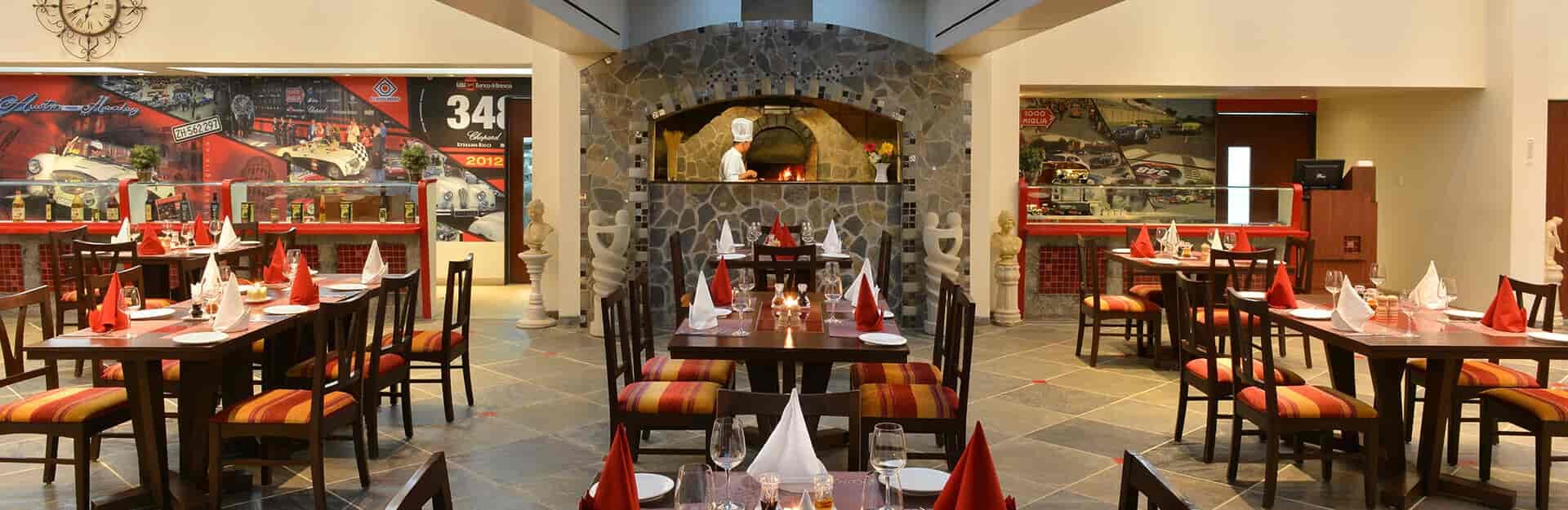
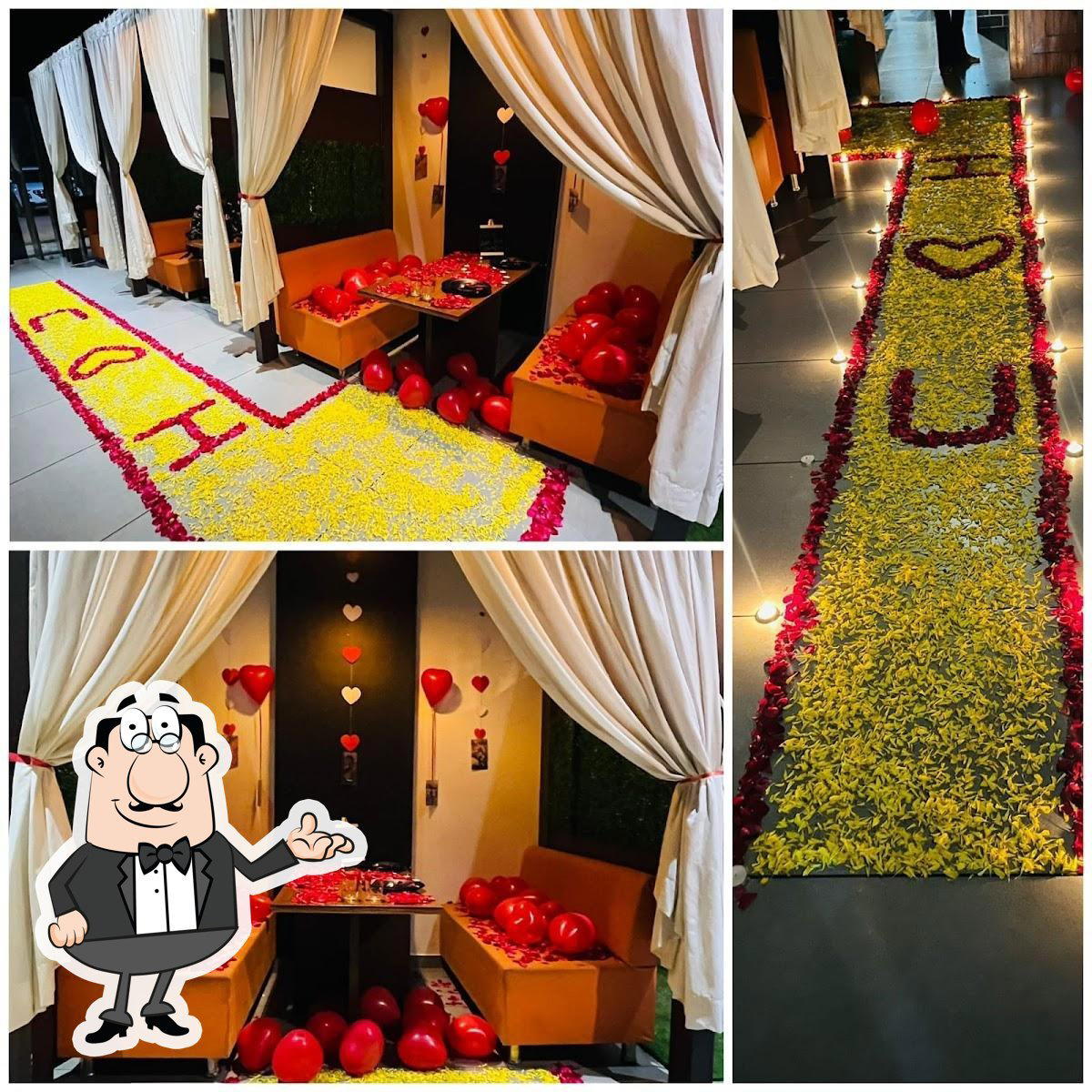
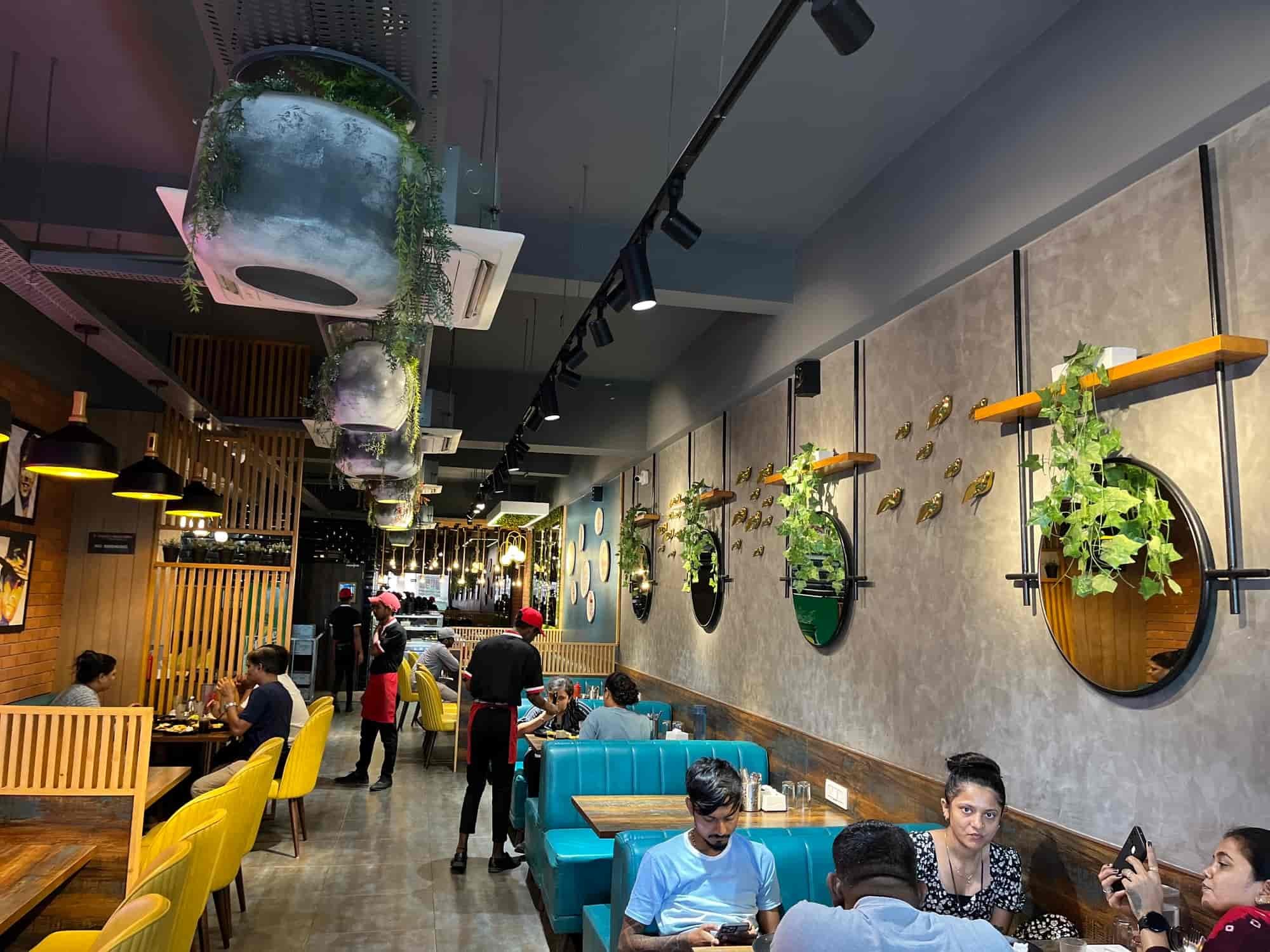
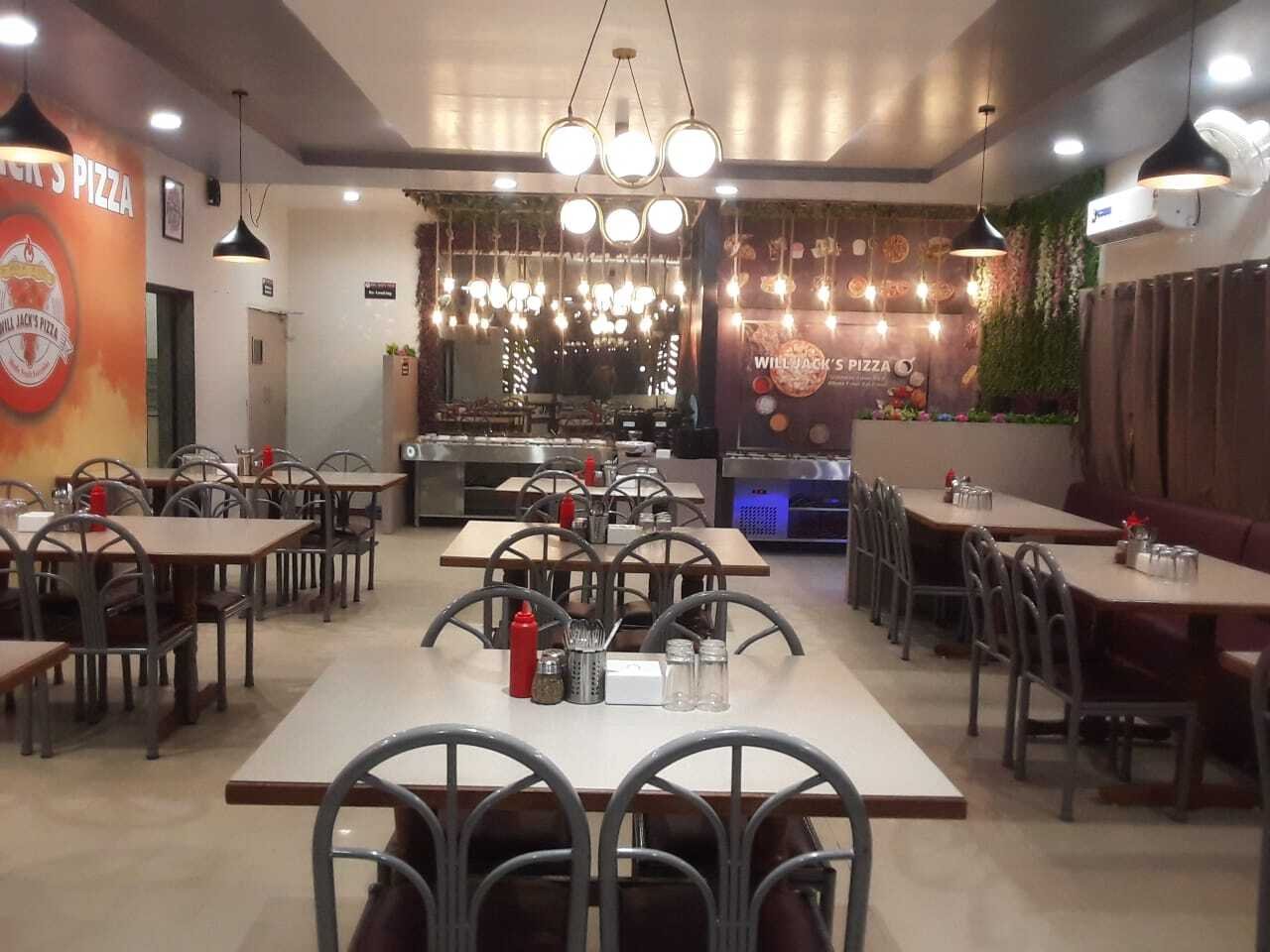
Inviting and pleasant atmosphere with good seating arrangements including sofa options, suitable for celebrations and special occasions.