Our verdict
In a city defined by devotional vegetarianism, Mynt operates as an all-day dining room where plant-based cooking meets global reference points. The menu draws on regional Indian traditions while reaching toward broader international cuisines, making it one of Vrindavan's more considered options for visitors who want something beyond the standard dhaba circuit.

Pearl is the En Primeur Club membership app — saves, bookings, and concierge access live there. Same editors, same standards.
- Address
- Vrindavan, India
- Directions
- Get directions
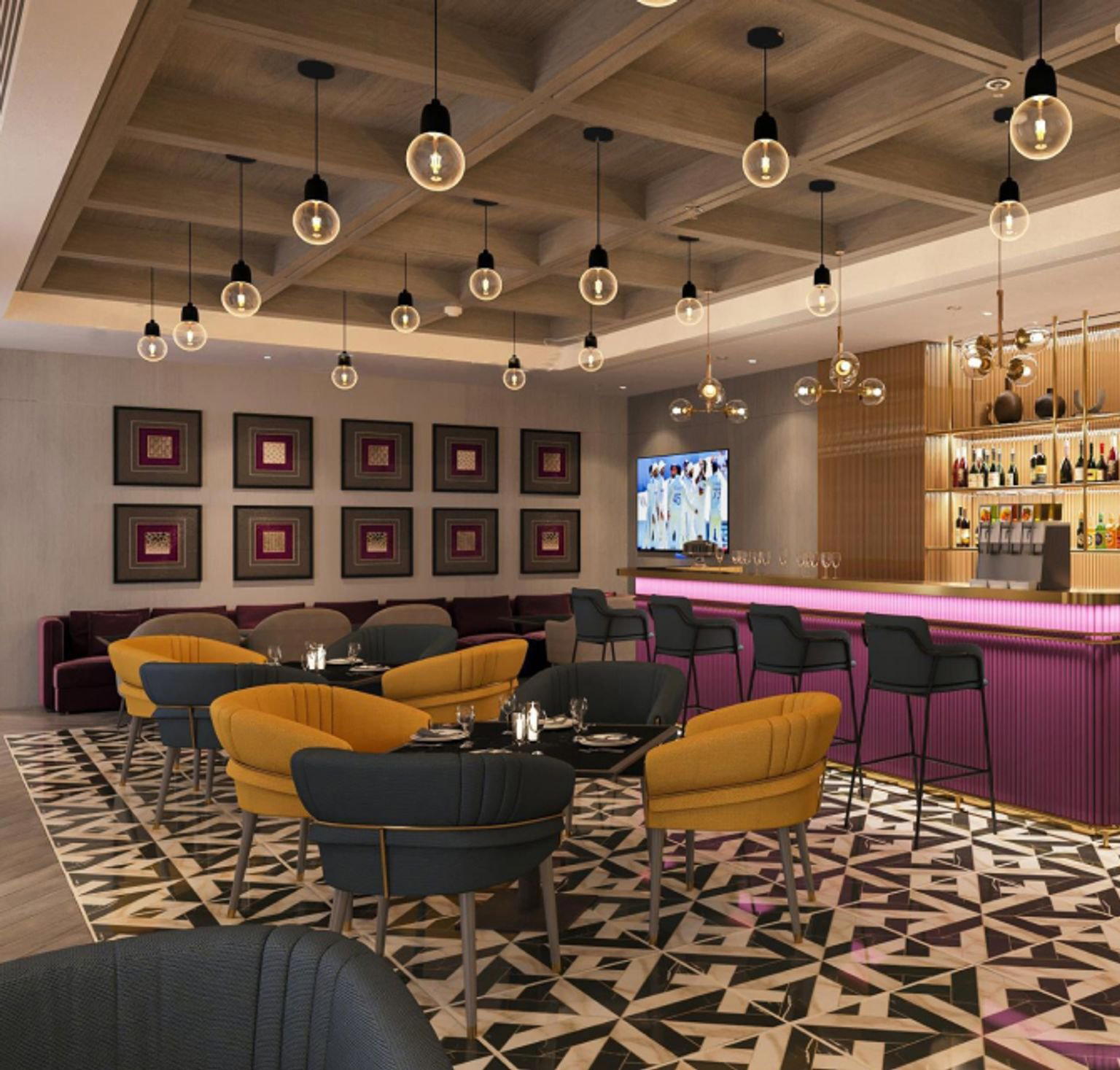
Vegetarian as Vocabulary, Not Restriction
Vrindavan is one of the few places in India where vegetarianism is not a dietary preference but a civic identity. The city's relationship with Krishna devotion has meant that meat has been absent from its kitchens for centuries, producing a cooking tradition that had to develop complexity through spice, technique, and ingredient diversity rather than protein variety. That context matters when placing Mynt: this is not a restaurant adapting to a trend. It is operating inside a culinary tradition where plants have always been the whole story.
The broader conversation around plant-forward dining in India has accelerated in recent years. Restaurants like Farmlore in Bangalore have built tasting-menu formats around seasonal produce with fine-dining rigour, while Naar in Kasauli has explored Himalayan ingredients with a similar philosophy of letting the plant lead. Mynt's position is different: an all-day format that reaches across global cuisines rather than committing to a single regional register, which places it in a more accessible tier without sacrificing the underlying premise that vegetables are not a workaround but the actual point.
The Room and the Rhythm
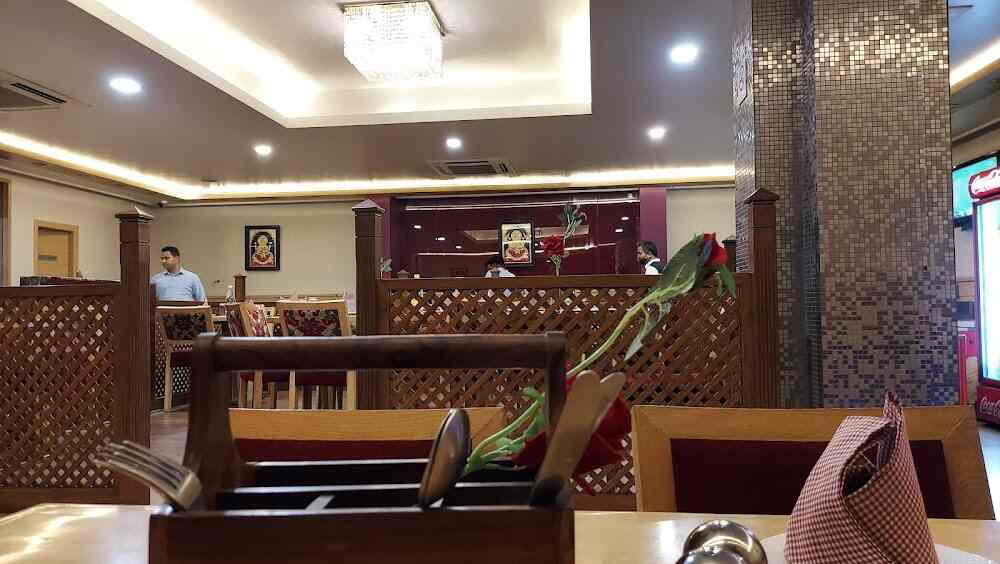
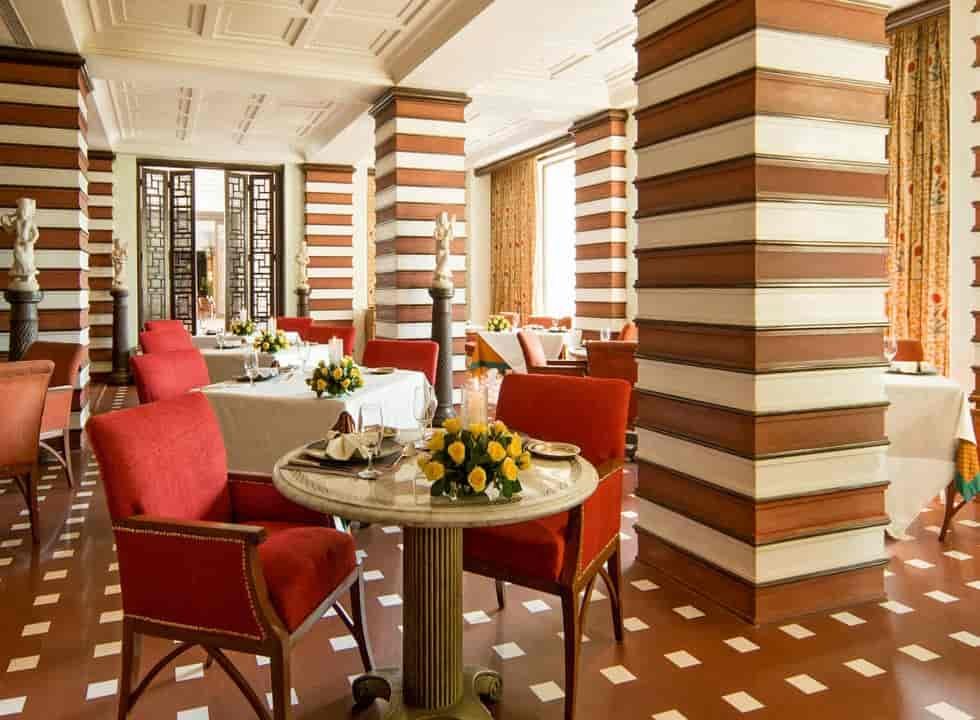
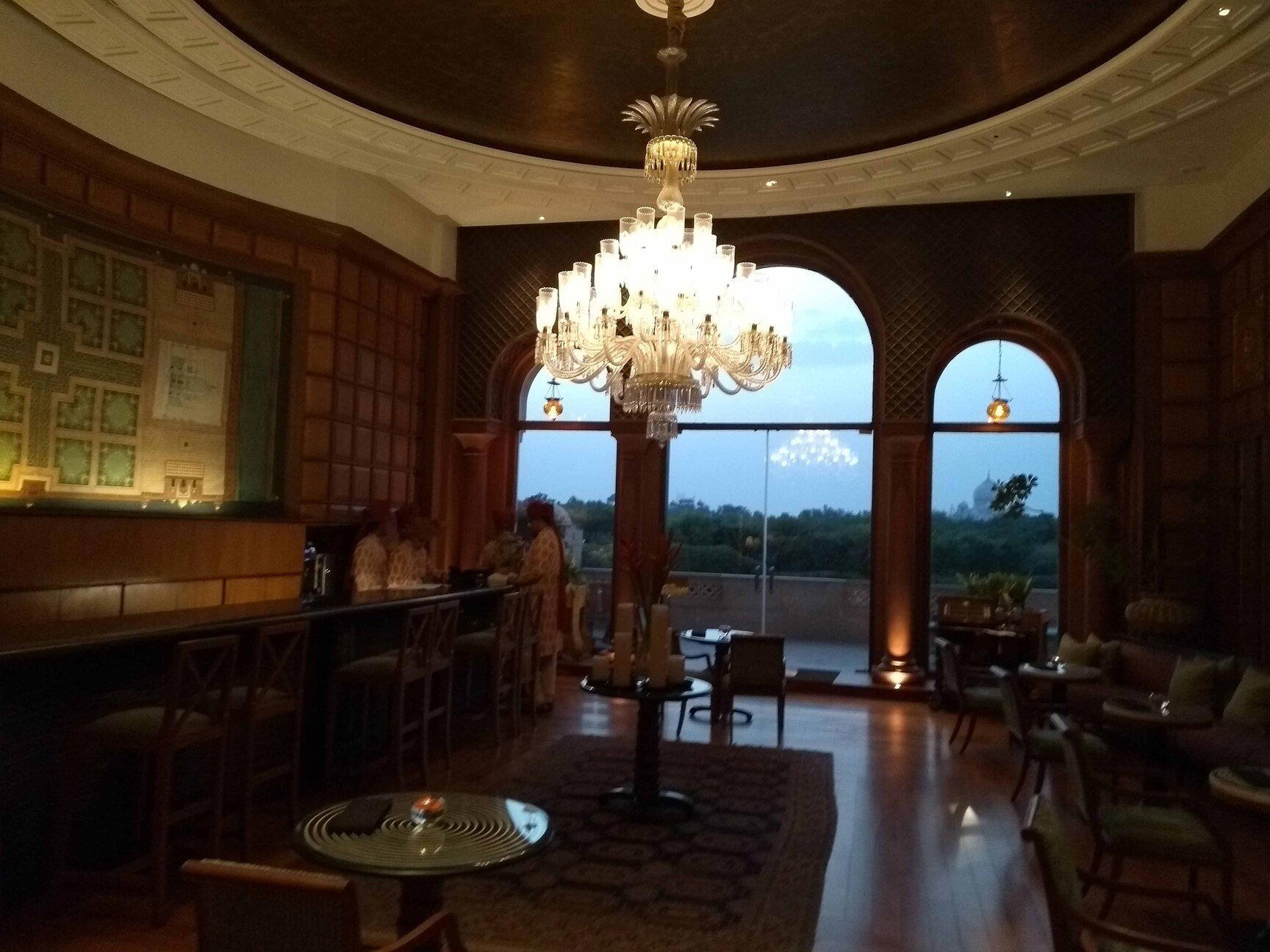
All-day dining rooms in pilgrimage cities carry a specific social function. They are spaces where the rhythm of darshan visits, the heat of the afternoon, and the particular quiet of a sacred town create a different hospitality tempo than you would find in a metropolitan restaurant. Arriving at Mynt, that cadence is present: the venue sits within a city that moves between intense morning devotion and slower afternoon stillness, and a well-run all-day room here needs to function as both a morning anchor and an afternoon retreat.
The all-day format also signals something about the intended guest. Vrindavan draws a wide range of visitors, from devoted pilgrims with no interest in elaborated cuisine to international travellers and domestic tourists who want their meals to carry some ambition. A menu that spans global cuisines with regional influences is a deliberate choice to serve the second group without alienating the first, and it positions Mynt closer to hotel dining rooms in larger Indian cities than to the narrow-register specialists that define the high end of Indian restaurant culture. For comparison, a venue like Adaa at Falaknuma Palace in Hyderabad occupies the palace-dining niche with deep commitment to a single culinary tradition; Mynt's breadth is a different kind of ambition.
Global Cuisines, Regional Anchors
The pairing of global cuisines with regional influences is now a standard framing for ambitious hotel and resort restaurants across India. What separates the stronger examples from the weaker ones is usually specificity: whether the regional references are genuine structural elements of the cooking or decorative gestures added at the end. In cities with less culinary heritage, the regional claim can feel thin. In Vrindavan, the regional anchor is unusually strong by default. Braj cuisine, the cooking tradition of this area of Uttar Pradesh, has its own vocabulary of preparations, sweets, and dairy-forward dishes that most visitors have not encountered in the forms they take here.
Challenge for a kitchen operating across global cuisines is to bring that local depth into contact with international formats in ways that feel considered rather than arbitrary. At its strongest, this kind of cooking can do something that neither pure regional cooking nor pure international cooking achieves alone: it can give a traveller access to a place through a culinary lens they already know how to read. The same logic underpins what The Table in Mumbai has done with its international framework and local sourcing, and what Bomras in Anjuna achieves by running Burmese technique through Goan ingredients.
India's vegetarian fine-dining conversation has historically centred on courts like those represented by Dum Pukht in New Delhi, where the slow-cooking tradition of the nawabi kitchen produced elaborate preparations that happen to be meat-free. That is a different lineage from what Mynt works within, and it is worth being clear about the distinction: Braj vegetarianism is devotional and dairy-rich, not courtly and spice-layered in the same way. The flavour grammar is genuinely different.
Placing Mynt in the Vrindavan Dining Picture
Vrindavan does not have a deep restaurant culture in the way that cities like Udaipur or Jaipur do. The pilgrim economy has historically supported dhabas, prasad counters, and ashram kitchens rather than destination dining rooms. That means the bar for a restaurant claiming to offer something more considered is set by context rather than by direct local competition. A venue that brings reliable kitchen technique, a coherent menu, and a comfortable room to Vrindavan is filling a gap that the city's dining infrastructure has not traditionally addressed.
For visitors exploring Vrindavan's eating options more broadly, the EP Club Vrindavan restaurants guide maps the full range of what the city offers, from street-level chaat to sit-down dining rooms. Those interested in the wider pilgrim-circuit of Uttar Pradesh will find useful context in comparing Vrindavan's dining register against Mathura and Agra, where similar devotional vegetarianism shapes the kitchen but the tourist volume has produced a slightly more developed restaurant sector.
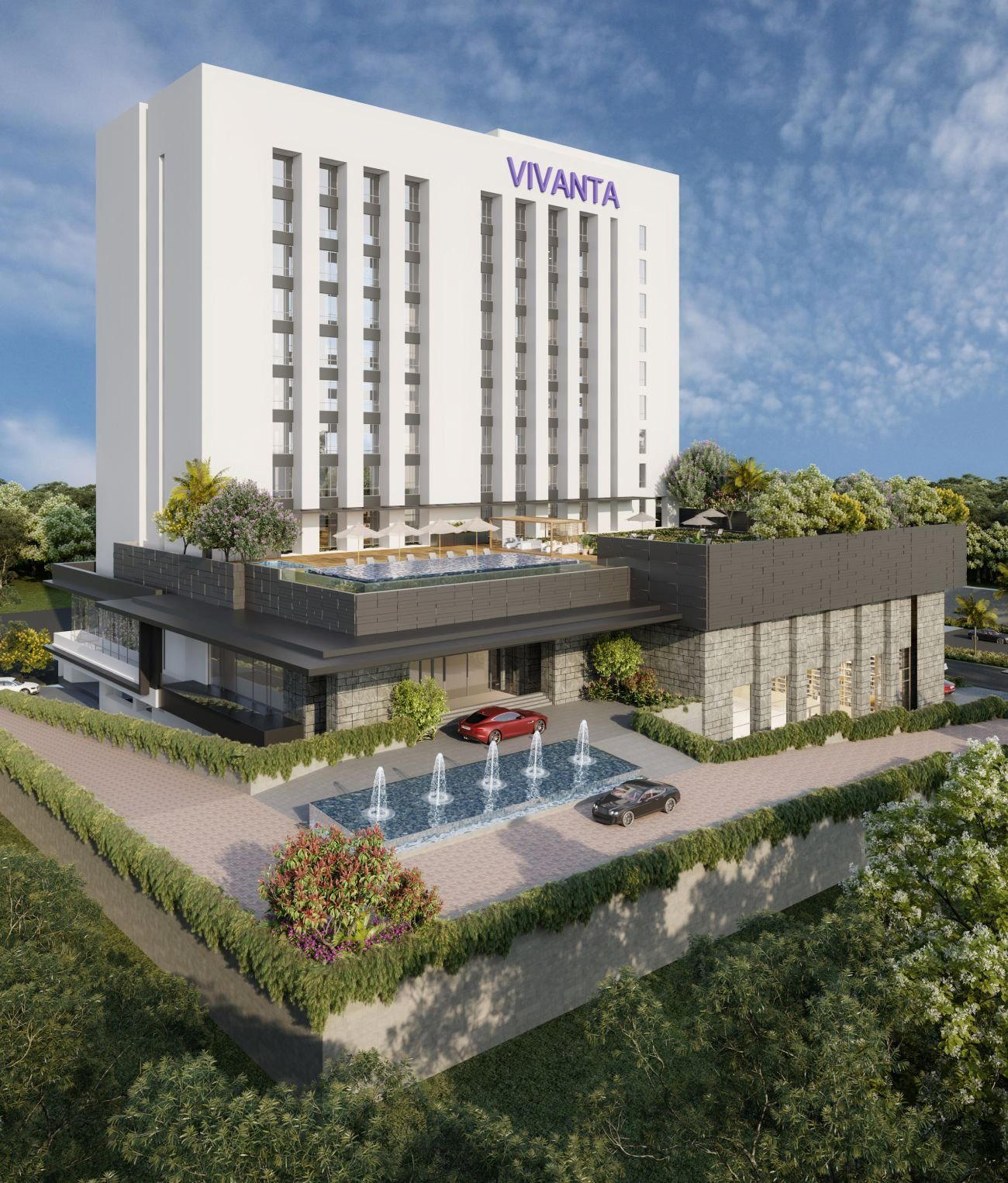
Guests staying in properties along the Yamuna or near the major temples may also find it useful to know that Vrindavan's hotel dining rooms, including Mynt's home property, tend to function as the most reliably consistent option for an evening meal when the pace of temple visits makes going further afield impractical. The EP Club Vrindavan hotels guide covers the accommodation context in full. Those planning a broader visit to the city may also find the Vrindavan experiences guide, the bars guide, and the wineries guide useful for building out an itinerary. For lighter stops between meals, Swirl, the lobby café offering teas, coffees, and artisanal treats, is worth knowing about for quieter moments in the day.
Across India, the strongest all-day dining rooms at this level have moved toward menus that reward repeat visits rather than single-occasion browsing. Chandni in Udaipur and Dining Tent in Jaisalmer both operate in similarly heritage-saturated cities where the dining room exists in dialogue with a very specific sense of place. The comparison is useful: the room that understands where it is tends to produce more coherent cooking than one that could be transplanted anywhere. Mynt's vegetarian commitment is not optional or aspirational. It is structural, city-mandated, and, in the right hands, an advantage rather than a constraint.
Planning a Visit
Vrindavan is accessible from Mathura Junction, approximately 12 kilometres away, which is served by trains from Delhi (around two to three hours) and Agra. The leading visiting period runs from October through March, when temperatures are manageable for both temple circuits and outdoor movement; the summer months bring intense heat and the monsoon brings humidity, though the Janmashtami festival in August draws significant crowds for those interested in attending during peak devotional season. Given the limited dining options in the city, reservations at Mynt are advisable during festival periods and holiday weekends, when the town's pilgrim footfall rises sharply. Da Susy in Gurugram and Baan Thai in Kolkata represent the kind of urban dining sophistication that travellers arriving from major Indian cities may use as a reference point for calibrating expectations. Mynt does not aim at that tier, but within Vrindavan's specific context, its all-day, globally inflected, fully vegetarian format makes it a sensible anchor for the meal that matters most on any given day of a pilgrimage visit.
Frequently asked questions
Is Mynt suitable for children?
Vrindavan's vegetarian dining culture means the menu at Mynt carries no meat, poultry, or seafood, which removes a common point of friction for families with young children. The all-day dining format also means flexible timing across breakfast, lunch, and dinner hours, accommodating the variable schedules that come with family travel in a pilgrimage city. The global cuisine range gives younger diners familiar reference points alongside Indian regional dishes.
What should I expect atmosphere-wise at Mynt?
All-day dining rooms in Vrindavan operate within the rhythm of the city's darshan schedule, meaning the room fills and empties around temple visiting hours rather than conventional meal times. Expect a cross-section of pilgrims, family groups, and visitors passing through from Mathura, roughly 12 kilometres away. The tone is functional and social rather than formal, which reflects Vrindavan's pilgrim economy more than a metropolitan dining scene.
Does Mynt serve alcohol, and what does that mean for beverage options at a Vrindavan restaurant?
Vrindavan is a dry city by civic and religious convention, and no restaurant operating there serves alcohol. At Mynt, beverages will draw from non-alcoholic options, which across comparable all-day dining venues in the region typically means lassi, fresh juices, chaas, and non-alcoholic global formats. Visitors accustomed to wine or cocktails with meals should factor this into their expectations before arrival.
What's the must-try dish at Mynt?
What the venue's positioning does confirm is a kitchen working across global cuisines with regional Indian influences, all within a strict vegetarian framework. Asking staff on arrival about dishes that draw on local Braj-region ingredients is the most reliable way to identify what the kitchen does with particular confidence.
A Quick Peer Check
Comparable venues nearby, for context on price, style, and recognition.
| Venue | Cuisine | Price | Notes |
|---|---|---|---|
| MyntThis venue — the venue you are viewing | Pure Vegetarian Indian | Not listed | Not listed |
| Swirl | Indian Pure Vegetarian | Not listed | Vrindavan |
| Copper Chimney Juhu | Authentic North Indian | $20–30 | Juhu Beach, Mumbai |
| Sula Vineyards | Indian-Italian Fusion with Pan-Asian Influences | $20–30 | Govardhan Village |
Continue exploring
More in Vrindavan
Restaurants in Vrindavan
Browse all →

Details
- Family
- Hotel Restaurant
- A La Carte
- Vegetarian Friendly