Avra 48th Street
Our verdict
Avra 48th Street brings the seafood-forward traditions of the Greek taverna to Midtown Manhattan, occupying a stretch of East 48th Street that has long attracted expense-account diners and theatre-district regulars. Against a New York scene defined by high-volume Midtown dining, Avra positions itself around whole-fish preparation and Mediterranean sourcing in a room built for longer, wine-paced meals.

Pearl is the En Primeur Club membership app, where members save venues, book tables and use the concierge.

Greek Seafood in Midtown: Where the Taverna Tradition Meets Manhattan Pricing
Midtown Manhattan's dining corridors have historically served two masters: the expense-account lunch and the pre-theatre dinner. The stretch of East 48th Street where Avra sits has, for decades, been part of that circuit. What the Greek taverna tradition contributes to that context is distinct. Where French and Japanese kitchens at this tier, places like Le Bernardin or Masa, build identity around chef-led tasting architecture, the taverna model organises itself around product: whole fish, displayed and priced by weight, sourced from waters far from the Hudson. That structural difference matters when you are deciding how to spend an evening in one of the most competitive dining cities in the world.
The Greek-American seafood restaurant has been a durable format in New York, surviving cycles when every other Mediterranean mode cycled through fashion and then out again. The reason is largely practical: whole-fish cookery at high volume is difficult to fake. The quality of the fish is visible before the order is placed, the preparation is direct, and the price-by-weight model creates a transparency that tasting-menu formats do not. Avra 48th Street operates inside that tradition, and its Midtown address means it competes on a block where the alternative often involves a $350 tasting menu at a venue like Per Se or a formal Korean progression at Atomix.
The Sourcing Question in a Sustainability Era
The sustainability conversation in fine seafood has moved well past certification logos and into structural sourcing decisions. At the upper end of New York's seafood dining, the provenance of fish, the method of catch, and the transport chain are increasingly part of how a restaurant signals its positioning. Whole-fish restaurants are, in some respects, better placed than others in this conversation: purchasing whole animals rather than pre-portioned fillets creates less processing waste, and the by-weight pricing model incentivises using the full fish rather than trimming to a standardised plate size.
Broader trends in the category point toward Mediterranean import relationships, where restaurants maintain direct sourcing ties with Greek, Spanish, or Adriatic suppliers. This is a model that venues like Providence in Los Angeles have explored with Pacific sourcing, and that Blue Hill at Stone Barns in Tarrytown has approached from an agricultural angle. For a Greek seafood house, the sourcing story is partly built into the format: Mediterranean fish, prepared simply, without elaborate sauce work, means fewer inputs, shorter preparation chains, and less kitchen waste per cover. Whether any specific practice at Avra 48th Street meets documented sustainability standards is not information available in the public record, and claims in that direction should be verified directly with the venue.
Reading the Room: Atmosphere on East 48th Street
The spatial grammar of a serious Greek taverna in Manhattan follows a recognisable pattern: open, fish-counter-anchored, with a dining room that runs louder than French bistro and quieter than a downtown brasserie. The Midtown context shapes who fills the room and when. Lunch service tends toward business, dinner toward a mix of theatre-adjacent tables and longer neighbourhood meals. This is not a setting designed for the kind of concentrated, course-by-course attention that defines dinner at Eleven Madison Park; it is built for the rhythm of shared plates, a mid-meal wine adjustment, and conversation that does not have to compete with a tasting clock.
For comparison, the sustained recognition model at restaurants like Smyth in Chicago or Lazy Bear in San Francisco is tied to fixed-format progression. Avra's format inverts that: the diner controls the pace, the number of dishes, and how far down the wine list the evening travels. That flexibility is not a compromise. In a city where Midtown dinner often means a fixed window between a 7pm curtain and a 9pm reservation elsewhere, the capacity to eat at your own tempo is a structural advantage.
Placing Avra in New York's Seafood Tier
New York's premium seafood dining operates across a wider price and format range than most cities can sustain. At the ceiling, Le Bernardin holds three Michelin stars and a forty-year track record as the reference point for French seafood technique in the United States. That is a different category of restaurant: the two are not in direct competition, but they share a guest pool of people for whom a serious fish dinner is the specific objective of an evening. Avra's competitive set sits closer to the category of high-volume, product-led fish houses than to the tasting-menu tier.
Across the country, restaurants that have built long-term reputations on ethical seafood sourcing, such as Single Thread Farm in Healdsburg or Addison in San Diego, have done so with documented supplier relationships and seasonal menus that respond to catch availability. The taverna model operates differently: the display case changes based on what arrived that week, which is its own form of market discipline. The parallel in Italian coastal cooking is instructive. Restaurants like Dal Pescatore in Runate or the ethically-rooted Alpine sourcing model behind Atelier Moessmer Norbert Niederkofler in Brunico demonstrate that regional ingredient fidelity is itself a sustainability position, even without formal certification. Greek fish cookery operates within a similar logic when the sourcing is genuine.
How This Fits Into a Broader New York Itinerary
East 48th Street is not where New York's most-discussed new openings land. The neighbourhood's dining reputation is built on reliability rather than novelty, and for certain types of meals, that trade-off is the right one. A business lunch needs a room that works predictably. A dinner before a Carnegie Hall concert needs a kitchen that can turn a table in under two hours without feeling rushed. A family visiting from out of town needs a menu without the interpretive weight of a concept restaurant. Avra's format addresses all three scenarios in a way that avant-garde or tasting-menu restaurants structurally cannot.
For deeper context on how this restaurant fits into New York's wider dining geography, including the neighbourhoods where the city's most competitive new kitchens are operating, see our full New York City restaurants guide. Readers interested in how the sustainability conversation plays out in other fine-dining contexts will find useful reference points at The French Laundry in Napa, Emeril's in New Orleans, and Frasca Food & Wine in Boulder, each of which has built sourcing identity into its long-term restaurant narrative in documentable ways. The Inn at Little Washington represents yet another model, where the restaurant's relationship with its agricultural surroundings has become central to the dining proposition over decades.
Planning Your Visit
Avra 48th Street is located at Address: 141 E 48th St, New York, NY 10017. Budget: Whole-fish pricing by weight places the final bill in a range that depends on selection; confirm current prices at booking. Dress: Midtown business-casual is the ambient standard; the room skews toward suited lunch guests and smart-casual dinner diners. Timing: The lunch service draws a corporate crowd; dinner midweek offers a more relaxed pace than Friday or Saturday, when theatre and event traffic peaks in the neighbourhood.
Frequently asked questions
Is Avra 48th Street good for families?
Avra 48th Street at 141 E 48th St sits squarely in Midtown's business-dining register, which tends to work for families with older children comfortable in a full table-service setting. The taverna format means the menu reads clearly without tasting-menu complexity, which helps when ordering across generations. It is not a venue with dedicated children's programming or a casual drop-in feel.
What should I expect atmosphere-wise at Avra 48th Street?
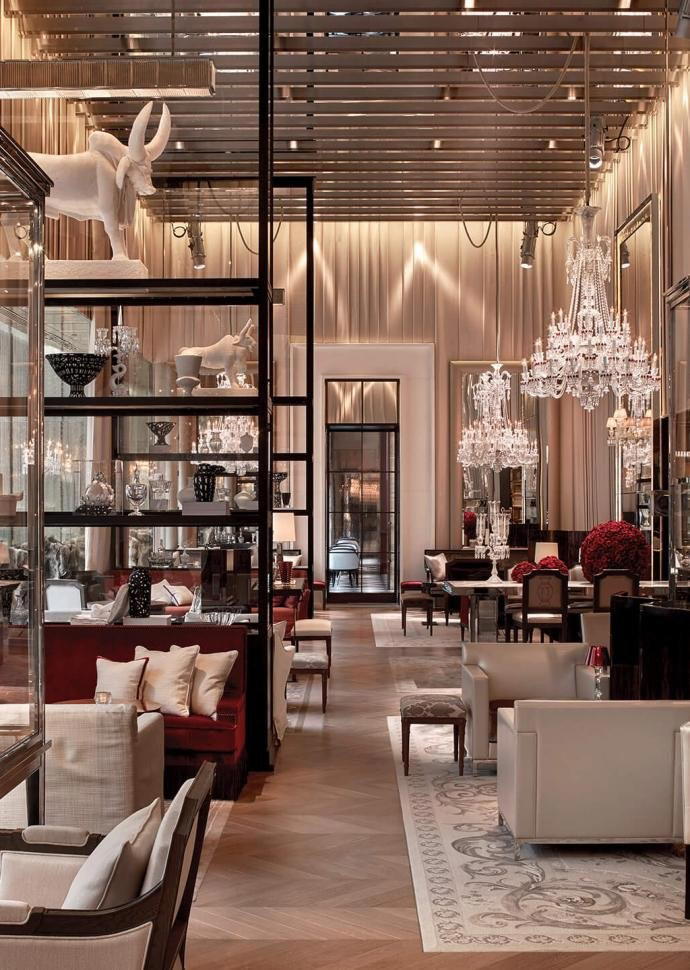
The room operates in Midtown Manhattan's business-dining mode: comfortable, conversation-friendly, and anchored by a fish counter that signals the kitchen's priorities. It does not chase theatrical design or chef-driven experimentation. The spatial logic follows the Greek seafood-house tradition, where the display of whole fish does the talking before any menu arrives.
Does Avra 48th Street suit a business dinner focused on Greek seafood rather than a chef-driven tasting menu?
The Hellenic taverna format at Avra 48th Street is structurally well-matched to business dining in Midtown New York City. The menu is legible without explanation, portion-sharing is built into how Greek seafood houses operate, and the room at 141 E 48th St is calibrated for conversation rather than performance. For clients who want serious seafood without a tasting-menu itinerary, this format removes friction from the table.
What's the must-try dish at Avra 48th Street?
The whole-fish format is the structural centre of the Greek seafood-house tradition, and Avra 48th Street operates within that framework. In restaurants of this type, the fish display is where sourcing decisions are made visible, and ordering from it is how you engage with the kitchen's actual strengths. Side dishes and mezze fill the table, but the whole fish is the focal point of the format.
Where do I go for Avra 48th Street?
Avra 48th Street is located at 141 E 48th St, New York, NY 10017, New York City.
The Essentials
Comparable venues nearby, for context on price, style, and recognition.
| Venue | Cuisine | Price | Awards | Notes |
|---|---|---|---|---|
| Avra 48th StreetThis venue (the venue you are viewing) | Refined Greek Seafood | $50–100 | Not listed | Not listed |
| estiatorio Milos Hudson Yards | Greek Mediterranean Seafood | $100–150 | Not listed | Chelsea-Hudson Yards, Greek Mediterranean Seafood |
| Pappas New York | Modern Greek Seafood | $50–100 | Not listed | Greenwich Village, Modern Greek Seafood |
| Kellari Taverna | Authentic Greek Seafood Taverna | $50–100 | Not listed | Midtown-Times Square, Authentic Greek Seafood Taverna |
| Skinos | Modern Greek | Not listed | Not listed | Financial District-Battery Park City, Modern Greek |
| Majorelle | French Mediterranean with Moroccan Influences | $150–200 | Wine Spectator Award of Excellence | Upper East Side-Carnegie Hill, French Mediterranean with Moroccan Influences |
Continue exploring
More in New York City
Restaurants in New York City
All restaurants in New York City →
Bars in New York City
All bars in New York City →





Details
- Romantic
- Elegant
- Sophisticated
- Date Night
- Special Occasion
- Business Dinner
- Private Dining
- Extensive Wine List
- Sustainable Seafood
- A La Carte
- Vegetarian Friendly
- Vegan Options
- Gluten Free Options
Current opening hours
- Monday
- 11:45 AM–12 AM
- Tuesday
- 11:45 AM–12 AM
- Wednesday
- 11:45 AM–12 AM
- Thursday
- 11:45 AM–12 AM
- Friday
- 11:45 AM–12 AM
- Saturday
- 11:45 AM–12 AM
- Sunday
- 11:45 AM–12 AM
Hours can change for holidays and private events. Hours as of .
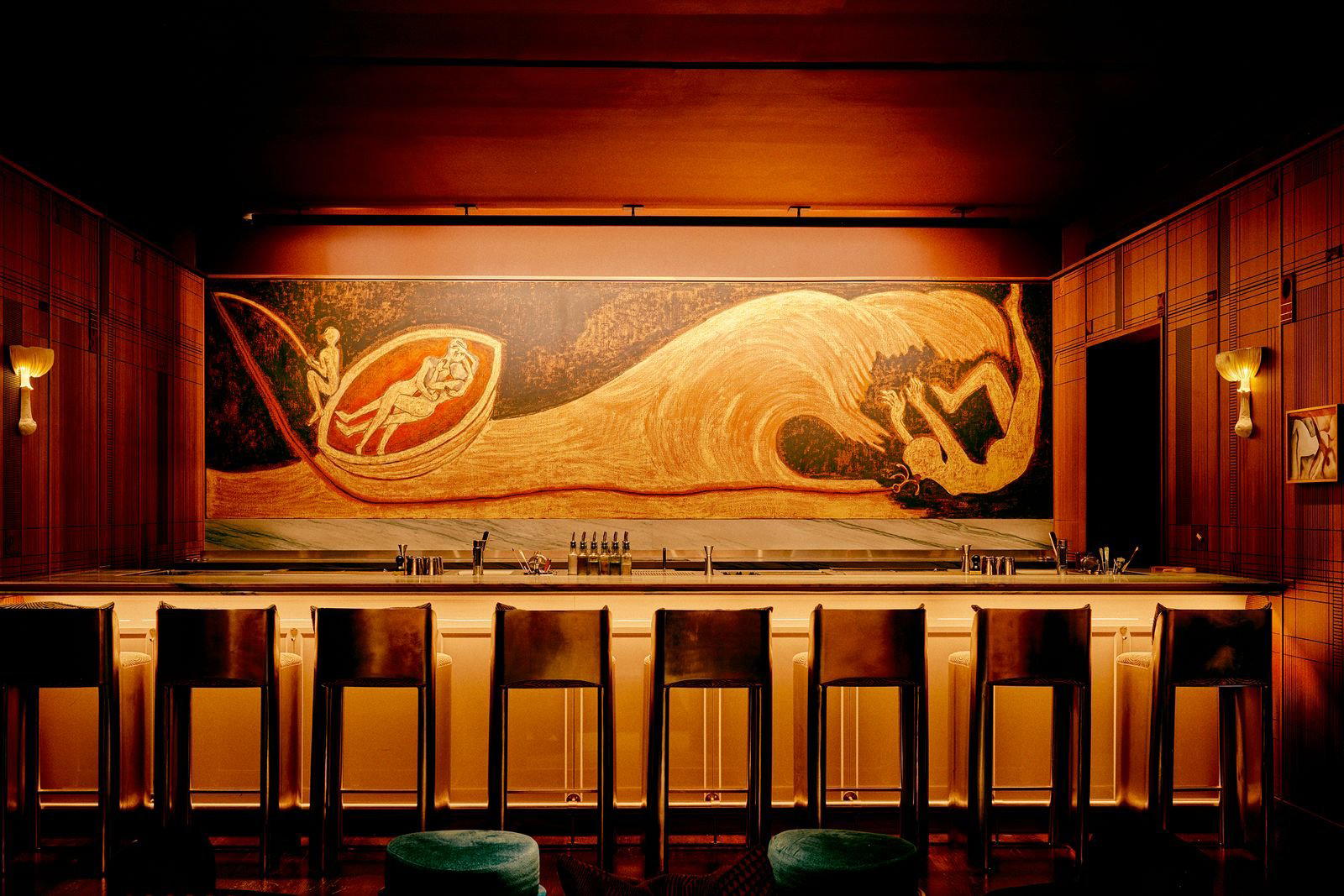
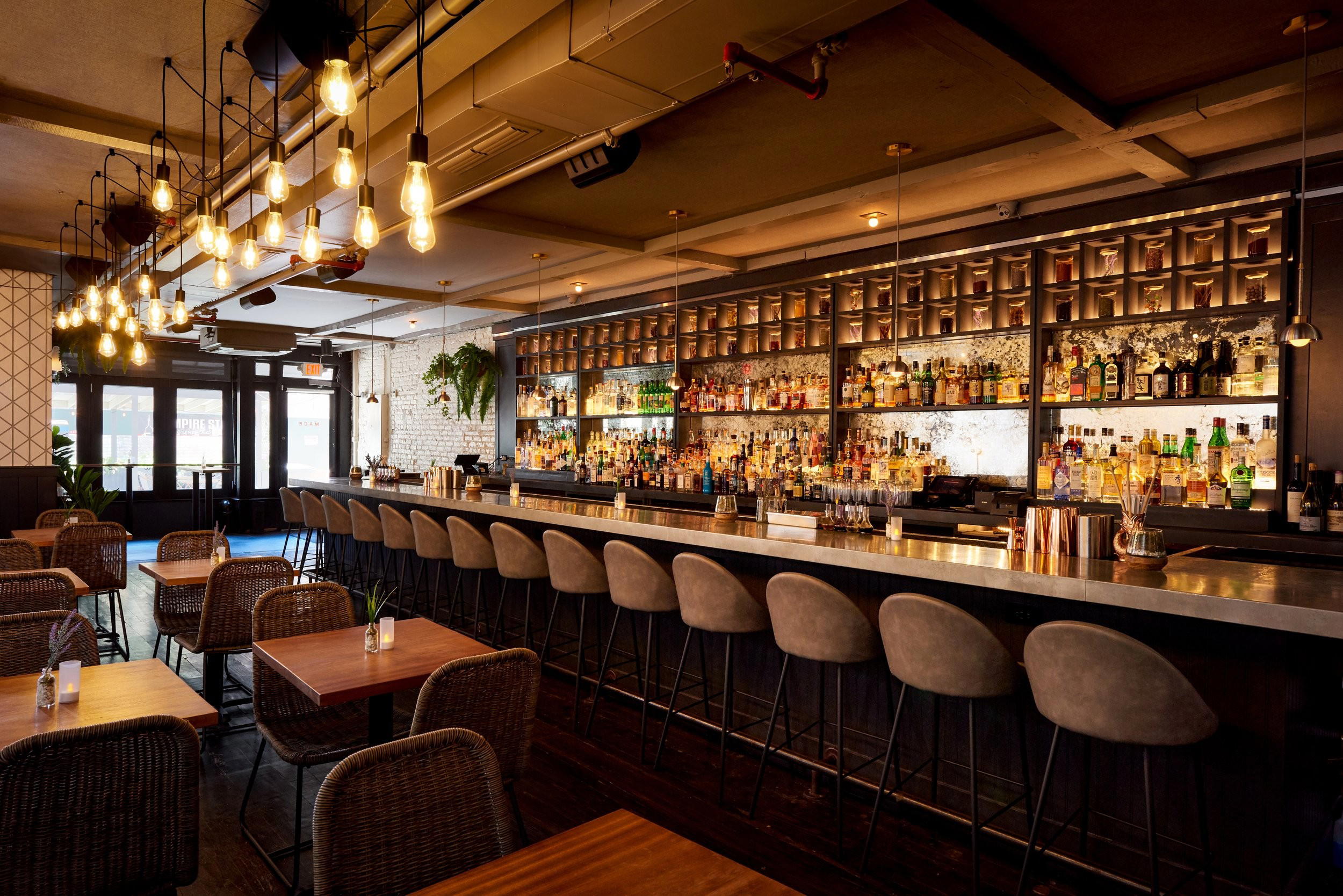
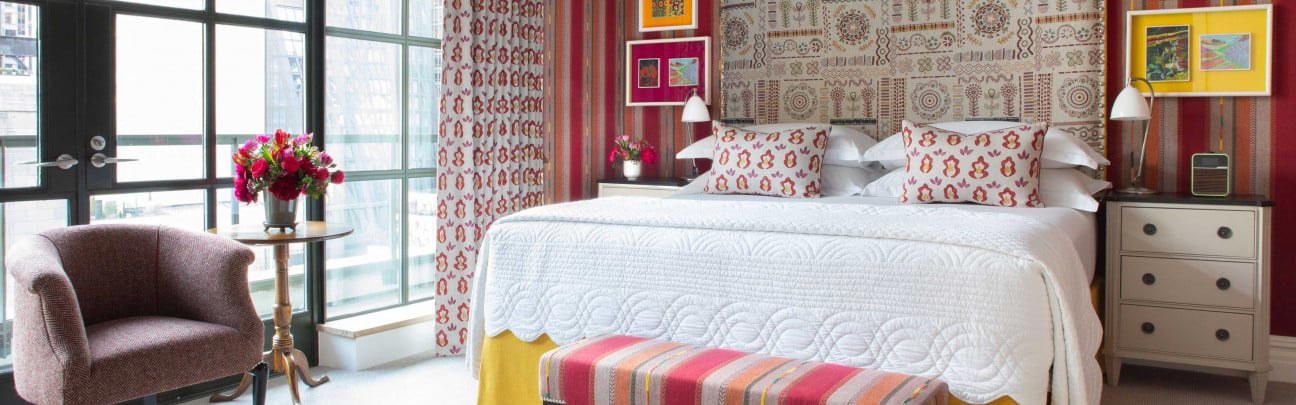
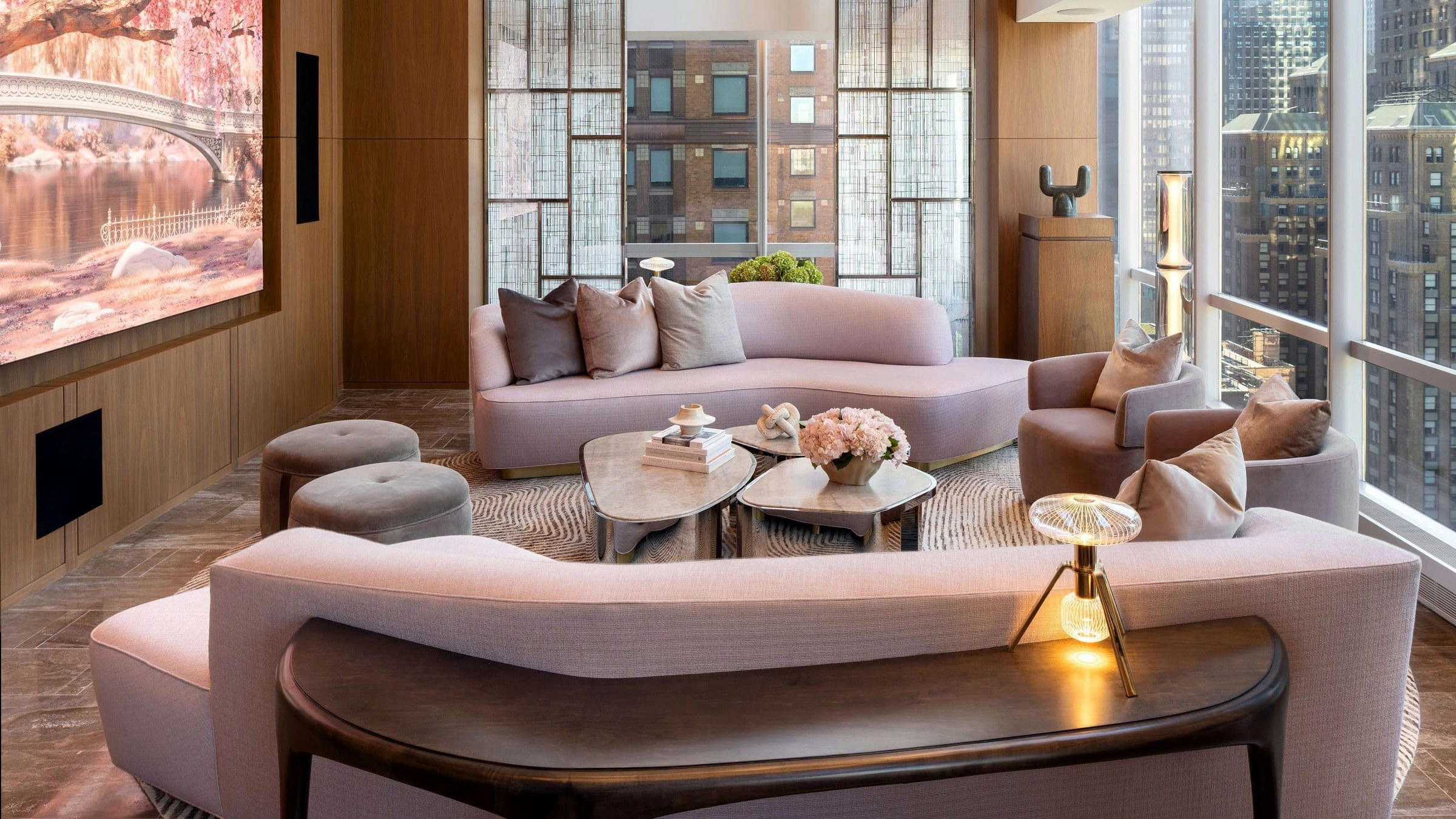
Warm, elegant ambiance with dim lighting, white color scheme evoking a serene Greek courtyard, wood-themed décor, and energetic noise level.