Majorelle

Majorelle occupies a quietly significant address on East 63rd Street in Manhattan's Upper East Side, a stretch where formal dining rooms and hotel dining have long competed for a sophisticated, unhurried clientele. The restaurant sits in a neighbourhood defined by discretion rather than spectacle, and its evolution over time reflects broader shifts in how New York's premium dining tier has repositioned itself across decades.
Pearl is the En Primeur Club membership app — saves, bookings, and concierge access live there. Same editors, same standards.
- Address
- 28 E 63rd St, New York, NY 10065
- Phone
- +12129352888
- Website
- lowellhotel.com
- Directions
- Get directions
 Saves & bookings on Pearl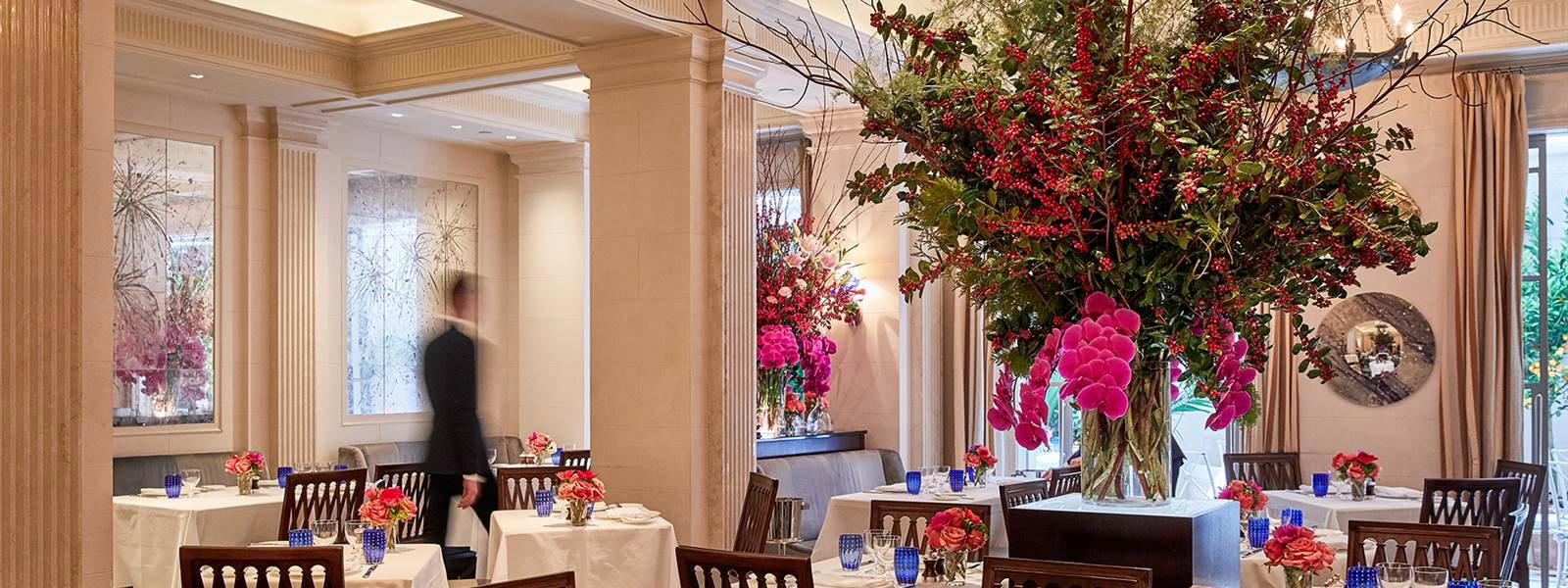
A Room That Has Earned Its Address
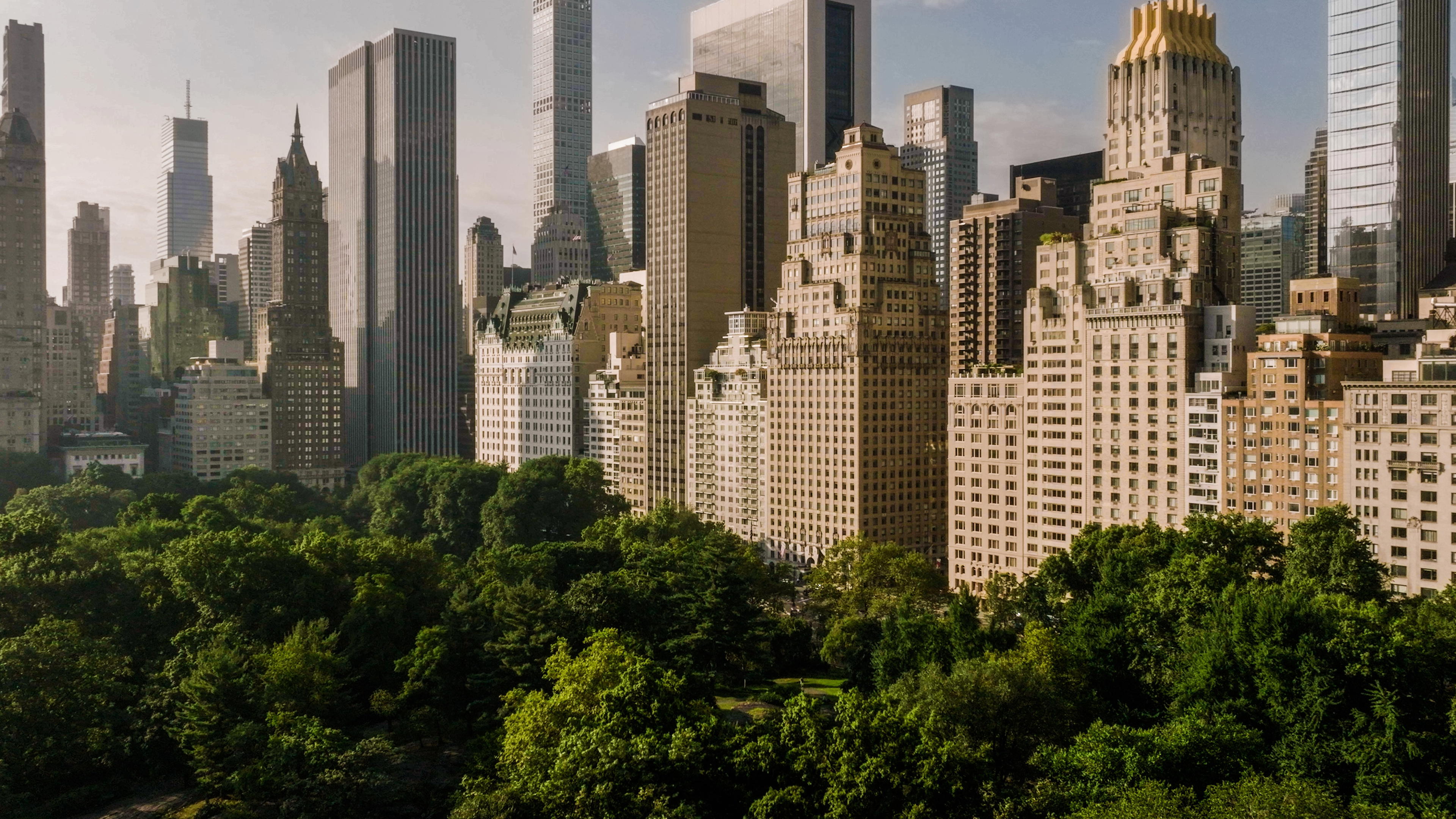
East 63rd Street between Madison and Park is not a block that announces itself. There are no queues, no neon, no algorithmic buzz. The Upper East Side's dining identity has always operated on different terms from downtown or Midtown's trophy-restaurant corridors, and Majorelle, at 28 East 63rd Street, sits inside that quieter tradition. In a city where premium dining is increasingly synonymous with visibility and social-media-ready interiors, the neighbourhood itself sets a tone: this is a room for people who already know where they are going.
That distinction matters more now than it did a decade ago. New York's upper tier of restaurants has fractured into recognisable sub-categories: the high-concept tasting-menu format (as practised at Atomix and Jungsik New York), the legacy grand-dining room (see Le Bernardin and Per Se), and a smaller, harder-to-classify category of address-driven restaurants where the room's history does as much work as the kitchen. Majorelle occupies territory adjacent to that last category, on a street where the assumption of quality is built into the postal code.
How the Upper East Side Dining Room Has Changed
To understand where Majorelle sits today, it helps to trace what has happened to Upper East Side fine dining as a format. Through the 1990s and into the early 2000s, this part of Manhattan sustained a particular style of restaurant: clubby, formal, menu-driven rather than concept-driven, oriented toward a regular clientele rather than destination diners. The model relied on proximity to old-money residential blocks and the steady appetite of gallery owners, foundation directors, and visiting Europeans who preferred dining rooms that did not require a media strategy to understand.
That model has been under pressure since roughly 2010. The rise of the tasting-menu format as the dominant prestige signal in American fine dining, visible across cities from Chicago (Alinea) to San Francisco (Lazy Bear) to Healdsburg (Single Thread Farm), shifted how critics and diners evaluate ambition. A fixed, multi-course format with a single nightly seating became shorthand for seriousness. Restaurants that maintained à la carte menus in formal rooms found themselves read as conservative rather than confident, regardless of kitchen quality.
Upper East Side addresses have responded to this shift in different ways. Some closed. Some pivoted to more casual formats to capture a younger neighbourhood demographic. A smaller number held their position and let the cycle turn back toward them, banking on the durability of the formal dining-room experience at a moment when reaction against maximalist tasting menus is beginning to surface among the same critics who championed them. Majorelle's address places it inside this longer arc.
The Scene at 28 East 63rd
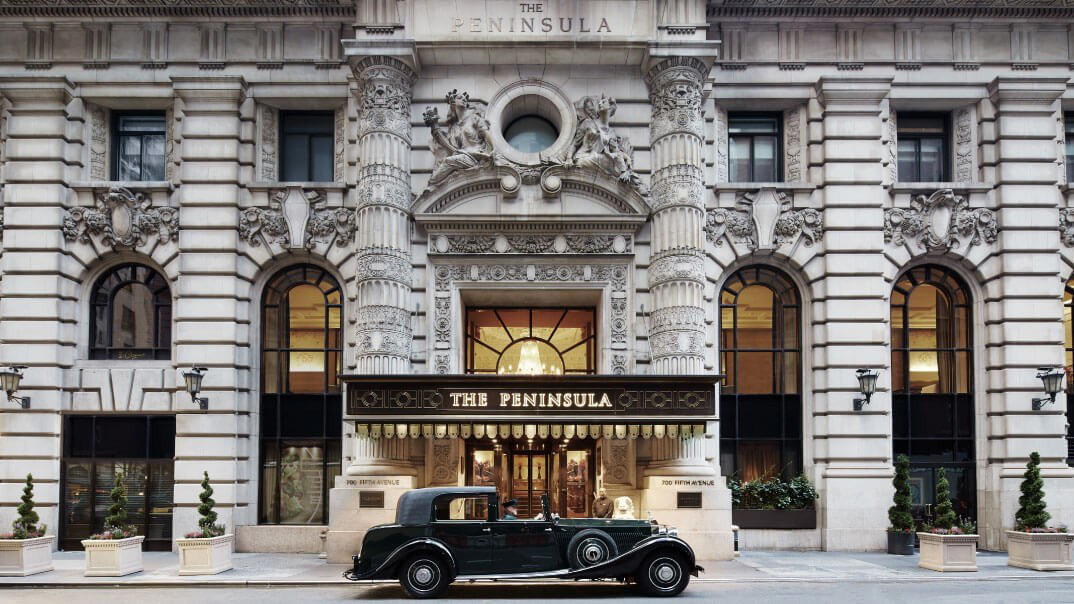
The physical experience of arriving at this address operates differently from the standard Manhattan restaurant approach. There is no industrial-chic conversion, no rooftop bar visible from the street, no design gesture aimed at stopping foot traffic. The Upper East Side's dining rooms have historically communicated through restraint, and that approach reads differently now than it did in 2004. What once signalled conservatism now signals a kind of confidence: a room that does not need to perform for the street.
Comparable rooms in other American cities, including The Inn at Little Washington, Addison in San Diego, and Bacchanalia in Atlanta, have demonstrated that address-driven formal dining can sustain critical and commercial relevance when the kitchen and service maintain discipline across a long operational period. The benchmark for longevity at this level is set by rooms like The French Laundry in Napa and, internationally, by Alain Ducasse at Louis XV in Monte Carlo, where the dining room itself carries part of the critical weight.
Positioning Within the New York Premium Tier
New York's upper-end restaurant market is one of the few in the world where multiple formats and price points can coexist at the premium level without cannibalising each other. The sushi counter (Masa), the French grand-dining room (Le Bernardin), the farm-to-table destination (Blue Hill at Stone Barns in nearby Tarrytown), and the address-defined Upper East Side room all attract distinct but overlapping clienteles. Majorelle's position on East 63rd places it in competitive conversation with rooms that serve a resident and repeat-visitor base rather than primarily a destination-diner market.
That distinction has commercial and experiential consequences. Rooms oriented toward repeat visitors tend to invest differently in the dining experience: more attention to the wine programme's depth over time, greater flexibility in service pacing, and a kitchen calibrated to consistency rather than the single-occasion theatrical peak that tasting-menu formats optimise for. Whether Majorelle deploys those advantages is a function of kitchen leadership and front-of-house discipline that the current record does not yet allow a definitive verdict on, but the structural conditions of the address favour that approach.
For context on how comparable restaurants have evolved in other American cities, Emeril's in New Orleans and Providence in Los Angeles both offer instructive cases of premium rooms navigating the pressure to reinvent without abandoning the service and menu depth that built their reputations.
Know Before You Go
- Address: 28 E 63rd St, New York, NY 10065
- Neighbourhood: Upper East Side, Manhattan
- Nearest transit: Lexington Av/63 St station (F, Q lines); 5 Av/59 St station (N, W, R lines)
- Pricing: $155 per person
- Reservations: Recommended
- Dress code: Smart casual
Nearby-ish Comparables
Comparable venues nearby, for context on price, style, and recognition.
| Venue | Cuisine | Price | Notes |
|---|---|---|---|
| MajorelleThis venue — the venue you are viewing | French Mediterranean with Moroccan Influences | $$$$ | Not listed |
| La Goulue New York | Classic French Bistro | $$$$ | Upper East Side-Carnegie Hill |
| Drai's Supper Club | French-American Fine Dining | $$$$ | Chelsea-Hudson Yards |
| L'Atelier de Joël Robuchon | Modern French Fine Dining | $$$$ | Chelsea-Hudson Yards |
| Terrace | Modern French-American Brasserie | $$$$ | Hell's Kitchen |
| Maison Harlem | French Bistro | $$$ | Manhattanville-West Harlem |
Recognition history
Dated appearances from independent guides and award organizations, with the underlying list record or original source where available.
Wine Spectator Award of Excellence
Wine Spectator
Continue exploring
More in New York City
Restaurants in New York City
Browse all →
Bars in New York City
Browse all →
Hotels in New York City
Browse all →





At a Glance
- Elegant
- Romantic
- Sophisticated
- Scenic
- Date Night
- Special Occasion
- Business Dinner
- Celebration
- Garden
- Hotel Restaurant
- Private Dining
- Terrace
- Extensive Wine List
- Craft Cocktails
- Sommelier Led
- Local Sourcing
- Garden
Current opening hours
- Monday
- 5–10:30 PM
- Tuesday
- 5–10:30 PM
- Wednesday
- 12–4:30 PM, 5–10:30 PM
- Thursday
- 12–4:30 PM, 5–10:30 PM
- Friday
- 12–4:30 PM, 5–10:30 PM
- Saturday
- 12–4:30 PM, 5–10:30 PM
- Sunday
- 1–6 PM
Hours can change for holidays and private events. Last verified .
Bathed in natural light with gentle trickling water from illuminated fountains, the dining room features Botticini and Carrera marble, vaulted wood-arched ceilings, and large seasonal floral arrangements creating an airy, luxurious yet welcoming atmosphere.