Our verdict
Situated on Keskustori, Seinäjoki's central market square, Juurella occupies a position that says something about the restaurant's relationship to place. In a Finnish provincial city better known for its Alvar Aalto architecture than its dining scene, Juurella represents the kind of address where ingredient provenance and regional identity carry more weight than metropolitan trend-chasing.

Pearl is the En Primeur Club membership app, where members save venues, book tables and use the concierge.
Central Square, Provincial Ambitions
Seinäjoki is not a city that announces itself through its food. The South Ostrobothnian capital draws visitors for its Alvar Aalto civic centre, its summer festivals, and its flat, agricultural hinterland rather than for any particular dining culture. That context matters when reading Juurella, which sits at Keskustori 1, directly on the central market square. The address is deliberate: market squares in Finnish provincial cities are where produce, community, and commerce historically converged, and a restaurant planted at that intersection makes a statement about where its priorities lie.
The name itself signals the frame. Juurella translates broadly to "at the root" or "at the base" in Finnish, a linguistic cue that points toward the sourcing philosophy embedded in the restaurant's identity before a single dish arrives at the table. In a period when Nordic restaurants from Palace in Helsinki to Kaskis in Turku have built reputations on the credibility of their supply chains, a provincial address like Seinäjoki carries a structural advantage: the agricultural land is close, the producers are accessible, and the distance from ingredient to plate is measurable in kilometres rather than supply-chain abstraction.
What Ostrobothnia Puts on the Table
South Ostrobothnia is one of Finland's most productive agricultural regions. The flat river plains around Seinäjoki support cereal crops, root vegetables, and livestock farming at a scale that makes the surrounding countryside a genuine larder rather than a marketing metaphor. Finnish restaurants that build sourcing programs around regional terroir frequently look to this part of the country for grains, dairy, and seasonal produce that carry a geographic specificity absent from more generic Nordic supply chains.
This matters editorially because ingredient-led cooking in provincial settings operates under different pressures than the same approach in Helsinki or Turku. Urban fine-dining kitchens can draw from multiple suppliers across the country and calibrate their menus around consistent luxury inputs. A restaurant at a Seinäjoki market square is more exposed to seasonal reality and local availability, which tends to produce menus that shift more honestly with the calendar. The Finnish culinary tradition that runs through venues like VÅR in Porvoo and Bistro Henriks in Tampere shares this orientation toward place-specific produce, though the expression varies considerably by region and format.
In the far north, at restaurants like Hai Long in Rovaniemi or Laanilan Kievari in Saariselka, the sourcing conversation centres on reindeer, Arctic fish, and foraged ingredients from Lappish wilderness. In eastern Finland, at Filipof in Joensuu, the Karelian larder shapes the menu. Ostrobothnia offers a different register entirely: cultivated rather than wild, agricultural rather than forested, with a tradition of hearty farmhouse cooking that a restaurant can either honour directly or use as a foundation to build something more considered.
Reading the Room: Seinäjoki's Dining Position
Provincial Finnish dining has undergone a quiet shift over the past decade. Cities outside the Helsinki metropolitan area have developed restaurants capable of competing on ingredient quality and kitchen ambition with their urban counterparts, even when they lack the critical mass of food media attention that drives national reputation. Figaro in Jyväskylä, Hejm in Vaasa, and Vino in Mikkeli each illustrate how regional cities have developed anchor restaurants that set the tone for local dining without replicating Helsinki formats.
Seinäjoki sits in that broader pattern. The city's population supports a dining scene that skews toward casual formats, but there is appetite for something more considered among the business and cultural visitors who pass through for festivals and events. A restaurant at the market square occupies the natural position for that audience: visible, accessible, and legible as the place a first-time visitor would go when they want to eat well without needing insider knowledge of a back-street address.
For comparison, Gösta in Mänttä demonstrates how a small Finnish city can sustain a restaurant of serious ambition when the surrounding cultural context (in that case, the Gösta Serlachius Museum) provides a visitor base. Seinäjoki's equivalent is its summer festival calendar, particularly Provinssirock and Tangomarkkinat, which draw significant visitor numbers and create seasonal demand that supports a more ambitious kitchen than the resident population alone might sustain.
The Sourcing Argument in Practice
Across Finnish restaurants that have built reputations around regional sourcing, from the tasting menus at Mikko Utter in Lohja to the more accessible formats at Vintti in Hämeenlinna, the credibility of the sourcing claim depends on specificity. Generic Nordic provenance language has become sufficiently widespread to carry little weight on its own. What distinguishes genuine ingredient-led kitchens is the degree to which the sourcing shapes the menu structure rather than simply appearing as a footnote to it.
A restaurant named for roots, sitting on a market square in the middle of one of Finland's most productive agricultural regions, has the geographic conditions to make that argument concretely. Whether those conditions are being fully realised is a question that requires visiting the table. What the address and the name confirm is that the positioning is intentional and the context is genuine.
For readers planning a broader circuit of Finnish regional dining, Seinäjoki works logically as part of a route that includes Hejm in Vaasa to the west and Figaro in Jyväskylä to the east. Train connections from Helsinki reach Seinäjoki in approximately two and a half hours, making a day trip feasible, though the festival calendar makes overnight stays worth planning around. Booking ahead is advisable during peak summer periods when hotel and restaurant capacity across the city tightens considerably. See our full Seinäjoki restaurants guide for broader context on the city's dining options.
For those whose frame of reference for ingredient-led fine dining runs to the tasting-menu formats of Le Bernardin in New York or the precision kitchen work at Atomix, a Seinäjoki market-square restaurant represents a different proposition: regional specificity over cosmopolitan technique, proximity to source over access to luxury inputs. Neither is a lesser version of the other. They are answering different questions about what a restaurant is for. Juurella, by its name and its address, has chosen its question clearly.
Planning Your Visit
Juurella is located at Keskustori 1 in central Seinäjoki, on the main market square and within walking distance of the city's train station and major hotels. For current hours, reservation options, and menu details, checking directly through the restaurant's current contact channels is advised, as operational specifics are subject to change particularly around the city's major festival periods in summer. Visitors arriving during Tangomarkkinat in July or Provinssirock in June should anticipate compressed availability across the city's better restaurants and plan accordingly.
Frequently asked questions
Is Juurella suitable for children?
Nothing in Juurella's positioning at Keskustori 1 rules out families, but its focus on regional Finnish produce and a deliberate dining approach suggests the experience is calibrated for adults rather than young children. Parents visiting Seinäjoki with older children who eat adventurously should be fine; those with toddlers may find the format less accommodating. check the venue's official channels to confirm before booking.
How would you describe the vibe at Juurella?
Juurella occupies a central address on Seinäjoki's main market square, which gives it a civic presence unusual for a provincial Finnish restaurant. The approach to regional South Ostrobothnian sourcing signals a considered, ingredient-led atmosphere rather than a casual drop-in one. Think focused and unhurried rather than lively or festive.
Is Juurella the right choice for a business dinner in Seinäjoki?
For business dining in Seinäjoki, Juurella's address at Keskustori 1, the city's main civic square, carries practical weight: it is central, recognisable, and within walking distance of the train station. The restaurant's regional sourcing ethos gives a dinner there a coherent talking point, which tends to serve professional contexts well.
What's the must-try dish at Juurella?
What is consistent with the restaurant's identity is a focus on South Ostrobothnian agricultural produce: cereal crops, root vegetables, and locally raised proteins from the flat river plains around Seinäjoki. Dishes built around these ingredients are likely the most representative of what the kitchen is doing.
Where do I go for Juurella?
Juurella is located at Keskustori 1, 60100 Seinäjoki, Finland, Seinajoki.
Do they take walk-ins at Juurella?
Given its location on Seinäjoki's central Keskustori and its positioning as a regionally focused restaurant, demand on weekends may limit walk-in availability. Reaching out in advance is the prudent approach for anyone visiting with a fixed itinerary.
Fast Comparison
Comparable venues nearby, for context on price, style, and recognition.
| Venue | Cuisine | Price | Awards | Notes |
|---|---|---|---|---|
| JuurellaThis venue (the venue you are viewing) | Seasonal Scandinavian Fine Dining | $50–100 | Not listed | Not listed |
| Apaja | Seasonal Scandinavian Fine Dining | $50–100 | Not listed | Tammela |
| Ravintola Heinätori | Traditional Finnish Fine Dining | $50–100 | Not listed | Pyynikki |
| Elite | Classic Finnish with French influences | $50–100 | White Guide Nordic Restaurants - Fine Level | Taka-Toolo |
| LiV | French-Italian Fine Dining Bistro | $50–100 | Not listed | Laukontori |
| Laanilan Kievari | Scandinavian Lappish with French influences | $50–100 | Not listed | Saariselka |
Details
- Cozy
- Intimate
- Elegant
- Modern
- Date Night
- Special Occasion
- Business Dinner
- Open Kitchen
- Extensive Wine List
- Local Sourcing
- Farm To Table
- Street Scene
- Tasting Menu
- Vegetarian Friendly
- Vegan Options
Current opening hours
- Monday
- Closed
- Tuesday
- Closed
- Wednesday
- 4–11 PM
- Thursday
- 4–11 PM
- Friday
- 4–11 PM
- Saturday
- 3–11 PM
- Sunday
- Closed
Hours can change for holidays and private events. Hours as of .
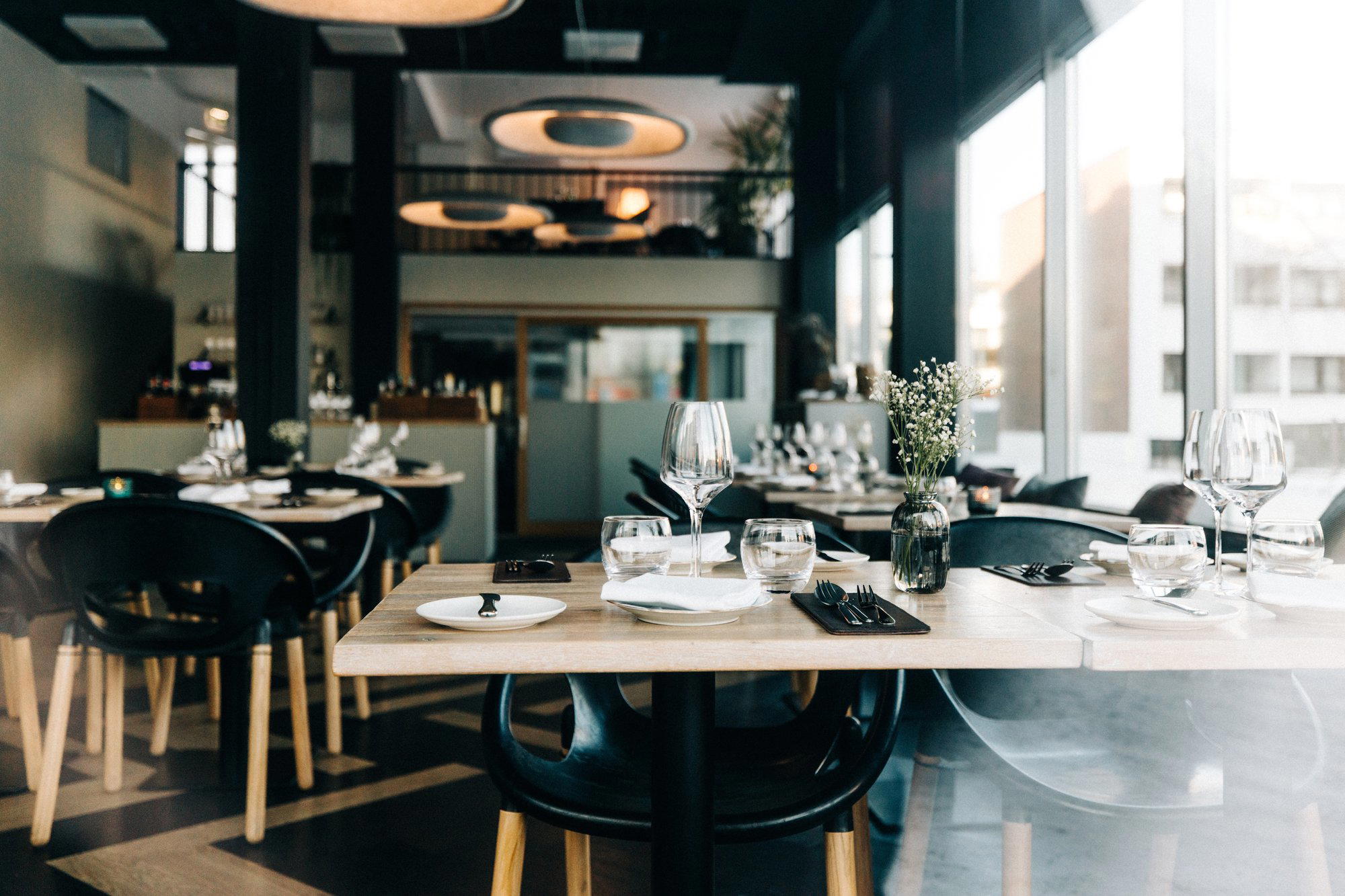
Tunnelmallinen (atmospheric) with stylish interior design, cozy lighting, and a relaxing flow that emphasizes personal, caring service.