Bar Tako
Bar Tako occupies a specific niche in San Jose's downtown dining scene, pairing a raw bar and robata grill with a drinks program built around tequila, mezcal, and Japanese whisky. The Mexican-Japanese concept is deliberately temporary in format, making it one of the more distinctly conceived concepts in the North San Pedro Street corridor. It reads as a confident experiment in cross-cultural cooking rather than a compromise.
Pearl is the En Primeur Club membership app — saves, bookings, and concierge access live there. Same editors, same standards.
- Address
- 17 N San Pedro St, San Jose, CA 95110
- Phone
- (408) 493-2722
- Website
- bartakosj.com
- Directions
- Get directions
 Saves & bookings on Pearl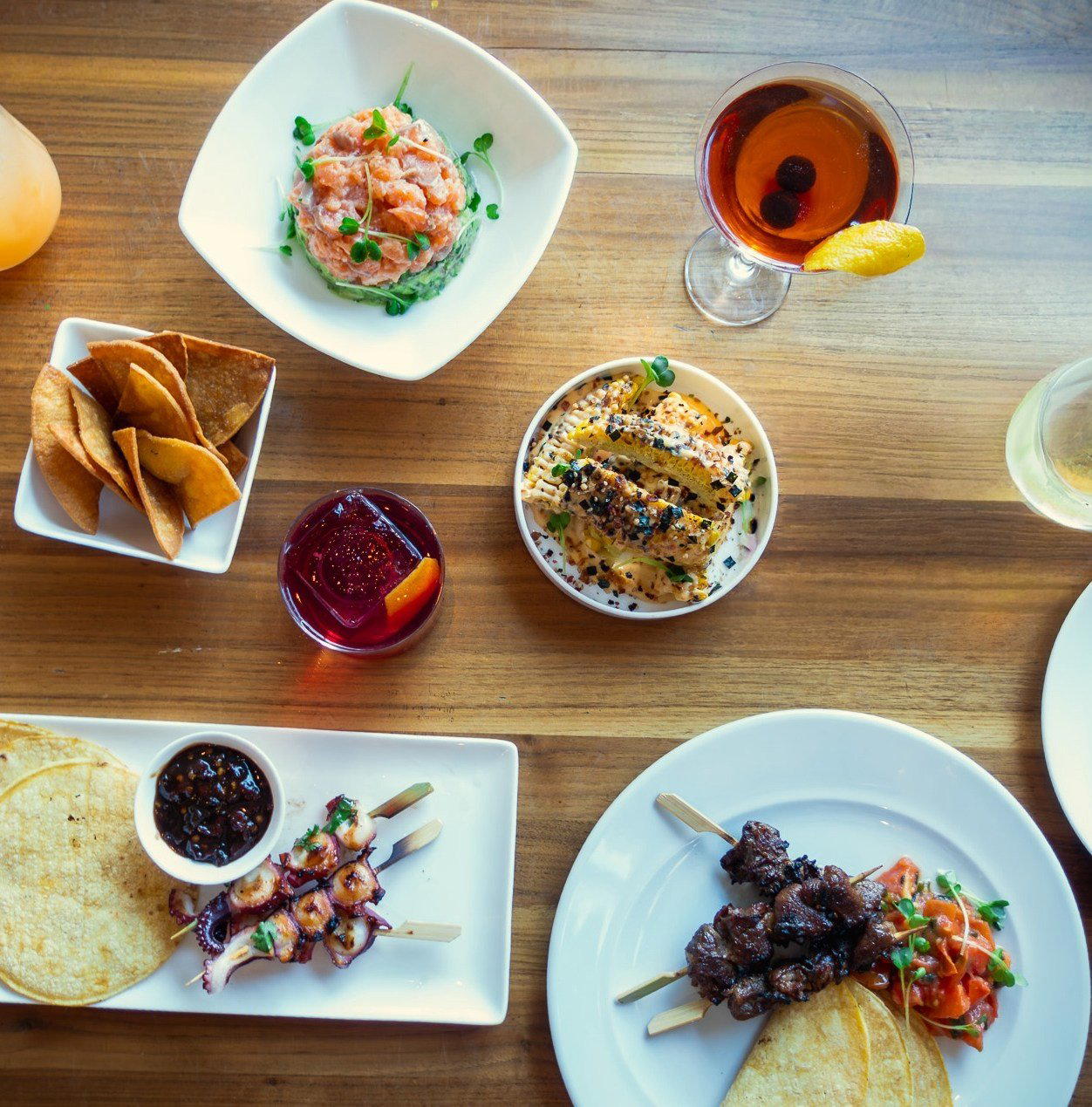
Where Two Culinary Traditions Meet Downtown San Jose
North San Pedro Street sits at the edge of San Jose's downtown core, a block that has gradually accumulated enough independent concepts to function as a loose dining corridor rather than a collection of isolated stops. The building at 17 N San Pedro positions Bar Tako within that context: a street-level space where the programming is Mexican-Japanese, the bar leans on tequila, mezcal, and Japanese whisky in equal measure, and the kitchen runs both a raw bar and a robata grill. That combination is not arbitrary. It reflects a wider pattern in American dining cities where chefs and operators are drawing explicit parallels between Japanese and Mexican culinary philosophy, particularly around raw preparations, smoke, and the structural role of acid and umami.
The Mexican-Japanese pairing has precedents in cities with deep Japanese-American communities: Los Angeles has explored it, and San Francisco venues like Lazy Bear have demonstrated an appetite for cross-cultural tasting formats. But those are cities with decades of culinary infrastructure behind them. San Jose's downtown dining scene is smaller and younger, which means a concept like Bar Tako carries more weight per square foot than it might elsewhere. It also means it faces less competition from direct peers, which gives it room to define its own register.
The Logic of Mexican-Japanese Cooking
The pairing of Mexican and Japanese culinary traditions is not a novelty act. Both kitchens share a structural commitment to freshness and texture contrast, a deep tradition of umami-forward seasoning, and an economy of preparation where technique serves the ingredient rather than obscuring it. The raw bar at Bar Tako aligns with that logic: crudo and aguachile formats, common in coastal Mexican cooking, have direct counterparts in Japanese sashimi and tataki preparations. The robata grill, a charcoal-based grilling method developed in northern Japan, maps naturally onto the Mexican tradition of open-fire cooking and the smoky register of mezcal.
That drinks program deserves particular attention because it is not a default arrangement. Tequila and mezcal are the obvious anchors for a Mexican-leaning kitchen, but the inclusion of Japanese whisky as a third category suggests the bar has been designed with genuine deliberateness. Japanese whisky, particularly expressions from distilleries following Scotch-style production methods adapted to local water and grain, tends toward restraint and integration rather than the bold proof-forward character of some American whiskeys. It is a spirit that pairs well with both the smoke of a robata grill and the salinity of a raw bar, which suggests the drinks list was composed with food pairing in mind rather than assembled for breadth alone.
For context on how raw-bar and grill formats operate at their most refined, Le Bernardin in New York City remains the reference point for seafood preparation at the highest level, while Providence in Los Angeles demonstrates how seafood-led menus can sustain formal recognition over time. Bar Tako operates at a different register and without formal awards, but the conceptual architecture of its menu draws on the same understanding that raw seafood preparation rewards restraint and that smoke and char are flavors to be deployed precisely, not liberally.
Bar Tako in San Jose's Broader Dining Scene
San Jose's restaurant scene has expanded considerably over the past decade, with the downtown corridor attracting concepts that would not have had a natural home there previously. The city now holds a credible range across price points and cuisines: Adega (Portuguese) operates at the top of the local fine-dining tier and has received Michelin recognition, representing what sustained culinary investment in San Jose can produce. At mid-range, places like Alma de Amón and Back A Yard Caribbean Grill demonstrate the city's appetite for cooking rooted in specific cultural traditions rather than generic American fare. Antipastos by DeRose and Augustine add further texture to a scene that is more varied than its national profile might suggest.
Bar Tako sits in that scene as a concept without direct local competition. Mexican restaurants in San Jose are plentiful; Japanese restaurants are well represented; but a concept that deliberately fuses both kitchen traditions around a raw bar and robata grill, anchored by a three-category spirits program, is a different thing. That specificity is the concept's clearest asset. For a broader map of where Bar Tako fits within the city's dining options, our full San Jose restaurants guide places it in context alongside the full range of the city's established venues.
The temporary framing of Bar Tako, described in its concept as a Mexican-Japanese format rather than a permanent institution, is worth taking seriously. Temporary or pop-up-adjacent concepts in American dining have historically been productive laboratories. Smyth in Chicago and Single Thread Farm in Healdsburg both demonstrate how deliberate formats, even those that began with a limited or experimental brief, can sustain critical momentum when the underlying culinary logic is coherent. Whether Bar Tako extends beyond its temporary brief depends on the reception it builds in the downtown market.
Planning Your Visit
Bar Tako is located at 17 N San Pedro St in downtown San Jose, within walking distance of the SAP Center and the Diridon transit hub, making it accessible from the broader South Bay without requiring a car. Given that the concept has a temporary designation and no published hours or booking system in the standard listings, arriving early in an evening service and confirming current operating days directly before visiting is advisable. The combination of a raw bar and a robata grill means the kitchen has two distinct temperature registers running simultaneously, which rewards ordering across both sections rather than defaulting to one format. The spirits program, spanning tequila, mezcal, and Japanese whisky, is designed to work alongside food rather than independently, so pairing drinks to specific courses is the more productive approach than treating them as a separate agenda.
How Bar Tako San Jose compares with similar nearby venues.
| Venue | Cuisine |
|---|---|
| Bar Tako | Temporary Mexican–Japanese (raw bar, robata grill, tequila/mezcal/Japanese whisky) |
Continue exploring
More in San Jose
Restaurants in San Jose
Browse all →
Bars in San Jose
Browse all →
Hotels in San Jose
Browse all →
At a Glance
- Trendy
- Lively
- Modern
- Group Dining
- Casual Hangout
- Celebration
- Open Kitchen
- Craft Cocktails
- Sake Program
Current opening hours
- Monday
- Closed
- Tuesday
- 12–9 PM
- Wednesday
- 12–9 PM
- Thursday
- 12–9 PM
- Friday
- 12–10 PM
- Saturday
- 12–10 PM
- Sunday
- 12–9 PM
Hours can change for holidays and private events. Last verified .
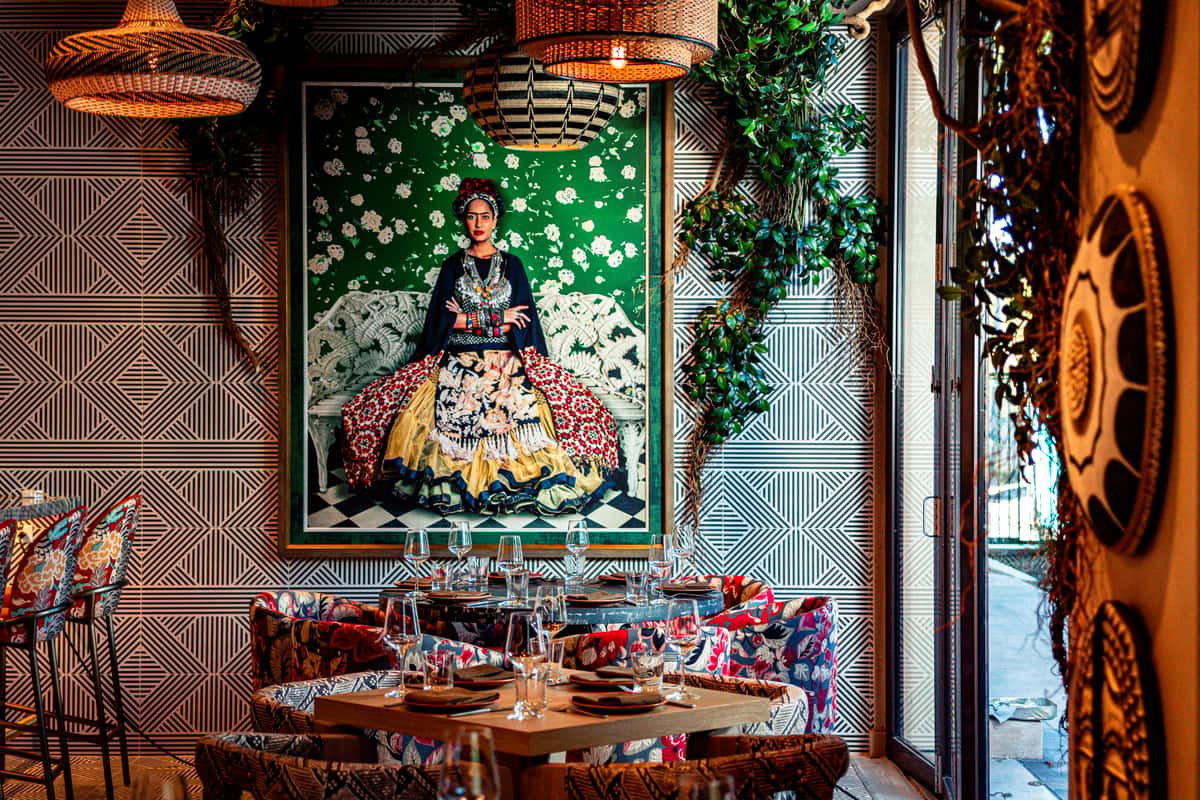
Lively atmosphere centered around a traditional robata grill with smoky, caramelized flavors and a dynamic raw bar.
Know Before You Go
- Getting there
- 17 N San Pedro St, San Jose, CA 95110