
1 Michelin Star
Our verdict
Inside a restored hunting lodge at Domaine du Roncemay, Erre delivers a surprise tasting menu that draws produce from the Camargue and Southern Europe and refines it through Nordic technique. Chef Clément Vergeat, formerly of Guy Savoy and Copenhagen's Kokkeriet, leads the kitchen, while pastry chef Marine Mateos manages both desserts and the dining room. The vaulted stone setting, overlooking a golf course, makes this one of Burgundy's more considered country dining destinations.

Pearl is the En Primeur Club membership app, where members save venues, book tables and use the concierge.
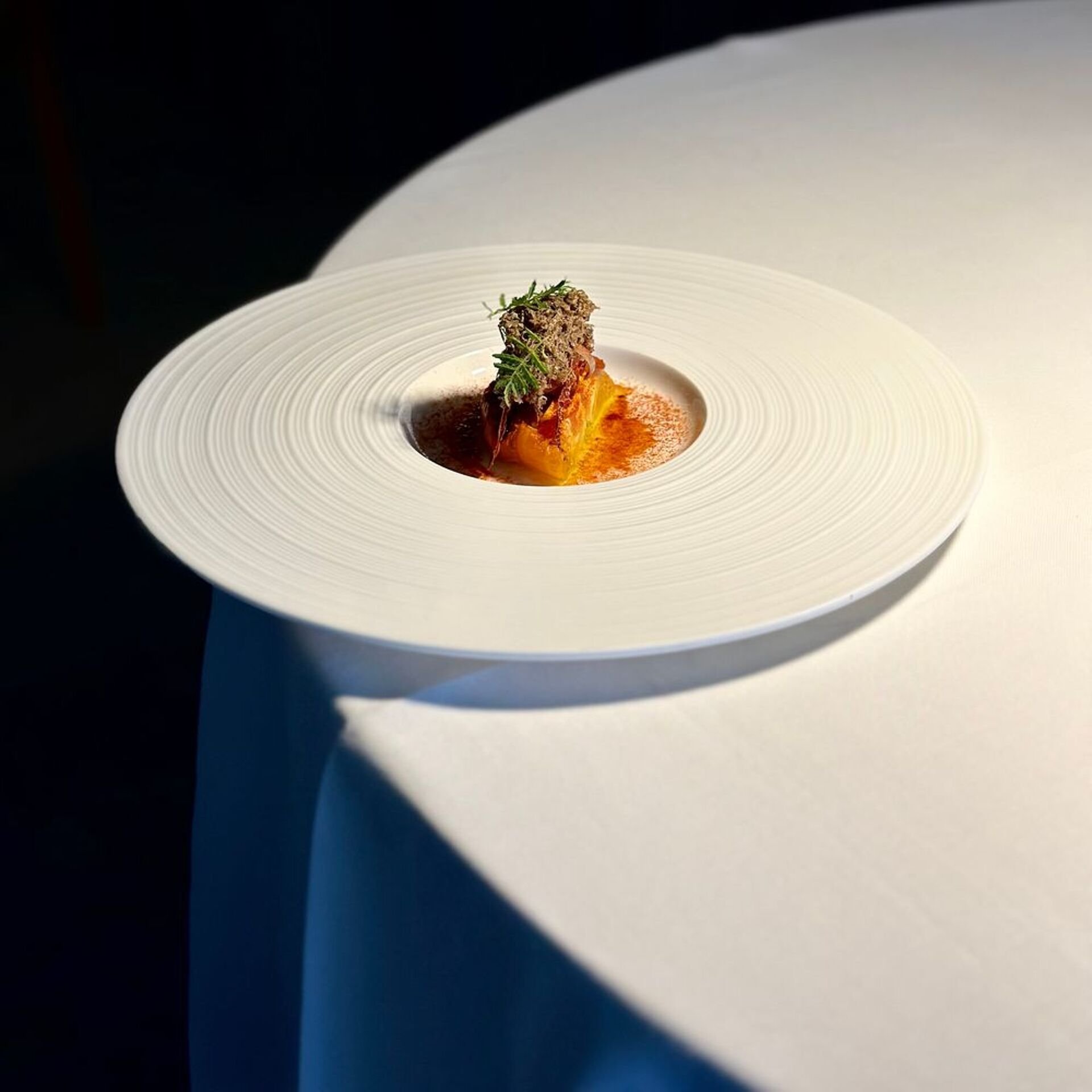
A Hunting Lodge Reimagined: The Setting at Domaine du Roncemay
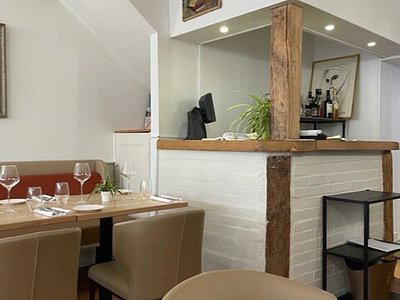
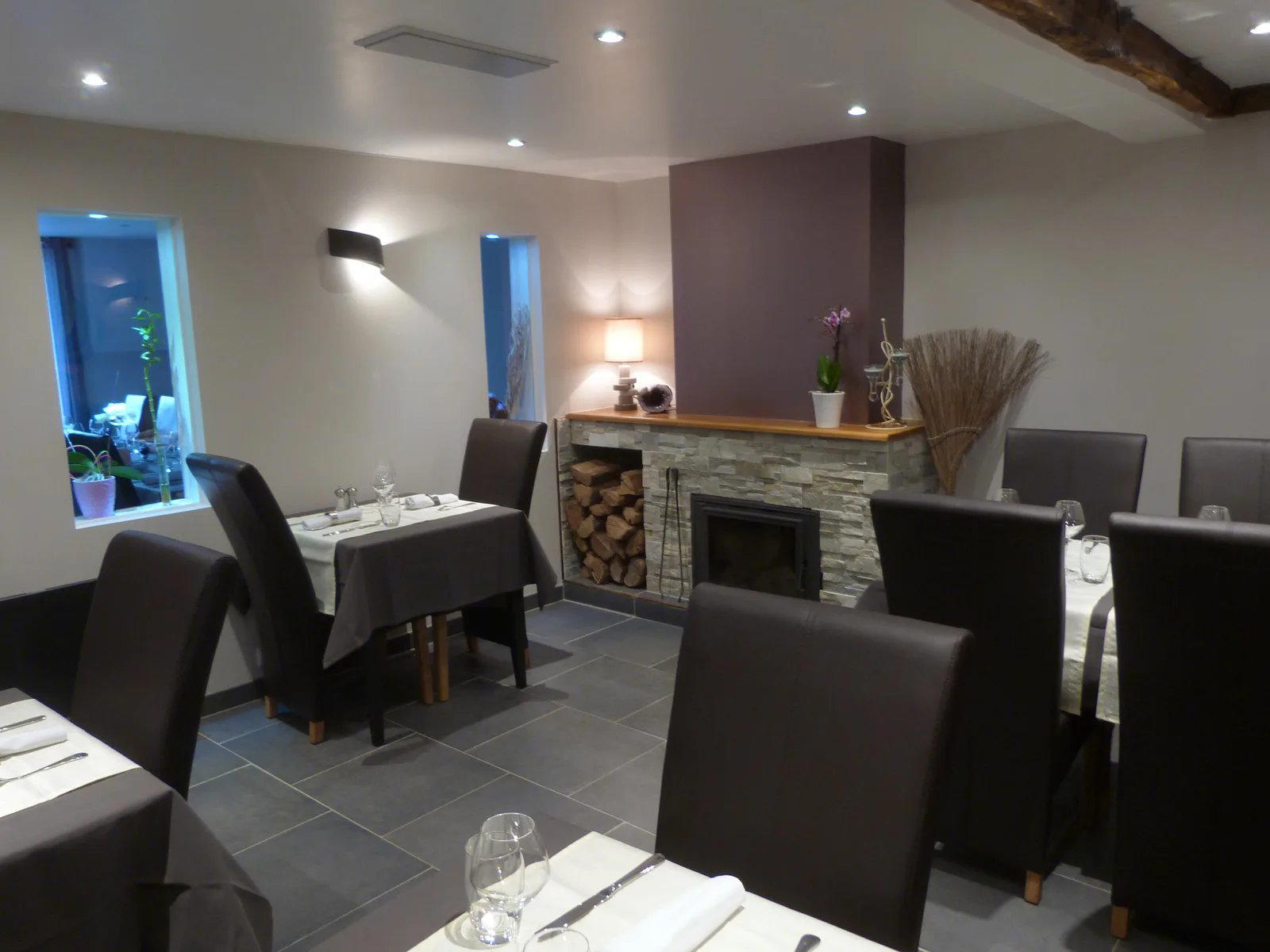
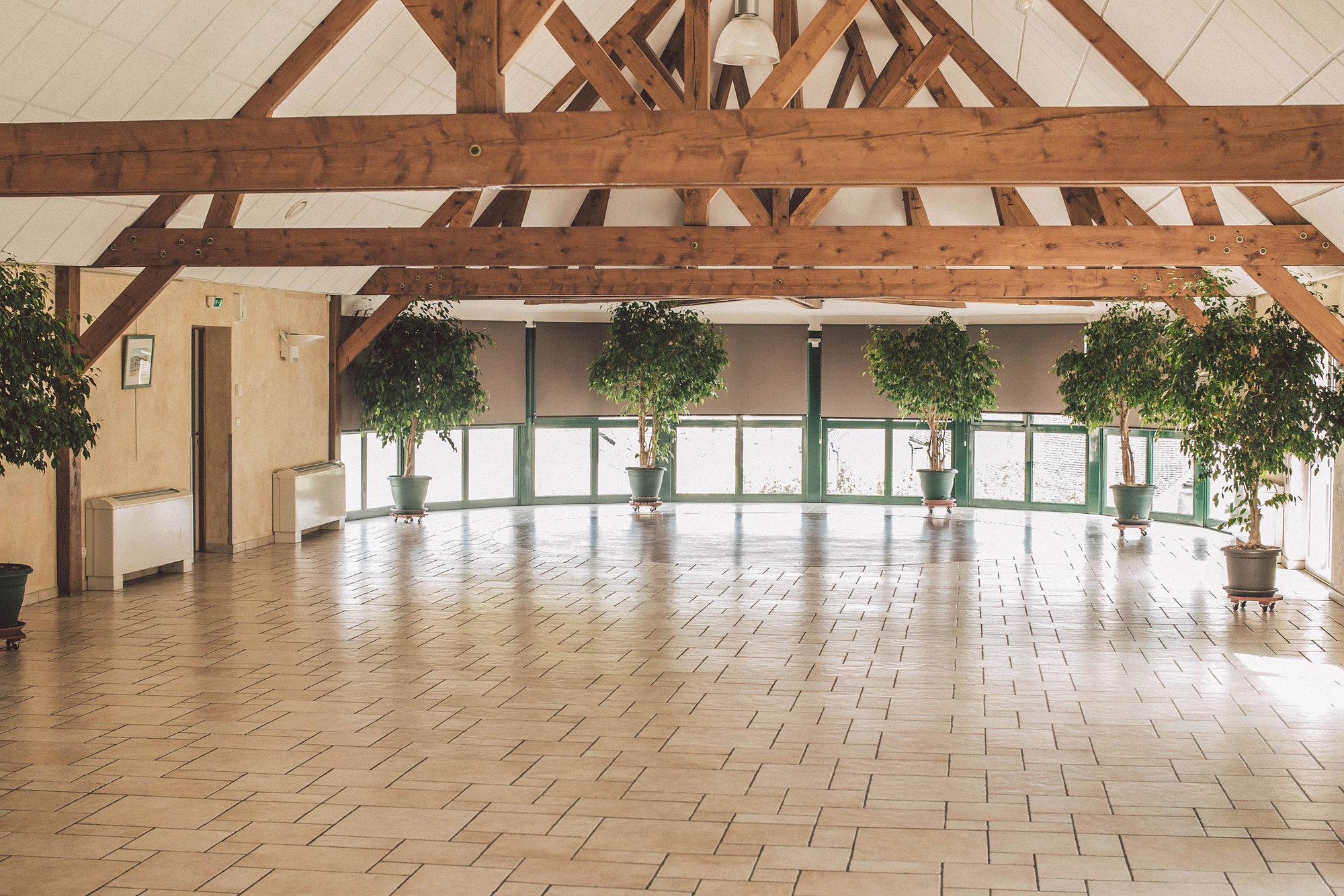
The approach to Domaine du Roncemay follows the logic of the French rural estate: long drive, open fields, a building that announces itself through proportion rather than ornament. The former hunting lodge at the heart of the property has been converted into a hotel and restaurant without erasing its origins. Inside the dining room, vaulted ceilings carry the weight of the original architecture while white tablecloths and a restrained contemporary fit-out signal that the ambition on the plate is serious. The view onto the green beyond the windows gives the room a particular stillness, especially in the early evening, when the light across the Burgundy countryside sits low and flat. That combination of historic envelope and considered understatement is a format that French country fine dining has refined over decades, from the Auberge de l'Ill in Illhaeusern to Troisgros - Le Bois sans Feuilles in Ouches, and Erre at Roncemay sits clearly within that tradition, though it pulls the menu in a different geographic direction.
Where the Food Comes From and Why It Matters
The sourcing logic at Erre is the clearest signal of what the kitchen is doing. The menu draws from Southern European produce, Camargue oysters, smoked prawn, fermented strawberries, matured lamb, and processes it through Northern European technique. That is not a common pairing in the French countryside, where regional identity typically anchors both the raw material and the method. Here, the produce originates in the Mediterranean basin and the Rhône delta, regions that share a particular quality of salt-air intensity and warm-climate concentration, then arrives on the plate shaped by the precision and preservation instincts of Scandinavian cooking: smørbrød-style tartares, fermentation, drying, smoking.
Camargue oysters carry one of the more geographically specific identities in French aquaculture. Grown in the brackish lagoons at the mouth of the Rhône, they sit between Atlantic and Mediterranean profiles, with a mineral salinity that differs from Normandy or Brittany. Pairing them with dried duck, another Southern French product, with the intensity that comes from curing, is a move that keeps the sourcing logic coherent. The smoked prawn smørbrød and the fermented strawberries read as the Northern hemisphere's contribution: not ingredients imported from Scandinavia, but techniques applied to Southern produce. For diners accustomed to the strict terroir logic of Bras in Laguiole or the coastal sourcing of Mirazur in Menton, Erre's approach is a deliberate cross-current, it argues that technique has its own geography.
The Kitchen's Coordinates
French fine dining has spent the past decade in a productive tension between classical lineage and external influence. Kitchens trained through the grandes maisons, Guy Savoy, Ledoyen, the houses represented by Alléno Paris au Pavillon Ledoyen, carry a vocabulary of precision and classical structure. But a generation of French chefs who staged or worked in Copenhagen, Tokyo, or New York have imported a different set of reflexes: fermentation, umami-led depth, and a treatment of preservation as a primary technique rather than an afterthought. Chef Clément Vergeat trained at Guy Savoy and Alliance in Paris before working at Kokkeriet in Copenhagen, one of Denmark's recognised fine dining addresses. That sequence is instructive. It means the classical French foundation is in place, and the Nordic period was substantive enough to have genuine technical weight, not simply a brief stage.
The result is a kitchen that has two legitimate technical vocabularies to draw from, which is what makes the sourcing choice coherent rather than arbitrary. The surprise menu format, a set sequence chosen by the kitchen, not the diner, gives Vergeat the latitude to pace those two registers, moving between Southern intensity and Northern restraint across the course of a meal. That format also positions Erre alongside a broader shift in French country fine dining toward the chef's menu as default, a format that Flocons de Sel in Megève and others in the same tier have adopted as the standard mode of expression. For the diner, it requires a degree of trust; for the kitchen, it removes the compromise of a carte where disparate choices undercut the overall arc.
Marine Mateos, whose pastry background is documented and who also manages front-of-house, handles the dessert sequence and oversees service. The dual role is not unusual in smaller country restaurants, where the kitchen team is lean and the dining room requires a consistent sensibility between the plate and the table. Fermented strawberries as a dessert element, if that is where they land in the sequence, signal that the pastry section follows the same sourcing and fermentation logic as the savoury courses, rather than pivoting to a classical French pâtisserie register at the end of the meal. That kind of consistency across the full menu arc is a meaningful discipline.
Country Fine Dining in Its French Context
The geography matters here. Chassy sits in the Yonne département of Burgundy, a region whose gastronomic reputation is built primarily on wine. Restaurant destinations in the area tend to be modest in ambition or are destination addresses accessed from a wider catchment, visitors driving from Paris, guests staying at the estate itself, or travellers routing through the region between the capital and Lyon. Erre operates within that logic: the hotel and golf course at Roncemay create a self-contained destination, which means the restaurant draws both resident guests and those making a specific journey to eat. The estate format also suggests that dinner at Erre works well as part of a longer stay rather than a single evening, giving the context of the property time to settle into the experience.
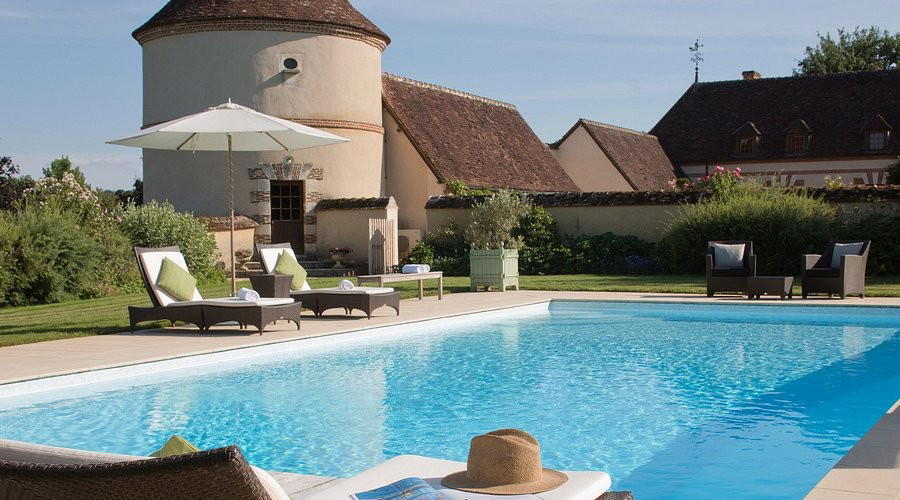
For those exploring what Chassy offers more broadly, our full Chassy restaurants guide covers the wider dining picture, and our full Chassy hotels guide maps the accommodation options in the area. The estate's spa and golf course are part of the same property, which affects how leading to structure a visit. Erre operates as a fine dining restaurant within a hotel, which means booking the restaurant and booking a room are separate but logistically linked decisions, particularly for anyone travelling from Paris, where the drive to the Yonne places the estate comfortably within a weekend radius.
Those interested in the broader French fine dining scene beyond Chassy can find further context through AM par Alexandre Mazzia in Marseille, another kitchen that runs Southern European produce through a technically unconventional program, and Au Crocodile in Strasbourg for a different register of French regional fine dining. The JK Restaurant in Chassy provides a local alternative for those building a longer itinerary around the area. Additional guides covering bars, wineries, and experiences in Chassy round out the planning picture for a full visit to the region. For international points of reference on the surprise menu format and its expectations, Le Bernardin in New York City and Emeril's in New Orleans offer useful comparisons on how chef-led tasting formats translate across different dining cultures.
Frequently asked questions
Is Erre okay with children?
Erre operates a surprise tasting menu format, which sets the pace and structure of the meal, not an environment designed around younger diners. The property at Domaine du Roncemay includes a golf course and spa, giving families space outside the restaurant, but the dining room itself, with its vaulted ceilings and white tablecloths, is oriented toward adult guests. Contact the estate directly to discuss specific needs before booking.
How would you describe the vibe at Erre?
The dining room inside this former hunting lodge has a vaulted ceiling, white tablecloths, and understated contemporary decor overlooking the golf green, formal enough in structure, but grounded by the rural estate setting. Chef Clément Vergeat's menu, which runs from Camargue oysters with dried duck to smørbrød-style smoked prawn tartare, keeps the mood curious rather than austere. Marine Mateos, who manages both pastry and front-of-house, gives the service a cohesion that prevents the room from tipping into stiffness.
Is Erre award-winning?
Erre has received recognition including: Set in a stunning estate complete with a golf course and spa, this former hunting lodge has been turned into a hotel and fine dining restaurant. The vaulted dining area with white tablecloths and an understated contemporary decor looks out ….
What do people recommend at Erre?
The kitchen runs a surprise menu, so there is no fixed selection to point to, but the signature moves are well documented: Camargue oysters with dried duck, smoked prawn tartare in smørbrød style, fermented strawberries with matured lamb. These dishes show the kitchen's core logic, Southern European produce handled through Northern European fermentation and curing techniques. The dessert course, overseen by pastry chef Marine Mateos, is treated with equivalent seriousness.
What's Erre's location?
Erre is located at Domaine du Roncemay, Chassy.
Is Erre reservation-only?
Given the estate setting in Chassy and the structured surprise menu format, walk-ins are not a realistic prospect at Erre. Booking in advance through Domaine du Roncemay is the standard approach. Specific reservation contact details should be confirmed directly with the property.
Side-by-Side Snapshot
Comparable venues nearby, for context on price, style, and recognition.
| Venue | Cuisine | Price | Awards | Notes |
|---|---|---|---|---|
| ErreThis venue (the venue you are viewing) | Creative Fine Dining | Not listed | 1 Michelin Star | Not listed |
| JK Restaurant | Burgundy-Liguria Fusion Fine Dining | $50–100 | Michelin Bib Gourmand | Chassy |
| Maison Ruggieri Palais Royal | Creative French Fine Dining | $200–300 | 1 Michelin Star | Palais Royal |
| L'Inattendu | Modern French Gastronomic Tasting | $50–100 | Michelin Plate | Villecresnes |
| Au Trou Gascon | Modern Southwest French Bistro | $50–100 | Michelin Plate | Picpus |
| Le Christine | Modern French Fine Dining | $100–150 | Michelin Plate | Saint-Germain-des-Prés |
Recognition history
Dated appearances from independent guides and award organizations, with the underlying list record or original source where available.
Michelin 1 Star
Michelin
Continue exploring
More in Chassy
Restaurants in Chassy
All restaurants in Chassy →
Hotels in Chassy
Browse all →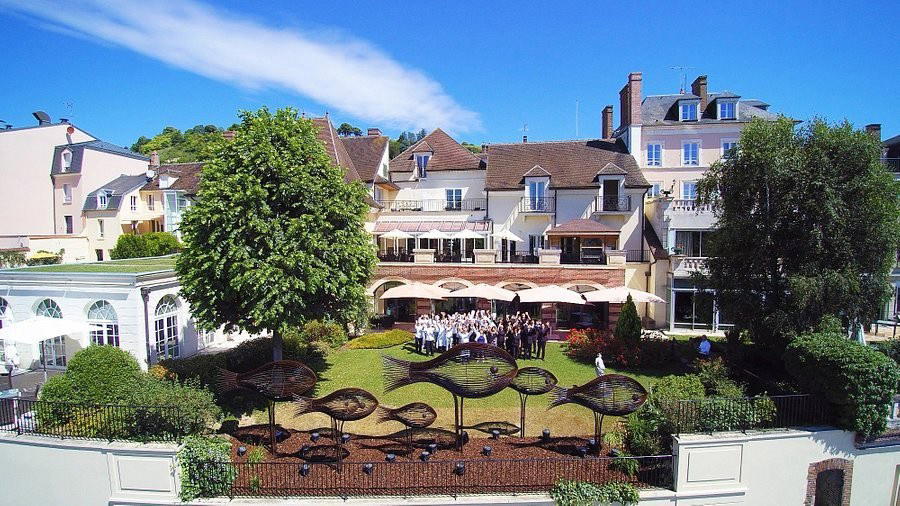

Details
- Elegant
- Sophisticated
- Romantic
- Date Night
- Special Occasion
- Hotel Restaurant
- Garden
- Tasting Menu
Vaulted dining area with white tablecloths, understated contemporary decor, and views onto the green.