Positioned on the Left Bank at 25 Quai de la Tournelle, Vent d'Armor occupies a storied stretch of Seine-side Paris where the kitchen tradition runs toward the sea. The address places it among a tight cluster of fifth-arrondissement tables serious enough to draw comparison with Paris's top tier, yet grounded in the kind of neighbourhood permanence that the Quai de la Tournelle has long rewarded.
Pearl is the En Primeur Club membership app — saves, bookings, and concierge access live there. Same editors, same standards.
- Address
- 25 Quai de la Tournelle, 75005 Paris, France
- Phone
- +33146345099
- Website
- le-vent-darmor.com
- Directions
- Get directions
 Saves & bookings on Pearl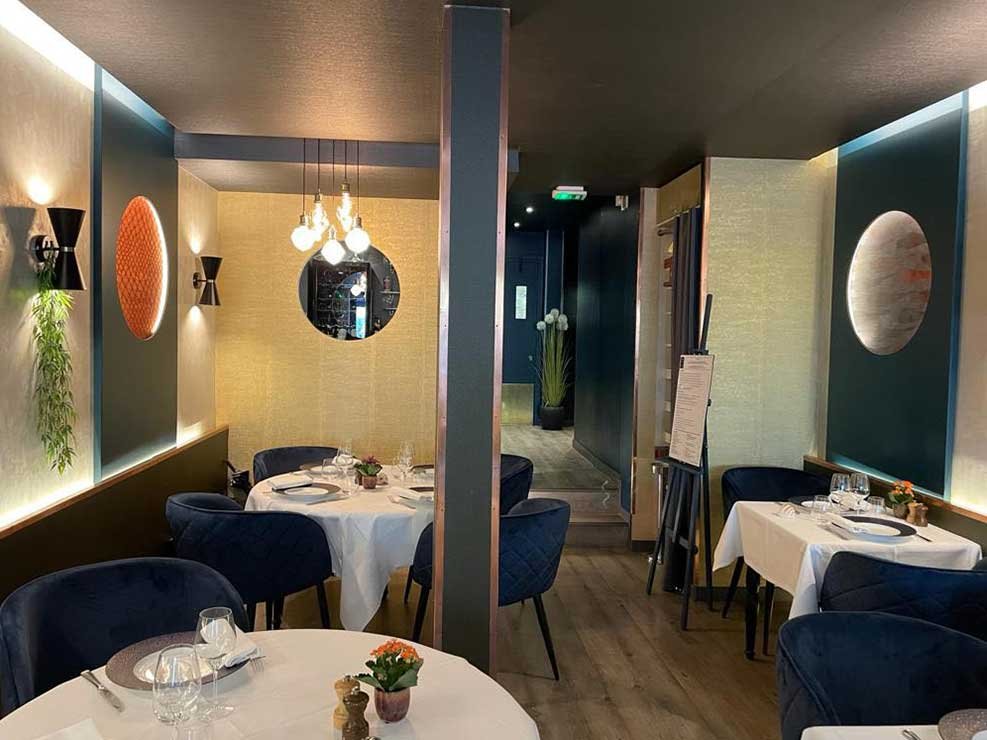
The Quai de la Tournelle and What It Demands of a Restaurant
The stretch of embankment running along the fifth arrondissement's northern edge has never been a casual dining corridor. The Quai de la Tournelle, where Vent d'Armor holds its address at number 25, sits within a short walk of Notre-Dame and directly across the Seine from the Île Saint-Louis. Restaurants here compete not just with each other but with the weight of the setting: diners arrive with expectations shaped by one of Paris's most photographed river views, and kitchens that cannot match the room tend not to survive long. The address has historically filtered for ambition.
That pressure has produced a particular kind of seriousness along this quai. Unlike the more tourist-dependent tables nearer the cathedral, the better establishments here have tended to attract a local clientele of academics, publishers, and the kind of Parisian professional who treats a long lunch as a legitimate use of an afternoon. It is a dining culture that prizes restraint in décor and precision in cooking over theatrical presentation, a context that shapes what Vent d'Armor is asked to deliver before a single course arrives.
Where Vent d'Armor Sits in the Paris Fine Dining Conversation
Paris currently operates at several distinct price and ambition tiers. At the apex sit multi-Michelin-starred rooms such as Alléno Paris au Pavillon Ledoyen, Arpège, and L'Ambroisie, where tasting menus carry price tags that clear €300 per head before wine. A tier below, places like Kei and Le Cinq at the Four Seasons Hôtel George V operate inside the hotel-dining and starred-bistro bracket, where the format is still highly structured but the occasion can feel slightly less ceremonial. The restaurant, on the evidence of its Quai de la Tournelle address, competes closer to that second tier: a serious table in a serious part of the city, positioned to draw from both the neighbourhood and the wider Paris dining circuit.
The name itself is a signal. Armor is the Breton word for the sea-facing land, used to distinguish the coastal region from Argoat, the interior. A restaurant carrying that reference in its name, in a city where Breton seafood has long occupied a prestigious niche, is making a statement about its kitchen's orientation before any menu is printed. France's Atlantic coast supplies some of the country's most sought-after shellfish and flatfish, and the Breton connection places the restaurant in a lineage that runs through some of the country's most enduring seafood-focused cooking, a tradition also represented, at different scales and registers, by Le Bernardin in New York City, which built its entire identity on the French Atlantic seafood approach.
The Architecture of a Meal: How the Progression Works
Coastal French kitchens, particularly those drawing from Breton or Normandy traditions, tend to structure their menus around a logic of depth rather than spectacle. The opening courses typically establish the kitchen's relationship with the sea: small bites and first courses that foreground brine, iodine, and the clean edge of just-caught shellfish. This is the register where amuse-bouches and cold starters carry most of the argument, a kitchen confident enough to let a raw or lightly dressed ingredient do the work without interference.
The middle of the meal is where French technique asserts itself. Poached or steamed fish preparations, bisques reduced to intensity, butter-based sauces that carry the character of the stock beneath them: this is the grammar of the French seafood menu at its most codified. The final savoury courses, where meat or offal might appear, function as a pivot rather than a climax, a recognition that the meal belongs to the sea but that the land has a closing word. Desserts in this tradition tend toward restraint: tart fruit, salted caramel in its Breton origin form, or a cheese course weighted toward the Loire and Normandy.
For reference across France's broader fine dining geography, this meal architecture appears in different registers at Mirazur in Menton, where the Mediterranean coastal context shapes a similar progression, and at Flocons de Sel in Megève, where the alpine equivalent plays out through mountain produce. The principle, that a kitchen's location should be legible in the arc of the meal, holds across all of them.
French Regional Ambition, Mapped Against the Paris Dining Scene
One of the defining tensions in Paris fine dining over the past decade has been the relationship between the capital's cosmopolitan ambition and the pull of regional specificity. Houses like Troisgros in Ouches, Auberge de l'Ill in Illhaeusern, and Bras in Laguiole have built identities inseparable from their geography. Paris restaurants that draw from a specific regional tradition, Breton, Alsatian, Auvergnat, occupy an interesting position: they carry the authority of that tradition while operating in a city where the competition includes every culinary lineage simultaneously.
The Breton seafood reference also connects to a wider French coastal cooking tradition that has produced significant regional institutions, from Auberge du Vieux Puits in Fontjoncouse to AM par Alexandre Mazzia in Marseille. Paris tables that anchor themselves in a specific coastal identity tend to attract a clientele that already understands and values that specificity, a self-selecting audience that tends to be forgiving of a focused menu but unforgiving of technical inconsistency.
Planning Your Visit
| Venue | Location | Price Tier | Format |
|---|---|---|---|
| The restaurant | Quai de la Tournelle, 5th | Confirm directly | Confirm directly |
| Alléno Paris au Pavillon Ledoyen | Champs-Élysées, 8th | €€€€ | Creative tasting |
| Kei | Les Halles, 1st | €€€€ | Contemporary French |
| L'Ambroisie | Place des Vosges, 4th | €€€€ | Classic French |
| Assiette Champenoise | Reims | €€€€ | Regional French |
In Context: Similar Options
Comparable venues nearby, for context on price, style, and recognition.
| Venue | Cuisine | Price | Notes |
|---|---|---|---|
| Vent d'ArmorThis venue — the venue you are viewing | Traditional French Seafood | $$$ | Not listed |
| Hugo & Co | Modern French Fusion Bistro | $$$ | Latin Quarter |
| L'Auberge du Roi Gradlon | Breton French Bistro | $$$ | Gobelins |
| Café de l'Esplanade | French Brasserie with Asian Fusion | $$$ | 7e Arr. |
| Truffes Folies | Truffle-Focused French Bistro | $$$ | 75008 |
| La Maison de l'Aubrac | Traditional French Aubrac Steakhouse | $$$ | Champs-Élysées |
Continue exploring
More in Paris
Restaurants in Paris
Browse all →
Bars in Paris
Browse all →
Hotels in Paris
Browse all →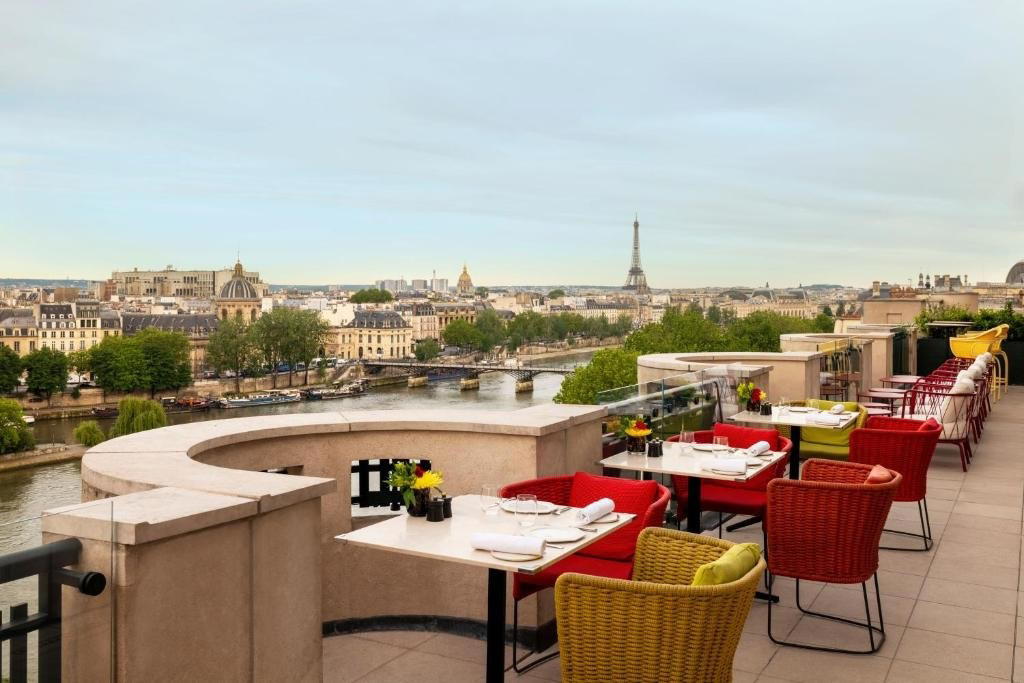



At a Glance
- Romantic
- Elegant
- Intimate
- Sophisticated
- Date Night
- Special Occasion
- Waterfront
- Terrace
- Extensive Wine List
- Sommelier Led
- Local Sourcing
- Waterfront
- Street Scene
Current opening hours
- Monday
- 7:30–10 PM
- Tuesday
- 12–1:30 PM, 7:30–10 PM
- Wednesday
- 12–1:30 PM, 7:30–10 PM
- Thursday
- 12–1:30 PM, 7:30–10 PM
- Friday
- 12–1:30 PM, 7:30–10 PM
- Saturday
- 12–1:30 PM, 7:30–10 PM
- Sunday
- Closed
Hours can change for holidays and private events. Last verified .
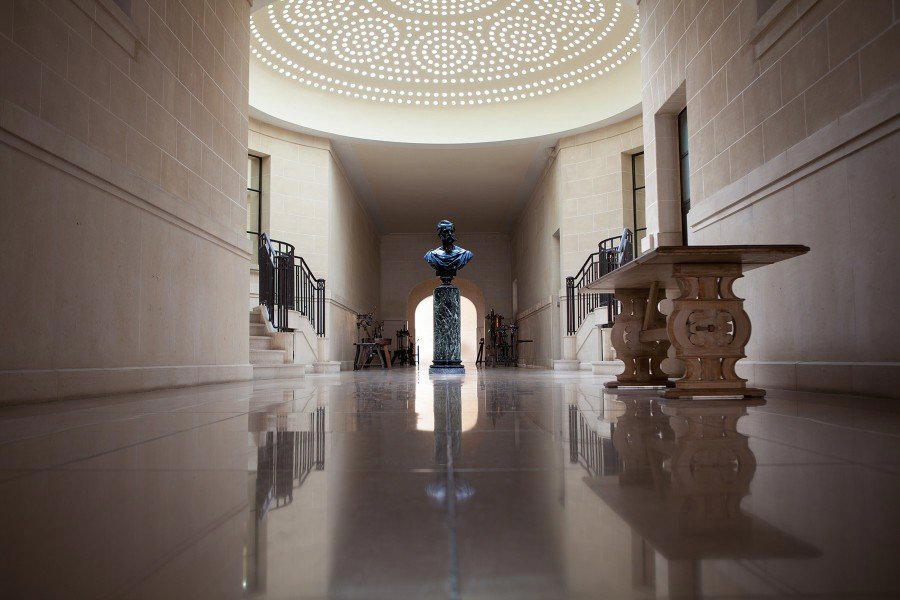
Sophisticated and romantic atmosphere enriched by classical music, shimmering Seine views, and a comfortable, tranquil setting.