
1 Michelin Star
Our verdict
A Michelin-starred address on a small island in the River Yonne, La Madeleine earns its recognition through sourcing discipline as much as technique. Chef Patrick Gauthier builds menus around market-driven fish, seafood, and French regional produce, presented in a Scandinavian-inflected interior that sits at odds with the surrounding Burgundian town. At €€€€, it occupies a tier above most provincial alternatives in the region.

Pearl is the En Primeur Club membership app, where members save venues, book tables and use the concierge.
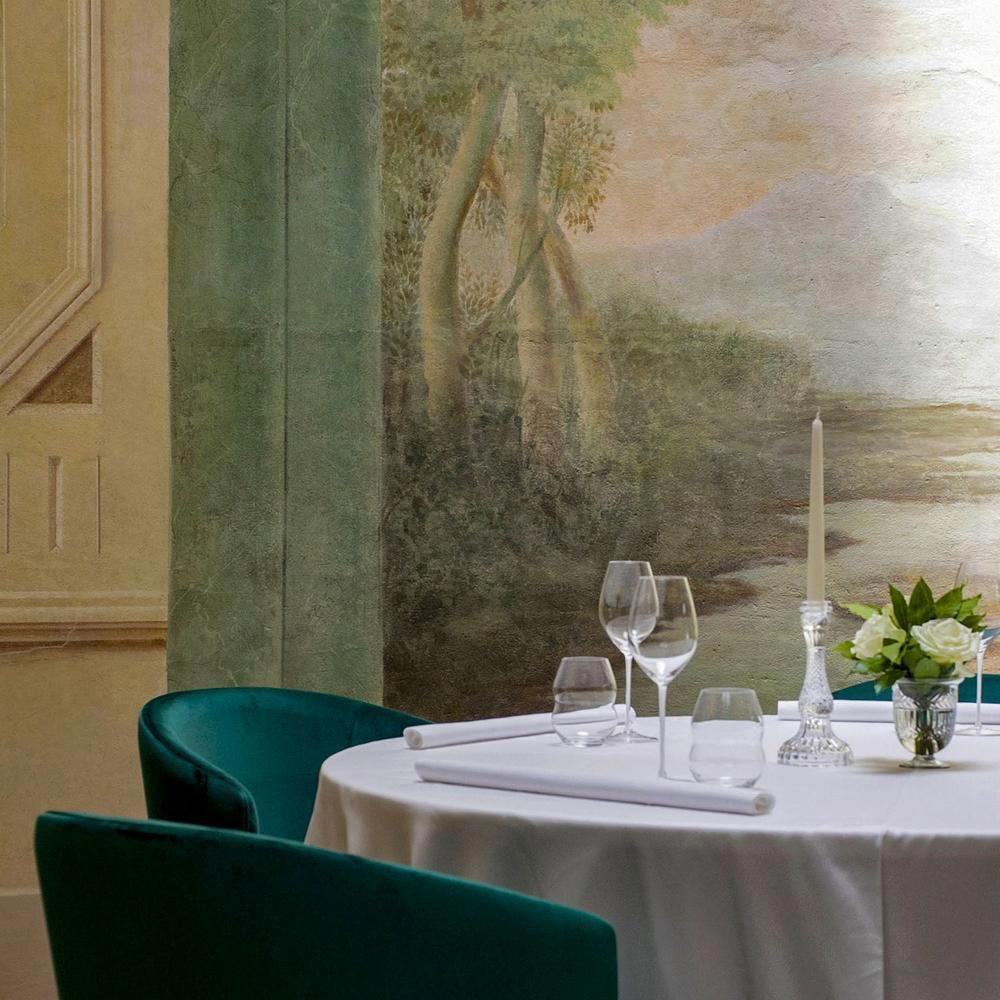
An Island Setting on the Yonne
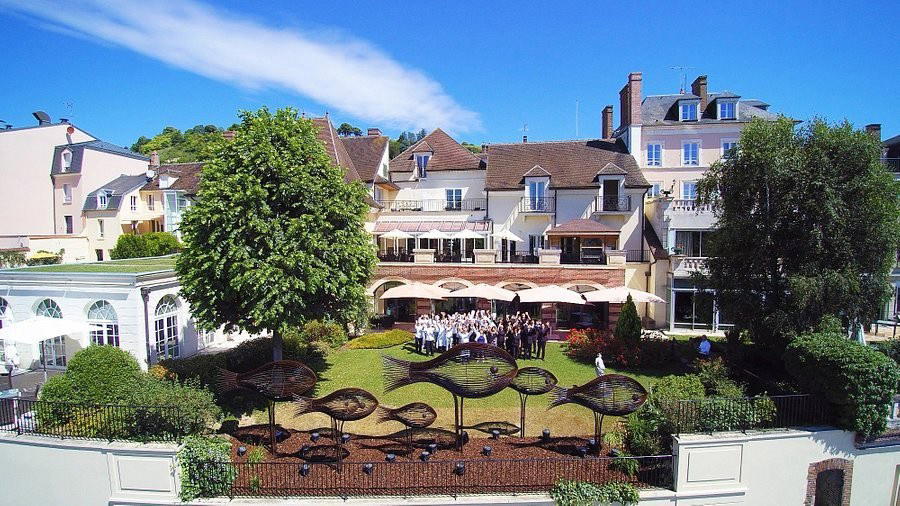
Sens sits roughly ninety minutes south of Paris by road, close enough to draw weekend visitors from the capital yet far enough to function as a working Burgundian market town rather than a tourist circuit. La Madeleine occupies its own physical and culinary niche on a small island where the River Yonne forks around the old town, the dining room shaped to follow the island's narrow tip like the prow of a ship. Approaching along Quai Boffrand, the building reads as an anomaly: a modernist silhouette against a medieval backdrop. That friction between the contemporary and the deeply provincial is precisely the tension the kitchen works within.
Where the Produce Comes From
French Michelin-starred cooking at the provincial level has always depended on the integrity of its supply lines more than its urban counterparts. A restaurant this far from a metropolitan wholesale market either sources with rigour or it doesn't survive inspection. At La Madeleine, the sourcing is explicit enough to define the menu's identity. Green asparagus from Mallemort arrives in a register that signals deliberate provenance: Mallemort, in the Bouches-du-Rhône, produces asparagus with a particular sweetness and structural firmness that differs from northern French varieties. The choice to source from that far south rather than settling for regional alternatives is an editorial statement about quality over convenience. Similarly, sweetbreads from Corrèze, a department in the southern Massif Central known for high-welfare farming and exceptional offal, indicate a kitchen that tracks the geography of French terroir rather than relying on nearest-supplier logistics.
This matters because the ingredient sourcing tradition in French starred cooking sits at the heart of the Michelin value proposition at the one-star tier. Unlike three-star kitchens such as Alléno Paris au Pavillon Ledoyen or Mirazur in Menton, where technique and creative abstraction carry as much weight as raw material, the one-star provincial kitchen tends to succeed or fail on the quality of what arrives at the back door. La Madeleine's named provenance signals that the kitchen understands this.
Fish, Markets, and the Shape of the Menu
Fish and seafood occupy a disproportionate share of the menu's attention for a restaurant this far inland. That choice reflects both a culinary preference and a sourcing strategy: quality fish delivered to central France requires a shorter supply chain than most inland kitchens manage, and it privileges relationships with specific suppliers over general market access. John Dory, a fish that punishes mishandling and rewards precise temperature control, appears with a citrus beurre blanc that stays within classical French framework without retreating into formula. Pan-fried foie gras with duck jus and a green asparagus base demonstrates the same principle: classical combinations refined through sourcing rather than reinvented through technique.
The menu's daily specials format, presented personally at the table, preserves a service tradition that has largely disappeared at this price tier in urban dining rooms. It keeps the kitchen responsive to what the market offers rather than locking into a fixed written menu that must be reproduced identically across service. For context, comparable Michelin-starred addresses in France's provincial heartland, from Auberge du Vieux Puits in Fontjoncouse to Bras in Laguiole, have built their identities around exactly this kind of market responsiveness, grounding the dining experience in what is available rather than what is planned months in advance.
The Interior and Its References
The dining room's Scandinavian design influence is documented rather than incidental. Chef Patrick Gauthier has made multiple trips to Scandinavia and Asia, and those references read in the interior rather than remaining a background biographical detail. This positions La Madeleine in a small cohort of French regional restaurants where the room's aesthetic register diverges from the surrounding architecture. Functionally, the result is a dining environment that could credibly sit in Stockholm or Copenhagen as easily as Burgundy: clean lines, considered light, and a relationship with the river view that prioritises framing over theatrical gesture. The contrast with the stone-heavy medieval town outside creates a reset on arrival, which is part of what the room is designed to do.
For design-conscious dining formats that align the interior aesthetic with a broader editorial identity, the parallel is closer to northern European restaurants like Frantzén in Stockholm than to traditional Burgundian dining rooms. That's a deliberate positioning choice at a restaurant operating in a market where competing on regional heritage alone would be insufficient.
The Cheese Programme and Wine
Four cheese trolleys at a single restaurant is unusual regardless of the price tier. At most starred French restaurants, the cheese course runs from a single selection or a small trolley with regional focus. Four trolleys imply both a serious affineur relationship and a commitment to giving the cheese course the same treatment as the savoury menu: variety, provenance, and progression. This extends the meal's sourcing logic into the dairy programme, which at France's longest-established houses, from Auberge de l'Ill in Illhaeusern to Paul Bocuse in Collonges-au-Mont-d'Or, has always been treated as a meal within the meal rather than a transition course.
The wine list carries recognition in its own right. Sens sits at the northern edge of Burgundy's broader influence zone, and a serious list here has access to Chablis, Irancy, and the broader Yonne appellation wines, as well as the full Côte d'Or range. For visitors planning a full evening around wine selection, the Yonne's own appellation output offers a logical regional counterpart to the kitchen's sourcing discipline.
Practical Information for Planning
La Madeleine operates on a compressed weekly schedule that requires advance planning. The restaurant closes Sunday, Monday, and Tuesday entirely. Wednesday through Friday, service runs at lunch from 12:30 to 1:15 PM and dinner from 8:00 to 9:15 PM, with Saturday extending to a full day format. The tight service windows, particularly the 45-minute lunch seating period, indicate a kitchen running at controlled capacity rather than maximising covers. At the €€€€ price tier, this is a meal that justifies a dedicated visit rather than a casual stop. Sens is accessible by train from Paris Gare de Lyon on the Transilien network, which makes a day trip or overnight stay viable for visitors combining the restaurant with the town's medieval cathedral and the surrounding Yonne valley. For accommodation options in Sens, our full Sens hotels guide covers the available range. Those looking to extend the visit with other restaurants, bars, or regional producers can find context in our full Sens restaurants guide, our full Sens bars guide, our full Sens wineries guide, and our full Sens experiences guide.
The Michelin star, retained in the 2024 guide, confirms that consistency meets inspection standards across multiple visits.
Compared against the broader corridor of starred French regional dining, from Assiette Champenoise in Reims to Au Crocodile in Strasbourg and Flocons de Sel in Megève, La Madeleine operates with an unusually specific identity: fish-forward in an inland setting, Scandinavian-inflected in a Burgundian town, sourcing from named regional producers while maintaining daily market flexibility. Those characteristics give it a distinct position rather than a generic one, which at the one-star level in a provincial French town is the competitive argument that matters most. For modern cuisine at comparable ambition in different international contexts, AM par Alexandre Mazzia in Marseille and FZN by Björn Frantzén in Dubai and Troisgros in Ouches offer useful reference points for how the modern cuisine category operates at different scales.
Frequently asked questions
Does La Madeleine work for a family meal?
La Madeleine is a Michelin-starred restaurant at the €€€€ price tier, which positions it more naturally as a special-occasion table than an everyday family outing. The compressed service windows, lunch from 12:30 to 1:15 PM and dinner from 8:00 to 9:15 PM Wednesday through Friday, leave little margin for flexible timing. Families with older children who can sustain a multi-course seated format will find the riverside island setting on the Yonne genuinely engaging.
What's the overall feel of La Madeleine?
The dining room sits at the tip of a small island on the River Yonne, inside a building shaped to suggest the bow of an ocean liner, a detail that shapes how the room reads from the water and within it. The interior draws on Chef Patrick Gauthier's documented trips to Scandinavia and Asia, giving the space a considered design identity at some distance from the standard provincial French restaurant aesthetic. The restaurant holds a Michelin star as of 2024.
Is La Madeleine Michelin-listed?
La Madeleine has received recognition including: Patrick Gauthier's restaurant, the shape of which calls to mind the bow of an ocean liner, overlooks the River Yonne at the tip of a small island. Diners forget the town around them in an interior whose design is inspired by the chef's many….
What should I eat at La Madeleine?
Fish and seafood are the kitchen's clear priority: documented preparations include John Dory with citrus beurre blanc, alongside foie gras with duck jus and sweetbreads from Corrèze with orzo. Green asparagus from Mallemort signals the kitchen's commitment to named regional producers. The cheese course runs across four trolleys, an arrangement that places La Madeleine well outside the norm even among starred French restaurants, and the wine list is noted in the Michelin entry as a programme worth serious attention.
Comparison Snapshot
| Venue | Cuisine | Price | Awards | Notes |
|---|---|---|---|---|
| La MadeleineThis venue (the venue you are viewing) | Modern French Fine Dining | $100–150 | 1 Michelin Star | Not listed |
| Alléno Paris au Pavillon Ledoyen | Modern French Fine Dining | $150–200 | 3 Michelin Stars · World's 50 Best #79 | Creative |
| Kei | Contemporary French, Modern Cuisine | Not listed | Michelin 3 Star | Not listed |
| L'Ambroisie | Classic French Haute Cuisine | $300–500 | 2 Michelin Stars · World's 50 Best #23 | French, Classic Cuisine |
| Le Cinq - Four Seasons Hôtel George V | Modern French Fine Dining | $300–500 | 3 Michelin Stars · World's 50 Best #24 | French, Modern Cuisine |
| Plénitude | Modern French Sauce-Led Fine Dining | $300–500 | 3 Michelin Stars · World's 50 Best #14 | Contemporary French |
Recognition history
Dated appearances from independent guides and award organizations, with the underlying list record or original source where available.
Michelin 1 Star
Michelin
Full recognition history (2 entries)
Michelin 1 Star
Michelin
Continue exploring
More in Sens
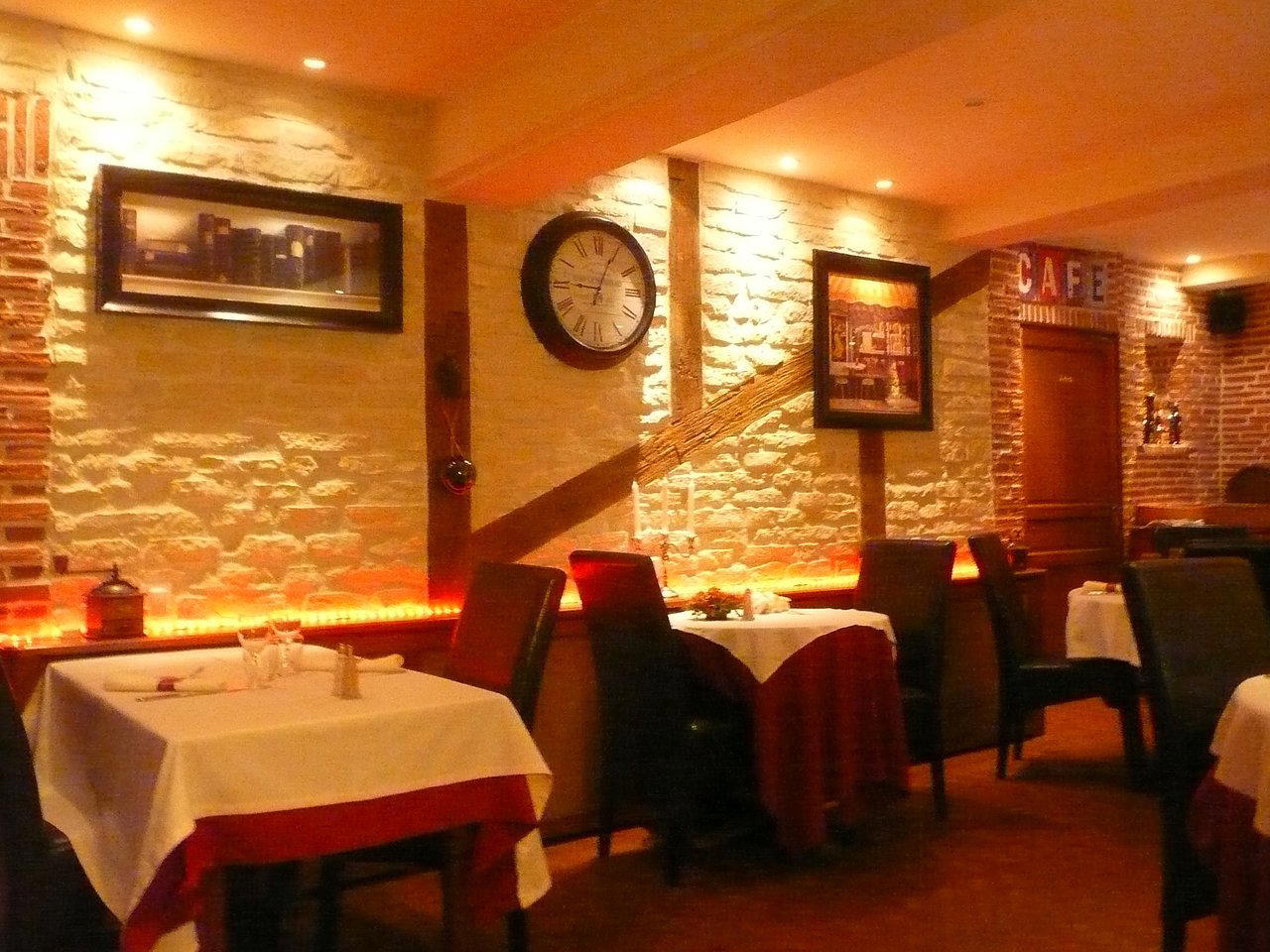
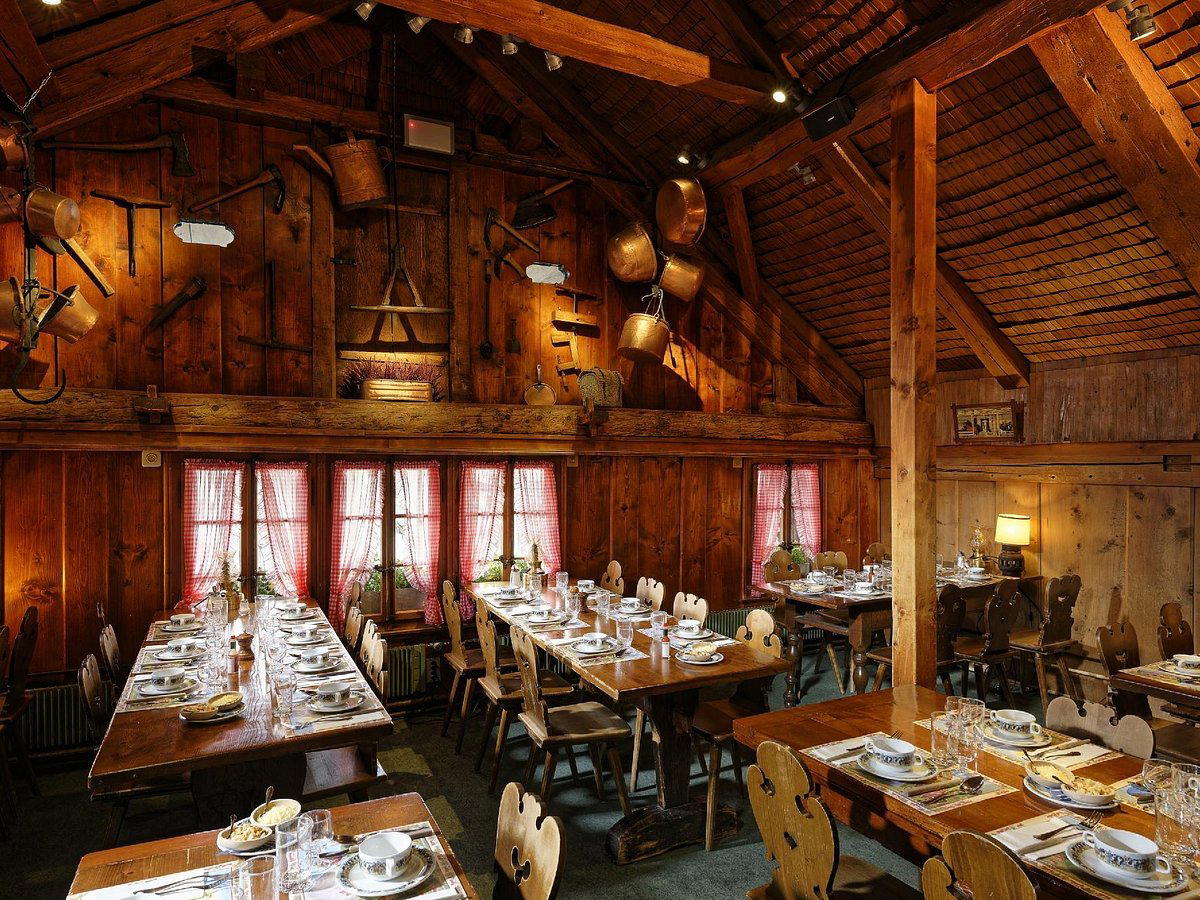
Restaurants in Sens
All restaurants in Sens →
Hotels in Sens
All hotels in Sens →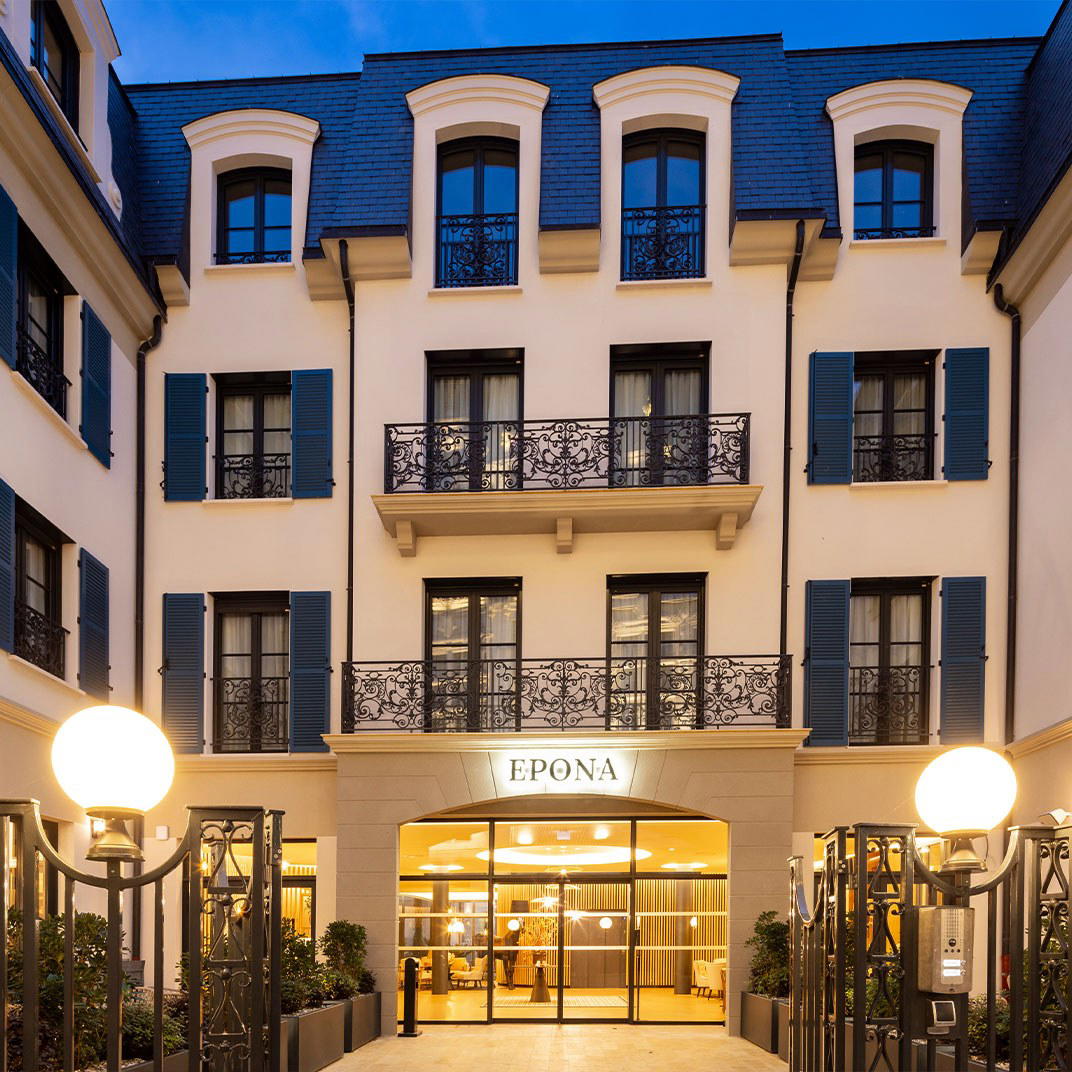

Details
- Elegant
- Sophisticated
- Intimate
- Scenic
- Date Night
- Special Occasion
- Celebration
- Waterfront
- Terrace
- Open Kitchen
- Historic Building
- Extensive Wine List
- Local Sourcing
- Waterfront
- Tasting Menu
- Prix Fixe
- Wine
- Vegetarian Friendly
Current opening hours
- Monday
- Closed
- Tuesday
- Closed
- Wednesday
- 12:30–1:15 PM, 8–9:15 PM
- Thursday
- 12:30–1:15 PM, 8–9:15 PM
- Friday
- 12:30–1:15 PM, 8–9:15 PM
- Saturday
- 12:30–9:15 PM
- Sunday
- Closed
Hours can change for holidays and private events. Hours as of .
Sumptuous setting with open kitchen, professional yet friendly atmosphere, and panoramic river views enhanced by elegant design influences from Japan and Scandinavia.