
Michelin Plate
Our verdict
A Michelin Plate-recognised address on Guingamp's central Rue du Général de Gaulle, Le Clos de la Fontaine anchors itself in traditional Breton cooking with a price point that makes it one of the more accessible recognised tables in Côtes-d'Armor.

Pearl is the En Primeur Club membership app — saves, bookings, and concierge access live there. Same editors, same standards.
- Address
- 9 Rue du Général de Gaulle, 22200 Guingamp, France
- Phone
- +33 2 96 21 33 63
- Hours
- Mon ClosedTue 12–2 PMWed 12–2 PM, 6–9 PMThu 12–2 PM, 6:30–9 PMFri 12–2 PMSat 12–2 PM, 6:30–9 PMSun 12–2 PM
- Directions
- Get directions
The menu
What to order
- Huîtres de Paimpol
- Filet de cabillaud
- Gratin de mangues
- Aiguillettes de canard
Where Breton Ingredients Come First
In Brittany, the argument for cooking with restraint is settled by geography. The region produces some of France's most self-sufficient larder: Atlantic seafood from the Goëlo coast less than thirty kilometres north, artichoke and cauliflower fields that have supplied Parisian markets for generations, salt-meadow lamb from Mont-Saint-Michel bay, and dairy from herds that graze against the hedgerow bocage. At Le Clos de la Fontaine, on Guingamp's central Rue du Général de Gaulle, traditional cuisine in this context means letting that supply chain do the argumentative heavy lifting. The kitchen does not need to reach for fusion or technique-forward drama when the raw material is this characterful.
Guingamp is not a dining destination in the way that a coastal resort or a cathedral city might be. It is a working Breton market town of around seven thousand people, with a basilica, a football club with an improbable European history, and a food culture shaped by proximity to farms and fishing ports rather than by tourism. That ordinariness is precisely what makes a Michelin Plate recognition here legible as a meaningful signal: the inspectors came, assessed what the kitchen was doing with local product, and found it worth noting. The plate does not carry the cultural weight of a star, but it indicates a standard of cooking that sits above the regional average, and at a €€ price point, it positions Le Clos de la Fontaine inside a competitive set defined by accessible seriousness rather than occasion dining.
Traditional Cuisine in a Region That Invented the Template
The classification 'Traditional Cuisine' maps differently in Brittany than it does in, say, Lyon or Alsace. In the latter regions, traditional cooking is defined by deeply codified preparations with centuries of documented history. In Brittany, the tradition is less about specific dishes and more about a sourcing ethic: the cook's first obligation is to the produce available within the regional radius. Buckwheat galettes, sea bass from local day-boats, andouille de Guéméné, far Breton, kouign-amann — these are the markers of a table committed to the territory rather than to imported technique or international fashion.
This makes a useful comparison with houses elsewhere in France that carry similar Michelin recognition for traditional work. Auberge Grand'Maison — Traditional Cuisine in Mûr-de-Bretagne operates within the same Breton tradition roughly forty kilometres to the southwest, offering a sense of what this classification means at a regional level. Further afield, Bras in Laguiole and Flocons de Sel in Megève illustrate how ingredient-driven cooking at higher price tiers handles similar sourcing logic, though the €€€€ comparisons at tables like Alléno Paris au Pavillon Ledoyen in Paris or Mirazur in Menton are a different competitive universe entirely. Le Clos de la Fontaine sits in a middle register that is less photographed but arguably more representative of how France actually eats at its most considered.
The Michelin Plate Signal, Consecutive Years
The Plate designation appeared in both the 2024 and 2025 Michelin guides, which matters more than a single-year listing. Consecutive recognition indicates that the kitchen is producing at a consistent level rather than delivering isolated performances. Michelin's Plate standard requires fresh ingredients, properly prepared, it is less about ambition than about reliability and respect for product. In a town like Guingamp, where the dining scene is not large enough to sustain a restaurant on tourist spend alone, sustained recognition of this kind speaks to a local clientele that returns regularly and a kitchen disciplined enough to maintain standards across seasons.
reinforces that picture. A sample of over two hundred local and visitor opinions converging near the best of the scale suggests that the kitchen's output lands consistently with a broad audience, not only with specialist diners who came primed to be impressed. That breadth of approval, alongside the Michelin acknowledgement, makes a case that the restaurant occupies a secure position in Guingamp's food hierarchy regardless of what changes in the wider French dining scene.
Côtes-d'Armor as a Sourcing Geography
Côtes-d'Armor is the department that contains Guingamp, and it is a sourcing territory of real depth for a kitchen of this type. The northern coastline between Paimpol and Saint-Brieuc produces scallops, langoustines, and coquilles Saint-Jacques harvested under tightly managed quotas that keep quality high. The interior bocage supplies game in autumn. Local producers work within the agriculture-dense corridor between the coast and the Argoat forest, maintaining the kind of short supply chains that urban kitchens pay premiums to simulate. A traditional kitchen in this geography that works those relationships well is working with ingredients that a restaurant in a capital city would frame as its central marketing proposition.
For context on how coastal and inland Breton produce connects to the wider French table, the spectrum runs from village-scale operations like this one up through starred houses. Auberge de l'Ill in Illhaeusern, Troisgros - Le Bois sans Feuilles in Ouches, Assiette Champenoise in Reims, Au Crocodile in Strasbourg, AM par Alexandre Mazzia in Marseille, Auberge du Vieux Puits in Fontjoncouse, and Paul Bocuse - L'Auberge du Pont de Collonges in Collonges-au-Mont-d'Or each express a regional identity through different price tiers and levels of ambition. Le Clos de la Fontaine operates at the accessible end of that spectrum, where the stakes are lower but the sourcing logic is identical. Similarly, Auga, Traditional Cuisine in Gijón across the Spanish border demonstrates how Atlantic coastal produce drives the same sourcing philosophy in a parallel tradition.
Planning Your Visit
Le Clos de la Fontaine sits at 9 Rue du Général de Gaulle in central Guingamp, walkable from the town's main square and basilica. The €€ pricing bracket makes it a reasonable proposition for a midweek lunch or a Saturday dinner without the financial planning that a starred table requires. Guingamp is served by direct TGV connections from Paris-Montparnasse, making it reachable as a day trip from the capital or as a stop within a wider Brittany itinerary. For those building a longer stay in the region, [our full Guingamp hotels guide]() covers the overnight options available in town. For a fuller picture of the local dining scene, [our full Guingamp restaurants guide]() maps the options by type and occasion. Further context on the town's bars, wineries, and experiences is available through [our full Guingamp bars guide](), [our full Guingamp wineries guide](), and our full Guingamp experiences guide.
Frequently asked questions
Is Le Clos de la Fontaine good for families?
The €€ price bracket places Le Clos de la Fontaine in accessible mid-range territory, which suits family visits without the formality pressure of higher-end Michelin addresses. The traditional cuisine format — recognisable, ingredient-led dishes rather than avant-garde tasting menus — also tends to work across age groups. That said, hours and specific seating arrangements are not published, so calling ahead or checking at 9 Rue du Général de Gaulle directly is advisable.
What should I expect atmosphere-wise at Le Clos de la Fontaine?
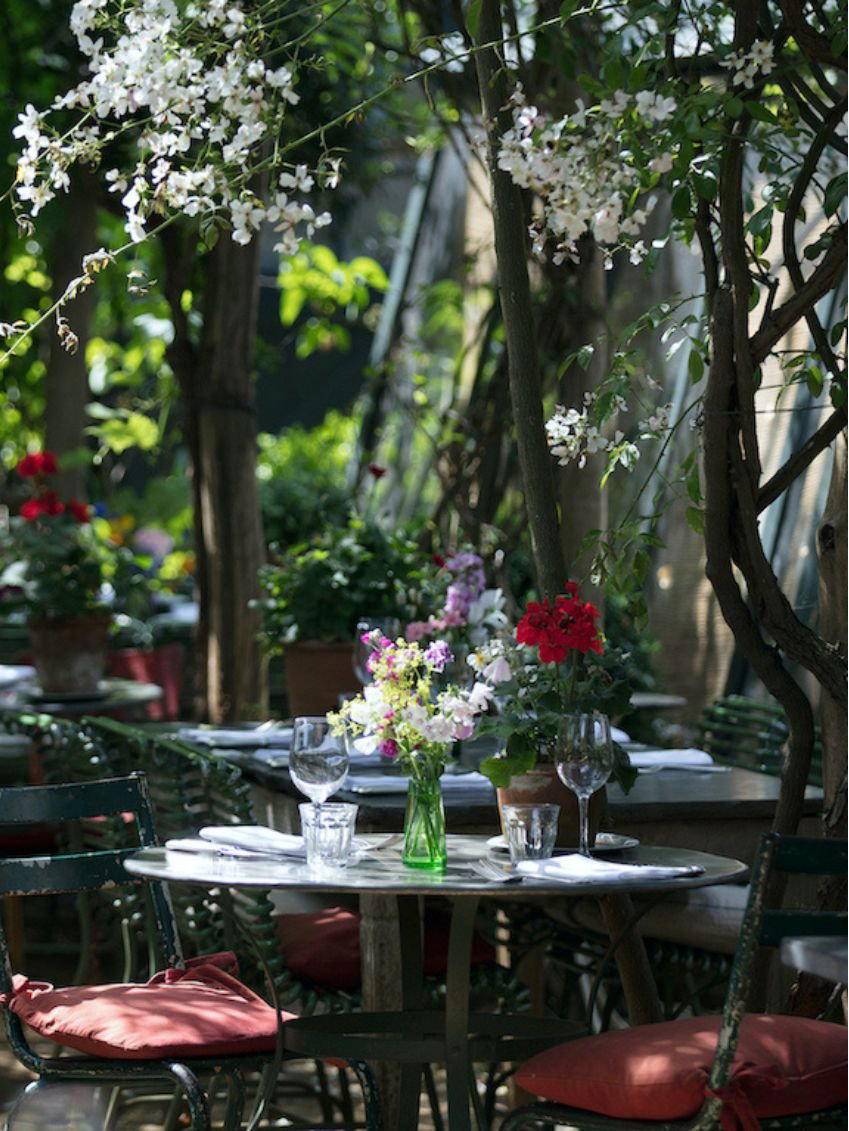
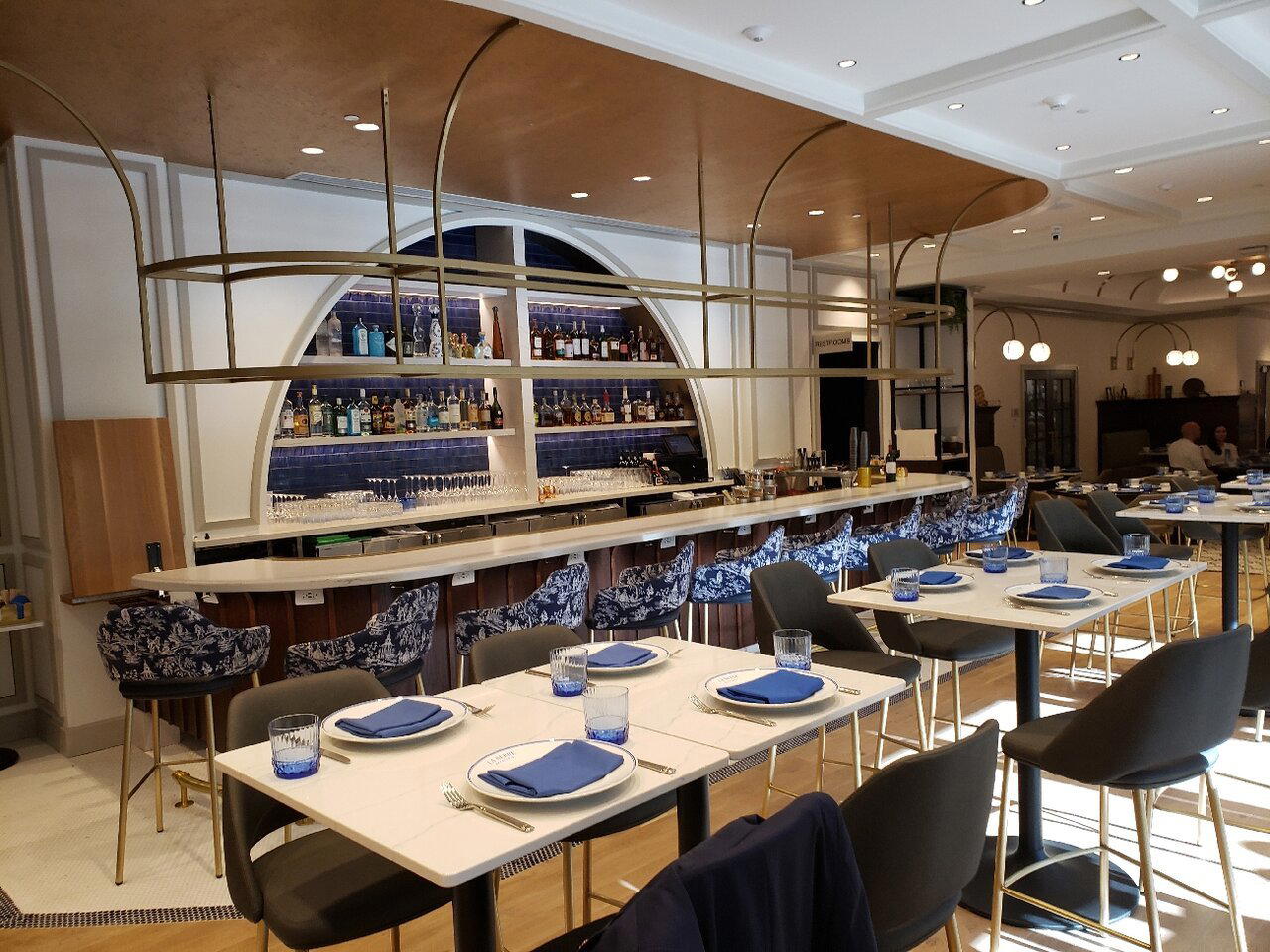
Le Clos de la Fontaine holds consecutive Michelin Plate recognition for 2024 and 2025, which typically signals a kitchen serious about quality without the theatrical staging of starred dining rooms. At the €€ price point in a town the scale of Guingamp, the setting is likely to feel grounded and local rather than destination-formal. Detailed décor information is not in the public record, but the traditional cuisine classification points toward a room that matches the cooking: considered, not showy.
Is Le Clos de la Fontaine Michelin-listed?
Le Clos de la Fontaine has received recognition including: Michelin Plate (2025); Michelin Plate (2024).
What's the must-try dish at Le Clos de la Fontaine?
Specific menu items are not published for Le Clos de la Fontaine, and inventing dishes for a Michelin-recognised kitchen would be misleading. What the Michelin Plate and traditional cuisine classification do confirm is a kitchen anchored in French technique and regional produce. Côtes-d'Armor, the department surrounding Guingamp, supplies shellfish from the northern coast and inland agricultural products, so expect the menu to reflect that sourcing geography.
In Context: Similar Options
| Venue | Cuisine | Price | Awards |
|---|---|---|---|
| Le Clos de la FontaineThis venue — the venue you are viewing | Traditional French Bistro | $20–30 | Michelin Plate |
| Alléno Paris au Pavillon Ledoyen | Creative | Not listed | Michelin 3 Star |
| Kei | Contemporary French, Modern Cuisine | Not listed | Michelin 3 Star |
| L'Ambroisie | French, Classic Cuisine | Not listed | Michelin 3 Star |
| Le Cinq - Four Seasons Hôtel George V | French, Modern Cuisine | Not listed | Michelin 3 Star |
| Plénitude | Contemporary French | Not listed | Michelin 3 Star |
Recognition history
Dated appearances from independent guides and award organizations, with the underlying list record or original source where available.
Michelin Plate
Michelin
Full recognition history (3 entries)
Michelin Plate
Michelin
Michelin Plate
Michelin
Continue exploring
More in Guingamp
Restaurants in Guingamp
Browse all →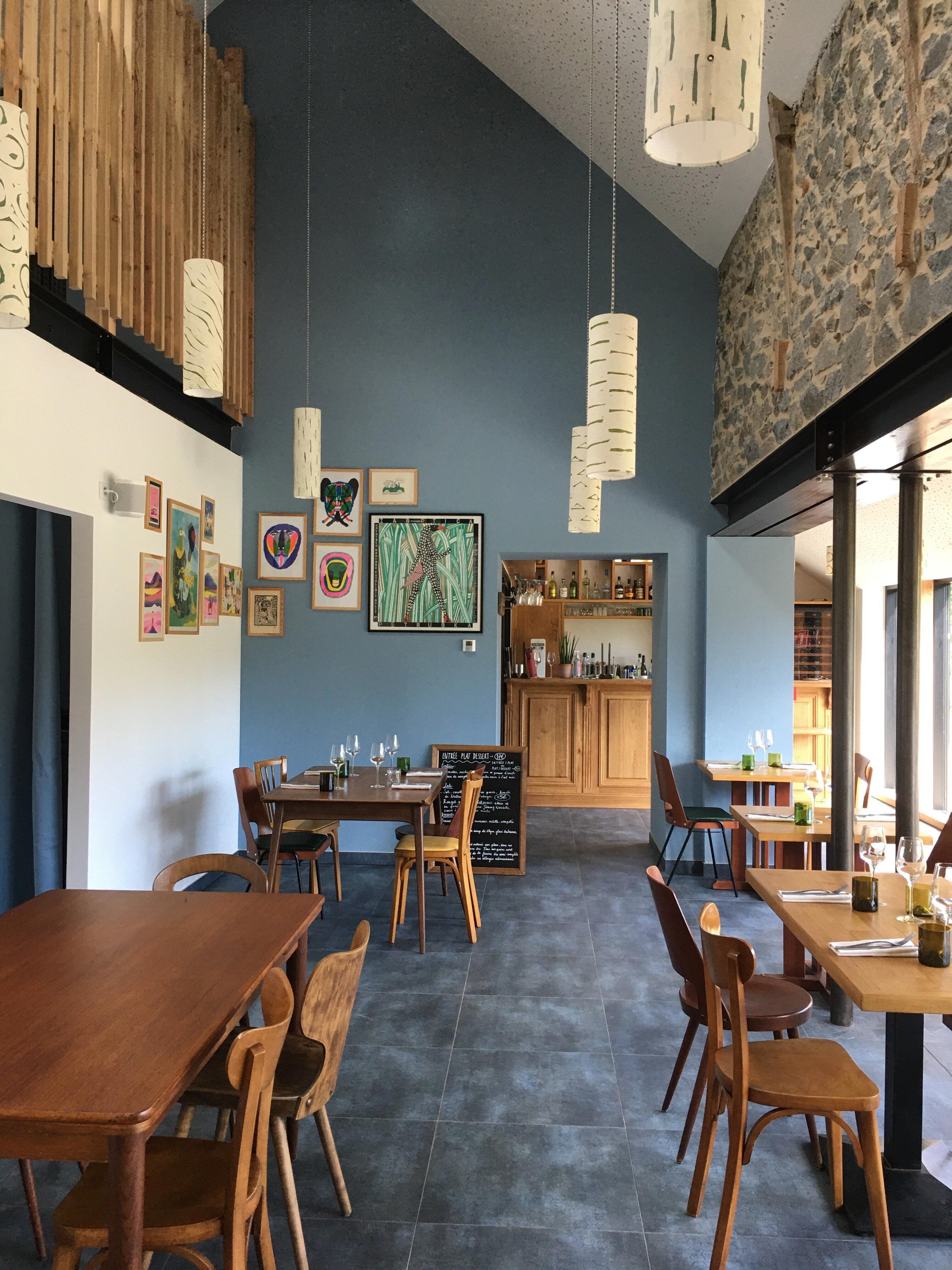
Details
- Cozy
- Rustic
- Elegant
- Classic
- Date Night
- Business Dinner
- Family
- Historic Building
- Extensive Wine List
- Local Sourcing
- Street Scene
- A La Carte
Current opening hours
- Monday
- Closed
- Tuesday
- 12–2 PM
- Wednesday
- 12–2 PM, 6–9 PM
- Thursday
- 12–2 PM, 6:30–9 PM
- Friday
- 12–2 PM
- Saturday
- 12–2 PM, 6:30–9 PM
- Sunday
- 12–2 PM
Hours can change for holidays and private events. Last verified .
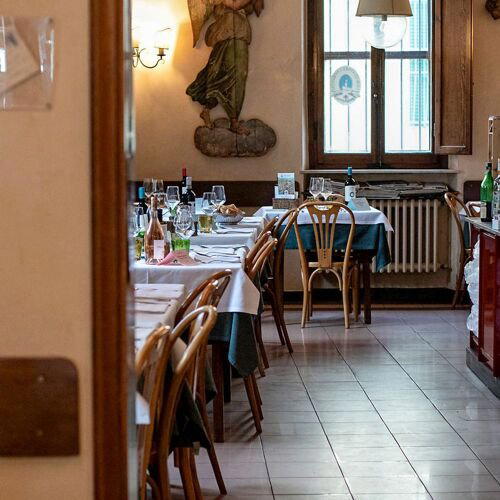
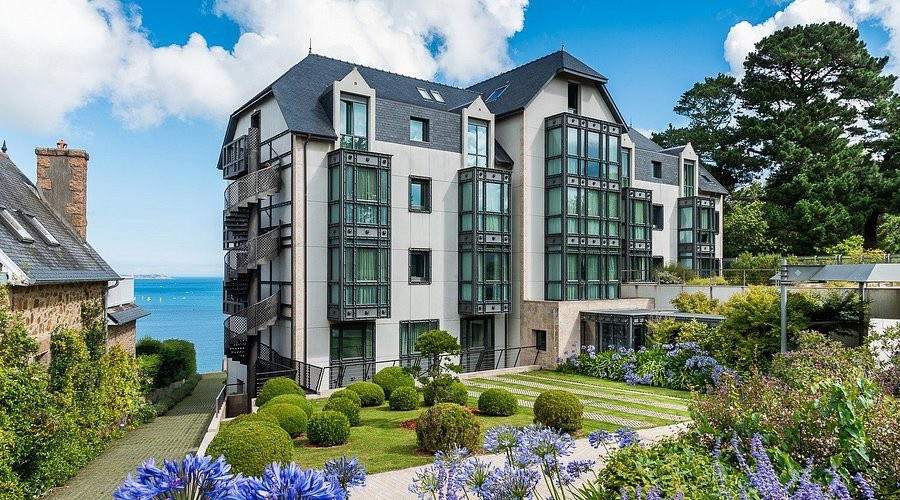
Warm and cozy dining room with parquet floors, stone walls, white linens, and regional antique furniture creating a rustic yet elegant atmosphere.