Flamme & Co
On Kaysersberg's main thoroughfare, Flamme & Co anchors itself in one of Alsace's most food-serious small towns, where tarte flambée has long been the region's unpretentious answer to the Neapolitan pizza. The format here is approachable and rooted in local tradition, placing it at a different price point from the Michelin-starred rooms nearby, and well-suited to those who want Alsatian character without the full tasting-menu commitment.
 Discover on Pearl
Pearl is the En Primeur Club membership app — saves, bookings, and concierge access live there. Same editors, same standards.
- Address
- 4 Rue du Général de Gaulle, 68240 Kaysersberg Vignoble, France
- Phone
- +33389471616
- Website
- flammeandco.fr
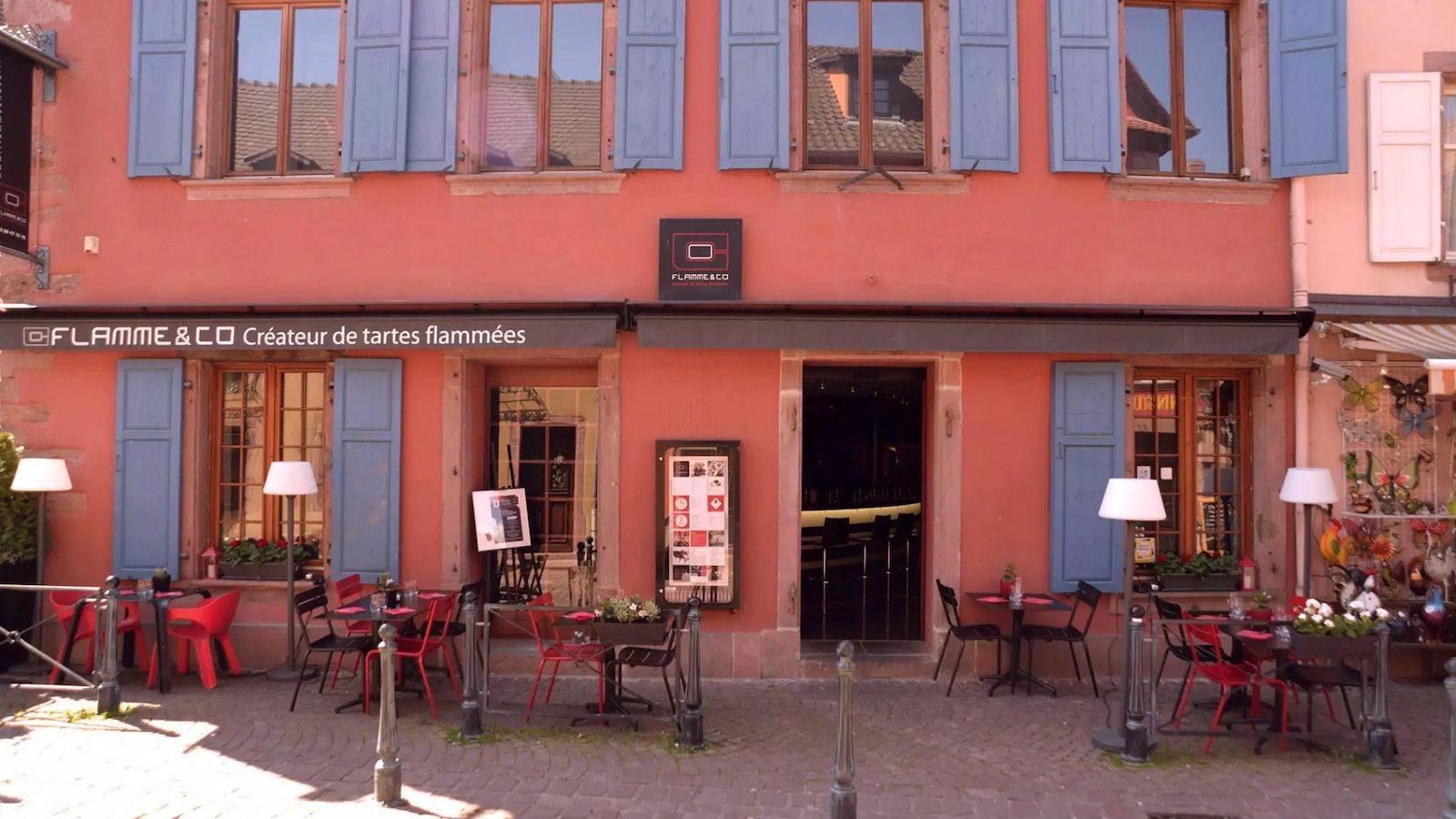
Tarte Flambée in a Town That Takes Food Seriously
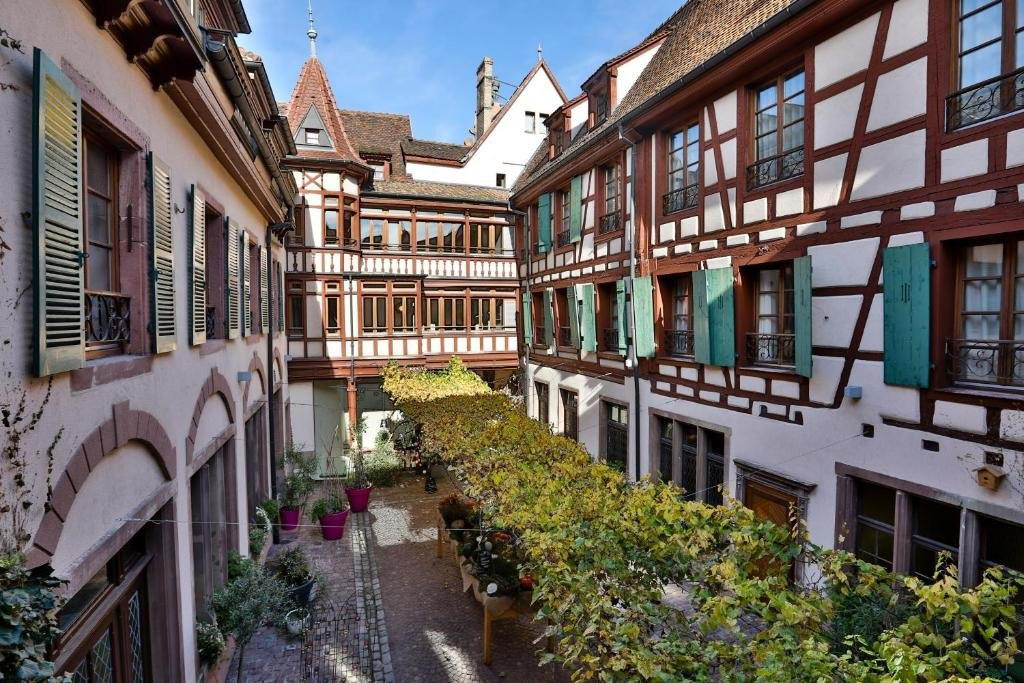
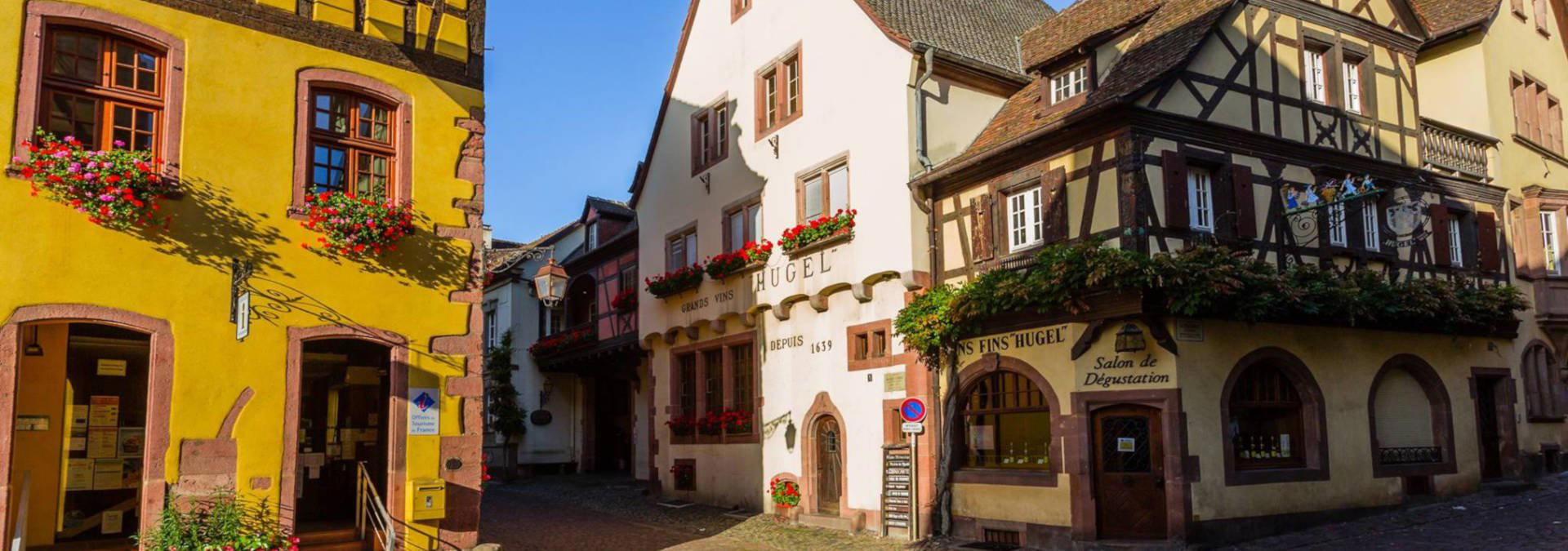
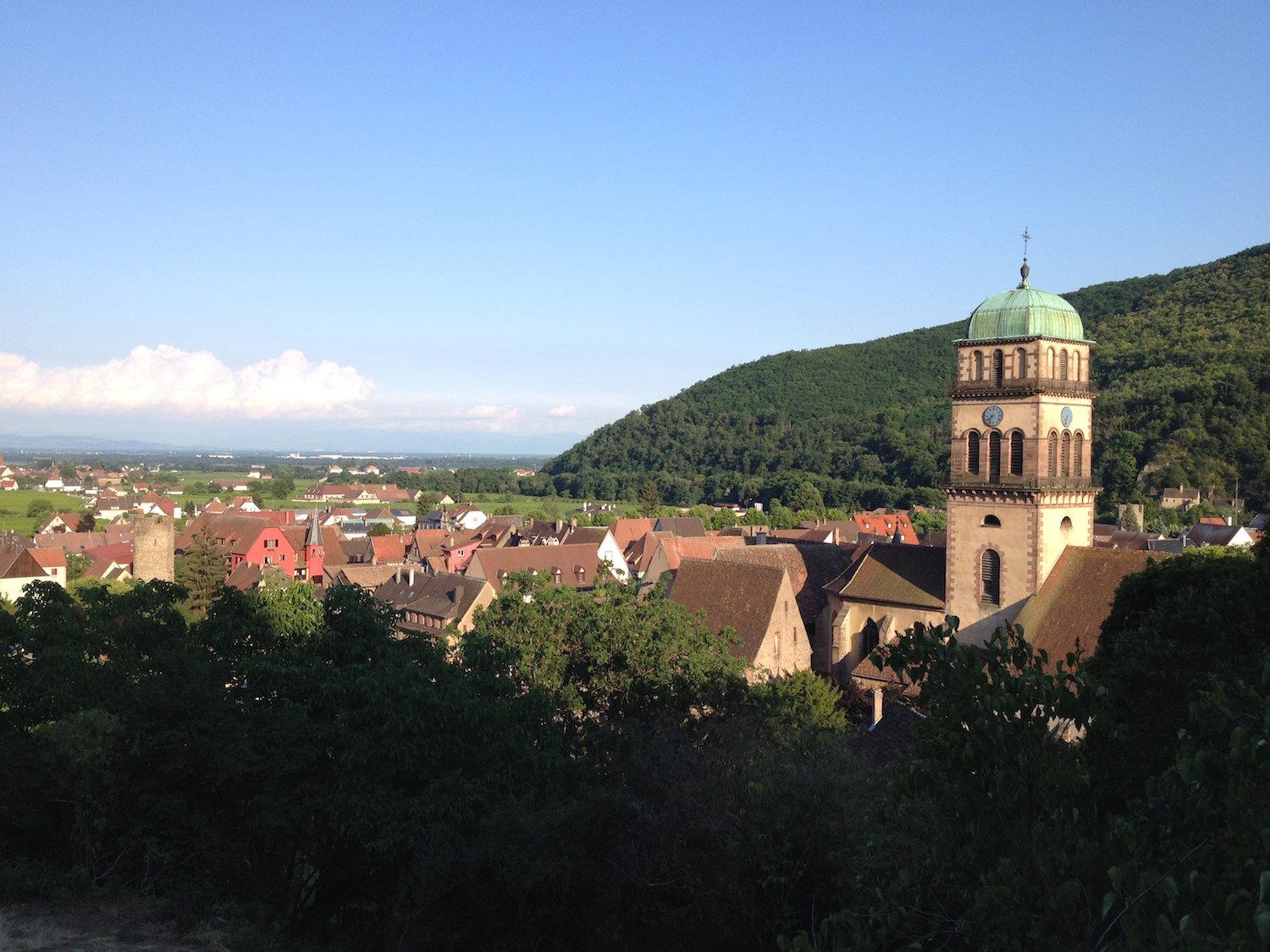
Rue du Général de Gaulle runs through the centre of Kaysersberg like a spine, lined with half-timbered houses and the kind of shop fronts that look unchanged since the last century. At number 4, Flamme & Co occupies a position on what is arguably one of the most food-saturated streets in provincial France. Within a short walk, Le Chambard operates its Alsatian dining room, Alchémille runs one of the region's most focused vegetable-forward kitchens, and La Table d'Olivier Nasti holds Michelin stars in the same postcode. To open a tarte flambée address in this company is, in itself, an editorial statement: this is a room that has decided the classic is enough.
That decision matters more in Kaysersberg than it would in Strasbourg or Colmar, because the village draws visitors who have come specifically to engage with Alsatian food culture at depth. The town's density of serious restaurants, from the contemporary technique at La Vieille Forge to the convivial format at Bratschtall Manala, means that diners arrive with context. They are not stumbling onto tarte flambée for the first time; they are choosing it deliberately, which raises the standard for what a specialist address must deliver.
What Tarte Flambée Actually Is, and Why Sourcing Defines It
The flammekueche, to use its Alsatian name, is a product of agricultural economy. Bakers testing the heat of a wood-fired oven before bread day would stretch a thin round of dough, cover it with fromage blanc, crème fraîche, lardons, and onions, and push it into the hottest part of the fire. The result cooked in minutes and fed the household before the serious business began. The dish never needed refinement because it was already perfectly calibrated: the fat in the crème tempers the char on the crust, the onions collapse into sweetness against the salt of the lardons, and the fromage blanc provides just enough acidity to cut through both.
In this format, ingredient sourcing is not a luxury decision but a structural one. The quality of the fromage blanc determines the character of the base. The lardons, typically from Alsatian pork producers who cure and smoke in ways specific to the region, carry a smoke register that industrial equivalents cannot replicate. Onions grown in the Rhine plain, harvested in late summer and into autumn, have a sweetness that distinguishes them from generic supply-chain alternatives. A tarte flambée address that sources carefully produces a dish that reads as coherent and regional; one that does not produces something that resembles a thin pizza with a dairy problem.
Alsace's broader food tradition has always been grounded in this kind of ingredient specificity. The same logic that applies here applies to the choucroute at a good winstub, to the baeckeoffe assembled by a serious home cook, or to the foie gras served at addresses like Auberge de l'Ill in Illhaeusern, one of France's most enduring fine-dining institutions. The difference is price point and register, not underlying principle. Across the leading French regional cooking, from Bras in Laguiole to Les Prés d'Eugénie in Eugénie-les-Bains, the argument is consistently the same: provenance is the technique.
Where Flamme & Co Sits in Kaysersberg's Dining Tier
Kaysersberg's restaurant scene has stratified clearly in recent years. At the leading, La Table d'Olivier Nasti and Alchémille operate at the €€€€ price tier, with tasting menus and formal booking requirements that place them in a different planning category. The middle tier includes addresses like La Vieille Forge with its modern cuisine at a more accessible price. Flamme & Co occupies the approachable end of the spectrum, consistent with the tarte flambée format across Alsace, where the dish functions as both everyday and celebratory depending on context.
This positioning gives the address a role that the higher-end rooms cannot fill. A visitor spending three days in Kaysersberg and eating at Le Chambard one evening and Alchémille another still needs a lunch option that delivers on Alsatian character without requiring the same level of commitment. Tarte flambée specialists serve exactly that function, and in a village of Kaysersberg's size, the competition for that slot is limited. The format is also the only one in the local range that is genuinely format-led rather than chef-led, which changes the expectation and the experience accordingly.
For context on how ingredient-driven simplicity operates at the other end of the price register, it is worth noting that addresses like Flocons de Sel in Megève or Mirazur in Menton are making the same sourcing argument with more courses and higher complexity. The principle is shared; only the execution tier differs.
Planning a Visit
Flamme & Co is at 4 Rue du Général de Gaulle in Kaysersberg Vignoble, on the town's main pedestrian artery and within easy walking distance of the fortified bridge and the upper village. Kaysersberg sits on the Alsace Wine Route between Colmar to the south and Ribeauvillé to the north, making it a natural stop on a longer regional itinerary that might also include dinner at Auberge de l'Ill in nearby Illhaeusern. The village draws its highest footfall during the December Christmas market, when accommodation books out weeks in advance and the main street operates at full capacity from mid-afternoon. The quieter shoulder periods of April through June and September through October allow for a more considered visit.
Comparable Spots, Quickly
Comparable venues nearby, for context on price, style, and recognition.
| Venue | Cuisine | Price | Awards | Notes |
|---|---|---|---|---|
| Flamme & CoThis venue — the venue you are viewing | Modern Alsatian Flammenkuchen | $$ | , | |
| Bratschtall Manala | Traditional Alsatian Bistro | $$ | 1 recognition | Kaysersberg |
| Le Chambard | Traditional Alsatian Winstub | $$$ | 2 recognitions | Kaysersberg |
| Winstub du Chambard | Traditional Alsatian Winstub | $$ | Bib Gourmand | Kaysersberg |
| La Vieille Forge | Modern Alsatian French Bistro | $$$ | Bib Gourmand | Kaysersberg |
| Alchémille | Modern French Nature-Driven Fine Dining | $$$$ | Michelin 1 Star | Kaysersberg |
Continue exploring
More in Kaysersberg
Restaurants in Kaysersberg
Browse all →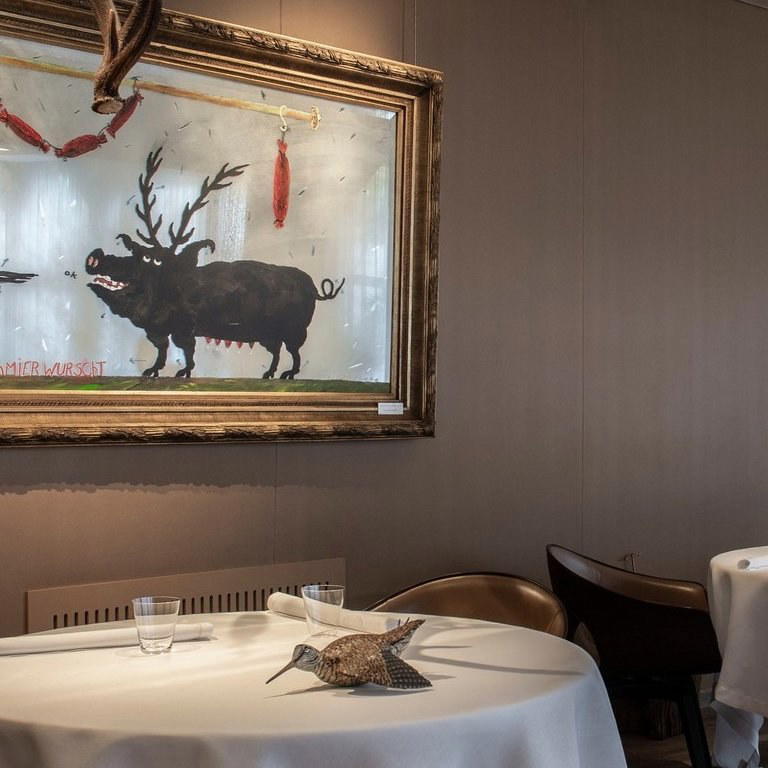
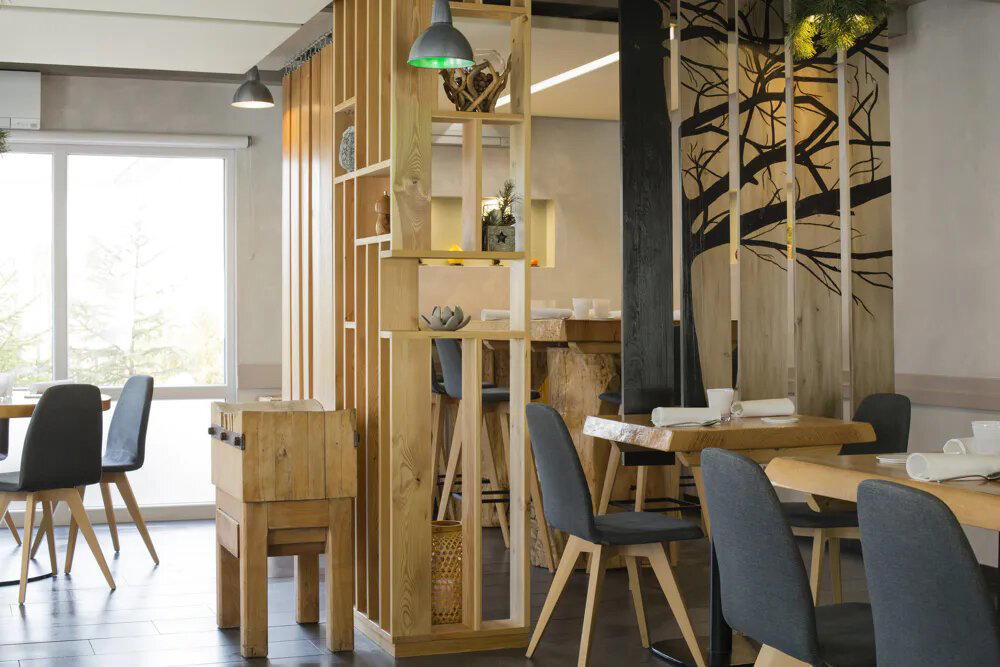
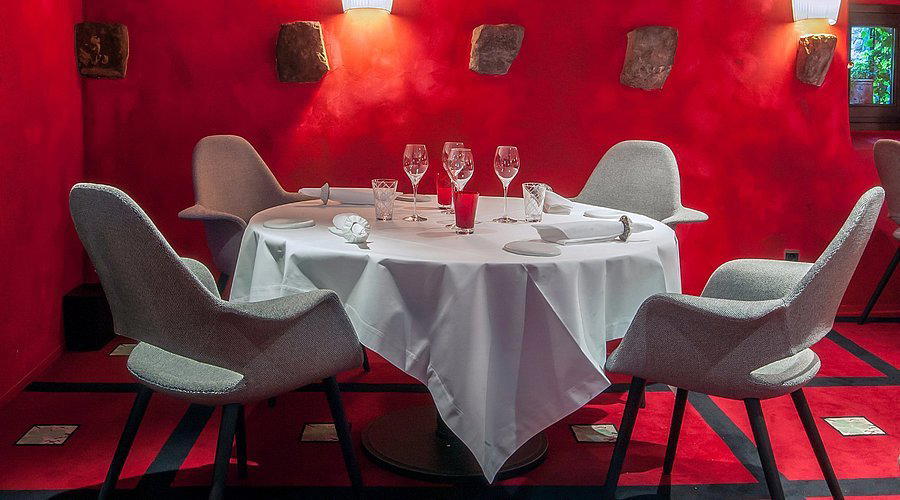
Bars in Kaysersberg
Browse all →
Hotels in Kaysersberg
Browse all →
At a Glance
- Modern
- Cozy
- Lively
- Casual Hangout
- Group Dining
- Open Kitchen
- Terrace
- Local Sourcing
- Street Scene
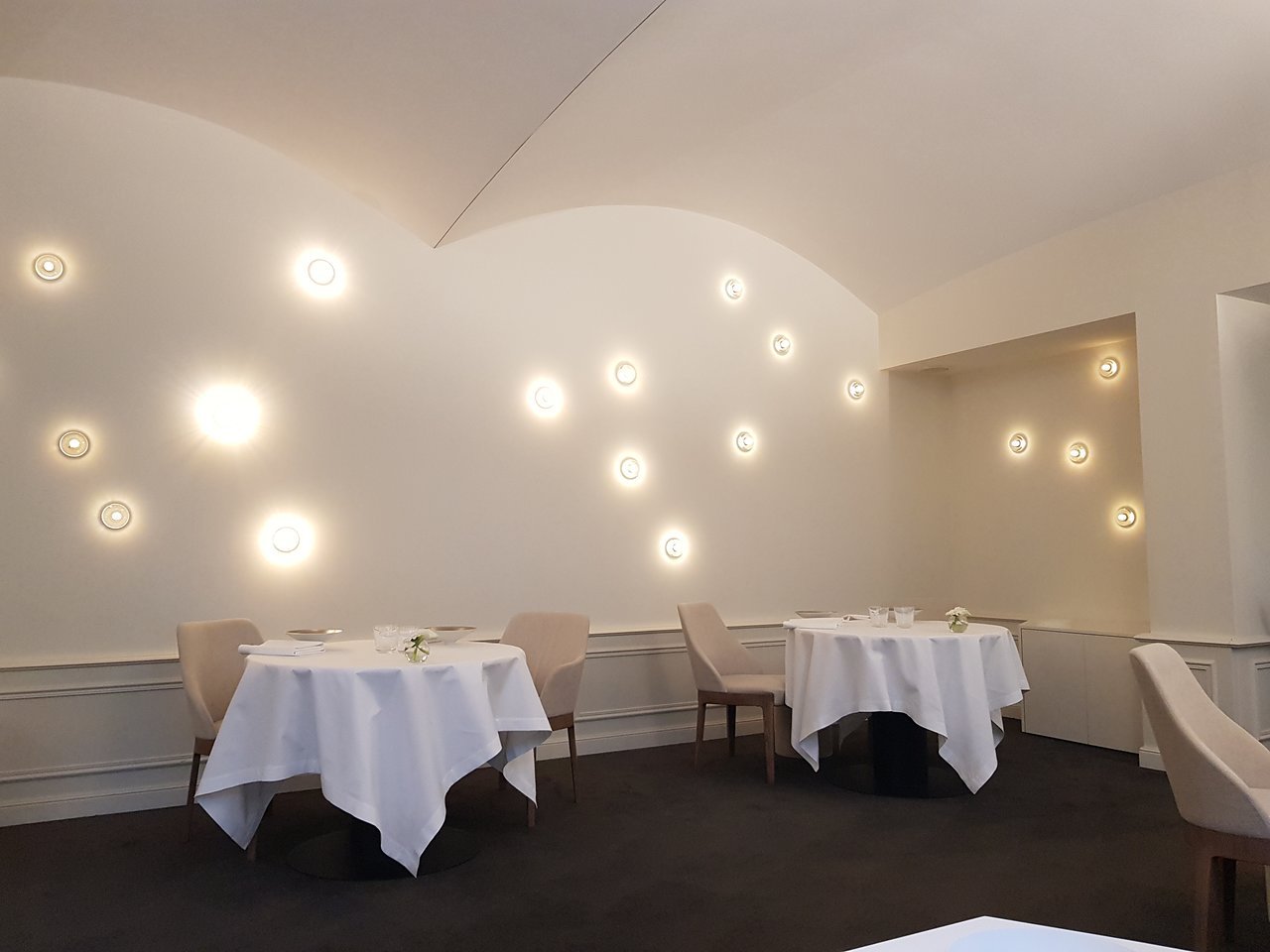
Contemporary and lively atmosphere featuring a prominent wood-fired oven, designed by renowned architect Michel Gomez.