Auberge Cévenole sits in La Salle Prunet, two kilometres from Florac at the edge of the Parc National des Cévennes, in one of inland France's most ecologically distinct valleys. The auberge format here is shaped by what the surrounding territory produces: chestnut, garrigue lamb, river trout, and seasonal game from the Massif Central. It operates in a different register from the region's urban options, with sourcing proximity as the defining logic of the kitchen.
Pearl is the En Primeur Club membership app — saves, bookings, and concierge access live there. Same editors, same standards.
- Address
- La Salle Prunet (village 2 kmde florac directionAlès, 48400 Florac Trois Rivières, France
- Phone
- +33 4 66 45 11 80
- Website
- facebook.com
- Directions
- Get directions
 Saves & bookings on Pearl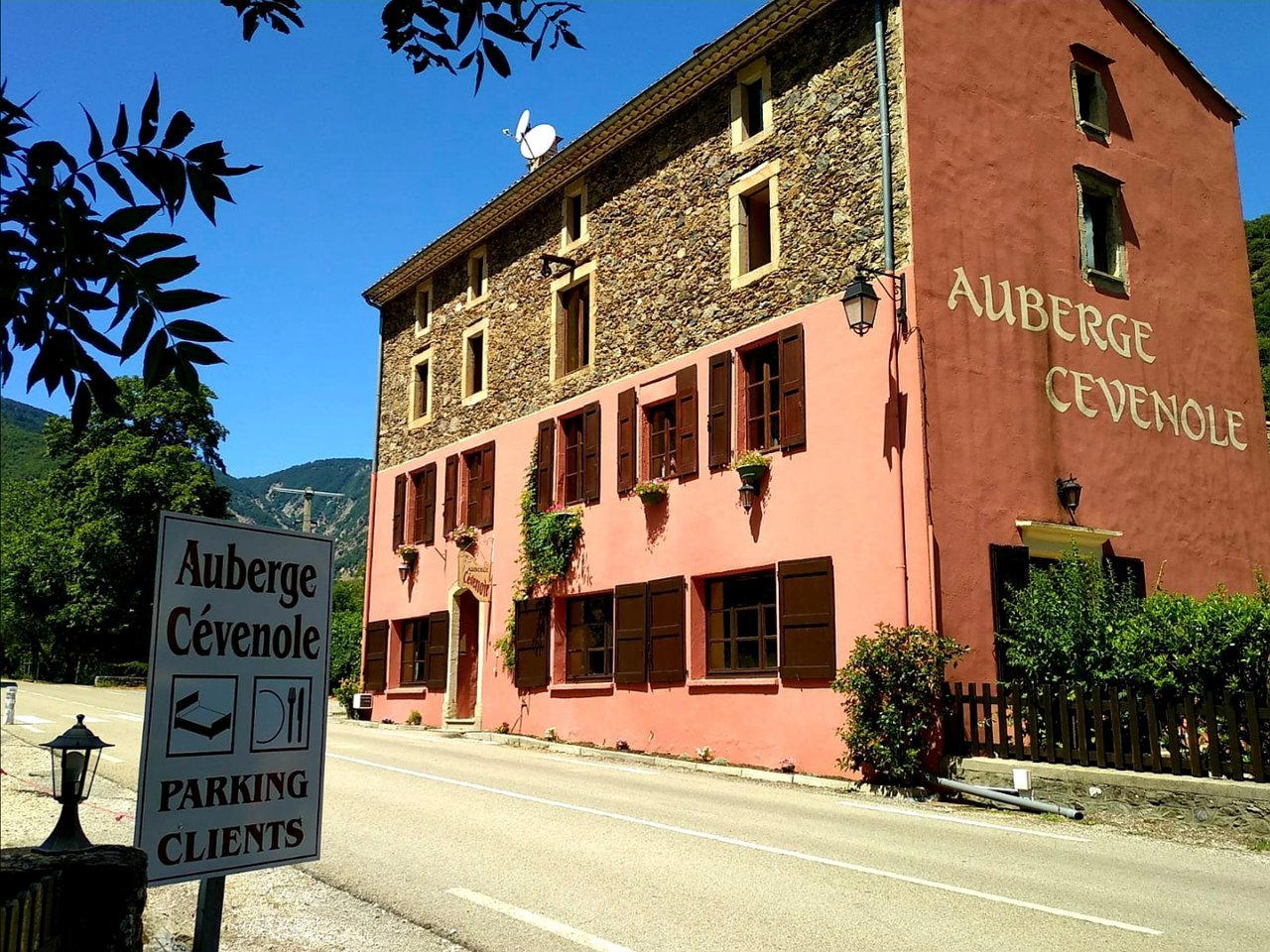
Where the Cévennes Feeds the Table
The drive into the Cévennes from the south is a slow accumulation of granite, chestnut forest, and limestone gorge. By the time you reach Florac, where the Tarnon meets the Mimente at the edge of the Parc National des Cévennes, the landscape has made its argument: this is among the more isolated, ecologically distinct corners of inland France, and what grows or grazes here does so under conditions that exist nowhere else in the country. Auberge Cévenole sits in La Salle Prunet, a village roughly two kilometres from Florac toward Alès, far enough from the town centre that arriving feels intentional rather than incidental. The setting frames everything that follows at the table.
Sourcing at Altitude: What the Cévennes Produces
Southern France's auberge tradition has always been grounded in proximity, the idea that the kitchen's radius of sourcing is also its culinary identity. In the Cévennes specifically, that radius yields a short but serious list: chestnut, in forms ranging from fresh to dried to flour; wild mushroom varieties from the surrounding forest floors; lamb raised on the scrubby garrigue hillsides; trout from the cold, clear rivers that cut through the Grands Causses; and, in late summer and autumn, game. These are not ingredients that arrive at a supplier's warehouse and then get distributed regionally. They are products whose quality is determined by altitude, soil, and season in ways that make sourcing from outside the zone a category error.
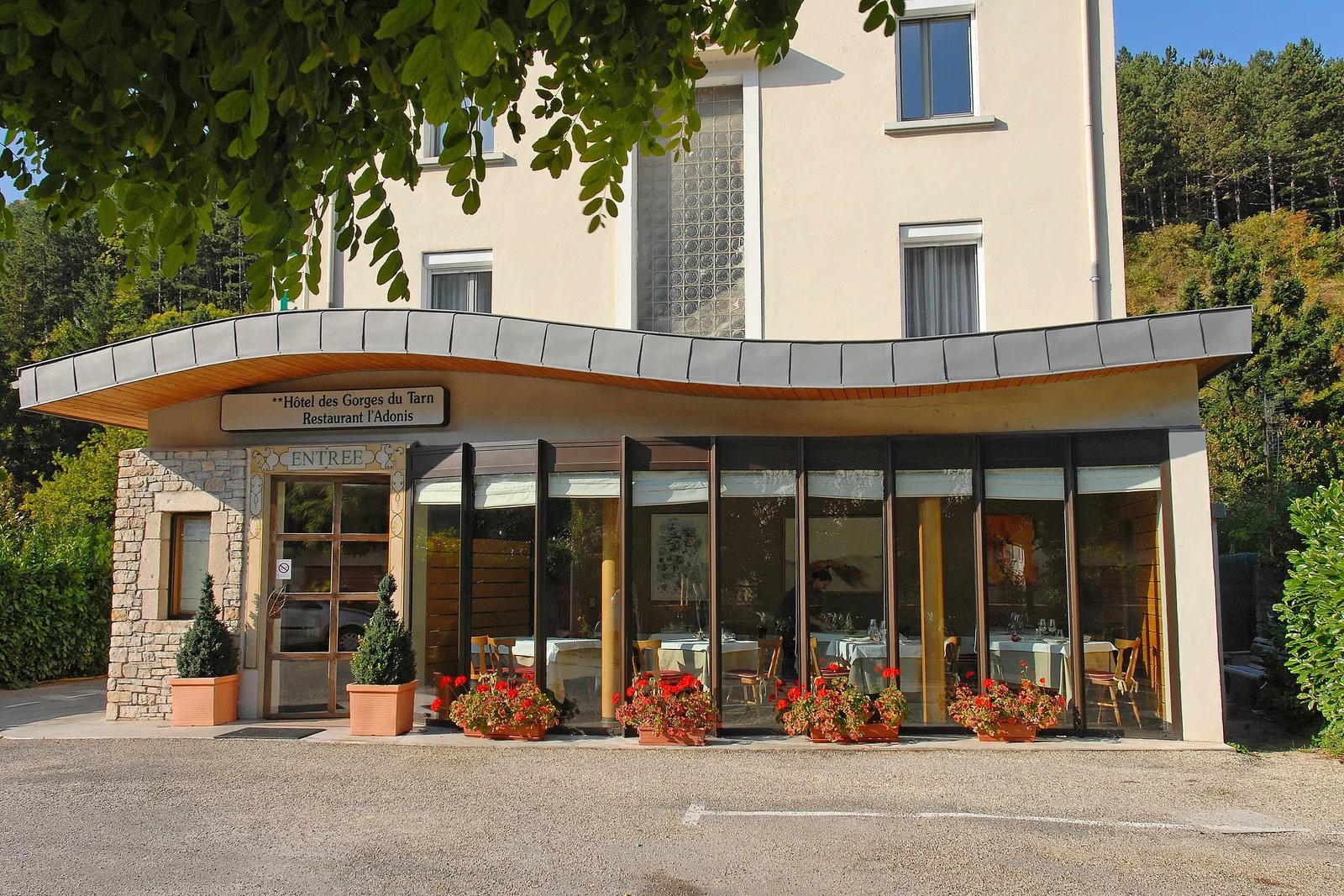
France's most celebrated kitchens, from Bras in Laguiole in the Aubrac to L'Oustau de Baumanière in Les Baux in Provence, have long made terroir-specificity a deliberate editorial stance, a way of telling diners that the food on the plate is irreducibly local. At auberge level in a département like Lozère, that relationship is less a statement than a structural reality. Supply chains in this part of France are short by necessity. The kitchen works with what the valley and the plateau provide, and the menu shifts accordingly. For travellers more accustomed to urban French dining, including the city-centre format of Restaurant l'Adonis also in Florac, this auberge model offers a fundamentally different proposition: the ingredient is the argument, not the technique applied to it.
Auberge Format in a Regional Context
The auberge as a format occupies a distinct position in French restaurant culture. It predates the starred-kitchen model that dominates international coverage of French dining, and in rural regions it remains the primary vehicle for serious, place-specific cooking. The format implies lodging alongside food, a calendar shaped by agricultural seasons, and a pricing structure calibrated to the local economy rather than metropolitan expectations. This places venues like Auberge Cévenole in a different competitive conversation than, say, Flocons de Sel in Megève or Maison Lameloise in Chagny, both of which carry institutional Michelin recognition and price accordingly. The rural southern auberge answers to different metrics: consistency across seasons, relationship with local producers, and the kind of repeat local patronage that keeps a village restaurant viable for decades.
Lozère, where Florac sits, is France's least densely populated département. That geography filters which restaurants endure. The ones that do tend to be embedded in the local economy through sourcing, staffing, and the social function they serve in communities with limited alternatives. Auberge Cévenole's location in La Salle Prunet rather than in Florac proper reinforces this character: it draws from a catchment that includes walkers on the GR70 (the Stevenson trail runs through this territory), regional visitors, and the kind of traveller who plans around the Cévennes rather than passing through it.
The Stevenson Trail and the Slow Visitor
Robert Louis Stevenson's 1878 journey through the Cévennes, documented in Travels with a Donkey in the Cévennes, established a template for the region that has proved durable. The GR70 waymarked trail now follows much of his route, and it brings a specific category of visitor to villages like La Salle Prunet and Florac: walkers who travel slowly, eat locally, and stay in places that would otherwise see little tourism. For an auberge positioned along or near this corridor, the trail represents a meaningful part of the seasonal visitor pattern, concentrated in spring and autumn when temperatures make long-distance walking viable in the Massif Central. The Cévennes in mid-October, when the chestnut harvest is underway and the deciduous forest shifts colour against the granite, is among the more visually arresting periods to be in this part of France, and it corresponds with some of the strongest local produce availability.
Our full Florac restaurants guide maps the broader dining options in the area for visitors planning time in the Parc National.
Planning a Visit
Auberge Cévenole is located in La Salle Prunet, approximately two kilometres from the centre of Florac Trois Rivières on the road toward Alès. Florac is accessible by car from Mende (roughly 40 kilometres north) and from Millau or Alès to the south and east respectively; there is no direct rail connection to Florac itself, so independent transport is the practical requirement for reaching La Salle Prunet. Given the auberge's rural position and the seasonal rhythms that govern Cévennes kitchens, visiting in late spring or the early autumn window around the chestnut harvest gives the leading alignment between regional produce and comfortable travel conditions.
For reference on what refined regional French cooking looks like at different price and recognition tiers, Auberge du Vieux Puits in Fontjoncouse in the Aude operates a similar auberge format but with three Michelin stars, while Georges Blanc in Vonnas, Paul Bocuse - L'Auberge du Pont de Collonges in Collonges-au-Mont-d'Or, and Auberge de l'Ill in Illhaeusern represent the auberge model at its most institutionally recognised. For those building a wider southern France itinerary, La Table du Castellet in Le Castellet and Les Prés d'Eugénie - Michel Guérard in Eugénie-les-Bains offer contrasting regional reference points, as do Troisgros - Le Bois sans Feuilles in Ouches and Alléno Paris au Pavillon Ledoyen in Paris for those comparing rural auberge dining against Parisian fine dining registers. Further afield, Le Bernardin in New York City and Lazy Bear in San Francisco demonstrate how the produce-driven, place-specific approach translates into entirely different urban formats. Mirazur in Menton and Le 1947 à Cheval Blanc in Courchevel complete the arc of French fine dining contexts against which any regional auberge can be usefully calibrated.
How Auberge Cévenole Florac compares with similar nearby venues.
| Venue | Cuisine | Price |
|---|---|---|
| La Lozerette | Modern Cuisine | €€ |
| La Safranière | Traditional Cuisine | € |

At a Glance
- Rustic
- Cozy
- Classic
- Family
- Casual Hangout
- Terrace
- Local Sourcing
Current opening hours
- Monday
- Closed
- Tuesday
- Closed
- Wednesday
- 12–1:30 PM, 7:30–8:30 PM
- Thursday
- 12–1:30 PM, 7:30–8:30 PM
- Friday
- 12–1:30 PM, 7:30–8:30 PM
- Saturday
- 12–1:30 PM, 7:30–8:30 PM
- Sunday
- 12–1:30 PM
Hours can change for holidays and private events. Last verified .
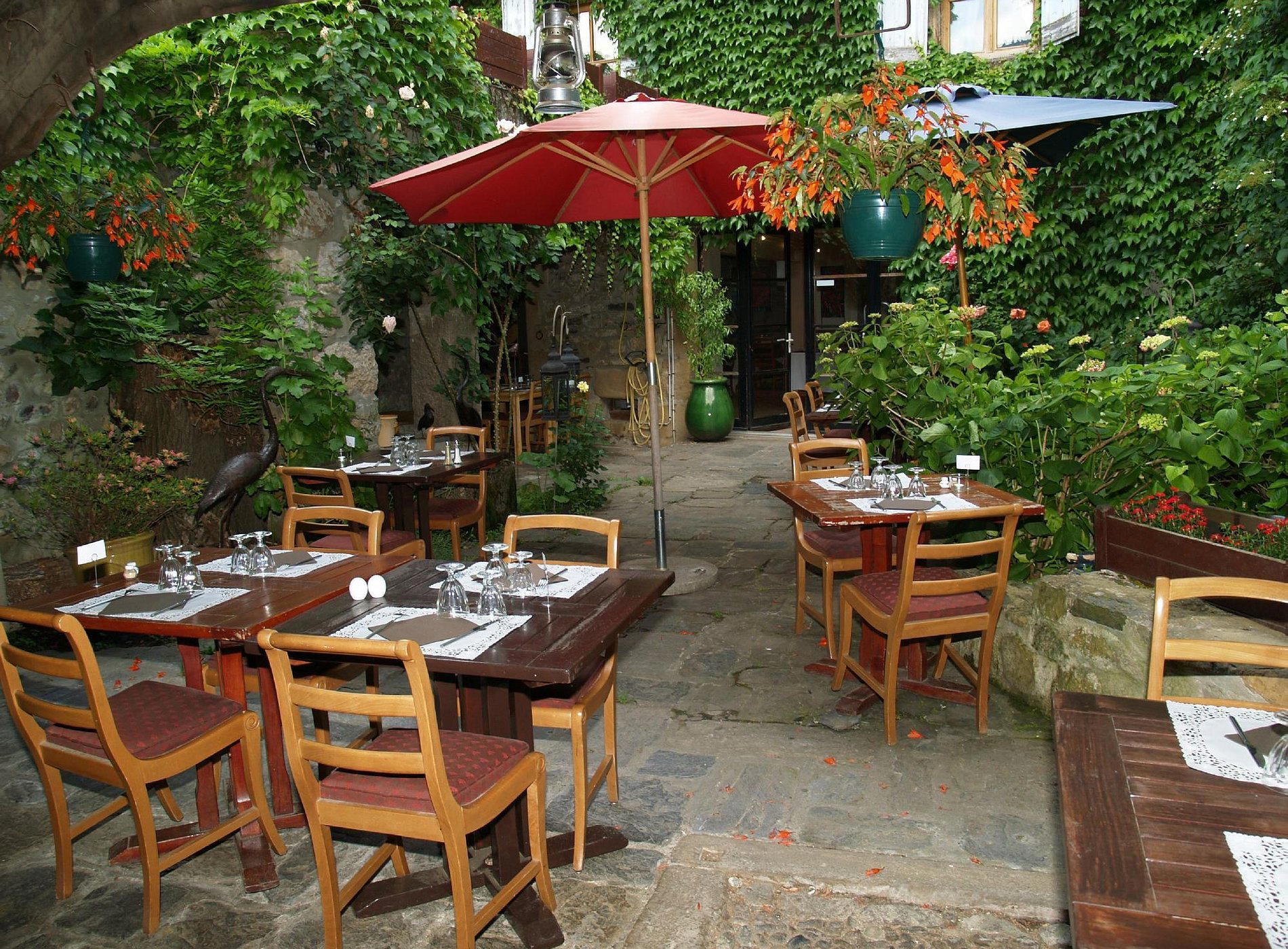
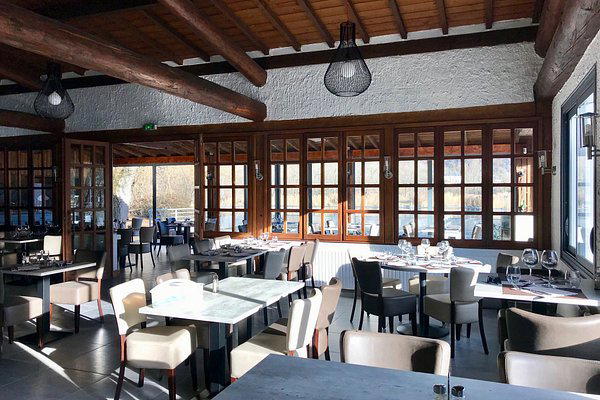
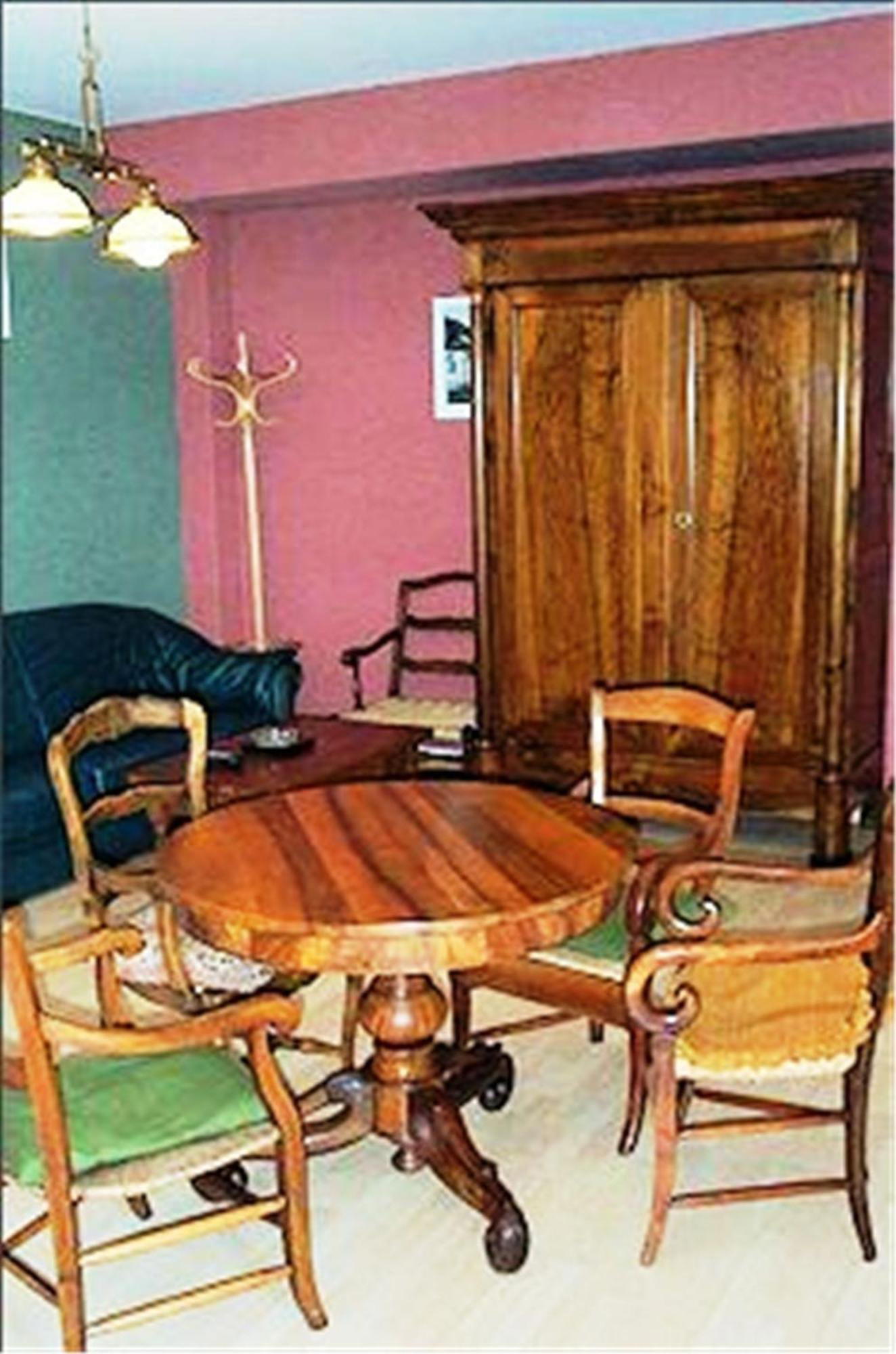
Country decor with fireplace for cozy indoor dining and pleasant terrace in summer, creating a friendly and rustic atmosphere.