In the market town of Florac, where the Tarnon meets the Mimente at the edge of the Cévennes National Park, Restaurant l'Adonis occupies a modest address on Rue du Pêcher that belies its role in the local dining scene. The kitchen draws on a region dense with chestnut groves, highland pastures, and river valleys to compose a table that reflects the Cévennes rather than simply serving in it.
Pearl is the En Primeur Club membership app — saves, bookings, and concierge access live there. Same editors, same standards.
- Address
- 48 Rue du Pêcher, 48400 Florac Trois Rivières, France
- Phone
- +33466450063
- Website
- hotel-gorgesdutarn.com
- Directions
- Get directions
 Saves & bookings on Pearl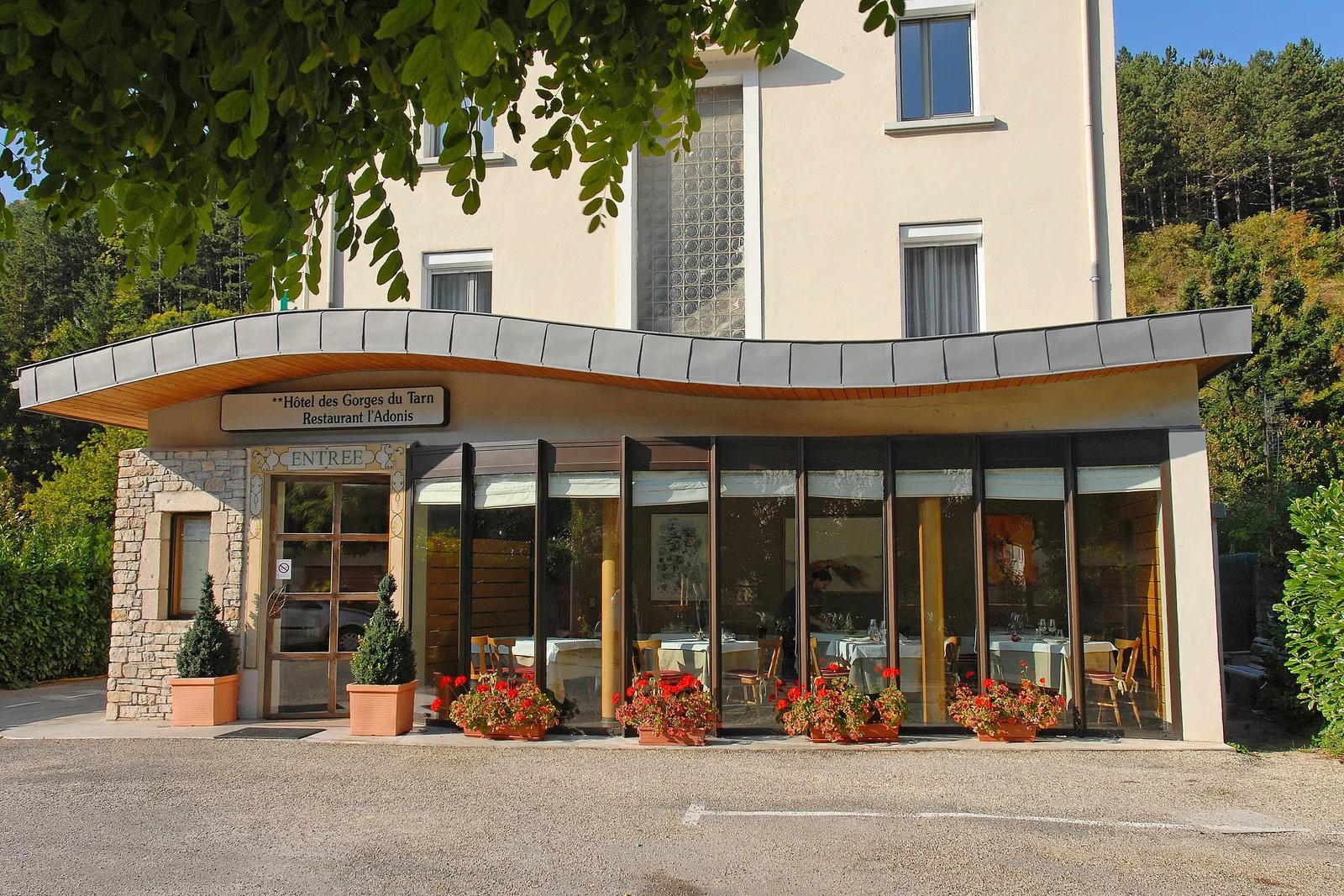
Florac and the Cévennes Table
The Cévennes is one of France's least-trafficked fine-dining corridors, and that is precisely what makes eating well here a different proposition from the starred circuits of Lyon or the Côte d'Azur. The land around Florac sits inside the Parc National des Cévennes, a UNESCO Biosphere Reserve covering more than 300,000 hectares of schist ridges, chestnut forest, and limestone causses. The consequence for any kitchen committed to the region is an ingredient supply that is genuinely local in the way that word rarely means in a major city: sheep grazed on the Causse Méjean, river-caught fish from the Tarn and its tributaries, chestnuts that have defined Cévenol cooking for centuries. Restaurant l'Adonis sits on Rue du Pêcher in Florac Trois Rivières, a town of fewer than two thousand residents that functions as the administrative centre of this national park, and the address alone places it inside a culinary tradition rooted in scarcity-driven resourcefulness rather than metropolitan abundance.
What the Cévennes Puts on the Plate
Regional French cooking in the Massif Central and its southern slopes has long operated on a logic different from Burgundy or Périgord. Where those regions built reputations on single dominant products — the snail and the truffle, respectively — the Cévennes table is defined by altitude variation and the confluence of Mediterranean and continental climates. The same département (Lozère) that produces Aubrac beef to the north brings wild mushrooms, blueberries, and transhumance-raised lamb from its southern flanks. Florac, positioned at the junction of the Tarn gorge and the valley of the Mimente, draws on both. For a restaurant in this location, sourcing is less a marketing choice than a geographic given: the supply chain is short because the alternative is importing from elsewhere, which would defeat the premise.
This model of cooking has parallels in France's other remote, terrain-driven kitchens. Bras in Laguiole, roughly 120 kilometres to the northwest on the Aubrac plateau, built a three-Michelin-star reputation around exactly this kind of ecological sourcing, translating highland herbs and volcanic soils into a cooking language legible to an international audience. Auberge du Vieux Puits in Fontjoncouse, further south in the Aude, demonstrates how a kitchen anchored in a remote village can sustain a serious critical reputation over decades. The Cévennes has not yet produced a name at that tier of international recognition, but the ingredient conditions that would support such a kitchen are fully present.
The Setting on Rue du Pêcher
Approaching Florac from the north on the D907, the town announces itself through the limestone walls of the Tarn gorge before opening onto a small valley floor where the river widens. The old town is compact, its streets narrow enough that the sound of the Tarnon carries clearly from the channel that runs through the centre. Rue du Pêcher, the street of the peach tree, sits within this historic core. The name is a reminder that the Cévennes microclimate, warmer and drier than the plateaux above, has historically supported fruit cultivation that surprises visitors expecting alpine austerity. A restaurant on this street inhabits a physical and seasonal context that is built into the address.
Florac is not a destination that draws passing trade. Visitors arrive deliberately: hikers on the GR70, the Stevenson Trail that crosses the park; naturalists in spring and autumn; a smaller number of travellers who orient their journeys around lesser-known regional cooking rather than the starred itineraries of better-publicised cities. This self-selecting audience tends to be patient with menus that follow what is available rather than what is consistent year-round, which makes the Cévennes a permissive environment for kitchens that want to cook seasonally without commercial pressure to maintain a fixed offering.
Florac in the Wider French Regional Context
France's top-tier restaurants cluster in predictable geographies: Paris dominates in volume, with addresses like Alléno Paris au Pavillon Ledoyen representing the capital's most ambitious creative cooking; the Alpine corridor delivers mountain-terrain kitchens such as Flocons de Sel in Megève; the Mediterranean edge produces the market-driven spontaneity of Mirazur in Menton. Alsace offers the long-rooted tradition of Auberge de l'Ill in Illhaeusern, and Burgundy's influence runs through the institutional weight of Paul Bocuse in Collonges-au-Mont-d'Or. Against these coordinates, Lozère and the Cévennes represent a quiet outlier: a region with the raw ingredient quality to support serious cooking but without the critical infrastructure, the food-press concentration, the urban dining public, that accelerates reputations elsewhere. Restaurants here compete in a different register, one where the dining room is often as much a product of the region's tourism rhythm as of a chef's professional ambition.
That pattern holds across rural France. Georges Blanc in Vonnas and Troisgros in Ouches both succeeded in building international profiles from non-urban bases, but both did so with the backing of major road networks and a broader regional gastronomic culture. The Cévennes requires a different calculation from visitors: the journey is part of the commitment. For restaurants in Florac, that means the clientele who arrive tend to bring a level of curiosity and attention that more accessible dining rooms rarely receive.
Neighbouring Tables and the Local Scene
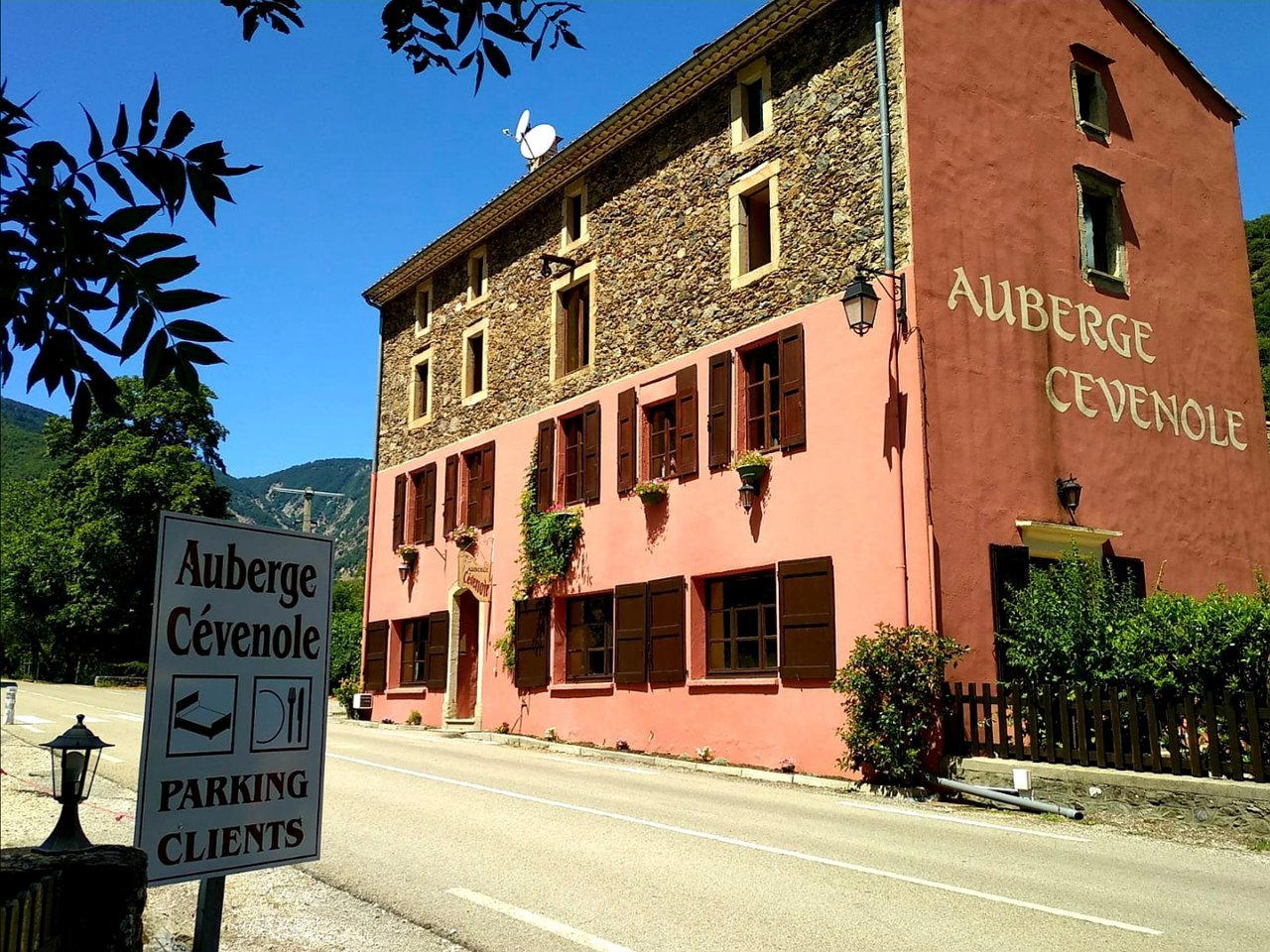
Florac's dining options are concentrated enough that a single visit to the town involves making genuine choices about where to eat rather than grazing across a district. Auberge Cévenole represents the more traditional auberge format in the same town, grounding itself in the hearty cooking conventions of the Lozère highlands. Restaurant l'Adonis occupies a different position in that small local ecosystem. For a fuller picture of what Florac offers across price points and styles, our full Florac restaurants guide maps the options with more detail.
Planning a Meal Here
Florac is roughly two and a half hours by road from Montpellier and just over three hours from Lyon, with no practical rail connection to the town centre, the nearest TGV stops are at Nîmes or Mende, both requiring onward road transfer. This means Restaurant l'Adonis functions almost exclusively as a destination for drivers, and most visits are built around overnight stays in the area rather than day trips. The national park's high season runs from late spring through early September, when the town's visitor numbers rise considerably and booking ahead becomes proportionally more advisable. Outside those months, Florac is quieter, and the restaurant's rhythm shifts accordingly.
How Restaurant l'Adonis Florac compares with similar nearby venues.
| Venue | Cuisine | Price |
|---|---|---|
| La Lozerette | Modern Cuisine | €€ |
| La Safranière | Traditional Cuisine | € |

At a Glance
- Cozy
- Elegant
- Rustic
- Special Occasion
- Family
- Hotel Restaurant
- Local Sourcing
- Organic
Current opening hours
- Monday
- 7–9 PM
- Tuesday
- 7–9 PM
- Wednesday
- 7–9 PM
- Thursday
- 7–9 PM
- Friday
- 7–9 PM
- Saturday
- 7–9 PM
- Sunday
- 7–9 PM
Hours can change for holidays and private events. Last verified .
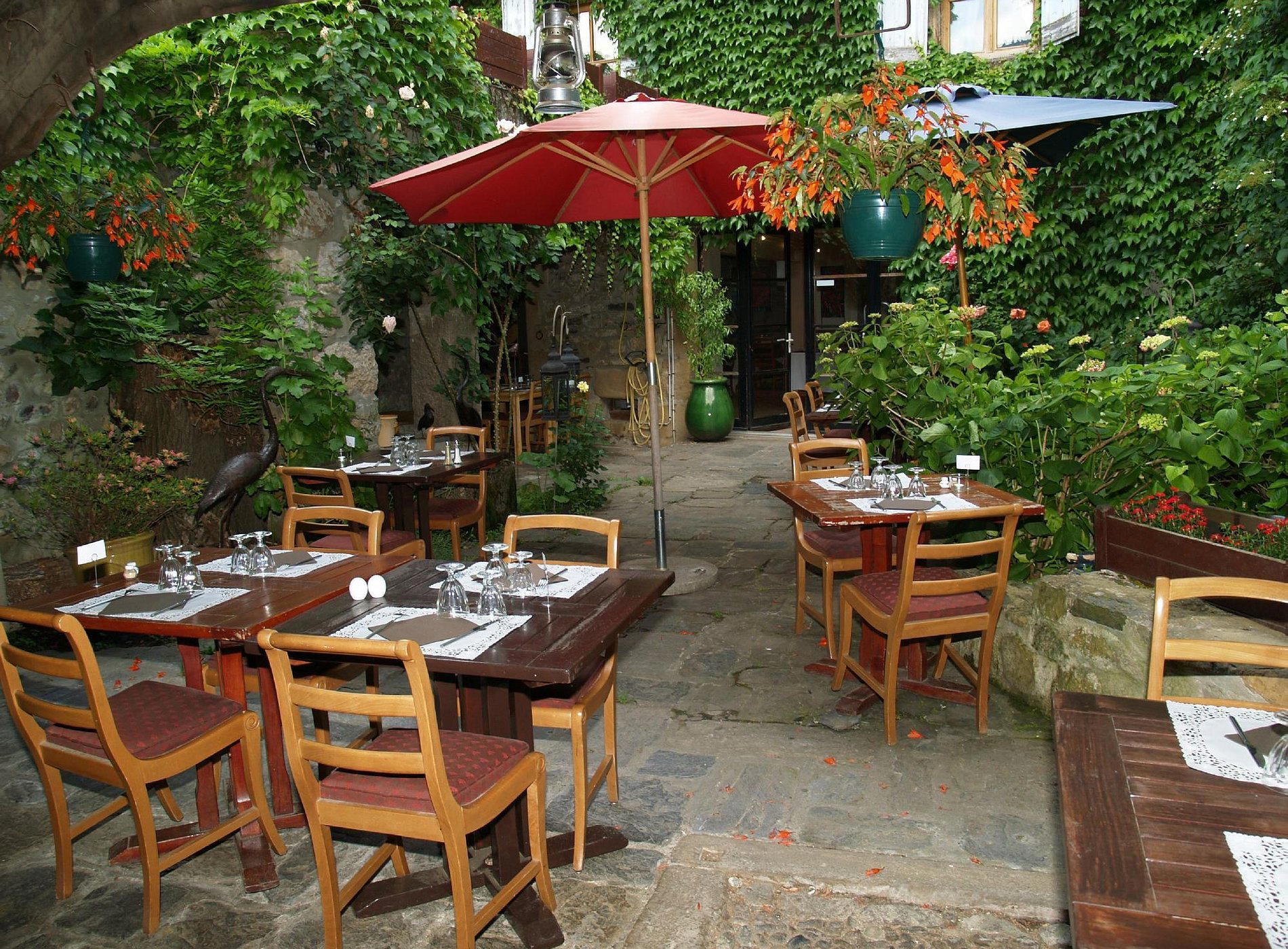
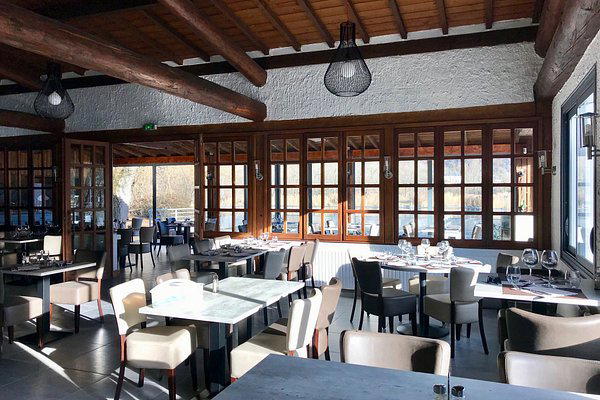
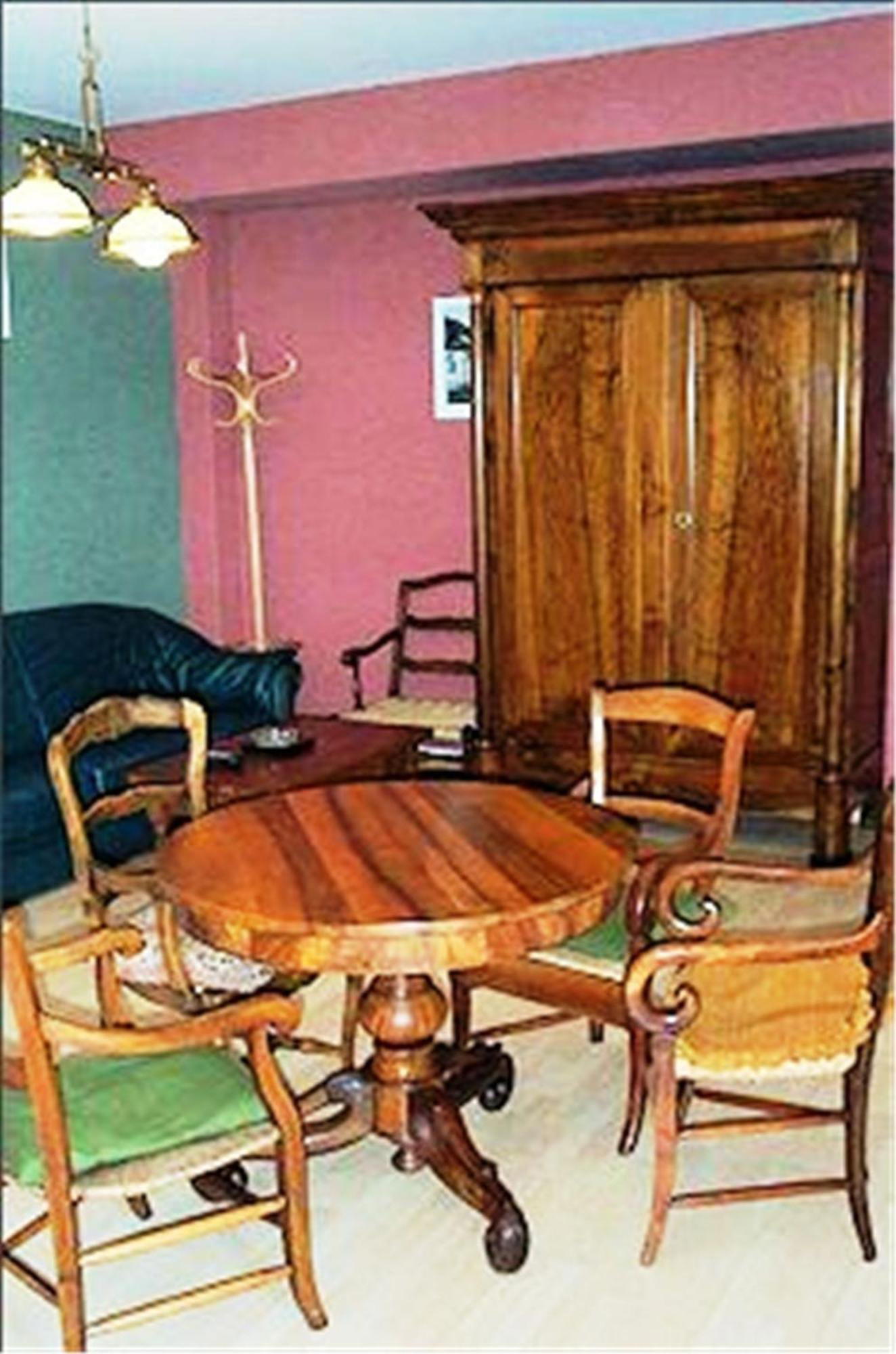
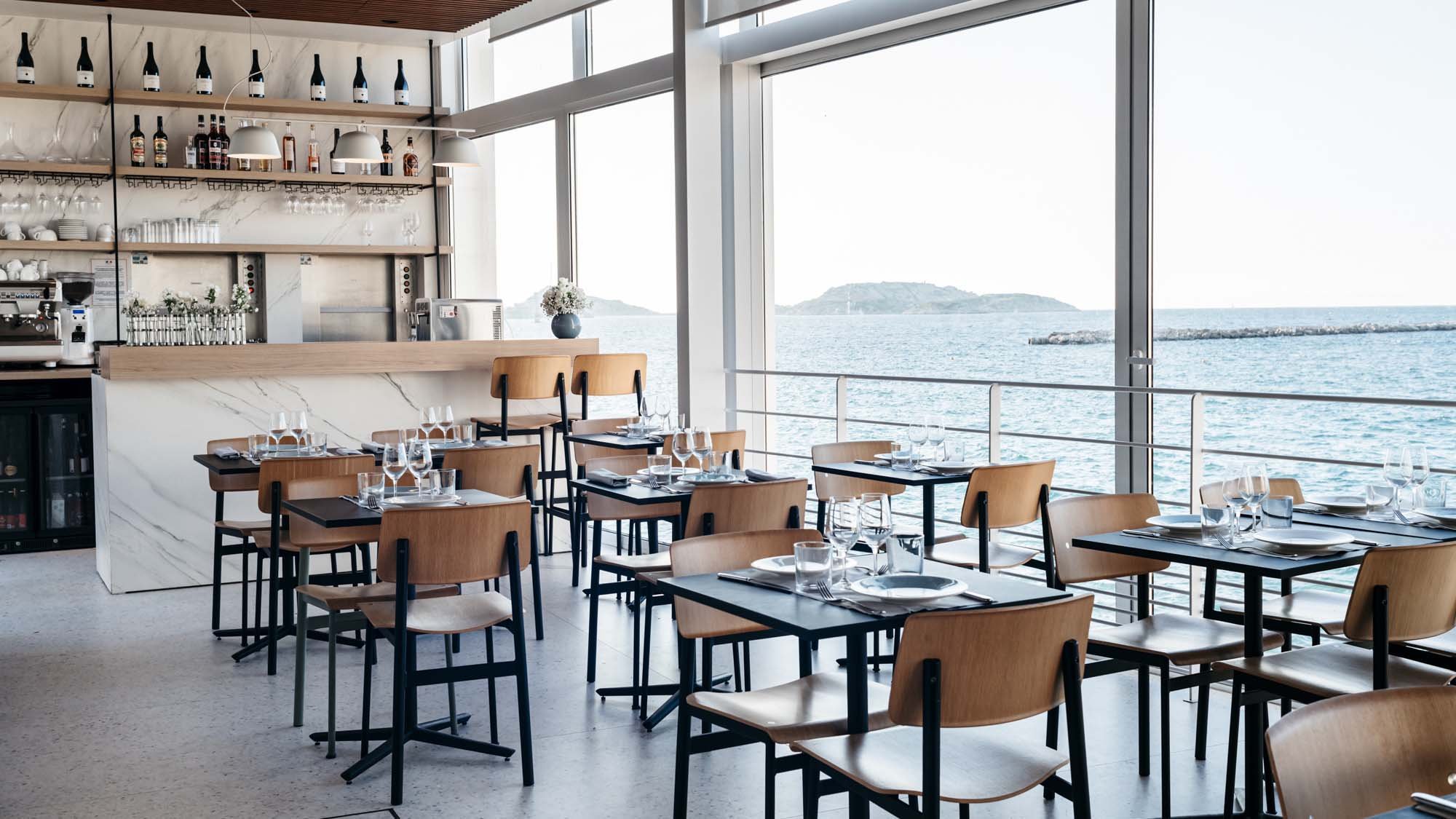
Bright and luminous small dining room with a welcoming atmosphere and terrace views.