La Bougnate sits on Place du Vallat in Blesle, one of France's classified medieval villages in the Haute-Loire. The restaurant draws from the agricultural traditions of the Auvergne plateau, where volcanic soils, high-altitude pastures, and a strong regional cheese culture shape what ends up on the plate. For travellers passing through the Allier valley, it represents the kind of grounded, place-specific cooking that distinguishes provincial France from its capital counterpart.
Pearl is the En Primeur Club membership app — saves, bookings, and concierge access live there. Same editors, same standards.
- Address
- Pl. du Vallat, 43450 Blesle, France
- Phone
- +33471762930
- Website
- labougnate.fr
- Directions
- Get directions
 Saves & bookings on Pearl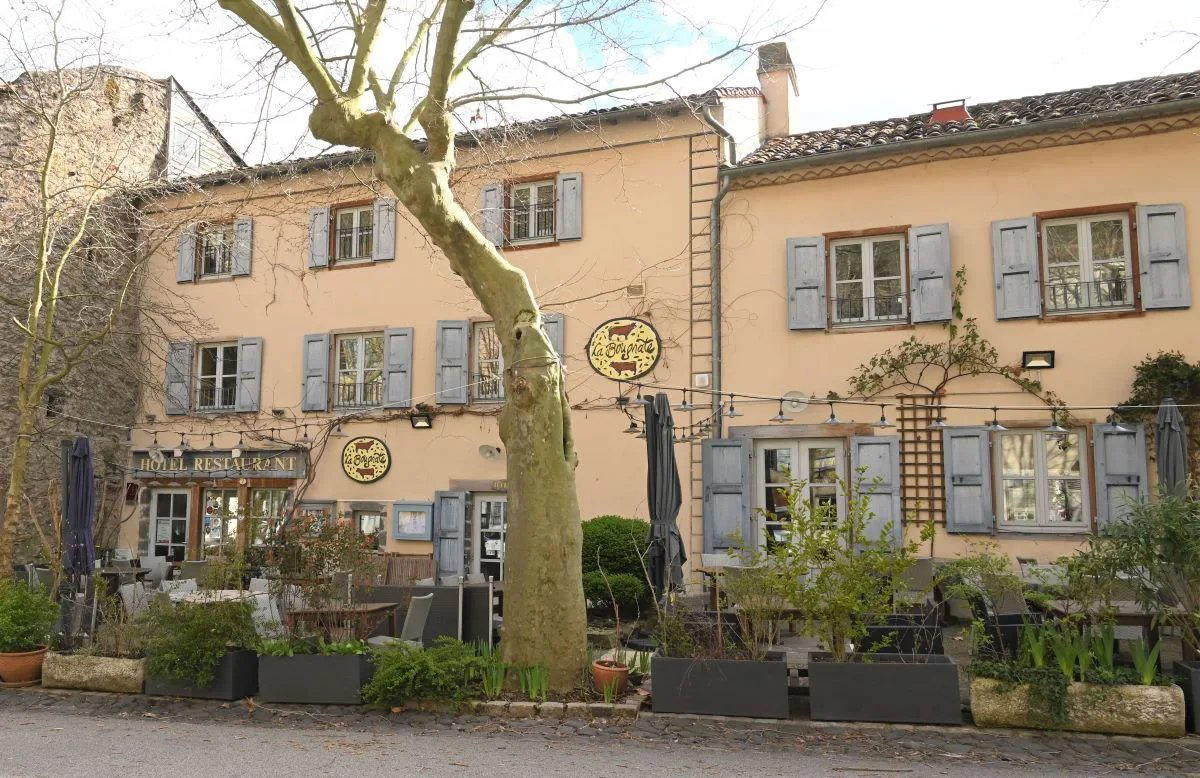
Stone, Square, and the Auvergne Table
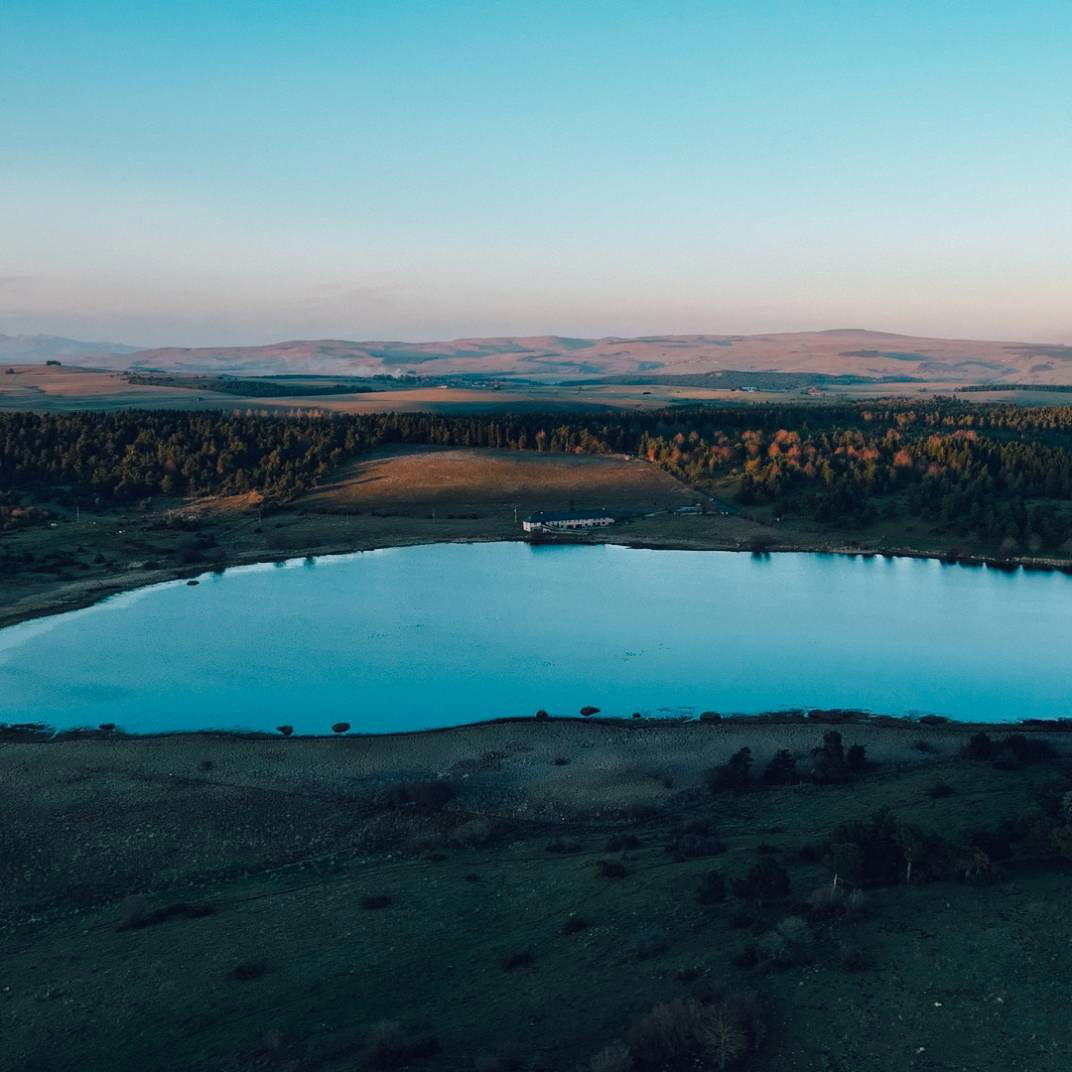
Blesle is the kind of village that France designates officially rather than discovers accidentally. Listed among the Plus Beaux Villages de France, its medieval core of basalt stone buildings and Benedictine abbey ruins sits above the Allier gorges in the Haute-Loire, a department where volcanic geology shapes both the terrain and, quietly, the food. Place du Vallat, where La Bougnate occupies its position, is the social hinge of the village: a modest square that in warmer months becomes the gathering point for locals and the slower category of traveller who has driven off the A75 corridor to look at something older than a motorway service station.
Arriving here puts the restaurant immediately in context. This is not a dining destination in the way that Bras in Laguiole is a destination, where the building itself is the statement and the journey is part of the brief. La Bougnate belongs to a different and more common tradition in provincial France: the village restaurant whose authority comes from proximity to its ingredients rather than from architectural drama or chef celebrity.
What the Auvergne Plateau Puts on the Table
Understanding what La Bougnate likely offers requires understanding what the Auvergne produces, because in this part of France, the supply chain between farm and plate is rarely abstract. The Haute-Loire and its neighbouring departments sit at elevations between 800 and 1,400 metres across much of their agricultural heartland. That altitude produces beef from the Salers and Aubrac breeds, whose slow growth on volcanic-mineral pasture gives the meat a depth of flavour that lowland cattle rarely match. The Aubrac in particular has become a reference point in French gastronomy: Troisgros - Le Bois sans Feuilles in Ouches and other kitchens at the upper tier of French dining have featured Aubrac beef precisely because provenance at that altitude carries genuine flavour consequence.
The cheese tradition runs equally deep. Fourme d'Ambert, Saint-Nectaire, and Cantal all originate within reach of Blesle, and the aligot tradition, mashed potato stretched with young Cantal and crème fraîche until it pulls like warm dough, is as central to Auvergne identity as cassoulet is to the southwest. A village restaurant in this geography does not need to source adventurously; the adventure is already in the terroir. The editorial comparison worth making is with places like Auberge du Vieux Puits in Fontjoncouse, where the surrounding Corbières landscape similarly functions as the kitchen's primary argument. In both cases, the restaurant is less a creative project than a conduit.
Provincial France and the Case Against Constant Innovation
French haute cuisine has spent two decades in a well-documented identity negotiation, with kitchens like Alléno Paris au Pavillon Ledoyen in Paris and Mirazur in Menton pushing technique and concept to register internationally. The village restaurant in rural Auvergne operates from a different premise entirely: that repetition, seasonality, and regional fidelity are their own form of discipline. A kitchen that serves potée auvergnate, the slow-cooked pork and cabbage pot that has defined winter eating in this region for centuries, is making an argument about continuity rather than creativity.
This is the tradition La Bougnate inhabits. For a traveller arriving from a run of starred restaurants, whether Assiette Champenoise in Reims or AM par Alexandre Mazzia in Marseille, the recalibration required to appreciate a village table in Blesle is real. The metrics are different. Here, the question is whether the lentils are from Le Puy (the Haute-Loire's most internationally traded agricultural product, and one of the few French ingredients to carry a European PDO designation), whether the sausage is made locally, and whether the charcuterie board reflects the particular pork traditions of the Auvergne rather than a generic French spread. See our full Blesle restaurants guide for broader context on eating in the village.
Framing La Bougnate against L'Oustau de Baumanière in Les Baux or Georges Blanc in Vonnas would be a category error. Those are destination restaurants with hotel infrastructure, deep wine cellars, and multi-decade Michelin histories.
Across France, this tier of restaurant has faced sustained pressure. Rural depopulation, changing dining habits, and the economics of running a kitchen in a village of a few hundred residents make these establishments harder to sustain than their urban counterparts. When they survive, it is usually because they have maintained a genuine relationship with the local supply chain and the local clientele simultaneously, two things that reinforce each other. The contrast with purely export-facing restaurants, those built primarily for destination visitors, like La Marine in Noirmoutier-en-l'île or Christopher Coutanceau in La Rochelle, is worth holding in mind. Both models have integrity; they simply serve different relationships between place and plate.
Planning a Visit
Blesle sits roughly 40 kilometres southwest of Brioude on the D909, accessible by car from Clermont-Ferrand in under an hour and a half. The village is not on a major rail line, so a vehicle is effectively required. Travellers combining Blesle with the wider Haute-Loire circuit might pair it with a visit to the Allier gorges or the Le Puy-en-Velay pilgrim route, which passes through the broader region. Given the scale of the village, the restaurant functions leading as a midday stop rather than an evening destination, as French village restaurants of this type typically run strong lunch services tied to the local market and weekly rhythm. Booking ahead is advisable for any visit, particularly on weekends and during the summer tourist season when the Plus Beaux Villages designation brings a measurable increase in through traffic.
Quick Comparison
| Venue | Cuisine | Price | Awards |
|---|---|---|---|
| La BougnateThis venue — the venue you are viewing | This venue | Not listed | Not listed |
| Alléno Paris au Pavillon Ledoyen | Creative | €€€€ | Michelin 3 Star |
| Kei | Contemporary French, Modern Cuisine | €€€€ | Michelin 3 Star |
| L'Ambroisie | French, Classic Cuisine | €€€€ | Michelin 3 Star |
| Le Cinq - Four Seasons Hôtel George V | French, Modern Cuisine | €€€€ | Michelin 3 Star |
| Mirazur | Modern French, Creative | €€€€ | Michelin 3 Star |
Continue exploring
More in Blesle
Restaurants in Blesle
Browse all →
At a Glance
- Cozy
- Intimate
- Rustic
- Quiet
- Date Night
- Special Occasion
- Family
- Celebration
- Terrace
- Historic Building
- Hotel Restaurant
- Standalone
- Local Sourcing
- Mountain
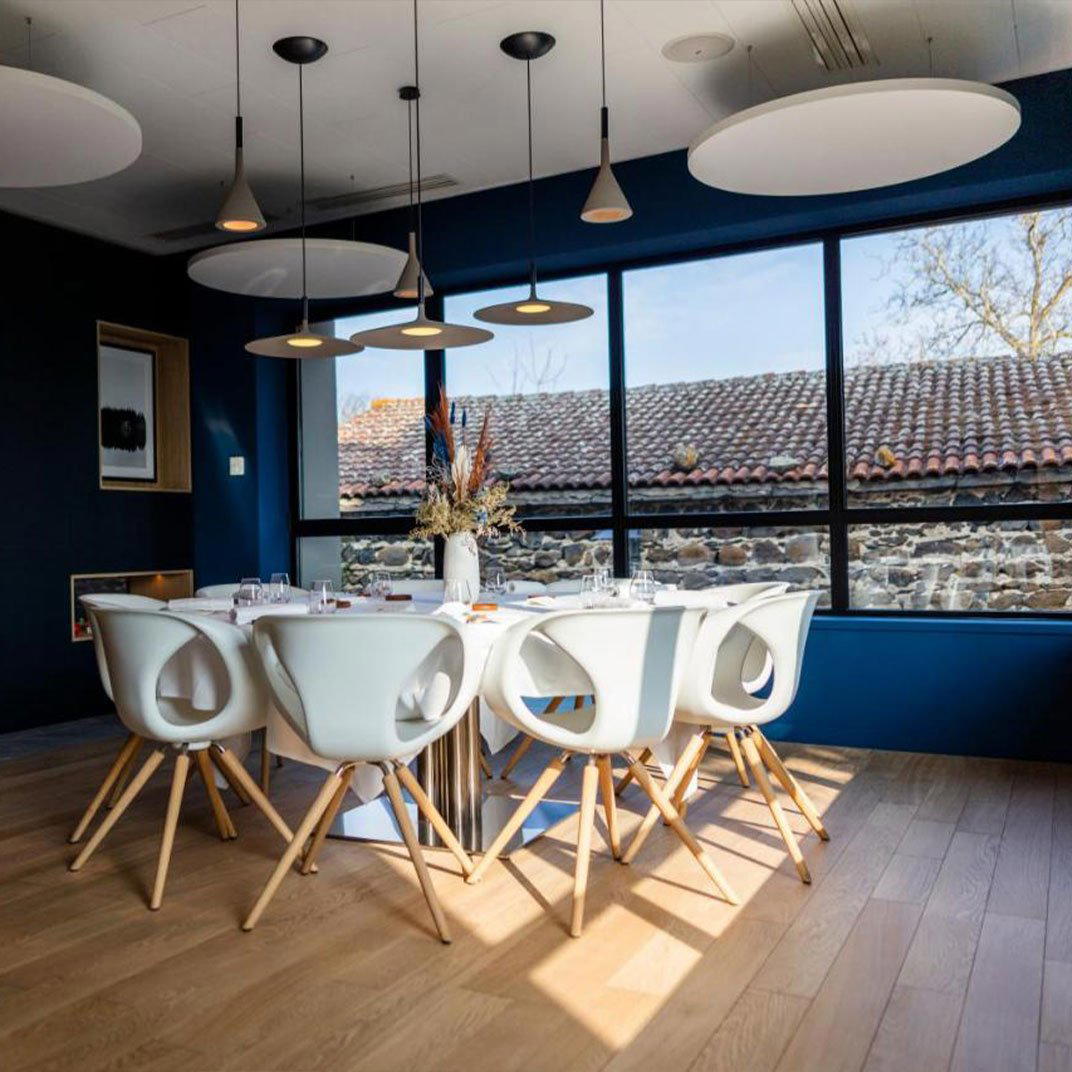
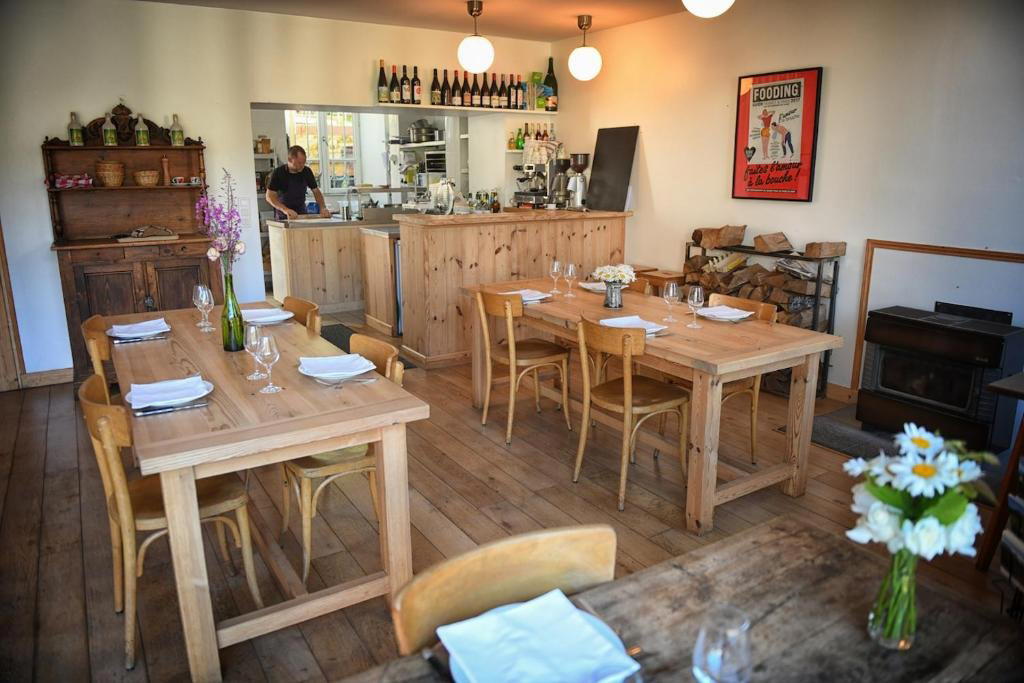
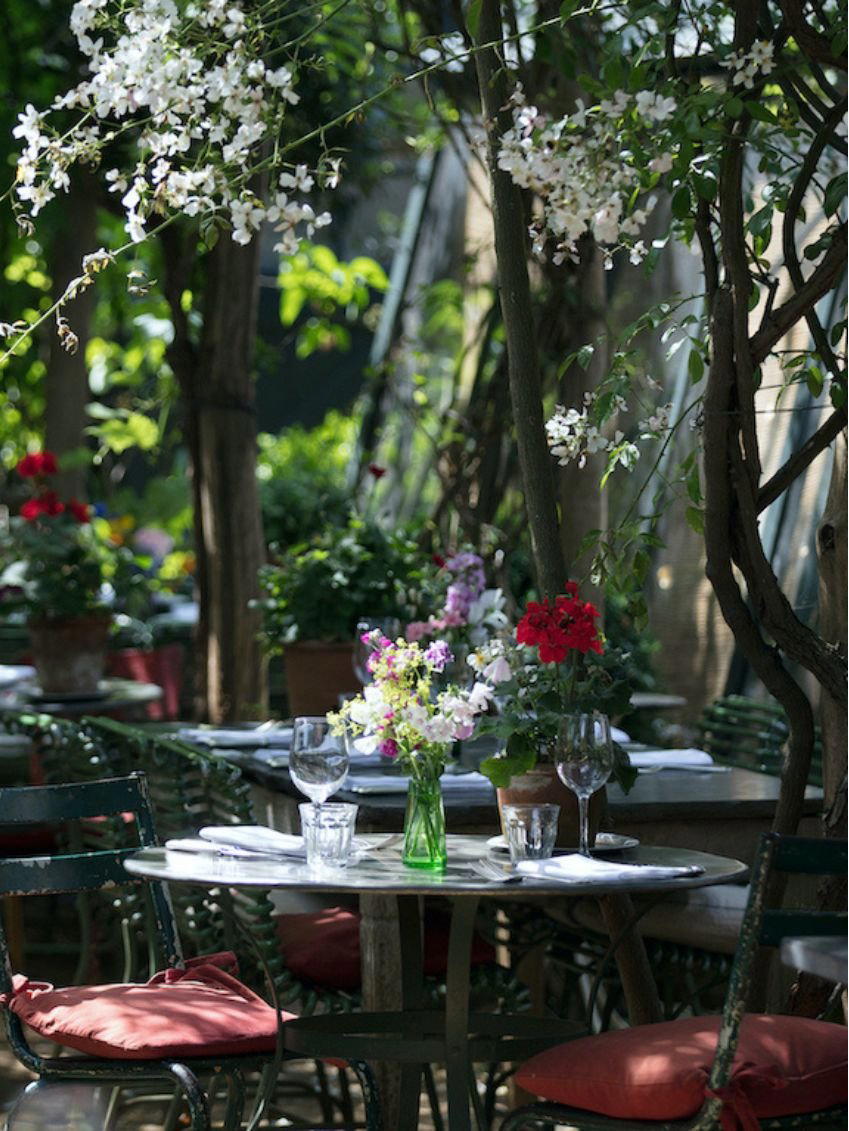
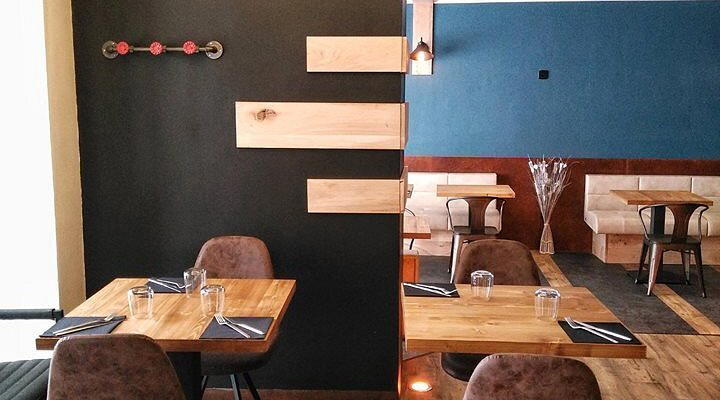
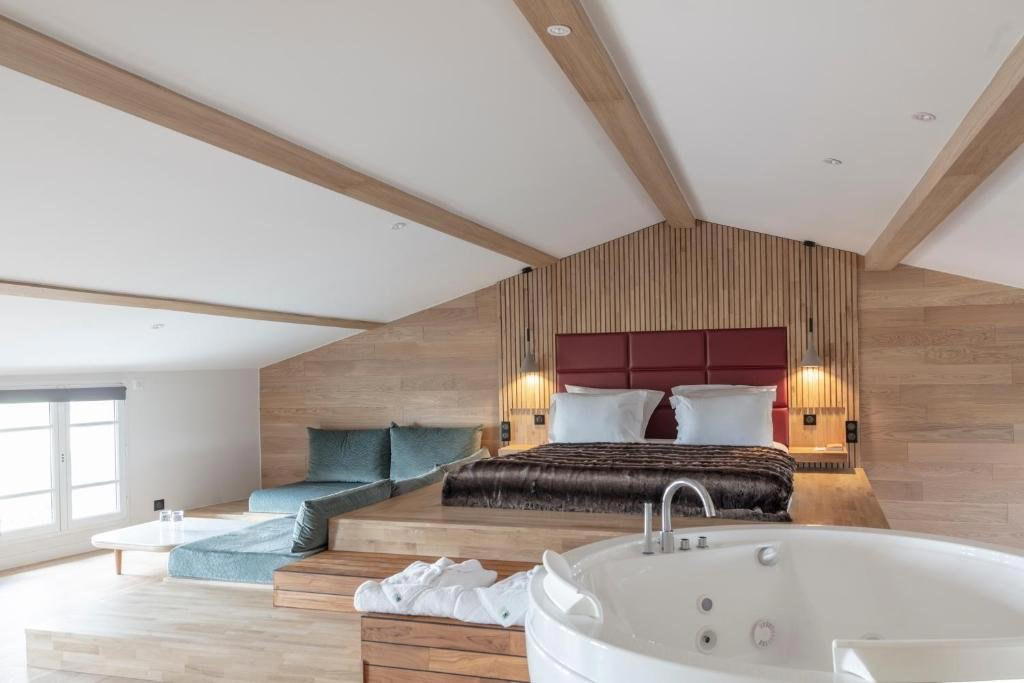
Charming, serene and intimate, with a small dining room, library, welcoming lounge near the fireplace and a village terrace.