
A whitewashed roadside inn on the edge of the Cévennes garrigues, Auberge de Valestalière runs on a clear principle: cook what the region produces and let the produce lead. Romain in the kitchen and Suzanne in the dining room keep the register honest and generous, from trout sourced near Le Vigan to chicken braised with preserved lemon. The terrace, the terracotta floors, and the surrounding hills do the rest.
Pearl is the En Primeur Club membership app — saves, bookings, and concierge access live there. Same editors, same standards.
- Address
- 855 route de Lasalle
- Phone
- +33 4 66 85 45 79
- Website
- aubergedevalestaliere.fr
- Directions
- Get directions
 Saves & bookings on Pearl
Where the Cévennes Feeds the Kitchen
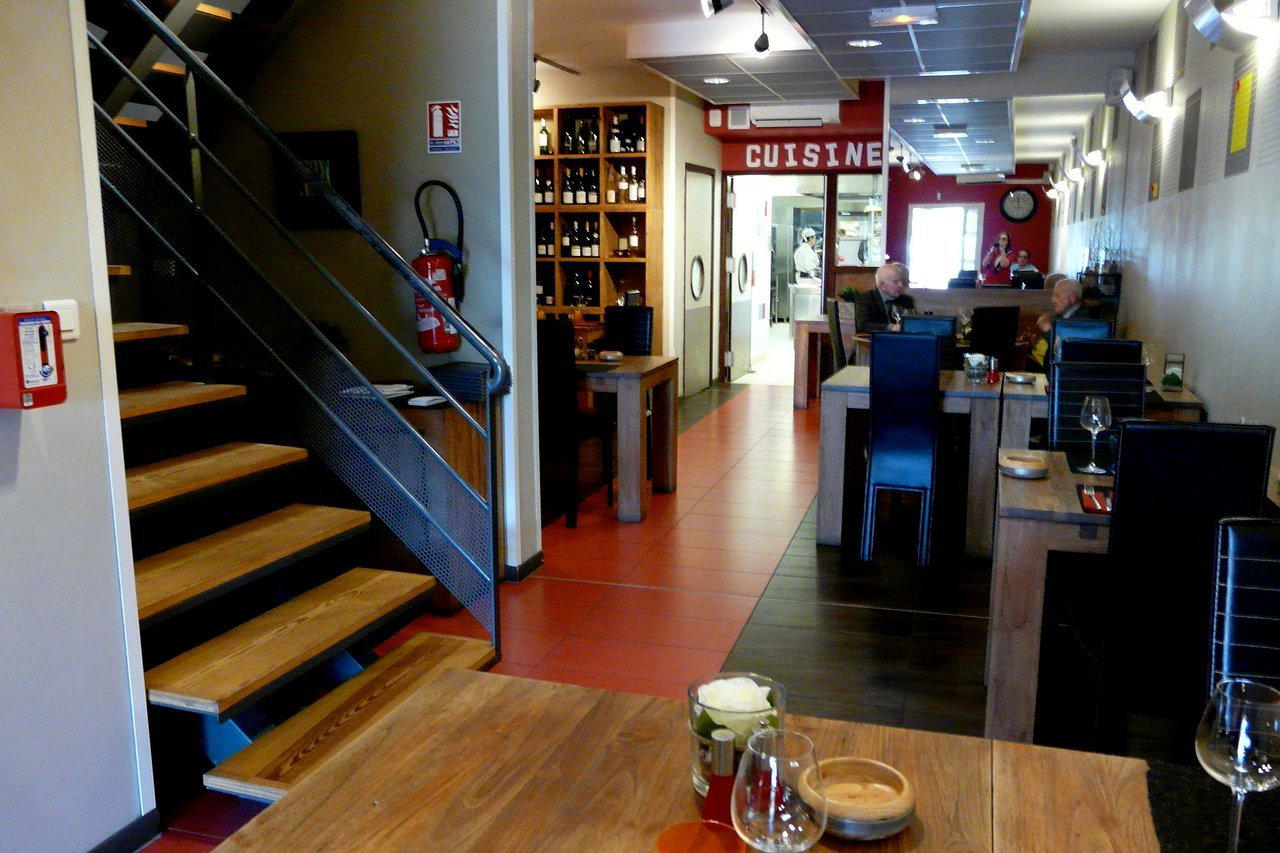
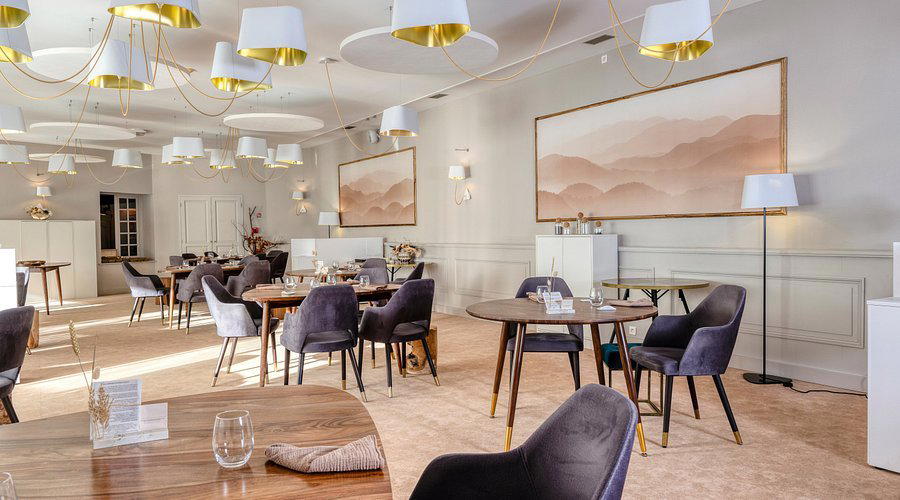
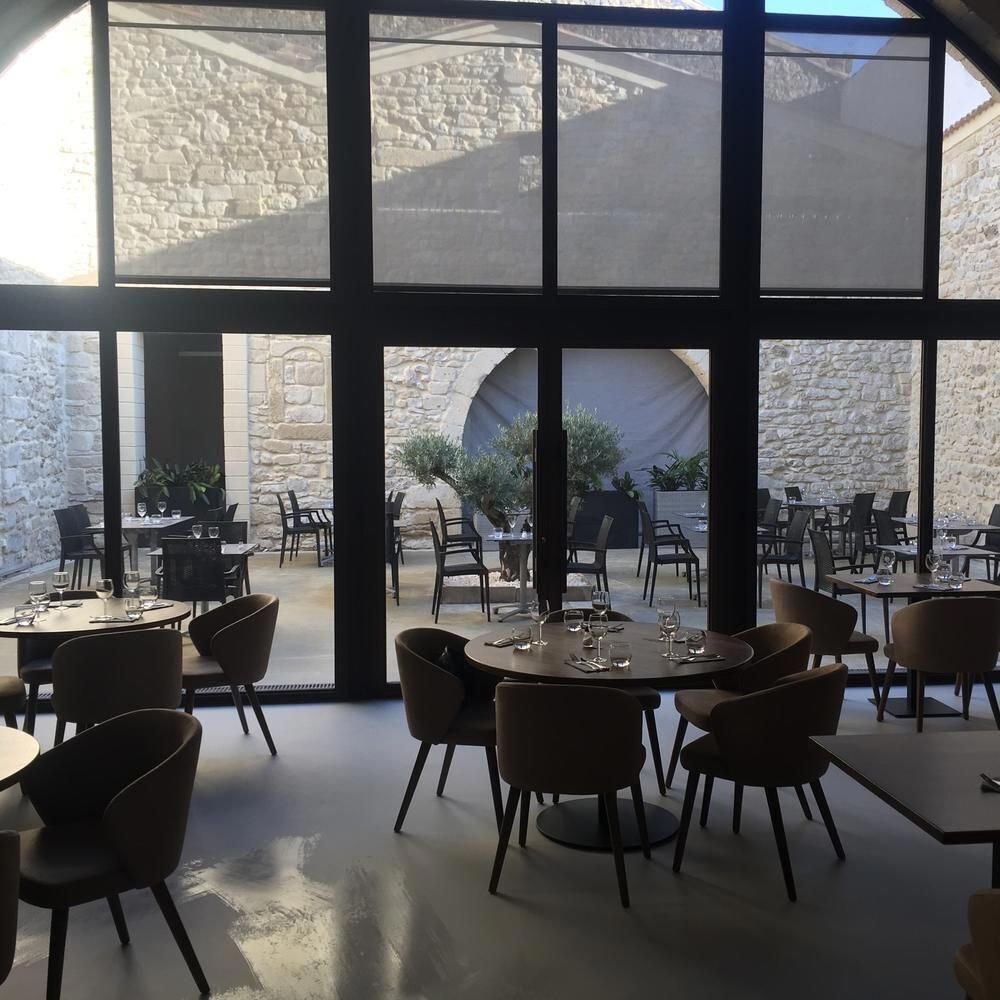
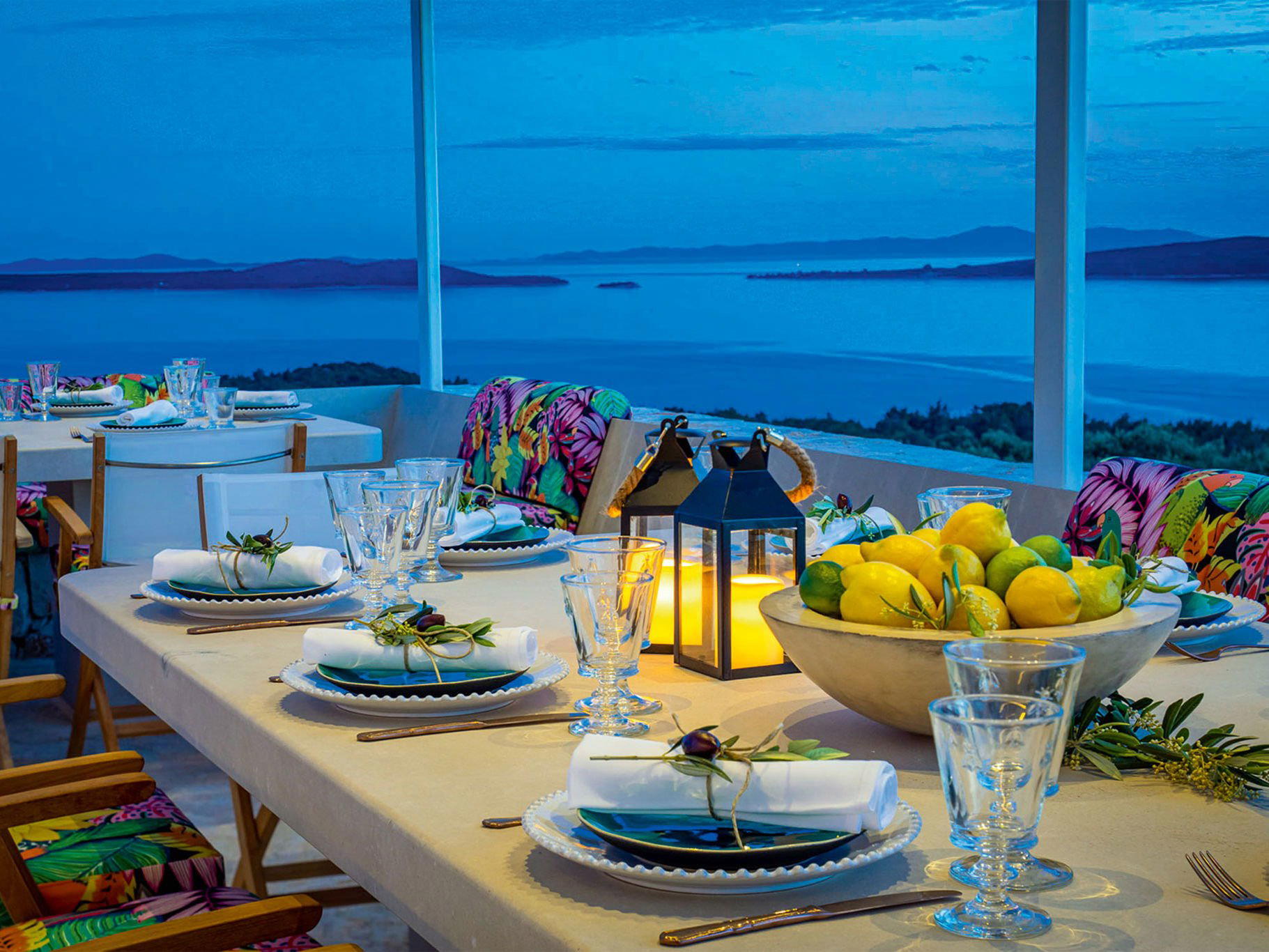
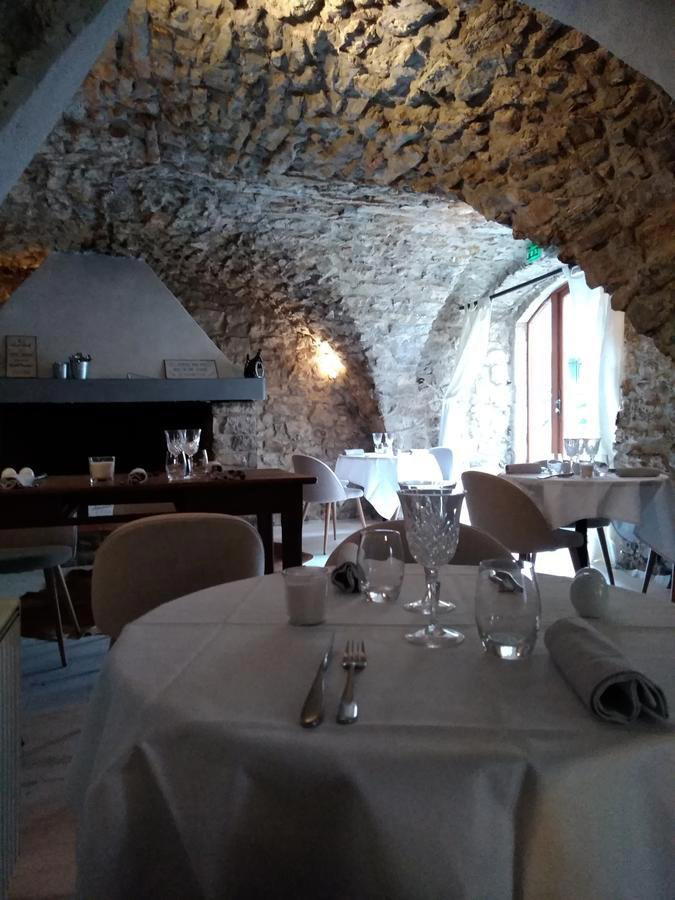
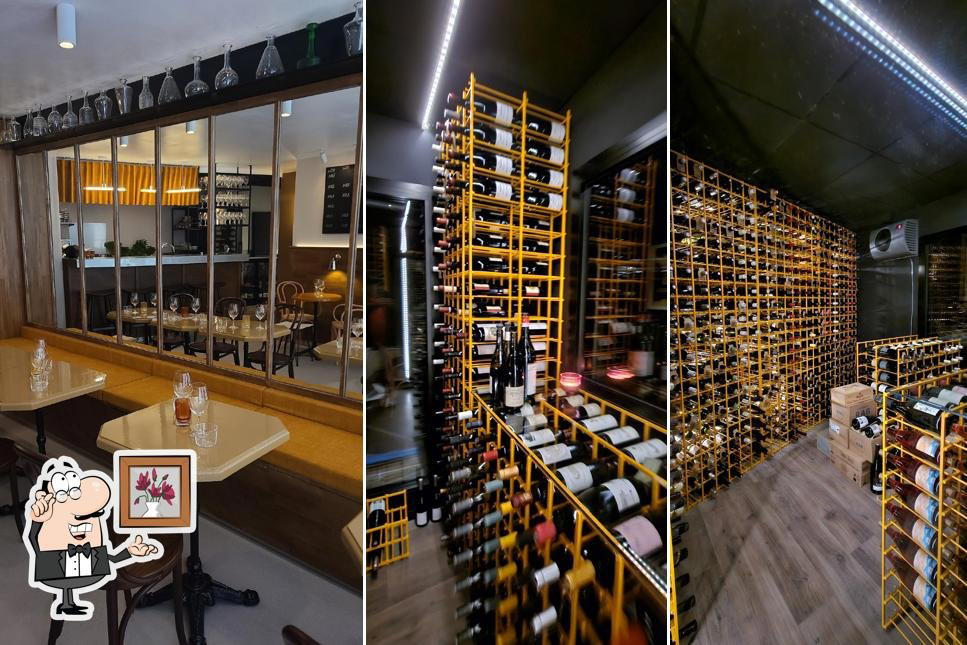
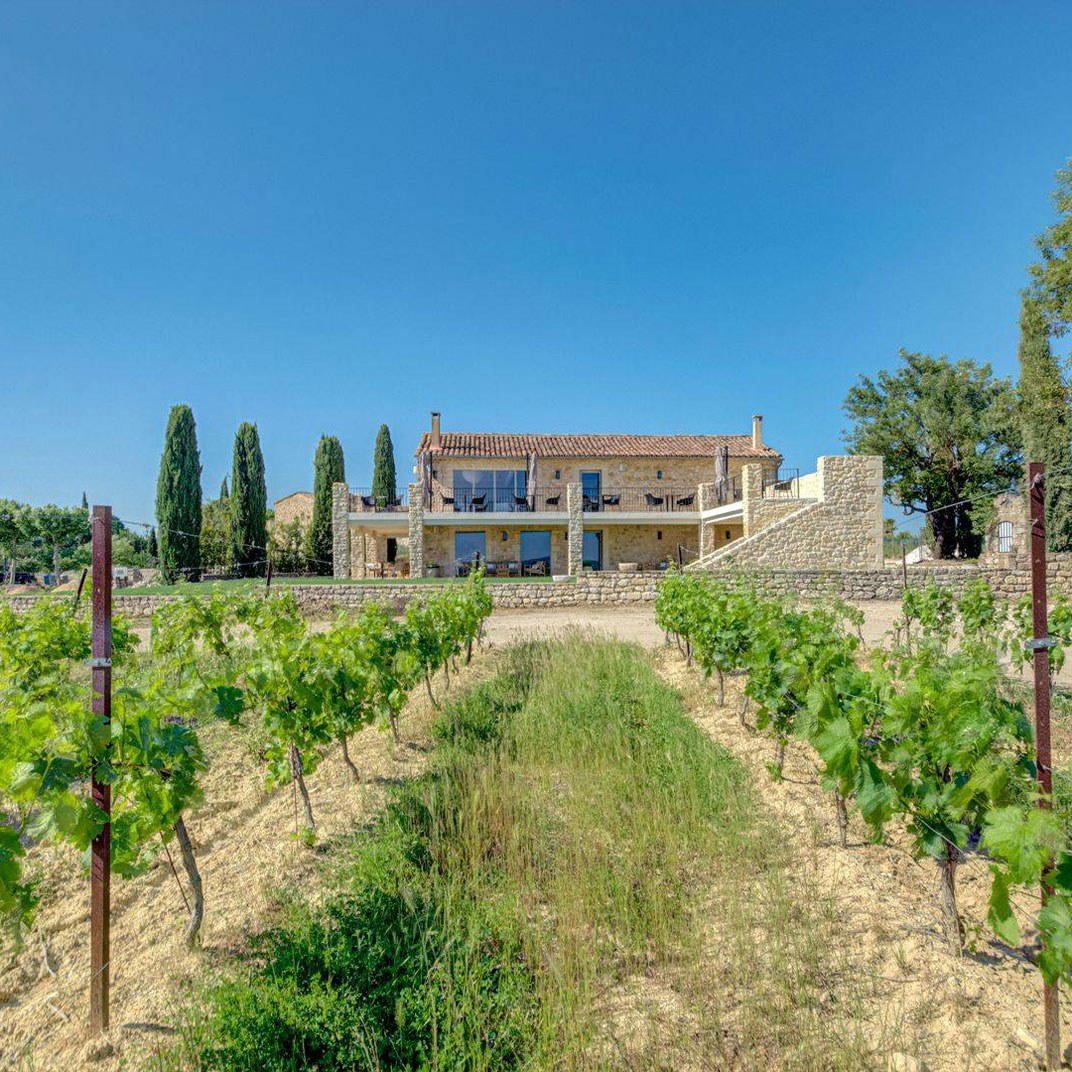
The road from Anduze toward Lasalle passes through a countryside that feels deliberately unhurried: scrub oak, dry-stone walls, the occasional flock of sheep moving across a hillside. Auberge de Valestalière sits along this route at 855 route de Lasalle in Monoblet, a whitewashed inn that does not announce itself with much ceremony. The terrace looks out across the surrounding hills; inside, terracotta floors and wooden tables set the register before a single dish arrives. This is the Cévennes as a dining room, and the kitchen takes that geography seriously.
That seriousness is not philosophical posturing. It is visible in how the sourcing works. In a region where the distance between field and plate has historically been short by necessity rather than trend, the approach here extends that logic to the plate. Trout comes from Le Vigan, a market town roughly 40 kilometres into the highlands, where the Arre and the Vis rivers produce fish in cold, clear water. That geographic specificity matters: Le Vigan trout is not a category claim, it is a named provenance with a traceable geography, and it arrives in the kitchen as an ingredient that carries the conditions of its origin.
The Cévennes Tradition of Honest Regionalism
The Cévennes occupies a particular position in the broader story of southern French cooking. It is neither Provence nor Languedoc, though it borders both; it is an interior upland with its own logic of preservation, economy, and seasonal rhythm. Historically, this was a territory where food was stored, extended, and transformed across seasons: dried chestnuts, salted meats, fermented vegetables, fruits preserved in alcohol or syrup. The preserved lemon that appears in the chicken preparation at Valestalière fits squarely within that preserving tradition, not as a Moroccan citation but as a technique the region understands in its own terms.
That cultural context separates this kind of cooking from the ingredient-forward restaurants that have multiplied across France since the mid-2000s, many of them performing localism as an aesthetic. Places like Mirazur in Menton or Flocons de Sel in Megève engage their terroir with technical ambition and tasting-menu architecture; the Cévennes auberge format works from a different premise entirely, where the cooking is organized around what the land produces this week, not around a chef's vision of what the land could theoretically express. The distinction is meaningful for anyone choosing between these registers.
France's most celebrated restaurant addresses, from Alléno Paris au Pavillon Ledoyen to Troisgros in Ouches, operate at a scale and price point where the dining event itself is the product. The auberge tradition that Valestalière represents runs on a different economy: the room is modest, the menu is built around proximity, and the measure of success is repetition rather than occasion. Regulars from the surrounding villages and from Nîmes and Montpellier come back because the cooking is consistent and generous, not because it is performing.
Romain and Suzanne: A Division of Labour That Works
Auberge de Valestalière divides its roles in the way that the leading small French restaurants have always divided them: one person in the kitchen, one in the dining room, and a clarity of purpose that comes from not trying to be too many things at once. Romain manages the kitchen; Suzanne manages the dining room and the relationship between the table and what surrounds it. This format, common in rural French auberges but increasingly rare as smaller establishments consolidate or convert to seasonal pop-up models, produces a continuity of experience that larger operations rarely achieve.
The cooking described as sincere and generous is a meaningful pair of adjectives in the French critical vocabulary. Sincere means the food does not mask or overcomplicate its ingredients; generous means the portions and the welcome treat eating as a direct pleasure rather than a curated experience. Both qualities are tied to the sourcing: when the trout comes from a specific river system 40 kilometres away and the vegetables reflect what is growing in the region's alluvial valleys, the cooking has natural limits that force clarity.
What the Region Puts on the Plate
The Cévennes is not a viticultural region in the same sense as the Rhône to its east or Languedoc-Roussillon to its south, but wine produced close to the territory does appear on tables here, extending the sourcing logic beyond the kitchen. The gardons and the Vistre drain a landscape that produces IGP wines from the Gard, lighter and less internationally traded than the appellations that flank them but consistent with the auberge's preference for local provenance over prestige labels.
Vegetables from the region's farms, trout from upland rivers, chicken prepared with preserved lemon: the menu at Valestalière reads like a short inventory of what the surrounding territory can produce rather than a constructed narrative. That economy of means is characteristic of the auberge format at its most functional. Compared to the extended regional sourcing programmes that institutions like Bras in Laguiole have built over decades, the approach here is less documented but similarly principled: the Massif Central and its fringes produce food that rewards cooking without intervention.
For context on how this fits within the wider spectrum of French regional dining, Auberge du Vieux Puits in Fontjoncouse represents the same auberge format operated at three-Michelin-star intensity in another rural Occitan commune. The comparison is useful not to suggest equivalence but to show how the word auberge in France covers a range from simple village inn to destination restaurant, and that Valestalière sits deliberately toward the simpler end, by choice rather than ambition deficit.
Planning a Visit to Monoblet
Monoblet is a small commune in the Gard department, reachable by car from Nîmes in roughly 45 minutes or from Montpellier in under an hour. The inn sits on the route de Lasalle, which connects the lower Cévennes foothills with the more refined interior; arriving by road through the garrigue in the warmer months means the terrace, which faces the hills, makes immediate sense as a place to eat. The surrounding area supports visits to the Bambouseraie de Prafrance, the medieval town of Anduze, and the upper Gardon valley, which makes Monoblet a workable base for a day or two rather than purely a lunch destination.
For a broader orientation to what the commune offers beyond this address, the EP Club Monoblet restaurants guide covers the local dining context, while guides to hotels in Monoblet, bars, wineries, and experiences in the area provide the wider picture. Because no booking details are publicly available for Valestalière at the time of writing, contacting the inn directly before visiting is advisable, particularly during the summer season when the terrace draws visitors from the surrounding departments.
For those travelling from further afield, the auberge belongs in the same mental category as other destination-by-conviction restaurants in rural France, places where the point is the detour itself. The comparison set here is less Paul Bocuse's Auberge du Pont de Collonges or Auberge de l'Ill in Illhaeusern, institutions that have grown around their own mythology, and more the network of working auberges in the Massif Central and its foothills that have survived because they cook the region honestly and charge accordingly.
How Auberge de Valestalière Monoblet compares with similar nearby venues.
| Venue | Cuisine | Price |
|---|---|---|
| L'ArtYsan | Modern Cuisine | €€ |
Recognition history
Dated appearances from independent guides and award organizations, with the underlying list record or original source where available.
Michelin Plate
Michelin

At a Glance
- Rustic
- Cozy
- Scenic
- Elegant
- Date Night
- Family
- Special Occasion
- Terrace
- Historic Building
- Extensive Wine List
- Local Sourcing
- Mountain
- Garden
Current opening hours
- Monday
- Closed
- Tuesday
- Closed
- Wednesday
- 12:15–1:30 PM, 7:15–8:30 PM
- Thursday
- 12:15–1:30 PM, 7:15–8:30 PM
- Friday
- 12:15–1:30 PM, 7:15–8:30 PM
- Saturday
- 12:15–1:30 PM, 7:15–8:30 PM
- Sunday
- Closed
Hours can change for holidays and private events. Last verified .
Cadre simple et chaleureux avec terrasse offrant une vue exceptionnelle sur les Cévennes, atmosphère calme et reposante.