Au Wasigenstein
Our verdict
Au Wasigenstein sits in the village of Niedersteinbach, deep in the Northern Vosges Regional Nature Park, where the Alsatian tradition of auberge dining meets a landscape defined by forested sandstone ridges and medieval ruins. The address alone, on the hamlet road of Wengelsbach, signals a deliberate remove from urban dining circuits. For travellers willing to make the drive, it represents the kind of destination that rewards the effort of getting there.

Pearl is the En Primeur Club membership app — saves, bookings, and concierge access live there. Same editors, same standards.
- Address
- 32 Ham. Wengelsbach, 67510 Niedersteinbach, France
- Phone
- +33388095054
- Hours
- Mon–Tue ClosedWed–Thu 10:30 AM–5 PMFri–Sun 10:30 AM–9:30 PM
- Website
- restaurantwasigenstein.com
- Directions
- Get directions
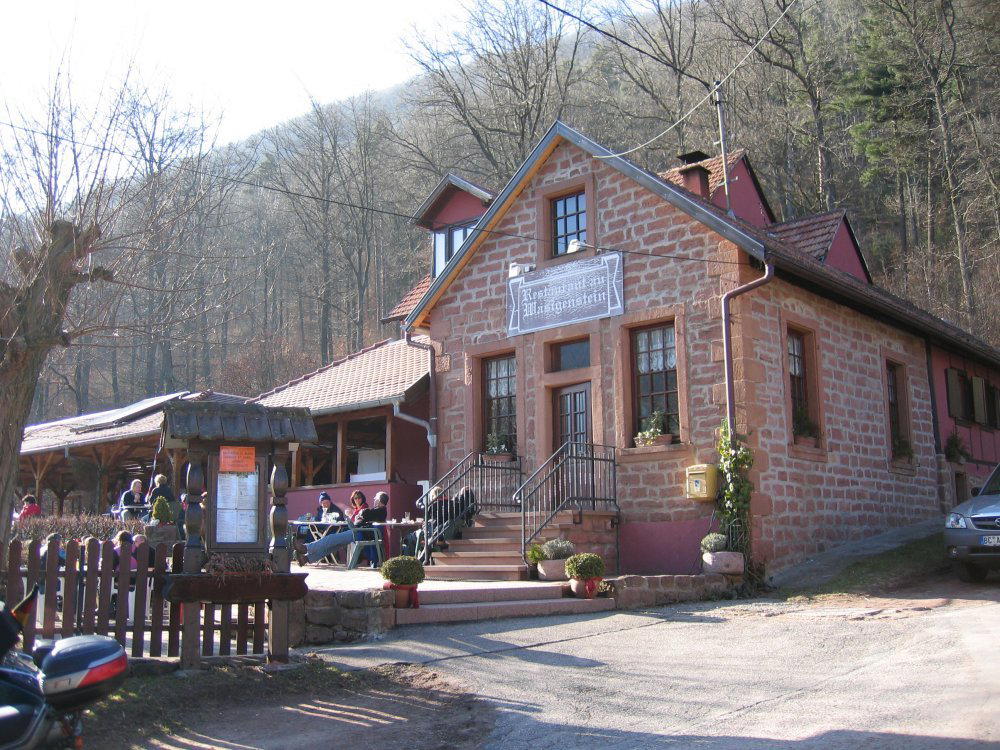
Forested Alsace and the Auberge Tradition
The Northern Vosges Regional Nature Park occupies a band of terrain along the Franco-German border where sandstone outcrops, dense fir forest, and medieval castle ruins define the physical character of every village. Niedersteinbach sits inside this park, a settlement of a few hundred residents on a road that climbs steadily from the Alsatian plain. Arriving at Au Wasigenstein, on the hamlet lane of Wengelsbach, means passing through a sequence of forest clearings and stream crossings that establish, before you have even parked, that this is not incidental dining. The landscape itself is part of the proposition.
This is a tradition that runs deep in Alsace. The region has long sustained a category of destination auberge, restaurants embedded in villages and hamlets so small that the kitchen becomes the primary reason anyone travels to that address. The model differs structurally from the urban fine-dining circuit. Where Paris addresses such as Alléno Paris au Pavillon Ledoyen draw from a metropolitan population and a dense tourism footprint, a village auberge in the Vosges depends on a guest who has made a deliberate choice to go somewhere remote. That selective filter shapes both the type of cooking that makes sense here and the expectations guests bring to the table.
Across Alsace, the auberge format has historically anchored itself to the forest and farm produce immediately surrounding it. Game from the Vosges, freshwater fish from the park's streams, foraged herbs and mushrooms from the surrounding woodland, and the charcuterie and dairy traditions that have run through Alsatian cooking for generations. The Northern Vosges, with its protected-area status and relatively low agricultural intensity, remains one of the parts of France where that sourcing logic retains geographic plausibility. Kitchens in this zone can draw on a shorter and more traceable supply chain than most of their counterparts closer to the larger Alsatian cities of Strasbourg or Colmar.
Ingredient Provenance as the Structuring Principle
Across France's most serious destination dining addresses, a recognisable shift has occurred over the past two decades: provenance has moved from background credential to front-of-menu declaration. At Bras in Laguiole, the Aubrac plateau's plants and minerals have been the conceptual centre of the kitchen since Michel Bras formalised the idea in the 1980s. At Auberge du Vieux Puits in Fontjoncouse, a similarly remote address in the Corbières, the produce of a specific micro-territory anchors a three-Michelin-star operation. The underlying logic is consistent: isolation from urban supply networks is not a constraint to apologise for but a feature to build around.
A Vosges auberge at the level of Au Wasigenstein operates within this same frame, even if its scale and recognition sit in a different tier. The Northern Vosges Park produces wild boar, deer, and roe deer across a hunting season that runs from autumn through winter. Trout and other freshwater species come from the park's rivers and managed waters. The mushroom season, from late summer through October, makes the forest floor a credible source of kitchen produce. These are not romantic claims but characteristics of the specific ecosystem that surrounds Niedersteinbach. A kitchen that works with this territory rather than against it will cook differently from one in a city that sources from a national distribution network.
Alsace as a wine region adds another layer of sourcing specificity. The grands crus vineyards to the south, and the village-level producers throughout the Bas-Rhin, provide a cellar vocabulary closely tied to local cooking. Riesling and game, Pinot Gris and forest mushrooms, Gewurztraminer and charcuterie: these are regional pairings with centuries of local practice behind them, not sommelier invention. For the auberge format specifically, a cellar drawn substantially from Alsatian production is both logistically practical and gastronomically coherent.
Niedersteinbach in the Alsatian Dining Context
Alsace punches above its population weight in destination dining. Auberge de l'Ill in Illhaeusern has held three Michelin stars for decades and represents the formal high end of Alsatian auberge dining, a benchmark that shapes how the entire regional category is perceived internationally. Below that tier, a scatter of village addresses with one or two stars, or no formal recognition at all, maintains the tradition at a more accessible level. Niedersteinbach and its immediate surroundings are not in the primary tourist belt that runs from Strasbourg south through the wine route to Colmar. That relative obscurity keeps the village quieter and the dining experience less mediated by tour-group traffic.
The nearest comparison point within Niedersteinbach itself is Au Cheval Blanc, another village-scale address that gives the hamlet an unusually dense concentration of destination dining for its size. See our full Niedersteinbach restaurants guide for the complete picture. For guests who want to understand the broader Alsatian tradition before or after visiting, the range extends through the region to addresses including the Auberge de l'Ill and, in the alpine end of the French fine-dining spectrum, Flocons de Sel in Megève, which applies comparable terrain-led sourcing logic in a mountain context.
Planning the Visit
Reaching Niedersteinbach from Strasbourg takes roughly an hour by road, heading northwest through Haguenau and then up into the park via Wissembourg or Lembach. From the German side, the crossing near Wissembourg brings travellers through a border zone that feels genuinely peripheral, the kind of drive that recalibrates pace before arrival. There is no rail connection to Niedersteinbach; a car is the practical requirement. Given the village's position inside a protected natural area, the drive itself warrants attention, particularly in autumn when the forest colour peaks across the sandstone ridges above the valley.
For a remote auberge of this type, advance reservation is the standard expectation rather than the exception: kitchens sourcing from local producers and managing limited covers cannot absorb walk-in volume the way a large urban restaurant can. Planning around the game season, roughly September through January, aligns the visit with the period when the Northern Vosges kitchen is working with the most locally distinctive ingredients.
Travellers building a broader Alsatian itinerary might pair a visit here with the Auberge de l'Ill or explore the contrast between village-scale auberge dining and the kind of formal destination cooking found further afield at Mirazur in Menton or Georges Blanc in Vonnas. The differences in approach, scale, and sourcing philosophy between these addresses illuminate what makes the Vosges auberge tradition distinct within French regional dining more broadly.
Frequently asked questions
Would Au Wasigenstein be comfortable with kids?
Niedersteinbach auberges of this type, set within the Northern Vosges Regional Nature Park, tend to draw families on weekend excursions from Strasbourg and across the border from Germany. The village setting at 32 Hameau Wengelsbach suggests an unhurried, rural pace rather than a formal city dining room.
Is Au Wasigenstein better for a quiet night or a lively one?
The address, a hamlet location inside the Northern Vosges park outside the village of Niedersteinbach, points toward the quieter end of the spectrum. Auberges in this part of Alsace typically serve a mix of walkers, regional regulars, and visitors making a dedicated drive up from the Haguenau plain. Expect a measured atmosphere rather than a bustling urban room.
How far is Au Wasigenstein from Strasbourg, and is it worth the drive?
Niedersteinbach sits roughly an hour northwest of Strasbourg by road, heading through Haguenau before climbing into the Northern Vosges park. The drive itself passes through sandstone terrain that contextualises the auberge tradition this part of Alsace has maintained across generations. For visitors already based in Strasbourg or along the Rhine, it represents a half-day commitment that positions the meal as the destination rather than a stop on a wider itinerary.
What's the best thing to order at Au Wasigenstein?
Alsatian auberges in the Northern Vosges corridor broadly anchor their kitchens around local game, freshwater fish, and seasonal forest produce, so those categories are a reasonable starting point. Confirm the current menu directly with the venue before visiting.
How do I find Au Wasigenstein?
Au Wasigenstein is located at 32 Ham. Wengelsbach, 67510 Niedersteinbach, France, Niedersteinbach.
Do I need a reservation for Au Wasigenstein?
No booking data is confirmed for Au Wasigenstein, but destination auberges in small Alsatian villages routinely fill at weekends, particularly during autumn hunting season and summer hiking periods. Given Niedersteinbach's limited overall capacity as a hamlet, arriving without a reservation on a Friday or Saturday carries real risk. Contacting the venue in advance is advisable.
What do critics highlight about Au Wasigenstein?
No specific critical citations or award records are documented for Au Wasigenstein at this time. Within Alsace more broadly, the standard of reference runs from Auberge de l'Ill in Illhaeusern at the three-star level down through a deep bench of serious regional tables. Au Wasigenstein sits in a part of the Northern Vosges that has attracted destination diners precisely because the area rewards those willing to travel beyond the main Alsatian wine route.
At-a-Glance Comparison
Comparable venues nearby, for context on price, style, and recognition.
| Venue | Cuisine | Price | Awards | Notes |
|---|---|---|---|---|
| Au WasigensteinThis venue — the venue you are viewing | Traditional French Brasserie with Game Specialties | $30–50 | Not listed | Not listed |
| Au Cheval Blanc | Traditional Alsatian Cuisine | $50–100 | Michelin Plate | Niedersteinbach |
| Zimmer | Traditional French Terroir | $30–50 | Not listed | La Wantzenau |
| Le Rosenmeer | Alsatian French Gastronomic | Not listed | Not listed | Rosheim |
| Bienheureux | Modern French Creative | Not listed | Michelin Plate | Wasquehal |
| Atelier de Candale | Seasonal French wine‑country restaurant in the vineyards | $50–100 | Not listed | Saint-Laurent-des-Combes / Saint-Émilion vineyards |
Continue exploring
More in Niedersteinbach
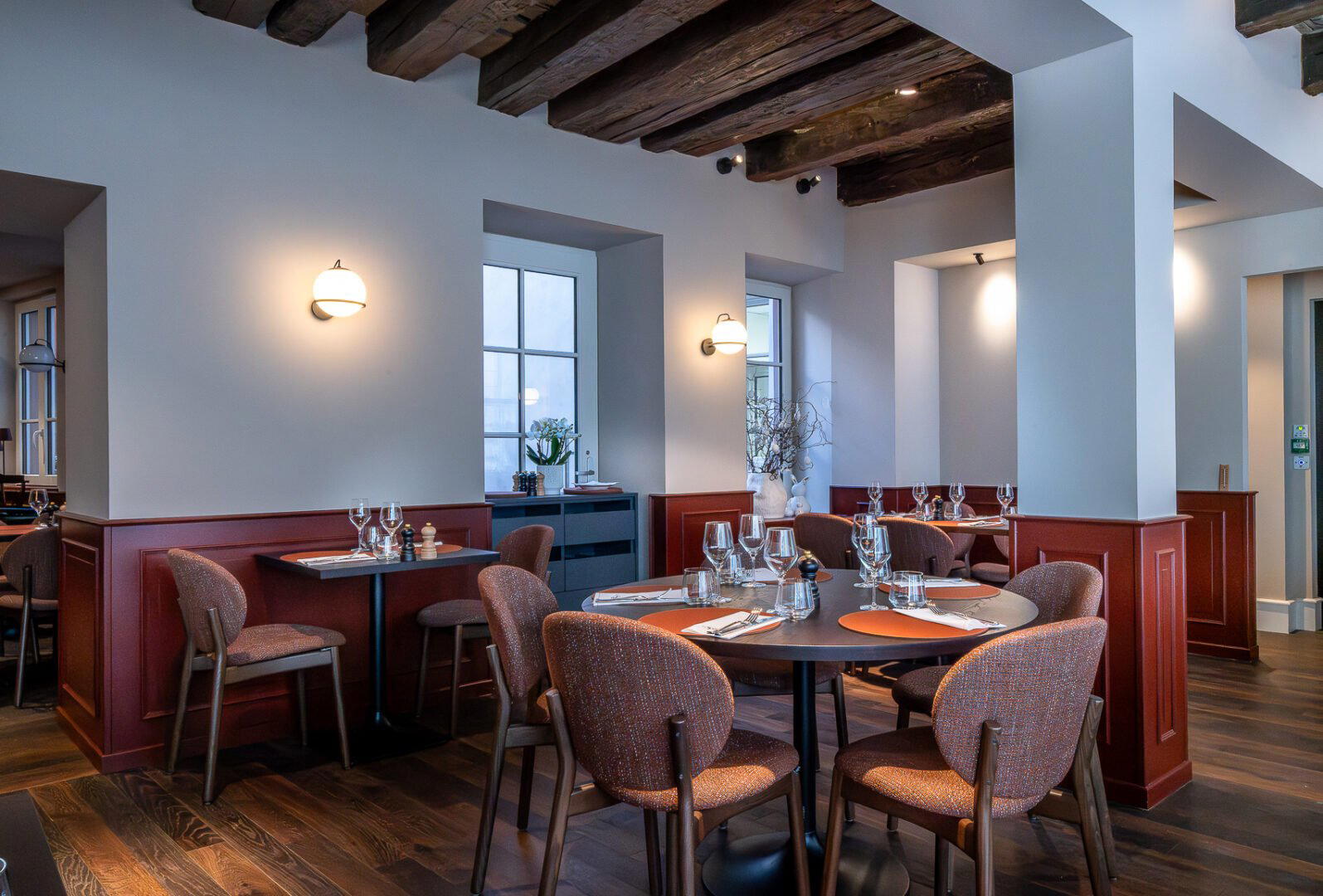
Restaurants in Niedersteinbach
Browse all →
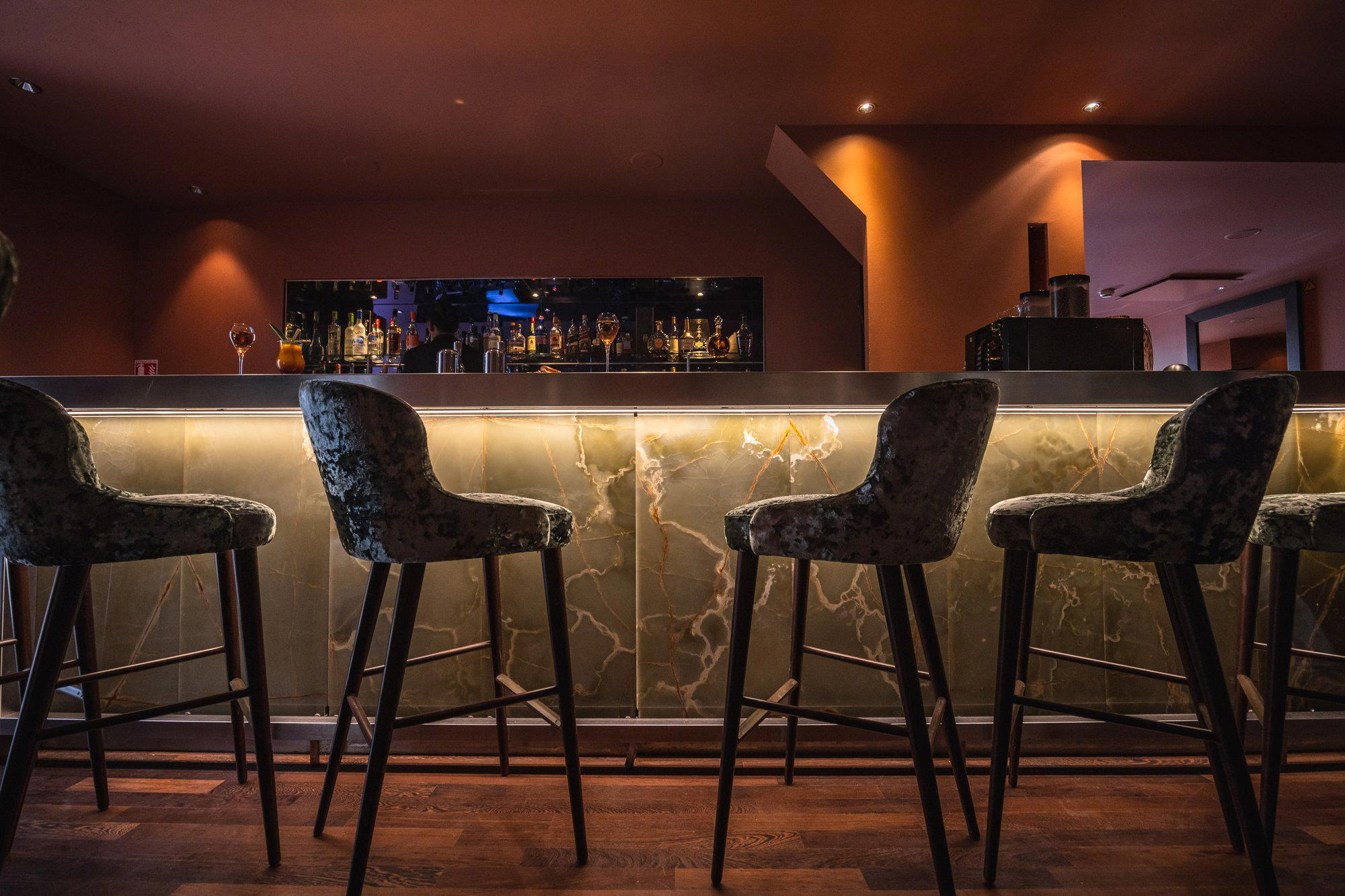
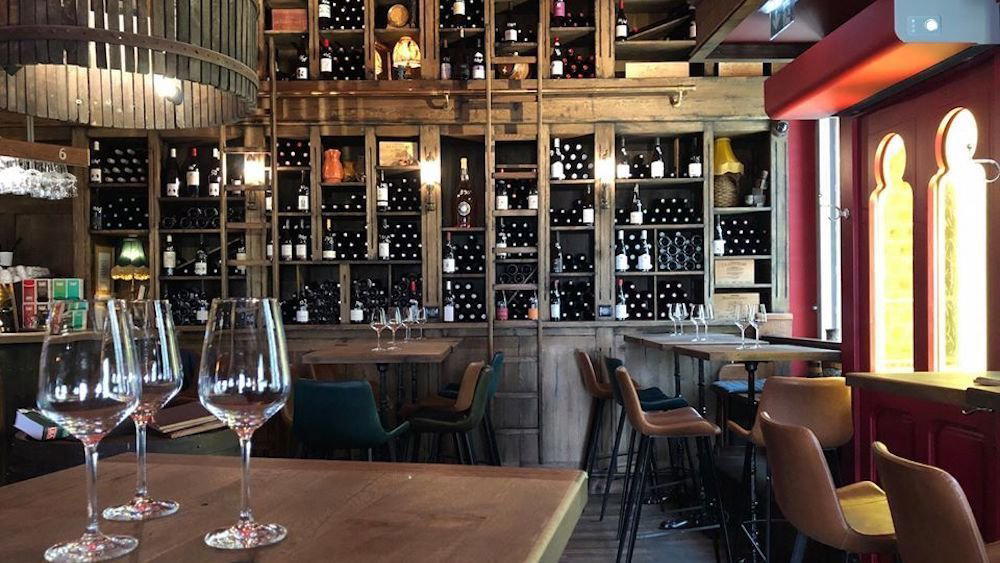
Bars in Niedersteinbach
Browse all →
Hotels in Niedersteinbach
Browse all →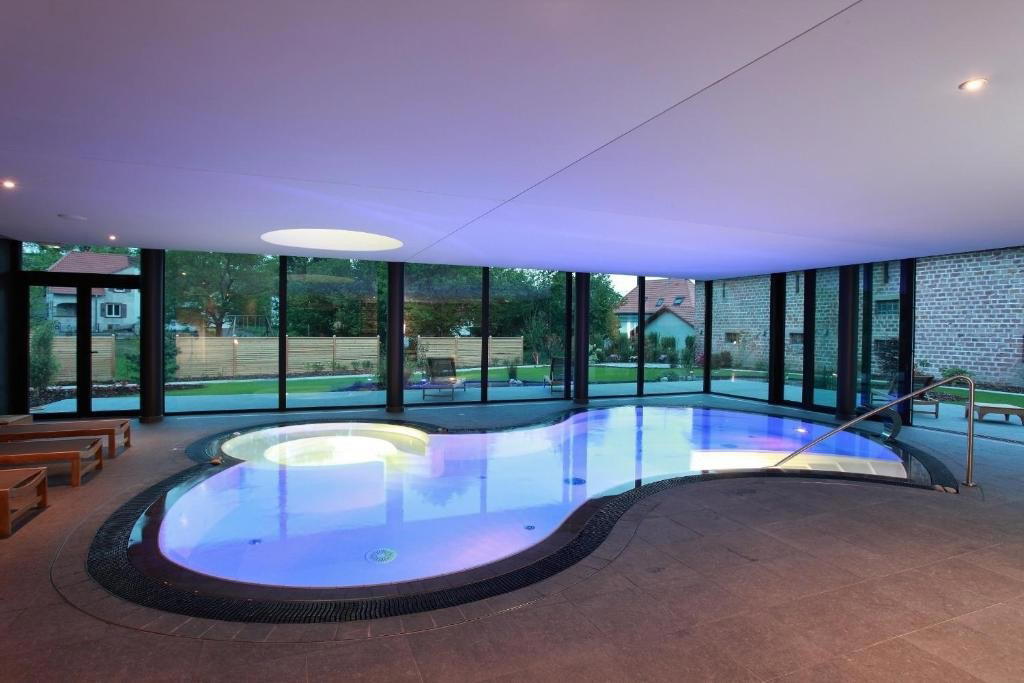

Details
- Rustic
- Cozy
- Scenic
- Casual Hangout
- Special Occasion
- Terrace
- Local Sourcing
- Garden
- A La Carte
- Vegetarian Friendly
Current opening hours
- Monday
- Closed
- Tuesday
- Closed
- Wednesday
- 10:30 AM–5 PM
- Thursday
- 10:30 AM–5 PM
- Friday
- 10:30 AM–9:30 PM
- Saturday
- 10:30 AM–9:30 PM
- Sunday
- 10:30 AM–9:30 PM
Hours can change for holidays and private events. Last verified .
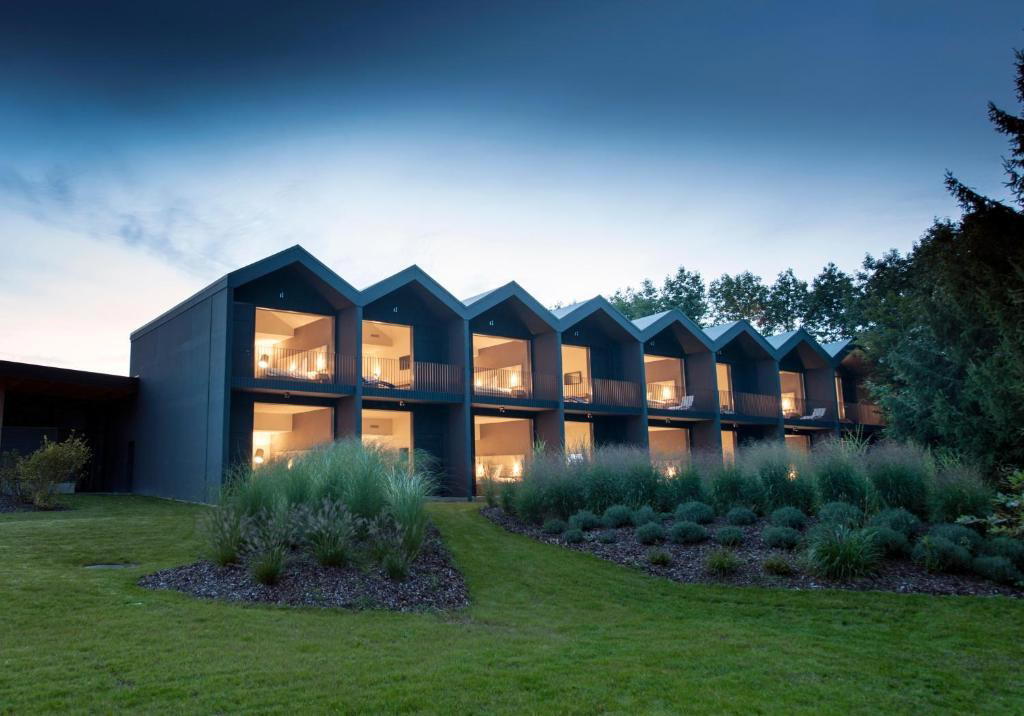
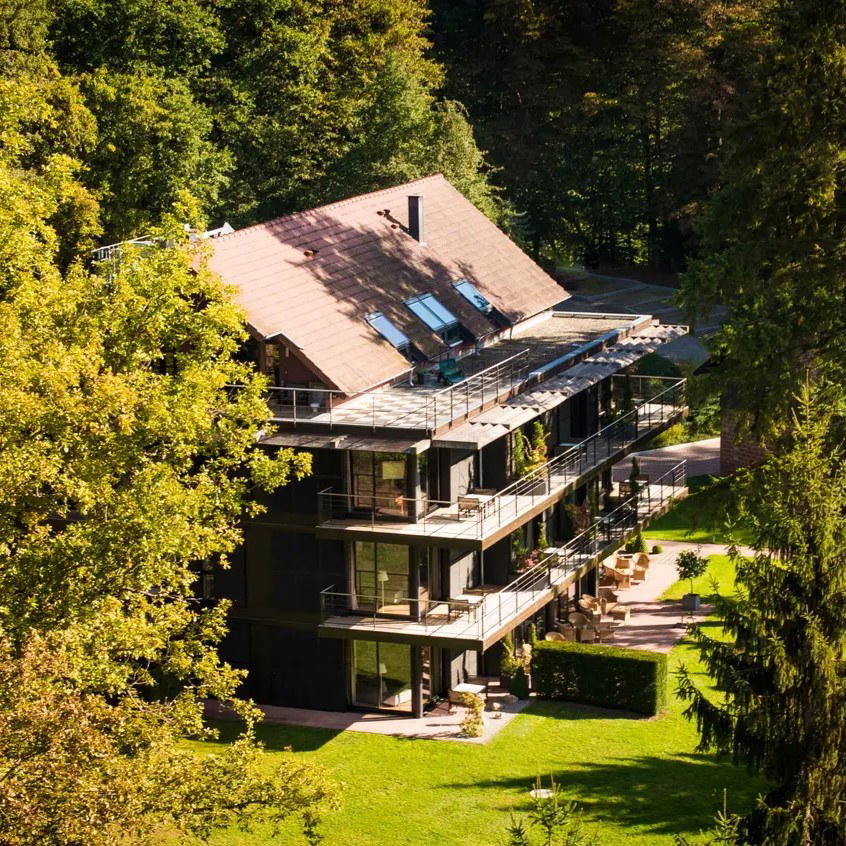
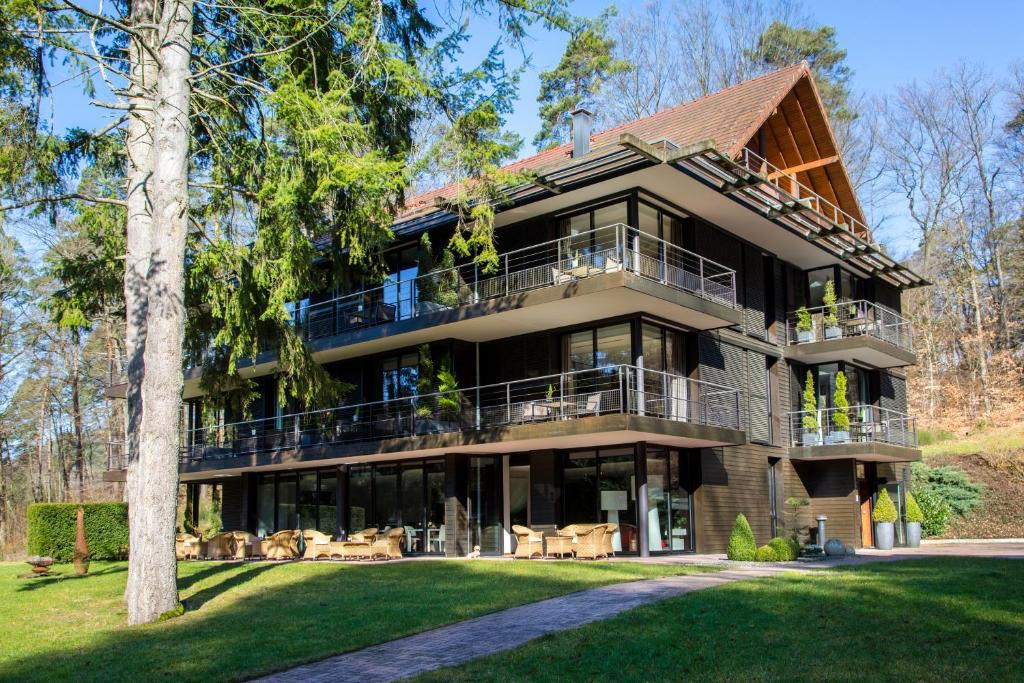
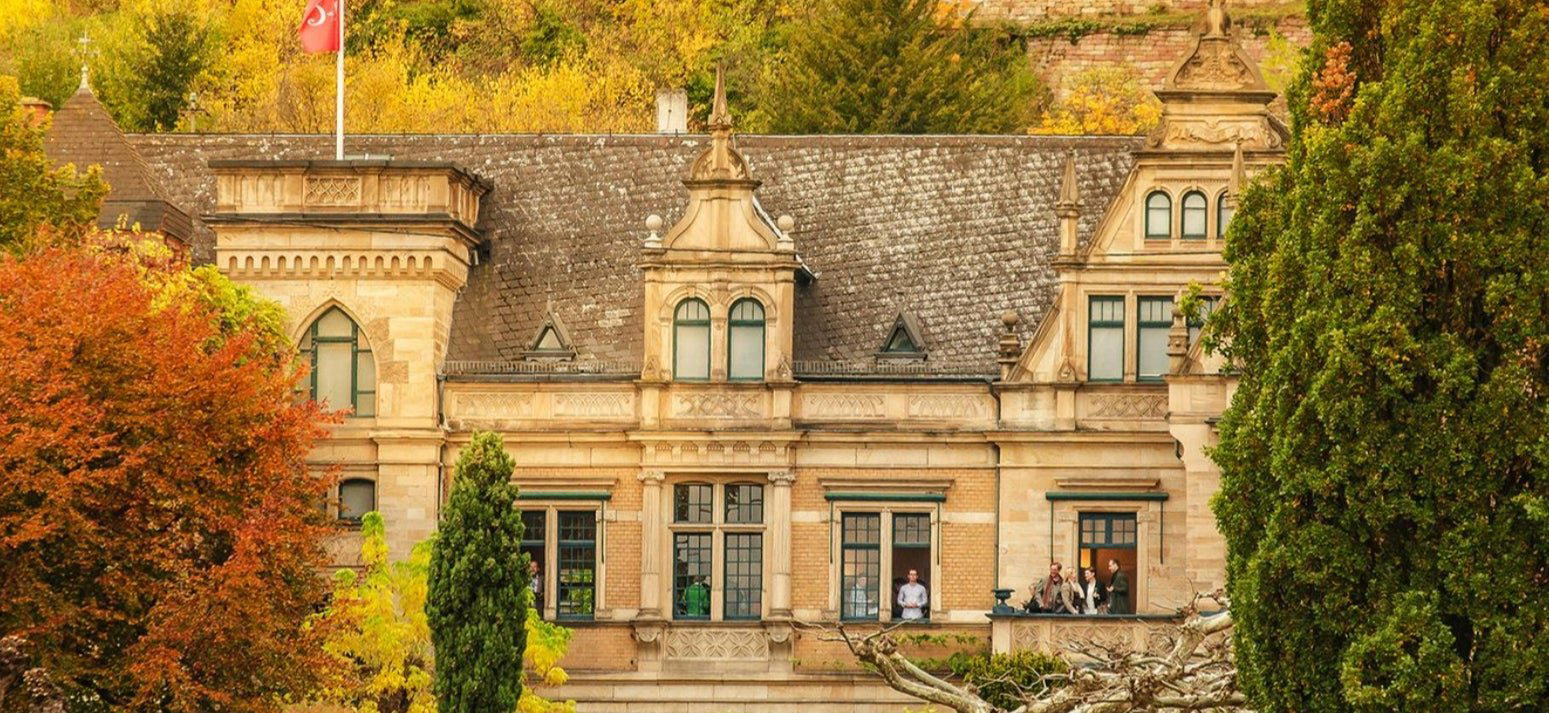
Character-filled with wood panelling, brickwork, and regional touches, offering a pleasant rustic atmosphere enhanced by its serene forest setting.