
Michelin Plate
Our verdict
Inside a converted red-brick manor in Wasquehal, Bienheureux runs a precise, seasonally driven kitchen with real depth for a town this size. Chef Lucas Grabowski, who previously led Gabo and staged at NESO in Paris, shapes two distinct formats: a simpler set menu at lunch and a multi-course tasting menu in the evening. The setting, a co-working hub with a garden, adds an unexpected layer of character to what is quietly one of the more serious tables in the greater Lille area.

Pearl is the En Primeur Club membership app, where members save venues, book tables and use the concierge.
The menu
What to order
- Pavlova aux agrumes
- Poitrine de porc laquée
- Bouillon dashi d'oignon brûlé
A Manor, a Garden, and Seasonal Cooking That Earns Its Place
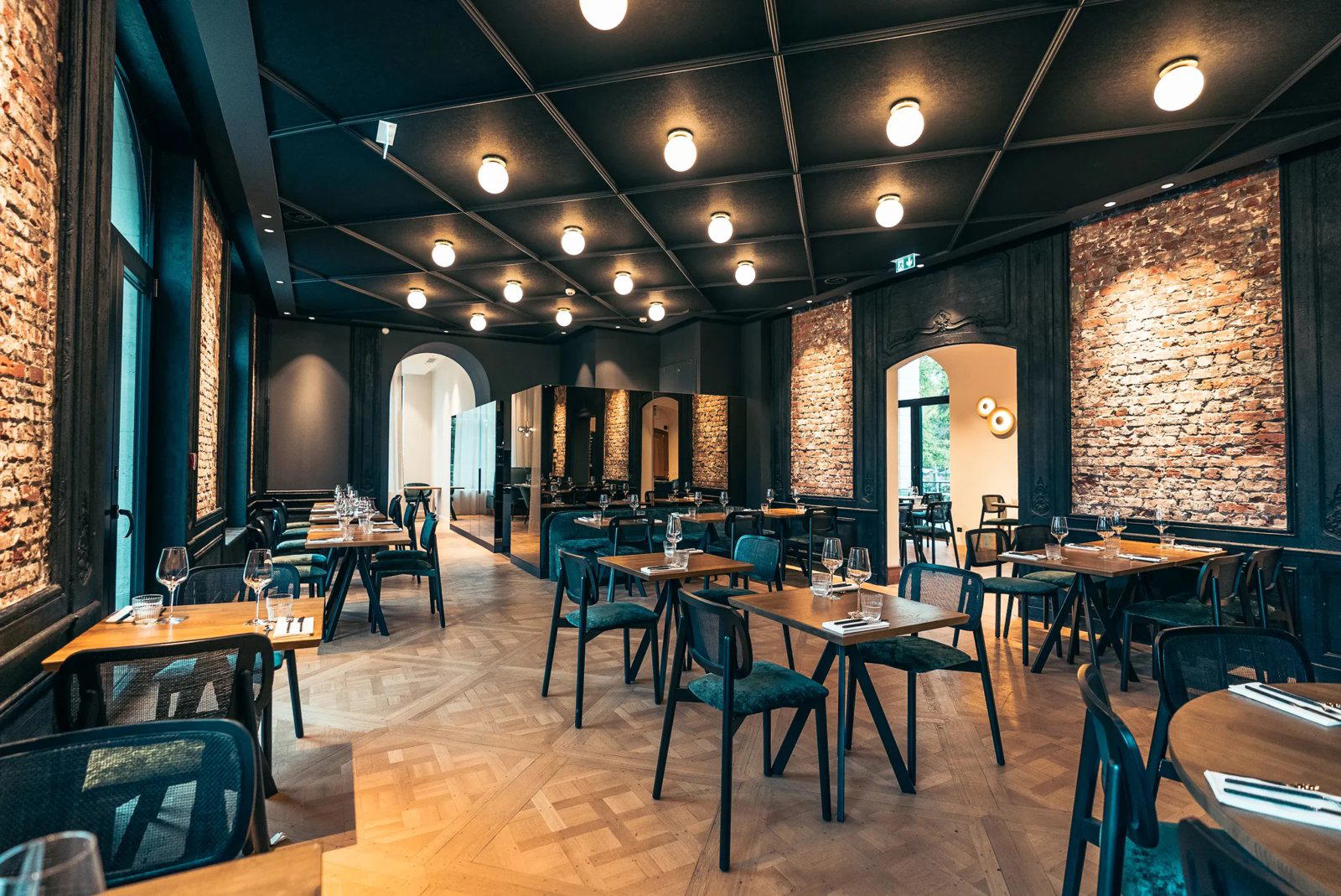
The red-brick manor houses of the Hauts-de-France have a particular quality in the afternoon light: solid, slightly formal, built for permanence rather than spectacle. Bienheureux, at 35 avenue de la Marne in Wasquehal, occupies one such building, though the interior no longer belongs to any conventional dining category. The manor has been converted into a co-working hub, offices running alongside the restaurant space, with a garden opening off the back. For a diner arriving from Lille, ten minutes to the east, the setting is quietly disorienting in the leading way: serious cooking in a place that is actively, visibly alive with other purposes. That tension, between workaday context and a kitchen operating at genuine ambition, is part of what makes Bienheureux worth paying attention to in the broader northern France dining picture. For more on what the area has to offer, see our full Wasquehal restaurants guide.
Where the Ingredients Lead
The kitchen at Bienheureux operates with a seasonal discipline that is less about marketing language and more about what actually lands on the plate. The menu evidence is specific: ballotine of sole with seaweed and roasted buckwheat; confit egg yolk with peas and herb broth. These dishes do not signal ingredient sourcing abstractly. They demonstrate it through technique that respects product integrity. The sole ballotine is a format that requires careful temperature control to preserve the fish's texture, and the pairing with seaweed speaks to a coastal supply chain that the northern French coast, running from Boulogne-sur-Mer through to Dunkirk, makes genuinely accessible for kitchens in this region. Buckwheat roasted rather than used as flour introduces a nuttiness that grounds the dish without adding weight.
Pea and herb broth dish belongs to a different register: restrained, liquid-led, focused on the aromatic quality of the broth rather than on protein or carbohydrate as anchor. Confit egg yolk, slow-cooked to the precise point where the white firms and the yolk remains fluid, is a technique drawn from the broader French fine-dining tradition but used here as a delivery mechanism for the broth rather than as a centrepiece. These are dishes that reflect a chef who has absorbed Paris-level technical standards and is applying them to northern French seasonal produce. That is not a common combination at this address and at this price tier.
Two Formats, Two Different Meals
Structure at Bienheureux follows a pattern that has become standard at ambitious French restaurants operating in non-metropolitan markets: a more accessible set menu at lunch, and a multi-course tasting menu in the evening. The logic is direct. Lunchtime draws a working clientele, including, in this case, the co-working tenants of the same building, who need a meal that fits inside a professional day. The evening tasting menu addresses a different audience with a different appetite for time and pacing.
This dual-format model is well-established across the French regional scene. Kitchens from Flocons de Sel in Megève to Auberge du Vieux Puits in Fontjoncouse use lunch as an entry point that maintains accessibility without compromising the seriousness of the evening programme. At Bienheureux, the contrast between the two formats is presumably significant, given the kitchen's evident investment in technique. The evening tasting menu is the appropriate vehicle for the longer sequences the ballotine and broth dishes suggest.
Pedigree and Peer Context
Lucas Grabowski brings two reference points that are worth placing in context. The first is his previous restaurant, Gabo, which established him as a serious operator in the northern French scene. The second is a stint at NESO in Paris, a kitchen that has operated at the forward edge of Parisian natural wine and produce-driven cooking since its opening. NESO's approach, disciplined sourcing combined with technical restraint, reads directly in what Grabowski is doing at Bienheureux.
The comparison matters for calibrating expectations. France's highest-rated restaurants, from Alléno Paris au Pavillon Ledoyen to Mirazur in Menton, sit in a price and recognition tier that regional kitchens seldom reach. But the French regional tradition has produced its own sustained seriousness, from Bras in Laguiole to Auberge de l'Ill in Illhaeusern and Assiette Champenoise in Reims. Bienheureux does not yet sit in that documented tier, but its kitchen approach is clearly oriented in that direction. The question for a diner deciding whether to make the trip from Lille is whether the cooking has reached the level where the journey is justified. On the evidence of what the kitchen is producing, the answer is yes.
For context on what else is operating at this level in northern and eastern France, Au Crocodile in Strasbourg and Troisgros - Le Bois sans Feuilles in Ouches represent the longer-established regional standard. Both operate with decades of recognition behind them. Bienheureux is earlier in its arc, which is exactly when this kind of cooking tends to offer the most value relative to its ambition.
Planning the Visit
Wasquehal sits directly adjacent to Lille's eastern edge, reachable by tram from the city centre in under fifteen minutes. The address at 35 avenue de la Marne is a working address in a working neighbourhood, which means parking is generally manageable and the surrounding streets are not orientated around dining tourism. Reservations for the evening tasting menu are recommended, given the kitchen's ambition and the likelihood of limited covers in a converted manor setting. Lunch is the lower-friction option, though the simpler format means the full scope of the kitchen's capability is better understood across the evening programme. For accommodation options within range, see our full Wasquehal hotels guide, and for drinks before or after, our Wasquehal bars guide covers what the area offers. Wine-focused visitors may also find our Wasquehal wineries guide and our Wasquehal experiences guide useful for building out the trip.
Frequently asked questions
Is Bienheureux child-friendly?
The daytime lunch format and co-working manor setting suggest more flexibility than a dedicated tasting-menu restaurant would typically allow. The simpler set menu at lunch is the more practical option for families. For the full evening tasting menu, the multi-course format and adult tempo of the room are worth factoring into the decision.
What is the atmosphere like at Bienheureux?
The setting is a converted red-brick manor at 35 avenue de la Marne that now operates as a co-working hub with offices and a garden. The result is purposeful rather than hushed, closer to a working building with a serious kitchen than a conventional fine-dining room. That distinction shapes the room: expect focus on what arrives at the table rather than theatrical formality.
Does Bienheureux have a Michelin star or similar recognition?
Bienheureux has received recognition including: In a red-brick manor house turned into a co-working hub with offices and a garden, Lucas Grabowski (who previously ran Gabo and completed a stint at NESO in Paris) cooks up precise and creative seasonal cuisine: ballotine of sole with seawe….
What should I eat at Bienheureux?
The evening multi-course tasting menu is the fuller demonstration of Lucas Grabowski's approach. Documented dishes include a ballotine of sole with seaweed and roasted buckwheat, and a confit egg yolk with peas and herb broth, both reflecting the seasonal, technique-driven cooking he developed through Gabo and a stint at NESO in Paris. The lunchtime set menu covers the same kitchen sensibility at a simpler register.
Where exactly is Bienheureux?
Bienheureux is located at 35 avenue de la Marne, Wasquehal.
Comparable Venues
Comparable venues nearby, for context on price, style, and recognition.
| Venue | Cuisine | Price | Awards | Notes |
|---|---|---|---|---|
| BienheureuxThis venue (the venue you are viewing) | Modern French Creative | Not listed | Michelin Plate | Not listed |
| Le Musigny | Modern French Fine Dining | $50–100 | Michelin Plate | Valenciennes |
| La Cense | Modern French Gastronomy | $30–50 | Not listed | Lambersart |
| Le 49R | Modern French Fine Dining | $100–150 | Michelin Plate | Vieux Lille 6 |
| Côté Jardin | Modern French Brasserie | Not listed | Michelin Plate | Busnes |
| Félicie | Modern French Gastronomie | $50–100 | Michelin Plate | Loos |
Recognition history
Dated appearances from independent guides and award organizations, with the underlying list record or original source where available.
Michelin Plate
Michelin
Continue exploring
More in Wasquehal
Restaurants in Wasquehal
All restaurants in Wasquehal →
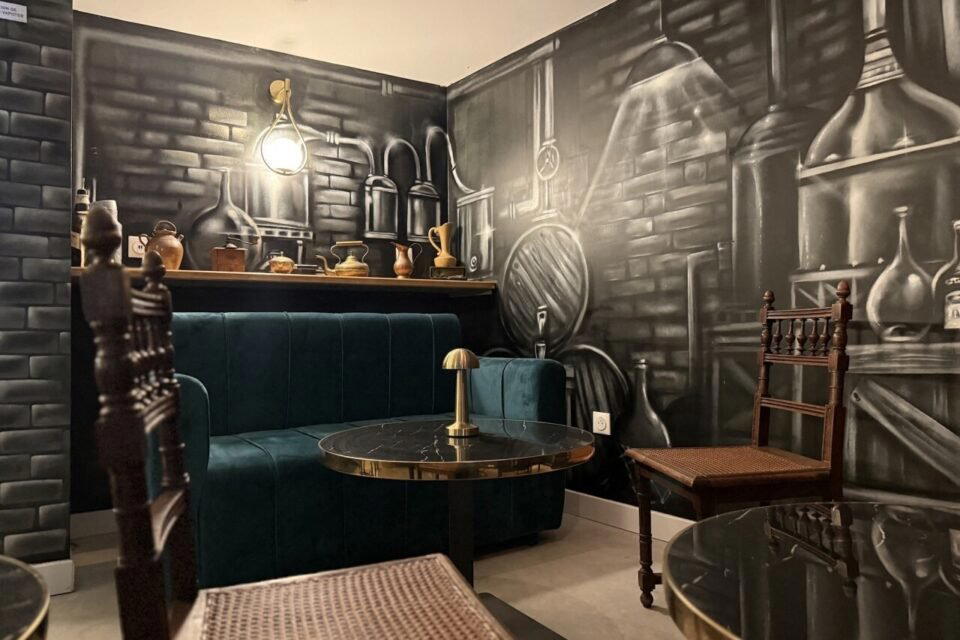
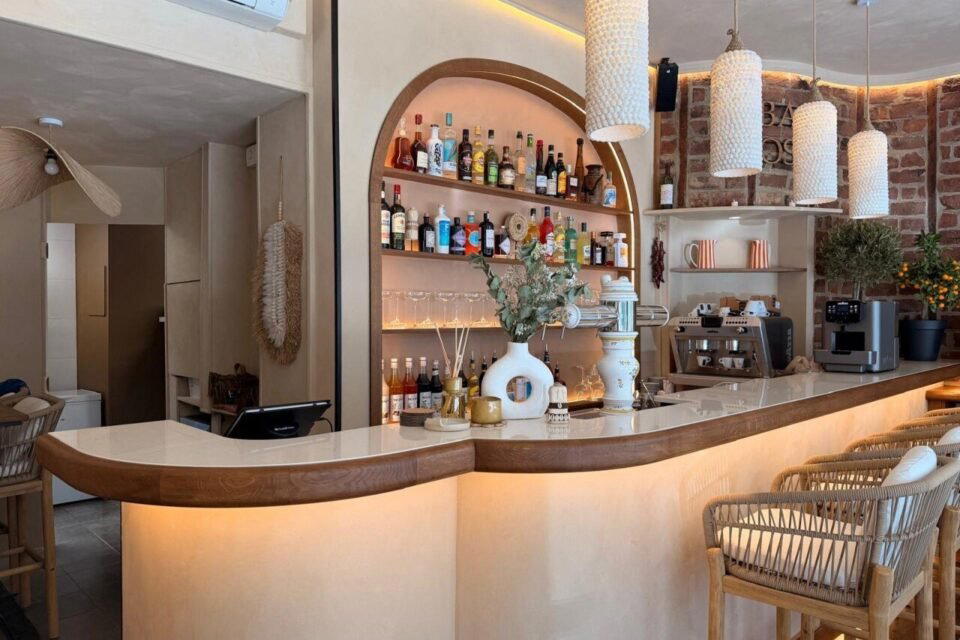
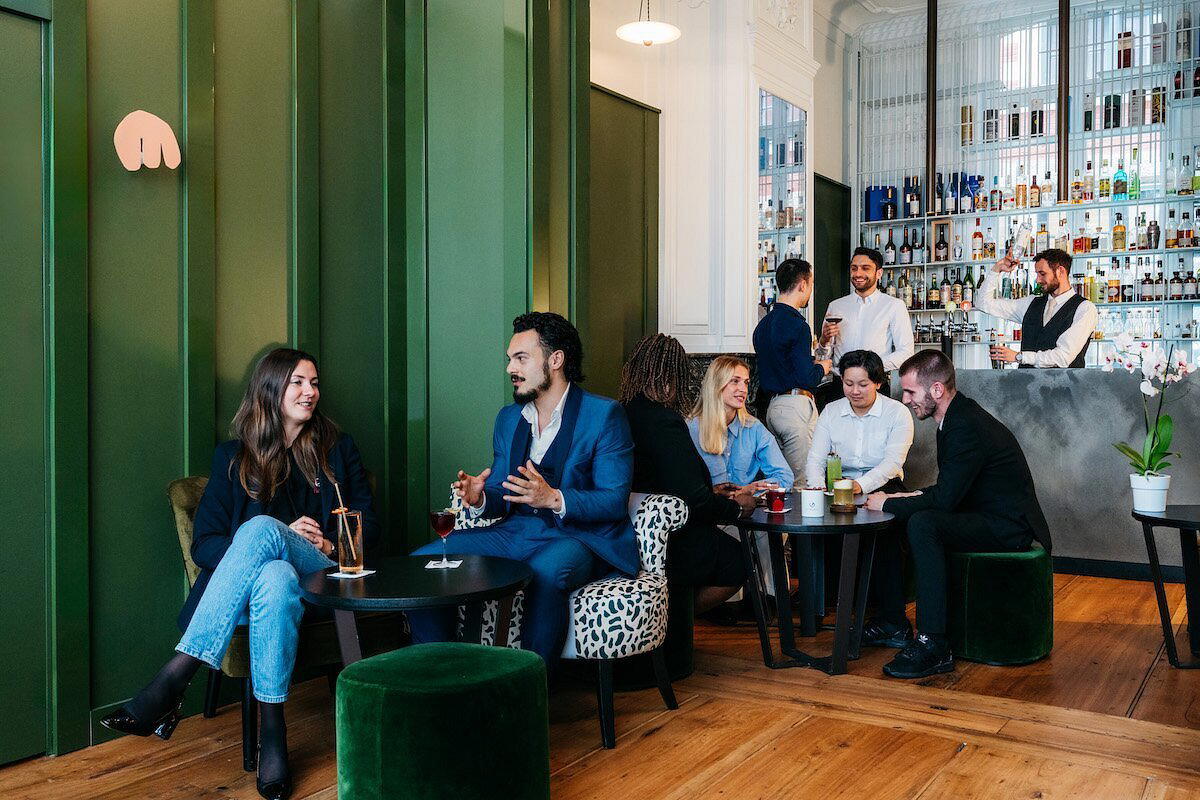
Bars in Wasquehal
Browse all →
Hotels in Wasquehal
Browse all →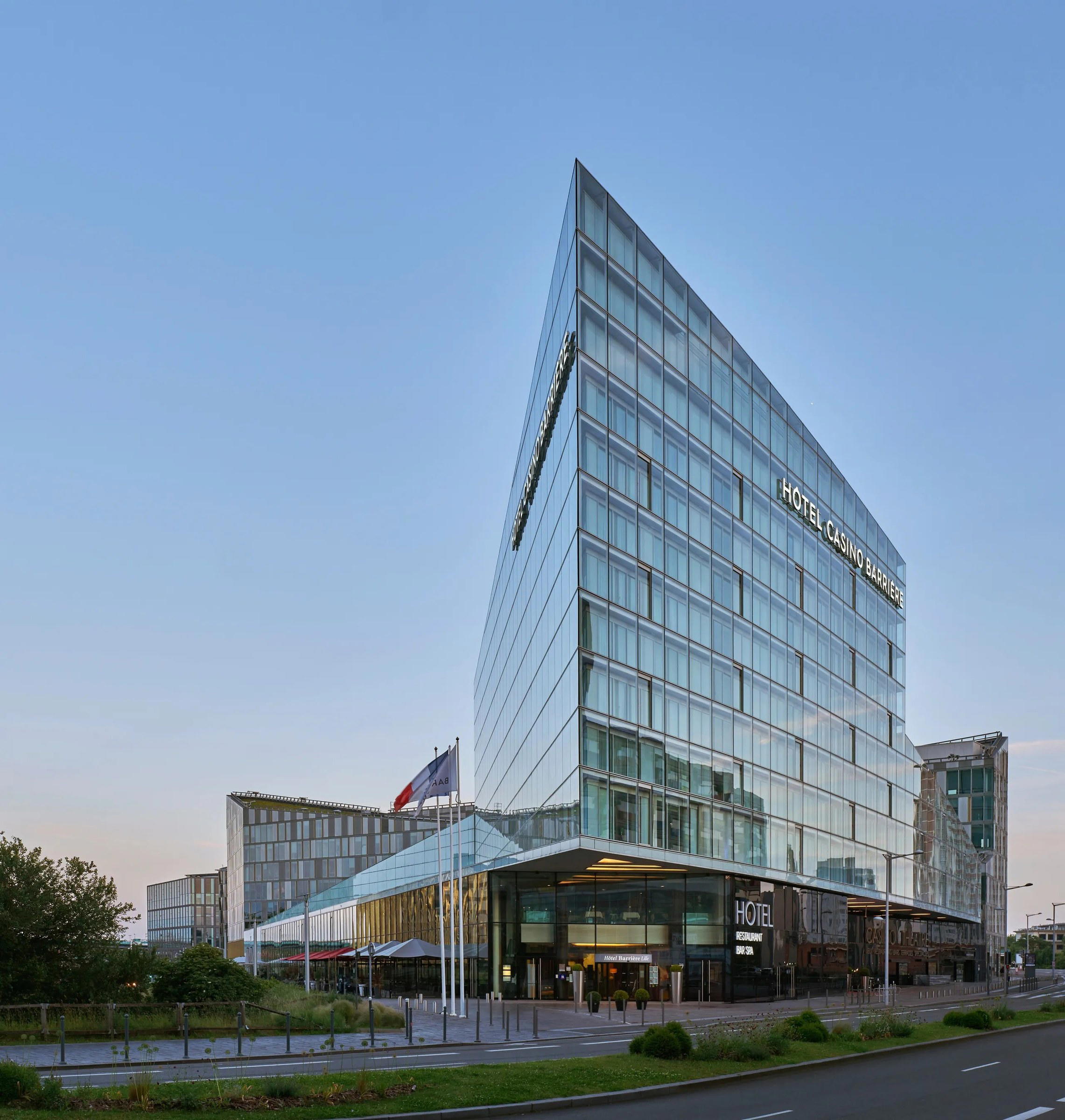
Wineries in Wasquehal
Browse all →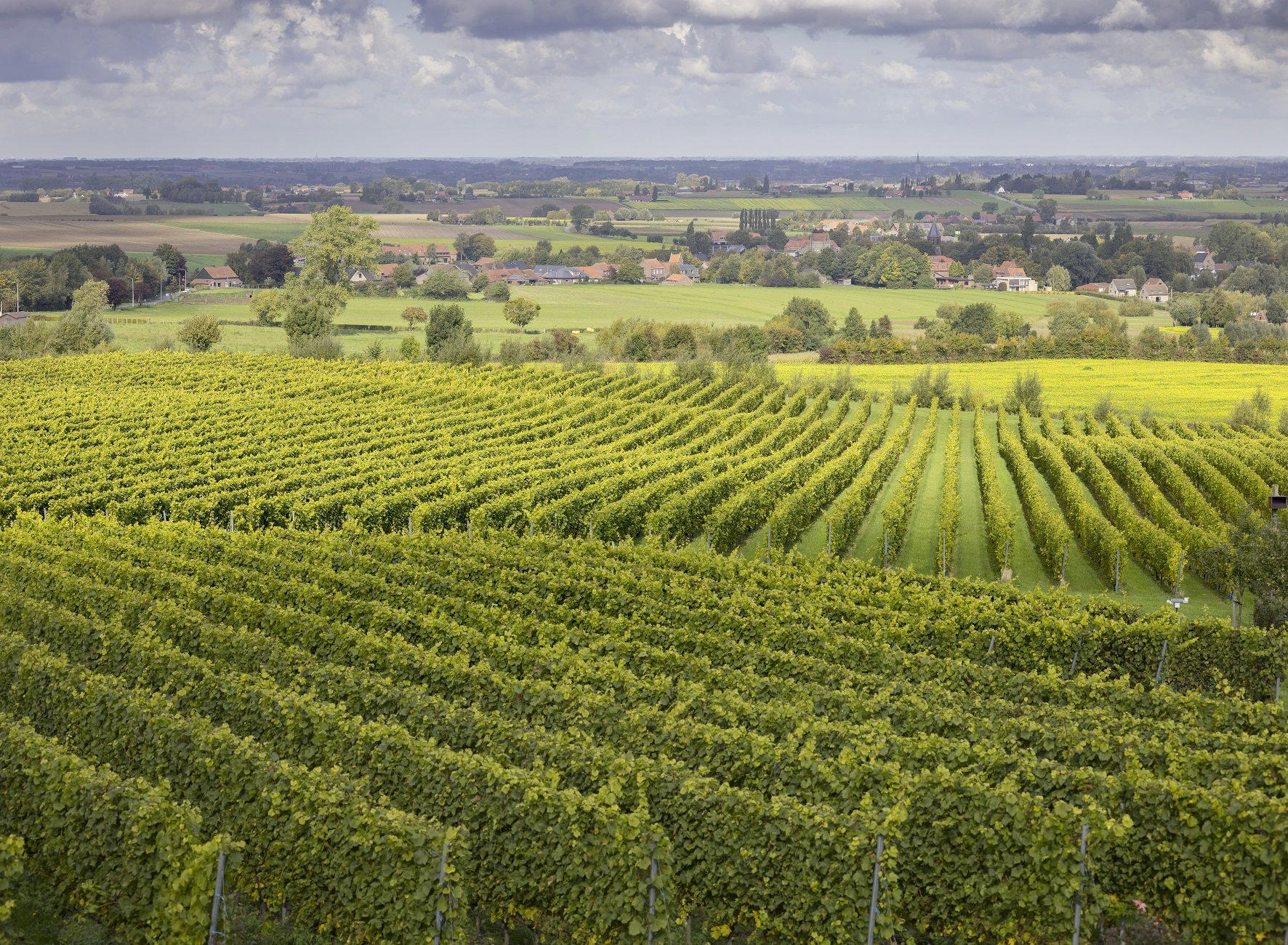
Details
- Cozy
- Elegant
- Modern
- Intimate
- Date Night
- Business Dinner
- Special Occasion
- Garden
- Terrace
- Private Dining
- Open Kitchen
- Craft Cocktails
- Local Sourcing
- Garden
- A La Carte
- Tasting Menu
- Cocktails
- Vegetarian Friendly
Lumière tamisée with warm wood, northern brick, marble, and modern touches creating a cozy, elegant atmosphere.