Au Tonneau Fleuri sits on Salmbach's main street in the northern Alsace plain, where the French-German border has long shaped what ends up on the plate. The village setting places it squarely in a tradition where wine-growing culture and market-garden agriculture define the cooking. For visitors tracing Alsace's quieter restaurant circuit, it represents that category of address you find by asking locals rather than checking lists.
Pearl is the En Primeur Club membership app — saves, bookings, and concierge access live there. Same editors, same standards.
- Address
- 45 Rue Principale, 67160 Salmbach, France
- Phone
- +33388536645
- Website
- autonneaufleuri.fr
- Directions
- Get directions
 Saves & bookings on Pearl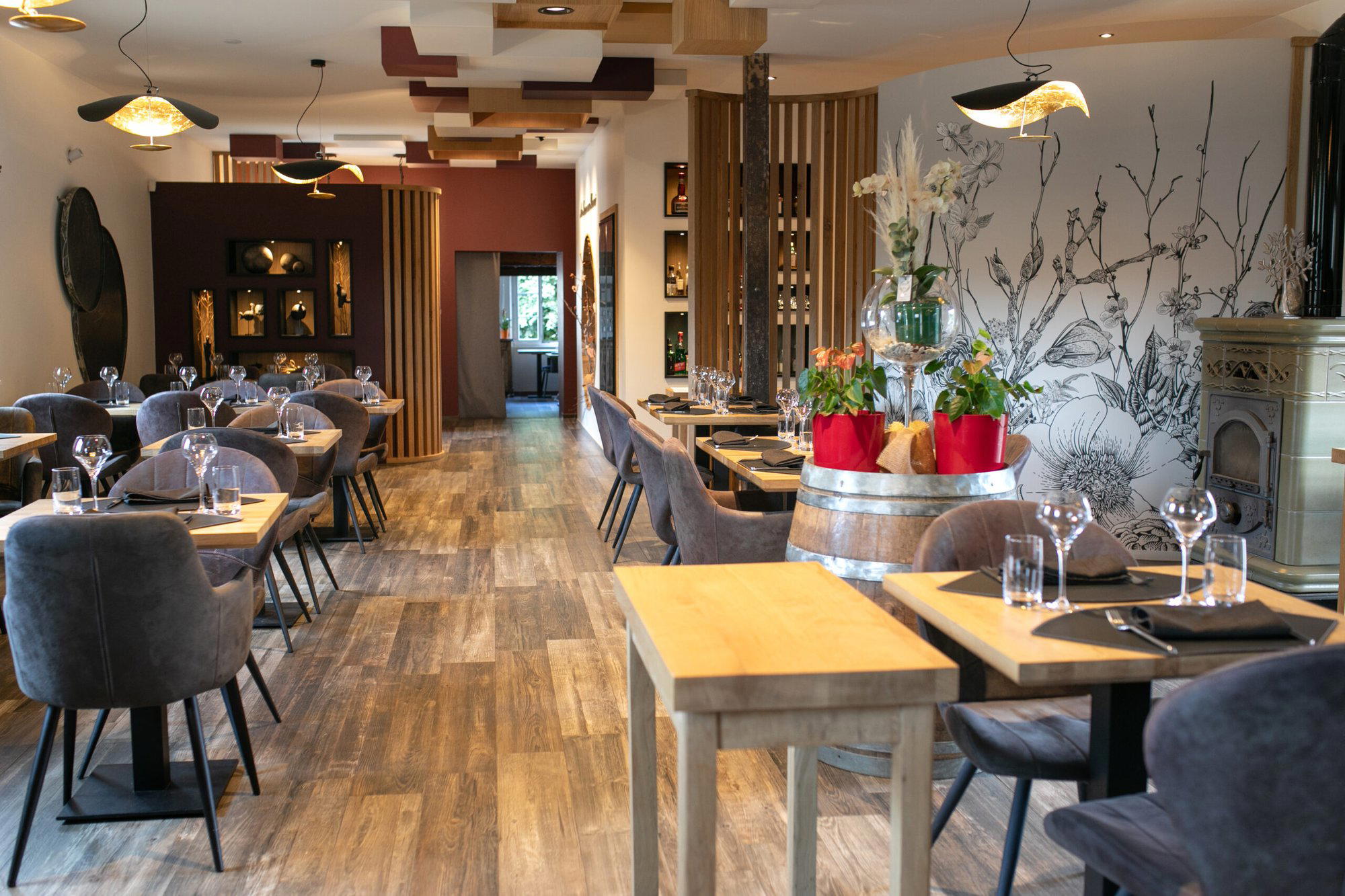
Where the Alsace Plain Meets the Plate
The northern tip of Alsace, between Wissembourg and the Lauter river, is not where most visitors land when they think of the region's food. That attention tends to cluster around Strasbourg's brasseries or the wine route south toward Colmar. But the flat agricultural plain here, where the Palatinate forest gives way to open fields, produces particularly direct farm-to-table cooking in France, not as a concept but as a practical consequence of geography. Salmbach, a village of a few hundred residents on the Rue Principale corridor, is the kind of place where a restaurant's supply chain begins within walking distance. Au Tonneau Fleuri occupies that address at 45 Rue Principale.
This part of Alsace operates on different rhythms from the three-star circuit. Properties like Auberge de l'Ill in Illhaeusern represent the region's haute end, alongside houses such as Paul Bocuse - L'Auberge du Pont de Collonges and Maison Lameloise in Chagny. Au Tonneau Fleuri is not competing in that tier. It is the kind of village restaurant that France still does well, and that the border regions in particular sustain: a place where the cooking reflects immediate surroundings rather than a personal chef manifesto.
Ingredient Geography: Why the Northern Plain Matters
Understanding what ends up in a kitchen in this corner of Alsace requires a brief look at the agricultural context. The Rhine plain between Strasbourg and the German border is one of the more productive mixed-farming zones in France, with market gardening, asparagus cultivation, and small-scale livestock raising all operating within a few kilometres of any given village. The hop fields that historically supplied the brewing industry also shaped the cooking culture, giving this sub-region a different pantry than the wine-heavy south. Riesling and Gewurztraminer from vineyards along the nearby Alsace wine route make natural wine pairings for the food, but the cooking itself draws from the plain's produce as much as from the cellar.
This ingredient geography separates village restaurants in northern Alsace from their counterparts in the Loire or Provence, where terroir is more often invoked as a wine concept and less often as a literal description of what is on the plate. In the broader tradition of French regional cooking, this is the end of the spectrum where Bras in Laguiole has made its argument through the Aubrac plateau's wild herbs and Les Prés d'Eugénie in Eugénie-les-Bains through the thermal basin of the Landes. The northern Alsace plain has its own version of that argument, less celebrated, but materially present in the cooking of places like Au Tonneau Fleuri.
The Winstub Tradition and How It Sits Here
Alsace's restaurant categories are distinct enough to deserve a quick map. At the leading sit the grands restaurants, recognized by Michelin and tracked by the same critics who write about Mirazur in Menton or Alléno Paris au Pavillon Ledoyen. Below that are the winstubs, the wine-room restaurants that evolved from the wine-grower's practice of opening a room for direct sales and simple meals. Then come the village auberges, which in northern Alsace often blur the line between those two categories, serving the kind of choucroute, baeckeoffe, and flammekueche that define Alsatian identity without positioning themselves as tourist-facing experiences.
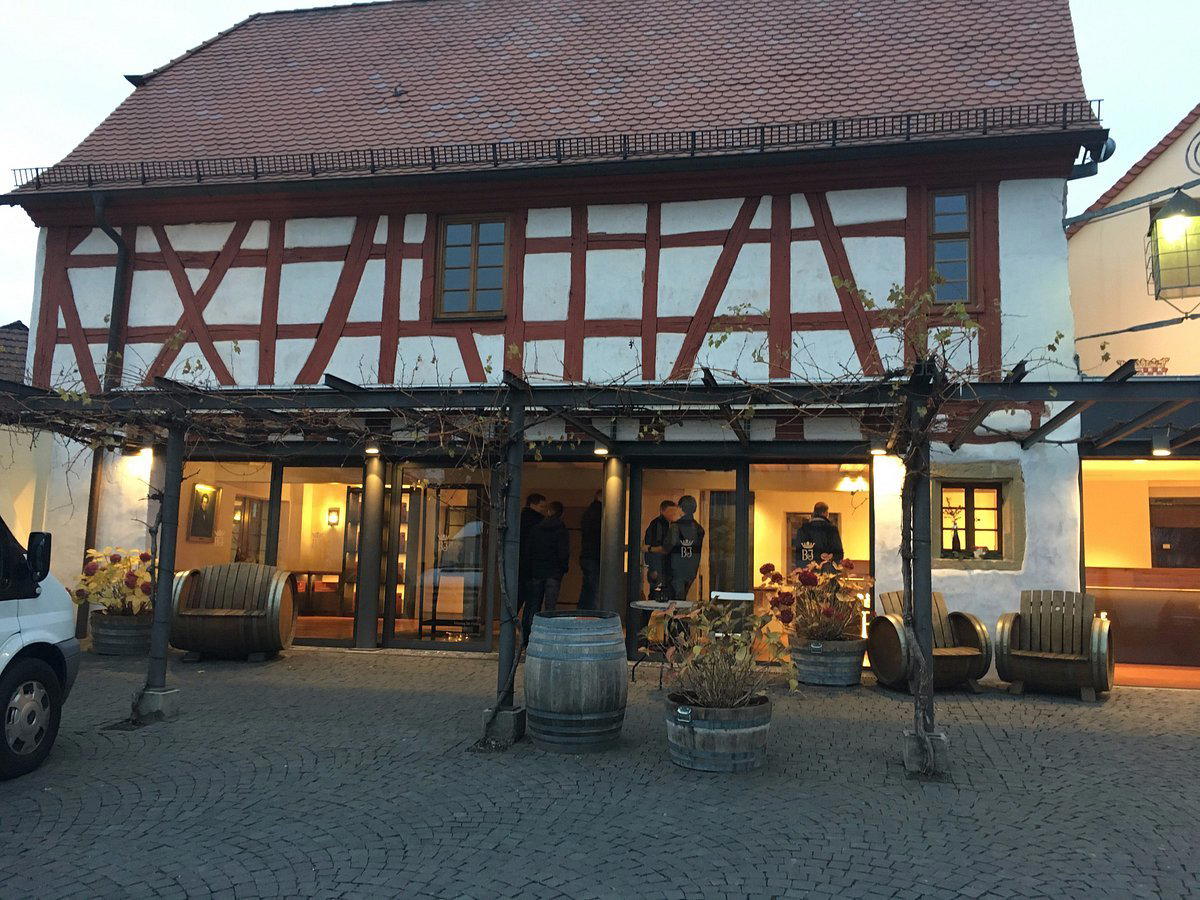
Au Tonneau Fleuri's name and village address place it in this last category. The barrel-flower signage of traditional Alsatian hospitality, the Rue Principale setting in a small border commune, and the absence of a media profile all suggest a restaurant whose primary audience is local and regional, not visiting from Paris or abroad specifically to dine there. That is not a limitation; it is a description of a category of address that requires a different kind of reader than the one who books Le 1947 at Cheval Blanc in Courchevel or La Vague d'Or in Saint-Tropez three months in advance.
Planning a Visit to Salmbach
Salmbach sits roughly 60 kilometres north of Strasbourg, accessible by car along the D263 or via the Wissembourg road. The village is close to the German border at Lauterbourg, which makes it a natural stop for travellers crossing between Alsace and the Palatinate wine region. Wissembourg, the nearest town with accommodation and its own restaurant scene, is approximately 10 kilometres away. Given the village scale and the typical operating model of this category of restaurant, arriving without a reservation for dinner on a weekend is a risk.
The cross-border dimension matters practically here. Petrol, accommodation, and some provisions tend to be cheaper on the German side, and many visitors to this corner of Alsace move between Wissembourg, the Lauter valley, and the Palatinate towns of Bergzabern or Annweiler in a single itinerary. For French food travellers building a longer regional circuit, this area pairs naturally with a day at the Alsatian wine route before continuing south toward destinations such as Flocons de Sel in Megève or veering west for the Languedoc addresses like Auberge du Vieux Puits in Fontjoncouse.
What to Expect from the Experience
The experience is anchored in Alsatian regional cooking with a direct relationship to local produce. The border location adds a German-Alsatian inflection that is different from what you would find in a Provençal village address like L'Oustau de Baumanière in Les Baux or an Atlantic coast address comparable to Le Bernardin in New York City in its focus on a single product category. Alsatian cooking at this level tends to favour pork-based preparations, freshwater fish from the Rhine and its tributaries, seasonal vegetables from the plain, and house-made pastry of the kugelhopf and tarte style.
For visitors whose reference points are Paris's creative-cuisine circuit or the tasting-menu format of restaurants like Troisgros in Ouches or Georges Blanc in Vonnas, the register here is different. This is not a restaurant asking to be evaluated against those addresses. It is a village table asking to be evaluated against the quality of its ingredients and the honesty of its cooking, which in this corner of northern Alsace amounts to a case worth making on its own terms. For community-focused dining experiences with a distinct editorial lens, you might also compare the format to Lazy Bear in San Francisco, though the context could not be more different. Similarly, La Table du Castellet in Le Castellet illustrates how French regional addresses at different budget points can anchor themselves in a specific agricultural landscape without defaulting to the grand restaurant register.
Fast Comparison
Comparable venues nearby, for context on price, style, and recognition.
| Venue | Cuisine | Price | Notes |
|---|---|---|---|
| Au Tonneau FleuriThis venue — the venue you are viewing | Traditional French Bistro with Alsatian Flavors | $$ | Not listed |
| Les Innocents | Modern French Bistronomic | $$ | Tribunal-Gare-Porte De Schirmeck |
| Muensterstuewel | Traditional Alsatian Winstub | $$ | Centre |
| La Vignette | French Bistro | $$ | Robertsau |
| Madeleine | Modern Alsatian-Breton Bistro | $$ | Bourse-Esplanade-Krutenau |
| Comptoir De Vie | Modern French Tasting Counter-Bar | $$$ | 2nd Arrondissement |
Continue exploring
More in Salmbach
Restaurants in Salmbach
Browse all →
Bars in Salmbach
Browse all →
Hotels in Salmbach
Browse all →
At a Glance
- Cozy
- Rustic
- Classic
- Family
- Casual Hangout
- Terrace
- Local Sourcing
- Garden
Current opening hours
- Monday
- Closed
- Tuesday
- 9 AM–3 PM
- Wednesday
- 9 AM–3 PM
- Thursday
- 9 AM–3 PM
- Friday
- 9 AM–3 PM
- Saturday
- 9 AM–3 PM, 6:30–11 PM
- Sunday
- 9 AM–4:30 PM
Hours can change for holidays and private events. Last verified .
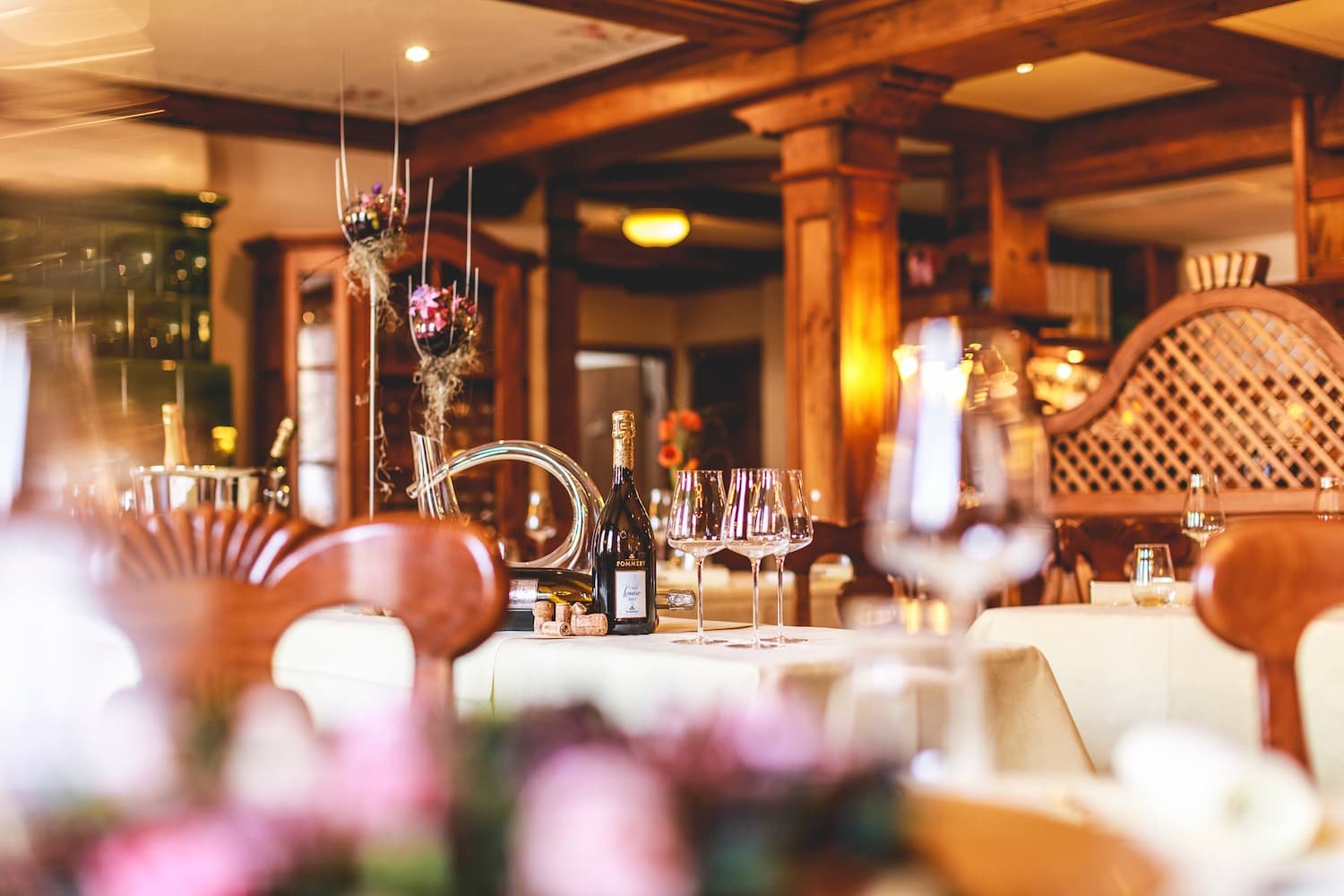
Pleasant and welcoming atmosphere with tastefully decorated dining room and picturesque garden terrace under plant greenery, fostering a casual and relaxed feel.