Au Petit Plaisir sits on Velodroomstraat in Boom, a small Belgian town more often associated with its river-industrial past than its restaurant scene. For travellers approaching from the city, it represents a neighbourhood-scale alternative worth investigating.
Pearl is the En Primeur Club membership app — saves, bookings, and concierge access live there. Same editors, same standards.
- Address
- Velodroomstraat 121, 2850 Boom, Belgium
- Website
- aupetitplaisir.be
- Directions
- Get directions
 Saves & bookings on Pearl
Boom's Quiet Table: What Small-Town Belgian Dining Looks Like in Practice
Boom sits roughly fifteen kilometres south of Antwerp along the Rupel river, a town whose identity was long defined by brick kilns and river trade rather than gastronomy. That industrial backdrop makes the presence of neighbourhood restaurants like Au Petit Plaisir on Velodroomstraat 121 more interesting, not less. The country's restaurant density per capita is among the highest in Europe, and many of its most serious tables operate in towns that don't register on international food radar. Boom fits that pattern.
The Belgian dining tradition that produced three-Michelin-starred addresses like Hof van Cleve in Kruishoutem and Boury in Roeselare is fundamentally a rural and small-town tradition. The country's food culture is built on the idea that serious cooking belongs in local communities as much as in capital cities. Au Petit Plaisir's address in a residential street in Boom places it squarely within that tradition, whether it aspires to that level of recognition or operates as a neighbourhood staple. Both are legitimate, and both matter to how a town like Boom is understood as a place to eat.
Ingredient Culture in the Antwerp Hinterland
The area surrounding Boom sits within one of Belgium's most productive agricultural corridors. The Rupel and Nete river valleys feed into a network of market gardens, smallholdings, and artisan producers that supply restaurants across the Antwerp province. Belgian food culture has always maintained a close relationship between kitchen and supplier, and that relationship tends to be more direct, and more personal, in smaller towns than in the city. A neighbourhood restaurant in Boom has access to the same regional ingredient base as the Antwerp fine-dining tier: Mechelen asparagus in spring, endive from the Campine region, freshwater fish from local waterways, and the kind of farmhouse dairy that rarely makes it onto export shelves.
The country's agricultural output is small in volume but high in regional specificity, and proximity to producers is a structural advantage that restaurants outside major urban centres often hold over their city counterparts. Venues like Zilte in Antwerp and Vrijmoed in Gent have built their reputations partly on that supply chain. Smaller tables in towns like Boom operate within the same network, often with fewer intermediaries between farm and kitchen.
Where Au Petit Plaisir Sits in the Local Picture
Boom's dining scene is modest in scale, which means each restaurant carries proportionally more weight in defining the town's culinary character. The restaurant shares the local stage with addresses like Garden of Eden and Restaurant Mainstage, a comparable set that reflects the range of approaches a small Belgian town can sustain. For a more complete picture of what Boom offers, our full Boom restaurants guide maps the options across style and price.
What the address and town context suggest is a restaurant oriented toward the local community, operating in a format common to Belgian neighbourhood dining: mid-scale, Franco-Belgian in sensibility, and built on repeat custom rather than destination traffic. That model, when executed with discipline, produces some of the country's most consistent cooking. It is the same model that underpins addresses like La Durée in Izegem and Ralf Berendsen in Neerharen, both of which operate in towns of comparable scale to Boom and deliver at a level that rewards the detour from larger centres.
The Franco-Belgian Neighbourhood Restaurant as a Format
Belgium's neighbourhood restaurant tradition draws from both French classical technique and Flemish ingredient culture. The Franco-Belgian kitchen, whether in a village in West Flanders or a riverside town in Antwerp province, tends to prioritise execution over novelty: stocks reduced properly, sauces finished with butter, proteins cooked with attention to resting time. That approach is not fashionable in the way that Le Bernardin in New York City or Lazy Bear in San Francisco are fashionable, but it represents a culinary standard that is harder to maintain consistently than it appears. The restaurants that hold it over years build the kind of local loyalty that keeps a dining room full on a Tuesday without relying on review traffic or social media cycles.
Comparison venues in the Belgian creative tier, including Vrijmoed and Cuchara in Lommel, operate at the €€€€ price point with tasting menus and a deliberate creative agenda. The neighbourhood restaurant in a town like Boom typically sits a tier or two below that in price and formality, serving a different function in the ecosystem. That lower tier is not a lesser tier; it is where most Belgians eat well most often, and where the country's food culture is reproduced at a community level rather than at a destination level.
For travellers routing through the Antwerp province who want to understand Belgian dining beyond its headline addresses, the stretch between Antwerp and Mechelen, which takes in Boom, offers a useful sample of the region's dining culture. Tables like Bozar Restaurant in Brussels, Le Chalet de la Forêt in Uccle, and d'Eugénie à Emilie in Baudour each represent distinct regional expressions of Belgian cooking.
De Jonkman in Sint-Kruis, La Table de Maxime in Our, and Willem Hiele in Oudenburg represent the kind of regional Belgian tables worth pairing into a broader itinerary through the country's quieter dining corners.
Comparison Snapshot
Comparable venues nearby, for context on price, style, and recognition.
| Venue | Cuisine | Price | Notes |
|---|---|---|---|
| Au Petit PlaisirThis venue — the venue you are viewing | Modern French Bistro | $$$ | Not listed |
| Garden Of Eden | other | Not listed | Zurenborg |
| Restaurant Mainstage | Belgian Festival Fusion | $$$ | De Schorre |
| De Eenhoorn | Classical French-Belgian Bistro | $$$ | Bazel |
| Les Dames Tartine | Traditional Belgo-French | $$$ | Sint-Joost-ten-Node |
| Le Oui | Modern French Microbistronomie | $$$ | Hendrik Conscienceplein |
At a Glance
- Cozy
- Intimate
- Elegant
- Date Night
- Solo
- Special Occasion
- Private Dining
- Local Sourcing
Current opening hours
- Monday
- Closed
- Tuesday
- 6–11 PM
- Wednesday
- 6–11 PM
- Thursday
- 6–11 PM
- Friday
- Closed
- Saturday
- Closed
- Sunday
- Closed
Hours can change for holidays and private events. Last verified .
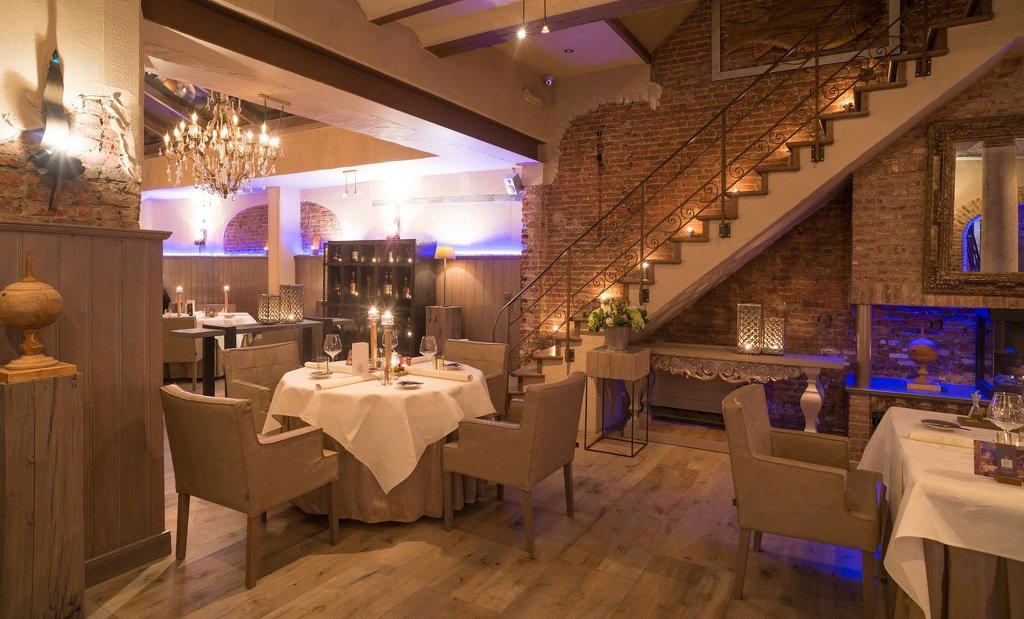
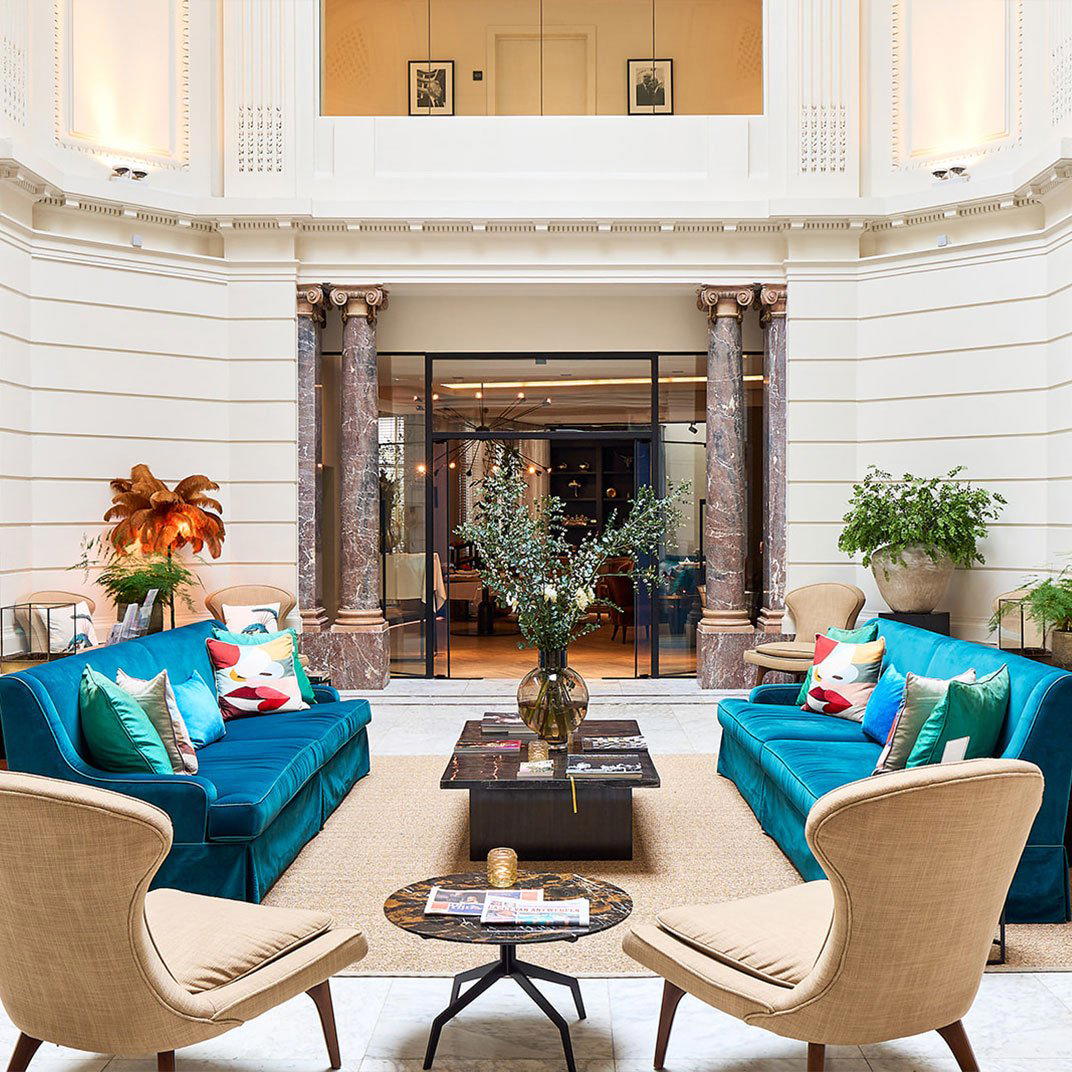
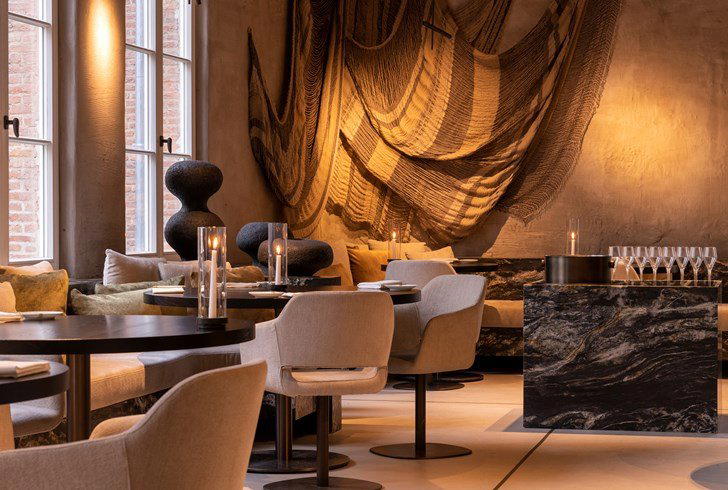
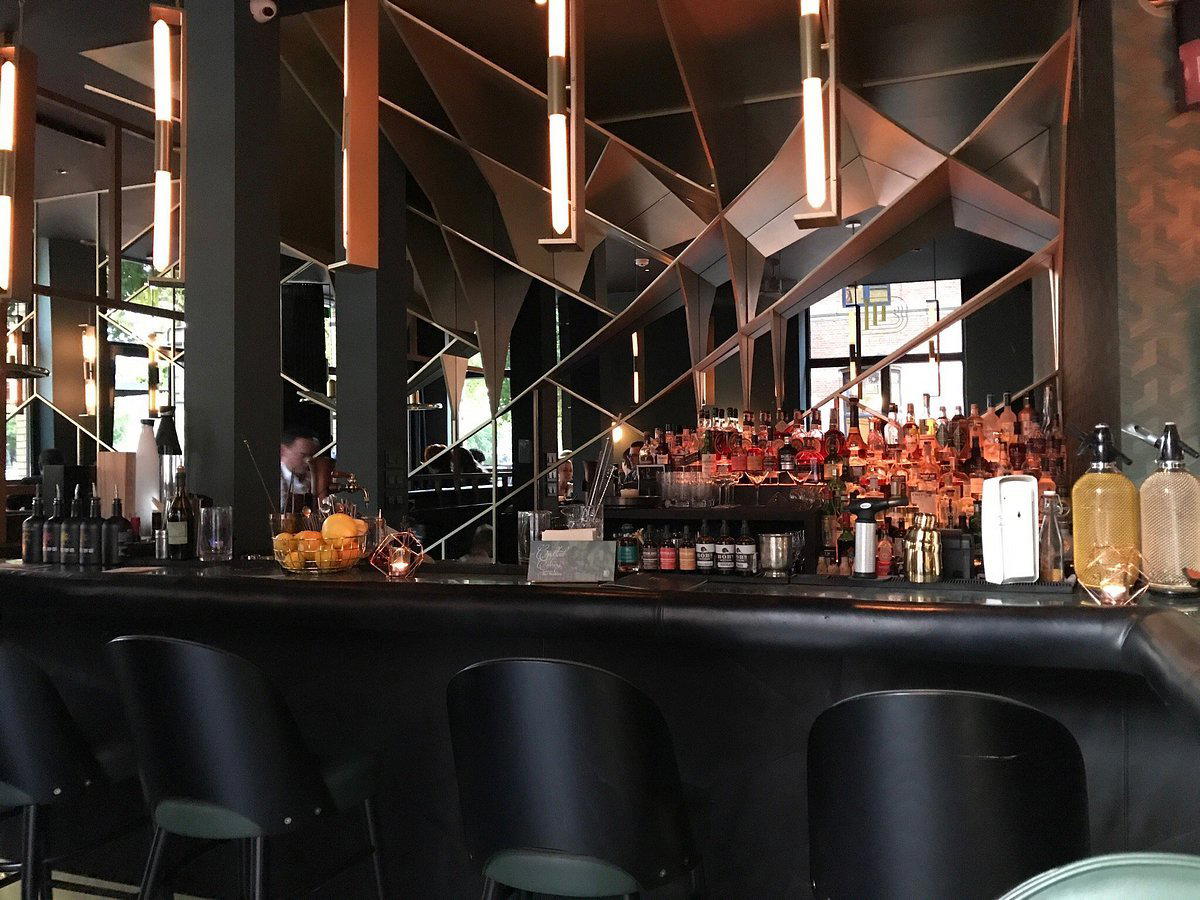
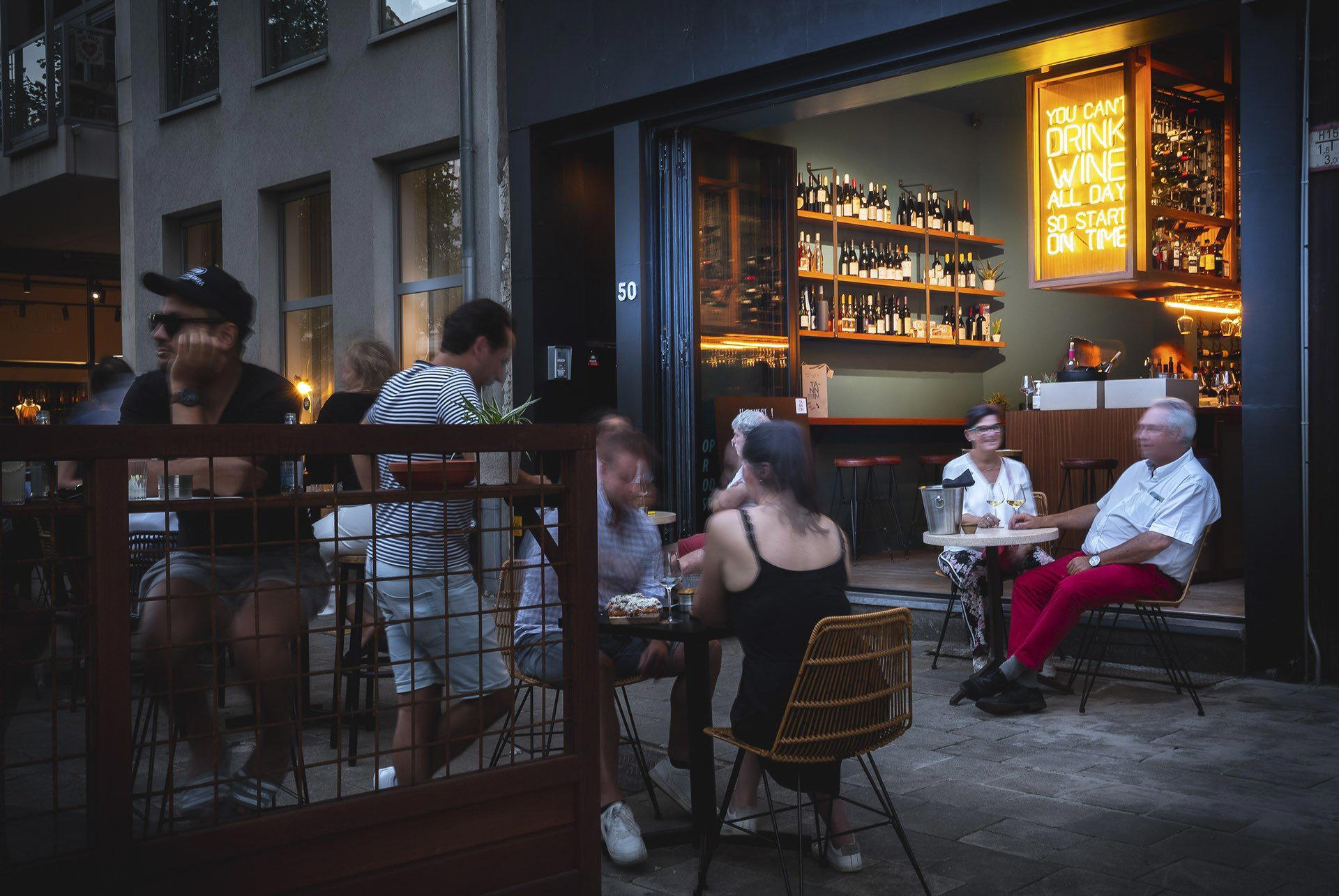
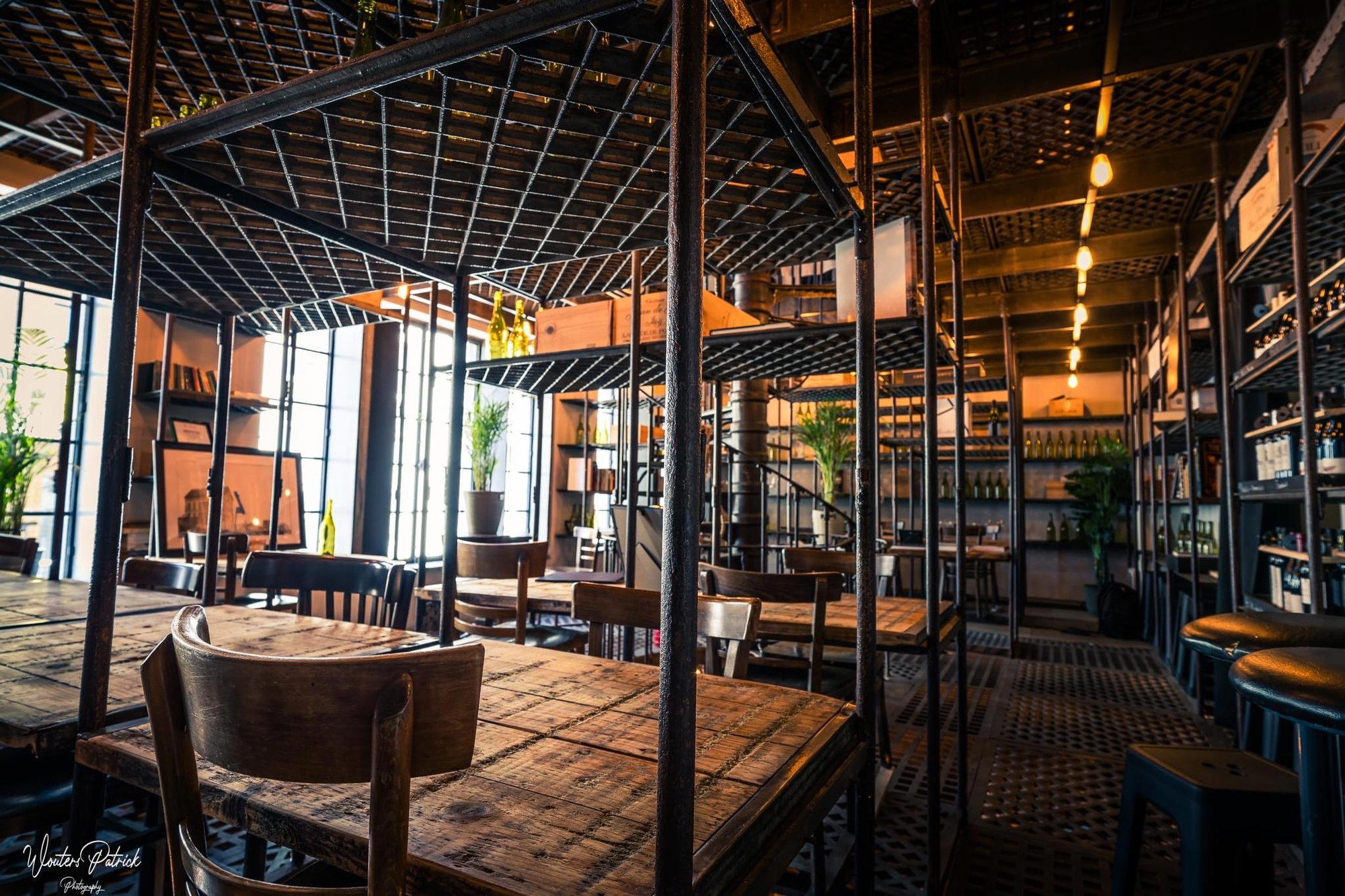
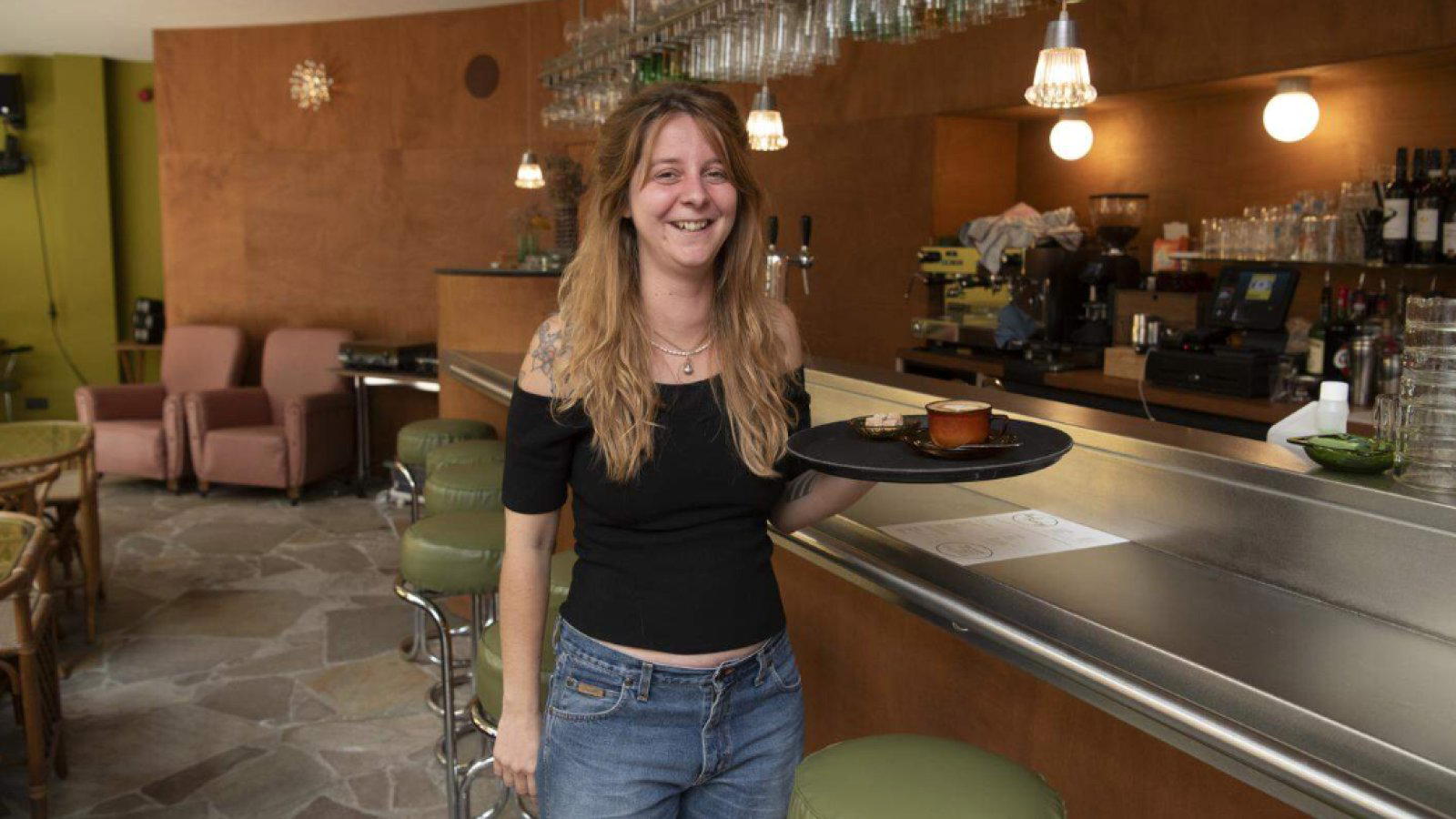
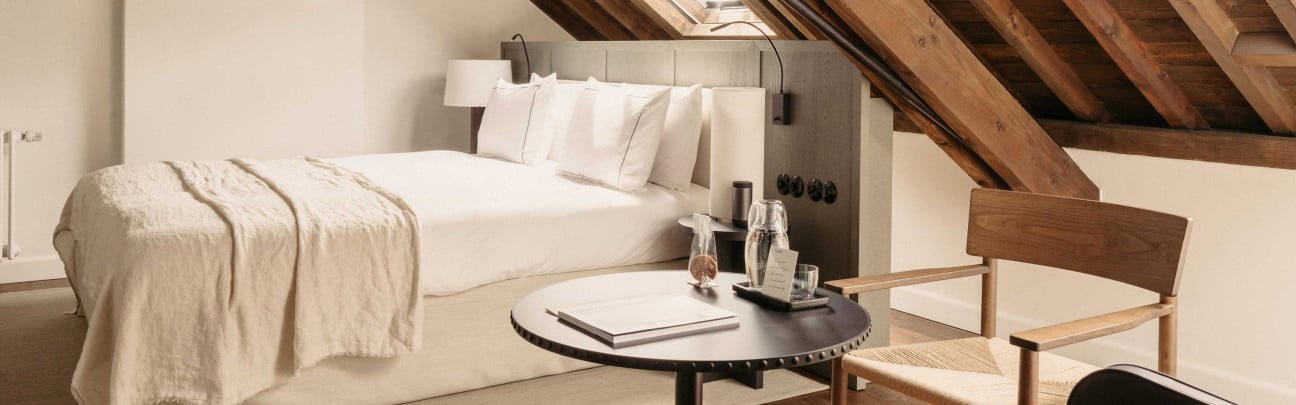
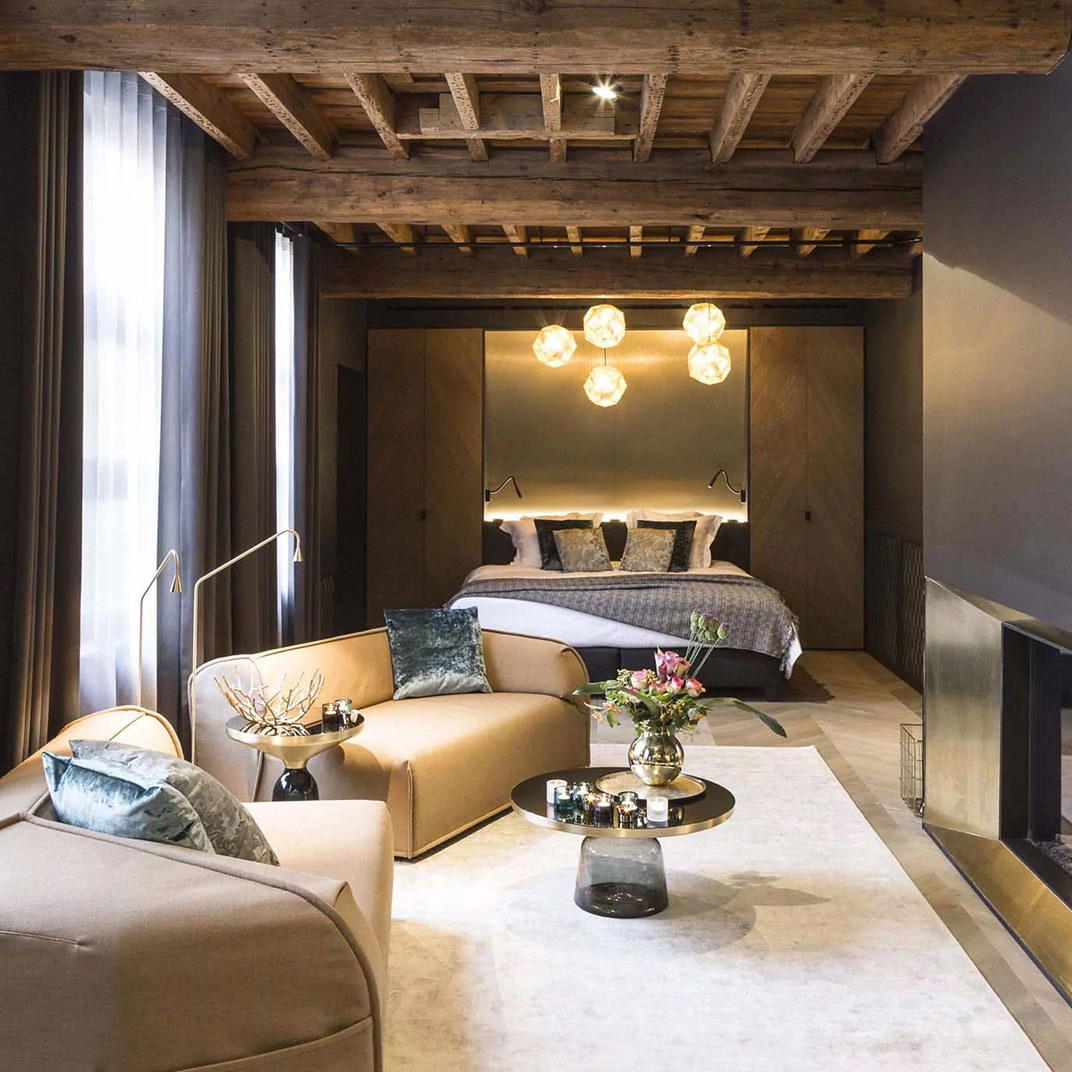
Warm, cozy living room atmosphere in modern Parisian bistro style with careful attention to detail.