Our verdict
Garden Of Eden sits in Boom, a small Flemish town on the Rupel river south of Antwerp, where Belgium's wider tradition of ingredient-led cooking finds expression outside the capital's dining circuit.

Pearl is the En Primeur Club membership app — saves, bookings, and concierge access live there. Same editors, same standards.
- Address
- 2850 Boom
- Directions
- Get directions
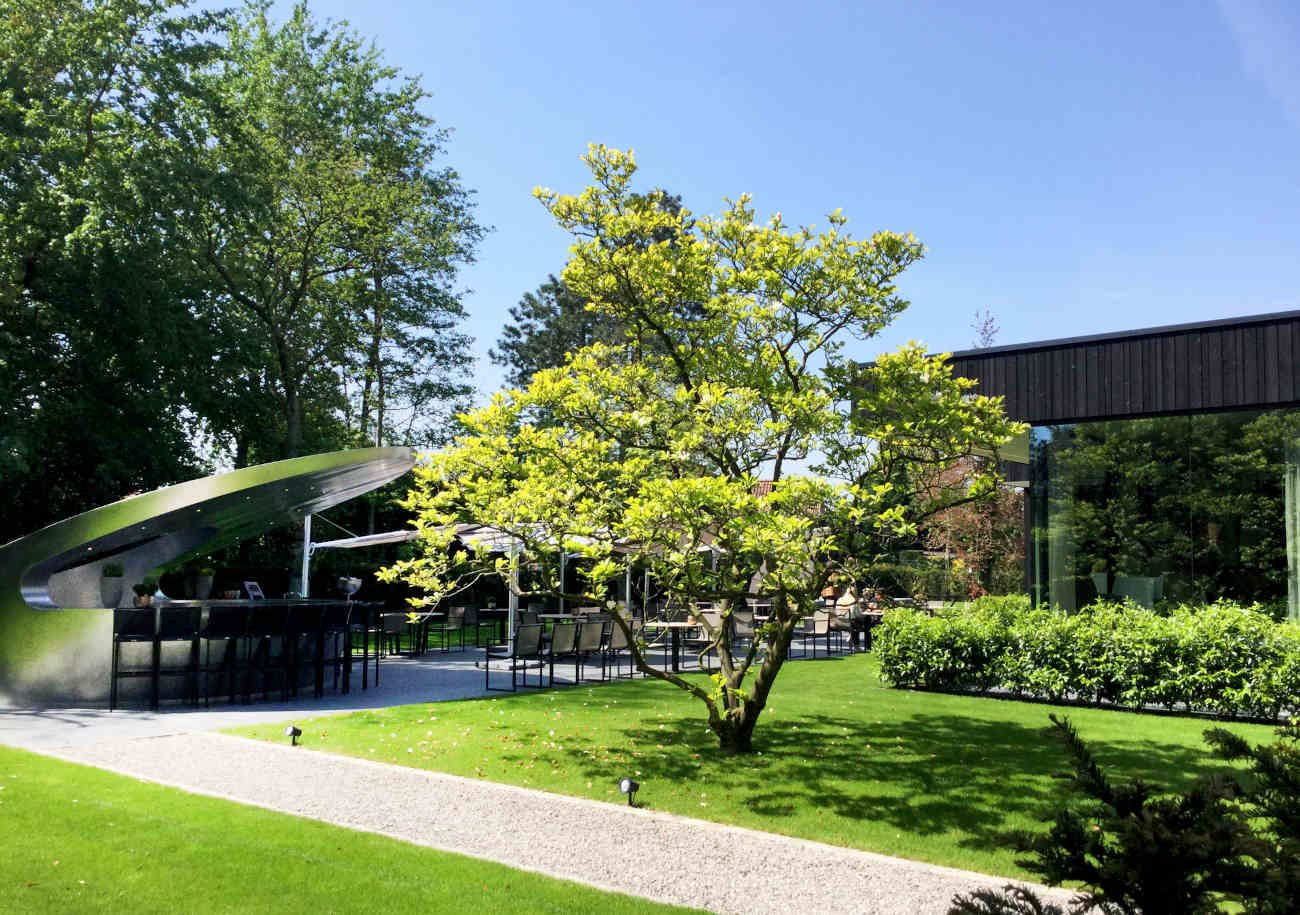
Boom's Dining Position and What It Signals
Belgium's serious restaurant culture has long extended well beyond Brussels and the Flemish coast. The province of Antwerp, and the smaller towns strung along its river corridors, have quietly sustained a tradition of ingredient-focused cooking that owes as much to market proximity and agricultural density as to any metropolitan influence. Boom, a compact town on the Rupel river roughly midway between Antwerp and Brussels, sits inside that tradition. It is not a destination that announces itself through volume of press, which means the restaurants operating here tend to be evaluated on what arrives on the plate rather than on a surrounding media apparatus. Garden Of Eden occupies that quieter register, alongside local peers Au Petit Plaisir and Restaurant Mainstage. For broader context on the Boom dining scene, our full Boom restaurants guide maps the options across price and format.
The Ingredient Argument in Flemish Cooking
To understand where a place like Garden Of Eden fits, it helps to understand why Belgium has produced a disproportionate concentration of ingredient-conscious restaurants relative to its size. The country's position at the intersection of French culinary formalism and northern European product culture, combined with access to the North Sea, the Campine plateau, and some of Europe's most productive market gardens, has created conditions where sourcing decisions carry unusual weight. Restaurants at the serious end of the Belgian spectrum, from Hof van Cleve in Kruishoutem and Boury in Roeselare to Zilte in Antwerp, have built their reputations partly on the ability to identify and consistently access specific producers. That emphasis filters down through the tiers. Even at the local, non-destination level, Belgian diners expect provenance to inform the menu, not merely decorate it.
The name Garden Of Eden is not incidental in this context. In Belgian restaurant naming conventions, references to gardens, land, and cultivation have for decades signalled an orientation toward vegetable-forward or farm-sourced cooking. Whether the name here reflects a literal kitchen garden, a relationship with local producers, or a more figurative gesture toward abundance is information the public record does not currently confirm. What it does suggest is a positioning that aligns with the broader Flemish tradition of treating the raw material as the primary argument.
Where Boom Sits in the Provincial Picture
The Antwerp province dining scene operates across a wide band. At the leading, restaurants like Zilte and its city peers compete on a national and European level, drawing comparison with coast-based addresses like Bartholomeus in Heist and Castor in Beveren. Below that tier, a second layer of provincial restaurants serves a predominantly local clientele with cooking that takes its cues from the same sourcing-first principles without the tasting-menu architecture or Michelin expectation. Boom's restaurant offering sits at this second level, which is not a criticism. Some of the most instructive eating in Belgium happens at exactly this register, where the absence of performance pressure allows the ingredient to carry the meal without theatrical framing.
For readers who have eaten at the creative-French and modern-Flemish end of the spectrum, whether at De Jonkman in Sint-Kruis, L'air du Temps in Liernu, or d'Eugénie à Emilie in Baudour, a meal in Boom offers something structurally different: cooking calibrated to regulars rather than to reviewers, in a town-scale setting where the economics of sourcing are different and the room reads accordingly.
The Broader Belgian Context
Belgium's restaurant culture is frequently underread by international visitors who route through Brussels and assume the capital captures the full picture. It does not. The country's Michelin coverage, one of the densest per capita in Europe, extends into towns and villages that would not otherwise register on a European dining itinerary. Addresses like La Durée in Izegem, La Table de Maxime in Our, and Le Chalet de la Forêt in Uccle demonstrate that the seriousness of Belgian cooking is not contained by population density. Even restaurants without awards or wide press coverage operate inside a culture that expects technical competence and product quality as baseline conditions, not differentiators. Bozar Restaurant in Brussels makes the same case in an urban register.
That context matters when assessing a restaurant like Garden Of Eden, where the available public data is sparse. The absence of a listed price range, confirmed cuisine type, or published chef credentials does not indicate a venue operating outside the mainstream of Belgian food culture. It more likely indicates a restaurant whose reputation functions locally, through return visits and word of mouth, in a tradition that predates and operates independently of digital visibility.
Planning a Visit
Garden Of Eden is located at 2850 Boom, in the Antwerp province. Boom is accessible from Antwerp by regional rail in under 20 minutes, and from Brussels by road the journey runs roughly 30 to 35 minutes depending on route. Given the absence of a published website, phone number, or confirmed booking method in the available record, the most practical approach is to enquire locally or check current listings for contact details before visiting. Visitors planning a wider Belgian dining circuit might consider pairing a Boom visit with the Antwerp scene, where addresses like Zilte occupy a different tier of the same regional food culture. For international reference points on what ingredient-led cooking looks like at the very best of the discipline, Le Bernardin in New York and Atomix in New York offer a frame, though the register at a Boom address is considerably more local and unpretentious. For Willem Hiele in Oudenburg, the coastal equivalent of Belgium's sourcing-led approach, the contrast with an inland Rupel-valley setting like Boom is itself worth considering when mapping a route.
Frequently asked questions
Does Garden Of Eden work for a family meal?
Garden Of Eden is located in Boom, a town in Antwerp province with a relaxed, residential character — settings like this typically support a range of table occasions, including family meals.
Is Garden Of Eden formal or casual?
No dress code or atmosphere classification is documented for Garden Of Eden. Boom sits outside the circuit of Antwerp's city-centre fine dining rooms, and restaurants in smaller Flemish towns at this postal code tend toward relaxed, neighbourhood-facing formats rather than formal service structures — but this is a regional pattern, not confirmed venue policy.
Is Garden Of Eden a good dinner option when visiting Boom from Antwerp?
Boom is reachable from Antwerp by regional rail in under 20 minutes, making Garden Of Eden a practical option for visitors extending beyond the city. The Antwerp province supports a wide band of dining, from Michelin-level city rooms to smaller provincial addresses, and Boom sits within that broader corridor.
What's the best thing to order at Garden Of Eden?
No specific menu items or signature dishes are documented for Garden Of Eden in Boom.
How do I find Garden Of Eden?
Garden Of Eden is located at 2850 Boom, Boom.
Is Garden Of Eden reservation-only?
Garden Of Eden is at 2850 Boom, Antwerp province — reaching out directly via the venue is the most reliable way to confirm whether walk-ins are accepted or advance reservations are required.
In Context: Similar Options
Comparable venues nearby, for context on price, style, and recognition.
| Venue | Cuisine | Price | Notes |
|---|---|---|---|
| Garden Of EdenThis venue — the venue you are viewing | other | Not listed | Not listed |
| Restaurant Mainstage | Belgian Festival Fusion | Not listed | De Schorre |
| Au Petit Plaisir | Modern French Bistro | $50–100 | Boom |
| Atelier Flori | Vegan Tapas | $30–50 | city center |
| Fox Den | Craft Cocktails & Spirits Bar | $20–30 | Schaerbeek |
| Chocolaterie du Château de Leignon | Artisan Chocolaterie | Not listed | Leignon |
Details
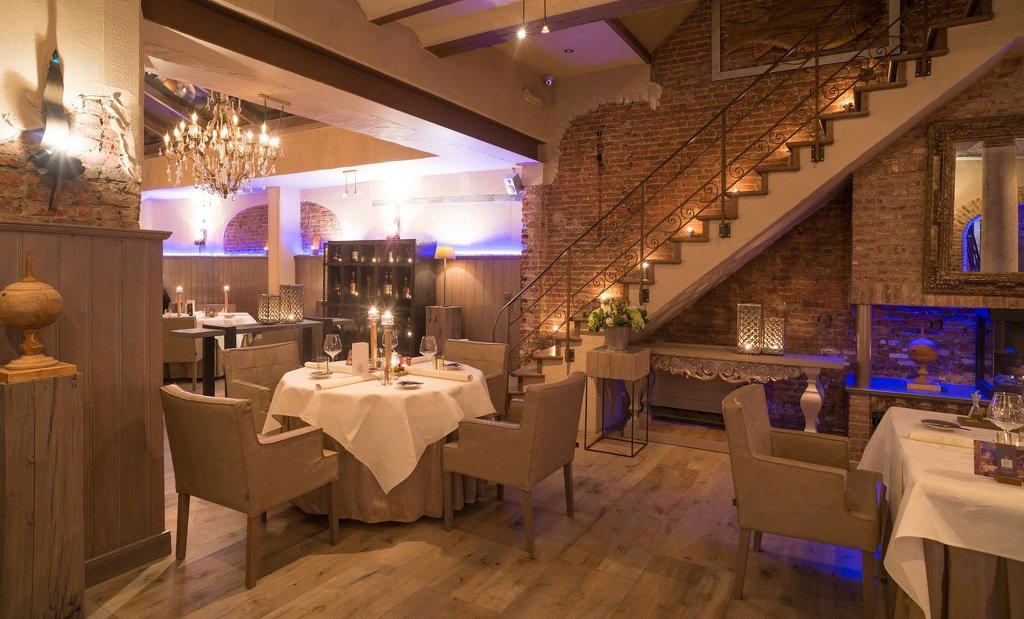
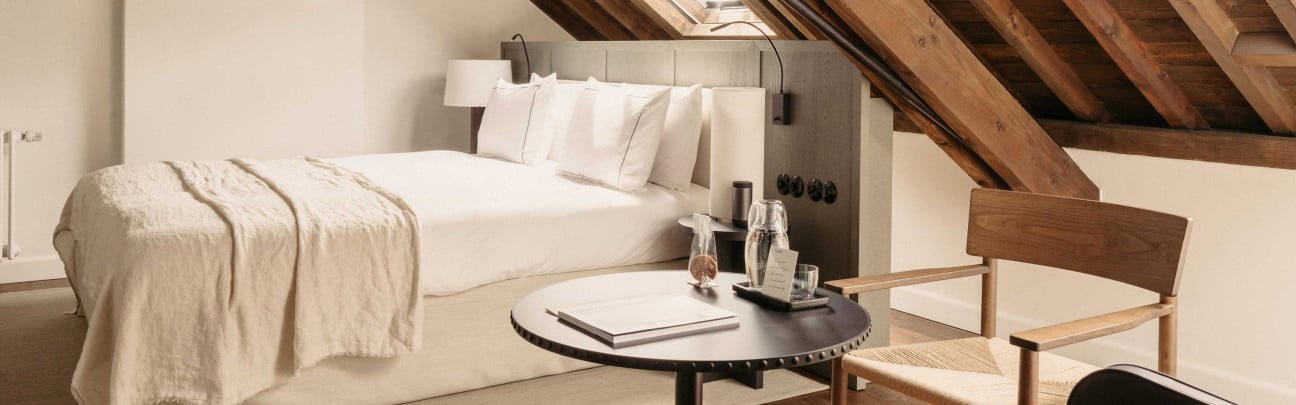
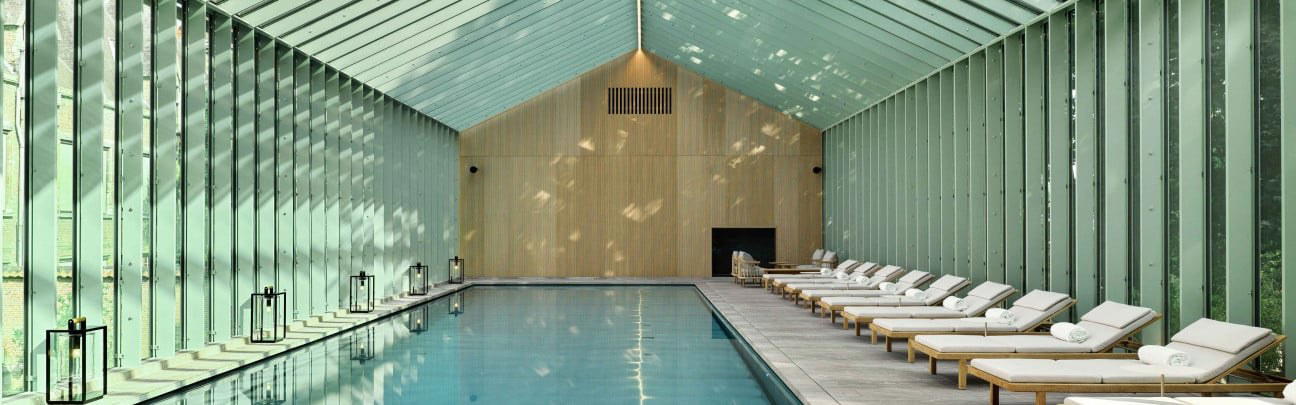
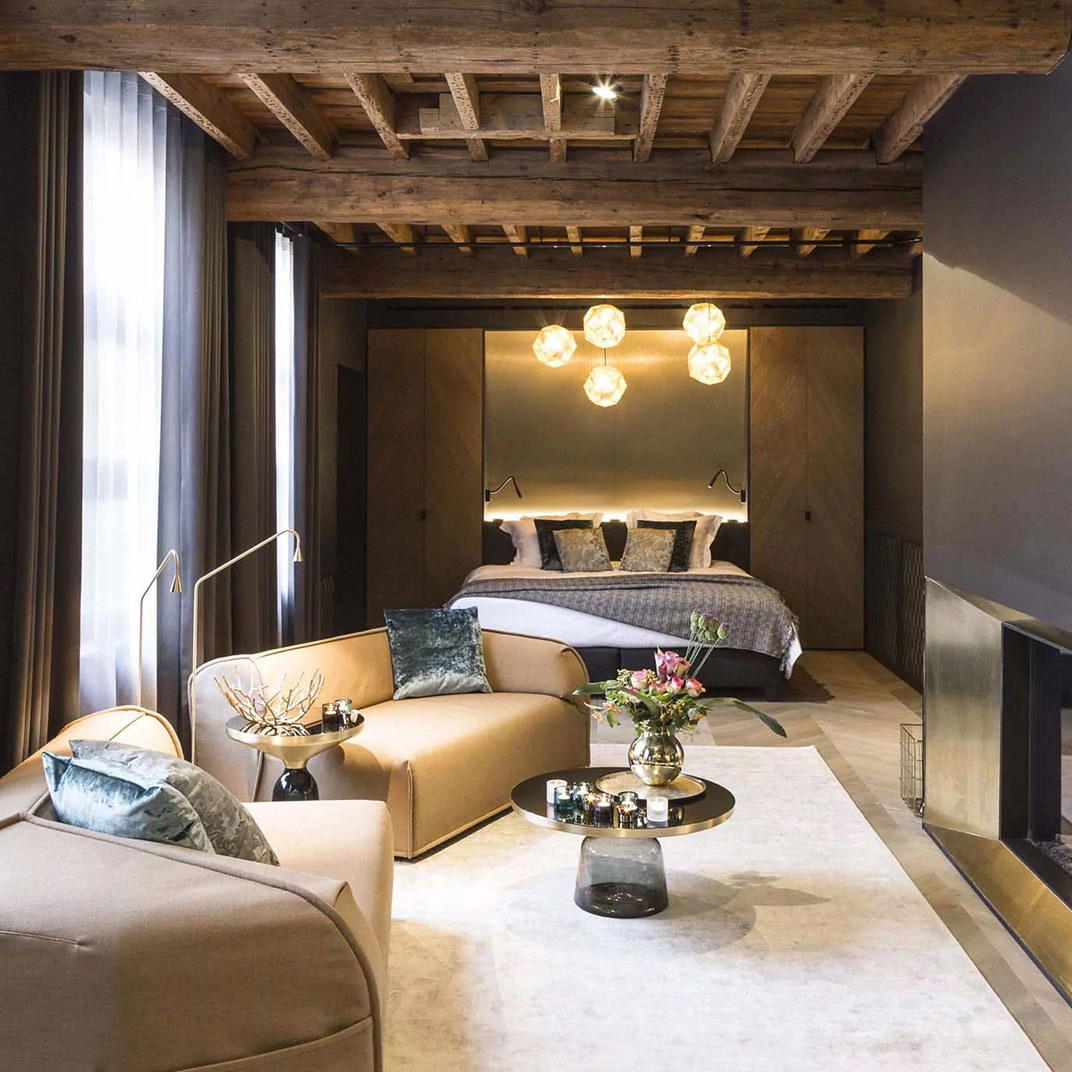
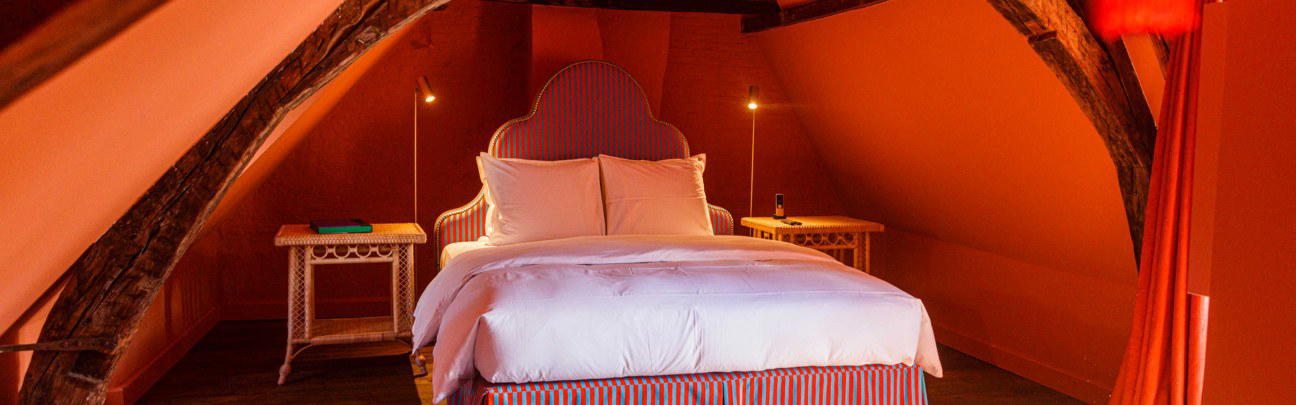
Cozy and welcoming atmosphere suitable for a relaxing stay.