Our verdict
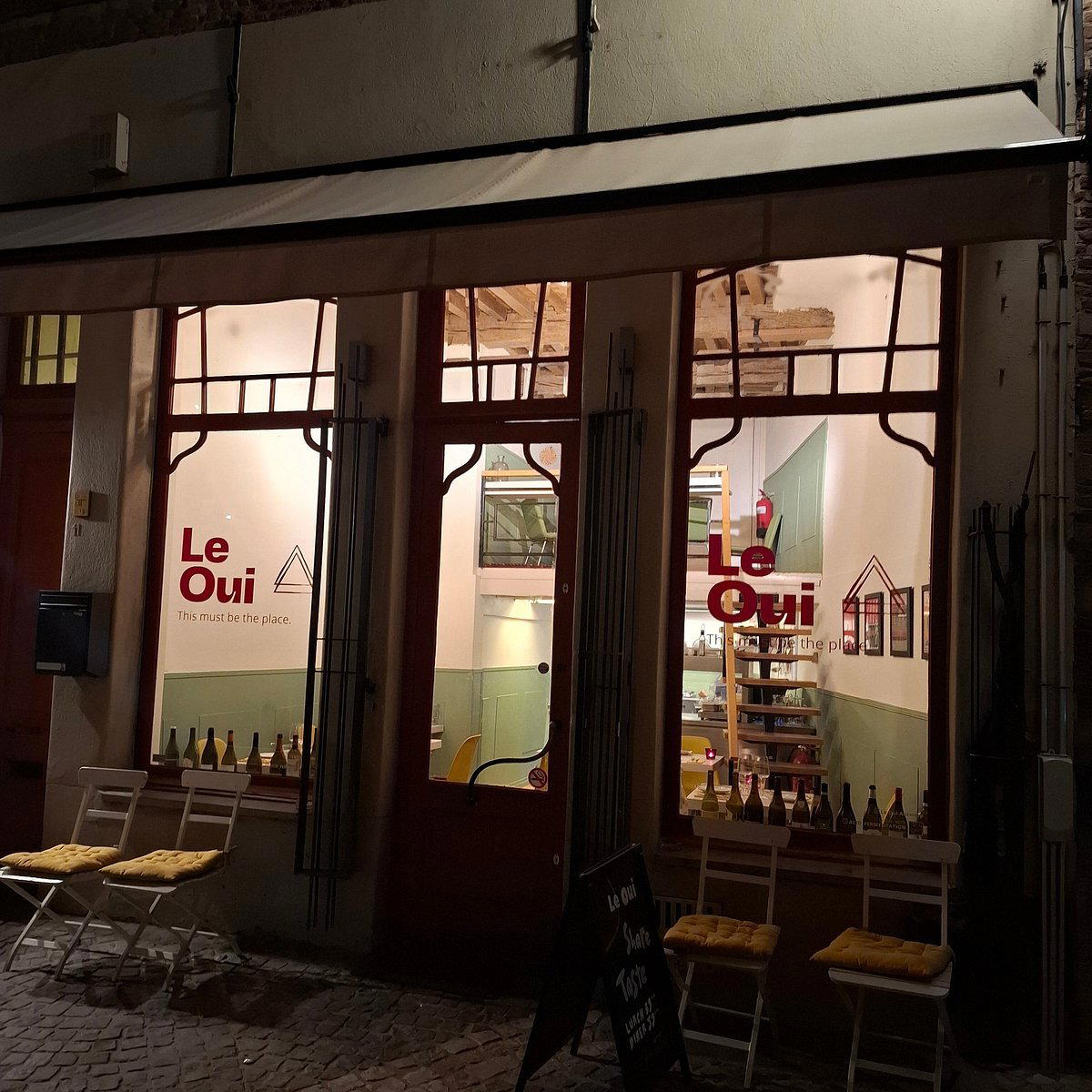
Le Oui occupies a spot on Hendrik Conscienceplein, one of Antwerp's most atmospheric squares, placing it squarely within the city's French-inflected dining conversation. With the square's baroque church as backdrop, it draws from a tradition of Franco-Belgian cuisine that has shaped the northern European table for generations. For visitors working through Antwerp's serious restaurant tier, Le Oui sits alongside addresses that take both kitchen and room seriously.

Pearl is the En Primeur Club membership app, where members save venues, book tables and use the concierge.
The menu
What to order
- Fenouil au beurre kimchi
- Betteraves au beurre noisette
- Pappardelle 'nduja
- Entrecôte Carima
- Gâteau au chocolat vapeur
A Square That Sets the Tone
Hendrik Conscienceplein is the kind of address that does half the work before you arrive. Anchored by the Saint Charles Borromeo church, a Flemish baroque structure that dates to the early seventeenth century, the square occupies a quieter register than Antwerp's busier retail and nightlife corridors. Restaurants on this square inherit that positioning: the setting suggests considered dining rather than the transient foot traffic of a main thoroughfare. Le Oui, at number 11, operates within that inherited character. The name itself signals a deliberate Franco-Belgian alignment, a choice that in Antwerp carries specific cultural weight.
The French Thread in Flemish Dining
Belgium's culinary identity has always been more complicated than its modest international profile suggests. The country sits at the intersection of French culinary formalism and Flemish pragmatism, and its leading restaurants often work that tension productively. In the Flemish north, French technique has long served as a foundational grammar, deployed with local ingredients, amended by Flemish habits of generosity and directness, and increasingly interrogated by a younger generation of chefs who trained in Paris, Lyon, or Brussels before returning to cities like Antwerp, Ghent, or Bruges.
Antwerp's dining scene reflects this dynamic clearly. Addresses like Hertog Jan at Botanic apply a Modern Flemish lens with creative ambition at the €€€€ tier, while 't Fornuis sustains a European-Flemish, classic cuisine approach that has earned it long-standing recognition. Bistrot du Nord operates within the traditional French register. The question any new entrant into this conversation must answer is where it sits relative to these established positions, and Le Oui's name alone places it in the Franco-Belgian tradition rather than the Japanese or pan-Asian direction taken by addresses like DIM Dining.
That French-inflected positioning in Antwerp draws from a longer Belgian story. The country's French-speaking south has historically produced some of Europe's most technically rigorous kitchens, restaurants like L'air du Temps in Liernu and d'Eugénie à Emilie in Baudour represent that Walloon register, while Flemish restaurants have increasingly developed their own vocabulary. Le Oui's location in Antwerp, with a name that leans into French affirmation, suggests a kitchen that draws on both strands.
Where Antwerp Places This Address
Antwerp's serious dining tier clusters around a recognizable set of operators. Zilte, on the upper floor of the MAS museum, represents the creative summit, with Michelin recognition and a format built around extended tasting menus. Below that tier sits a broader group of restaurants that offer formal-to-semi-formal dining with serious kitchens but wider accessibility. Le Oui, on Hendrik Conscienceplein, occupies space within that second tier by geography and address character, the square draws a dining public that arrives with intention, not impulse.
The Belgian restaurant field outside Antwerp provides useful calibration. Three-star operations like Hof van Cleve in Kruishoutem or Boury in Roeselare set the reference point for what formal Belgian fine dining looks like at its most decorated. Coastal addresses like Bartholomeus in Heist and Willem Hiele in Oudenburg bring a North Sea product focus. Castor in Beveren and La Durée in Izegem represent the regional depth of Flemish dining outside the major cities. Against this field, an Antwerp address with French naming conventions positions itself as part of the urban, Franco-Belgian dining tradition rather than the produce-forward coastal school. And for readers building a picture of Belgian dining more broadly, Bozar Restaurant in Brussels and De Jonkman in Sint-Kruis complete the geographic spread.
The Franco-Belgian Table: What It Means in Practice
Franco-Belgian cuisine at its most coherent is not French cuisine with Belgian ingredients slotted in. It is a distinct register, one that prizes richness without excess, classicism without rigidity, and a relationship to the table as a social institution rather than a performance. Belgian diners, particularly in Antwerp, have long held restaurants to high standards on what arrives at the table: product quality, execution, and portion generosity all carry weight. A kitchen working in this tradition must satisfy on all three counts, and it faces a public with genuine reference points, French cooking, Flemish classics, and a growing body of creative Flemish kitchens that have raised the baseline expectation.
For comparison, consider where Franco-Belgian cooking sits internationally: the technical precision of a kitchen like Le Bernardin in New York, which operates at the apex of French-trained seafood cookery, or the Korean-American creative intensity of Atomix in New York, illustrate how French technique travels and transforms. The Belgian version of that journey is shorter in distance but no less specific in outcome.
Planning a Visit
Le Oui is located at Hendrik Conscienceplein 11 in the 2000 postal district of Antwerp, placing it in the city's historic core within walking distance of the cathedral quarter. The square is accessible by tram and on foot from the main shopping streets, with the church providing an unmistakable landmark for orientation. For visitors building an Antwerp dining itinerary, our full Antwerp restaurants guide maps the city's dining options across cuisine type and price tier.
Frequently asked questions
What kind of setting is Le Oui?
Le Oui occupies a position on Hendrik Conscienceplein, one of Antwerp's most composed historic squares, anchored by the Saint Charles Borromeo church. The address places it in the 2000 postal district, the city's historic core, which sets a specific architectural and atmospheric register before you step inside. It is a dining room shaped by its surroundings rather than in spite of them.
Where is Le Oui in Antwerp?
Le Oui is located at Hendrik Conscienceplein 11, 2000 Antwerpen, Belgium, Antwerp.
How does Le Oui fit into Antwerp's broader dining scene?
Antwerp's serious dining operators cluster around a recognizable set of references, from Zilte's creative summit at the MAS museum to neighbourhood-rooted tables across the 2000 district. Le Oui, positioned on Hendrik Conscienceplein in that same historic postal zone, represents the city's Franco-Belgian thread: a culinary tradition that treats French technique and Belgian produce as a single coherent grammar rather than two separate identities. For visitors mapping Antwerp's dining geography, it belongs in the city-centre conversation.
What's the must-try dish at Le Oui?
Specific menu details for Le Oui are not published in a form we can verify, so naming a single dish would be guesswork. What the Franco-Belgian kitchen register typically foregrounds is technique-driven richness, braised proteins, reduced sauces, and seasonal produce treated with precision rather than novelty. Your server is the most reliable source on what's performing well on any given visit.
What's the best way to book Le Oui?
Le Oui is located at Hendrik Conscienceplein 11, 2000 Antwerpen. No direct booking link or phone number is currently published through EP Club's verified data. Arriving in person or checking the restaurant's own channels directly is the most reliable route to securing a table.
What is Le Oui known for?
Le Oui operates within the Franco-Belgian culinary tradition, a register that draws on French technique while remaining grounded in Belgian produce and sensibility. Its address on Hendrik Conscienceplein, one of Antwerp's most architecturally coherent squares, positions it as a destination that pairs serious food with an equally considered setting. In a city whose upper dining tier includes operators like Zilte, Le Oui occupies the Franco-Belgian end of the spectrum.
Price and Positioning
Comparable venues nearby, for context on price, style, and recognition.
| Venue | Cuisine | Price | Awards | Notes |
|---|---|---|---|---|
| Le OuiThis venue (the venue you are viewing) | Modern French Microbistronomie | $50–100 | Not listed | Not listed |
| B23 | Modern French Bistro | $50–100 | Not listed | Eilandje, Modern French Bistro |
| Het Gerecht | French-Belgian Fine Dining | $50–100 | Not listed | Zuid, French-Belgian Fine Dining |
| Het Reigershof | French-Belgian Fine Dining | $50–100 | Not listed | Berendrecht, French-Belgian Fine Dining |
| Vin d'Où | French-Belgian Bistro with Seasonal Focus | $100–150 | Star Wine List | Berchem, French-Belgian Bistro with Seasonal Focus |
| Lilium | French-Belgian Fine Dining | $100–150 | Not listed | Historisch Centrum, French-Belgian Fine Dining |
Continue exploring
More in Antwerp
Restaurants in Antwerp
All restaurants in Antwerp →
Details
- Intimate
- Lively
- Modern
- Trendy
- Date Night
- Special Occasion
- Celebration
- Open Kitchen
- Chefs Counter
- Natural Wine
- Craft Cocktails
- Sommelier Led
- Natural Wine
- Local Sourcing
- Farm To Table
- Tasting Menu
- Set Menu
- Natural Wine
- Craft Cocktails
- Vegetarian Friendly
Current opening hours
- Monday
- Closed
- Tuesday
- 6–10 PM
- Wednesday
- 6–10 PM
- Thursday
- 6–10 PM
- Friday
- 6–10 PM
- Saturday
- 12–2 PM, 6–10 PM
- Sunday
- Closed
Hours can change for holidays and private events. Hours as of .
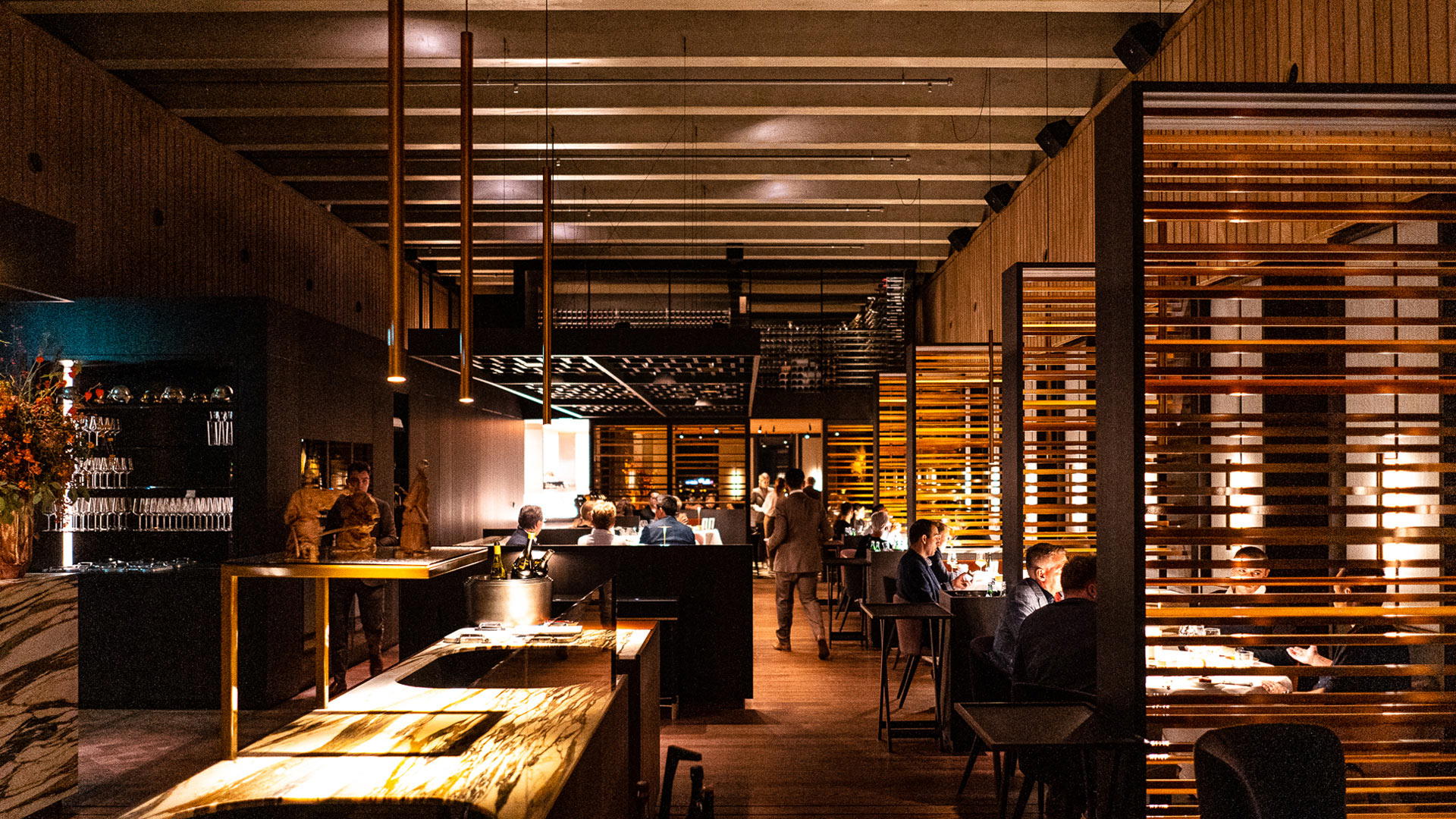
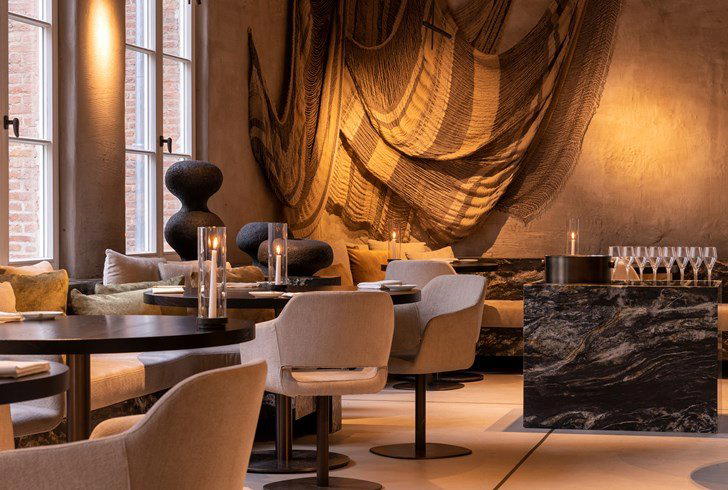
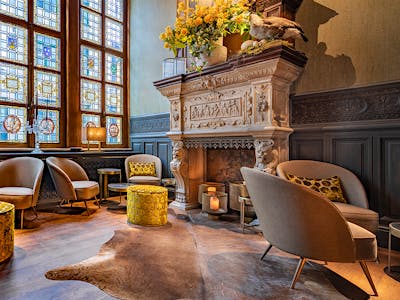
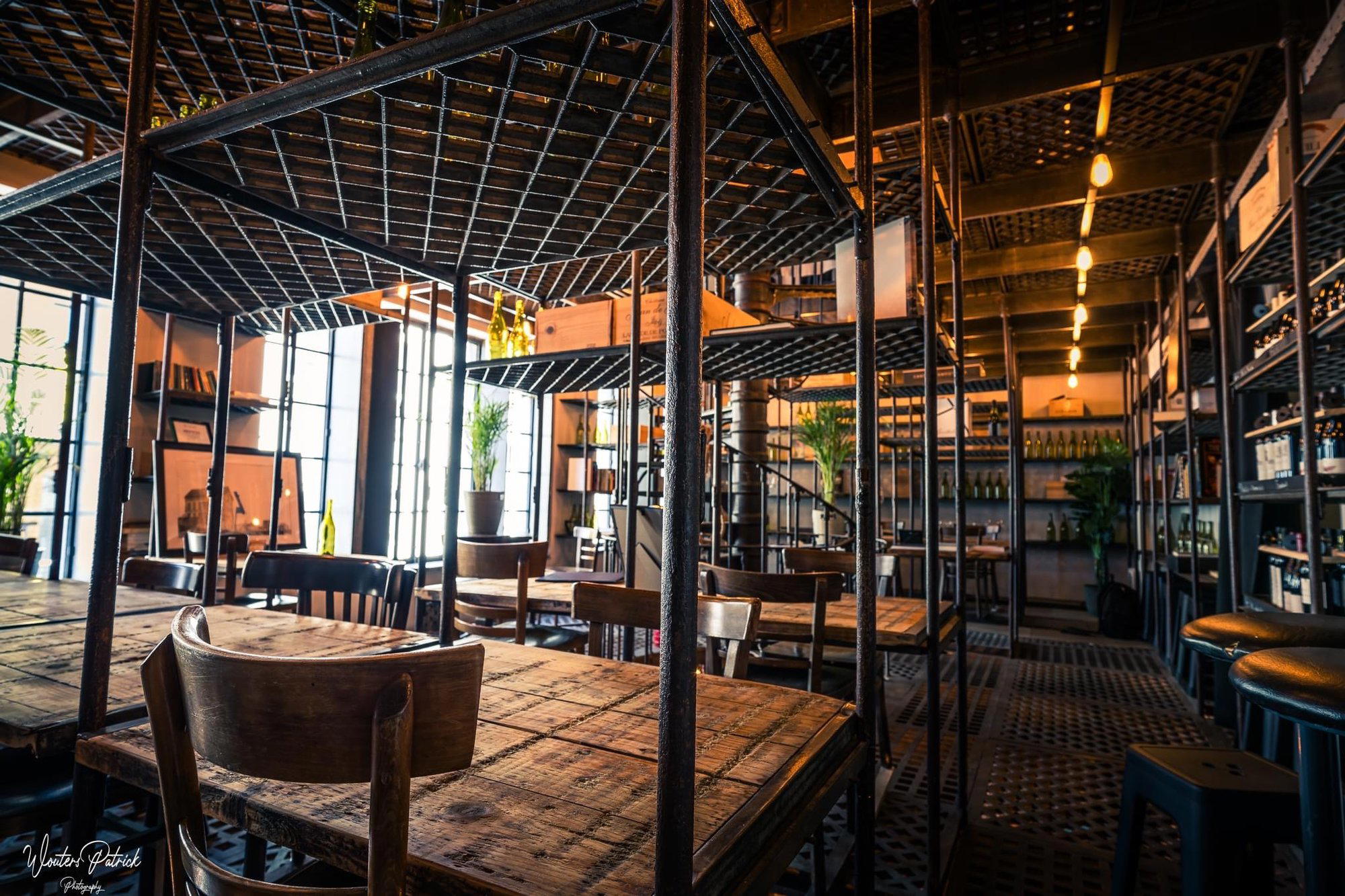
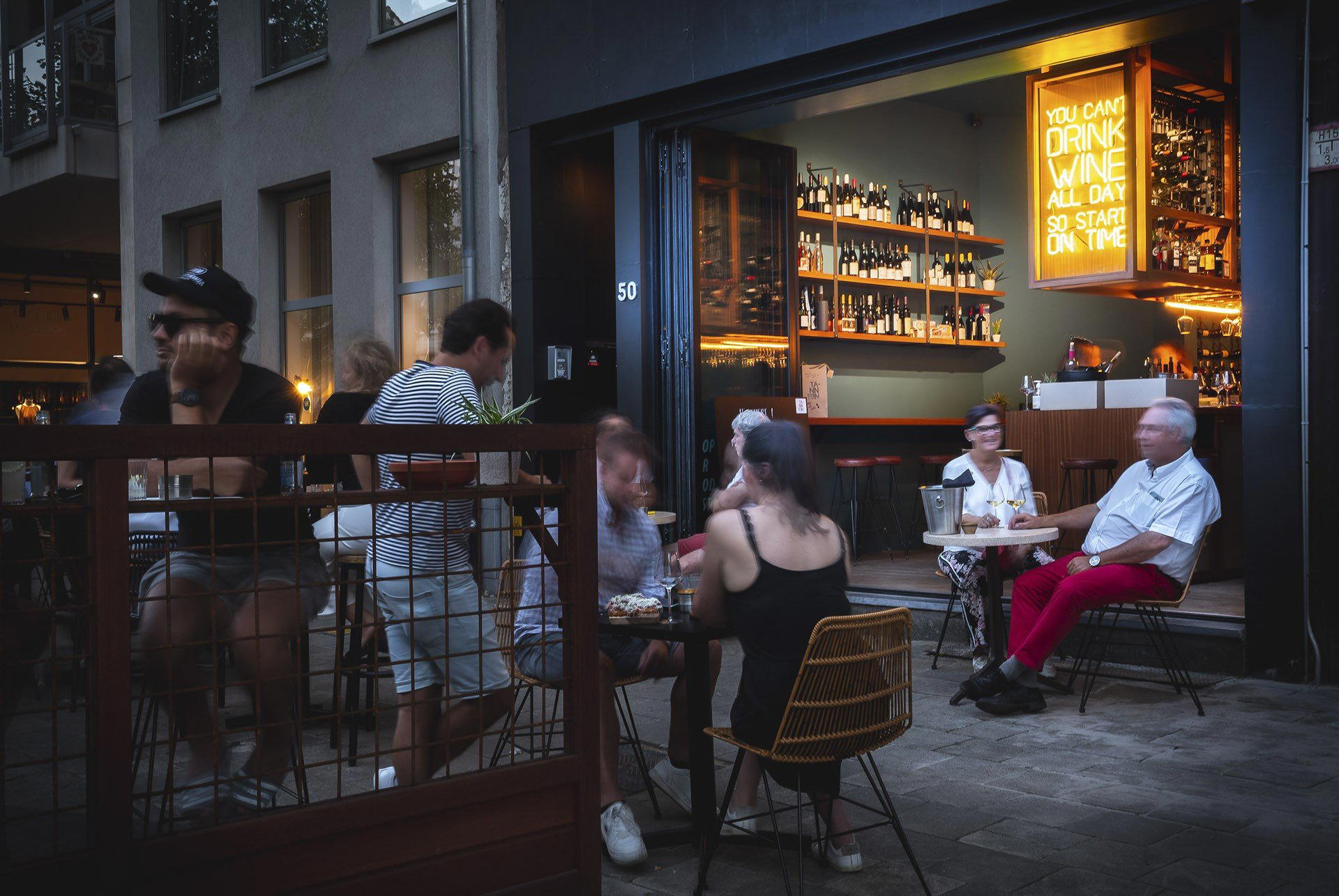
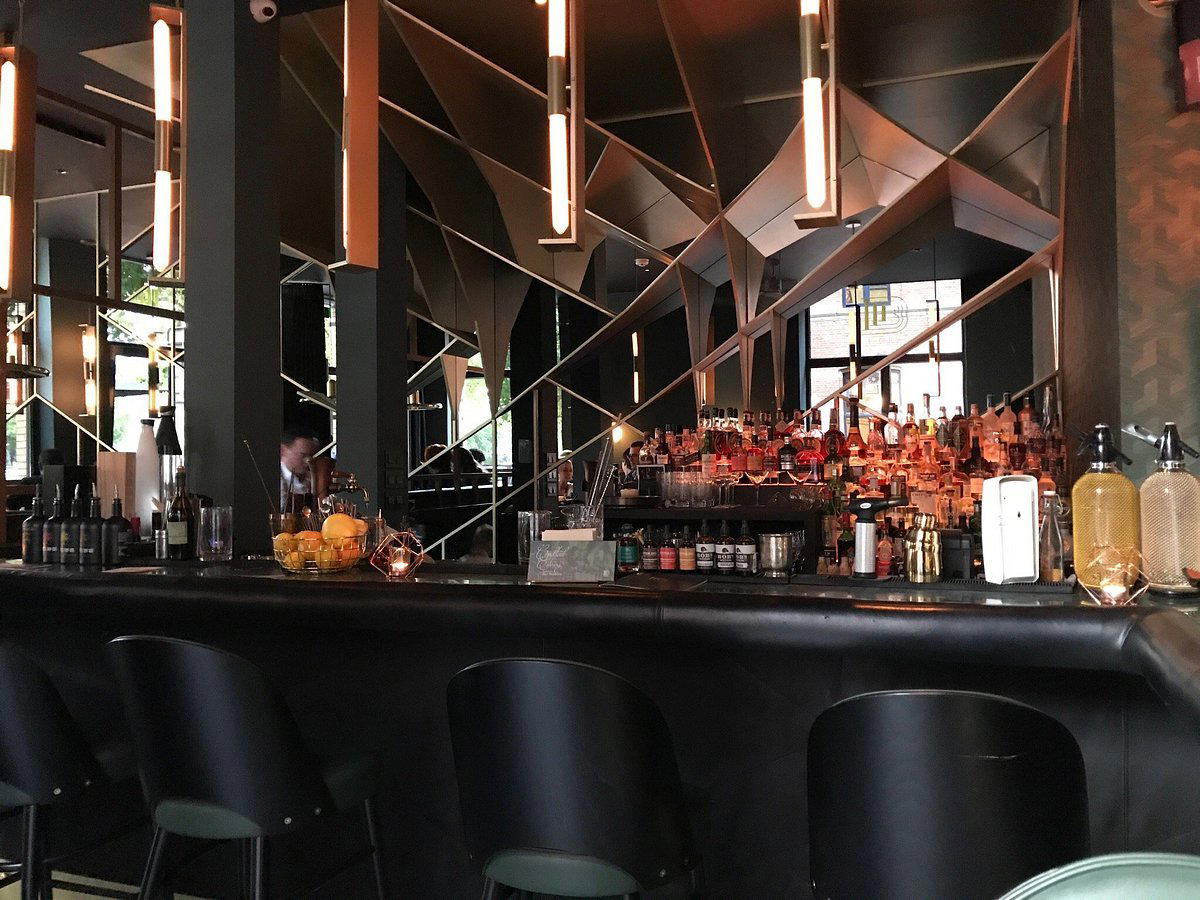
White and moss-green walls with framed vinyl records, wooden mezzanine, casual yet refined atmosphere with energetic music and good vibes.