Au Gré des Saisons occupies a quiet address on Rue d'Achet in the Condroz village of Hamois, placing it among the small cluster of destination restaurants that Belgium's rural interior has quietly sustained for decades. The name, 'according to the seasons', signals an approach common to the best of Belgium's countryside tables: menus that move with local harvests rather than fixed around a signature repertoire. For visitors willing to leave the urban restaurant circuit, it represents the kind of address where the sourcing logic is the menu.
 Discover on Pearl
Pearl is the En Primeur Club membership app — saves, bookings, and concierge access live there. Same editors, same standards.
- Address
- Rue d'Achet 70, 5362 Hamois, Belgium
- Phone
- +3283657565
- Website
- augredessaisons.net
Eating in Belgium's Rural Interior: The Condroz Table Tradition
Au Gré des Saisons is a French-Mediterranean seasonal restaurant in Hamois, Belgium. Brussels commands the Michelin apparatus; Ghent and Antwerp supply the creative energy; Roeselare and Kruishoutem anchor the Flemish fine-dining corridor where places like Boury in Roeselare and Hof van Cleve in Kruishoutem set the benchmark. But the country's Walloon interior, the limestone plateau of the Condroz, the river valleys cutting south through Namur province, sustains a quieter tradition of destination restaurants that have nothing to prove to a metropolitan audience and everything to answer to their immediate landscape.
Au Gré des Saisons, on Rue d'Achet in Hamois, belongs to this geography. Hamois sits in the Condroz, the agricultural region between the Meuse and the Ardennes, an area of rolling farmland, hedgerow orchards, and livestock pasture that has fed Walloon tables for centuries. A restaurant with a name that translates directly as 'according to the seasons' is making a statement about sourcing before a single plate arrives. In this part of Belgium, that statement carries weight: the Condroz is producer country, not tourist country, which means seasonal fidelity here is a practical constraint as much as a marketing position.
What the Address Signals Before You Arrive
The approach to any serious countryside restaurant in the Belgian interior follows a predictable arc: a provincial road, a village square, then something on a side street that doesn't announce itself with the signage and footfall of a city address. Rue d'Achet 70 fits that pattern. The building sits in a residential village context, which in Belgium's culinary geography often signals a cook-led operation rather than a hospitality-group deployment. Urban addresses carry overheads that push menus toward volume and consistency; rural Walloon addresses of this kind typically reflect the opposite logic, where the room is secondary to what's happening in the kitchen and, by extension, on the surrounding land.
For reference, this model appears across the broader Belgian countryside table tradition: La Table de Maxime in Our and d'Eugénie à Emilie in Baudour operate within the same regional logic, destination-worthy addresses that require a deliberate journey and reward it with cooking anchored in local sourcing rather than imported prestige ingredients.
The Sourcing Logic Behind the Name
A seasonally oriented menu in the Condroz is drawing from one of Belgium's most productive agricultural zones. The region produces cereal crops, root vegetables, and quality livestock; foraging margins alongside farmland yield mushrooms, herbs, and game depending on the time of year. Belgian fine dining at the rural level has historically leaned into this abundance as a point of differentiation from city restaurants operating at greater remove from primary producers.
The French-language name and the Walloon address together suggest a classical French-Belgian culinary framework as the structural spine, the tradition shared by addresses like Le Chalet de la Forêt in Uccle and La Paix in Anderlecht, where classical technique and serious sourcing coexist. Within that framework, a seasonally named restaurant of this type typically structures its offer around what's available rather than what's consistent, which means the menu in October (game, celeriac, late mushrooms) looks substantially different from the menu in June (young vegetables, river fish, early herbs). This is not a niche affectation in the Belgian countryside, it is the operating model that regional agricultural supply and rural restaurant economics make most coherent.
This approach contrasts with the ambitious urban creative programs at places like Zilte in Antwerp or Vrijmoed in Gent, where sourcing is one pillar among several in a technically elaborate format. In the rural Walloon model, sourcing tends to be the structural premise, the menu follows the supply, not the other way around.
Where Au Gré des Saisons Sits in Its Regional comparable set
Belgium's countryside restaurant tier occupies a distinct middle ground between the full fine-dining productions of its Michelin-decorated city and suburban peers and the direct regional bistro. Addresses in this register, and the Namur province and Condroz have several, typically operate without the booking infrastructure, service teams, or prix-fixe architecture of a starred restaurant, while still delivering cooking that goes considerably beyond neighbourhood brasserie territory.
For comparison, the creative rural addresses scattered across the country's less-visited provinces often outperform urban competitors on ingredient quality per euro, because proximity to producers removes the supply-chain margin. The trade-off is format: fewer choices, less predictable availability, and a cooking rhythm that requires the guest to meet the kitchen's seasonal logic rather than the other way around. Visitors arriving from urban dining contexts, from Bozar in Brussels or Ralf Berendsen in Neerharen, should adjust their expectations accordingly. The register here is more intimate and less theatrical.
For a sense of parallel rural formats elsewhere, Lazy Bear in San Francisco and Le Bernardin in New York City demonstrate how sourcing-led restaurants operate at different scales and price points in other markets, the Hamois model is the compressed, rural-European version of that underlying logic.
Planning a Visit: What the Journey Requires
How It Stacks Up
Comparable venues nearby, for context on price, style, and recognition.
| Venue | Cuisine | Price | Awards | Notes |
|---|---|---|---|---|
| Au Gré des SaisonsThis venue — the venue you are viewing | French-Mediterranean Seasonal | $$$ | , | |
| La P'tite Auberge | Contemporary French Fine Dining | $$$ | , | Ohey |
| Le Collet Gourmand | Modern French Regional | $$$ | , | Wanze |
| Hexa-Gone | Modern French-Belgian Brasserie | $$$ | , | Parc industriel des Hauts-Sarts |
| La Bonne Vie | French Fine Dining | $$$ | , | Stevoort |
| Le Saint Hadelin | French Bistronomy | $$$ | , | Celles |
At a Glance
- Elegant
- Cozy
- Rustic
- Sophisticated
- Date Night
- Special Occasion
- Terrace
- Local Sourcing
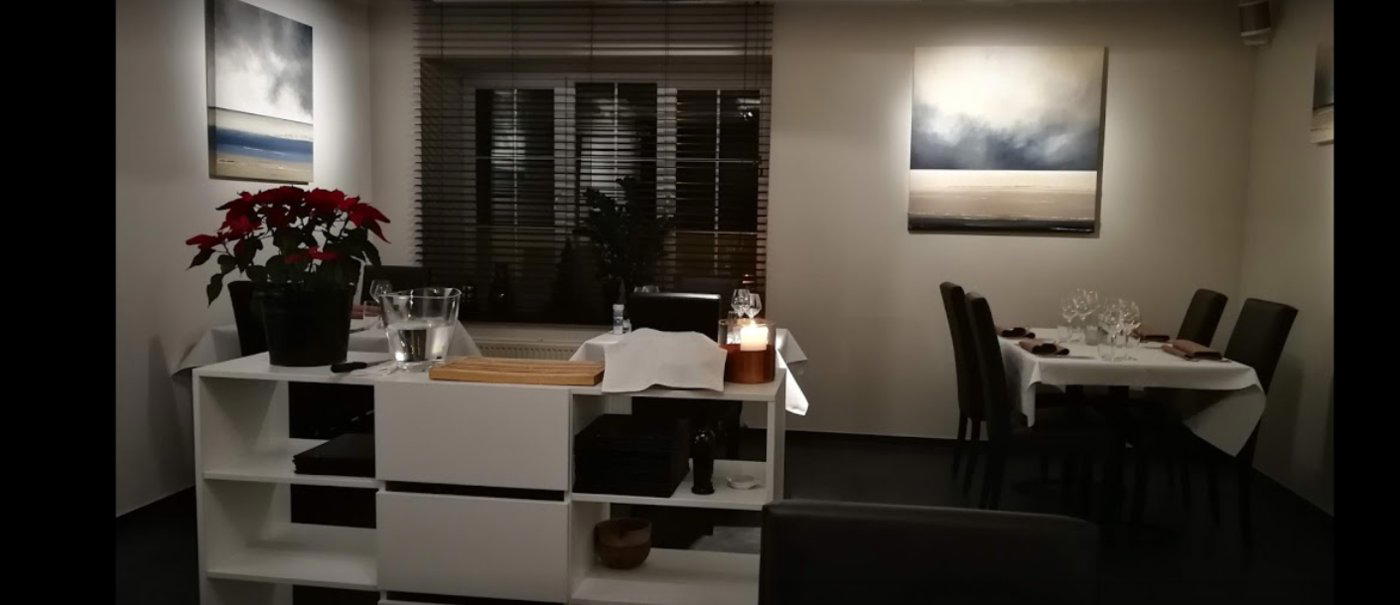
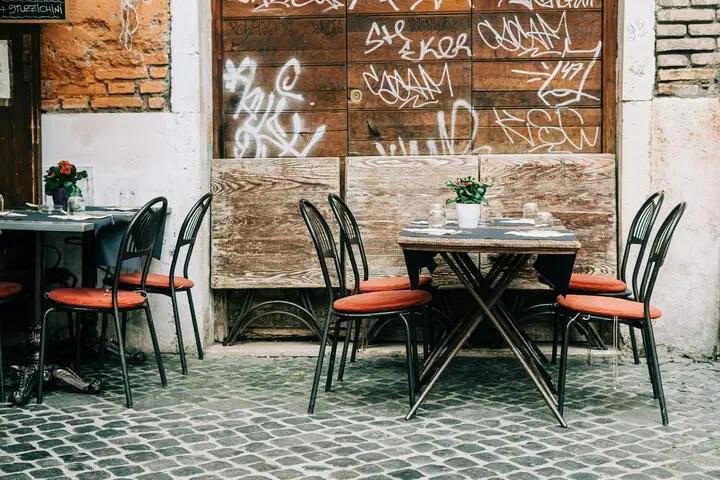
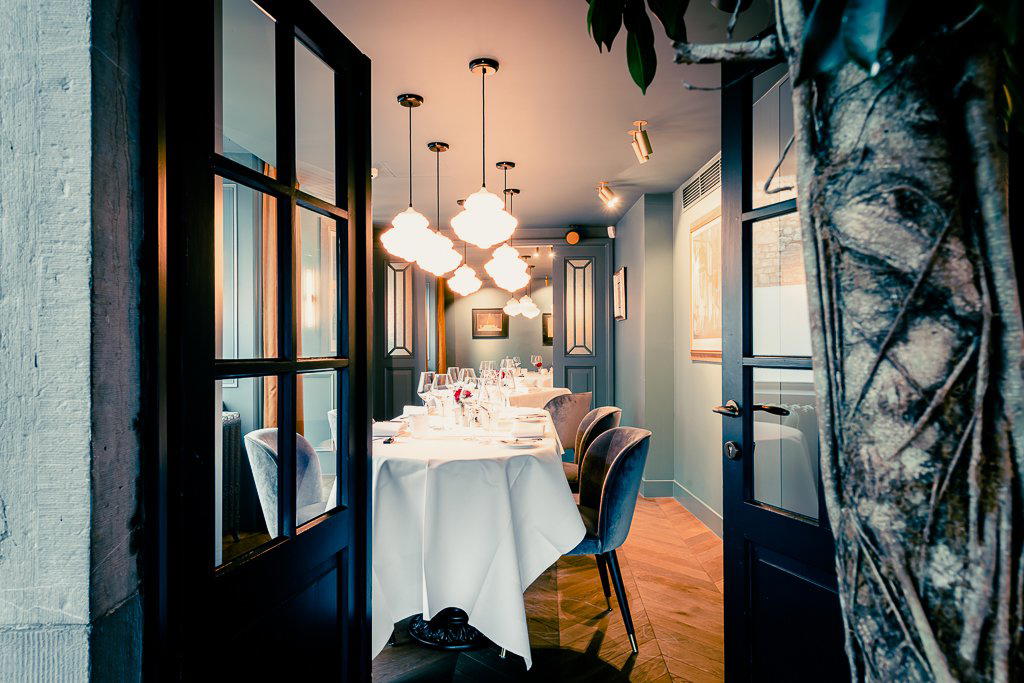
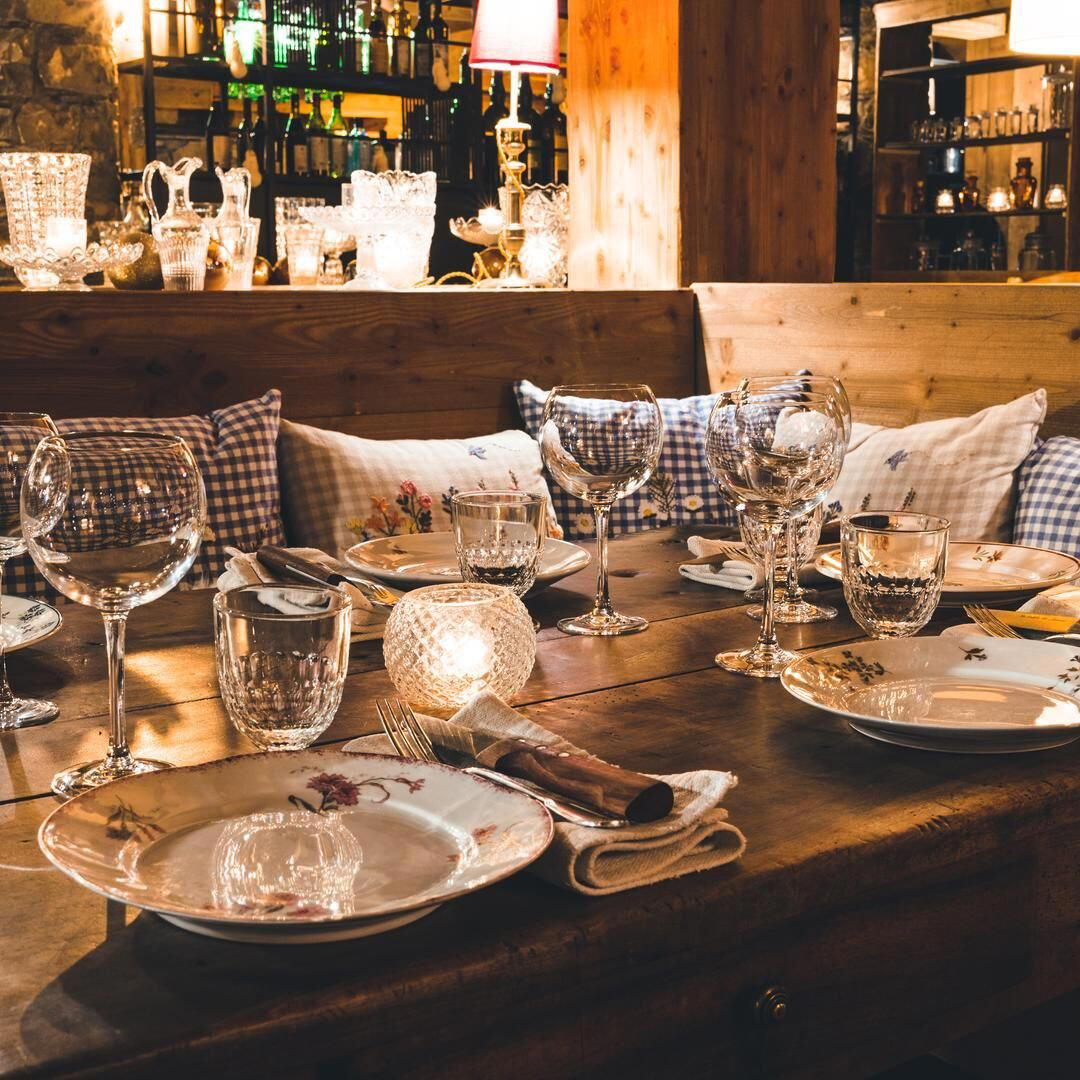
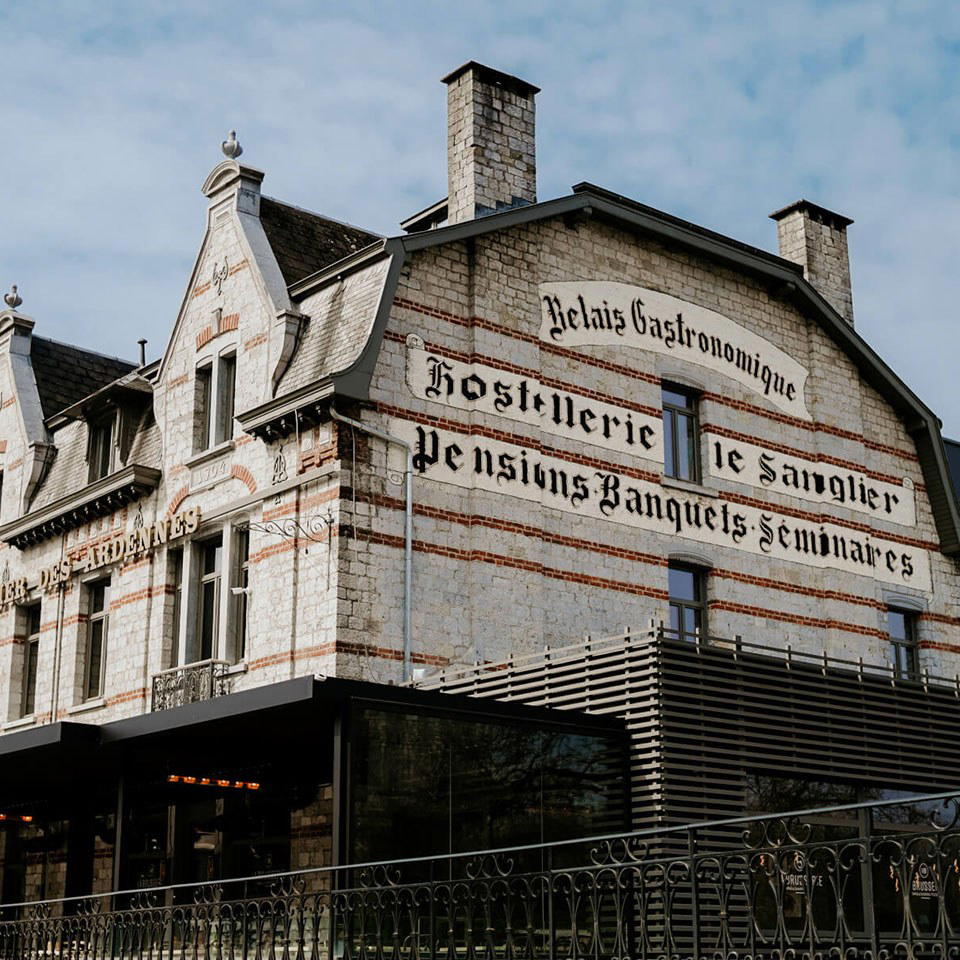
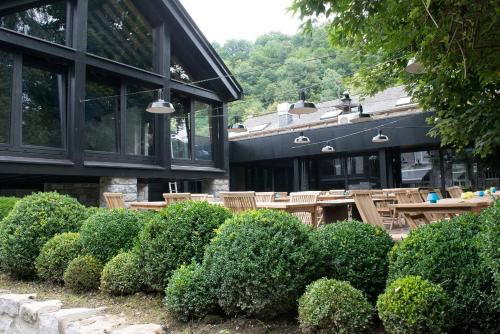
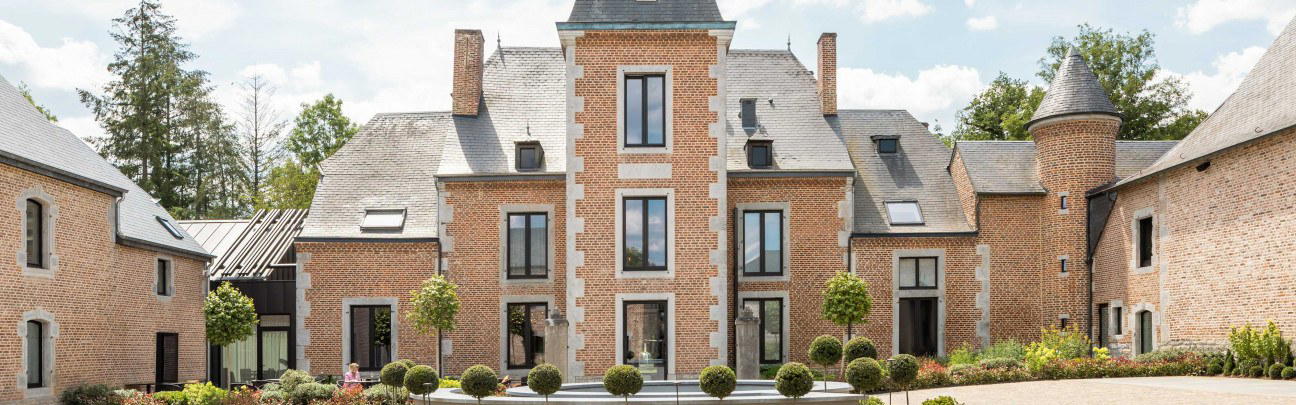
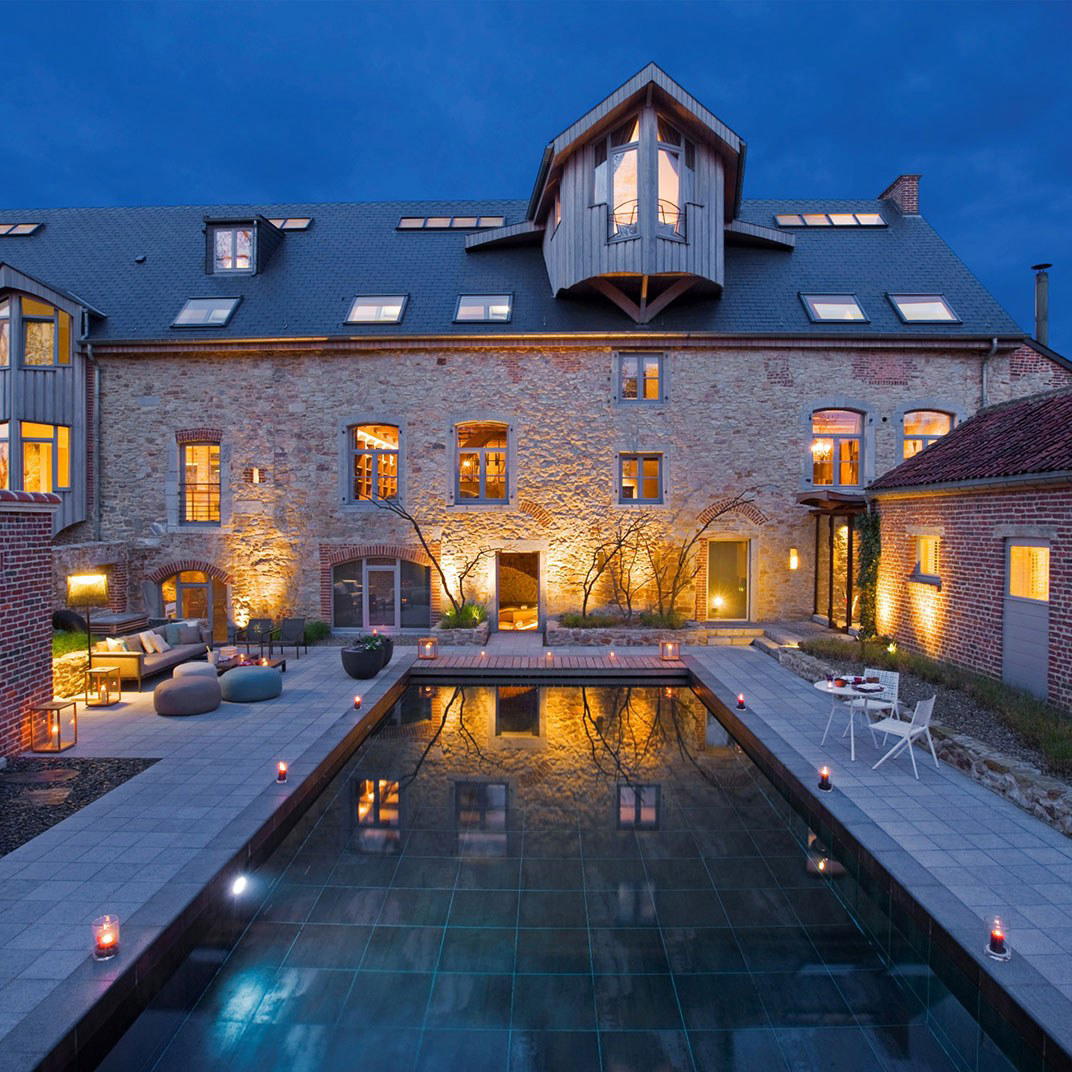
Warm and inviting with characteristic Ardennes stone cladding, cozy fireside seating, and an elegant rustic atmosphere.