La Romanée sits on Rue des Vieilles Boucheries in the historic centre of Dole, a Burgundy-adjacent town whose proximity to some of France's most serious agricultural country gives its dining scene more depth than its size might suggest. The restaurant occupies a position within Dole's mid-to-upper dining tier, where regional sourcing and classical French technique define the competitive set rather than innovation for its own sake.
Pearl is the En Primeur Club membership app — saves, bookings, and concierge access live there. Same editors, same standards.
- Address
- 11 Rue des Vieilles Boucheries, 39100 Dole, France
- Phone
- +33384791905
- Website
- laromanee.info
- Directions
- Get directions
 Saves & bookings on Pearl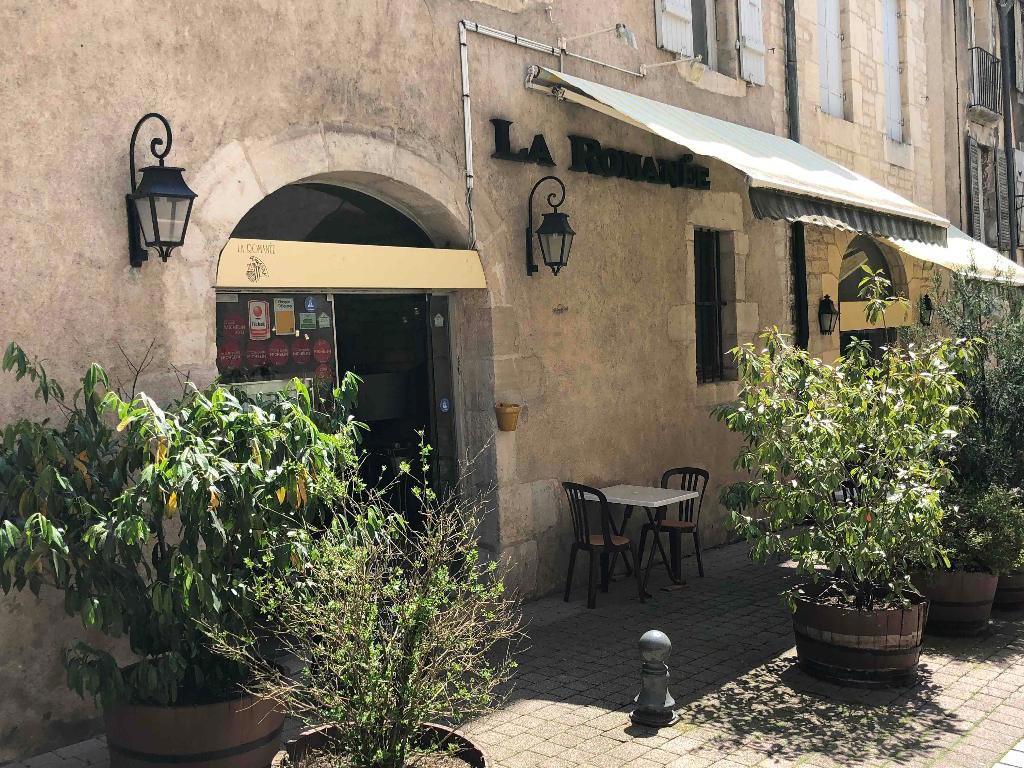
Dole's Dining Scene and Where La Romanée Fits
Franche-Comté sits at the intersection of several serious French food traditions. To the west, Burgundy's influence runs through the wine list and the philosophy of the kitchen; to the east, the Jura's raw-milk cheese culture and its singular vin jaune shape what appears on the table. Towns like Dole, historically overshadowed by Dijon and Besançon in the regional culinary conversation, have nonetheless sustained a cluster of restaurants that draw on this agricultural depth rather than importing trends from Paris. That context matters when placing La Romanée, which occupies a position on Rue des Vieilles Boucheries in the medieval heart of the city, a street whose name — the old butchers' road — signals the kind of deep food-town history that still echoes in serious kitchens here.
Within Dole's current dining field, the leading end divides roughly between contemporary creative formats, such as La Chaumière at the ambitious €€€€ tier, and more accessible modern-cuisine addresses like Grain de Sel and Iida-Ya at the €€ level. La Bagatelle and Le Gustalin round out a compact but coherent scene where the competition is less about spectacle and more about the quality of what arrives on the plate. La Romanée operates within this context, a French restaurant whose name, borrowed from one of Burgundy's most revered vineyard appellations, signals an affiliation with the classical tradition rather than a departure from it. See our full Dole restaurants guide for a broader view of how these addresses compare.
The Agricultural Case for Eating in Franche-Comté
The editorial angle that matters most here is sourcing, and Franche-Comté makes a strong argument for any kitchen paying attention to its immediate geography. The region produces Comté, France's most consumed AOP cheese, aged in centuries-old caves across the Jura plateau. It is home to Bresse poultry from neighbouring Ain, widely considered the benchmark for French free-range chicken and protected under its own AOP designation since 1957. The Doubs and Loue rivers supply freshwater fish, trout, perch, pike, that appear on regional menus in preparations more subtle than what those cuts receive in city brasseries further from the source. Morteau sausage, smoked over sawdust from Jura conifers, is another fixture of the larder.
For a restaurant in Dole to draw on this agricultural network is not a marketing decision; it is a practical one. Producers are close. Supply chains are short. The raw materials are, in most cases, demonstrably better than what a restaurant of equivalent size in a larger city could source at equivalent cost. This is the structural advantage that gives Franche-Comté kitchens a floor that is unusually high relative to their scale. The question any serious restaurant in the region must answer is how it translates that sourcing advantage into a plate, with how much technique, and with what degree of fidelity to classical preparation.
France's highest-decorated kitchens illustrate the range of possible answers. Bras in Laguiole built an entire philosophy around the raw ingredients of the Aubrac plateau. Troisgros in Ouches refined regional product through structural reinvention. Auberge de l'Ill in Illhaeusern anchored its identity in Alsatian terroir maintained across generations. What those addresses share, regardless of their stylistic differences, is a refusal to divorce the kitchen from its geography. In smaller cities and towns across provincial France, that same logic plays out at lower price points and without the international attention, but often with comparable sincerity about the source material.
Approaching La Romanée: Setting and Atmosphere
The address on Rue des Vieilles Boucheries places La Romanée within Dole's oldest commercial quarter, a compact area of stone facades and narrow streets that runs toward the Canal des Tanneurs. This part of the city has the spatial character of a working market town rather than a tourist destination, the kind of streetscape where a serious local restaurant makes more sense than a concept built for passing trade. Arriving from the direction of the Collégiale Notre-Dame, the walk through the old town's limestone corridors gives the approach a quiet formality that is appropriate for the kind of lunch or dinner where the room and the meal occupy equal weight in the memory.
Dole's positioning, roughly equidistant between Dijon and Besançon, and within two hours of Lyon by road, means the restaurant draws from a regional catchment rather than a purely local one. Visitors coming from Lyon's dining circuit, which includes addresses like Paul Bocuse's Auberge du Pont de Collonges in Collonges-au-Mont-d'Or, will find the tonal shift to provincial Franche-Comté significant. The ambition is different, quieter, and not measurable in the same terms. That is not a criticism; it is a description of what this kind of restaurant is for.
Regional Context: Classical French Tradition at Provincial Scale
The broader pattern of French regional dining is worth understanding before visiting. Paris dominates the national conversation through addresses like Alléno Paris au Pavillon Ledoyen, while Alpine destinations like Flocons de Sel in Megève and coastal restaurants like Mirazur in Menton have built internationally recognised identities on regional specificity. Elsewhere, Assiette Champenoise in Reims and Au Crocodile in Strasbourg demonstrate how classical technique sustains serious restaurants in provincial cities without the gravitational pull of the capital. AM par Alexandre Mazzia in Marseille shows a different answer again, regional product filtered through a singular creative sensibility.
La Romanée, without the volume of documented data that those addresses carry, sits in a different register: the mid-tier provincial French restaurant that represents the backbone of the country's dining culture rather than its international showcases. International comparisons, from Le Bernardin in New York City to Atomix, illustrate how differently culinary ambition can be channelled when scale and resources shift. The provincial French address operates by different criteria entirely: consistency over time, value relative to the region's economic context, and fidelity to the agricultural character of the surrounding landscape.
Planning Your Visit
La Romanée's address at 11 Rue des Vieilles Boucheries in Dole's historic centre is accessible by foot from Dole's main train station in approximately fifteen minutes, or by a short taxi from the A36 motorway. Dole is served by regular TGV connections on the Paris-Lyon-Geneva axis, making it a plausible half-day detour for travellers on that corridor. As current hours, booking method, and specific pricing are not confirmed in available records, the practical recommendation is to confirm by telephone or through local directory listings before visiting, particularly for weekend dinners when provincial addresses of this type often operate at full capacity with little notice of availability.
How La Romanée Dole compares with similar nearby venues.
| Venue | Cuisine | Price |
|---|---|---|
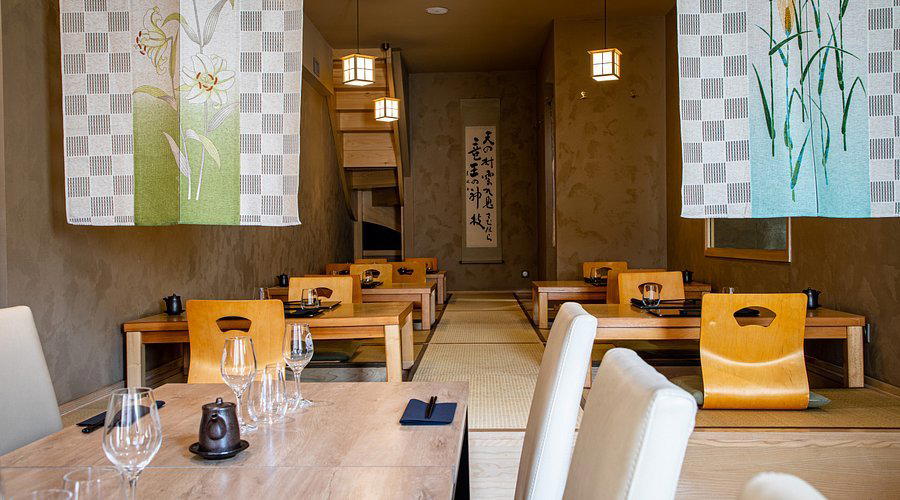
| Iida-Ya | Japanese | €€ |
| La Chaumière | Creative | €€€€ |
| Grain de Sel | Modern Cuisine | €€ |

At a Glance
- Romantic
- Cozy
- Elegant
- Intimate
- Classic
- Date Night
- Special Occasion
- Historic Building
- Local Sourcing
Current opening hours
- Monday
- 12–1:30 PM
- Tuesday
- Closed
- Wednesday
- Closed
- Thursday
- 12–1:30 PM, 7–8:30 PM
- Friday
- 12–1:30 PM, 7–8:30 PM
- Saturday
- 12–1:30 PM, 7–8:30 PM
- Sunday
- 12–1:30 PM
Hours can change for holidays and private events. Last verified .
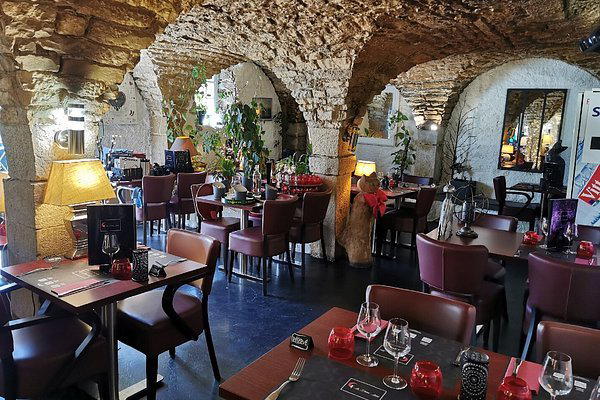
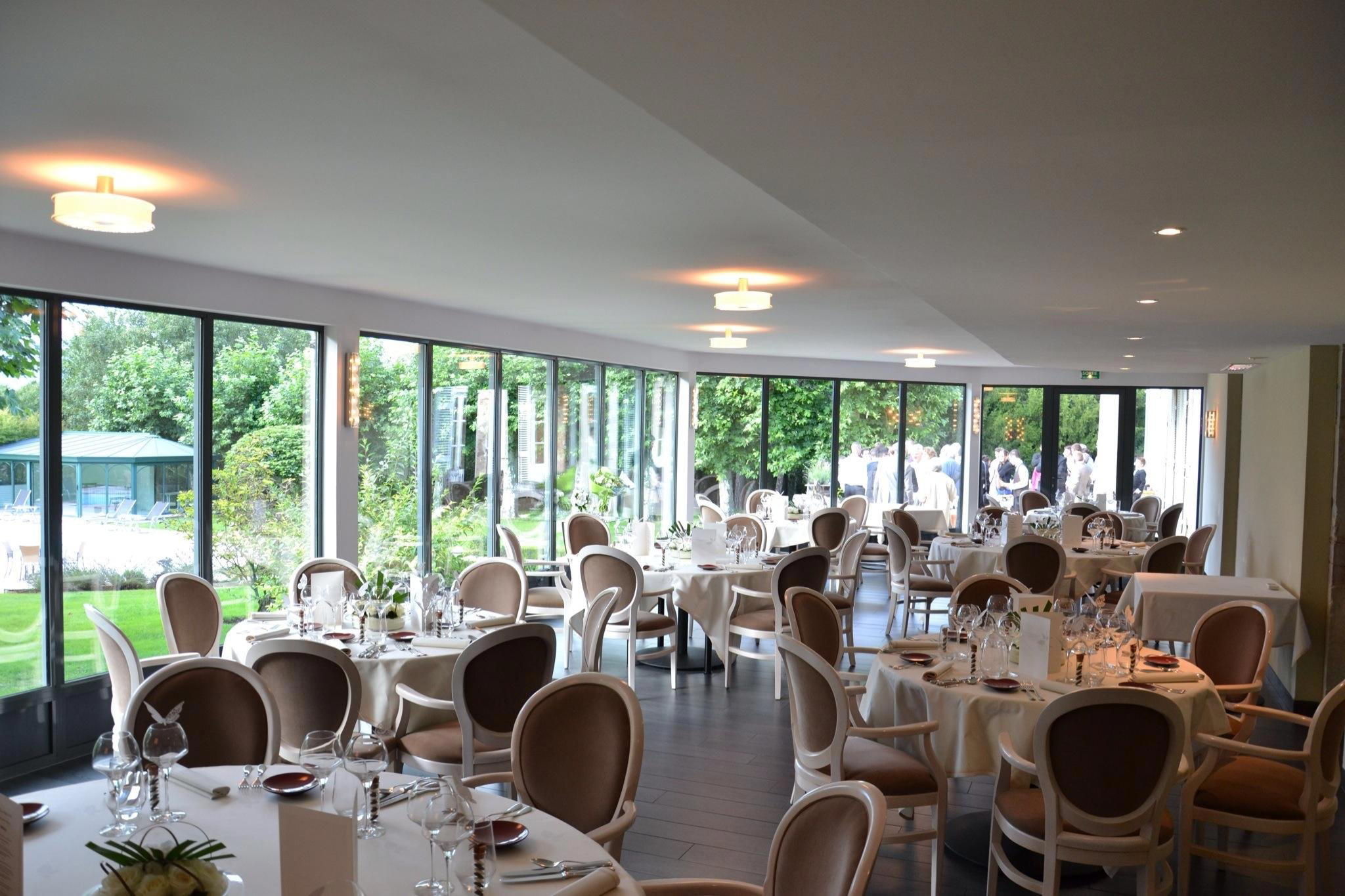
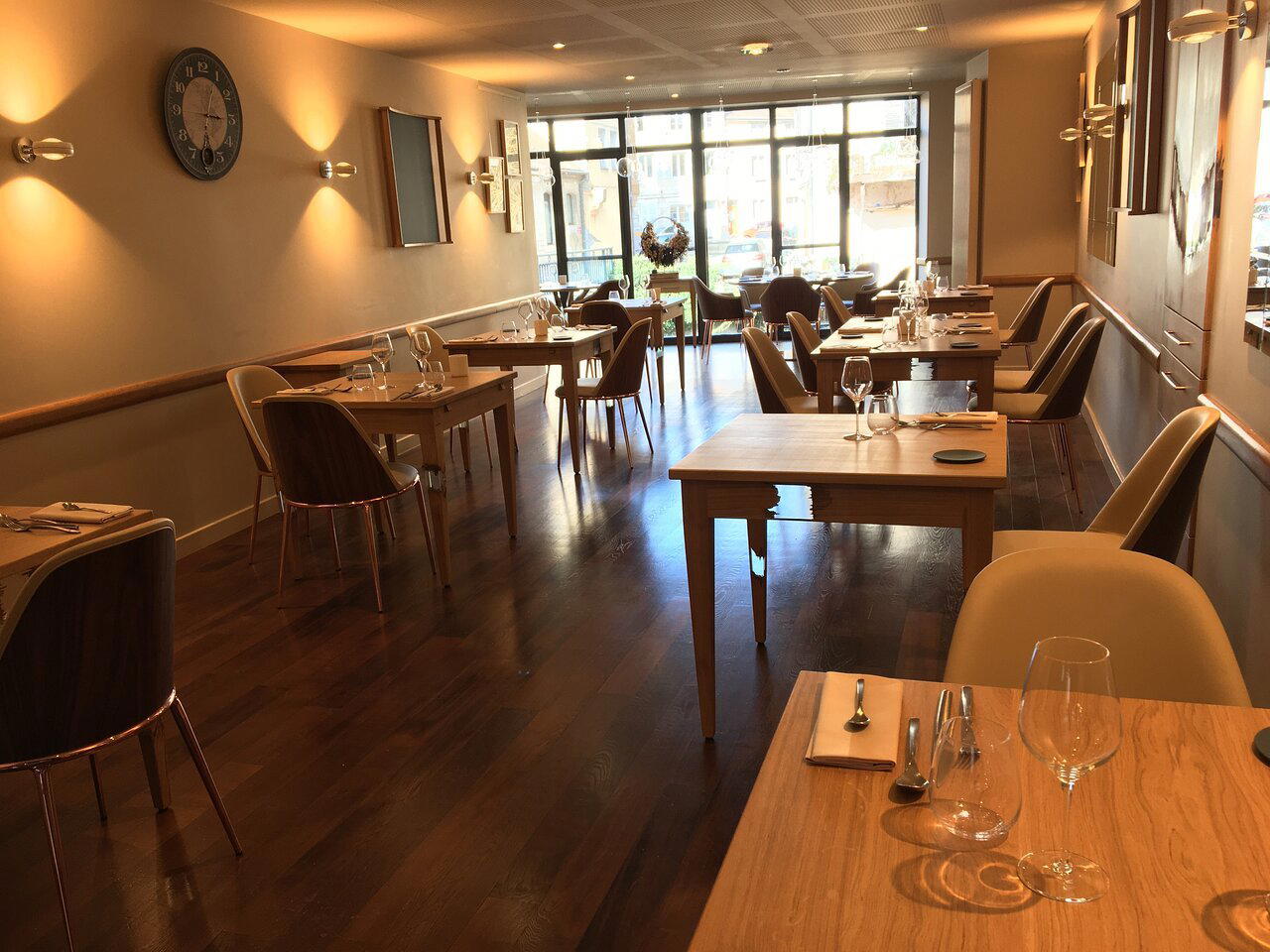
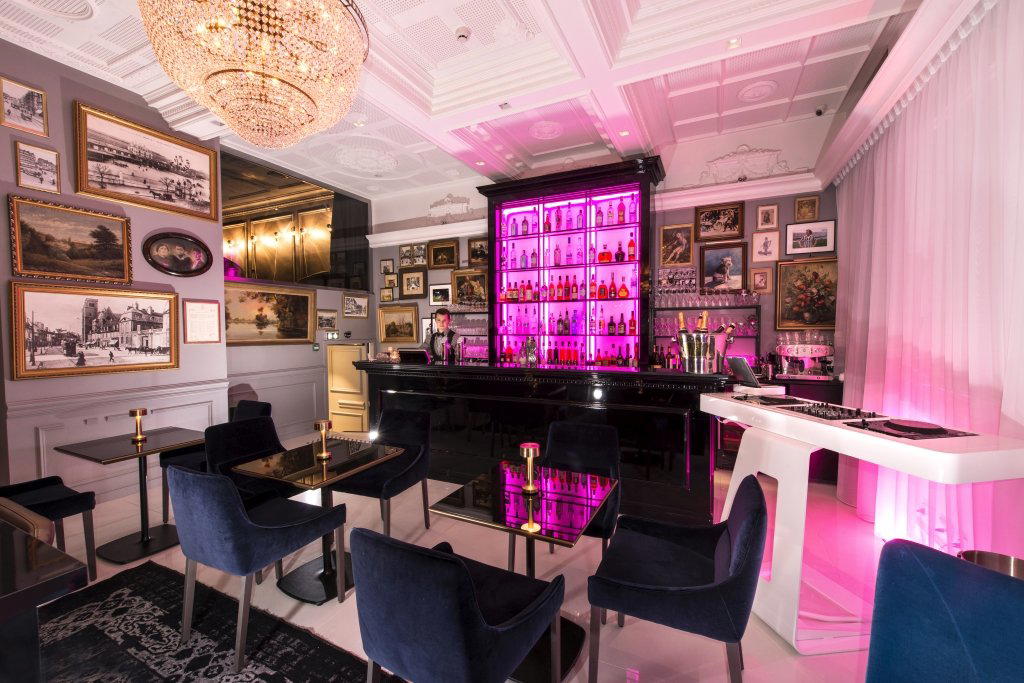
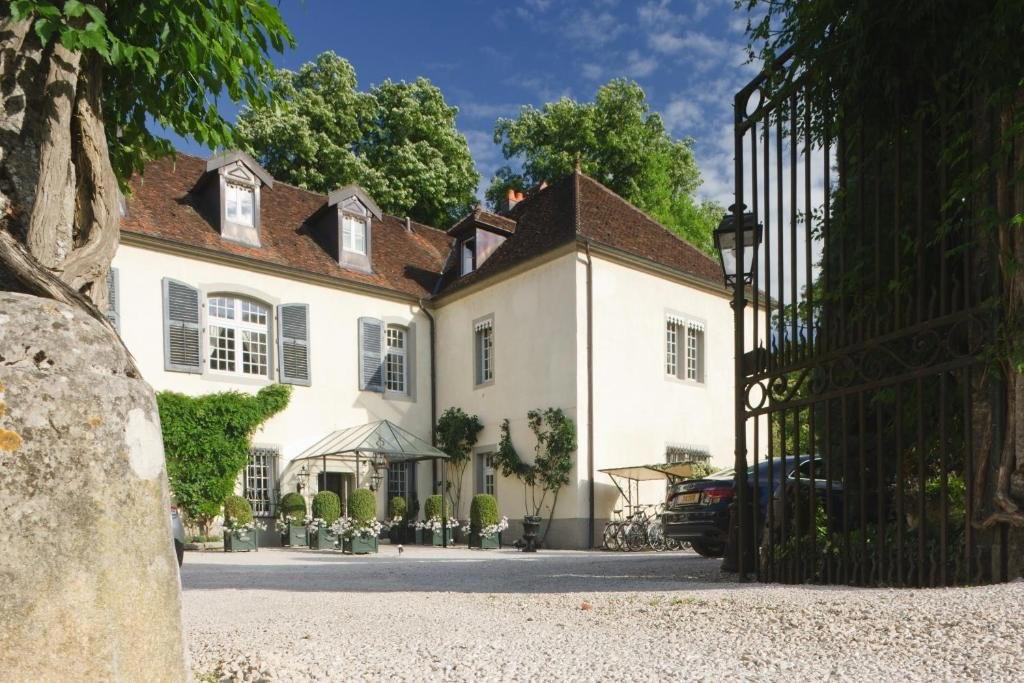
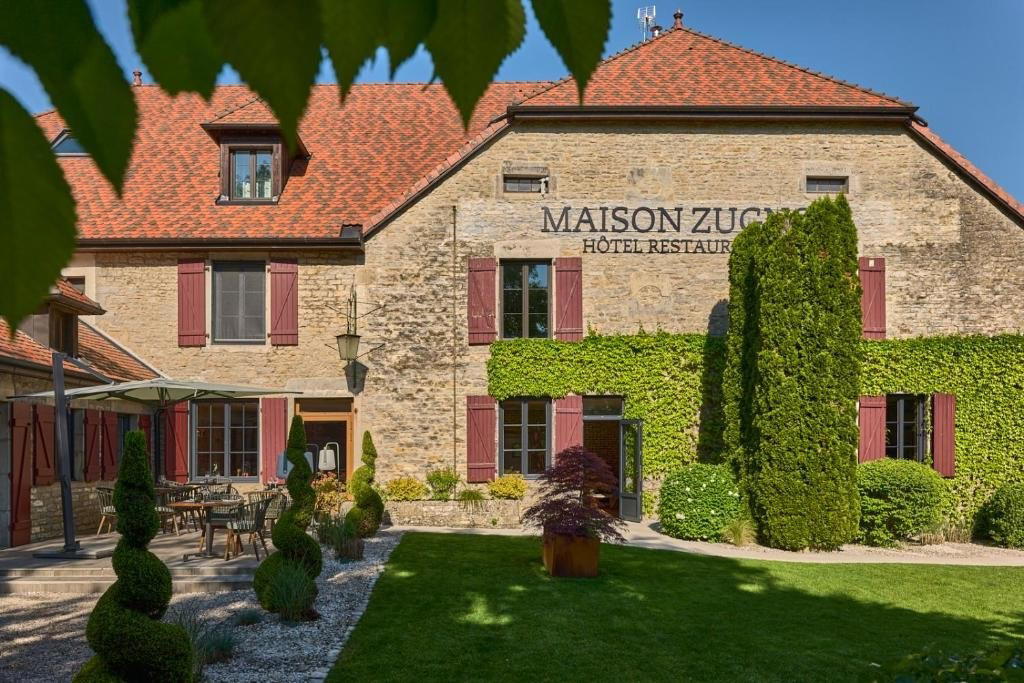
Cozy and charming vaulted cellar with few tables, fresh flowers, small candles, and an intimate atmosphere.
Know Before You Go
- Getting there
- 11 Rue des Vieilles Boucheries, 39100 Dole, France