
Tabelog 100 #41
Our verdict
Atsuta Houraiken Jingu ten belongs to Nagoya’s serious unagi circuit, where hitsumabushi is a local benchmark rather than a tourist flourish. Its Tabelog Unagi 100 selection in 2024, 120-seat scale, kaiseki-only private rooms, and Atsuta Shrine-area setting place it in the rare category of tradition-led restaurants that can handle demand without turning the meal into a rushed queue ritual.

Pearl is the En Primeur Club membership app, where members save venues, book tables and use the concierge.
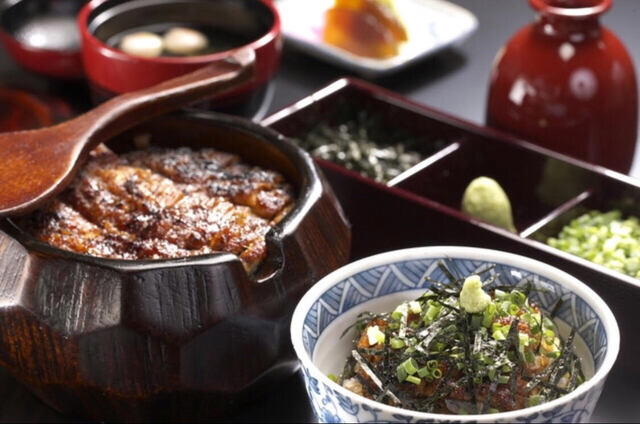
The menu
What to order
- Hitsumabushi
- Unadon
- Seasonal kaiseki course
Approaching the Atsuta Shrine side of Nagoya, the city changes register. The streets feel lower, older, and more ceremonial than the glass-and-station density around Nagoya Station; meals here tend to carry a sense of occasion even before the first lacquered lid arrives. In that setting, unagi is not a luxury imported into the neighbourhood. It is part of the city’s edible grammar, and hitsumabushi, Nagoya’s chopped grilled eel over rice served with condiments and broth, is the dish through which many visitors learn how specific Aichi’s dining culture can be.
Atsuta Houraiken Jingu ten sits inside that tradition rather than beside it. The restaurant’s inclusion in Tabelog’s Unagi 100 for 2024 gives it a measurable place within Japan’s specialist eel category, but the more useful signal is format: this is not a tiny counter built around scarcity. It is a large Nagoya unagi house with 120 seats, take-out, family-friendly service, counter seating, private-room kaiseki for small groups, and enough infrastructure to function as both destination meal and local ritual.
Hitsumabushi as Nagoya's eel dialect
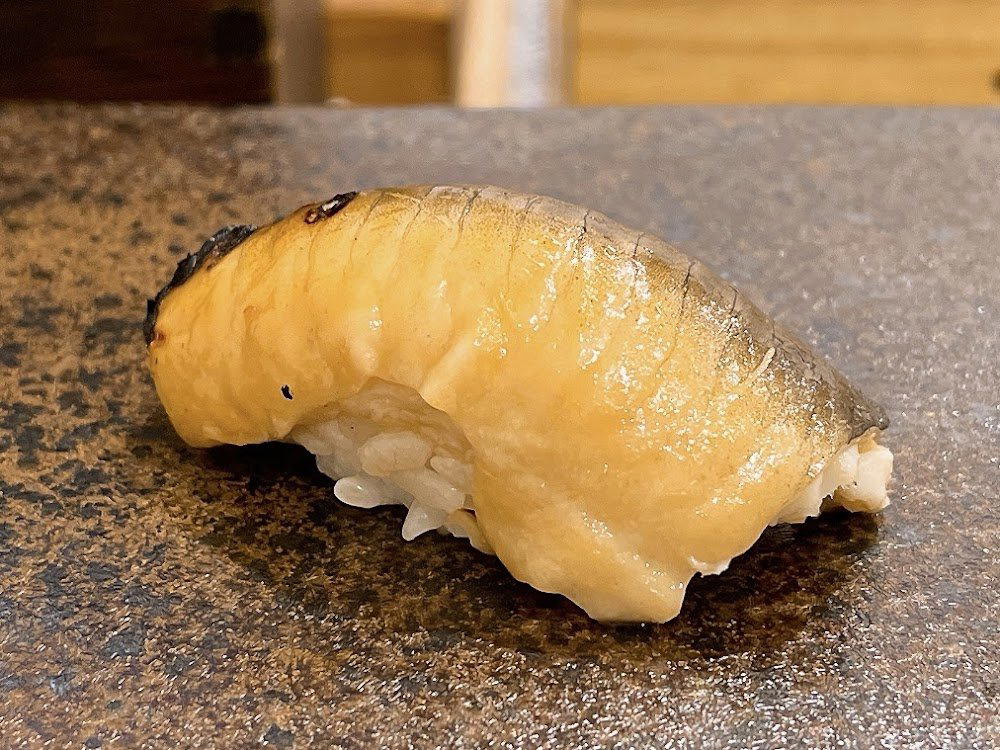
Japan has several regional ways of treating eel, and Nagoya’s contribution is defined by sequence. Hitsumabushi is structured to be eaten in stages: first plain, then with condiments, then with broth, with diners deciding how much of the bowl belongs to each version. That format turns a single eel-and-rice dish into a controlled comparison of texture, aroma, seasoning, and temperature. The pleasure is cumulative rather than theatrical.
That matters because unagi restaurants often split between two instincts. Some lean into quiet craft, with a small room and a narrow menu; others become civic institutions, places where multigenerational tables, visitors, and shrine-area foot traffic all overlap. Atsuta Houraiken Jingu ten belongs to the second group. The price bracket, listed at JPY 4,000–4,999 for both lunch and dinner, places it above everyday ramen and set-meal dining but below the rarefied counter formats that dominate Tokyo luxury conversation. In Nagoya terms, that is a serious meal without the social stiffness of formal kaiseki.
The sensory logic is direct: smoke, lacquer, rice, steam, and the rhythm of a room built for turnover without feeling anonymous. Unlike ramen shops such as Atsuta Miso Ramen Buriyu or China Soba Kitagawa, where speed and low price are part of the appeal, an unagi meal asks for patience. Compared with Atsuta Houraiken Honten, the nearby flagship relation in the same tradition, the Jingu branch reads as a practical shrine-district expression of the same Nagoya appetite for eel, not a lesser substitute.
A large room that still behaves like a specialist
Scale can be a warning sign in Japanese specialist dining, particularly when a dish depends on heat management and timing. Here, the size is part of the editorial interest. A 120-seat unagi restaurant with wheelchair access, free Wi-Fi, counter seating, and parking for 50 vehicles speaks to Nagoya’s dining culture more clearly than another six-seat sanctum would. The city has room for precise food that remains useful to families, groups, and travellers moving around Atsuta Shrine.
The private-room policy sharpens the distinction between everyday unagi dining and ceremony. Private rooms are available for eight people, but only for kaiseki, and kaiseki requires advance arrangement: eel kaiseki by the previous day, seasonal and chef’s selection kaiseki two days ahead. That is the clearest sign of how the restaurant separates casual hitsumabushi demand from more formal Japanese-course dining. It also keeps the main experience legible. Most diners are here for eel, not for a chef biography or a tasting-menu performance.
Recognition matters in this category because unagi is technical, expensive to source well, and unforgiving when mishandled. Tabelog’s 2024 Unagi 100 selection, alongside earlier selections in 2018 and 2019, positions the restaurant among Japan’s noted eel addresses rather than the broader catch-all of Japanese cuisine. Its Tabelog score of 3.67 is another useful signal in a platform where specialist restaurants outside Tokyo often build reputations through repeat local use as much as destination dining.
Nagoya’s restaurant scene rewards specificity. For a wider read on the city’s dining range, see Our full Nagoya restaurants guide; travellers building a full itinerary can pair it with Our full Nagoya hotels guide, Our full Nagoya bars guide, Our full Nagoya wineries guide, and Our full Nagoya experiences guide. Nearby and further-field restaurant references across Japan and abroad include 1022, 451, Aaron, Alan., All Day Dining Montmartre, -Grilled beef Sukiyaki- KAMAKURA TANUKIAN 鎌倉 たぬき庵 in Kamakura. 鮪と炭火焼き うお炭 秋葉原店 in Tokyo.cafe in Osaka.know in Kumamoto, (Shoku) Vietnam in Kawasaki, [Curry Senmon Ten] Maruyama Kyoju. in Sapporo, Jōdo Saké Bar in Los Angeles, and Onigiri Time in Pasadena.
How to read the meal
The sharper way to approach this table is not to ask whether it is formal or casual. It is both, depending on how the meal is used. The main dining room suits the classic hitsumabushi decision: arrive hungry, let the dish unfold in stages, and treat the condiments and broth as part of the structure rather than garnish. The kaiseki route belongs to planned group dining, especially when privacy matters more than speed.
The drinks list follows the Japanese-restaurant grammar of sake, shochu, and wine, which is useful with eel because sweetness, smoke, and fat can push pairings in different directions. Payment by major credit cards and electronic money makes the experience easier for international travellers than many older specialist rooms, while the absence of QR-code payments is a small reminder that tradition-led Japanese restaurants modernise selectively.
Strongest reason to come is context. Atsuta Houraiken Jingu ten gives Nagoya’s eel culture a physical setting near one of the city’s major shrine districts, with enough recognition to justify attention and enough capacity to avoid turning heritage dining into a performance of exclusivity. For travellers trying to understand Nagoya through food, hitsumabushi here explains more than a generic luxury meal would: it shows how a regional dish becomes civic habit, family occasion, and destination restaurant at the same time.
Frequently asked questions
Is Atsuta Houraiken Jingu ten open every day?
Hours at Atsuta Houraiken Jingu ten: Mon: Closed; Tue: Closed; Wed: 11:30 AM–2:30 PM, 4:30–8:30 PM; Thu: 11:30 AM–2:30 PM, 4:30–8:30 PM; Fri: 11:30 AM–2:30 PM, 4:30–8:30 PM; Sat: 11:30 AM–2:30 PM, 4:30–8:30 PM; Sun: 11:30 AM–2:30 PM, 4:30–8:30 PM.
Where is Atsuta Houraiken Jingu ten in Nagoya?
Atsuta Houraiken Jingu ten is located in Nagoya.
Is Atsuta Houraiken Jingu ten expensive?
Pricing at Atsuta Houraiken Jingu ten is listed as JPY 4,000 - JPY 4,999 JPY 4,000 - JPY 4,999.
What's the standout thing about Atsuta Houraiken Jingu ten?
Its clearest credential is the Tabelog 100 Unagi 2024 selection, which places it among the category’s noted addresses in Nagoya. The format is also part of the appeal: a 120-seat house restaurant with counter seating, plus private rooms for kaiseki cuisine.
Quick Comparison
Comparable venues by cuisine and price in the same metro.
| Venue | Cuisine | Price | Awards | Notes |
|---|---|---|---|---|
| Atsuta Houraiken Jingu tenThis venue (the venue you are viewing) | Traditional Nagoya eel (hitsumabushi) & kaiseki | $30–50 | Tabelog 100 #41 | Not listed |
| Tachigui Sushi Kiwami Meieki 4 chome ten | Casual Stand-Up Edo-Style Sushi | $50–100 | Tabelog 100 #83 | Nakamura |
| Yama no I | Sushi Omakase / Japanese Cuisine | $150–200 | Tabelog 100 #30 | Chikusa |
| Chiba Izumi | Yakitori Omakase | $50–100 | Tabelog 100 #68 | Higashi |
| Mone | A5 Wagyu Yakiniku & Wine | $50–100 | Tabelog 100 #23 | Chikusa |
| Yasui | Seasonal Japanese Cuisine with Clay Pot Rice | $50–100 | Tabelog 100 #8 | Nakamura |
Recognition history
Dated appearances from independent guides and award organizations, with the underlying list record or original source where available.
Tabelog 100 #41 · No. 41
Tabelog · Tabelog 100 - Unagi - 2024
Continue exploring
More in Nagoya
Restaurants in Nagoya
All restaurants in Nagoya →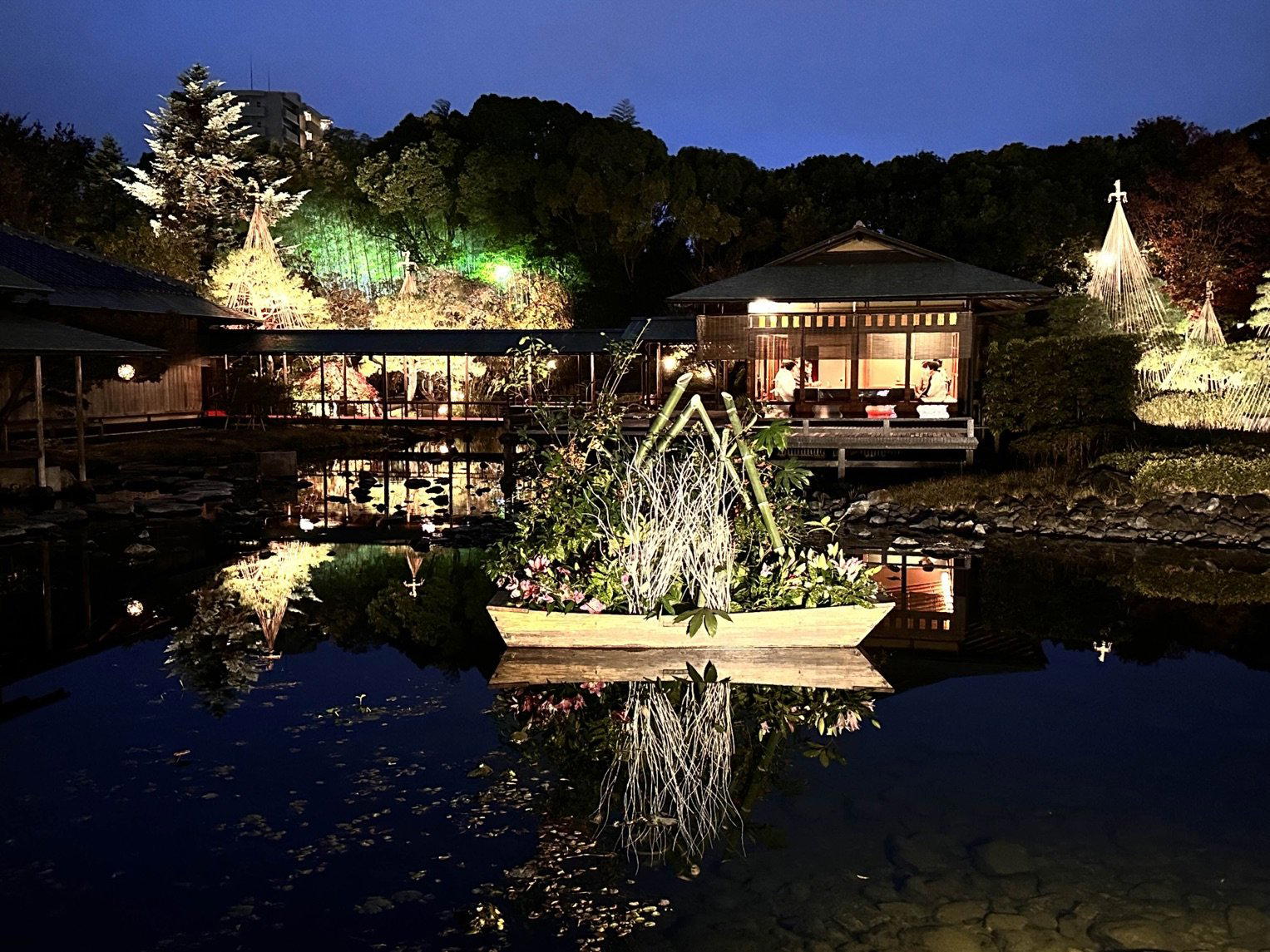
Details
- Classic
- Well Known
- Lively
- Family
- Group Dining
- Historic Building
- Standalone
- A La Carte
- Set Menu
- Sake
- Beer
- Pescatarian Friendly
Current opening hours
- Monday
- Closed
- Tuesday
- Closed
- Wednesday
- 11:30 AM–2:30 PM, 4:30–8:30 PM
- Thursday
- 11:30 AM–2:30 PM, 4:30–8:30 PM
- Friday
- 11:30 AM–2:30 PM, 4:30–8:30 PM
- Saturday
- 11:30 AM–2:30 PM, 4:30–8:30 PM
- Sunday
- 11:30 AM–2:30 PM, 4:30–8:30 PM
Hours can change for holidays and private events. Last verified .
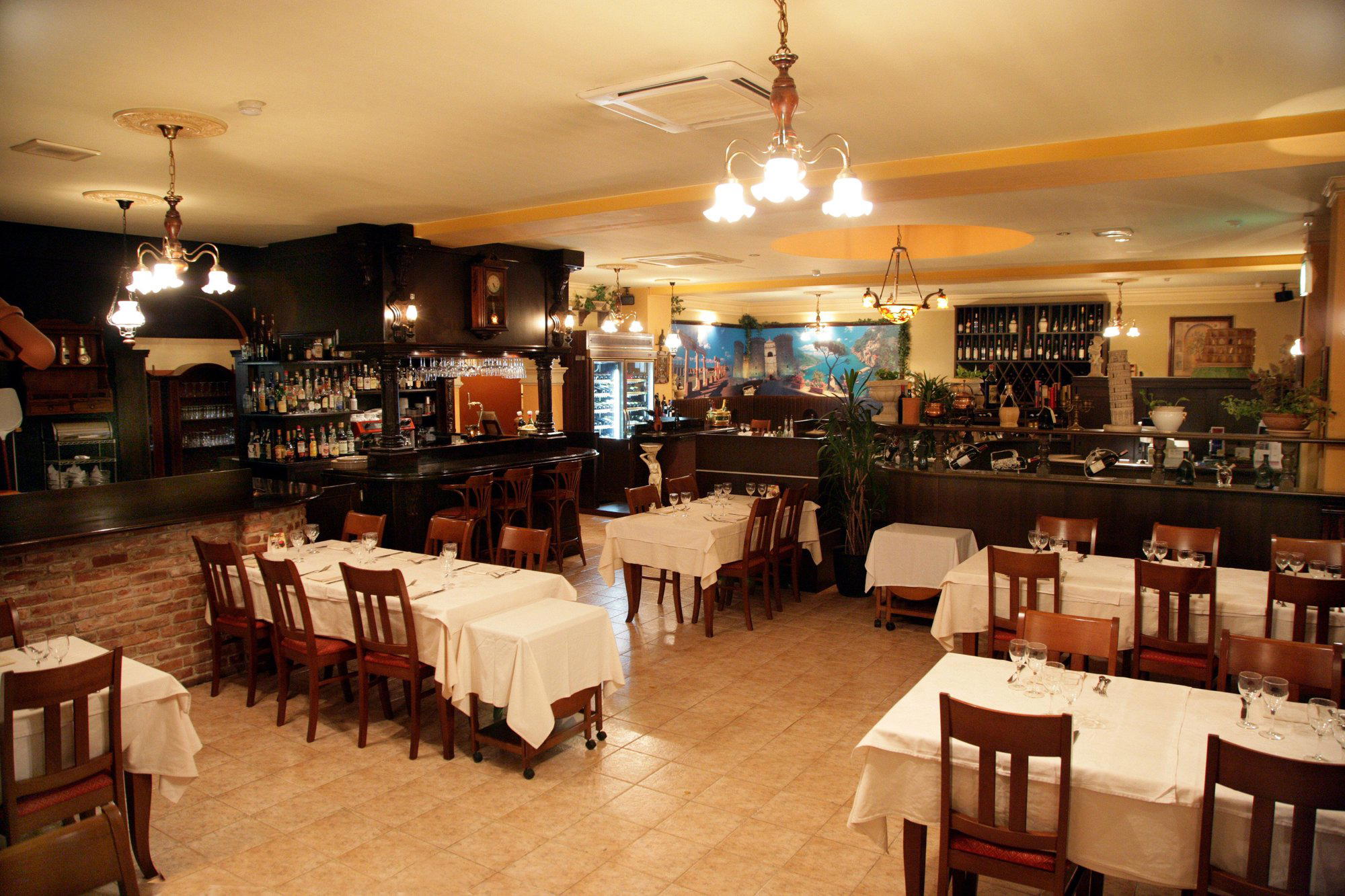
Traditional Japanese house‑style restaurant with bustling crowds, tatami and table seating, and a warm, classic atmosphere suited to families and visitors to Atsuta Shrine.