
Atsugi Honmaru Tei belongs to Kanagawa’s serious ramen circuit: counter-only, low-priced, and repeatedly selected for Tabelog’s Ramen Hyakumeiten lists, including Kanagawa 2025. The appeal is not luxury signalling but concentration: ramen and tsukemen served in an 11-seat format where sourcing, broth work, and pacing matter more than décor.
Pearl is the En Primeur Club membership app — saves, bookings, and concierge access live there. Same editors, same standards.
- Address
- 4-10 Saiwaicho, Atsugi, Kanagawa 243-0012, Japan
- Phone
- +81 46-227-3360
- Website
- honmarutei.info
- Directions
- Get directions
 Saves & bookings on Pearl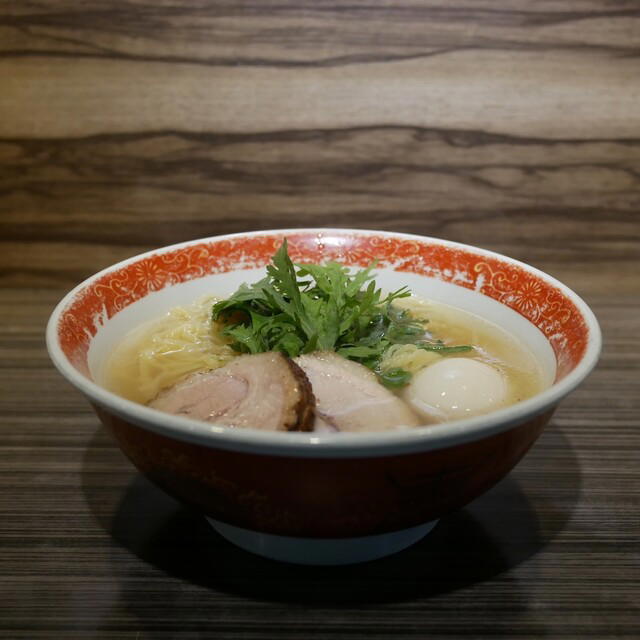
Approach the Saiwaicho address and the mood is closer to a neighbourhood ramen stop than a destination dining room. The format is narrow by design: counter seats, quick turnover, and a menu world built around ramen and tsukemen rather than a long catalogue of side dishes. That restraint matters in Kanagawa, where the strongest ramen shops often compete on extraction, noodle texture, seasoning balance, and sourcing discipline rather than spectacle.
Atsugi’s dining culture rewards this kind of focus. The city sits outside Tokyo’s louder restaurant economy, so value and repeat local use carry real weight. A bowl priced in the sub-¥1,000 band places Atsugi Honmaru Tei in the same everyday category as Ramen Atsugiya, while Chuka Soba Menya Shokudo Honten operates in a slightly broader ramen-budget bracket. The point is not that one shop replaces another. It is that Atsugi’s ramen conversation is unusually strong for a city of this scale, with multiple low-cost counters carrying serious local attention.
Kanagawa ramen, judged by repetition rather than theatre
Ramen in Japan is often discussed as if it were a single dish, but the category behaves more like a set of regional arguments: broth density, tare salinity, noodle cut, fat level, and the relationship between soup and toppings. Kanagawa has its own range, from family-style richness to clearer chuka-soba lines and dipping-noodle formats. Atsugi Honmaru Tei sits inside that wider field with ramen and tsukemen listed as its core categories, a pairing that puts broth concentration and noodle handling at the centre of the meal.
The trust signal here is unusually clear for a modest shop. It was selected for Tabelog Ramen KANAGAWA “Tabelog 100” in 2025 and 2024, and for Tabelog Ramen EAST “Tabelog 100” from 2019 through 2023. A Tabelog score of 3.76 reinforces the same picture: not luxury dining, not chef-table theatre, but a ramen counter with sustained recognition across several selection cycles. In this category, repeated selection is more meaningful than a single burst of attention, because ramen audiences are unforgiving about drift.
The ingredient-sourcing question in ramen is rarely as simple as naming a farm. Serious bowls depend on systems: bones or seafood for stock, aromatics, tare components, fats, wheat choice, and the ratio between soup and noodle. When a shop narrows itself to ramen and tsukemen, procurement and preparation have fewer places to hide. The counter format makes that compactness visible. There is no tasting-menu choreography to distract from whether the soup holds together and whether the noodles carry it cleanly.
An 11-seat counter makes the meal a timing decision
Counter-only ramen is a different social contract from a reservation-led restaurant. Eleven seats compress the experience: solo diners fit naturally, families are accepted, and groups need to think about flow rather than lingering. Reservations are unavailable, which puts the emphasis on arrival timing and patience. That is common in respected ramen shops, where the queue is not a branding device so much as a consequence of limited seats and short service windows.
The room’s practical character also shapes expectations. Private rooms and private use are not part of the setup; this is shared-counter dining with non-smoking rules and a casual mood. Payment flexibility is wider than many older ramen counters, with major credit cards, nanaco, and PayPay accepted. Parking is not provided, though coin parking nearby makes the shop more workable for diners moving through Kanagawa by car rather than rail.
Compared with the city’s wider restaurant spread, the value proposition is sharp. Yakiniku Waganse sits in a far higher dinner bracket, while Cafe Suzuki occupies a café price tier rather than the ramen-counter lane. ZUND-BAR adds another angle on Atsugi-area ramen culture, showing how the city and its surroundings can support both everyday bowls and more design-conscious noodle rooms. For a fuller local read, the Atsugi restaurants guide gives the broader dining map, while the Atsugi hotels guide, Atsugi bars guide, Atsugi wineries guide, and Atsugi experiences guide help place a meal inside a wider stay.
Why the sourcing conversation matters in a sub-¥1,000 bowl
Low price can mislead travellers into treating ramen as a casual stop rather than a technical food. In stronger shops, the economics are the achievement. A sub-¥1,000 price band leaves little room for waste, so choices around stock base, noodle specification, tare intensity, and topping restraint become operational as much as culinary decisions. Atsugi Honmaru Tei’s long run of Hyakumeiten selections suggests that the shop has kept those choices consistent enough to remain visible in a crowded prefectural field.
Its history adds another useful signal without turning the meal into biography. The restaurant opened in 2000 as Ramen Honmarutei and took its current independent identity in March 2010. That timeline matters because ramen reputations are built through repeat customers, not launch-week novelty. A shop that remains in the conversation after that many years is usually doing something more disciplined than chasing trends.
For travellers mapping Japanese food beyond central Tokyo, Atsugi is a reminder that serious eating in Japan often appears in small, practical rooms near commuter stations. The comparison set can be surprisingly wide: regional beef in Kamakura at -Grilled beef Sukiyaki- KAMAKURA TANUKIAN 鎌倉 たぬき庵 in Kamakura, casual Japanese formats such as. 鮪と炭火焼き うお炭 秋葉原店 in Tokyo, café culture at.cafe in Osaka, contemporary dining at.know in Kumamoto, Vietnamese cooking in Kanagawa at (Shoku) Vietnam in Kawasaki, curry specialization at [Curry Senmon Ten] Maruyama Kyoju. in Sapporo, and Japanese-influenced drinking or casual formats abroad at Jōdo Saké Bar in Los Angeles and Onigiri Time in Pasadena. The useful lesson is scale: Japan’s everyday food categories can carry as much craft pressure as higher-priced rooms, especially when public recognition and local repetition point in the same direction.
Comparable Spots, Quickly
Comparable venues by cuisine and price in the same metro.
| Venue | Cuisine | Price | Notes |
|---|---|---|---|
| Atsugi Honmaru Tei | Traditional shio ramen shop | $ | Saiwaicho |
| Ramen Atsugiya | Iekei-style Japanese Ramen | $ | Atsugi |
| Chuka Soba Menya Shokudo Honten | Classic Japanese ramen (chuka soba) shop | $ | Hon-Atsugi |
| ZUND-BAR | Japanese Ramen | $$ | Nanasawa, Atsugi |
| Cafe Suzuki | Japanese kissaten-style coffee shop | $$ | Hon Atsugi |
| Yakiniku Waganse | Japanese Yakiniku / BBQ | $$$ | Naka-cho, Atsugi |
Recognition history
Dated appearances from independent guides and award organizations, with the underlying list record or original source where available.
Tabelog 100 #32 · No. 32
Tabelog · Tabelog 100 - Ramen - KANAGAWA - 2025









At a Glance
- Cozy
- Classic
- Solo
- Casual Hangout
- After Work
- Family
- Chefs Counter
- Standalone
Current opening hours
- Monday
- 11 AM–2 PM, 6–9 PM
- Tuesday
- 11 AM–2 PM
- Wednesday
- Closed
- Thursday
- Closed
- Friday
- 11 AM–2 PM, 6–9 PM
- Saturday
- 11 AM–2 PM, 6–9 PM
- Sunday
- 11 AM–2 PM, 6–9 PM
Hours can change for holidays and private events. Last verified .
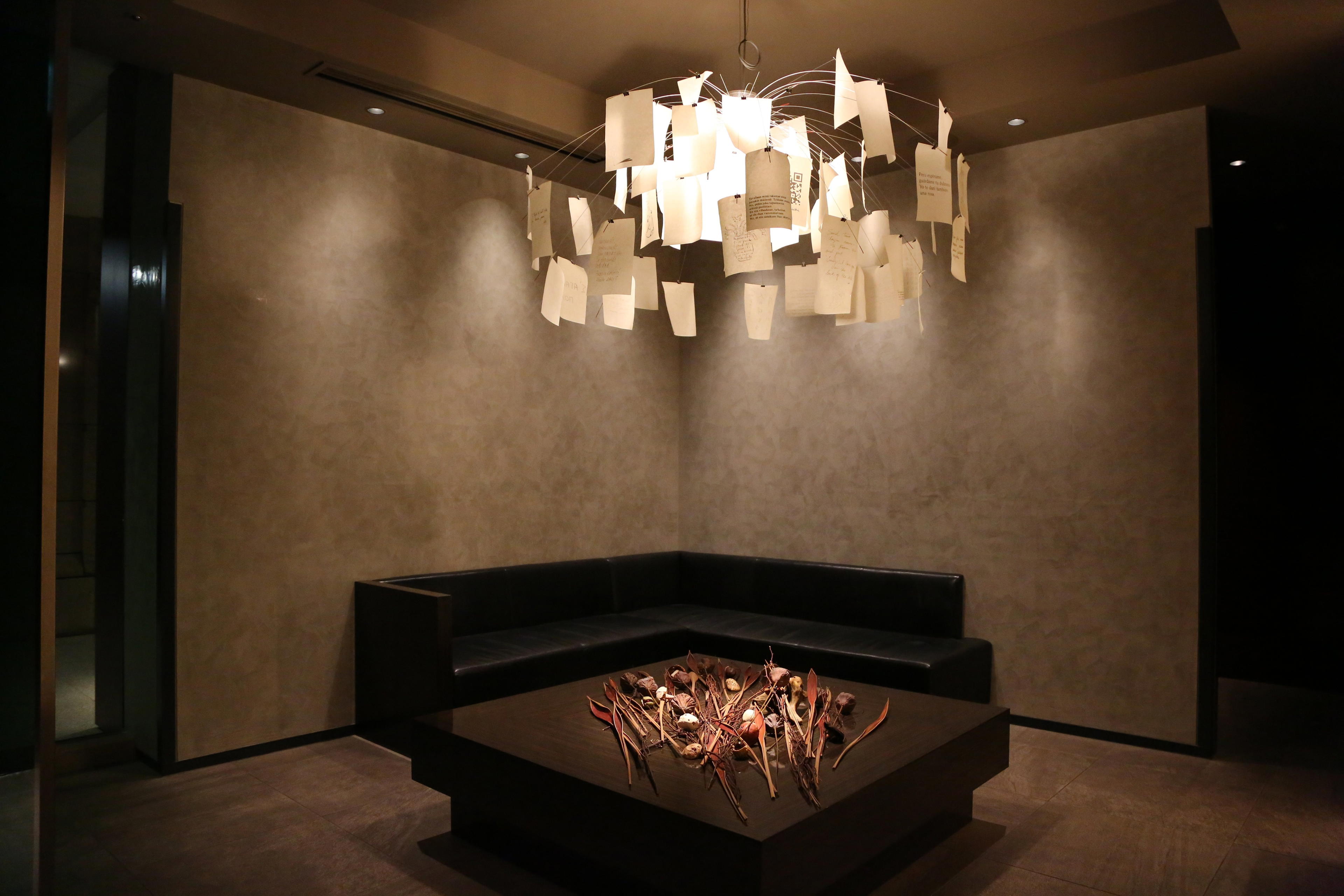
Tiny, counter-only ramen shop with a simple house-like setting and non-smoking space, focused on quick, attentive service and the fragrance of clear shio broth rather than decor.