
ZUND-BAR gives Atsugi’s ramen scene a mountain-edge counterpoint: a Nanasawa address tied to Tanzawa water, tanrei-style clarity, and a low-price format with serious recognition. Its Tabelog Ramen KANAGAWA 100 selection in 2025, 32-seat room, English menu, and family-friendly setup make it unusually accessible for a destination ramen stop outside the denser station-area circuit.
Pearl is the En Primeur Club membership app — saves, bookings, and concierge access live there. Same editors, same standards.
- Address
- 神奈川県厚木市七沢1954-7
- Phone
- +81462500123
- Website
- afuri.com
- Directions
- Get directions
 Saves & bookings on Pearl
The approach to Nanasawa changes the ramen conversation before the bowl arrives. Atsugi’s centre has the practical rhythm of a commuter city, but this side of town leans toward the Tanzawa foothills: more road, more air, more sense that water and terrain matter. In that setting, ZUND-BAR reads less like an urban ramen counter and more like a regional argument for why broth depends on place.
Kanagawa ramen is not a single school. Yokohama pulls attention through ie-kei richness, coastal towns add their own seafood logic, and inland shops often win loyalty through precision rather than noise. Atsugi sits between those impulses. The city can support low-cost bowls, coffee rooms, yakiniku splurges, and old-line noodle counters in the same dining week, which is why a rural-leaning ramen shop with a Tabelog Ramen KANAGAWA 100 selection in 2025 says something useful about the local hierarchy. Recognition here is not built on luxury cues; it is built on repeatable craft at the JPY 1,000 to JPY 1,999 tier.
Tanzawa water turns the bowl into a regional statement
The ingredient story is the point. The shop’s own framing links its ramen to the water resources of the Tanzawa Mountains, and that matters because clear-broth ramen has little room for cover. Heavy fat, aggressive tare, and thick noodles can mask inconsistency; tanrei-style ramen cannot. When a bowl is built around a clear, golden broth using chicken and seafood, the discipline is in extraction, balance, and restraint rather than spectacle.
That places the experience in a different register from dense, urban comfort ramen. Atsugi has options such as Atsugi Honmaru Tei, Chuka Soba Menya Shokudo Honten, and Ramen Atsugiya, each useful for reading the city’s noodle appetite from another angle. ZUND-BAR sits in the clearer, source-conscious lane: mountain water, lightness, and a menu that also reaches into tsukemen, rice dishes, desserts, gelato, and ice cream rather than operating as a stripped-down noodle bunker.
The Tabelog score of 3.76 gives the recognition some numerical weight, but the more telling signal is consistency across years. The restaurant has appeared in Tabelog’s Ramen 100 selections from the EAST list era through the KANAGAWA list, including 2019 through 2025. For a ramen shop outside a major Tokyo station orbit, that continuity matters. It indicates a place that draws beyond immediate neighbourhood convenience while remaining priced for regular eating.
A destination ramen room that does not behave like a pilgrimage site
Serious ramen in Japan often comes with a narrow script: limited seating, no lingering, few accommodations, and a queue that functions as part of the ritual. This room softens that script without losing its category. There are 32 seats, split between tables and counter seating, and the setup is non-smoking, wheelchair accessible, and explicitly welcoming to children, including babies, preschoolers, school-age children, strollers, and baby carriers. That is not a minor operational detail in ramen culture; it changes who can realistically eat here.
The price point also changes the decision. At JPY 1,000 to JPY 1,999 for lunch and dinner, the restaurant competes with casual ramen and café pricing rather than special-occasion dining. That puts it near Cafe Suzuki on spend, far below a meat-led dinner at Yakiniku Waganse, and above the simplest sub-JPY 1,000 ramen bracket represented locally by some lower-priced noodle counters. The result is a useful middle: destination credibility without destination pricing.
There is also a practical confidence to the operation. Reservations are unavailable, but peak hours use numbered tickets outside the entrance through Air Wait. That system suits a shop with attention from award lists but prevents the experience from becoming a free-form queue. Credit cards, transport IC cards, several e-money systems, and QR payments are accepted, and the English menu lowers the barrier for visitors who are not reading Japanese ramen terminology fluently.
How to place it within an Atsugi food day
ZUND-BAR works well when Atsugi is treated as more than a stop between Tokyo and the mountains. The Nanasawa address rewards travellers already moving toward hot-spring country, hiking routes, or a slower Kanagawa itinerary. It is not the frictionless choice for someone measuring dinner in train-platform minutes; it is the stronger choice for a day when the meal is allowed to sit inside the geography that shaped it.
Opening hours also widen its use. Weekday service runs from late morning into the evening, while weekends and public holidays start earlier, which makes it viable for a pre-mountain breakfast-leaning ramen run, a late lunch, or an early dinner before driving back toward central Atsugi. The shop is open daily except New Year’s Day. Access is more comfortable by car, with 33 parking spaces, though buses to the Nanazawa Hospital Entrance stop put the final approach on foot. From Atsugi IC, the drive is listed at 12 kilometres, roughly 20 to 30 minutes; from Oyama Isehara IC, 5.3 kilometres, roughly 10 to 15 minutes.
The broader Atsugi circuit helps frame the choice. For a ramen-focused comparison, start with the city’s noodle names, then use our full Atsugi restaurants guide to build around coffee, yakiniku, and casual meals. Travellers staying locally can cross-check our full Atsugi hotels guide, while those building a wider itinerary can scan our full Atsugi bars guide, our full Atsugi wineries guide, and our full Atsugi experiences guide.
For readers mapping Japanese regional dining beyond Atsugi, the comparison is not about sameness but category clarity. A sukiyaki address such as -Grilled beef Sukiyaki- KAMAKURA TANUKIAN 鎌倉 たぬき庵 in Kamakura, a seafood-and-charcoal venue such as. 鮪と炭火焼き うお炭 秋葉原店 in Tokyo, or casual specialists such as.cafe in Osaka.know in Kumamoto, (Shoku) Vietnam in Kawasaki, and [Curry Senmon Ten] Maruyama Kyoju. in Sapporo all show how Japanese dining rewards narrow focus. Even outside Japan, places like Jōdo Saké Bar in Los Angeles and Onigiri Time in Pasadena succeed when format and sourcing are clear. In Atsugi, this ramen shop’s clarity comes from water, broth, and a room built to handle more than the solo counter crowd.
Side-by-Side Snapshot
Comparable venues by cuisine and price in the same metro.
| Venue | Cuisine | Price | Notes |
|---|---|---|---|
| ZUND-BAR | Japanese Ramen | $$ | Nanasawa, Atsugi |
| Atsugi Honmaru Tei | Traditional shio ramen shop | $ | Saiwaicho |
| Cafe Suzuki | Japanese kissaten-style coffee shop | $$ | Hon Atsugi |
| Ramen Atsugiya | Iekei-style Japanese Ramen | $ | Atsugi |
| Yakiniku Waganse | Japanese Yakiniku / BBQ | $$$ | Naka-cho, Atsugi |
| Chuka Soba Menya Shokudo Honten | Classic Japanese ramen (chuka soba) shop | $ | Hon-Atsugi |
Recognition history
Dated appearances from independent guides and award organizations, with the underlying list record or original source where available.
Tabelog 100 #40 · No. 40
Tabelog · Tabelog 100 - Ramen - KANAGAWA - 2025








At a Glance
- Well Known
- Cozy
- Rustic
- Solo
- Casual Hangout
- Group Dining
- Family
- Standalone
- Design Destination
- Beer Program
- Local Sourcing
- Mountain
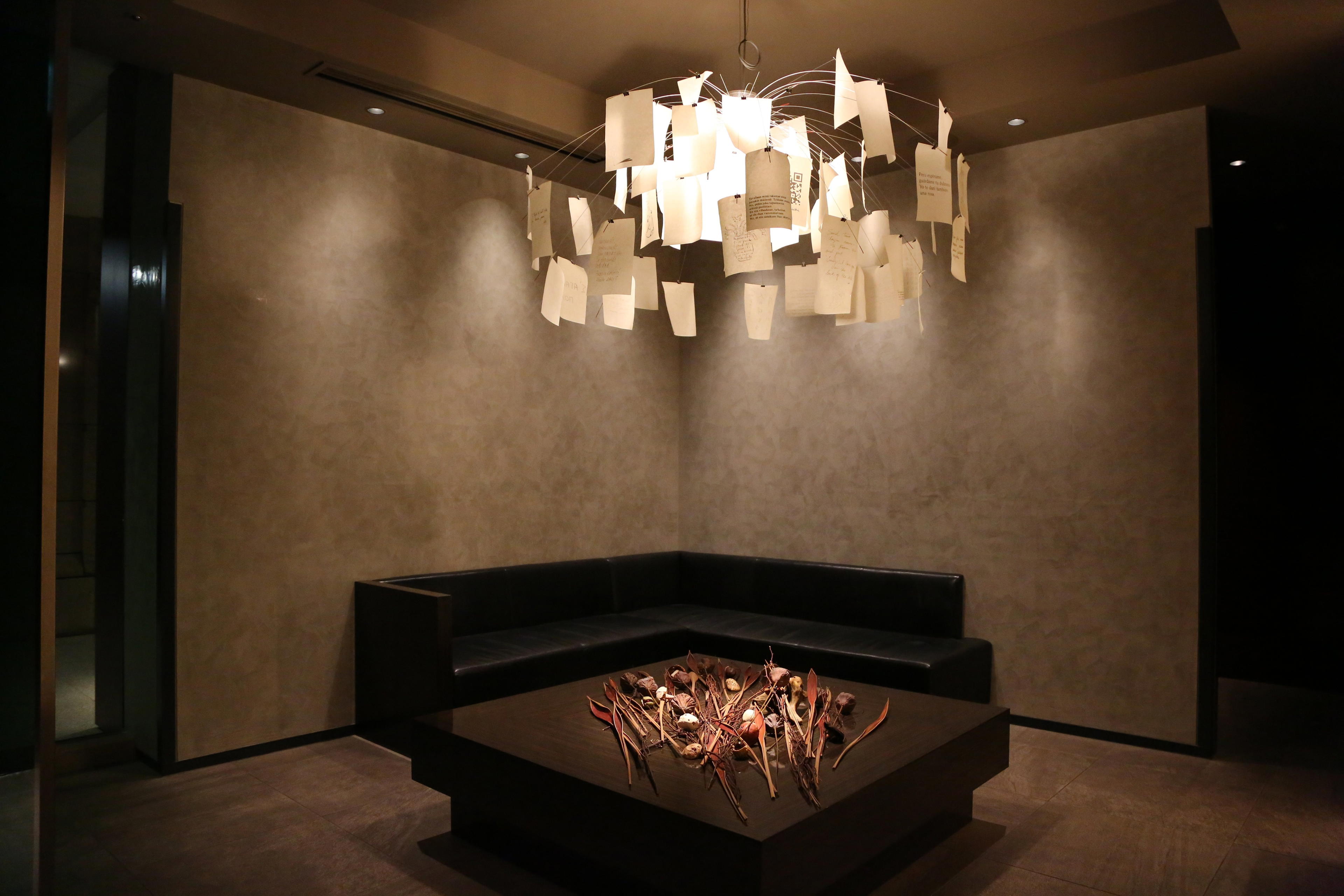
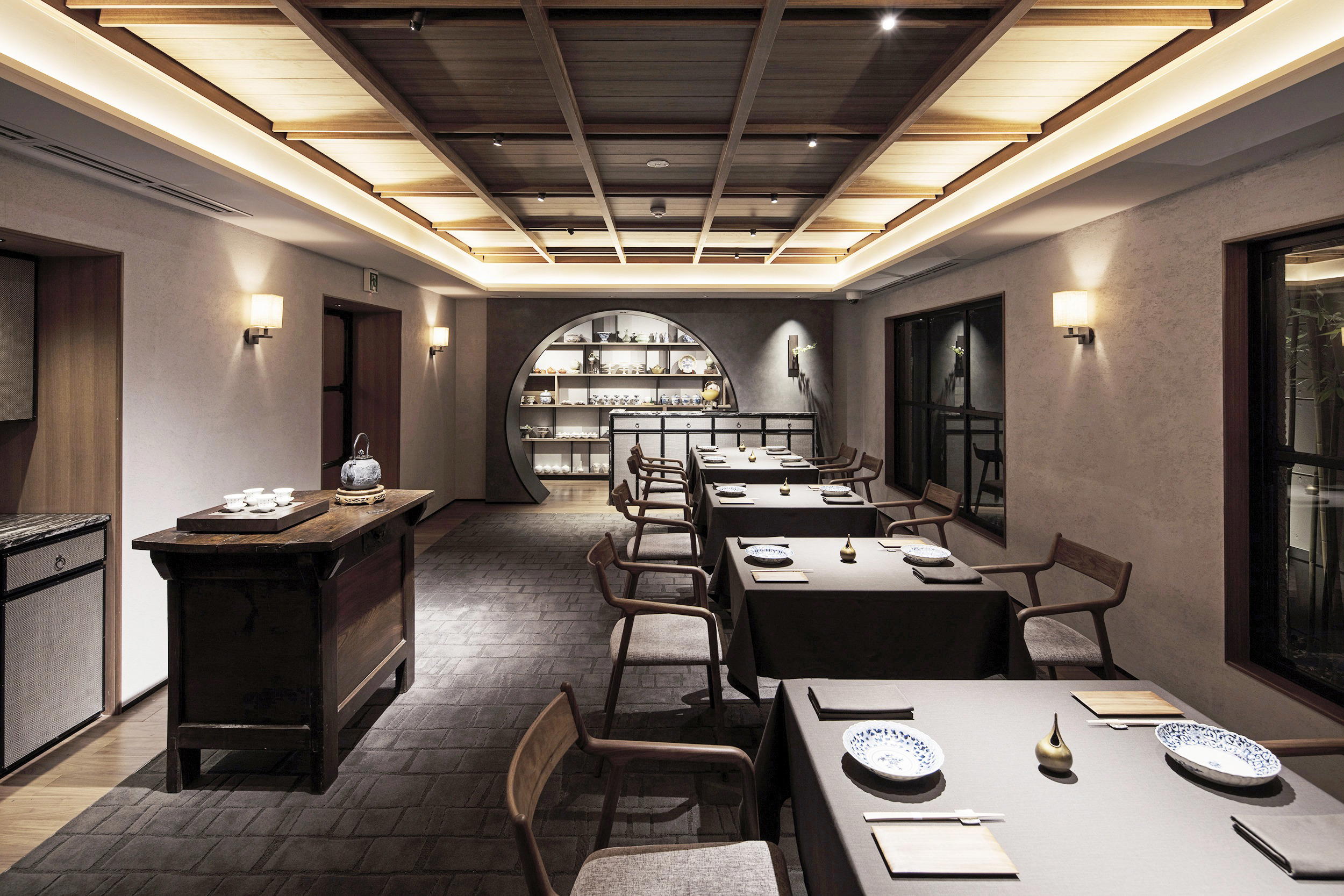
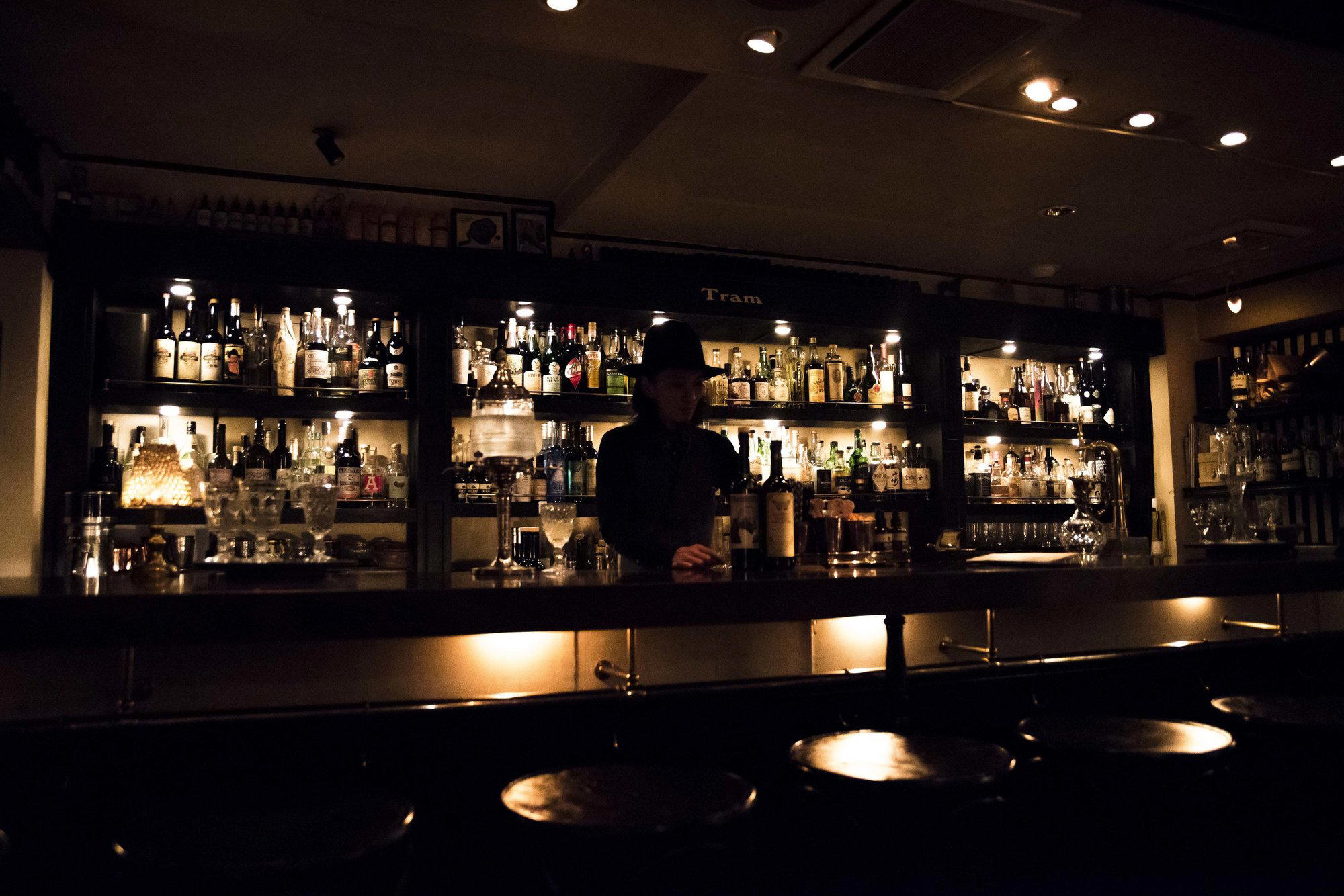
A remote, mountain-side ramen house with a popular, busy feel and a modernized interior that still emphasizes its origin story and scenic setting.