Athena Restaurant
Athena Restaurant occupies a prominent address on South Halsted Street in Chicago's Greektown, one of the few remaining ethnically concentrated dining corridors in the city. The kitchen draws on the deep repertoire of Greek and Mediterranean cooking, placing it within a neighbourhood defined by communal eating traditions and wood-fired preparation. For visitors mapping Chicago's dining geography, Greektown provides a counterpoint to the tasting-menu circuit that dominates the city's critical conversation.
Pearl is the En Primeur Club membership app — saves, bookings, and concierge access live there. Same editors, same standards.
- Address
- 212 S Halsted St #1, Chicago, IL 60661
- Phone
- +13126550000
- Website
- athenachicago.com
- Directions
- Get directions
 Saves & bookings on Pearl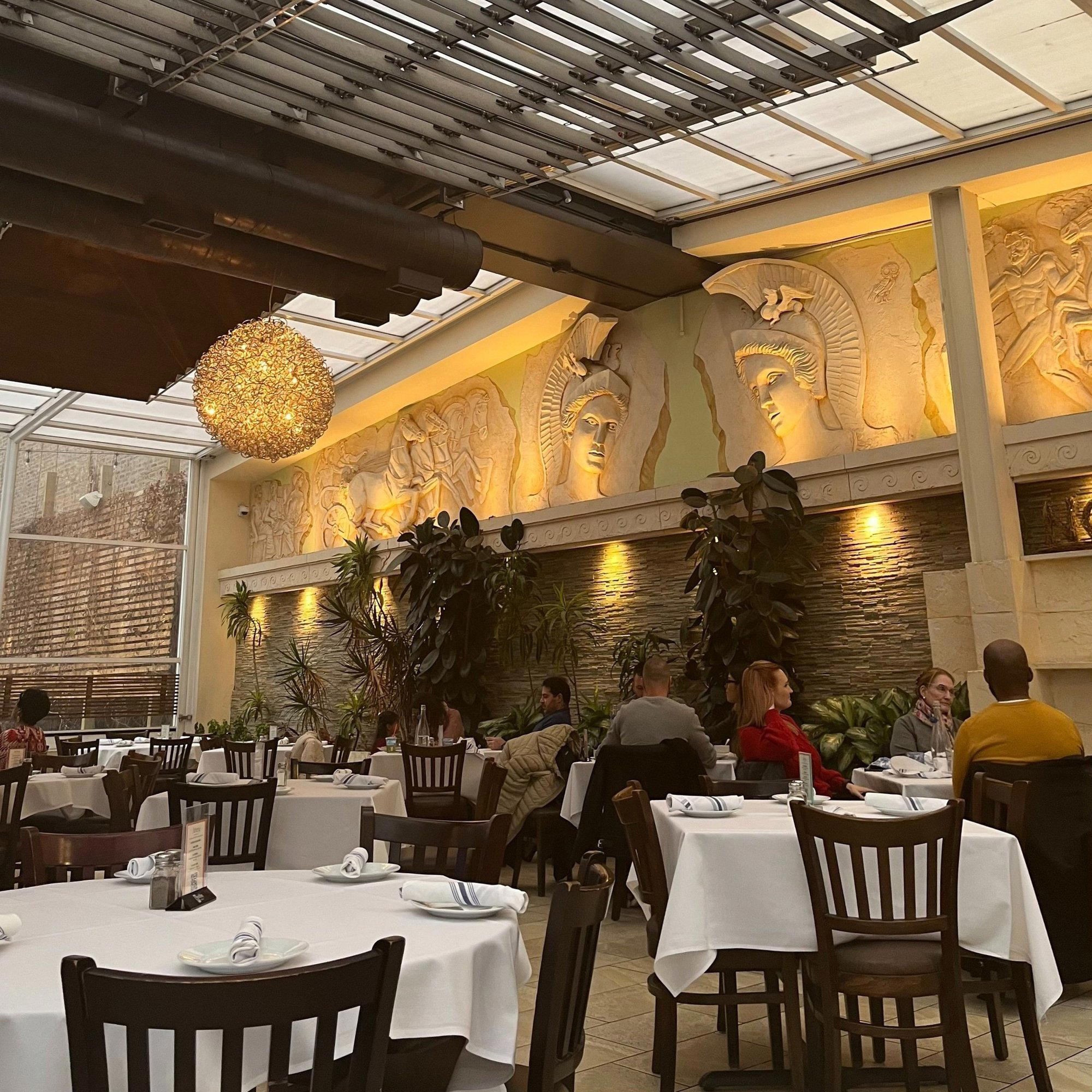
Greektown's Dining Corridor and Where Athena Sits Within It
South Halsted Street between Van Buren and Monroe functions as one of Chicago's most legible ethnic dining corridors. Unlike the city's tasting-menu tier, where restaurants like Alinea, Smyth, and Oriole compete for the same narrow pool of reservation-chasers, Greektown operates on a different logic entirely: the neighbourhood's restaurants are measured against each other on the quality of shared mezze, the char on grilled proteins, and the consistency of a menu that hasn't needed reinvention every season. Athena Restaurant, at 212 S Halsted, is an Authentic Greek restaurant in Chicago's Greektown corridor,455 reviews and a midrange price tier.
The broader Chicago dining map is heavily weighted toward American progressive cooking. Venues such as Kasama and Next Restaurant represent the city's appetite for concept-driven formats. Greektown sits entirely outside that conversation, which is part of what defines its character. The cuisine here is Mediterranean in the specific Hellenic register: olive oil as the primary fat, lemon as the dominant acid, and lamb, seafood, and vegetables treated with a directness that has little interest in technique for its own sake.
How a Greek Menu Is Structured, and What That Reveals
Greek restaurant menus in the United States tend to follow a logic shaped by the communal eating culture of Greece itself. The structure is typically non-linear: mezze-style starters are designed to arrive together and share, mains are portioned generously enough to anchor a table rather than serve a single diner, and the sequence is as much social as gastronomic. This architecture differs substantially from the chef-directed progression you find at destination tasting rooms like The French Laundry in Napa or Le Bernardin in New York City, where the kitchen controls the tempo entirely.
At a restaurant positioned as Athena is on Halsted, the menu's architecture signals something specific about the dining contract on offer. Spreads like taramasalata and tzatziki are not amuse-bouche-style gestures; they are substantive enough to constitute a course. Saganaki, the pan-fried cheese dish that has become something of a Greek-American signature, is often prepared tableside with a brief flame, a piece of theatre that belongs to the Greektown corridor as a collective tradition rather than to any single kitchen. Grilled octopus and lamb chops sit in the category of dishes where sourcing and execution carry the full weight of assessment, since the preparations themselves are deliberately restrained.
This menu logic means that a Greek restaurant's quality is often harder to assess from a single dish than it is at, say, a farm-driven tasting format like Blue Hill at Stone Barns or a produce-focused kitchen like Single Thread Farm in Healdsburg. The measure is cumulative: whether the table as a whole is well-fed, whether the mezze arrived with enough variety and generosity, whether the proteins were cooked with confidence rather than caution.
The Greektown Context: What the Neighbourhood Means for the Dining Experience
Greektown in Chicago is a contracted version of what it once was. The corridor that ran deeper into the Near West Side has narrowed over decades, but what remains on Halsted is a cluster of restaurants that have maintained enough critical mass to preserve the neighbourhood's identity as a destination rather than a single-venue stop. The proximity of restaurants creates genuine competition on basics: bread quality, olive oil sourcing, and the freshness of seafood are all benchmarks a diner can calibrate by walking fifty metres in either direction.
For visitors arriving from the broader US dining circuit, where Greek food is often encountered in isolated, non-contextual settings, eating on Halsted provides a more concentrated version of the tradition. It is a different kind of regionalism from what you find at Frasca Food and Wine in Boulder, where the regionalism is Friulian and expressed through a highly edited wine program, or at Atelier Moessmer Norbert Niederkofler in Brunico, where Alpine regionalism drives every sourcing decision. But the principle of a cuisine being legible and accountable within a specific geography holds in both contexts.
Placing Athena in the Broader American Mediterranean Conversation
Greek and broader Mediterranean cooking in the United States has not experienced the same critical rehabilitation that Korean cooking has undergone at venues like Atomix in New York City, or that Filipino cooking has received through restaurants like Kasama in Chicago itself. The genre remains largely outside the conversation that drives Michelin attention or 50 Best consideration in the US market. That critical gap does not reflect the quality ceiling of the cuisine; it reflects the metrics used to evaluate restaurants in the fine-dining press, which tend to weight tasting-menu formats, ingredient provenance narratives, and chef-identity storytelling more heavily than communal, tradition-bound cooking.
By contrast, venues like Emeril's in New Orleans, Providence in Los Angeles, and Addison in San Diego represent points on the American fine-dining spectrum where European technique and local ingredient identity have been synthesised into a format the critical apparatus understands how to evaluate. Greek restaurants on Halsted are doing something structurally different and are largely assessed on different terms by their actual audience. That audience is often repeat and local, which creates a different quality feedback loop than the tourist-and-critic circuit that drives coverage of The Inn at Little Washington or Lazy Bear in San Francisco.
Know Before You Go
| Address | 212 S Halsted St #1, Chicago, IL 60661 |
|---|---|
| Neighbourhood | Greektown, Near West Side |
| Cuisine | Greek and Mediterranean |
| Booking | |
| Price range | |
| Accessibility |
Budget and Context
Comparable venues nearby, for context on price, style, and recognition.
| Venue | Cuisine | Price |
|---|---|---|
| Athena RestaurantThis venue — the venue you are viewing | Greektown, Authentic Greek | $$ |
| Athenian Room | Lincoln Park, Authentic Greek | $$ |
| LÝRA | West Loop, Modern Greek | $$ |
| Avli River North | River North, Modern Greek | $$$ |
| Kanela Breakfast Club | Andersonville, Greek-Influenced Brunch | $$ |
| Bocaditos Chicago | West Loop, Authentic Mexican | $$ |



At a Glance
- Classic
- Lively
- Cozy
- Group Dining
- Celebration
- Family
- Terrace
- Street Scene
Current opening hours
- Monday
- 11 AM–9 PM
- Tuesday
- 11 AM–9 PM
- Wednesday
- 11 AM–9 PM
- Thursday
- 11 AM–9 PM
- Friday
- 11 AM–10 PM
- Saturday
- 11 AM–10 PM
- Sunday
- 11 AM–9 PM
Hours can change for holidays and private events. Last verified .
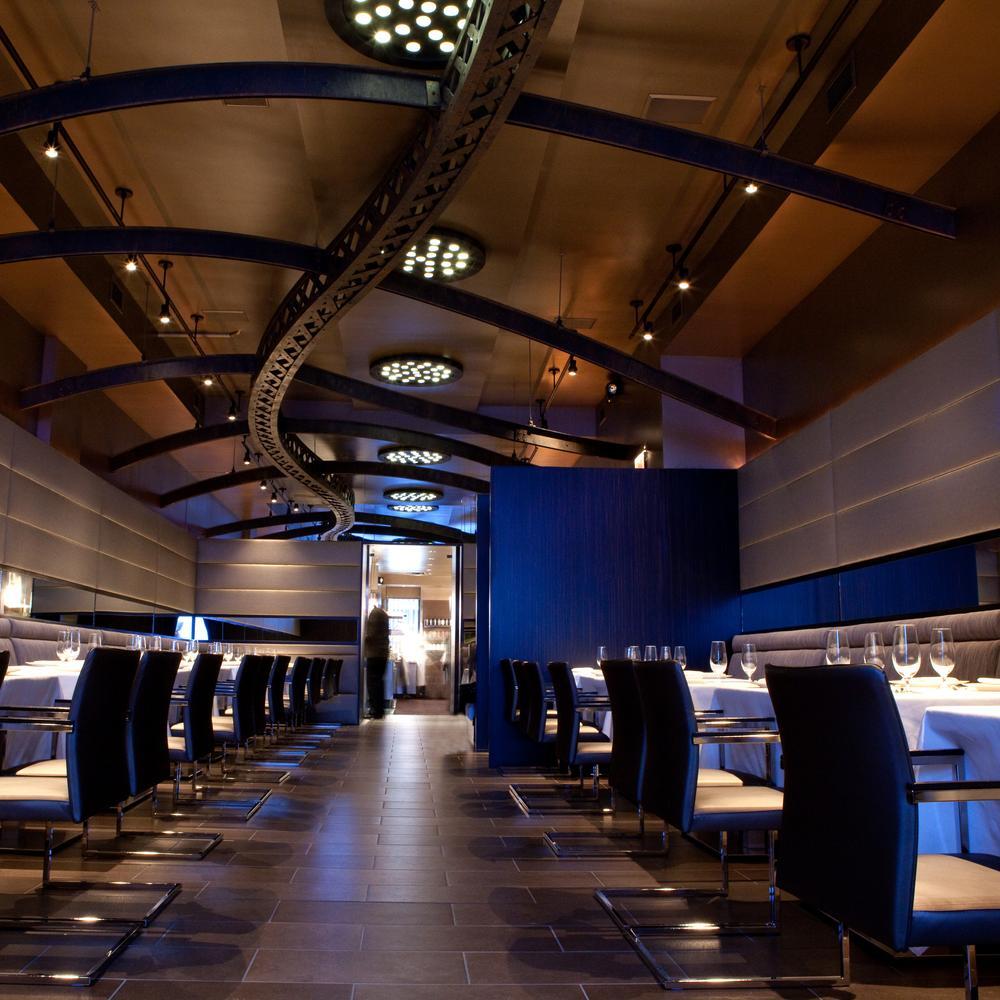
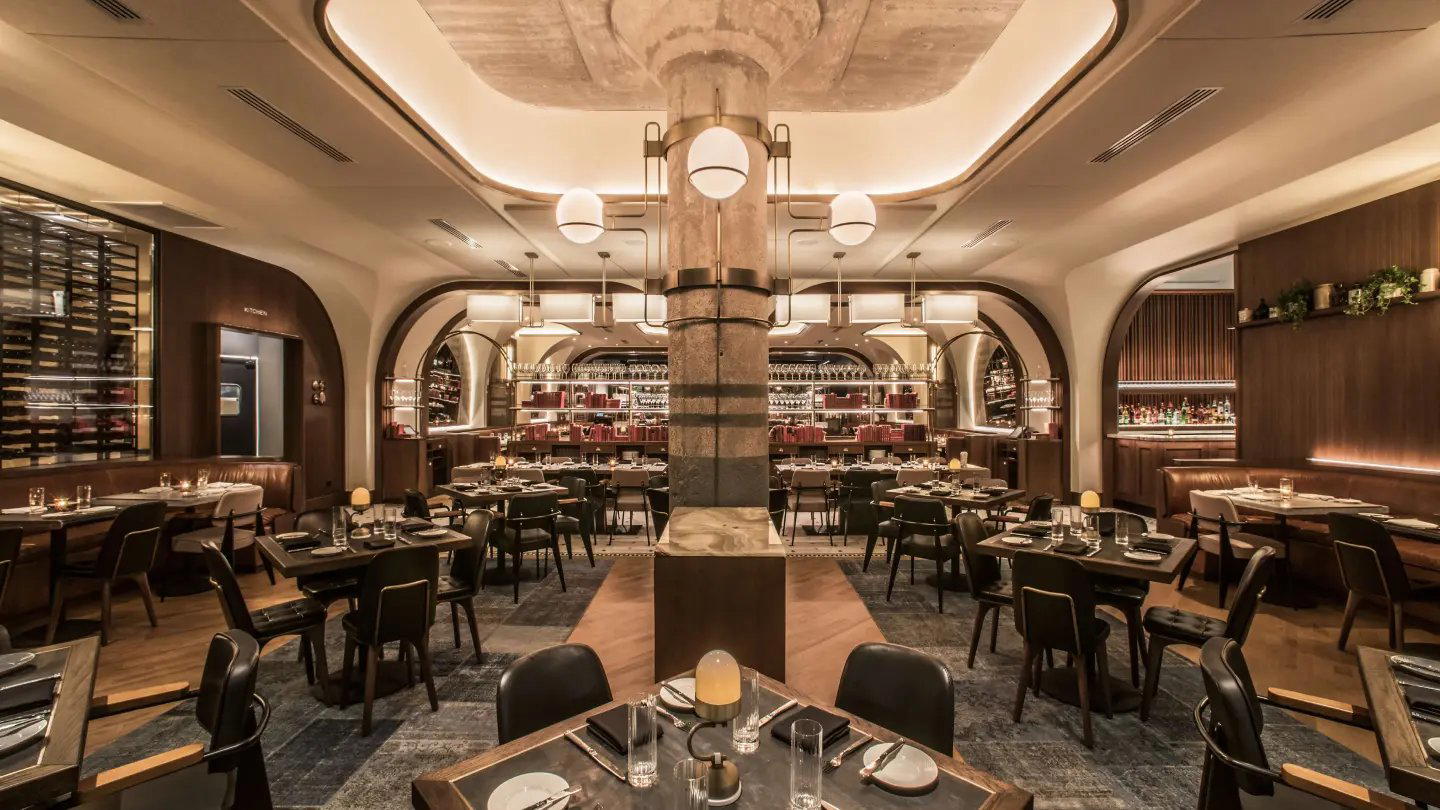
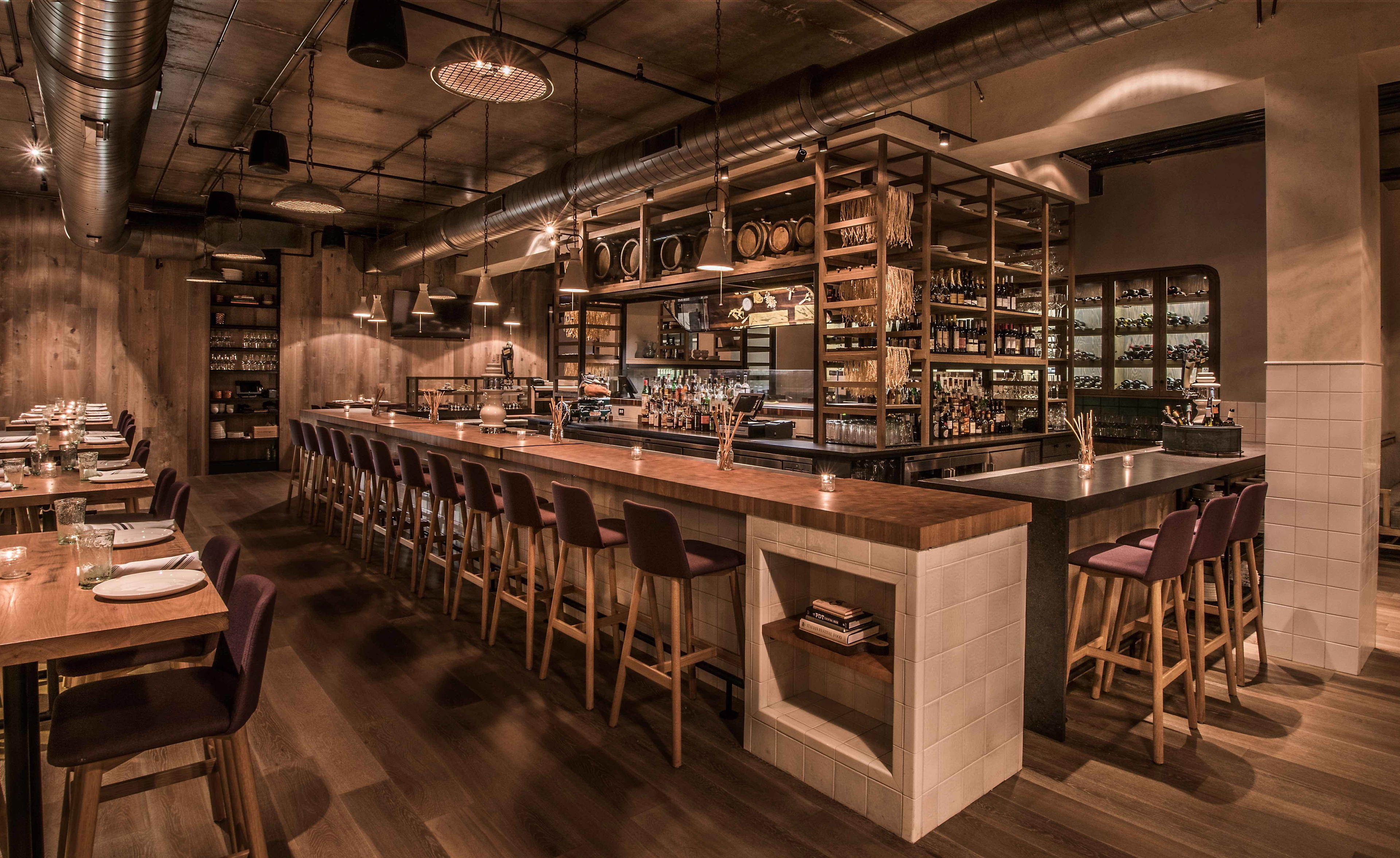
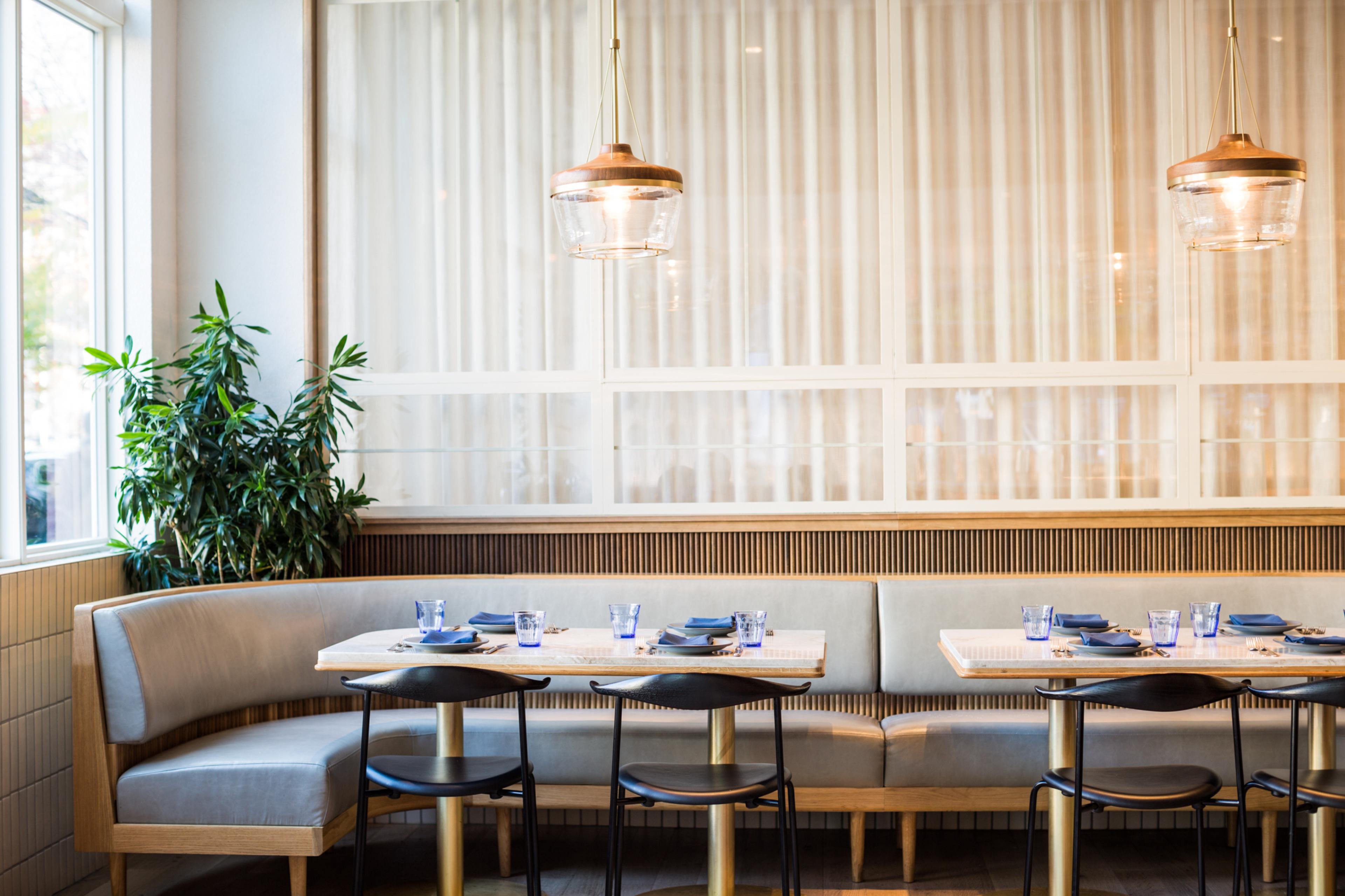
Lively Mediterranean atmosphere with ambient lighting and retractable roof, making guests feel like Greek gods and goddesses in a classic old world setting.