
Asturiano sits on Rúa Rosalía de Castro in Lalín, Galicia, running a daily fish market supply line that has earned consecutive Michelin Plate recognition in 2024 and 2025. The menu holds to traditional Galician seafood, grilled baby squid, caldeirada with cider, alongside rice dishes and a short selection of meat, all at mid-range prices that make it one of the more accessible Michelin-recognised addresses in Pontevedra province.
Pearl is the En Primeur Club membership app — saves, bookings, and concierge access live there. Same editors, same standards.
- Address
- Rúa Rosalía de Castro, 24, Bajo, 36500 Lalín, Pontevedra, Spain
- Phone
- +34 986 78 12 63
- Directions
- Get directions
 Saves & bookings on Pearl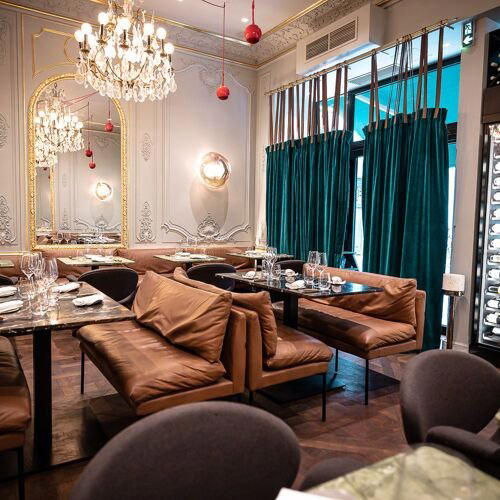
A Fish Market Address in Inland Galicia
The positioning is worth noting before anything else: Asturiano sits on Rúa Rosalía de Castro, next to Lalín's municipal car park, the same open ground where the weekly market sets up. This is not the kind of address that announces itself. The building is low-key, the street is practical, and the lunch crowd arriving on a weekday looks exactly like the town it serves. That context matters, because it tells you something about how Galicia's seafood tradition actually works inland. The fish does not need a harbour view to be fresh.
Lalín sits roughly in the geographic centre of Galicia, well away from the Rías Baixas coastline, but the region's wholesale fish infrastructure means that day-boat landings from ports like Vigo, Cambados, and Bueu move quickly to inland markets. For kitchens operating on a daily-purchase model, the distance from the sea is less significant than the discipline of the buying routine. Asturiano operates on exactly that model: fish and shellfish purchased at the market each day, which determines what goes on the plate that service.
Port-to-Plate in an Inland Town
Galicia produces more seafood by volume than any other Spanish region, and its wholesale distribution network reflects that scale. The fish markets (lonjas) at Vigo and other Atlantic ports auction overnight catches through the early morning hours, with secondary redistribution reaching inland towns before midday service. A kitchen that commits to daily market sourcing in this system is making a structural choice: no frozen backup, no extended menu built around stable supply. What arrives that morning is what gets cooked.
This sourcing discipline shows up most directly in Asturiano's approach to grilled fish and shellfish. The grilled baby squid (choco or chipirones depending on the catch) and the caldeirada, a Galician fish stew with cider, are the two dishes the Michelin inspectors specifically flagged when awarding Plate recognition in both 2024 and 2025. Caldeirada is a traditional preparation with deep roots across Atlantic Iberia: fish cooked in a seasoned broth, often with potato, onion, and an acidic element. The cider version signals a Galician-Asturian technique that keeps the dish from leaning too heavy. Getting it right requires the fish to hold its texture, which means freshness is not incidental, it is the recipe.
The rice dishes, listed for two, place Asturiano in a broader Galician and northern Spanish tradition of using seafood stocks as the base for shared rice. These are slower preparations that require a well-built fumet and enough shellfish to give the rice genuine depth. At the €€ price tier, these dishes represent one of the more accessible points of entry to Michelin-recognised cooking in Pontevedra province. For comparison, the three-star addresses that define Spain's current fine-dining conversation, Aponiente in El Puerto de Santa María, Arzak in San Sebastián, Azurmendi in Larrabetzu, Cocina Hermanos Torres in Barcelona, and DiverXO in Madrid, operate in a completely different register, both in price and in format. Asturiano's Michelin Plate signals quality of ingredient and execution without the architectural tasting-menu format those addresses use. The recognition category is different; the underlying commitment to sourcing is not.
What the Michelin Plate Means Here
The Michelin Plate, introduced as a formal Michelin designation, identifies restaurants where the food quality justifies attention without the structural complexity required for star candidacy. In practice, Plate restaurants in Spain's northwest tend to be precisely this: traditional-format kitchens with strong product, clear technique, and no particular interest in theatrical presentation. Asturiano holding consecutive Plate recognition in 2024 and 2025 confirms that the sourcing model is consistent, not occasional..
Meat dishes and rice complement a menu that is otherwise structured around what the fish market offers each day. This is a practical hedge against days when the catch is limited, but it also reflects how Galician restaurants serving a local lunch clientele actually operate. The interior Galicia diner eating at midday expects a full menu, not a fish-only format. The balance between land and sea on the menu is a commercial reality as much as a culinary statement.
Where Asturiano Sits in the Lalín Dining Picture
Lalín is best known outside Galicia for its cocido, the pork-heavy winter stew that draws visitors each February for the Festa do Cocido. The town's restaurant identity has historically been built around that tradition, which makes a seafood-focused address with Michelin recognition a slightly different proposition in the local context. For visitors arriving in the non-carnival months, or for those whose interest runs toward Galician fish cookery rather than the pork tradition, Asturiano fills a gap that the cocido houses do not.
The traditional end of the Lalín dining scene is well represented by Cabanas, which holds its own place in the local repertoire.
For those tracking the broader movement of traditional seafood cooking across Southern Europe, the contrast with ambition-driven addresses like Gambero Rosso in Marina di Gioiosa Ionica and Alici Restaurant on the Amalfi Coast is instructive. Spain's decorated fine-dining circuit, from El Celler de Can Roca in Girona to Martin Berasategui in Lasarte-Oria, Quique Dacosta in Dénia, Mugaritz in Errenteria, and Ricard Camarena in València, all share a foundation in notable Spanish product. Asturiano operates at a different tier of ambition and price, but the sourcing logic underneath is the same.
Planning a Visit
Asturiano is at Rúa Rosalía de Castro, 24, Bajo, in Lalín, Pontevedra province. The mid-range pricing (€€) makes it viable as a standalone lunch destination for anyone passing through central Galicia, without requiring the planning window that higher-tier addresses demand. The proximity to the weekly market car park means parking is accessible on non-market days; on market days, the surrounding streets carry more foot traffic. Reservations are recommended.
How It Stacks Up
Comparable venues nearby, for context on price, style, and recognition.
| Venue | Cuisine | Price | Awards | Notes |
|---|---|---|---|---|
| AsturianoThis venue — the venue you are viewing | Traditional Galician Seafood | $$ | Michelin Plate | Not listed |
| Cabanas | Traditional Galician | $$ | Michelin Plate | city centre |
| Beiramar | Galician Seafood | $$ | Michelin Plate | O Grove |
| Loaira Xantar | Contemporary Galician Tapas | $$ | Michelin Plate | Praza da Leña |
| Os Cachivaches | Traditional Spanish Rice Dishes | $$ | Michelin Plate | Campos Novos |
| Con Culler | Modern Galician | $$ | Bib Gourmand | historic core |
Recognition history
Dated appearances from independent guides and award organizations, with the underlying list record or original source where available.
Michelin Plate
Michelin
Michelin Plate
Michelin
Michelin Plate
Michelin
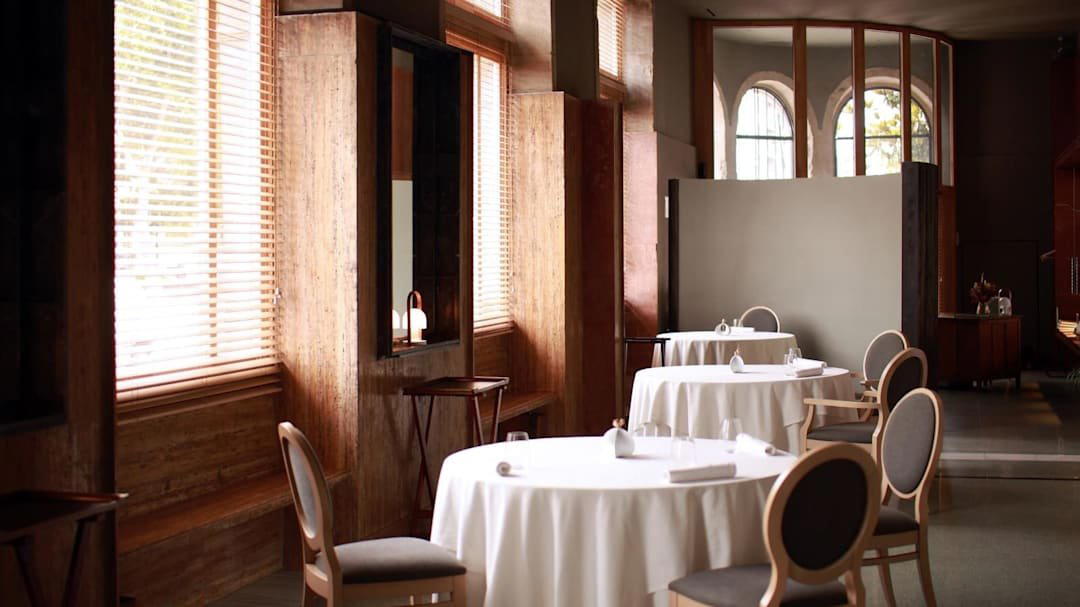
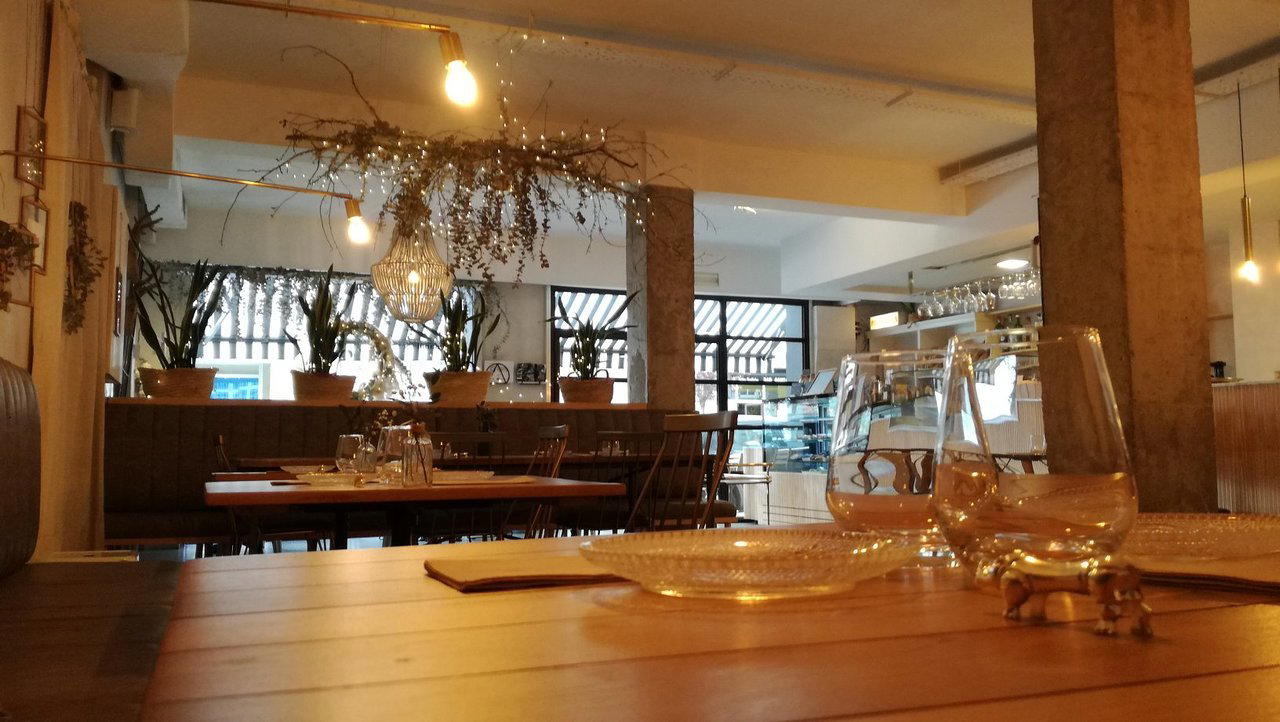
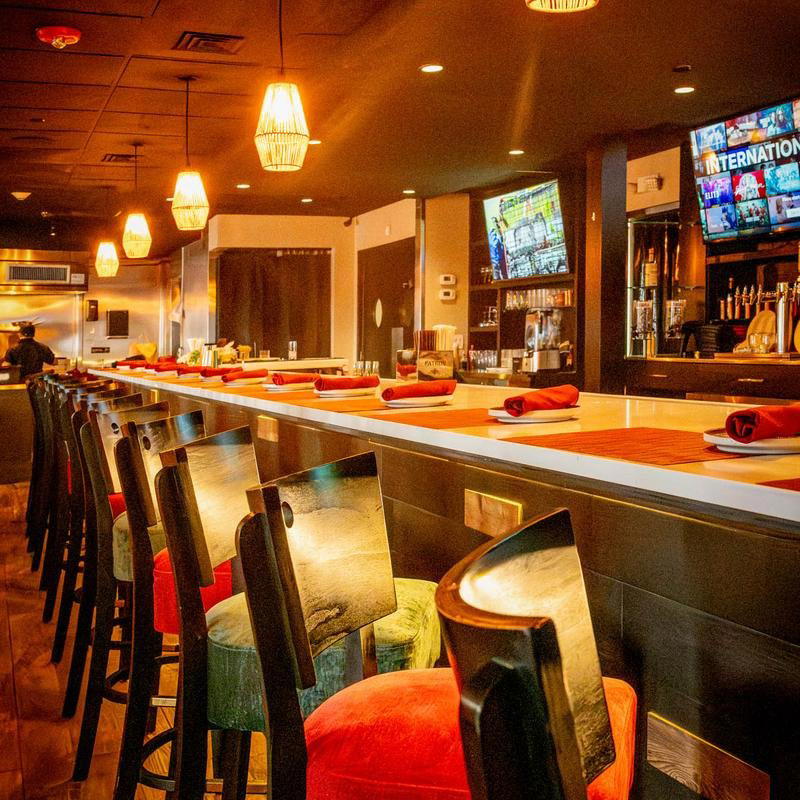

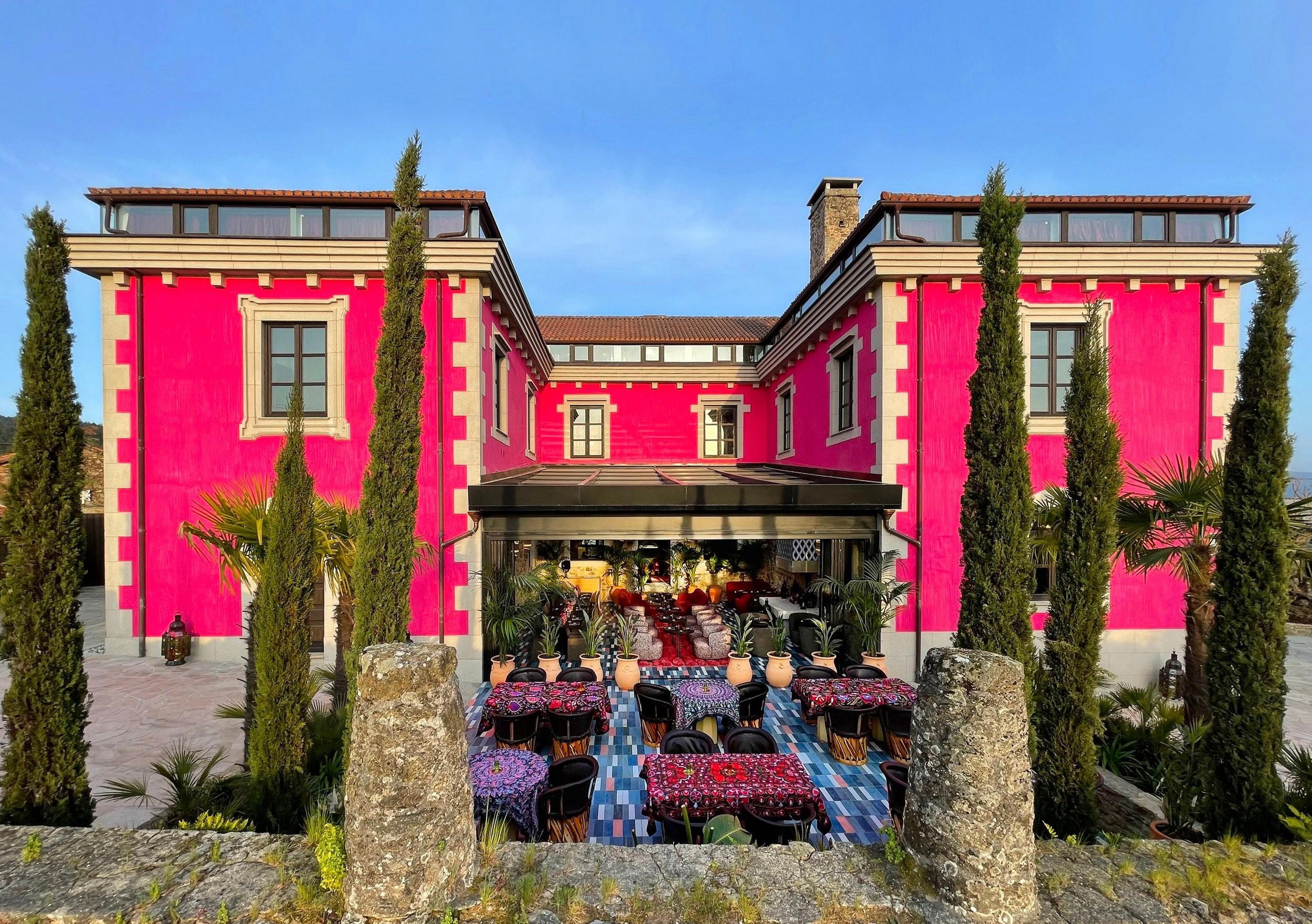

At a Glance
- Cozy
- Rustic
- Classic
- Family
- Group Dining
- Special Occasion
- Standalone
- Local Sourcing
Current opening hours
- Monday
- Closed
- Tuesday
- 10 AM–5 PM
- Wednesday
- 10 AM–5 PM
- Thursday
- 10 AM–5 PM
- Friday
- 10 AM–5 PM, 8:30 PM–12 AM
- Saturday
- 10 AM–5 PM, 8:30 PM–12 AM
- Sunday
- 11 AM–5 PM
Hours can change for holidays and private events. Last verified .
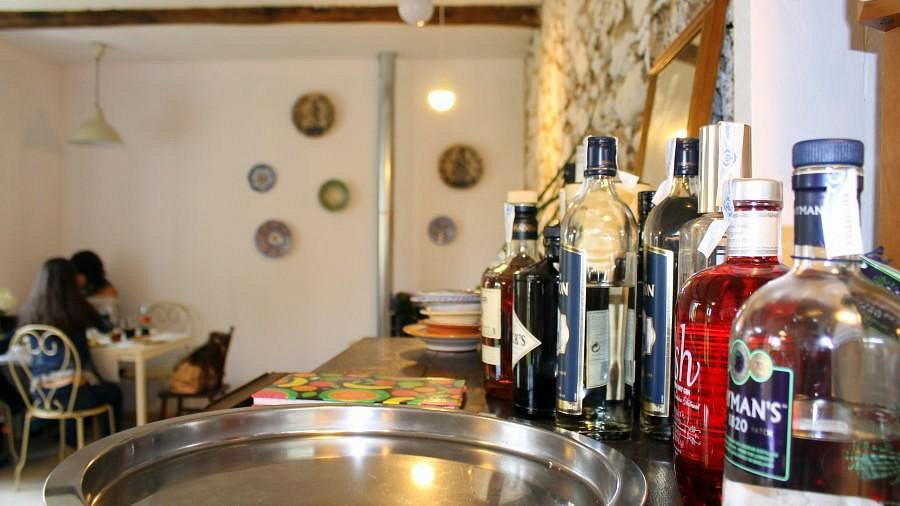
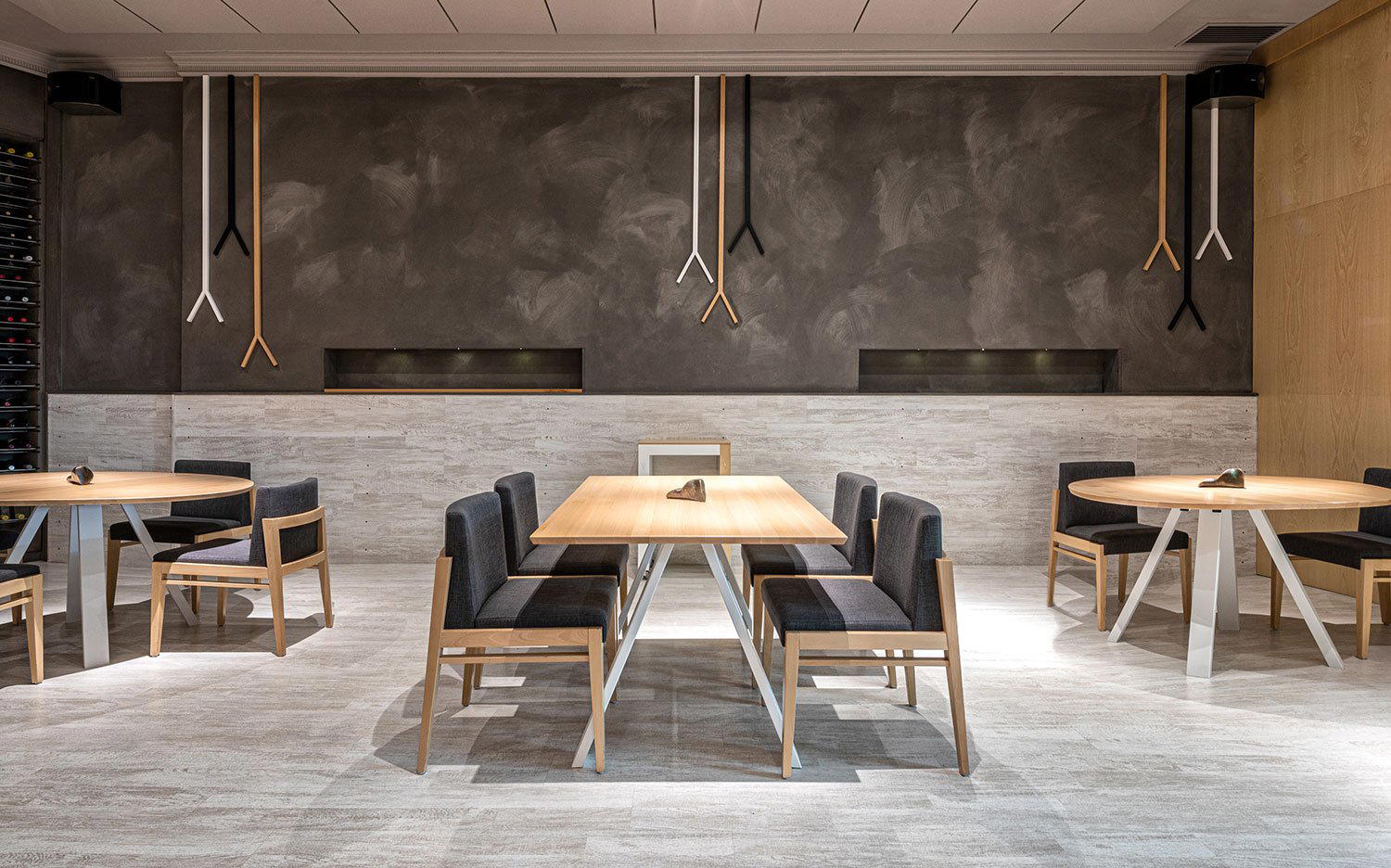
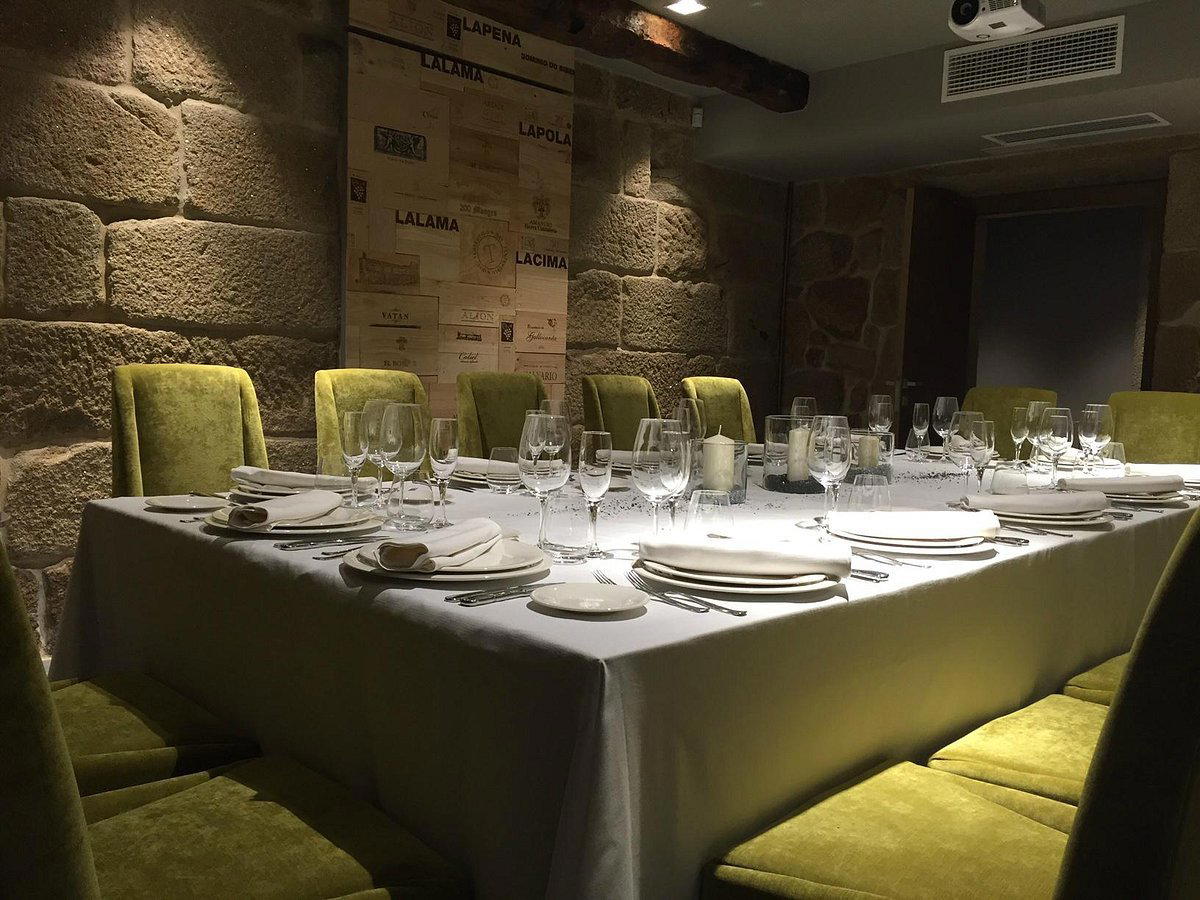
Cozy, warm family atmosphere with friendly personal service.