


Open-kitchen minimalism meets Galicia’s terroir at Nova in Ourense, where Michelin-starred cousins Julio Sotomayor and Daniel Guzmán serve three surprise tasting menus that spotlight Pan de Cea, Ceboleiro chorizo, and Mos chicken alongside rare local wine pairings.
Pearl is the En Primeur Club membership app — saves, bookings, and concierge access live there. Same editors, same standards.
- Address
- Rúa Valle Inclán, 5, 32004 Ourense, Spain
- Phone
- +34 988 21 79 33
- Website
- novarestaurante.com
- Directions
- Get directions
 Saves & bookings on Pearl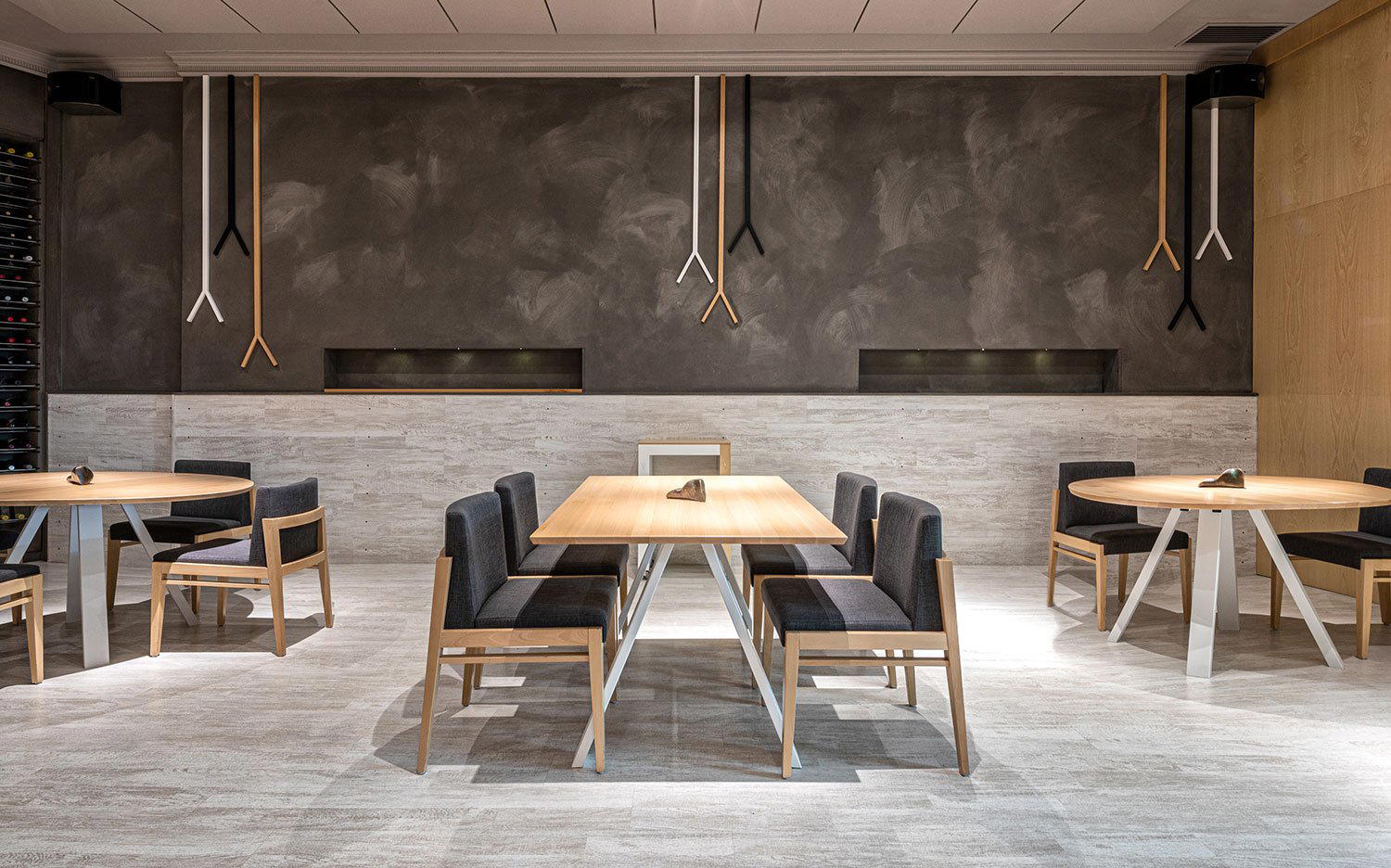
Entering the Room
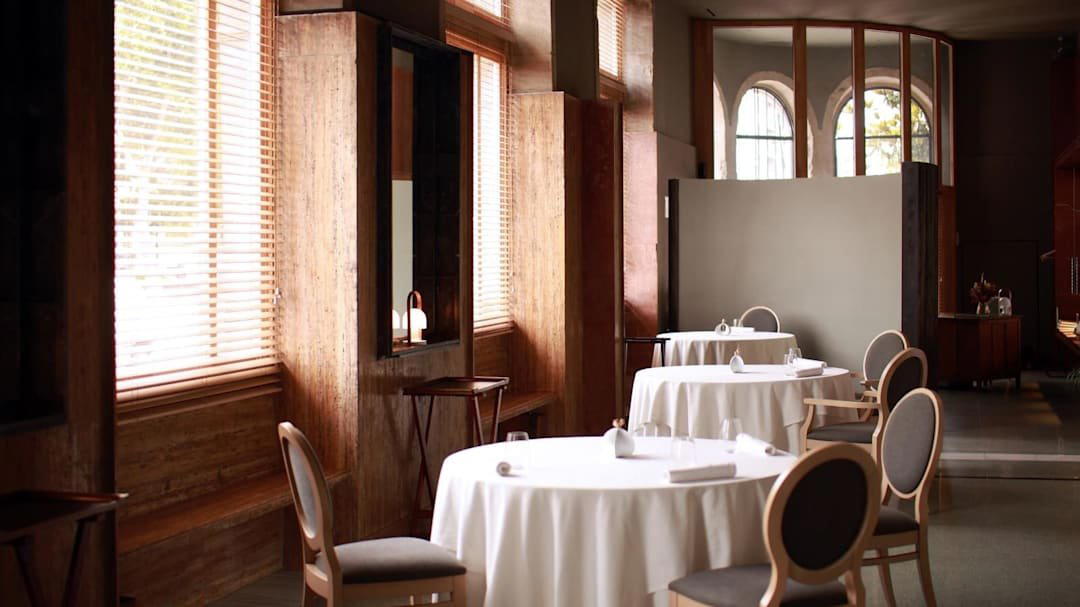
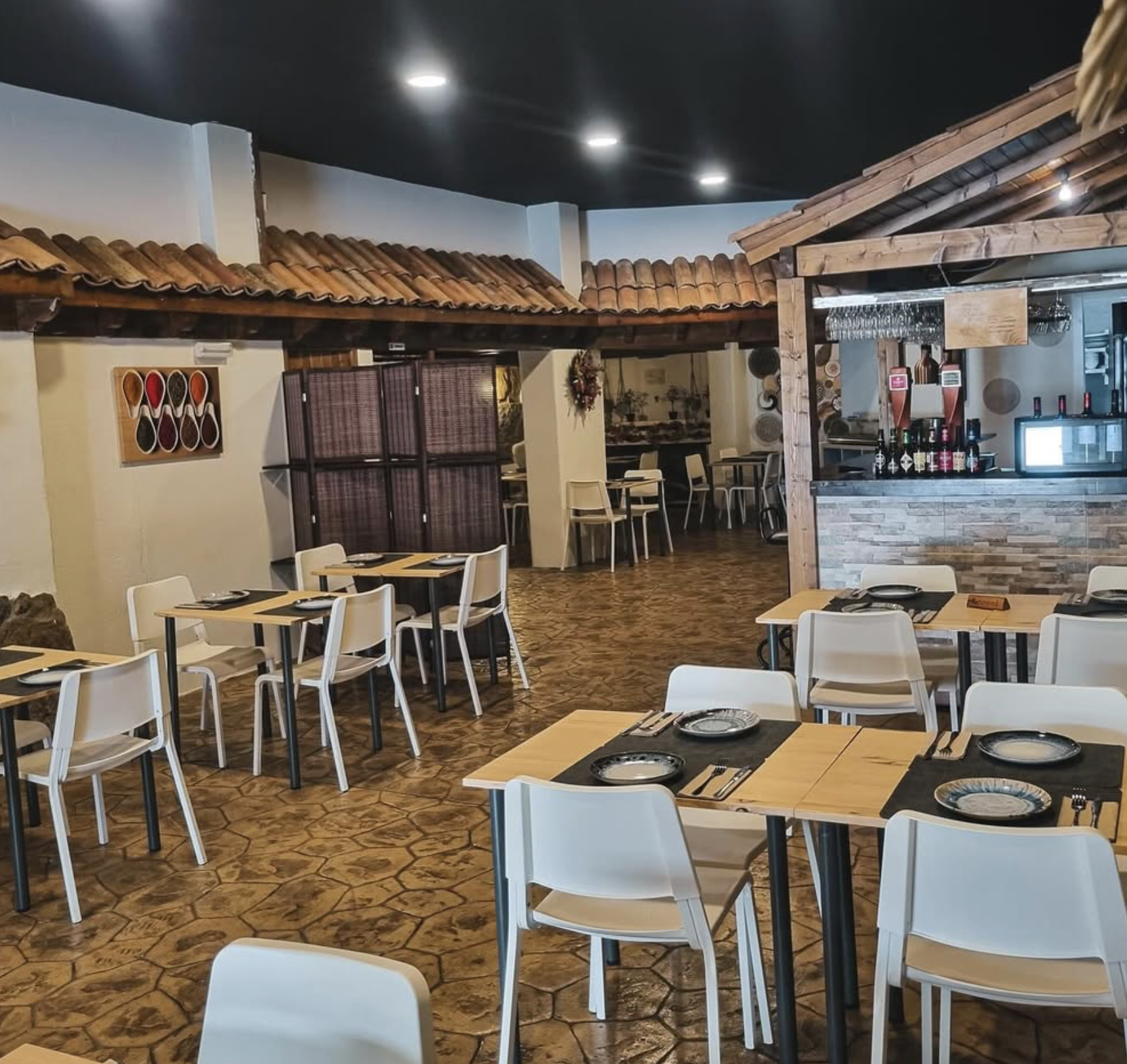
The dining room at Nova on Rúa Valle Inclán tells you what kind of meal you are in for before a single plate arrives. The interior is contemporary-minimalist: clean lines, uncluttered surfaces, and an open-view kitchen that places the cooking in plain sight rather than behind closed doors. In a city whose older restaurants lean toward traditional stone-and-tile interiors, this aesthetic signals a deliberate break. The open kitchen is not decoration; it is a structural argument about transparency between kitchen and table, and it shapes the pacing and mood of the meal from the moment you sit down.
The Logic of the Three Menus
Galicia has long operated on a dual track in its serious restaurants: either the grandstanding of its raw seafood tradition, or the quieter, more introspective work of chefs using local terroir as intellectual material. Nova sits firmly in the second camp, and the architecture of its menu program makes that plain. Every day, chefs Julio Sotomayor and Daniel Guzmán compose three separate surprise tasting menus, named Raíces, Nova, and Cima, running at 8, 10, and 13 courses respectively. The menus rotate according to seasonal product availability, which means the kitchen is not running a static repertoire but recalibrating continuously around what the region is producing at any given moment.
That discipline carries a consequence for the diner: you cannot pre-select dishes, and you cannot repeat a previous visit expecting the same plates. The ritual here is one of surrender, not selection. The decision the guest makes is not what to eat, but how deep to go. Choosing Raíces keeps the meal to eight courses; choosing Cima commits you to thirteen. Each additional tier adds courses without extending the format's core logic, which is a Galician ingredient list treated with contemporary technique. Pan de Cea bread, Ceboleiro chorizo, and the Mos breed of chicken appear as recurring anchors, raw materials that connect the kitchen's modern vocabulary to a regional food culture that predates the current tasting-menu format by generations.
Terroir as Ritual Structure
The tension between innovation and rootedness is not new in Spanish fine dining. Restaurants like Arzak in San Sebastián and El Celler de Can Roca in Girona have spent decades negotiating between regional identity and international culinary language. Further afield, Azurmendi in Larrabetzu frames Basque terroir through an ecological lens, while Aponiente in El Puerto de Santa María has made a case for Andalusian marine ingredients as fine-dining material. At the more technically maximalist end of the Spanish spectrum sit Disfrutar in Barcelona and DiverXO in Madrid, where the idea of terroir itself is challenged or subverted.
Nova does not operate at that level of formal radicalism. Its stated philosophy, which it describes as "deep-rooted cuisine," positions it closer to the Celler or Arzak model: technique in service of origin, not technique for its own sake. The menu names themselves encode this: Raíces means roots, Cima means summit, and Nova sits between them. The naming is not incidental. It maps a progression from the foundational to the ambitious, and it invites the diner to decide their own level of engagement with that arc.
By the standards of Spain's larger fine-dining cities, this approach is legible and disciplined rather than groundbreaking. What gives it weight in context is where it is happening. Ourense is not a city that typically enters conversations about serious contemporary dining in Spain. The Michelin recognition Nova received in 2024 is partly an argument about the restaurant itself and partly a statement about a city and region whose food culture runs deeper than its reputation suggests.
The Wine Program as Second Narrative
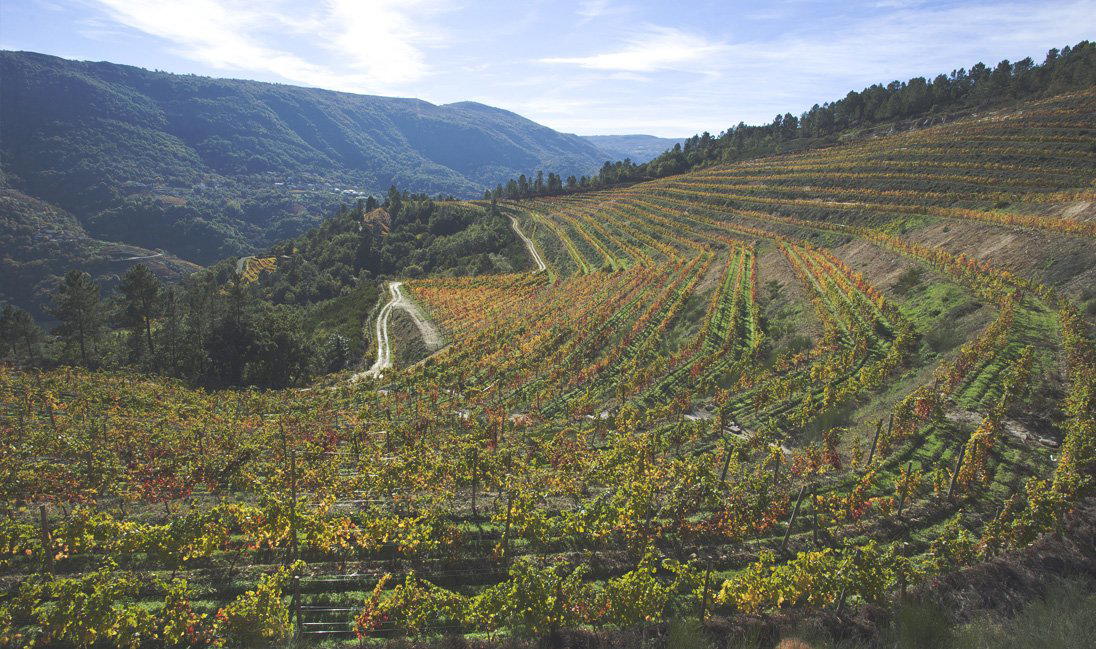
Galicia's wine producers, particularly those working with Albariño in Rías Baixas or the less internationally familiar Godello and Mencía varieties in Ribeira Sacra and Valdeorras, have built a strong case in recent years for serious critical attention. Nova's cellar draws on this local production from small-scale producers, and the kitchen's recommendation to let staff guide wine selection is not pro forma hospitality language. A meal built around rotating seasonal ingredients and surprise courses calls for wine pairing that can track those shifts, and the restaurant's focus on regional producers means that the beverage program is functioning as a second terroir argument running parallel to the food.
This is a meaningful structural choice. In the broader context of Spanish fine dining, wine programs at the top tier often skew toward international or Rioja-heavy lists. A cellar built around small Galician producers is a positioning statement, and one that fits the kitchen's overall logic.
Where Nova Sits in Ourense
Ourense's serious restaurant tier is small but coherent. At the higher price point, Ceibe operates at €€€€ with a Galician focus. At the more accessible end, Pacífico offers modern cuisine at €€. Nova at €€€ sits between them, priced at a level that reflects Michelin-starred positioning without reaching the upper bracket occupied by Ceibe. Miguel González rounds out the local contemporary dining options worth knowing.
For a broader orientation across the city's eating, drinking, and hospitality options, our full Ourense restaurants guide covers the range. Those extending their visit will find useful planning material in our full Ourense hotels guide, our full Ourense bars guide, our full Ourense wineries guide, and our full Ourense experiences guide.
For comparison with contemporary dining programs operating in other global contexts, César in New York City and Jungsik in Seoul offer reference points for how the contemporary format translates across different food cultures. Closer to home in Spain, Quique Dacosta in Dénia and Martin Berasategui in Lasarte-Oria illustrate what the Michelin-starred Spanish contemporary format looks like at higher star counts and larger reputational scale.
Planning the Visit
Nova operates Tuesday through Saturday for lunch, with a narrow service window running from 1:30 PM to 3:00 PM. Thursday through Saturday add an evening service from 9:00 PM to 10:30 PM. Sunday lunch extends to 5:00 PM, making it the most relaxed booking slot for visitors who want room to work through the 13-course Cima menu without time pressure. Monday is closed. The address is Rúa Valle Inclán, 5, 32004 Ourense. Given the tight service windows and the restaurant's Michelin 1 Star status since 2024, booking ahead is essential, particularly for weekend dinner slots.
Cuisine and Recognition
| Venue | Cuisine | Price | Awards |
|---|---|---|---|
| NovaThis venue — the venue you are viewing | Contemporary | €€€ | Michelin 1 Star |
| Ceibe | Galician | €€€€ | Michelin 1 Star |
| Pacífico | Modern Cuisine | Not listed | Modern Cuisine, €€ |
Recognition history
Dated appearances from independent guides and award organizations, with the underlying list record or original source where available.
Guía Repsol 1 Sol
Guía Repsol
Macarfi 8.8 Food Rating
Macarfi
Michelin 1 Star
Michelin
Michelin 1 Star
Michelin
Michelin 1 Star
Michelin
Continue exploring
More in Ourense
Restaurants in Ourense
Browse all →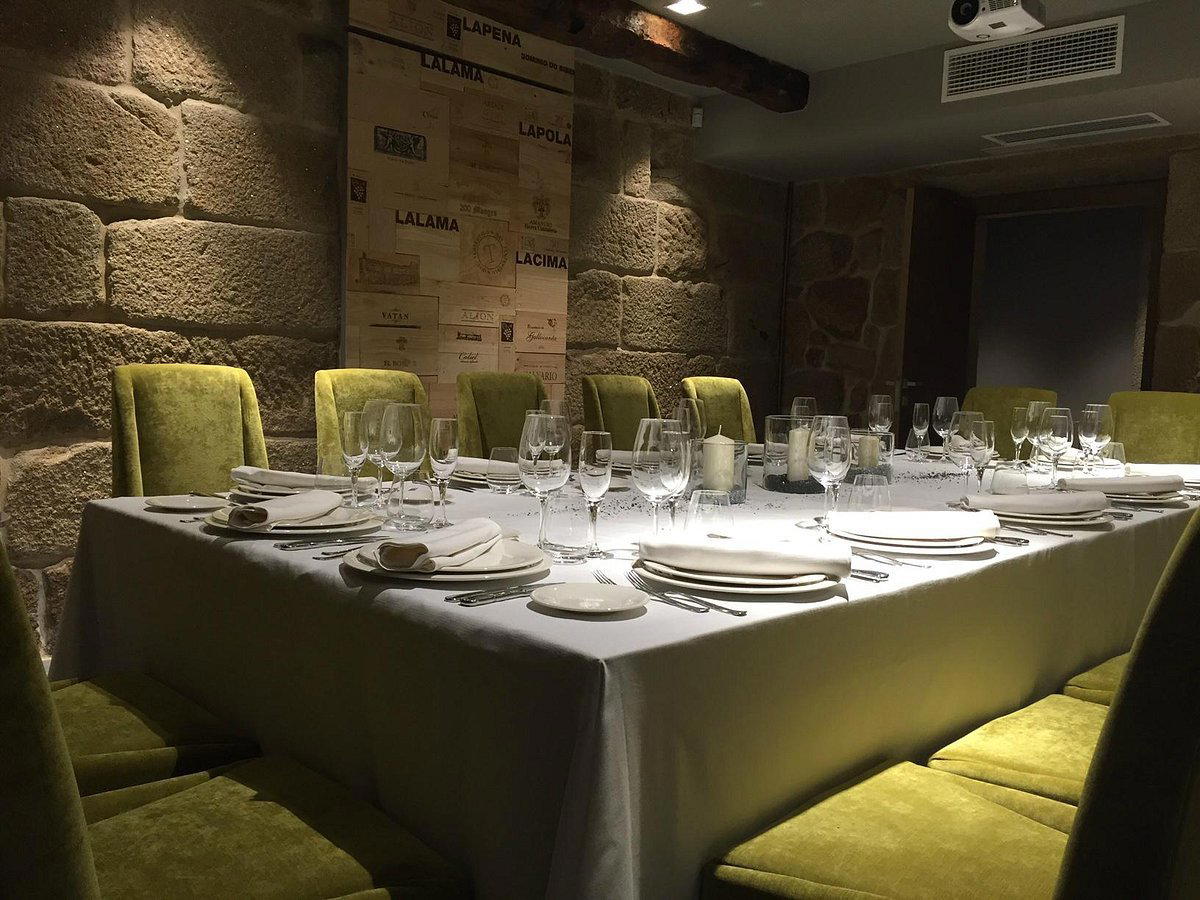

At a Glance
- Modern
- Minimalist
- Trendy
- Elegant
- Intimate
- Date Night
- Special Occasion
- Celebration
- Open Kitchen
- Extensive Wine List
- Local Sourcing
Current opening hours
- Monday
- Closed
- Tuesday
- 1:30–3 PM
- Wednesday
- 1:30–3 PM
- Thursday
- 1:30–3 PM, 9–10:30 PM
- Friday
- 1:30–3 PM, 9–10:30 PM
- Saturday
- 1:30–3 PM, 9–10:30 PM
- Sunday
- 1:30–3 PM
Hours can change for holidays and private events. Last verified .
Sleek minimalist decor with open kitchen, pleasant and cozy atmosphere, good lighting and table separation, professional yet relaxed vibe.
Know Before You Go
- Getting there
- Rúa Valle Inclán, 5, 32004 Ourense, Spain