
El Bulli in Roses, Catalonia held the number-one position on the World's 50 Best Restaurants list for five separate years between 2002 and 2009, making it the defining reference point of Spain's avant-garde cooking era. Under Ferran Adrià, the restaurant reshaped what a tasting menu could mean. It closed in 2011 and now operates as the ElBulli Foundation, but its influence on the Roses region and on Spanish fine dining remains measurable.
Pearl is the En Primeur Club membership app — saves, bookings, and concierge access live there. Same editors, same standards.
- Address
- Rúa Manuel Pereira, 4, 32003 Ourense, Spain
- Phone
- +34 691 56 62 49
- Website
- restaurantlapelosa.com
- Directions
- Get directions
 Saves & bookings on Pearl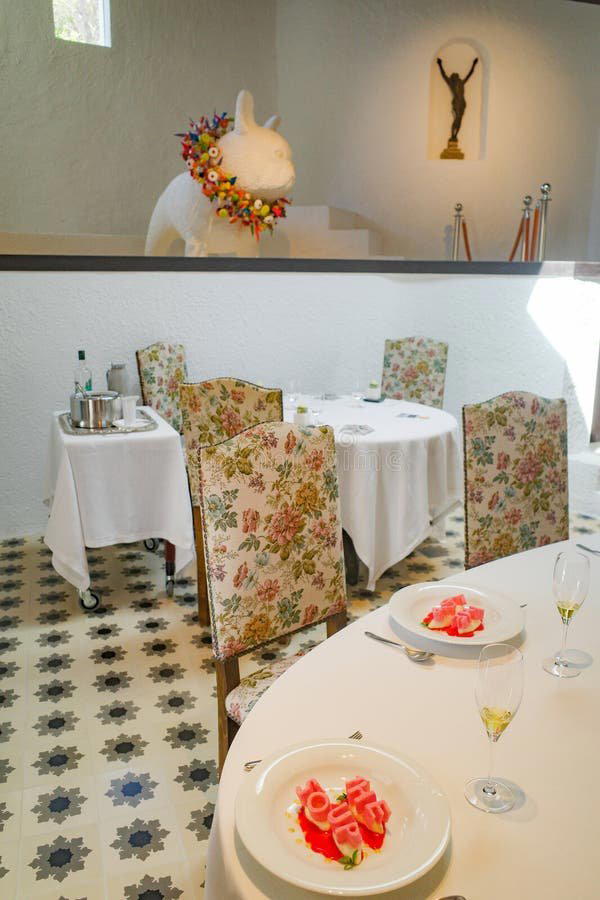
The Cala Montjoi Setting and What It Meant
To reach El Bulli during its operating years, diners drove a narrow coastal road out of Roses along the Cap de Creus peninsula, the headland that forms the easternmost point of the Iberian landmass. The restaurant sat in a small cove called Cala Montjoi, backed by cork oak scrub and facing the Mediterranean. The physical remove was deliberate. Arriving there required a decision — it was not somewhere you stumbled upon. That geographic isolation shaped the entire logic of the experience: you had committed before you sat down, and the meal was understood as a destination in itself rather than one stop in an evening.
The Costa Brava has always occupied an interesting position in Spanish culinary geography. It sits far enough from Barcelona to have its own identity, close enough to benefit from the city's media and critical infrastructure. The surrounding area offers excellent local seafood — the waters around the Gulf of Roses have historically been among the more productive in the western Mediterranean, and the Empordà region inland has a distinct tradition of Catalan cooking that blends mountain and coastal ingredients. El Bulli drew from that geography while departing radically from its cooking conventions.
Where El Bulli Sits in Spanish Fine Dining
Spain's position in global fine dining shifted fundamentally during the late 1990s and 2000s. Before that period, the international conversation about serious cooking was largely anchored in France. What happened in the Basque Country first, and then more dramatically on the Catalan coast, was a reorientation of that conversation. Restaurants like Arzak in San Sebastián had already demonstrated that Spanish kitchens could operate at the top of the critical hierarchy. El Bulli, from its unlikely location in a Roses cove, pushed that further by winning the World's 50 Best Restaurants number-one ranking in 2002, 2006, 2007, 2008, and 2009, and holding the number-two position in 2003, 2005, and 2010.
That record has no direct equivalent in the award's history. The consistency over nearly a decade, across a period when the list itself was becoming the primary global benchmark for fine dining, placed El Bulli in a category that most Spanish restaurants, however decorated, can only reference rather than match. El Celler de Can Roca in Girona, just 60 kilometres south, would go on to claim the leading position multiple times after El Bulli's closure, partly inheriting the mantle of Catalan fine dining at the highest international level. DiverXO in Madrid and Azurmendi in Larrabetzu represent the generation that absorbed El Bulli's influence and rebuilt it into their own distinct formats. Martin Berasategui in Lasarte-Oria and Quique Dacosta in Dénia each demonstrate how the technical ambition El Bulli articulated travelled across different regional traditions within Spain.
The Format: Beyond Tapas Logic, Rooted in It
The editorial angle assigned to El Bulli, tapas culture and the small-plates tradition, requires some honest calibration. El Bulli's tasting format was not tapas in any conventional sense. It did not operate on the principles of sharing, informality, or the sequential grazing that defines Spanish small-plates culture from San Sebastián's pintxos bars to Andalucían taverns. But it was, in a structural sense, built from the same underlying logic: many small compositions delivered in succession, each complete in itself, each requiring the diner to engage actively rather than passively receive a plate.
What Spain's small-plates tradition does, at its finest, is distribute attention across many moments rather than concentrating it in a single main course. A well-run tapas sequence, whether at a counter in Seville or across the white-tablecloth version at Aponiente in El Puerto de Santa María, teaches the diner to reset expectations with each piece. El Bulli extended that reset into something more extreme: courses of a single bite, sequences of thirty or more dishes, each demanding a clean palate and no inherited frame from the previous course. Ferran Adrià's cooking used the structural grammar of the small-plates tradition while rejecting its social informality.
That distinction matters for understanding El Bulli's legacy in the Roses area specifically. The restaurants that operate in the region today, including Rafa with its seafood small plates format, ROM anchoring traditional Catalan cuisine, and Sumac with its farm-to-table approach, all exist in a dining culture that El Bulli's presence shaped over two decades. The influence is not always technical or direct. It is more atmospheric: Roses and the surrounding Costa Brava became a place that serious diners had reasons to visit, and that reputation created the conditions for other kitchens to operate at higher ambition levels than a small coastal town might otherwise support.
The Closure and What Followed
El Bulli closed as a restaurant in July 2011, a decision announced in 2010 that generated substantial international commentary. The site subsequently became the ElBulli Foundation, a creative laboratory and archive project. The physical building at Cala Montjoi entered a long renovation process with the intention of reopening as an experiential museum and documentation centre for the cooking that happened there.
The closure did not diminish El Bulli's presence in Spain's culinary conversation. If anything, it clarified the restaurant's historical position. Kitchens that were still operating, Cocina Hermanos Torres in Barcelona among them, could be assessed in part by their relationship to the methods and conceptual territory El Bulli had defined. The techniques developed there, from spherification to textural manipulation of ingredients, became part of the training vocabulary for a generation of Spanish cooks who now run kitchens across the country and internationally.
Visiting Roses in Context
For readers using Roses as a dining base, the town sits on the northern arc of the Gulf of Roses, approximately 50 kilometres north-east of Girona and roughly two and a half hours by road from Barcelona. The season runs strongly from June through September, with the summer months bringing the highest concentration of visitors to the Costa Brava coast. Autumn offers a more practical visit window for serious dining: lower occupancy, local seafood from the autumn fishing calendar, and more accessible reservations at the region's better restaurants.
The restaurant options available in Roses today cover a clear spread of price points and approaches. Rafa's seafood small-plates format addresses the fresh catch directly. ROM takes a more conservative line with traditional Catalan cuisine. Sumac operates at the higher end of the local market with its farm-to-table positioning. None of these are El Bulli in any literal sense, but all of them reflect a town that came to understand itself, at least in part, through the restaurant that put it on the international map. For a fuller picture of what the area offers across dining, accommodation, and activities, see our full Roses restaurants guide, our full Roses hotels guide, our full Roses bars guide, our full Roses wineries guide, and our full Roses experiences guide.
For Spanish cuisine at the highest technical register in different regions, El Mas Restaurant in Torrent and Fontenille Menorca – Torre Vella offer contrasting approaches to traditional and contemporary Spanish cooking in nearby coastal settings.
Fast Comparison
| Venue | Cuisine | Price | Awards |
|---|---|---|---|
| El BulliThis venue — the venue you are viewing | Spanish Cuisine | World's 50 Best Best Restaurants #2 (2010); World's 50 Best Best Restaurants #1 (2009); World's 50 Best Best Restaurants #1 (2008); World's 50 Best Best Restaurants #1 (2007); World's 50 Best Best Restaurants #1 (2006); World's 50 Best Best Restaurants #2 (2005); World's 50 Best Best Restaurants #3 (2004); World's 50 Best Best Restaurants #2 (2003); World's 50 Best Best Restaurants #1 (2002) | This venue |
| Rafa | Seafood Small Plates | Seafood Small Plates | Not listed |
| ROM | Traditional Cuisine | €€ | Traditional Cuisine, €€ |
| Sumac | Farm to table | €€€ | Farm to table, €€€ |
Recognition history
Dated appearances from independent guides and award organizations, with the underlying list record or original source where available.
World's 50 Best Best Restaurants #2
World's 50 Best
World's 50 Best Best Restaurants #1
World's 50 Best
World's 50 Best Best Restaurants #1
World's 50 Best
World's 50 Best Best Restaurants #1
World's 50 Best
World's 50 Best Best Restaurants #1
World's 50 Best
World's 50 Best Best Restaurants #2
World's 50 Best
World's 50 Best Best Restaurants #3
World's 50 Best
World's 50 Best Best Restaurants #2
World's 50 Best
World's 50 Best Best Restaurants #1
World's 50 Best
Continue exploring
More in Roses
Restaurants in Roses
Browse all →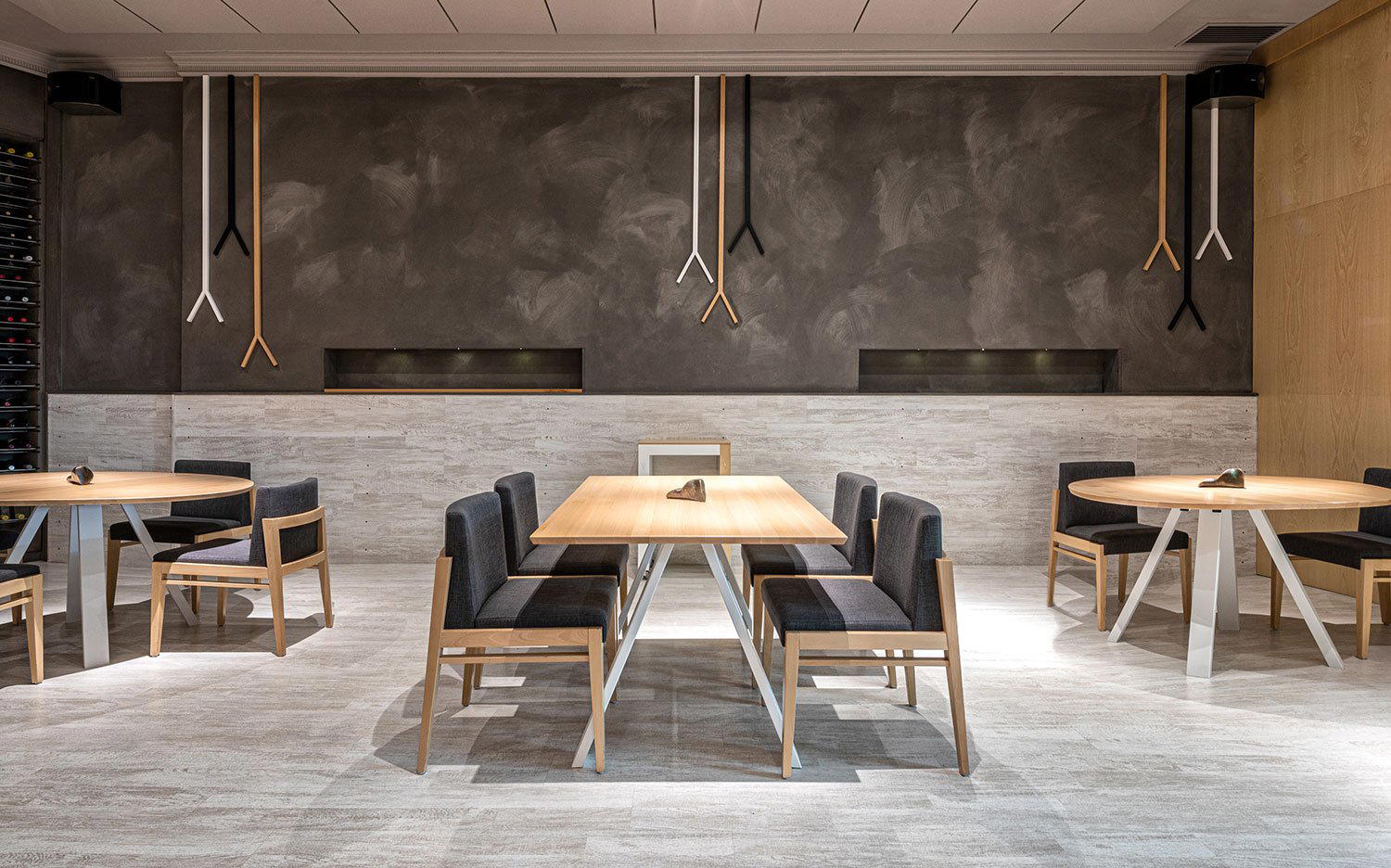

At a Glance
- Well Known
- Sophisticated
- Whimsical
- Elegant
- Special Occasion
- Standalone
- Waterfront
Current opening hours
- Monday
- 7 AM–11 PM
- Tuesday
- 7 AM–11 PM
- Wednesday
- 7 AM–11 PM
- Thursday
- 7 AM–11 PM
- Friday
- 7 AM–11 PM
- Saturday
- 7 AM–11 PM
- Sunday
- Open 24 hours
Hours can change for holidays and private events. Last verified .
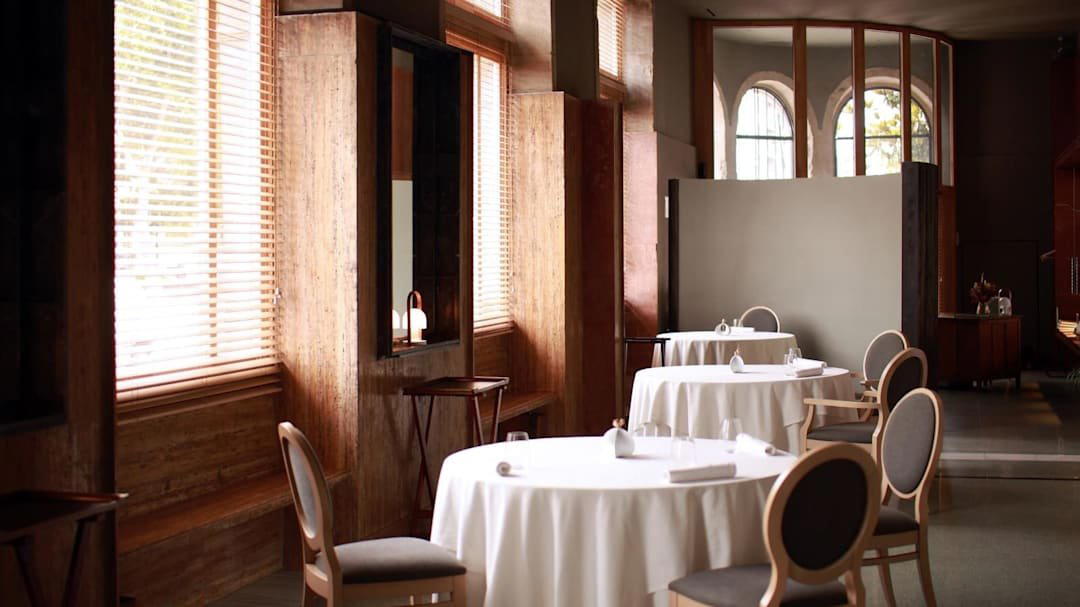
Intimate seaside setting with a focus on conceptual, avant-garde dining experience in a historic, transformed beach bar atmosphere.
Know Before You Go
- Getting there
- Rúa Manuel Pereira, 4, 32003 Ourense, Spain