Astier on Rue Jean-Pierre Timbaud is a fixture of the 11th arrondissement's unpretentious bistro tradition, where the cooking sits closer to the terroir than the trophy shelf. The room is direct, the wine list is long, and the food lands somewhere between grandmother's kitchen and a trained cook who has thought carefully about why those two things need not be separate.
Pearl is the En Primeur Club membership app — saves, bookings, and concierge access live there. Same editors, same standards.
- Address
- 44 Rue Jean-Pierre Timbaud, 75011 Paris, France
- Phone
- +33143571635
- Website
- restaurant-astier.com
- Directions
- Get directions
 Saves & bookings on Pearl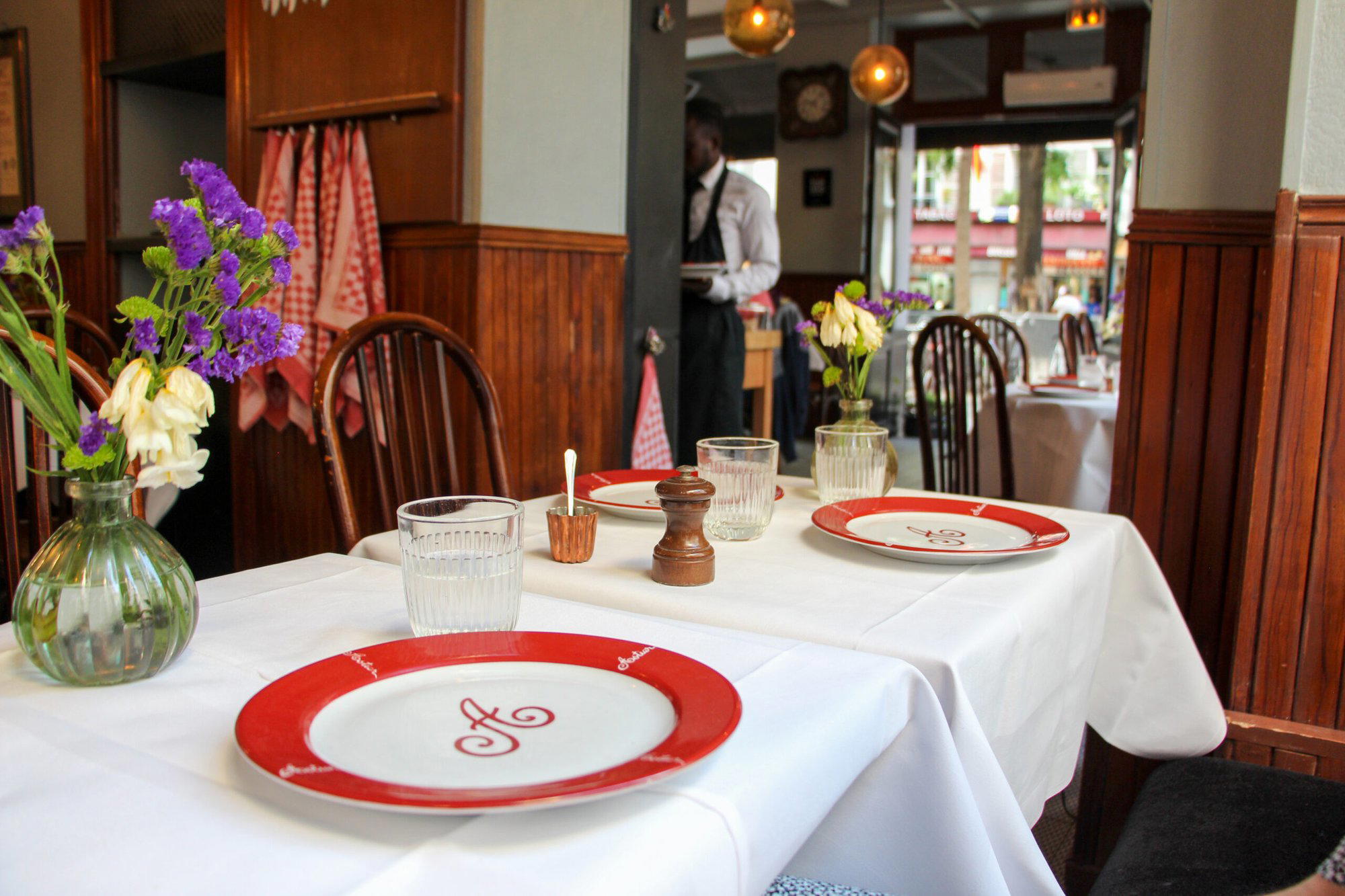
The 11th Arrondissement and the Bistro That Refuses to Perform
Paris's 11th arrondissement has, over the past two decades, become one of the city's more contested dining territories. The neighbourhood that runs east from République toward Oberkampf and Parmentier has attracted a generation of cooks who came up through formal French kitchens and then deliberately chose to work outside them, trading the white tablecloth for zinc counters and trading the amuse-bouche trolley for a slate of three or four serious choices per course. Astier is a classic French bistro at 44 Rue Jean-Pierre Timbaud in Paris's 11th arrondissement, with.
Where much of contemporary Paris dining has converged on either the grand institution tier, the Alléno Paris au Pavillon Ledoyen end of the spectrum, or the L'Ambroisie approach of austere classicism in a Place des Vosges townhouse, or the self-consciously modern bistronomy format, Astier occupies older and less fashionable ground: the neighbourhood restaurant that serves food worth crossing a city for, without making the crossing feel like a statement.
Local Ingredients Read Through a Trained Kitchen
The editorial angle that leading situates Astier is not the romantic one about timeless French cooking. It is something more specific: the intersection of regional French produce and the classical technique that French culinary education has transmitted, with varying degrees of rigidity, across generations of cooks. This is where the French bistro tradition at its most considered operates, not in opposition to formal technique, but as an application of it at a lower register.
That register matters. France's culinary geography means that a kitchen in the 11th arrondissement has access to a supply chain that few cities outside France can replicate: seasonal vegetables from the Loire and Île-de-France, poultry from Bresse, offal and cuts that the French have never stopped eating even as other European cuisines retreated from them. The cooking tradition that Astier belongs to is one where those ingredients are treated as the argument, and technique is the means of making that argument clearly. Contrast this with the approach at three-star destinations like Arpège or Kei, where technique is itself partly the subject.
This distinction places Astier in a comparable set defined less by price tier than by culinary philosophy. The same logic underpins enduring regional French houses elsewhere in the country, the accumulated tradition visible in places like Auberge de l'Ill in Alsace or the committed regionalism of Bras in the Aveyron, though at Astier the expression is compressed into a Parisian neighbourhood format rather than a destination dining experience.
The Room Itself
Walking into Astier, what registers first is the absence of effort to impress. The dining room is dense with tables, the walls are the colour of things that have been repainted without great deliberation, and the wine bottles serve a structural as much as decorative function. This is not a designed space in the contemporary hospitality sense; it is a room where eating is the event and the environment is simply calibrated not to get in the way of that.
That calibration is itself a form of editorial confidence. Paris has many rooms that have invested heavily in communicating seriousness through materiality: the Le Cinq at the Four Seasons George V being one obvious example of that commitment carried through to its logical extreme. Astier's approach runs in the other direction, which in the 11th arrondissement reads as entirely coherent rather than defiant.
Wine as the Secondary Argument
Astier's wine list is an important part of its reputation and worth treating separately from the food. The cellar is known for depth in French appellations across all regions, with a breadth that is unusual for a room at this price point. The list makes the case that serious wine selection is not the exclusive property of grand restaurants. It is a position that aligns Astier with a broader French dining tradition where the sommelier's craft is embedded even in neighbourhood formats, a tradition that produces a different kind of drinking culture than the one visible in, say, the prestige-Burgundy-focused lists at destination houses like Flocons de Sel in Megève or Les Prés d'Eugénie in the Landes.
For a comparable neighbourhood-level wine seriousness in a different national context, the closest reference points are not other French bistros but format-committed restaurants elsewhere that treat wine as an equal pillar alongside food, places like Lazy Bear in San Francisco, where the beverage program is structurally as considered as the kitchen's output.
Positioning Astier Within Paris's Broader Restaurant Conversation
Paris's full restaurant range, from three-star institutions to natural wine caves and contemporary neo-bistros, can be mapped with reasonable precision by price tier, neighbourhood, and culinary generation. Astier occupies the traditional bistro tier in a neighbourhood that has also been colonised by a younger generation of more experimental openings. The address predates the neighbourhood's current reputation and in some ways helped create the conditions for it.
In the wider French dining conversation, the lineage that runs from the grande cuisine codified at places like Paul Bocuse through the nouvelle cuisine generation at Troisgros and Georges Blanc, and into the regional specialists like Auberge du Vieux Puits and La Table du Castellet, Astier belongs to the Paris bistro strand that takes the classical inheritance seriously without seeking to extend or interrogate it. And there is a meaningful argument that this position is harder to maintain than either innovation or preservation at the three-star level, because it operates without the institutional gravity that protects those other tiers.
Planning Your Visit
| Venue | Tier | Neighbourhood | Booking Lead Time | Format |
|---|---|---|---|---|
| Astier | Neighbourhood bistro | 11th arrondissement | Days to weeks | À la carte / set menu |
| Kei | Gastronomic (€€€€) | 1st arrondissement | Weeks to months | Tasting menu |
| L'Ambroisie | Grand institution (€€€€) | 4th arrondissement | Months | À la carte |
| Le Cinq | Hotel gastronomic (€€€€) | 8th arrondissement | Weeks to months | Tasting menu / à la carte |
For reference points on how French cooking at the internationally recognised level handles the same tension between technique and terroir that Astier approaches from the neighbourhood end, Mirazur in Menton and Le Bernardin in New York offer contrasting models of how classical French technique is applied to a specific product identity.
Recognition, Side-by-Side
Comparable venues nearby, for context on price, style, and recognition.
| Venue | Cuisine | Price | Notes |
|---|---|---|---|
| AstierThis venue — the venue you are viewing | Classic French Bistro | $$ | Not listed |
| Canard et Champagne | Classic French Duck & Champagne Bistro | $$ | 2nd arrondissement |
| Maison Perchée | French Bistro with Mediterranean Touches | $$ | 5e arrondissement |
| Bel Ami Café | French Bistro | $$ | Saint-Germain-des-Prés |
| Le Soufflé | Classic French Soufflé Specialist | $$ | Louvre/Palais-Royal |
| Season Marais | Modern Healthy French Café | $$ | Le Marais |
Continue exploring
More in Paris
Restaurants in Paris
Browse all →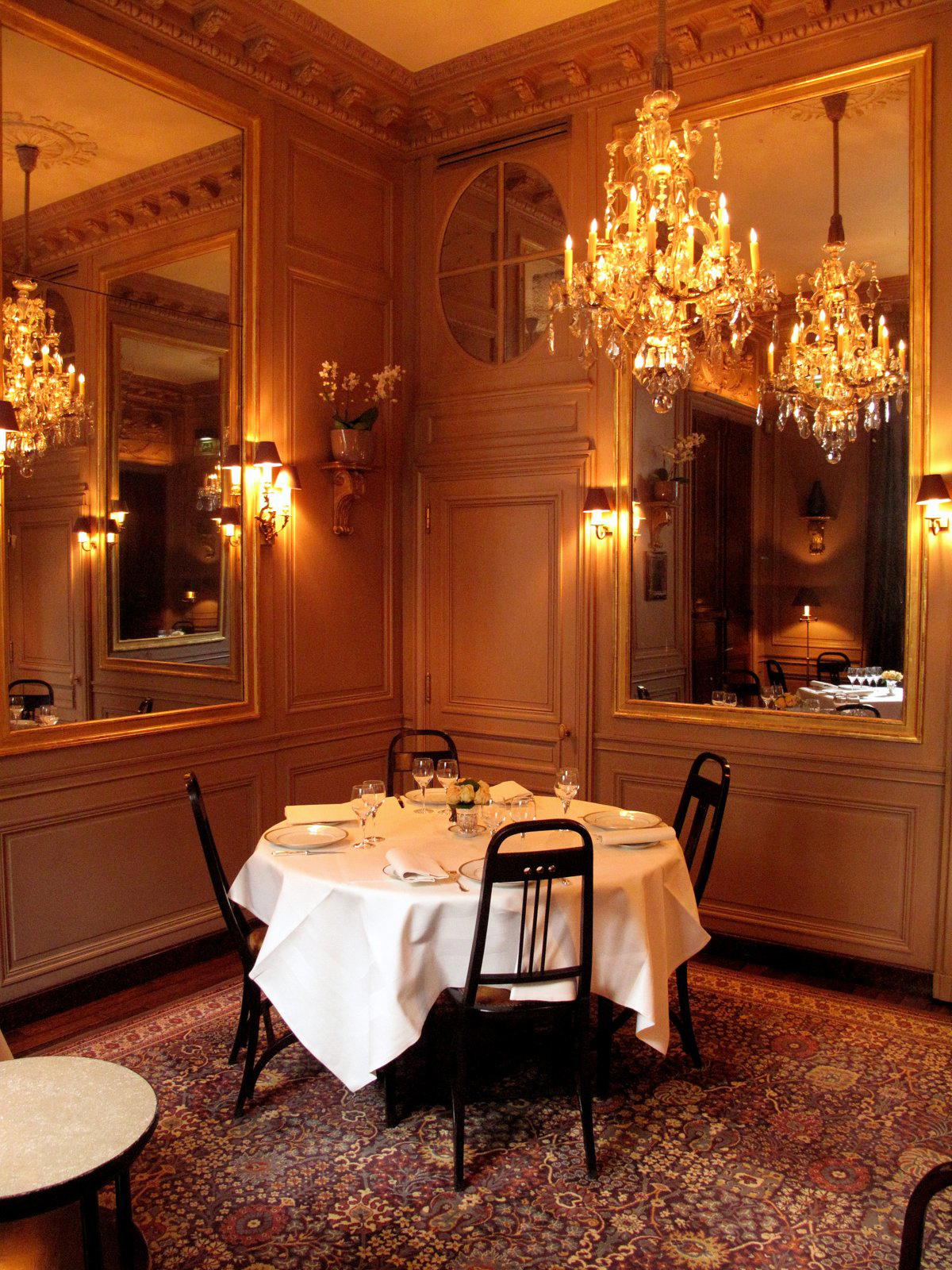
Bars in Paris
Browse all →
Hotels in Paris
Browse all →
Wineries in Paris
Browse all →
At a Glance
- Classic
- Cozy
- Elegant
- Date Night
- Special Occasion
- Historic Building
- Extensive Wine List
Current opening hours
- Monday
- 12:30–2:15 PM, 7–9:30 PM
- Tuesday
- 12:30–2:15 PM, 7–9:30 PM
- Wednesday
- 12:30–2:15 PM, 7–9:30 PM
- Thursday
- 12:30–2:15 PM, 7–9:30 PM
- Friday
- 12:30–2:15 PM, 7–10:30 PM
- Saturday
- 12:30–2:15 PM, 7–10:30 PM
- Sunday
- 12:30–2:15 PM, 7–9:30 PM
Hours can change for holidays and private events. Last verified .
Charming old-school Parisian bistro with leather banquettes, gingham napkins, authentic decor, and tableside service in copper pots.