

Michelin Plate · Gambero Rosso 2 Forchette
Our verdict
Mi Shang Prada Rong Zhai brings Prada’s first standalone food-and-beverage address into Shanghai’s Jing’an district, inside the cultural orbit of Rong Zhai rather than a conventional restaurant row. Its Gambero Rosso two-fork designation places it in an Italian dining conversation shaped by design, service format and brand-led hospitality as much as by the plate.

Pearl is the En Primeur Club membership app, where members save venues, book tables and use the concierge.
The menu
What to order
- Tagliatelle with miso
- Risotto with black vinegar
- Anchovies with pu‑erh tea
- Ravioli with Chinese ingredients
- Vitello tonnato
- Duck breast with citrus
Shanghai carries a particular urban tension: heritage architecture, luxury retail gravity and a dining public fluent in both local ceremony and imported signals. Mi Shang Prada Rong Zhai enters that setting with an unusual premise, not as a dining room announced through biography, but as a brand-adjacent hospitality address whose identity is inseparable from design and presentation. In a city where international names often express hospitality through cafés, pop-ups or hotel partnerships, the format matters. It turns the meal into a study of cultural translation: polished dining codes placed inside Shanghai’s appetite for design, discretion and status-aware entertaining.
Restaurant culture filtered through Shanghai design codes
Shanghai has long treated dining rooms as social architecture. The question is rarely only what is served; it is who the room suits, how the table reads, and whether the setting can carry business, leisure and cultural signalling without collapsing into spectacle. Mi Shang Prada Rong Zhai sits directly inside that conversation. The Prada connection gives the project a built-in design vocabulary, while its public profile places it among dining rooms discussed as much for atmosphere and authorship as for the meal itself.
That distinction is useful. Some restaurant recognition systems speak in the language of cuisine, technique and service; other public signals come from design, brand context and the way a room is used. In Shanghai, where premium dining can swing between hotel formality and lifestyle-driven concept rooms, this puts the address in a narrower category: luxury-house hospitality that is best understood beyond simple retail adjacency.
The cultural roots here are not only imported. The setting is Shanghai, and Shanghai changes the meaning of international dining traditions. Polished service, considered meals and fashion-house aesthetics meet a city accustomed to banquet etiquette, private-room culture and destination dining as a social signal. The result is less about a narrowly defined regional script than about hospitality that travels well: design-conscious, comfortable with ceremony, and suited to guests who read the room as closely as the menu.
Why the format matters in Shanghai's premium dining circuit
Shanghai’s dining map is unusually broad for China: formal rooms built for negotiation, hotel-tower dining, regional Chinese kitchens carrying family and business rituals, and international concepts that use architecture as part of the meal. Readers mapping that spread can compare the city’s other formats through our full Shanghai restaurants guide, with hotel context in our full Shanghai hotels guide, late-evening drinking routes in our full Shanghai bars guide, wine-focused planning via our full Shanghai wineries guide, and cultural programming through our full Shanghai experiences guide.
Within that wider city pattern, Mi Shang Prada Rong Zhai is interesting because it does not need to rely on the usual Shanghai restaurant grammar of chef celebrity, tower views or banquet scale. Its strongest public signals are format, design authorship and the way the venue frames dining as part of a broader cultural encounter. That combination makes it more relevant to travellers studying how luxury brands enter hospitality than to diners looking only for a conventional checklist.
The surrounding Shanghai field shows how specific that position is. Other dining rooms in the city are often easier to decode by category: formal Chinese rooms, hotel restaurants, tasting-menu formats or cocktail-led destinations. Those categories tend to announce themselves through cuisine first and room second. A fashion-house restaurant reverses that order. The room, brand authorship and cultural placement are part of the core proposition.
How to read the table before choosing the occasion
The address suits a Shanghai itinerary built around design literacy, fashion culture and polished dining rather than a narrow search for one regional cooking tradition. Its value lies in seeing how a luxury-house sensibility operates inside Shanghai, a city where heritage fabric and commercial modernity often sit close together. For a traveller, that makes the meal more revealing when paired with galleries, retail architecture or a considered hotel stay, rather than treated as a detached dinner stop.
Across China and abroad, dining identities can be rooted in very different forms of place memory: regional kitchens, family-style rituals, hotel dining, bar-led formats and international concepts all create different relationships between setting and plate. Mi Shang Prada Rong Zhai belongs to that broader global movement, but with Shanghai’s appetite for polished social space giving it sharper local meaning.
The critical read is simple: come for a branded dining expression in a culturally loaded Shanghai setting, not for a rustic script or a chef-biography narrative. The Prada context explains why the room carries significance beyond the menu, while the venue’s Shanghai setting gives that gesture its local charge. In Shanghai, that combination is the story.
Frequently asked questions
Is Mi Shang Prada Rong Zhai a family-friendly restaurant?
It can work for families who are comfortable in a polished dining room, but the setting in Shanghai reads more formal than casual. Treat it as a design-led restaurant occasion rather than a drop-in café.
What's the vibe at Mi Shang Prada Rong Zhai?
Expect a design-led room in Shanghai, with the Prada context shaping the tone as fashion-conscious and restrained. The operation is best read as polished hospitality rather than everyday café dining.
What awards or recognition does Mi Shang Prada Rong Zhai have?
The supplied venue facts include Gambero Rosso source-image context for Mi Shang Prada Rong Zhai, but no specific ranking is provided.
What's the address for Mi Shang Prada Rong Zhai?
Shanghai.
What's the best way to book Mi Shang Prada Rong Zhai?
Plan ahead for a table in Shanghai, especially if the visit is tied to a design-focused itinerary. Use the venue’s official booking channels where available, and secure arrangements before arrival.
Reputation & Price
Comparable venues nearby, for context on price, style, and recognition.
| Venue | Cuisine | Price | Awards | Notes |
|---|---|---|---|---|
| Mi Shang Prada Rong ZhaiThis venue (the venue you are viewing) | Italian–Chinese Fine Dining by Prada | $100–150 | Michelin Plate · Gambero Rosso 2 Forchette | Not listed |
| Aster | Borderless Modern French-leaning Bistro | Not listed | Not listed | Jing'an, Borderless Modern French-leaning Bistro |
| Bo Shanghai | X-Treme Chinese Fusion Fine Dining | $150–200 | Not listed | Lan Ni Du, X-Treme Chinese Fusion Fine Dining |
| GRAND BOAT | Contemporary Cantonese Seafood | Not listed | Black Pearl 1 Diamond | Lan Ni Du, Contemporary Cantonese Seafood |
| Jin Xuan Chinese Restaurant | Modern Cantonese | $150–200 | 1 Michelin Star · Forbes 4-Star | Lan Ni Du, Modern Cantonese |
| Horita | Traditional Japanese Kaiseki | $300–500 | Black Pearl 1 Diamond | Xujiahui, Traditional Japanese Kaiseki |
Recognition history
Dated appearances from independent guides and award organizations, with the underlying list record or original source where available.
Michelin Plate
Michelin
Gambero Rosso 2 Forchette
Gambero Rosso
Continue exploring
More in Shanghai
Restaurants in Shanghai
All restaurants in Shanghai →
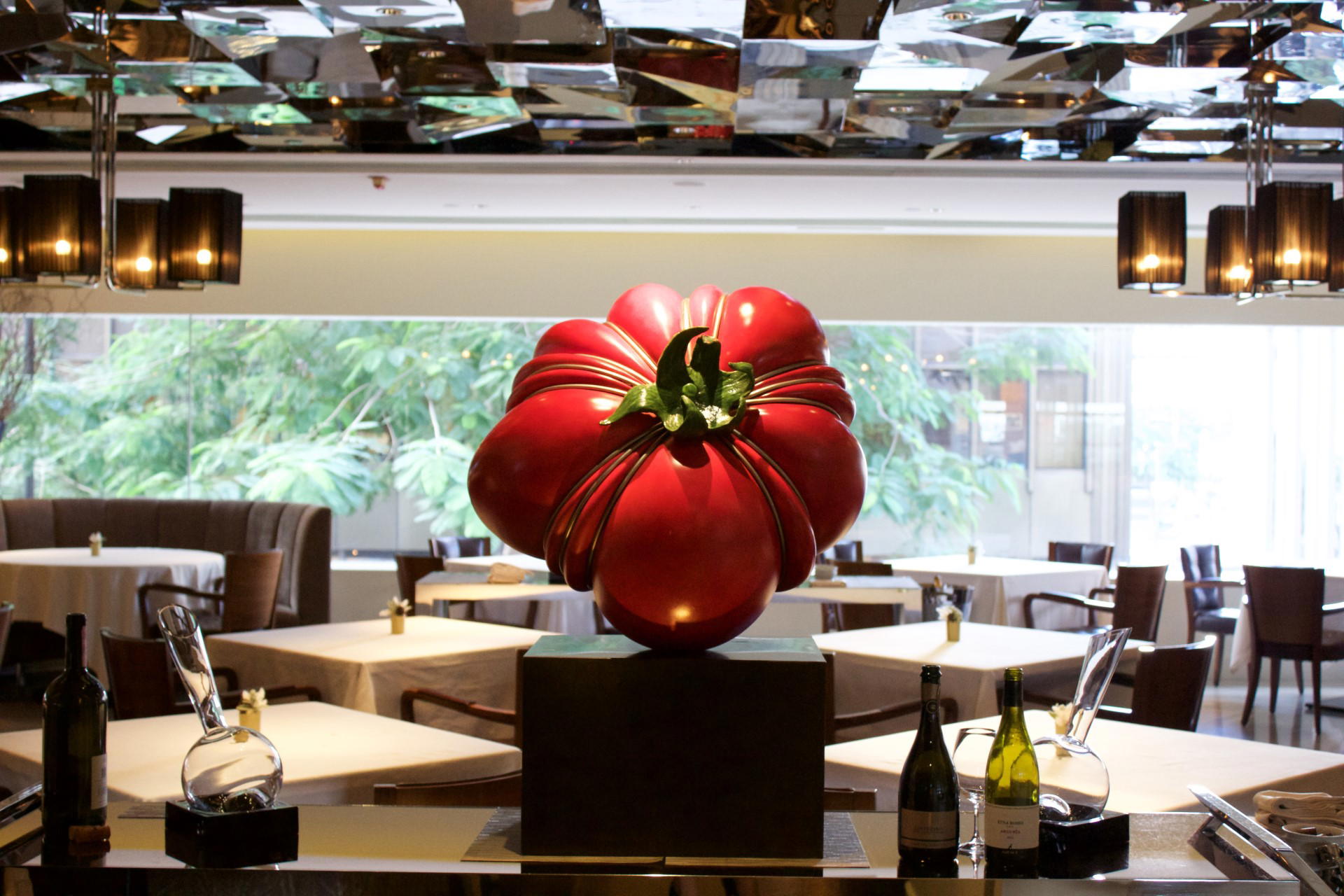
Bars in Shanghai
All bars in Shanghai →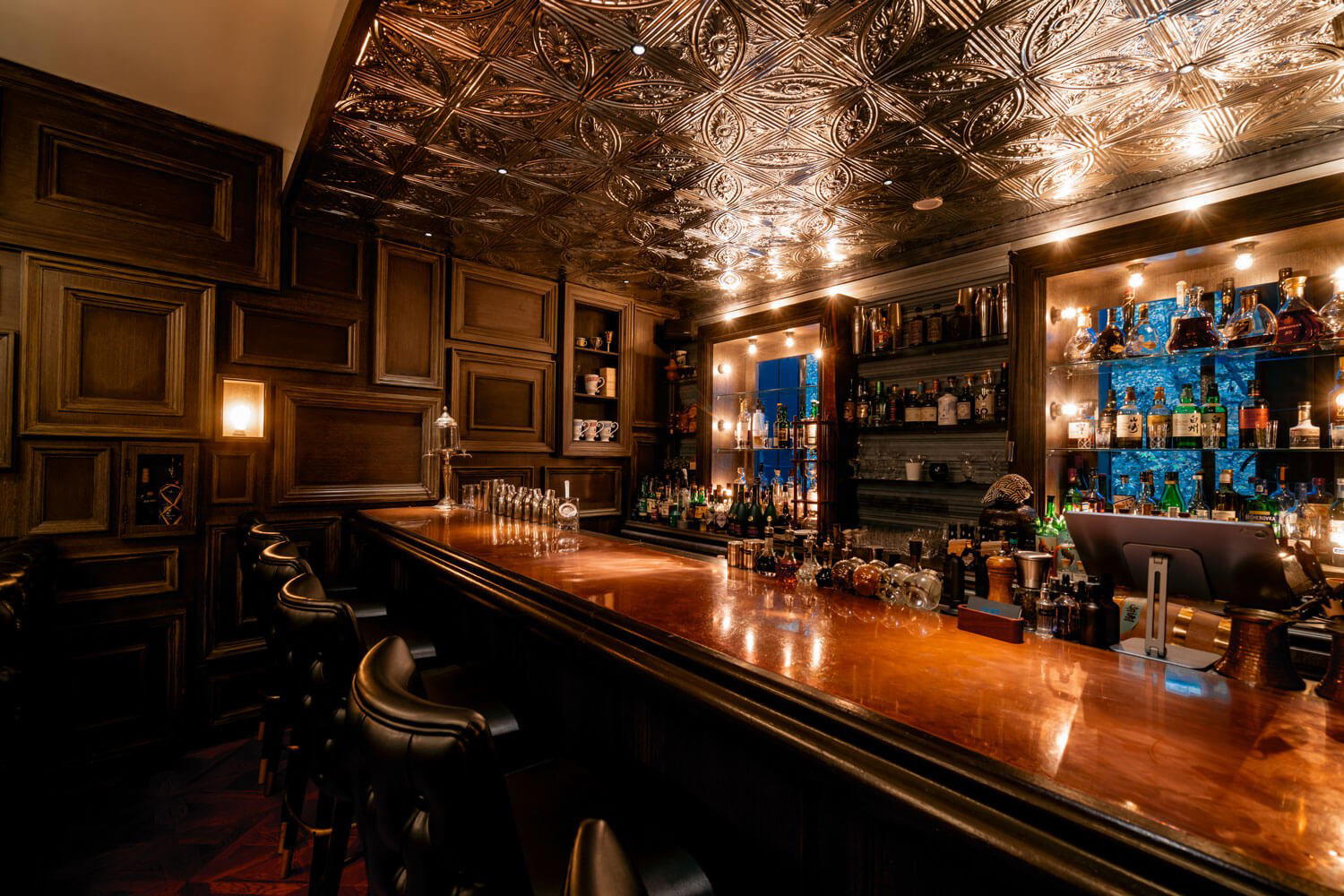
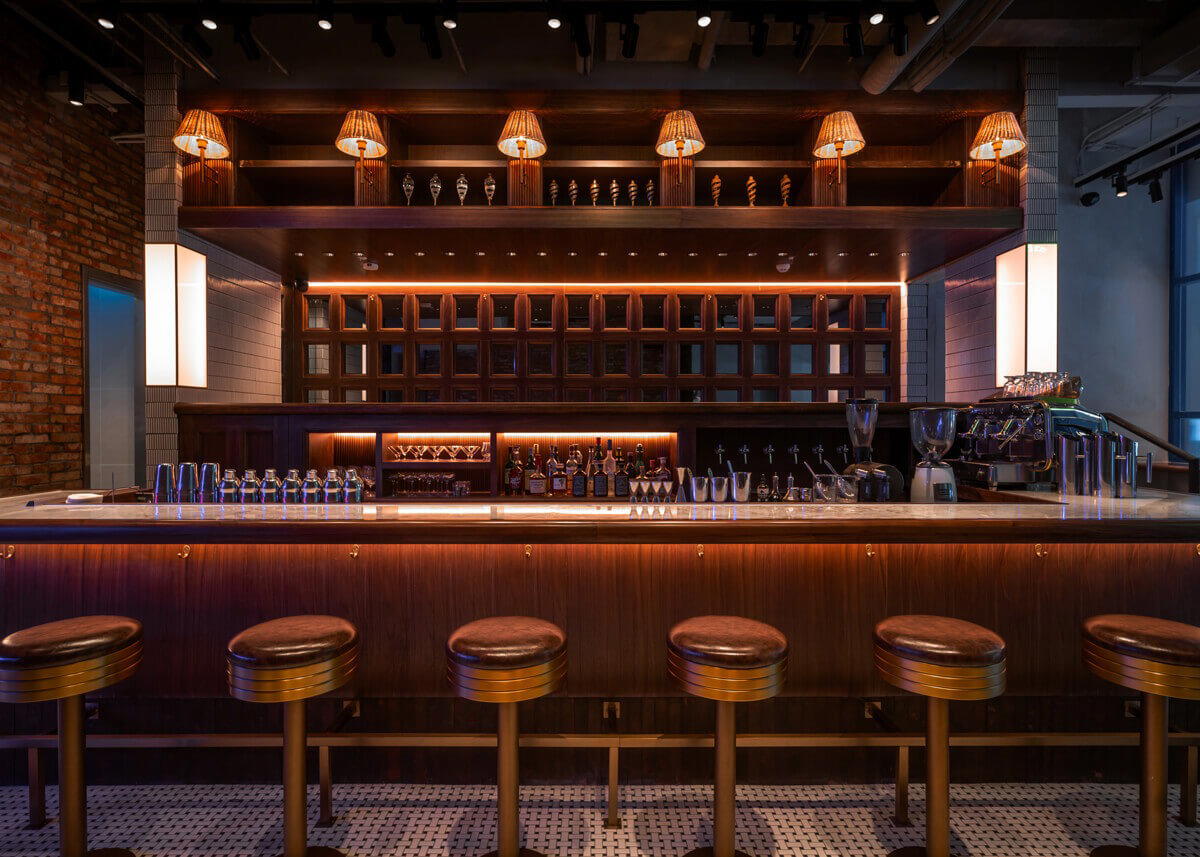
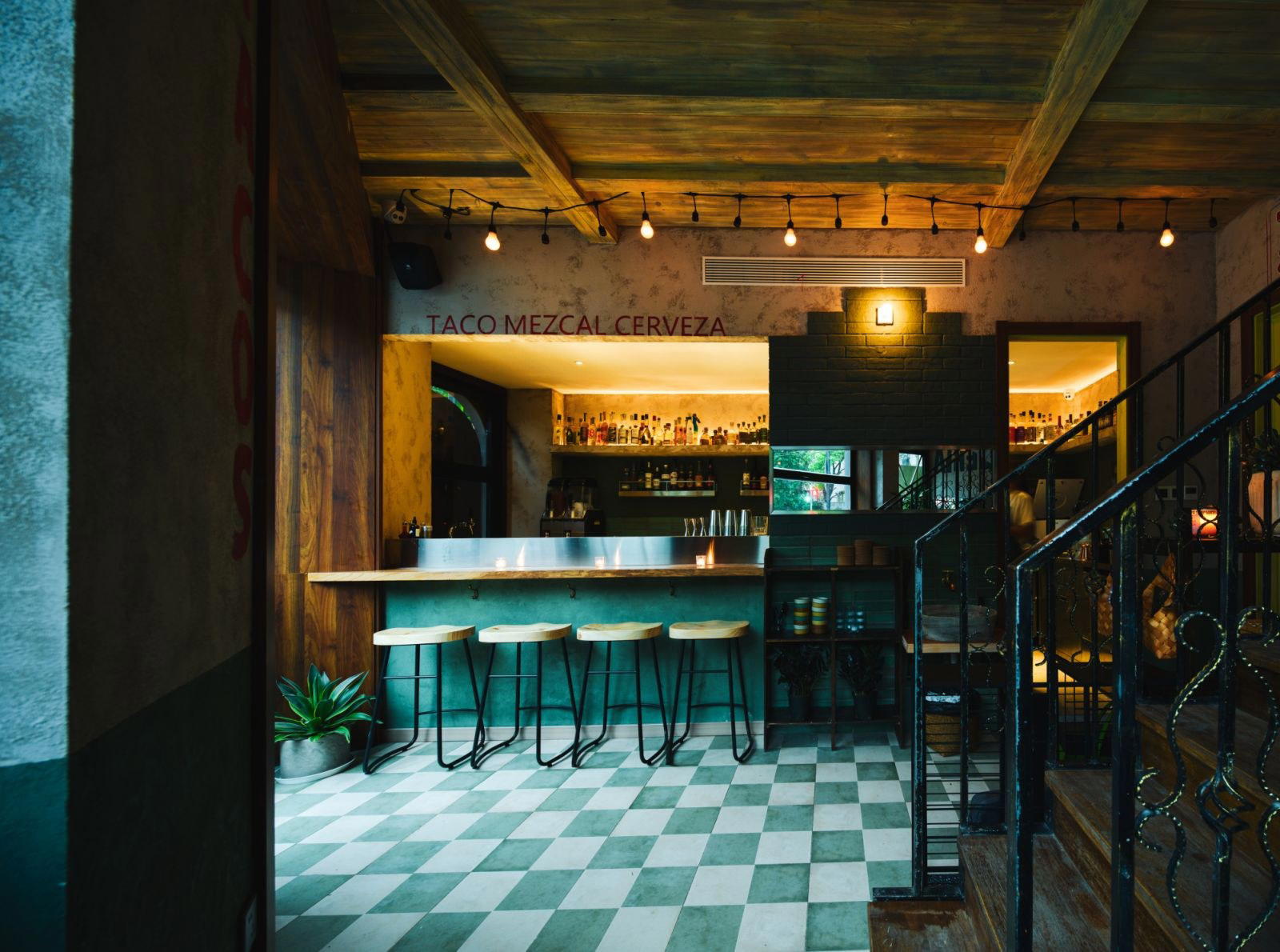
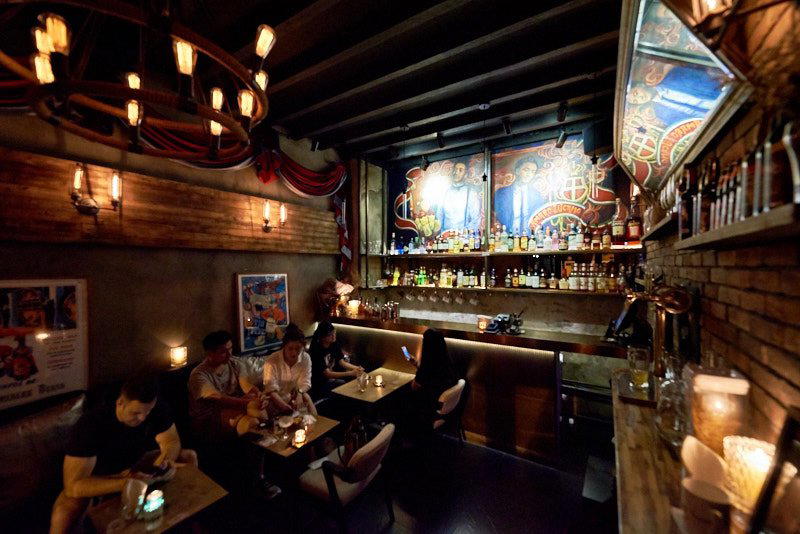
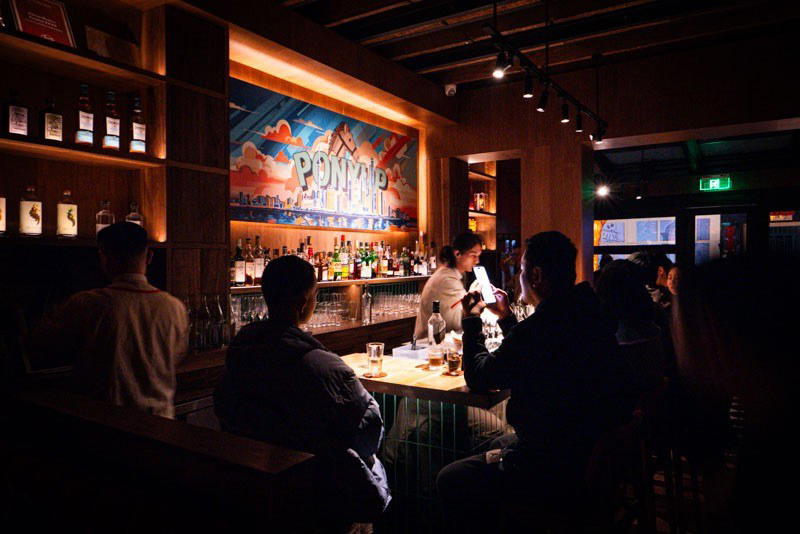
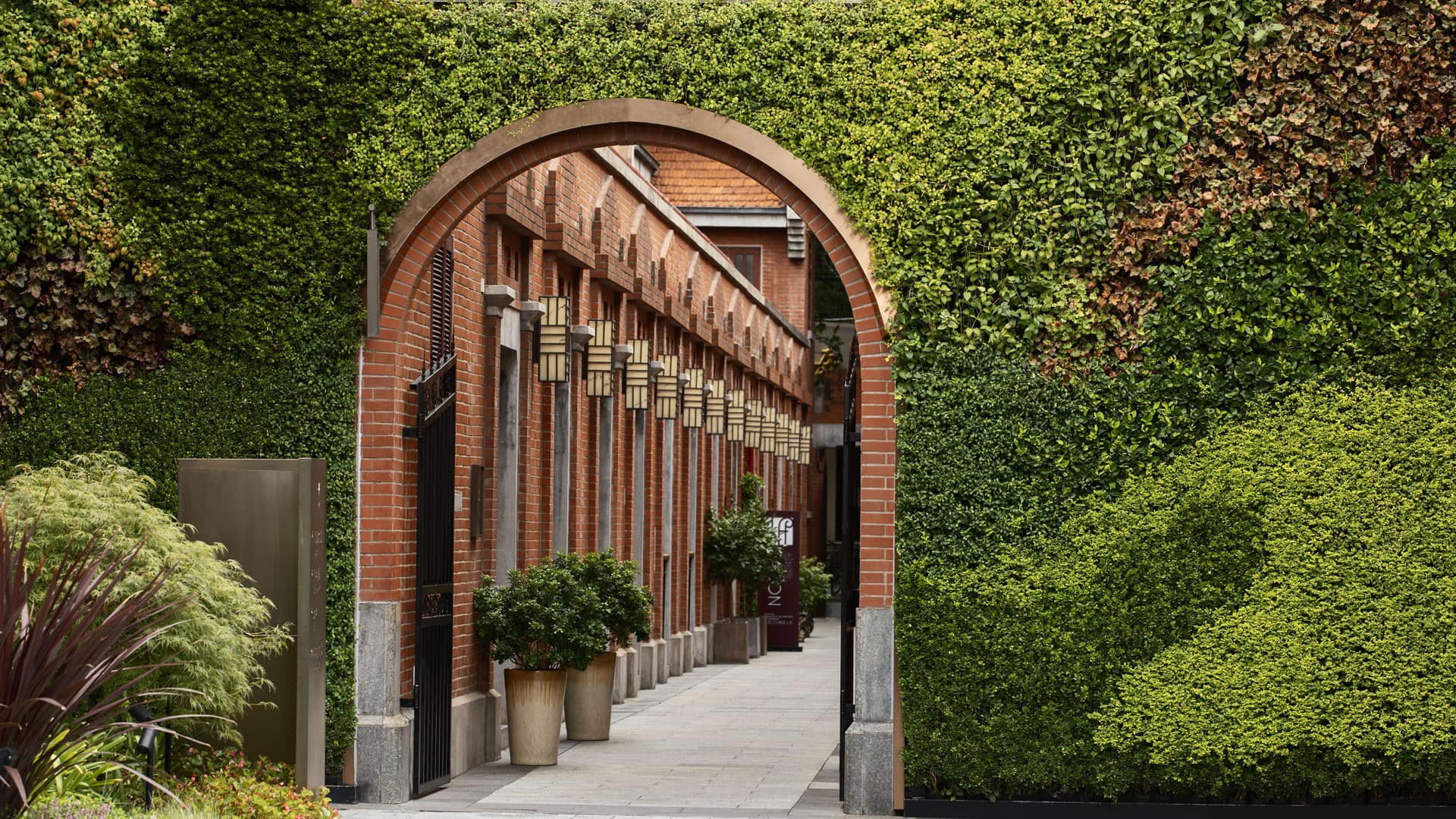
Mi Shang Prada Rong Zhai
The wine
- Extensive wine list
- Craft cocktails
- Zero-proof drinks
Details
- Elegant
- Sophisticated
- Well Known
- Modern
- Intimate
- Trendy
- Date Night
- Business Dinner
- Special Occasion
- Group Dining
- After Work
- Private Event
- Design Destination
- Historic Building
- Private Dining
- Standalone
- Craft Cocktails
- Extensive Wine List
- Zero Proof
- A La Carte
- Tasting Menu
- Wine
- Cocktails
- Coffee
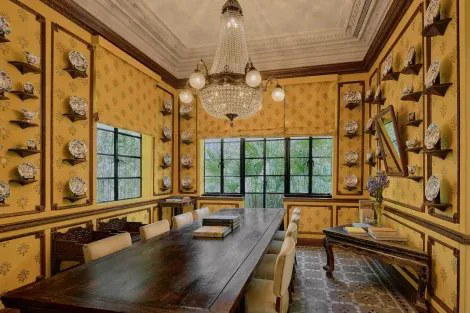
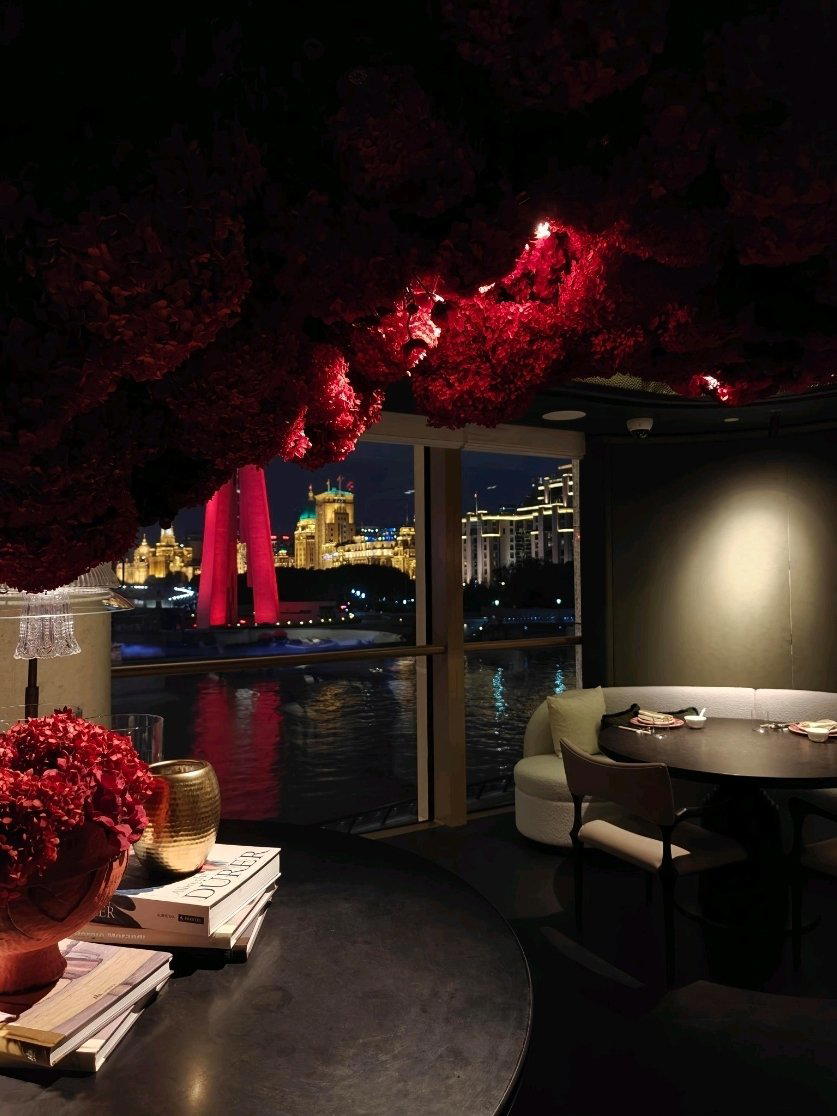
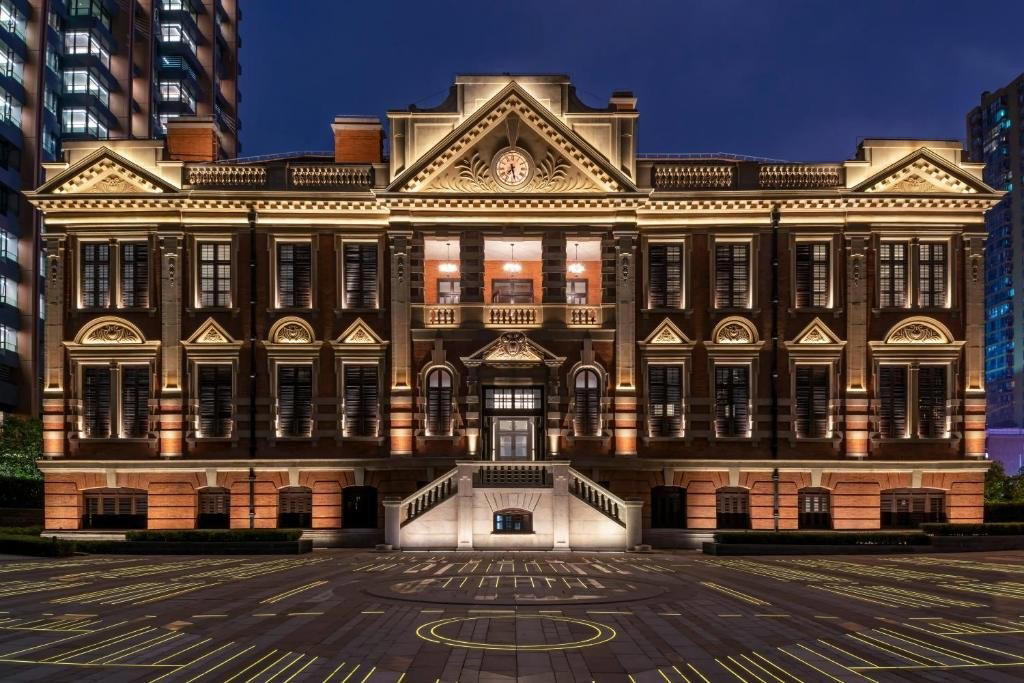
The restaurant occupies the second floor of a restored 1918 villa, with Wong Kar‑wai’s design creating a moody, filmic atmosphere of dim lighting, velvet textures, mirrors, and strong color contrasts that feel like stepping into an art‑house movie.