Google: 4.9 · 89 reviews







Assiette Champenoise holds three Michelin stars and a 99-point La Liste score, placing it among the most decorated tables in northern France. Chef Arnaud Lallement leads this family-run property in Tinqueux, just outside Reims, with a kitchen built around Champagne-region terroir. The Les Grandes Tables du Monde membership and Opinionated About Dining ranking confirm its position at the top of the regional creative dining tier.
 Discover on Pearl
Pearl is the En Primeur Club membership app — saves, bookings, and concierge access live there. Same editors, same standards.
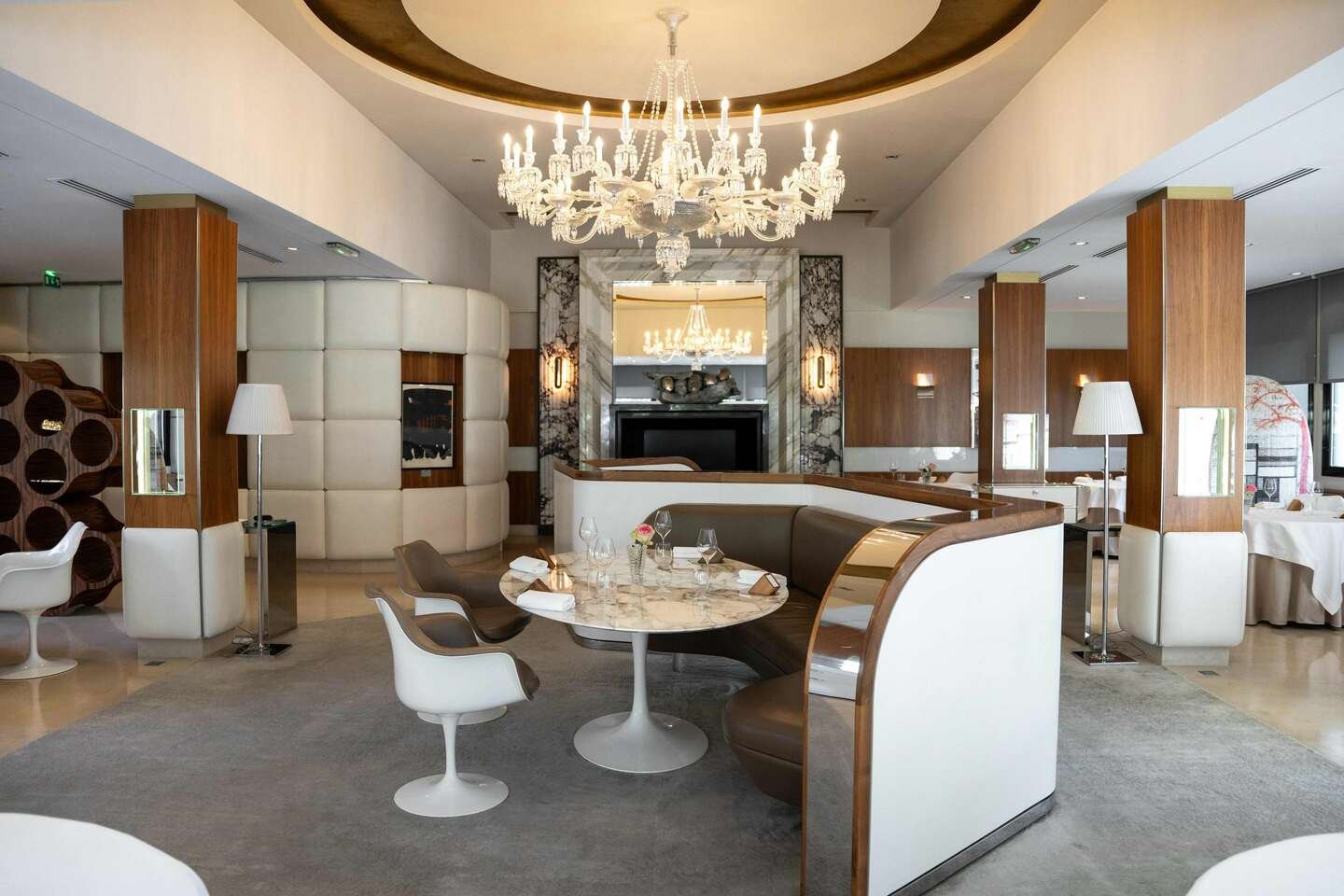
Where the Champagne Region Comes to the Table
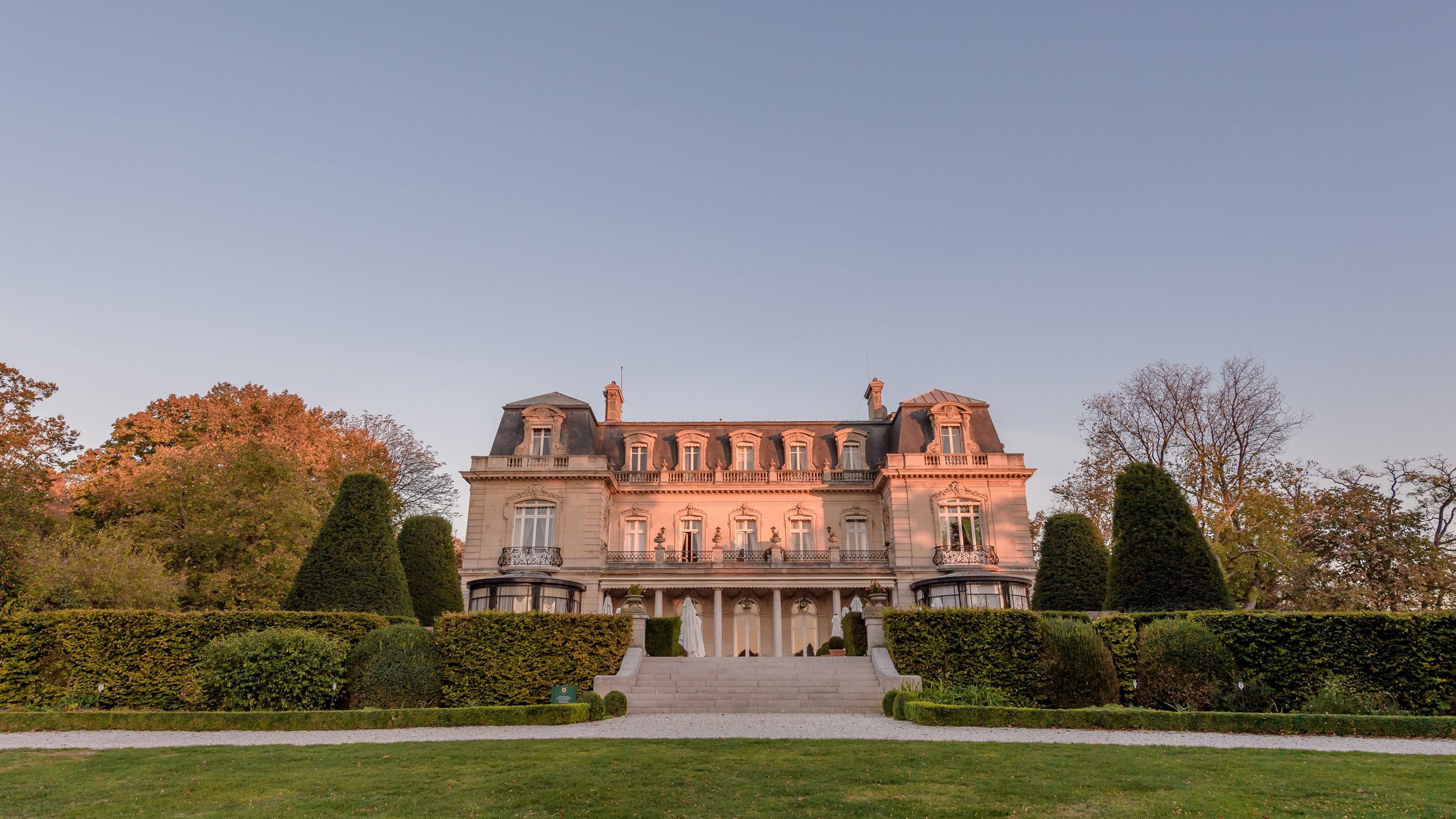
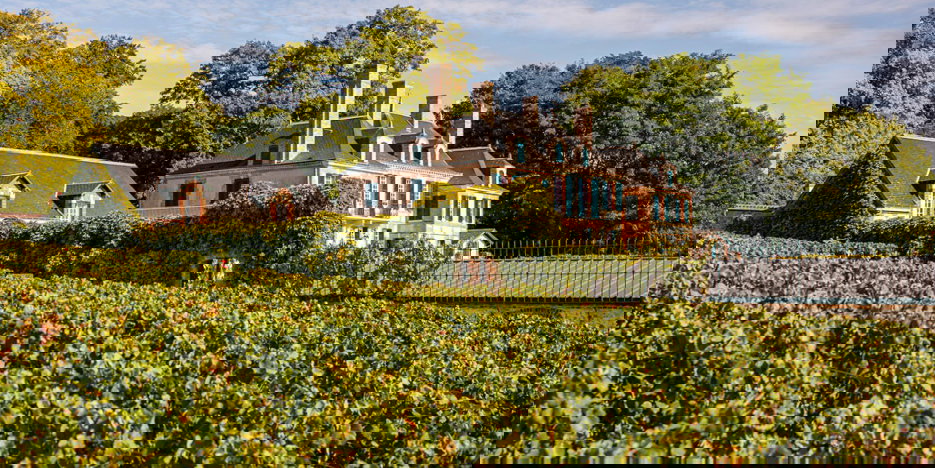
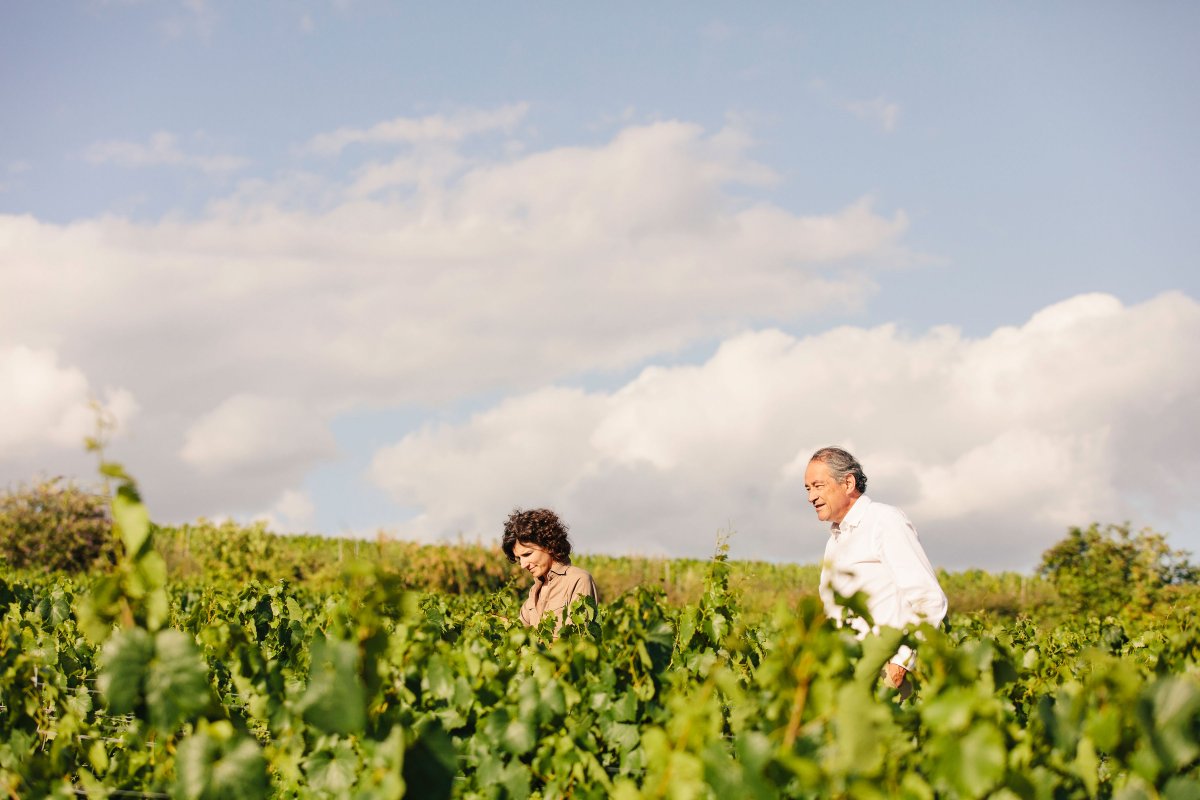
The approach to Assiette Champenoise tells you something before you've sat down. The address — a residential avenue in Tinqueux, a western suburb of Reims — places it outside the cathedral-and-cellar tourist circuit entirely. Three-star restaurants in France do this deliberately: they build a world at a remove from the city's foot traffic, where the journey itself becomes part of the frame. What greets you is a low-slung property with a quietness that the inner city cannot offer, and a garden that, depending on the season, anchors the meal in something distinctly local before a single plate arrives.
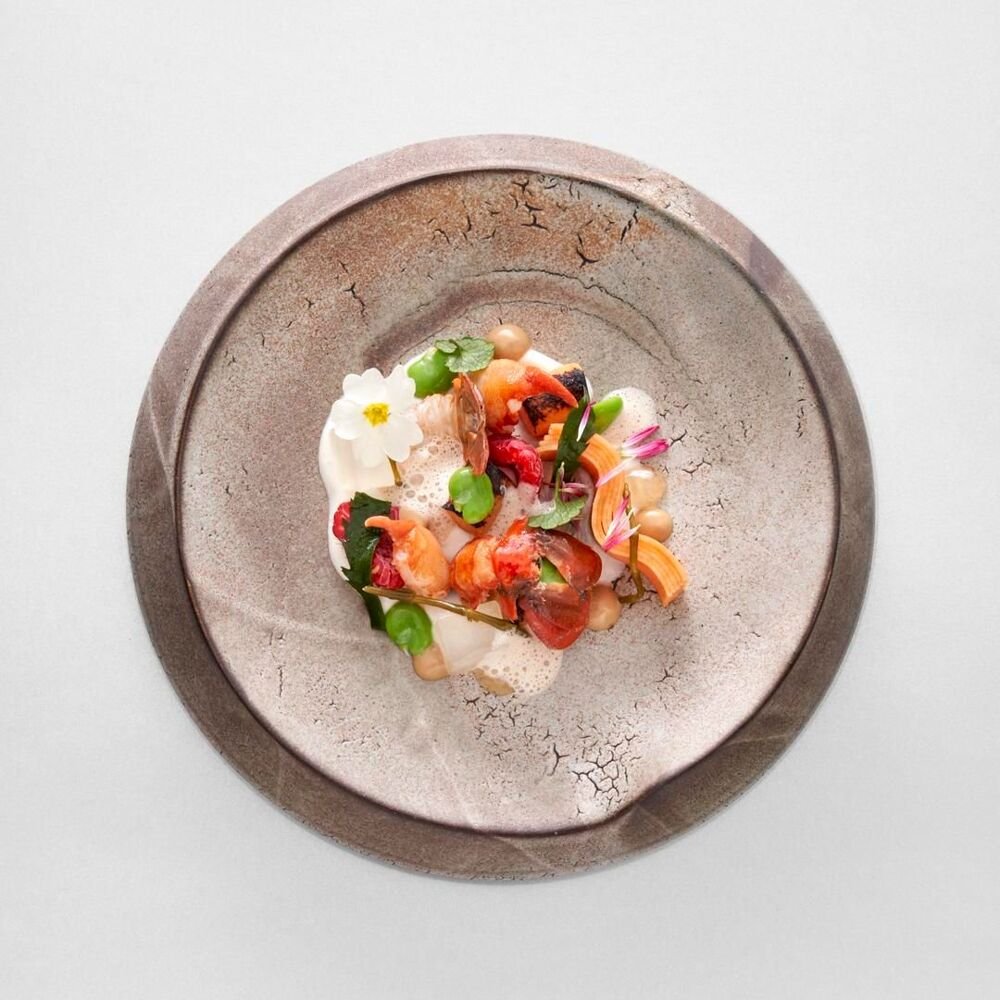
This is a useful entry point for understanding what Arnaud Lallement does here. The cooking sits in the Creative category, but the organising principle is terroir in the most literal Champenois sense: the chalk subsoil that defines the region's vineyards also shapes its agriculture, its water, and its broader food culture. Kitchens in this tradition treat the sourcing map as seriously as the technique , and at this level, the two are inseparable.
What Three Stars Means in This Region
France's three-star tier in 2025 numbers roughly thirty restaurants. Within that group, geography matters: the majority cluster in Paris or Lyon, and a handful anchor themselves to specific regional identities , Alsace, Brittany, the Basque Country. Champagne, despite its global name recognition, has historically sat outside that constellation. Assiette Champenoise is the exception, holding three Michelin stars through both 2024 and 2025, a La Liste score of 99 points in both 2025 and 2026, and a Les Grandes Tables du Monde membership that places it in a selective international peer set.
For context on the regional tier: Le Parc Les Crayères, the other high-end dining anchor in Reims, holds two Michelin stars. Racine, operating at the €€€€ creative tier, holds two. The gap between two and three stars is rarely incremental in Michelin's logic , it reflects a different level of consistency, product sourcing, and kitchen organisation. Lallement's table is the only one in the Champagne region to have reached and held that upper bracket.
Opinionated About Dining, which ranks classical European restaurants through aggregated critic scores, placed Assiette Champenoise at #50 in its Classical Europe ranking in 2024 and #55 in 2023. That consistency across independent assessment systems , Michelin, La Liste, OAD, Les Grandes Tables , suggests the kitchen is not optimising for any single evaluative framework but performing at a level that registers across all of them.
The Sourcing Logic Behind the Menu
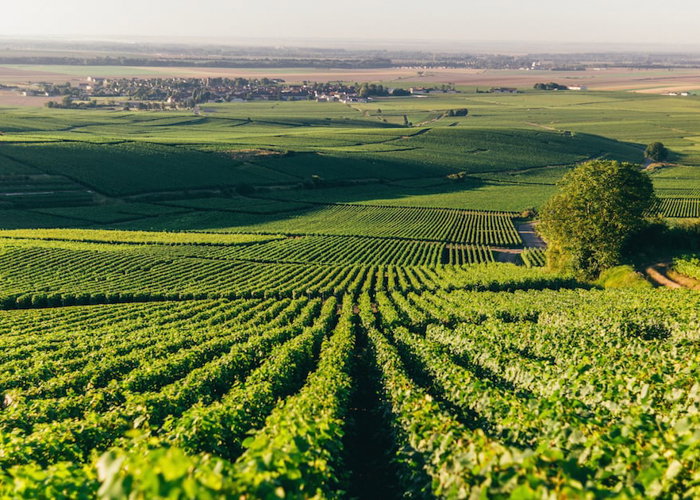
Champagne's terroir is generally discussed in the context of its wine, but the chalk plains and the Montagne de Reims massif produce an agricultural character that extends well beyond the vineyards. The region's market gardens, river fish, and forest products contribute to a distinct ingredient palette that is underused by most kitchens outside the area. A kitchen operating at this level, with this much public commitment to Champagne terroir as a declared identity, is making a statement about provenance that goes beyond seasonal menus and local sourcing as marketing language.
The family-run structure, noted across multiple award assessments, reinforces this: the decisions about what appears on the plate are not mediated by a hotel group's procurement system or a corporate culinary director. That independence gives the kitchen direct access to small-volume producers and the ability to work with ingredients that don't scale to institutional supply chains. This is a structural advantage that larger properties , however well-resourced , find difficult to replicate.
For comparison, consider how other regionally anchored three-star tables in France have built their identities around sourcing: Bras in Laguiole built its entire reputation on Aubrac plateau ingredients; Auberge de l'Ill in Illhaeusern has spent generations mapping Alsatian product. Lallement's project belongs in that lineage, not in the Paris-centric creative cooking conversation. The terroir commitment is not an accent on the menu , it is the architecture.
The Reims Fine Dining Context
Reims operates as a fine dining city in a way that other comparably sized French cities do not. The Champagne industry provides a clientele of high-spending professionals, international buyers, and occasion-driven visitors who sustain the upper end of the market year-round. That infrastructure supports a concentration of serious kitchens: alongside Assiette Champenoise and Le Parc Les Crayères, the city has Arbane, L'ExtrA, and, at the accessible end, Brasserie Le Jardin. The city punches above its population in culinary terms, in large part because the wine trade has normalised serious hospitality spending.
Within France's broader three-star cohort, Assiette Champenoise operates differently from the Paris flagships. Tables like Alléno Paris au Pavillon Ledoyen or Arpège draw on the capital's international visitor base and media density. Regionally rooted three-stars , including Troisgros in Ouches, Mirazur in Menton, and Flocons de Sel in Megève , function as destination restaurants that justify the journey in themselves. Assiette Champenoise belongs in that group: the address in Tinqueux is not incidental, it is the point.
Booking, Pricing, and Planning
At the €€€€ price tier , consistent with France's three-star dining bracket , a meal here represents a significant commitment. Advance reservation is essential; tables at this level typically require booking several weeks to several months ahead, and the restaurant can be reached directly at +33 (0)3 26 84 64 64 or by email at champenoise@relaischateaux.com. The Relais & Châteaux affiliation, noted in the contact details, places the property within that network's standards for both dining and hospitality, though specific room or accommodation details are not confirmed here. The full address , 40 Avenue Paul Vaillant-Couturier, 51430 Tinqueux , is a short drive or taxi from central Reims, and the city is itself reachable from Paris in 45 minutes by TGV.
For visitors building a wider Reims stay around fine dining, our full Reims restaurants guide maps the range from this level down to bistro. The Reims hotels guide, bars guide, wineries guide, and experiences guide cover the broader visit.
Booking and Cost Snapshot
Comparable options at a glance, pulled from our tracked venues.
| Venue | Price | Awards | Notes |
|---|---|---|---|
| Assiette Champenoise | €€€€ | Michelin 3 Stars, Les Grandes Tables Du Monde Award (2025) | This venue |
| Le Parc Les Crayères | €€€€ | Michelin 2 Star | French, €€€€ |
| Le Foch | €€€ | Modern Cuisine, €€€ | |
| Racine | €€€€ | Michelin 2 Star | Creative, €€€€ |
| Brasserie Le Jardin | €€ | Traditional Cuisine, €€ | |
| Le Millénaire | €€€€ · Modern Cuisine, Creative |
Continue exploring
More in Reims
Restaurants in Reims
Browse all →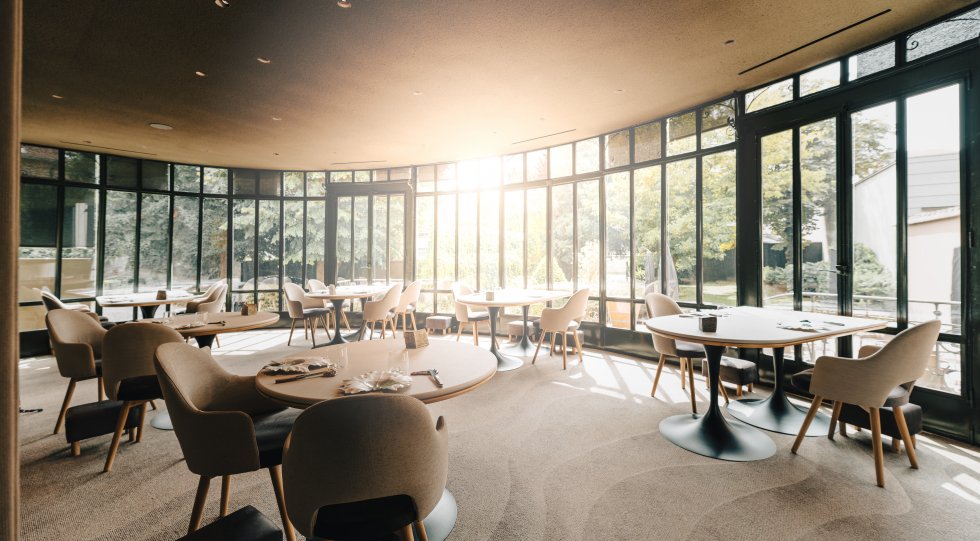
Bars in Reims
Browse all →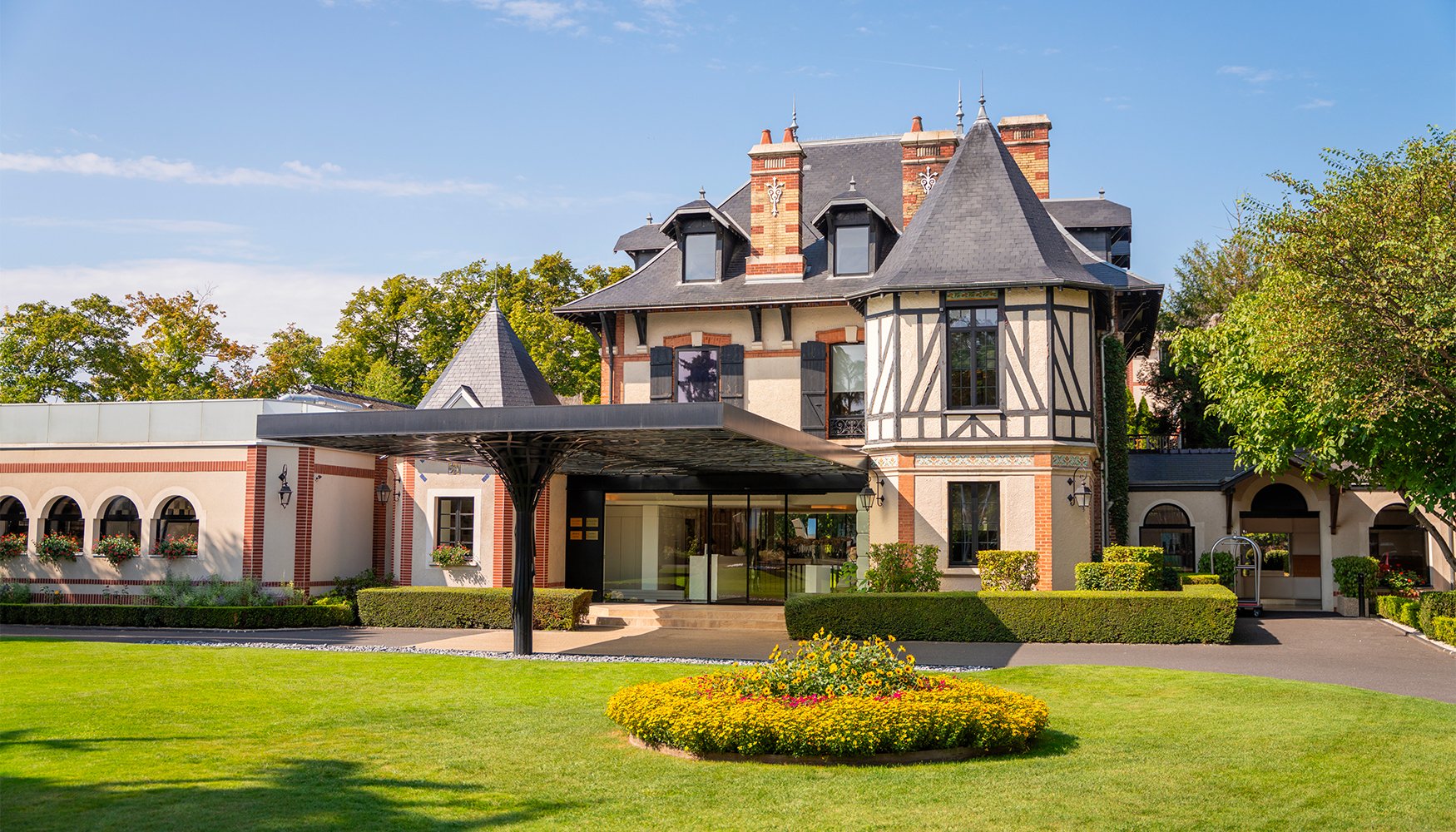
Hotels in Reims
Browse all →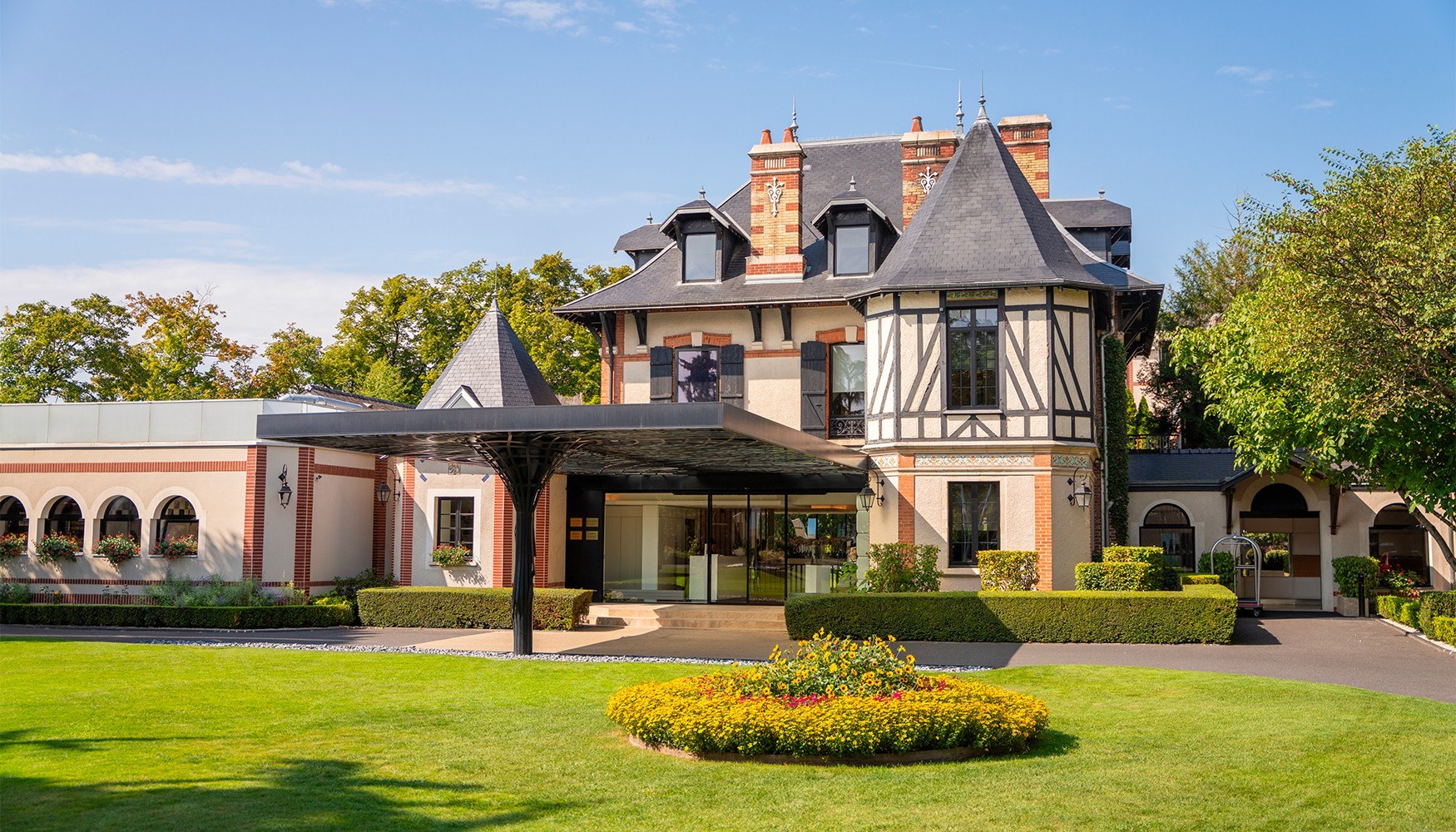
At a Glance
- Elegant
- Sophisticated
- Intimate
- Special Occasion
- Celebration
- Terrace
- Garden
- Hotel Restaurant
- Extensive Wine List
- Sommelier Led
- Local Sourcing
- Garden
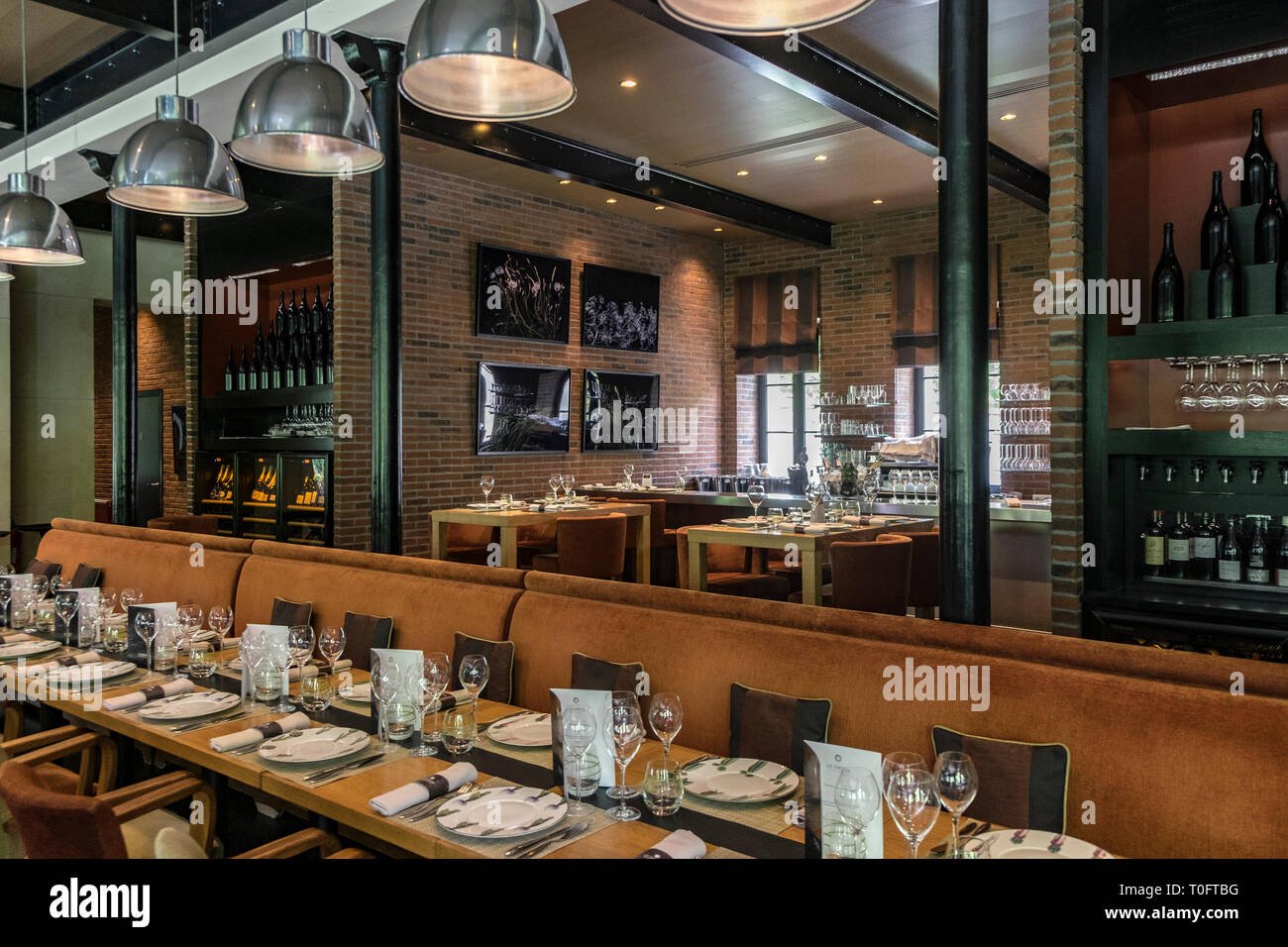
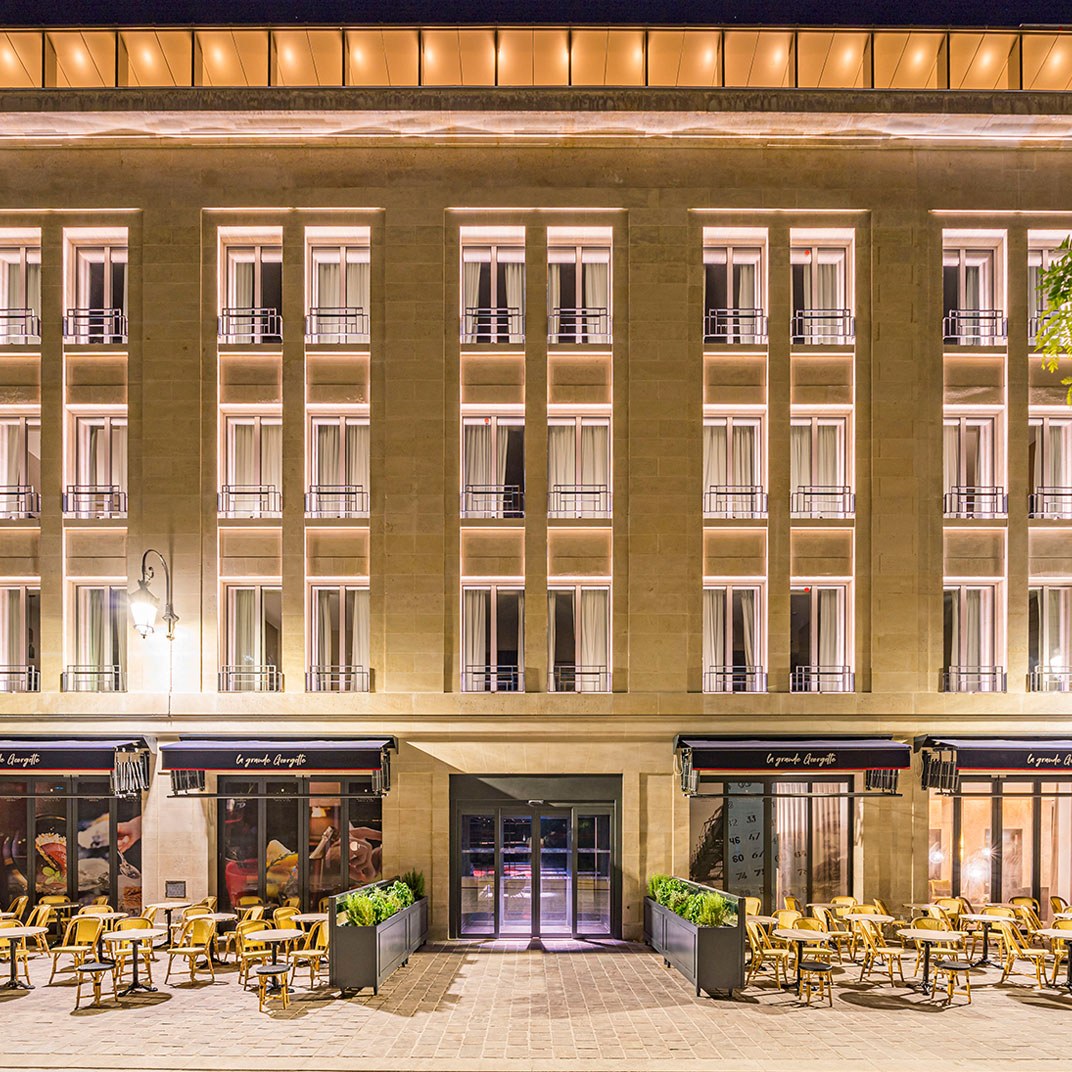
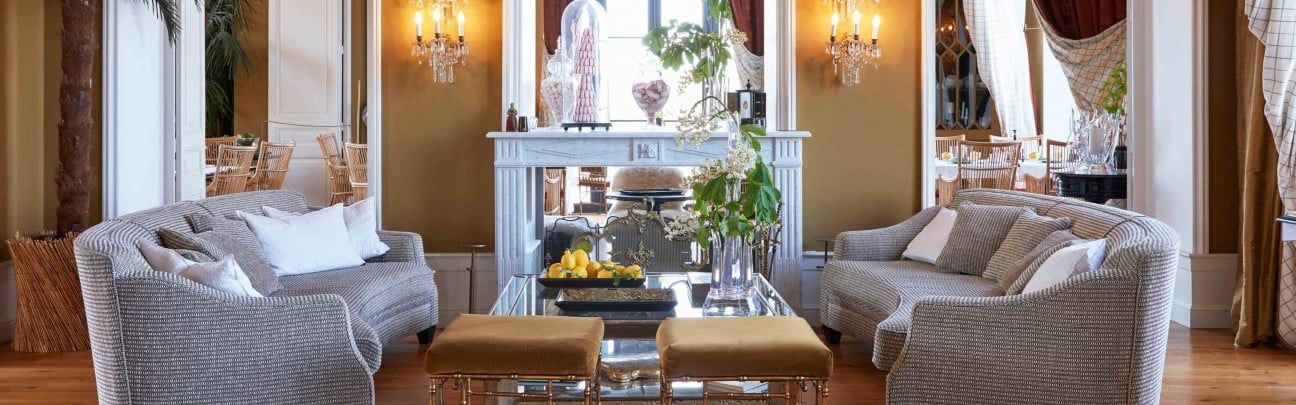
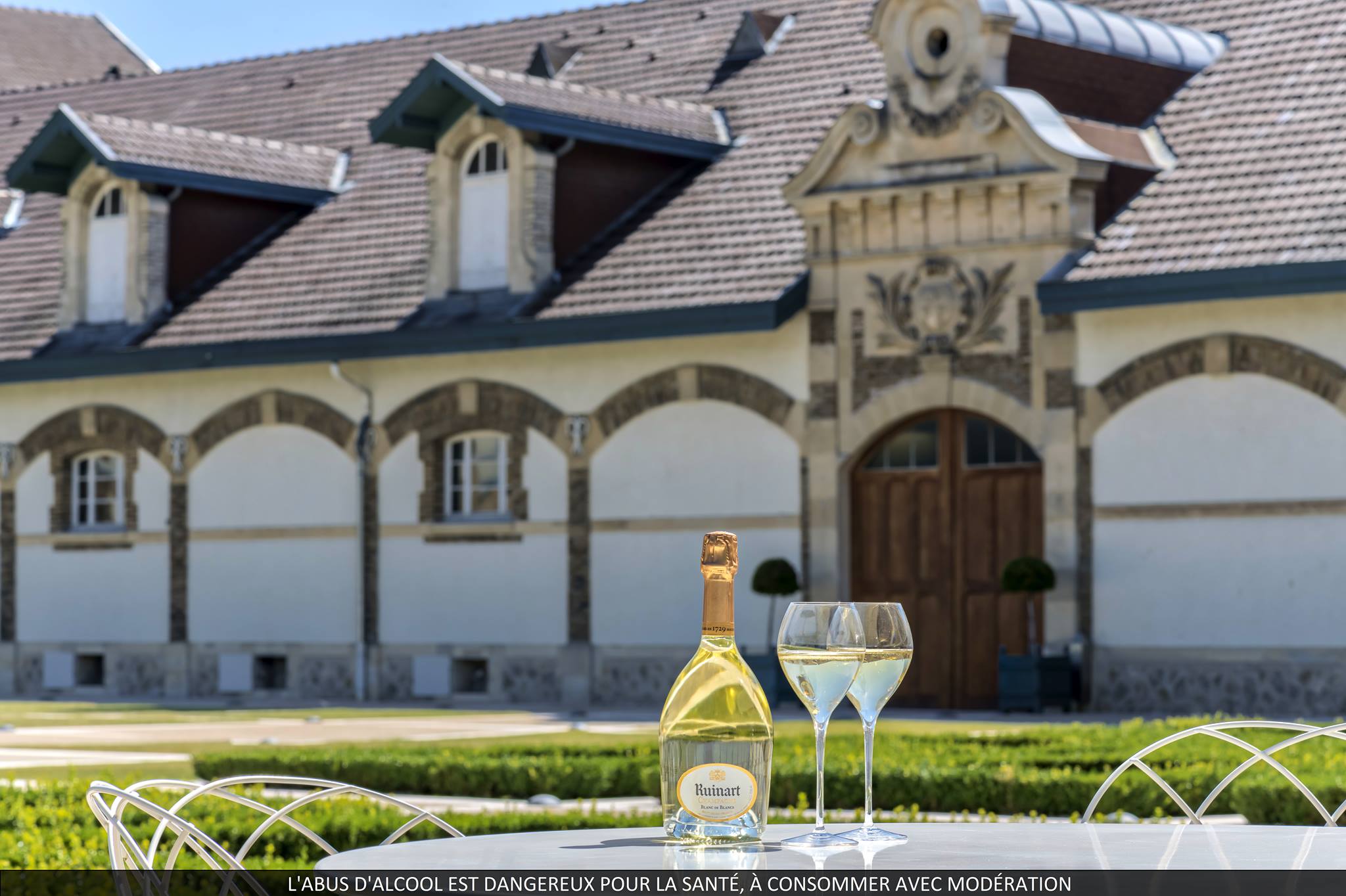
Elegant contemporary dining room with natural light, terrace, art, and beautiful gardens creating a refined and welcoming atmosphere.