Google: 5.0 · 13 reviews

Água Branca's Argument for Taking the Barbecue Seriously São Paulo's Água Branca district sits west of the Barra Funda rail corridor, away from the Jardins concentration of tasting-menu restaurants that tends to absorb most foreign editorial...
 Discover on Pearl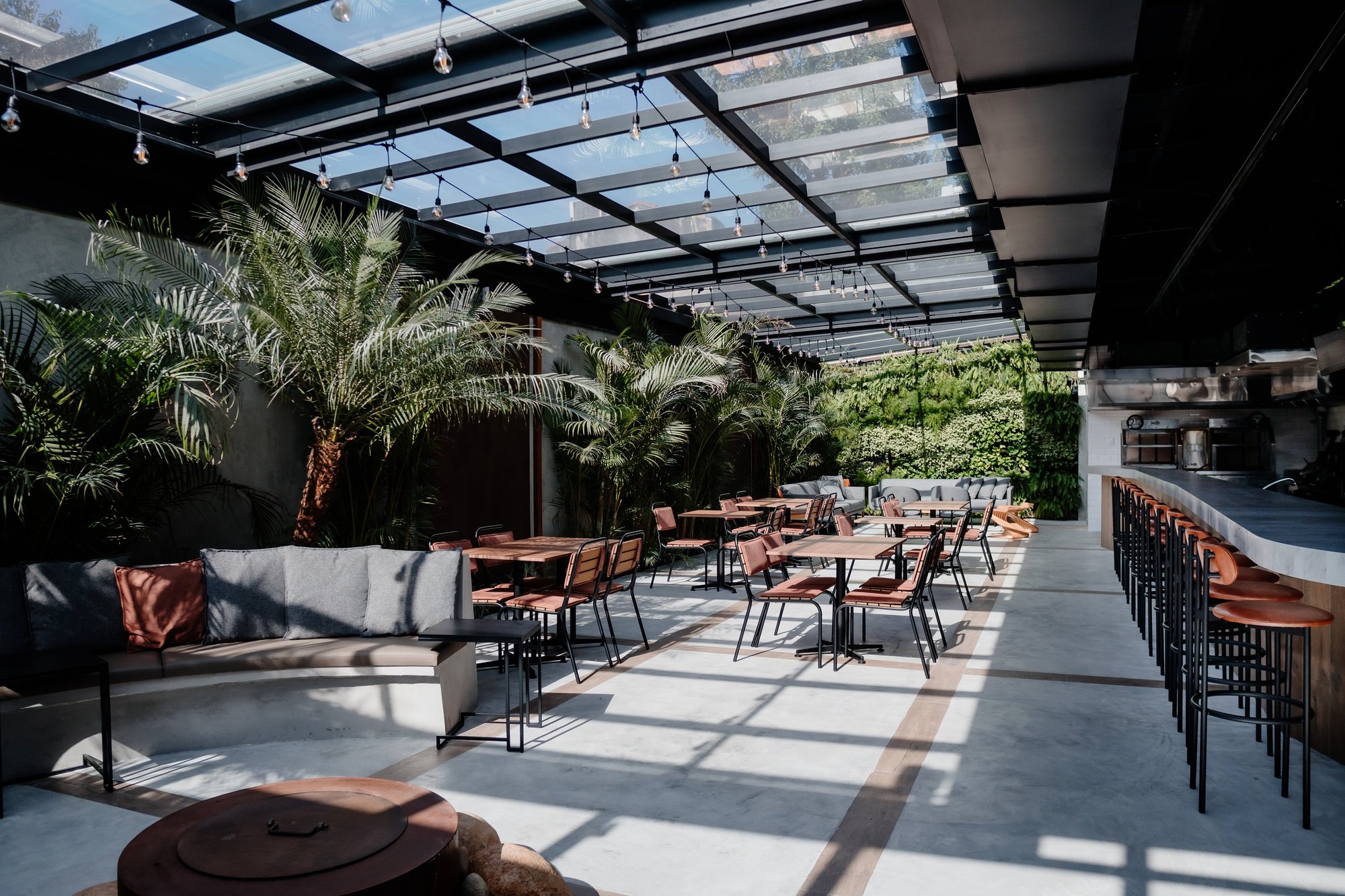
Água Branca's Argument for Taking the Barbecue Seriously
São Paulo's Água Branca district sits west of the Barra Funda rail corridor, away from the Jardins concentration of tasting-menu restaurants that tends to absorb most foreign editorial attention. The neighbourhood carries a different register: quieter, more residential in its rhythms, with a demographic that treats dining out as a regular habit rather than an occasion for ceremony. Aruzz, on Rua Dr. Costa Júnior, reads that register correctly. The address is practical rather than fashionable, but the space itself offers considerably more structure than the street suggests.
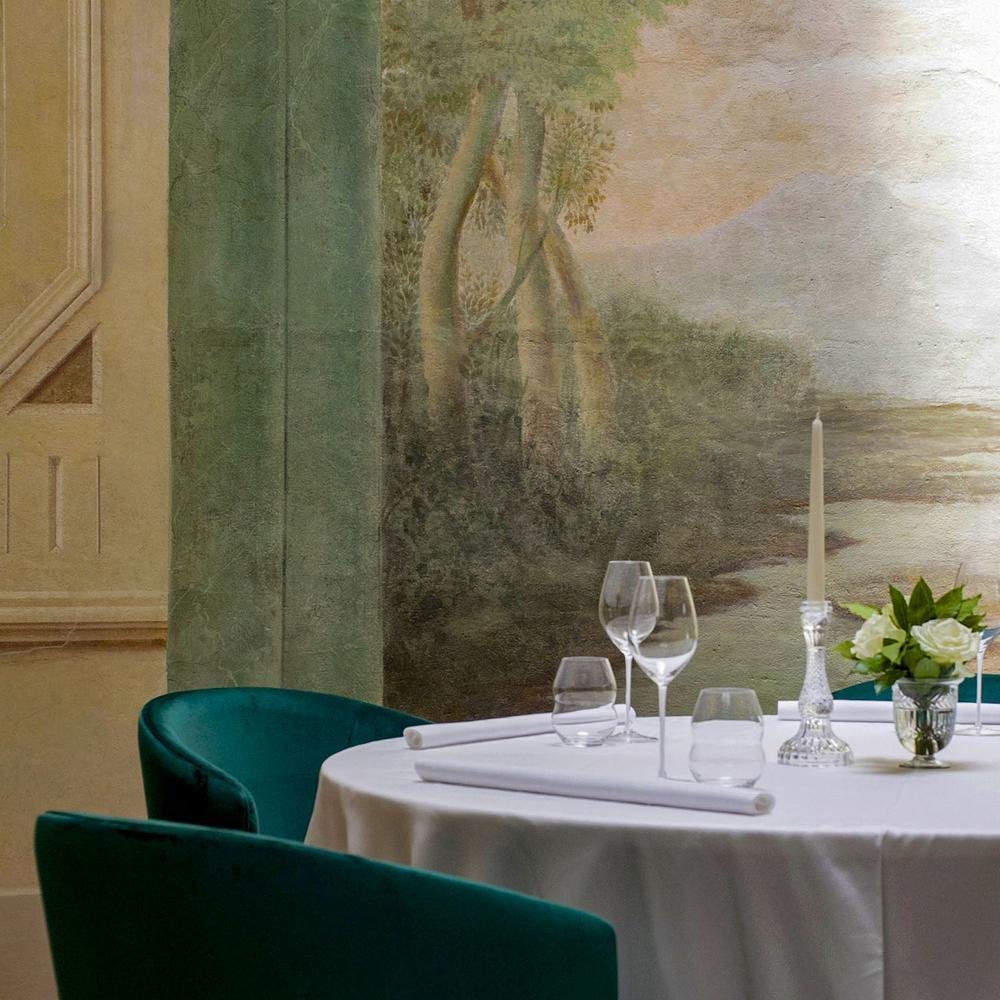
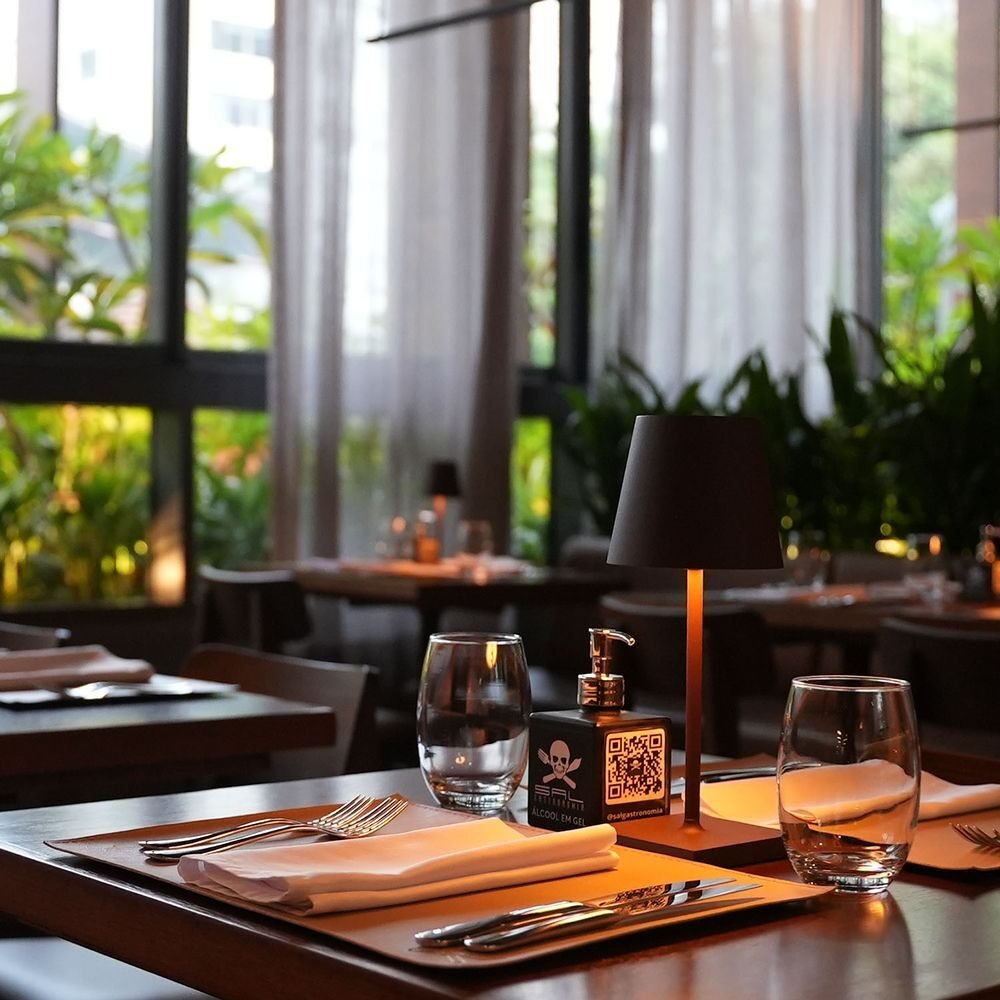
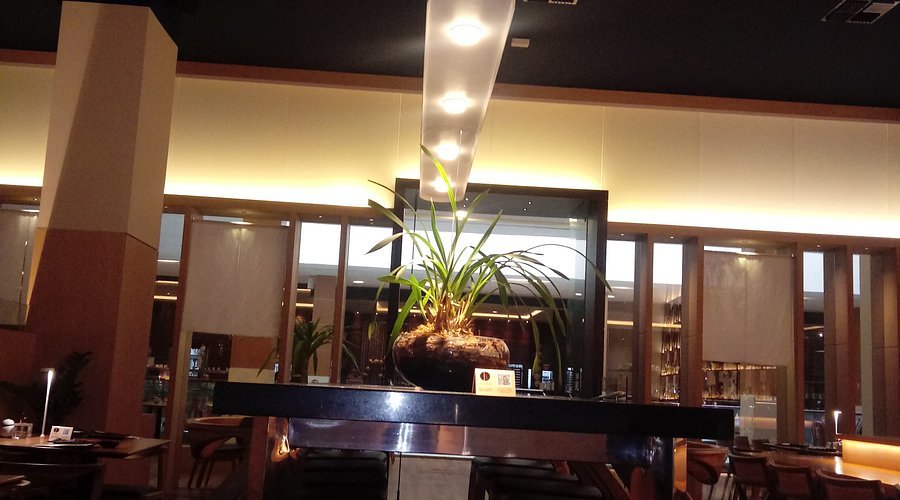
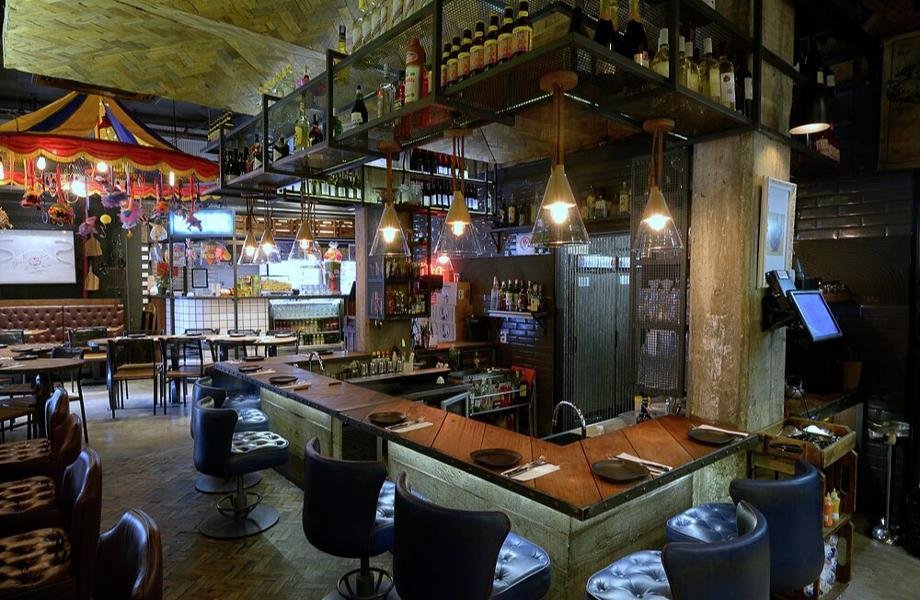
The physical layout divides into three distinct environments, each calibrated for a different use case. Alma, the wine-focused room, covers 110 square metres and holds a cellar of over 400 labels across 2,600 bottle positions. Its 80-seat capacity and a minimum reservation of 15 suggests it functions as a private dining and events space as much as a conventional dining room, with personalized tasting menus matched to selections from that cellar stock. Brazza, the second named space, takes a different approach: a vertical garden, a retractable roof, and live-fire barbecue equipment assembled with the specific intent of cooking intense cuts of meat, with wines selected to match rather than to showcase independently. The operational logic across both rooms is integration: the wine program is not decorative, and the cooking is not background.
Fire, Sourcing, and What Brazilian Barbecue Actually Requires
The decision to structure an entire dining environment around live-fire meat cookery reflects something larger than menu preference. Brazilian churrasco tradition is one of the more demanding formats in South American cooking when executed with attention to sourcing: the quality differential between commodity and premium beef is visible at the grill and on the plate in ways that slower cooking can mask. A retractable roof and purpose-built barbecue equipment indicate an infrastructure investment that points toward serious volume and specific heat management, not decorative openness.
Sourcing sits at the centre of any credible discussion of this format. The language around Brazza — "intense meats" matched with specifically selected wines — implies cuts with fat content and provocation that lighter proteins cannot provide. São Paulo's premium beef supply draws increasingly from Brazilian producers working with Angus and Wagyu crosses alongside native Nelore strains, and the city's better churrascarias and contemporary fire-cooking restaurants have spent the past decade debating which genetics, aging protocols, and regional provenance produce the most coherent results. Where Aruzz sources its beef matters in this context, though the venue data available does not specify producers or regions. What the format itself signals is that the wine pairings are doing real work: matching wine to heavily marbled, charred protein requires a different selection logic than pairing with lighter dishes, and Alma's 400-label cellar gives the kitchen substantial latitude to get it right.
The broader São Paulo dining scene has moved in two directions simultaneously. At the creative end, restaurants like D.O.M., Tuju, and Maní have spent years building menus around native Brazilian ingredients and contemporary technique. At the other end, a tier of ingredient-led, format-specific restaurants has grown around the proposition that sourcing quality and correct cooking method are sufficient without elaborate construction. Aruzz's structure places it closer to the latter camp, with the wine program as an added variable that raises its ambition above a conventional churrascaria. For comparison, Fame Osteria and Evvai represent São Paulo's European-inflected contemporary track, a different competitive set entirely.
The Wine Program as Operating Philosophy
A cellar of 2,600 bottle positions carrying 400 labels is not an amenity. At that scale, it is a position: the venue has committed capital to holding stock and has a strong interest in selling it with considered food pairings rather than as an afterthought. The Alma room formalises this through personalized tasting menus , an approach that shifts the interaction from ordering to curation, with staff or a sommelier directing the selection based on the guest's preferences and the food being prepared. This model has become more common in São Paulo's wine-forward rooms, but remains a minority of the market.
The wine-with-intense-meat pairing logic at Brazza is worth taking seriously as an editorial point. International comparisons are instructive: at institutions like Le Bernardin in New York, the wine program is built around delicate proteins and precision cookery. The selection logic for a fire-heavy meat restaurant runs in the opposite direction, favouring tannic structure, weight, and acidity that can cut through fat rather than complement subtlety. Whether Aruzz's cellar leans toward Malbec and Tannat from South American producers, or draws more from Rhône and Iberian references, would define its character significantly , but that specificity is not available from the current record.
Elsewhere in Brazil, the conversation around sourcing-led cooking is happening in cities as different as Salvador, with venues like Manga, and Curitiba, where Manu has built a reputation around regional produce and precision. São Paulo's version of this conversation runs through a larger, more competitive market, which makes the commitment to a structured cellar and multi-room format a more substantial statement than it would be in a smaller city.
Planning a Visit
Aruzz sits at Rua Dr. Costa Júnior, 351 in Água Branca, a neighbourhood most easily reached via the Barra Funda transport hub, which connects the metro and commuter rail lines. The area is not a dining destination in the way that Pinheiros or Itaim Bibi are, which makes navigation direct for those arriving from the city centre or from São Paulo's major hotels. For visitors building a broader São Paulo itinerary, our full São Paulo restaurants guide, hotels guide, and bars guide cover the full range of options across neighbourhoods. The São Paulo wineries guide and experiences guide are worth consulting alongside any wine-focused dinner plan.
The minimum reservation of 15 people for Alma makes it primarily a group or private event space in practice. Brazza's 80-seat capacity and outdoor format suggests it operates more conventionally for smaller parties, though confirmed booking methods are not available in current venue data. Contacting the venue directly before visiting is advisable.
For travellers using São Paulo as a base for wider Brazil exploration, the dining comparison set extends far beyond the city. Lasai in Rio de Janeiro, Mina in Campos do Jordão, and Orixás North Restaurant in Itacaré each represent a distinct regional register. Outside Brazil, Emeril's in New Orleans offers an interesting comparative study in how fire-cooking and wine programs interact in a city with similarly strong food identity. Closer to home, Castelo Saint Andrews in Gramado provides a different angle on southern Brazilian dining culture.
A Quick Peer Check
These are the closest comparables we have in our database for quick context.
| Venue | Cuisine | Price | Awards | Notes |
|---|---|---|---|---|
| Aruzz | The Aruzz space has 3 environments Alma – In this environment we have our wine c… | This venue | ||
| D.O.M. | Modern Brazilian, Creative | $$$$ | Michelin 2 Star | Modern Brazilian, Creative, $$$$ |
| Evvai | Contemporary Italian, Modern Cuisine | $$$$ | Michelin 2 Star | Contemporary Italian, Modern Cuisine, $$$$ |
| Maní | Brazilian - International, Creative | $$$ | Michelin 1 Star | Brazilian - International, Creative, $$$ |
| Jun Sakamoto | Sushi, Japanese | $$$ | Michelin 1 Star | Sushi, Japanese, $$$ |
| A Casa do Porco | Regional Brazilian, Brazilian | $$ | World's 50 Best | Regional Brazilian, Brazilian, $$ |
Continue exploring
More in São Paulo
Restaurants in São Paulo
Browse all →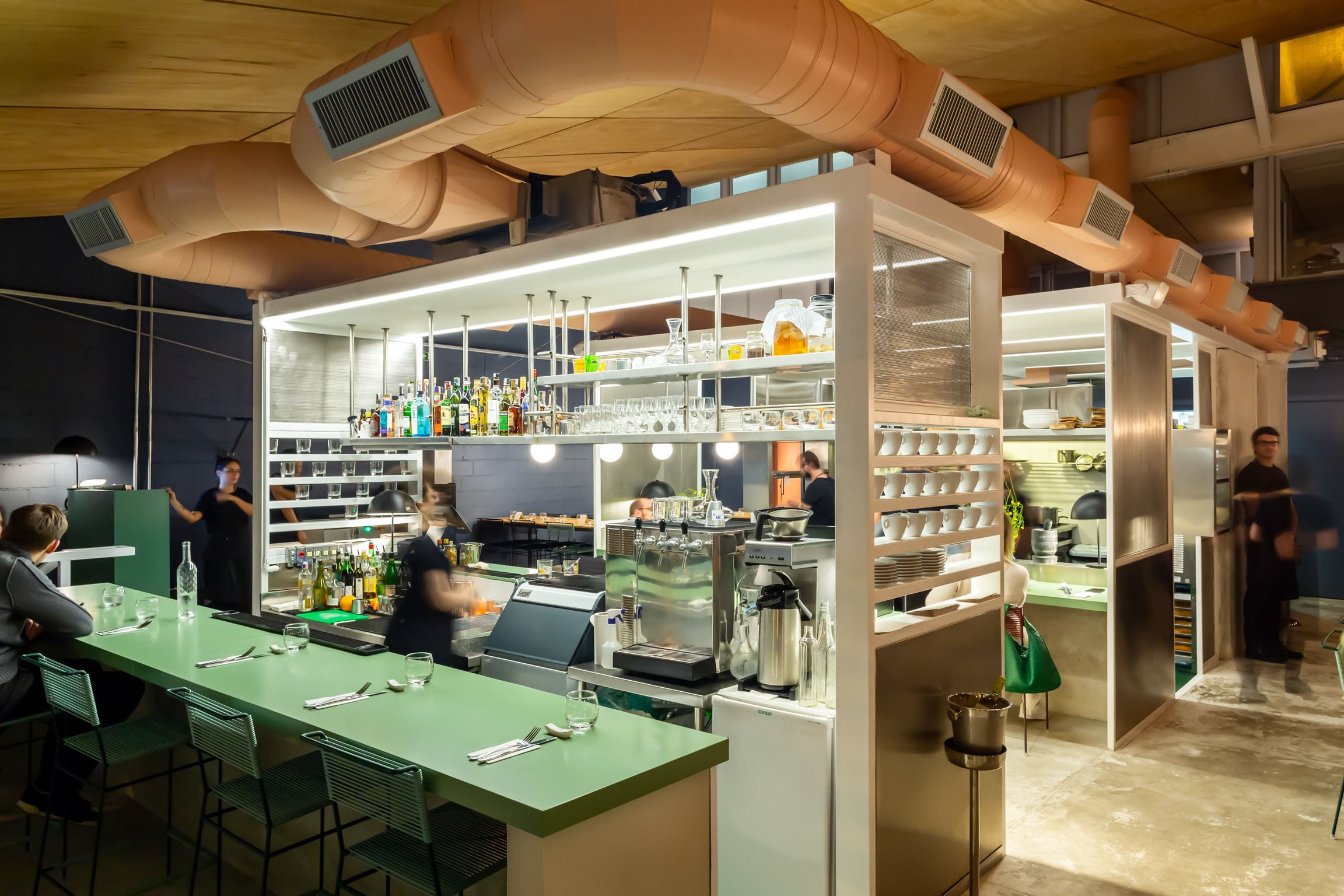
Bars in São Paulo
Browse all →
At a Glance
- Elegant
- Sophisticated
- Intimate
- Special Occasion
- Private Event
- Celebration
- Wine Cellar
- Open Kitchen
- Private Dining
- Extensive Wine List
- Sommelier Led
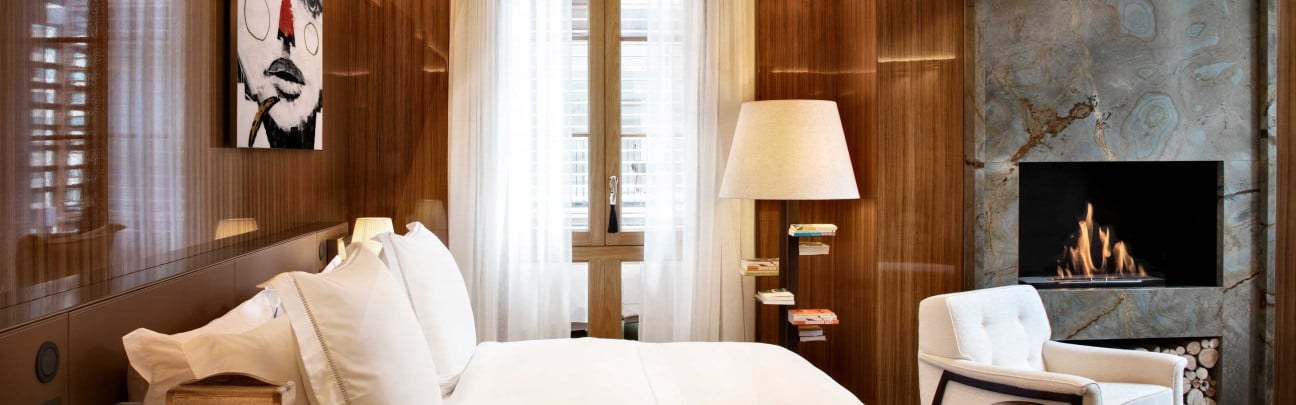
Sophisticated atmospheres ranging from intimate wine cellar with high ceilings to cozy fireside grill room and flexible large event space, all with personalized lighting and premium furnishings.